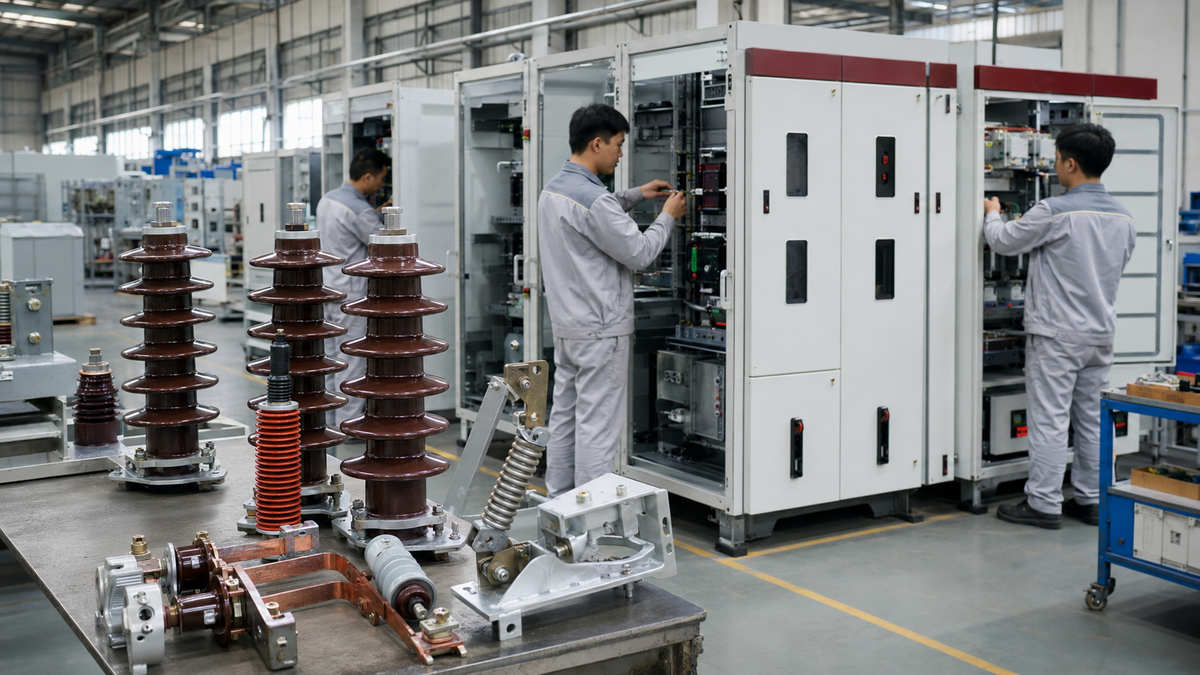
Power Switchgears and Controls: Industrial-Grade Solutions [2024]

All Categories
Reliable Power Switchgears and Controls for Industrial Applications

Reliable Power Switchgears and Controls for Industrial Applications

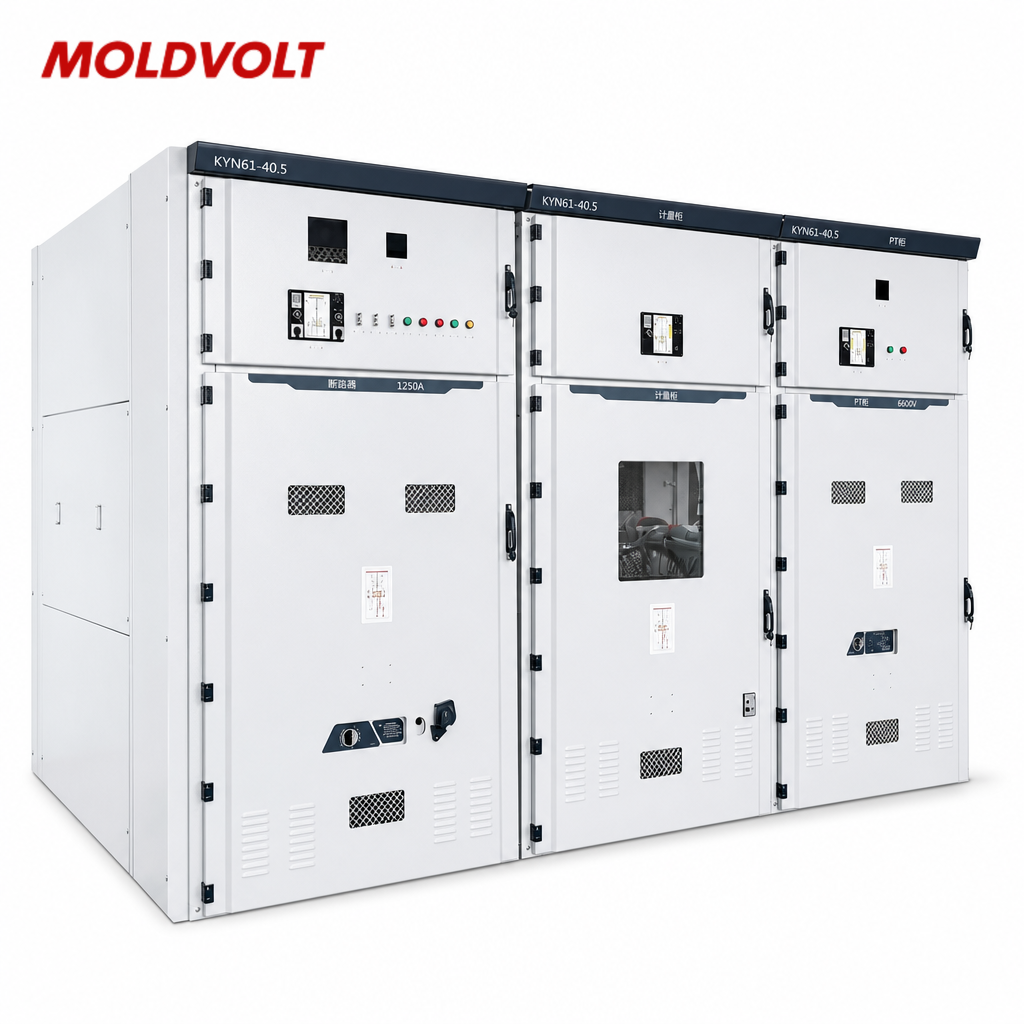
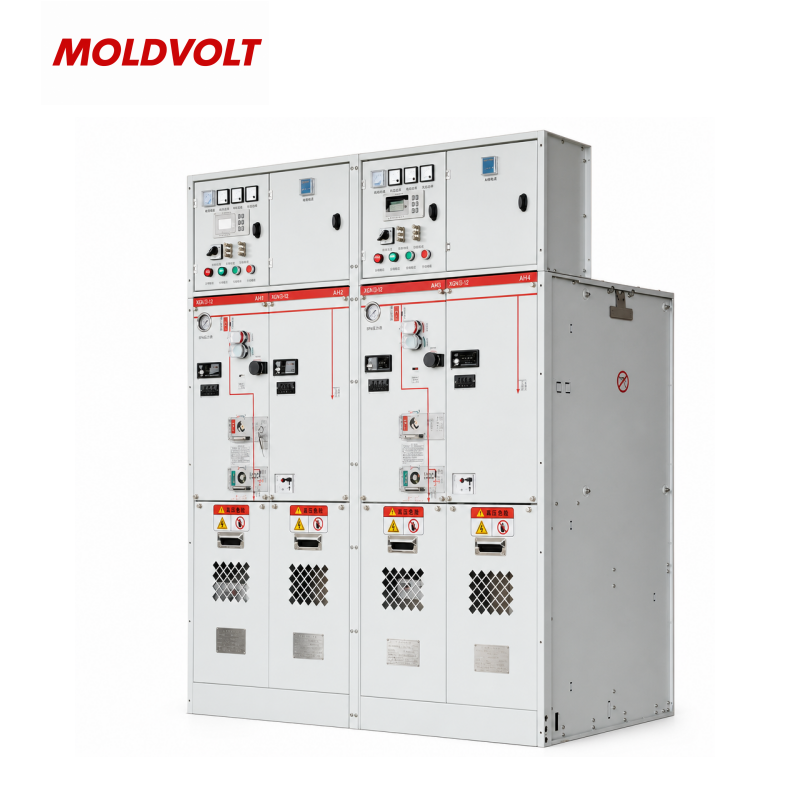
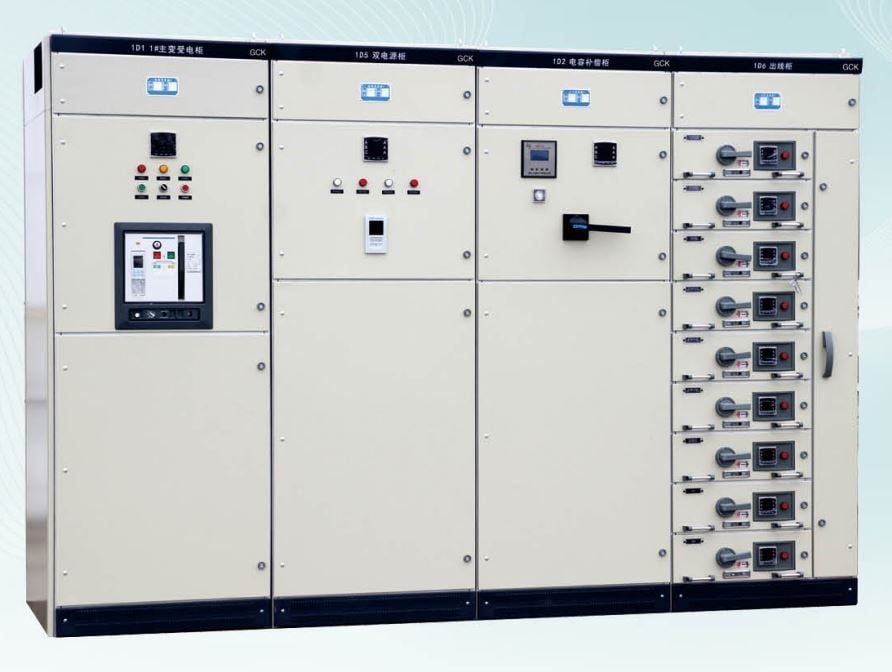
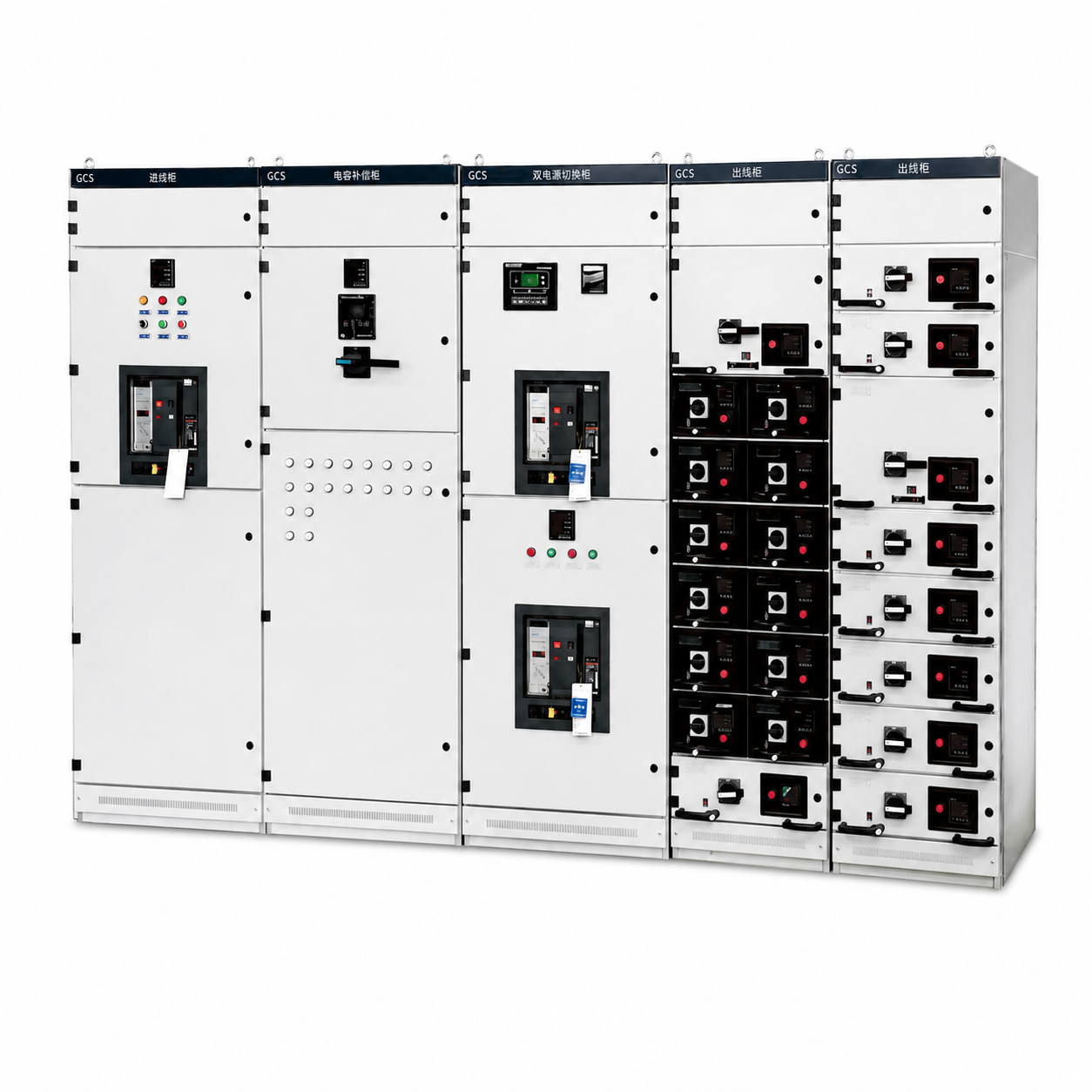
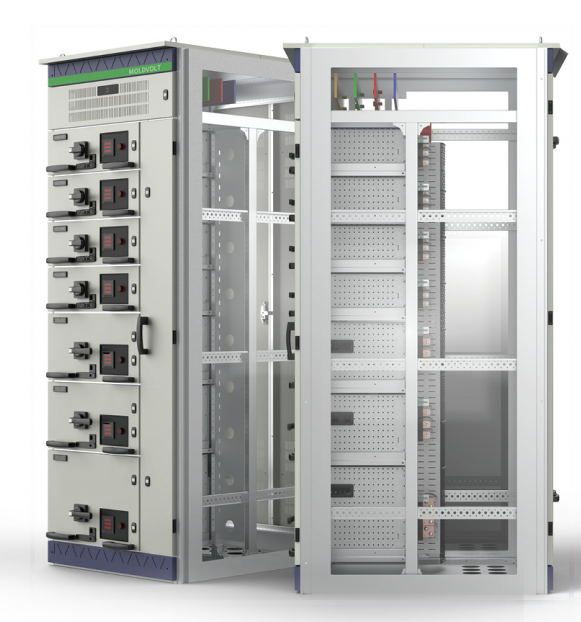
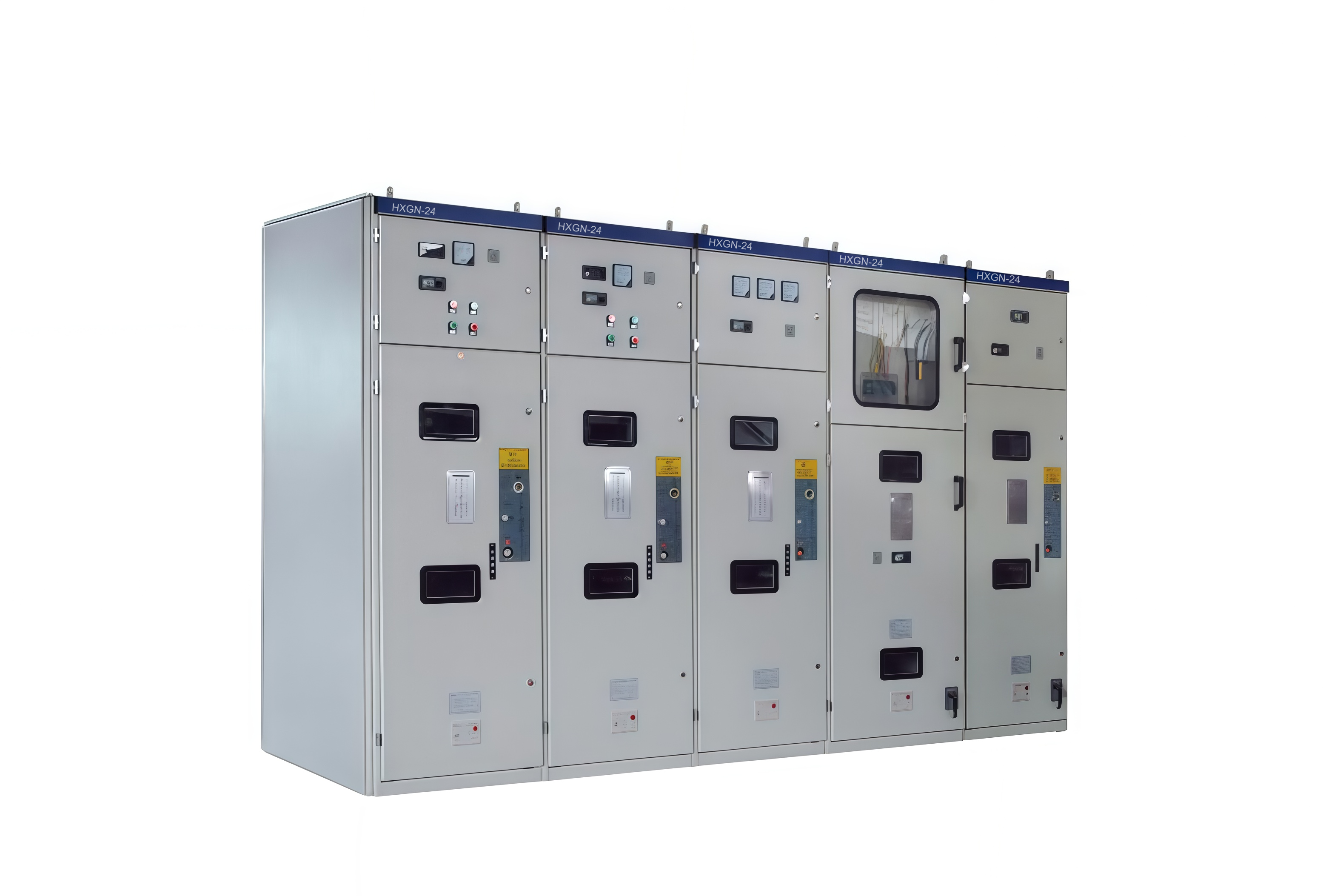
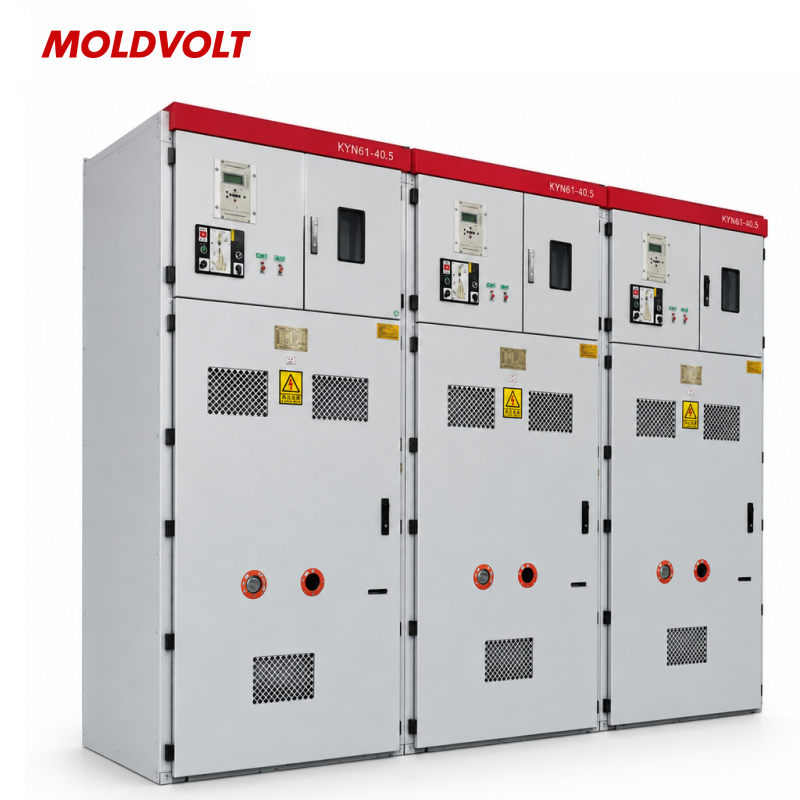
Power switchgears and controls help manage electrical distribution, circuit protection, and equipment operation across manufacturing plants, commercial buildings, utility facilities, and infrastructure projects. Depending on the application, systems may combine circuit breakers, contactors, protective relays, metering devices, and control components to support coordinated electrical functions. Selecting suitable equipment requires evaluating rated voltage, operating current, short-circuit capacity, load characteristics, and control requirements. For example, a manufacturing facility with multiple production lines may need coordinated feeder protection and motor control to support organized maintenance. VoltCabinet supports project-based electrical equipment sourcing, helping buyers evaluate configurations against technical specifications, installation conditions, and applicable standards. Final performance depends on correct engineering and commissioning.
Get A Quote

Case Study

Industrial Manufacturing and Motor Control

Manufacturing facilities depend on reliable electrical distribution and coordinated controls to operate production machinery, conveyors, pumps, and auxiliary systems. Power switchgears and controls can combine switching devices, protective components, and motor control functions within an organized electrical architecture. For a hypothetical factory with four production lines, engineers may define separate feeder circuits and control arrangements according to equipment demand and operating priorities. Correctly selected protective devices can support fault management, while clear circuit identification simplifies maintenance planning. The final design should consider motor starting characteristics, prospective fault current, environmental conditions, and applicable electrical standards to ensure compatibility with the facility's operational requirements.

Commercial Building Power Management

Commercial buildings require coordinated electrical systems to supply lighting, elevators, HVAC equipment, and other essential services. Power switchgears and controls can help organize incoming supplies, protect distribution circuits, and manage selected equipment functions. In a hypothetical office complex with three major electrical zones, engineers should assess load demand, feeder ratings, protection coordination, and building management integration. Adequate enclosure space and accessible operating components also support inspection and maintenance. The selected configuration must match the building's electrical drawings, utility requirements, and local regulations. Proper installation and commissioning help ensure the system performs according to its approved technical specification and operating procedures.

Utility and Infrastructure Electrical Systems

Utility facilities and infrastructure installations require electrical equipment that supports controlled switching, protection, and reliable distribution. Power switchgears and controls may serve incoming supplies, transformer feeders, auxiliary systems, and outgoing circuits according to the project design. For a hypothetical water treatment plant with four main electrical sections, engineers can evaluate load characteristics, fault levels, control sequences, and maintenance requirements before specifying equipment. Coordinated protective devices help manage electrical faults when correctly selected and configured. Environmental exposure, cable routing, and equipment access should also be considered. Detailed engineering reviews help confirm compatibility with the wider electrical network and applicable safety standards.

Related products

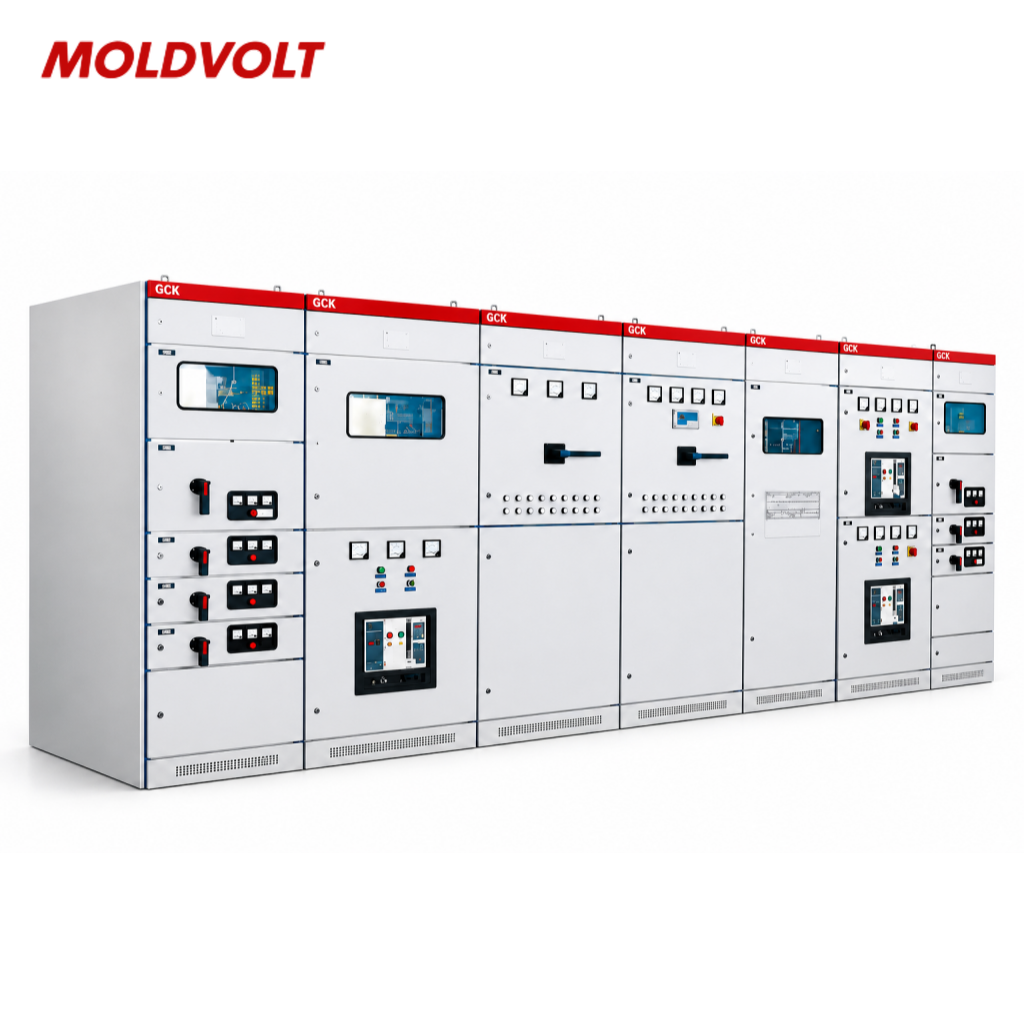
Power switchgears and controls form an essential part of electrical infrastructure, combining switching, protection, monitoring, and equipment control functions. Typical applications include manufacturing facilities, commercial buildings, utility substations, water treatment plants, and industrial processing operations. Depending on project requirements, assemblies may include circuit breakers, contactors, protective relays, busbars, metering instruments, motor starters, and communication interfaces. Selection begins with assessing system voltage, rated current, prospective short-circuit current, load characteristics, and required control sequences. Engineers should also evaluate enclosure protection, installation conditions, maintenance access, and future expansion needs. VoltCabinet supports project-oriented electrical equipment sourcing by helping international buyers review specifications and suitable configurations. For example, a factory operating several motor-driven production lines may require separate feeder protection and coordinated control functions. Buyers should provide electrical schematics, load schedules, fault calculations, and applicable standards when requesting a quotation. Final equipment ratings, customization options, compliance documentation, and delivery details should be verified before ordering.
Frequently Asked Questions

What are power switchgears and controls used for?

Power switchgears and controls support electrical distribution, circuit protection, switching, and equipment operation. Depending on the system, they may incorporate breakers, contactors, relays, metering devices, and control interfaces. Applications include factories, commercial buildings, utilities, and infrastructure facilities, with configurations determined by the electrical design.
Begin by confirming system voltage, rated current, prospective fault current, load types, and control requirements. Assess protective device coordination, enclosure conditions, applicable standards, and future capacity needs. Provide electrical drawings and load information so the supplier and project engineer can evaluate a suitable configuration before procurement.
Depending on the product range, configurations may accommodate different feeder arrangements, motor control functions, metering devices, protection components, and enclosure dimensions. Buyers should specify equipment ratings, control sequences, installation conditions, and required interfaces. Final options depend on technical feasibility and compliance requirements.
Common applications include manufacturing, commercial infrastructure, water treatment, utilities, energy projects, and industrial processing. Each sector has different load profiles, environmental conditions, and operational priorities. The correct equipment arrangement should reflect the facility's electrical architecture, protection strategy, and applicable installation regulations.
Review technical datasheets, single-line diagrams, wiring drawings, component schedules, protection settings, and applicable test documentation. Confirm relevant IEC or regional standards, installation requirements, and commissioning procedures. Complete documentation helps engineers verify component compatibility, electrical ratings, and suitability for the intended application.

Related article

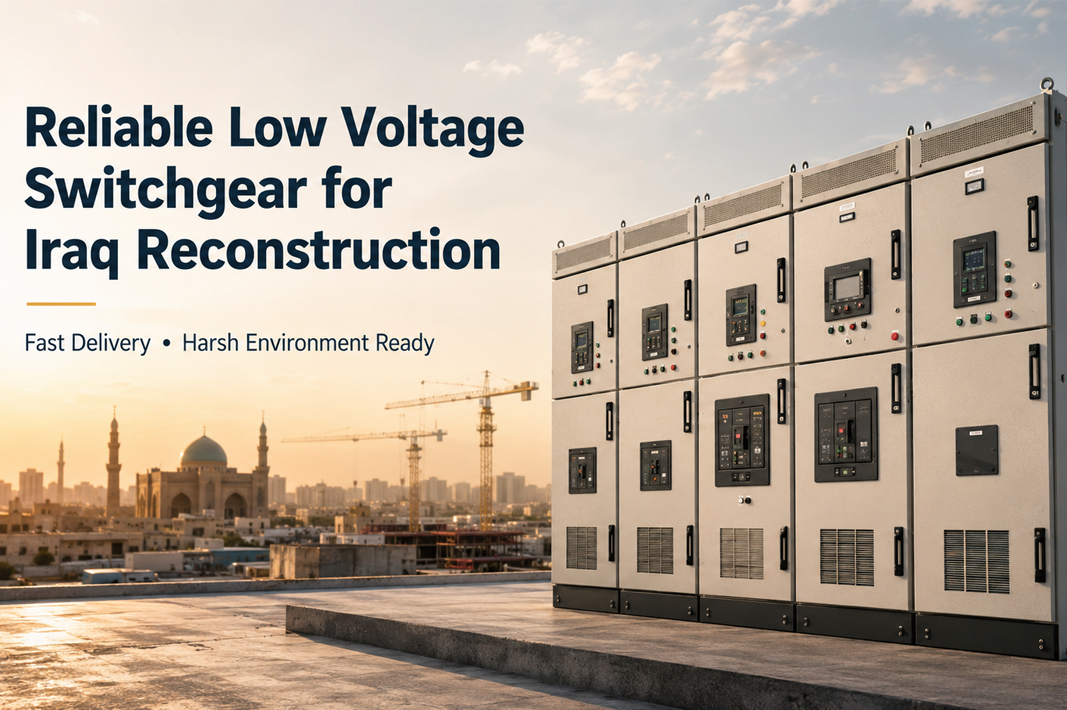
Cost-Effective Low Voltage Switchgear for Iraq: Compatible with Blokset, Okken & 8PT | Local Assembly Options

16

Sep

Cost-Effective Low Voltage Switchgear for Iraq: Compatible with Blokset, Okken & 8PT | Local Assembly Options

View More
From High-Voltage Insulators to Low-Voltage Switchgear: A Vietnamese Manufacturer’s Transformation, Together with Us‌

08

Sep

From High-Voltage Insulators to Low-Voltage Switchgear: A Vietnamese Manufacturer’s Transformation, Together with Us‌

View More
What cable clamp material suits high temperature switchgear cabinets?

19

Sep

What cable clamp material suits high temperature switchgear cabinets?

Understanding High-Temperature Challenges in Switchgear CabinetsTypical Operating Temperatures and Thermal Stress Sources (Busbars, Load Cycling, Enclosure Design)Switchgear cabinets experience elevated temperatures primarily due to resistive losses ...
View More
What electrical switchgear testing items are required before site commissioning?

21

Oct

What electrical switchgear testing items are required before site commissioning?

Insulation Integrity and Dielectric Strength Verification Megger testing of busbars, cables, and instrument transformer circuits Megger testing is a foundational pre-commissioning check for electrical switchgear, measuring insulation resistance (IR...
View More

Customer Testimonials

James Wilson

Our engineering team needed power switchgears and controls for an industrial upgrade. Reviewing load requirements, protection ratings, and control functions helped establish a practical specification for our facility.

Robert Davis

We evaluated switchgear and control equipment for a commercial project. Clearer specifications for feeder protection, switching arrangements, and maintenance access helped our team prepare for installation.

Get a Free Quote

Our representative will contact you soon.
Email
Mobile/WhatsApp
Name
Company Name
Message
0/1000
Coordinated Switching and Protection for Industrial Systems

Coordinated Switching and Protection for Industrial Systems

Effective electrical distribution requires switching devices and protective components selected to match actual operating conditions. Power switchgears and controls can support incoming supply management, feeder protection, motor operation, and electrical monitoring within a coordinated system. For example, a manufacturing plant with four production zones may require separate feeder protection and control arrangements based on the connected machinery. Engineers should evaluate prospective fault current, device ratings, load characteristics, and protection coordination before approving the design. These measures help establish a structured approach to circuit management and maintenance. VoltCabinet supports project-specific equipment evaluation, helping buyers align configuration choices with technical requirements and applicable standards.
Flexible Configurations for Changing Operational Requirements

Flexible Configurations for Changing Operational Requirements

Electrical facilities often evolve as production capacity increases, equipment changes, or new services are introduced. Power switchgears and controls should therefore be selected with attention to current demand, potential expansion, feeder availability, and compatibility with connected equipment. For a hypothetical industrial site planning an additional production line, engineers may assess spare feeder provisions, busbar capacity, enclosure space, and control interface requirements during initial specification. Expansion potential must be verified against thermal limits, fault ratings, and protective coordination rather than assumed from available physical space alone. VoltCabinet helps buyers evaluate project requirements and configuration options, supporting informed procurement decisions for long-term electrical infrastructure planning.
Project-Based Engineering and Equipment Integration

Project-Based Engineering and Equipment Integration

Successful switchgear integration begins with accurate electrical drawings, clearly defined operating requirements, and appropriate equipment selection. Engineers should coordinate breaker ratings, control wiring, protection settings, cable connections, and enclosure arrangements before installation. For example, a commercial facility with three distribution sections may need coordinated metering and feeder protection to support operational visibility and planned maintenance. Reviewing technical documentation before procurement helps identify compatibility issues and installation constraints early. Final equipment selection should follow applicable electrical standards and the approved project design. VoltCabinet supports international buyers in reviewing technical requirements and suitable electrical equipment configurations, while final compliance and performance must be verified for each installation.

Get a Free Quote

Our representative will contact you soon.
Email
Mobile/WhatsApp
Name
Company Name
Message
0/1000