Electrical Contacts for Contactors: Specs, Materials & Selection Guide

All Categories
Customer Feedback on Electrical Contact Solutions

Customer Feedback on Electrical Contact Solutions

Volt Cabinet supports electrical equipment projects that require dependable components for power distribution and control cabinet integration. Electrical contacts provide conductive interfaces that establish or interrupt current flow in devices such as contactors, relays, switches, and circuit control assemblies. Their performance depends on contact material, surface condition, contact pressure, rated current, and operating environment. For industrial machinery, appropriately specified contacts can help maintain stable connections during repeated switching cycles. In commercial electrical panels, compatible contact components simplify equipment integration and replacement planning. Buyers should evaluate electrical ratings, dimensions, thermal performance, and applicable standards before selecting components. Correct specifications and regular inspection help support operational reliability and long-term maintenance planning.
Get A Quote

Case Study

Electrical Contacts for Motor Control Systems

A manufacturing facility required dependable electrical connections within its motor control equipment. Engineers evaluated contact dimensions, rated current, switching frequency, and compatibility with the installed contactors before selecting replacement components. They also inspected terminal connections and coordinated the contact assembly with the existing protective devices. During commissioning, technicians verified switching operation and checked for abnormal heating under appropriate operating conditions. This structured approach helped the maintenance team address contact wear while preserving compatibility with the existing control system. The application demonstrates why accurate component identification and electrical rating verification are important when maintaining industrial motor circuits and reducing avoidable equipment interruptions.

Electrical Contacts for Commercial Distribution Panels

A commercial facility needed consistent electrical connections across several distribution and control panels. The project team reviewed contact specifications, mounting arrangements, conductor compatibility, and expected operating conditions before confirming suitable components. Technicians then checked connection integrity and verified the operation of the associated switching equipment. These measures helped establish a repeatable installation and inspection process for the facility's maintenance team. In commercial buildings, correctly selected electrical contacts can support dependable operation in compatible switching devices used for lighting, ventilation, and other electrical loads. Final selection should always account for manufacturer requirements, circuit protection, and applicable electrical codes.

Electrical Contact Replacement for Industrial Equipment

An equipment maintenance team needed to replace worn contacts in an existing electrical control assembly without redesigning the complete panel. Engineers identified the original component specifications, including dimensions, material requirements, current rating, and contact configuration. They compared replacement options and confirmed compatibility with the installed switching mechanism before proceeding. Following installation, technicians performed appropriate electrical and mechanical checks to verify correct operation. This approach helped organize spare-part purchasing and reduce the risk of fitting incompatible components. For older industrial equipment, accurate identification is particularly important because visually similar electrical contacts may differ in their ratings, materials, or mechanical interfaces.

Related products

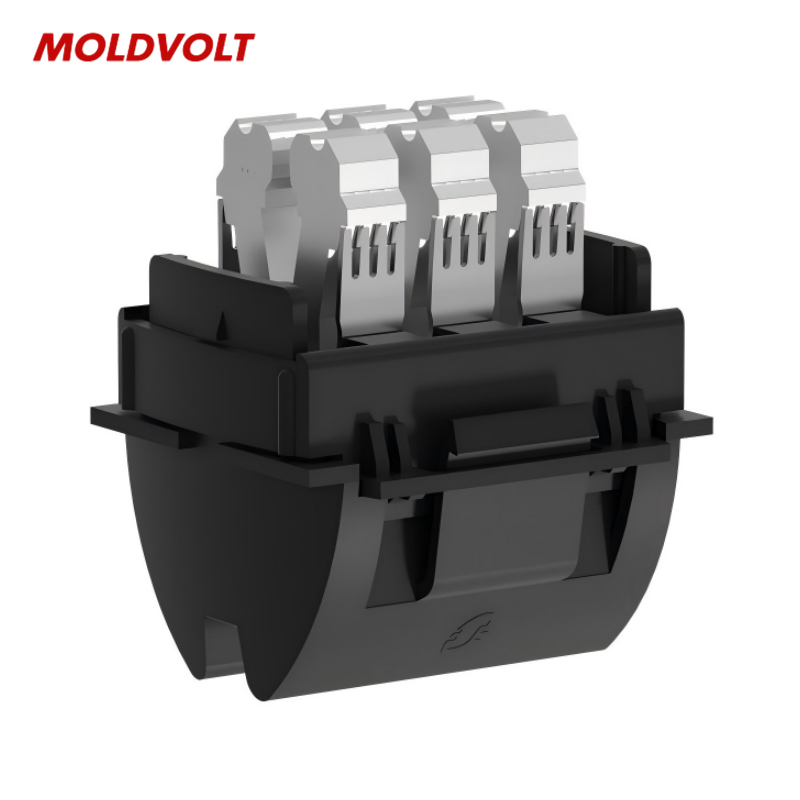
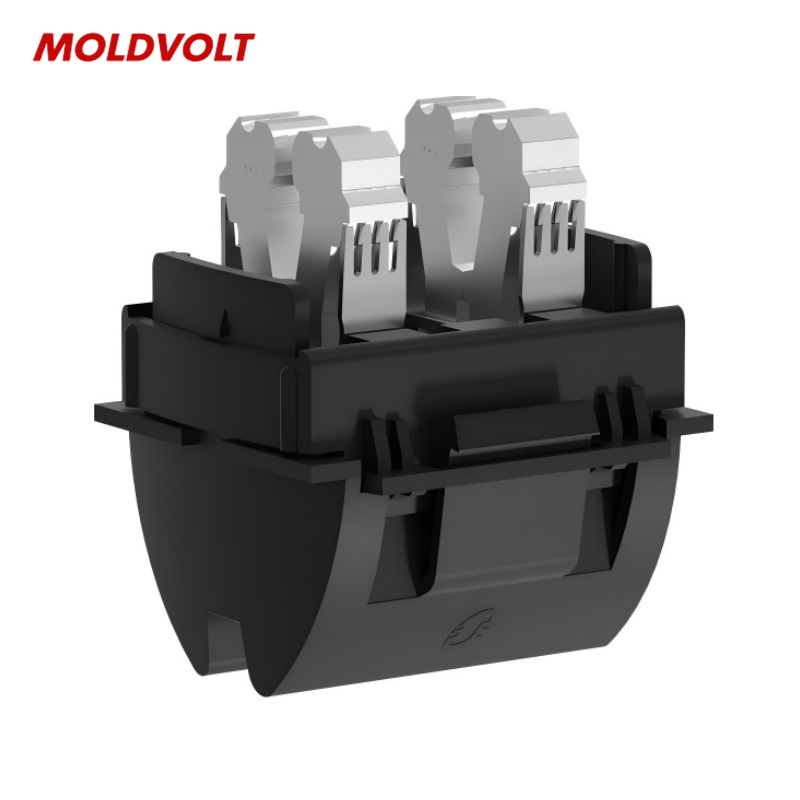
Volt Cabinet serves customers seeking electrical equipment solutions for distribution systems, industrial facilities, and control cabinet projects. Electrical contacts are conductive components used in switching devices to establish, carry, or interrupt electrical current. They appear in contactors, relays, switches, and other control assemblies, where their design influences electrical continuity, heat generation, and switching performance. Selecting suitable contacts requires consideration of rated current, operating voltage, contact material, dimensions, mechanical pressure, and switching duty. Different loads create different electrical stresses, particularly when contacts repeatedly interrupt inductive circuits or experience significant inrush current. For example, a motor control cabinet may require contact components specifically matched to its contactor model and operating category. Manufacturing consistency, dimensional accuracy, surface quality, and compatibility with the original equipment are important considerations during procurement. Buyers should also review available technical documentation, applicable IEC requirements, and relevant regional certifications. Volt Cabinet can discuss electrical cabinet requirements and component integration considerations with project customers. Before ordering, confirm the intended application, product specifications, and installation requirements to ensure that the selected components suit the equipment and operating environment.

Frequently Asked Questions

What Are Electrical Contacts Used For?

Electrical contacts conduct current between connected conductive surfaces or control the flow of electricity by opening and closing a circuit. They are commonly used in contactors, relays, switches, and industrial control equipment. Their specifications must match the electrical load, switching duty, and equipment design.
Electrical contacts may use copper alloys, silver-based materials, or other conductive materials selected for specific applications. Material choice depends on conductivity, resistance to wear, arc behavior, contact resistance, and cost. The best option depends on operating conditions and the manufacturer's engineering requirements.
Check the equipment manufacturer, model number, contact dimensions, mounting arrangement, material, and electrical ratings. Confirm the contact configuration and compatibility with the original switching mechanism. When documentation is unavailable, consult a qualified technician or supplier before purchasing a replacement component.
Electrical contacts can deteriorate because of electrical arcing, excessive current, repeated switching, mechanical wear, contamination, or loose connections. Incompatible loads can accelerate damage. Correct component selection, suitable circuit protection, and inspections performed according to manufacturer guidance help identify deterioration before it causes operational problems.
Yes, appropriately engineered electrical contacts can serve high-current applications in compatible switching equipment. However, their current-carrying capacity depends on material, geometry, contact pressure, cooling, and operating conditions. Always verify the manufacturer's ratings and ensure that the complete assembly meets applicable safety requirements.

Related article

Why cabinet condensation leads to insulation failure in electrical equipment?

21

Sep

Why cabinet condensation leads to insulation failure in electrical equipment?

The Science of Cabinet Condensation: How Temperature, Humidity, and Design InteractDew Point Formation Inside Enclosures Due to Thermal GradientsCondensation inside an electrical cabinet is not simply a matter of seal failure—it is governed by the de...
View More
Insulator dimensional tolerance controls assembly efficiency in switchgear.

25

Sep

Insulator dimensional tolerance controls assembly efficiency in switchgear.

Why Insulator Dimensional Tolerance Is the Silent Driver of Switchgear Assembly EfficiencyIn high-voltage switchgear, insulators do much more than prevent flashover—they serve as load-bearing anchors that dictate how quickly and precisely busbars, ci...
View More
What switchgear maintenance items prevent unexpected power outage risks?

10

Oct

What switchgear maintenance items prevent unexpected power outage risks?

Top 3 Root Causes of Switchgear-Related Power Outages Insulation degradation and partial discharge: leading precursors to cascade failure Insulation systems in switchgear degrade gradually under electrical, thermal, and environmental stress. Cracks...
View More
What electrical switchgear testing items are required before site commissioning?

21

Oct

What electrical switchgear testing items are required before site commissioning?

Insulation Integrity and Dielectric Strength Verification Megger testing of busbars, cables, and instrument transformer circuits Megger testing is a foundational pre-commissioning check for electrical switchgear, measuring insulation resistance (IR...
View More

Customer Testimonials

Michael Turner

Electrical contact quality is essential for dependable switching and stable circuit operation. In industrial control applications, suitable contact materials and precise assembly help reduce connection problems and support consistent equipment performance during repeated operating cycles.

David Wilson

Our team prioritizes contact compatibility when specifying electrical cabinet components. Checking current ratings, terminal dimensions, and operating conditions helps simplify installation, reduce replacement errors, and support reliable maintenance across industrial projects.

Get a Free Quote

Our representative will contact you soon.
Email
Mobile/WhatsApp
Name
Company Name
Message
0/1000
Material Selection for Reliable Electrical Performance

Material Selection for Reliable Electrical Performance

Electrical contact materials directly influence conductivity, wear resistance, thermal behavior, and switching performance. Copper-based materials can provide effective conductivity in suitable applications, while silver-based contact materials may offer advantages for particular switching duties. The appropriate choice depends on current levels, contact pressure, environmental conditions, and the possibility of electrical arcing. For example, contacts used in frequently operated industrial contactors may experience different stresses from those in low-frequency control switches. Volt Cabinet helps project buyers consider component compatibility when planning electrical cabinet applications. Reviewing technical specifications and manufacturer recommendations before procurement supports informed decisions, reduces mismatched component risks, and establishes a practical foundation for inspection and maintenance.
Precision Compatibility for Control Cabinet Integration

Precision Compatibility for Control Cabinet Integration

Correct dimensions and mechanical compatibility are essential when integrating electrical contacts into existing control equipment. A replacement component that appears similar may have different mounting features, contact geometry, or electrical ratings, potentially affecting operation and service life. Volt Cabinet supports electrical equipment projects where component selection must align with cabinet layouts and application requirements. For instance, maintenance personnel replacing contactor contacts should confirm the original model, contact configuration, operating duty, and manufacturer specifications before installation. Thorough identification helps streamline spare-parts management and reduces unnecessary assembly changes. Appropriate testing, qualified installation, and regular inspections further support dependable operation in industrial and commercial electrical systems.

Get a Free Quote

Our representative will contact you soon.
Email
Mobile/WhatsApp
Name
Company Name
Message
0/1000