Reviews Title 1: Reliable Insulation for High Voltage Substations
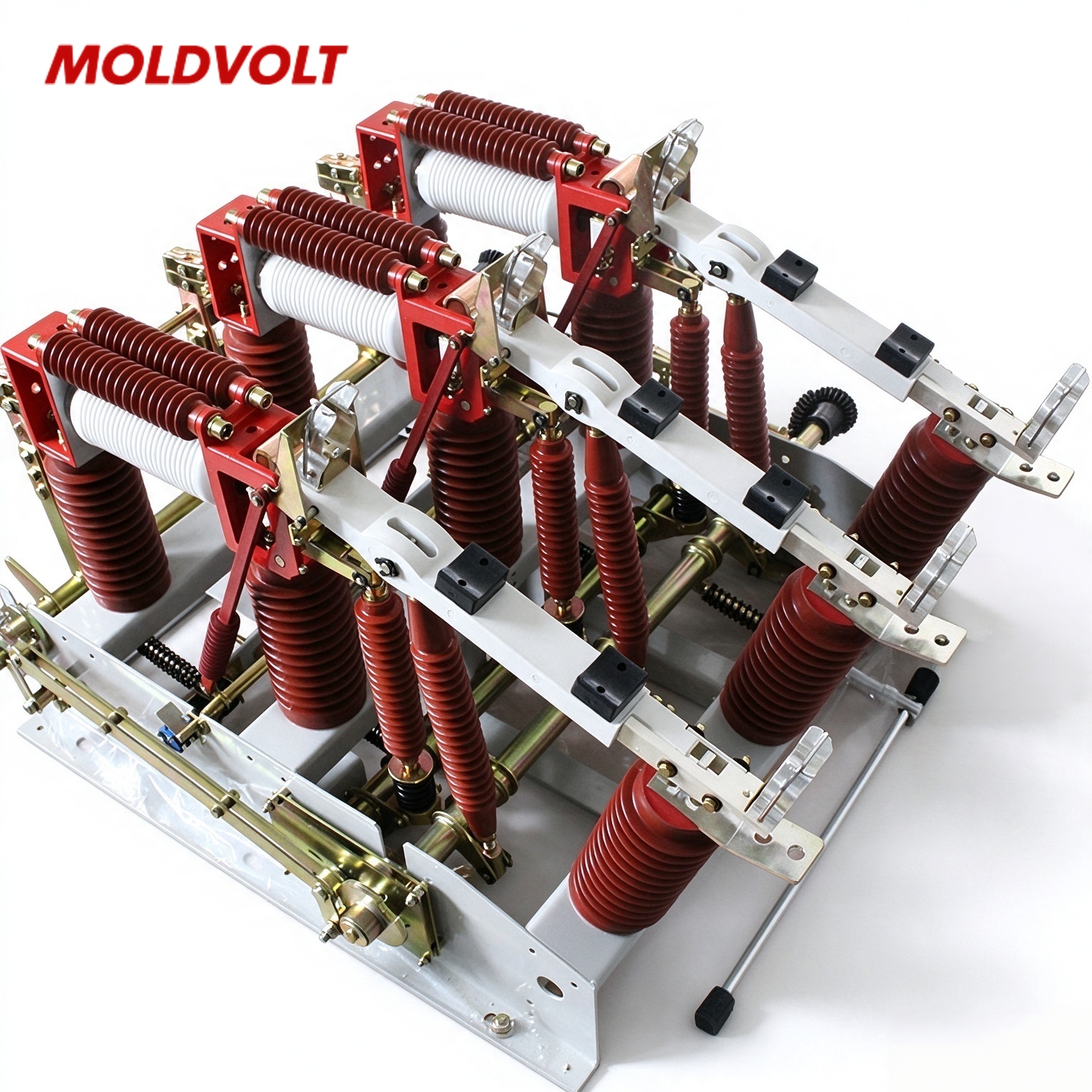
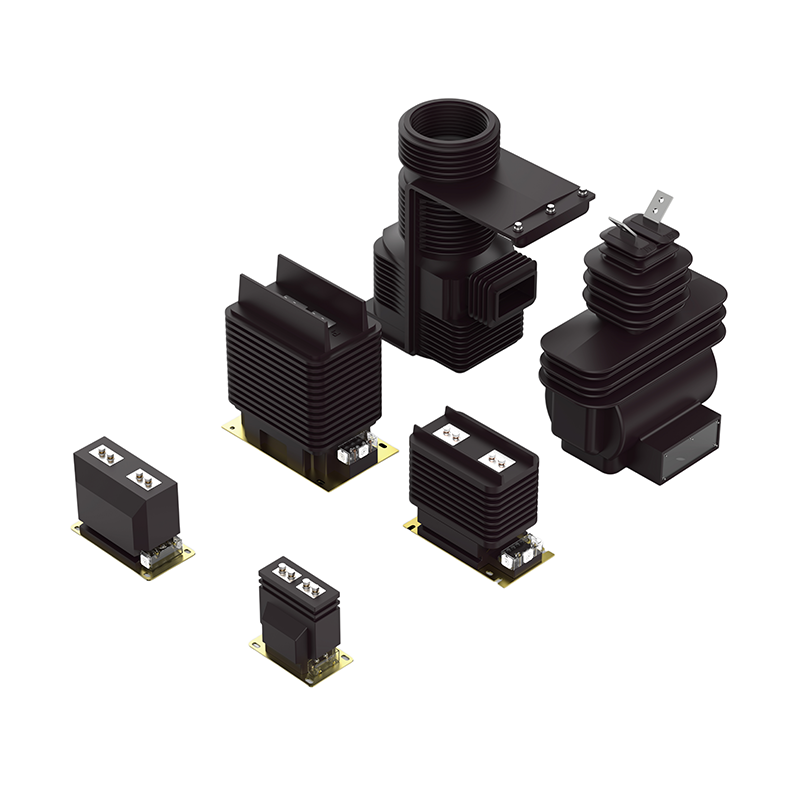
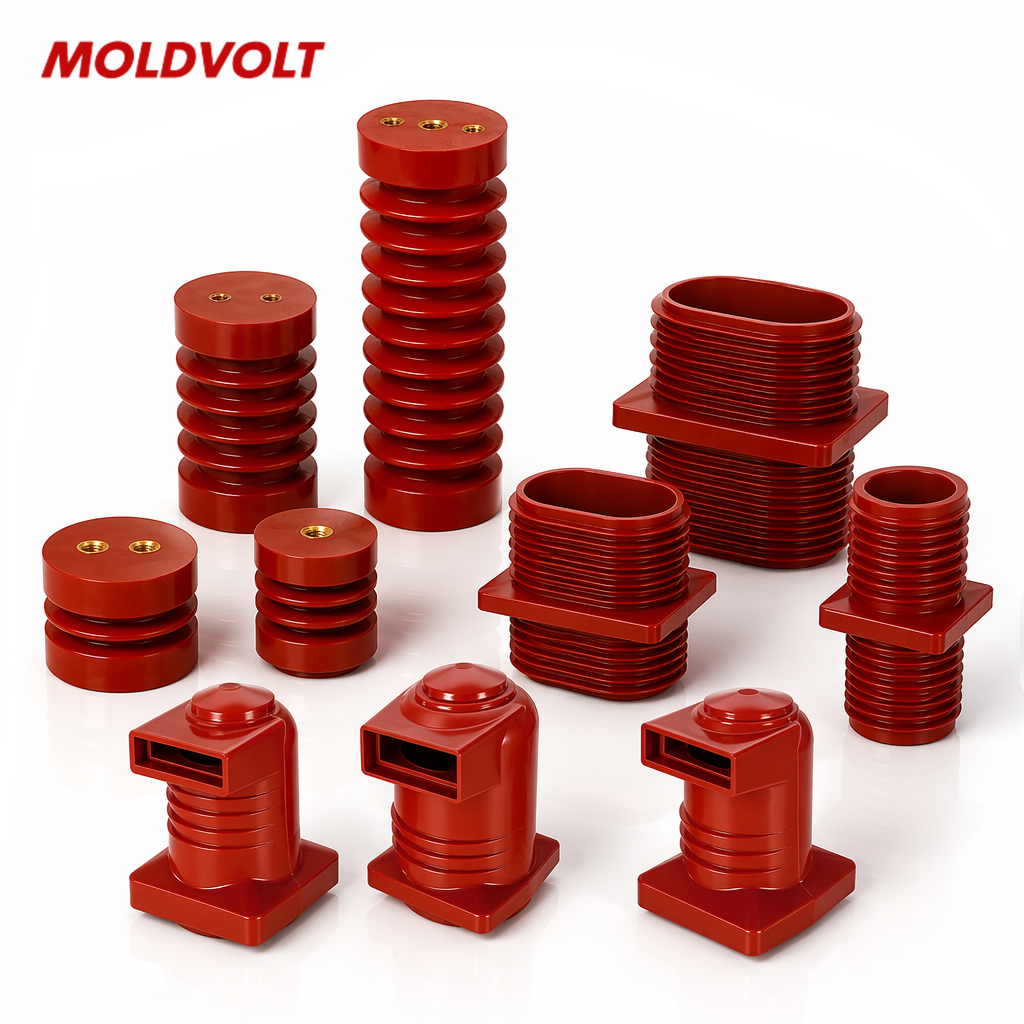
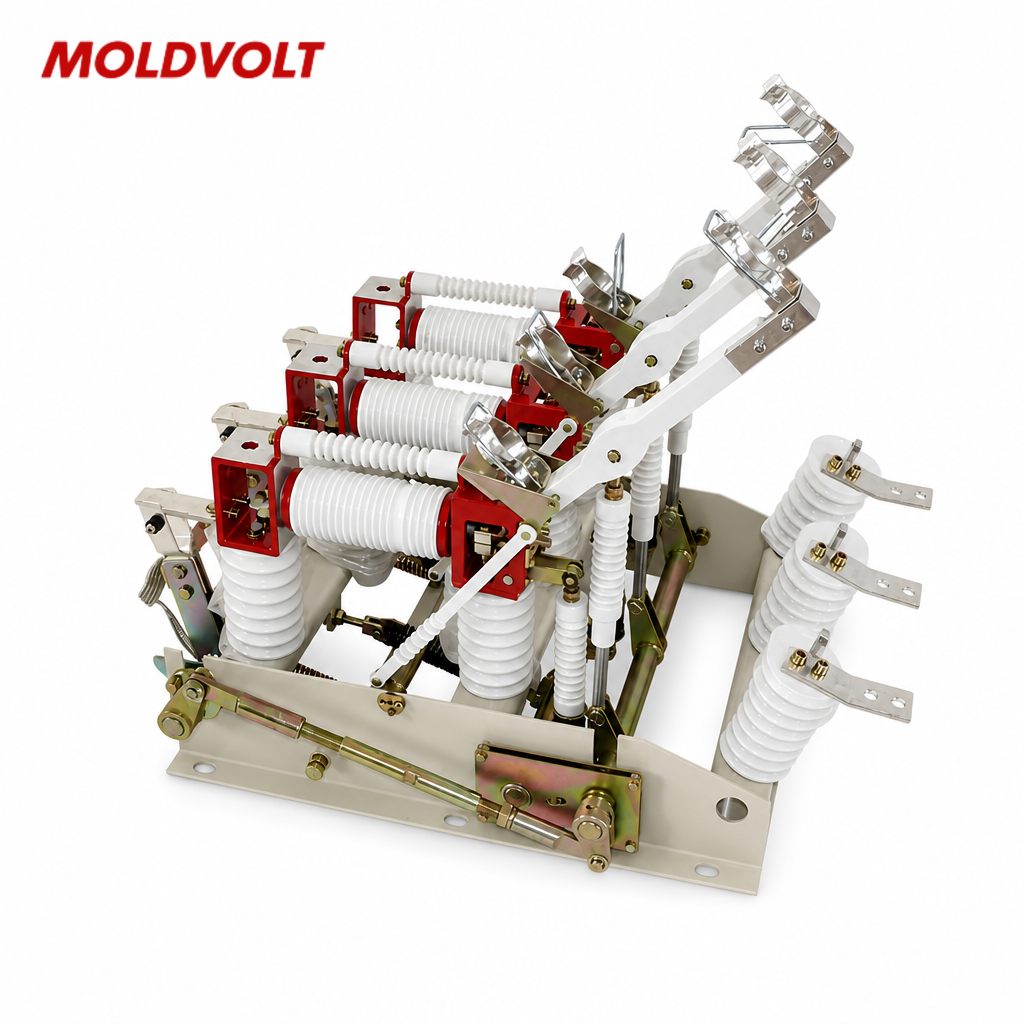
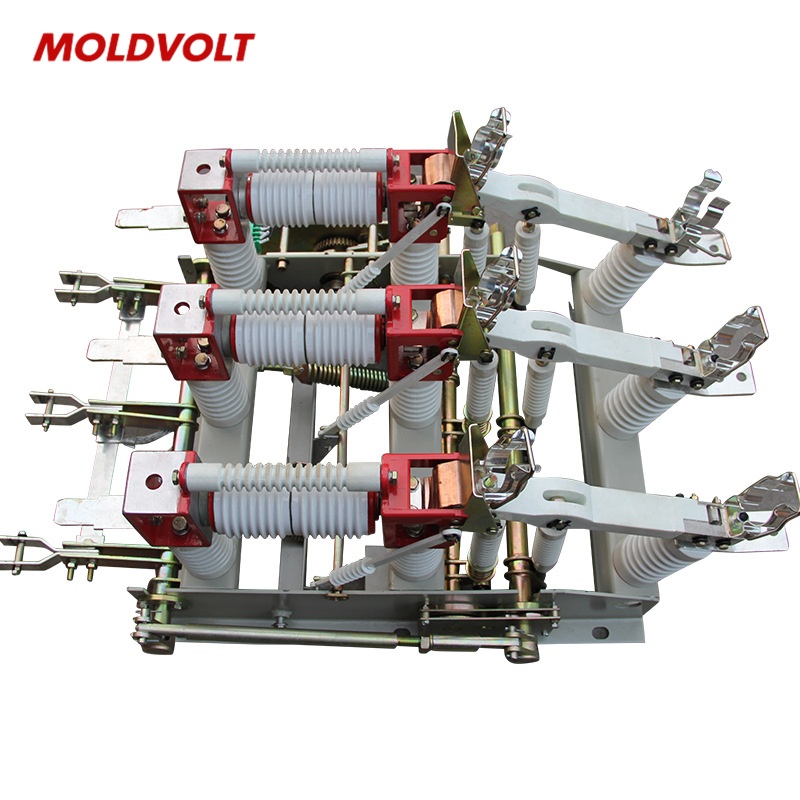
High voltage insulators provide essential electrical isolation and mechanical support for transmission lines, substations, and power distribution equipment. Designed to withstand electrical stress and environmental exposure, they help prevent leakage currents, flashovers, and unintended contact between energized components and grounded structures. Available in porcelain, glass, and polymer materials, these insulators accommodate different voltage ratings and installation environments. For example, 110kV and 220kV substations require carefully selected insulation levels and creepage distances to maintain reliable operation. Their mechanical strength, weather resistance, and insulation characteristics contribute to long-term system stability. Proper product selection helps improve equipment protection, reduce maintenance requirements, and support dependable electricity transmission.
Get A Quote

 EN