High Voltage Insulator Guide: Materials, Ratings & Selection

All Categories
Reviews Title 1: Reliable Insulation for High Voltage Substations

Reviews Title 1: Reliable Insulation for High Voltage Substations

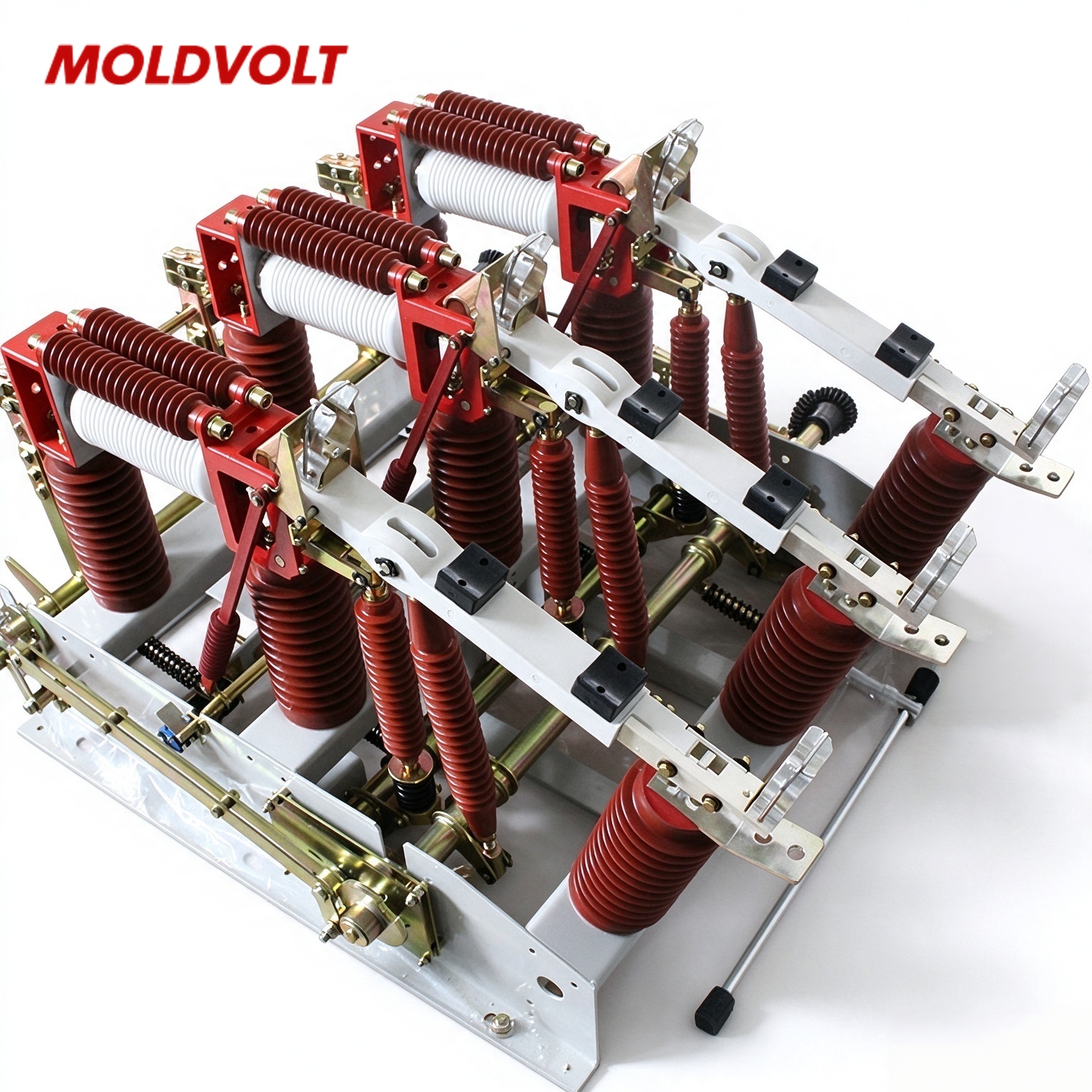
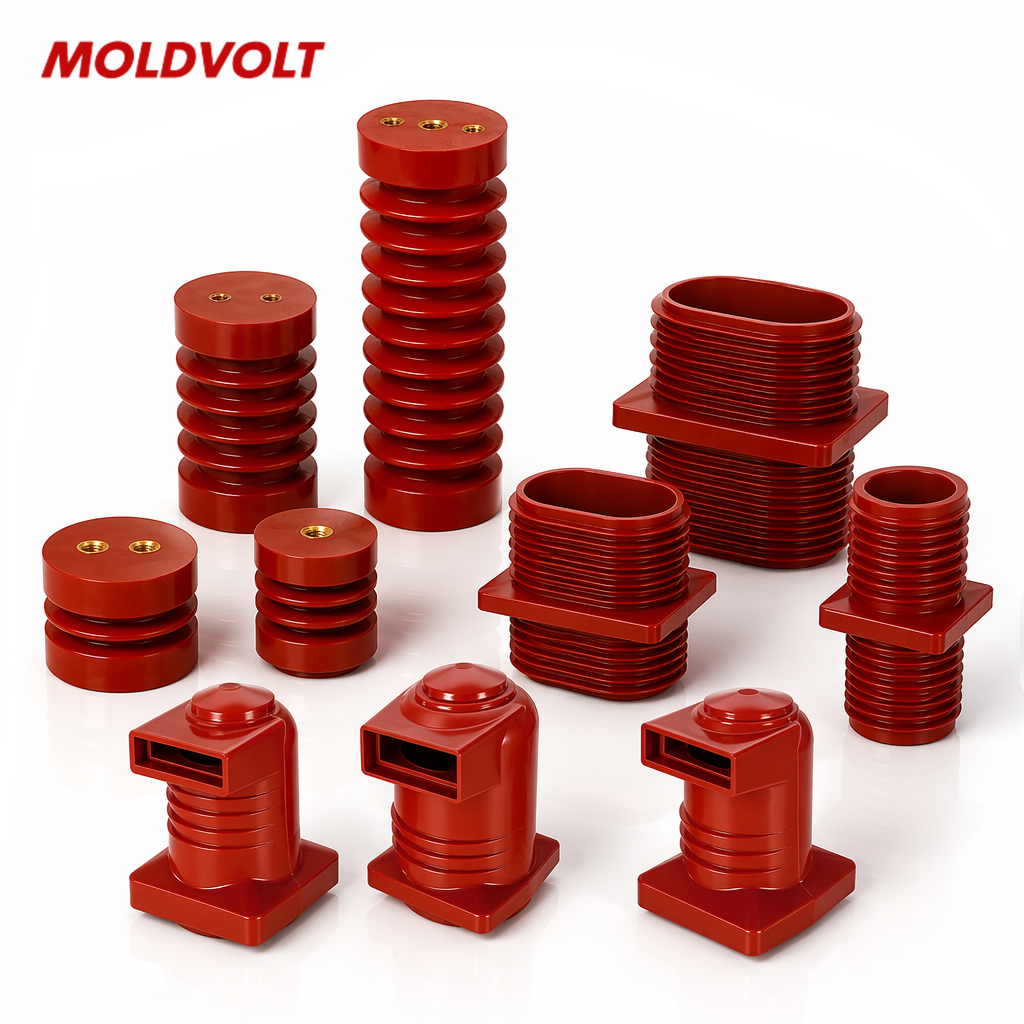
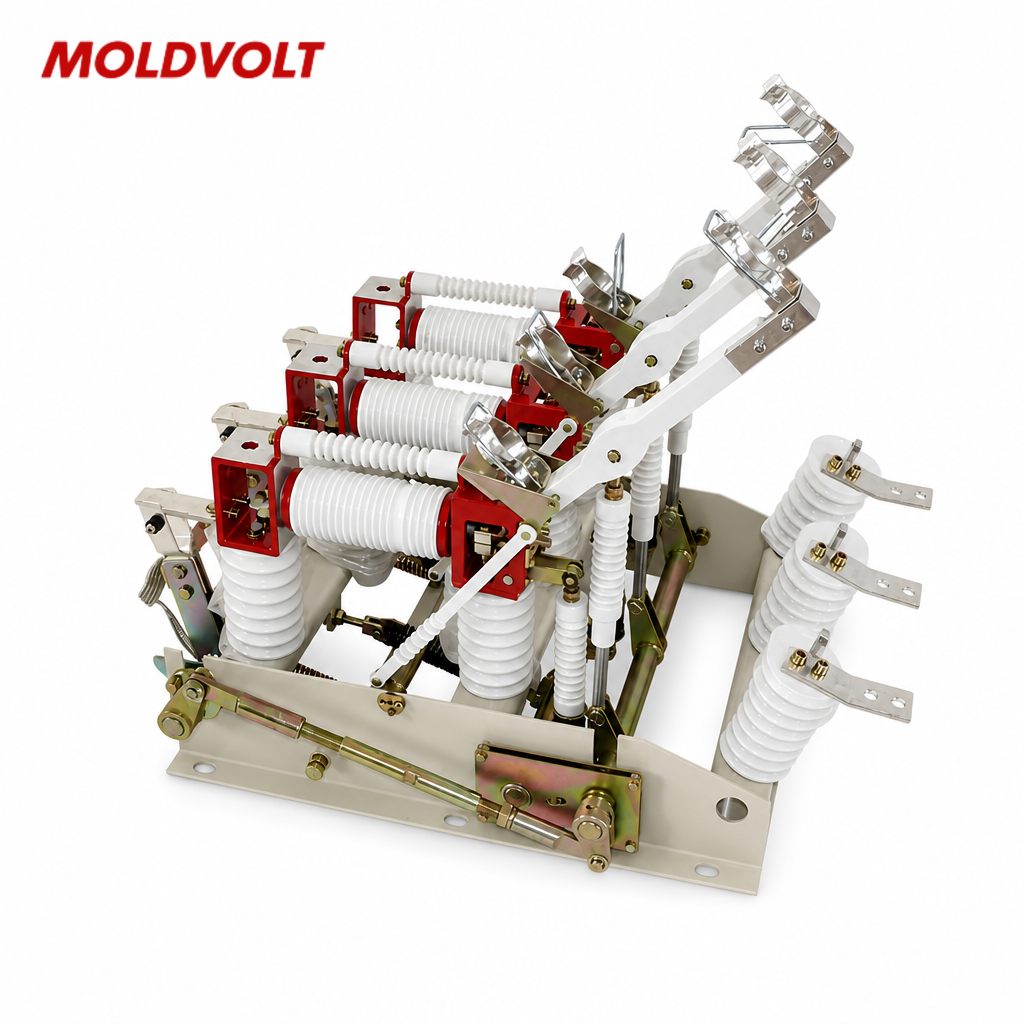
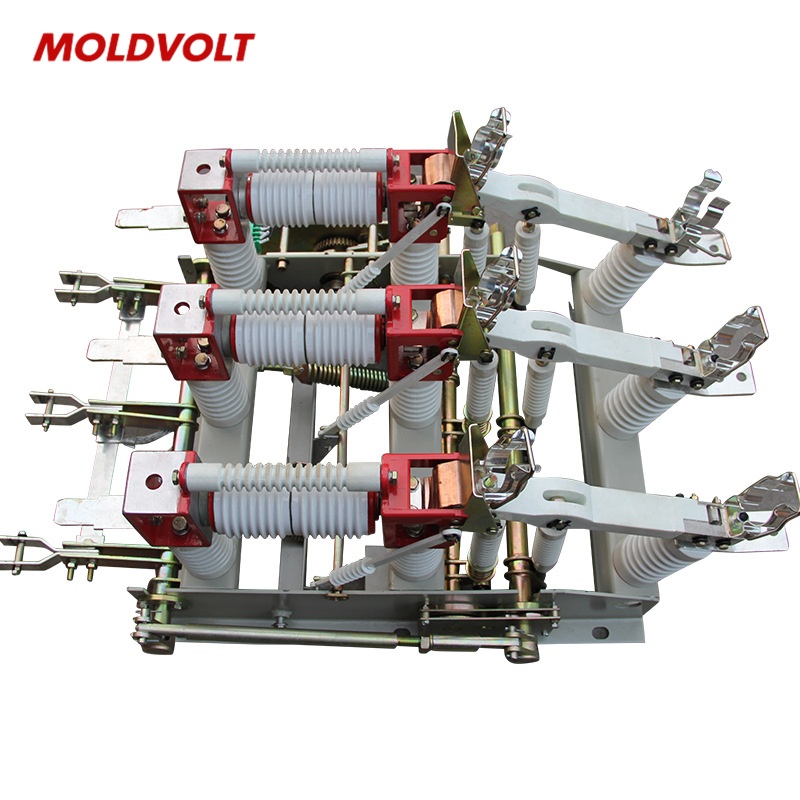
High voltage insulators provide essential electrical isolation and mechanical support for transmission lines, substations, and power distribution equipment. Designed to withstand electrical stress and environmental exposure, they help prevent leakage currents, flashovers, and unintended contact between energized components and grounded structures. Available in porcelain, glass, and polymer materials, these insulators accommodate different voltage ratings and installation environments. For example, 110kV and 220kV substations require carefully selected insulation levels and creepage distances to maintain reliable operation. Their mechanical strength, weather resistance, and insulation characteristics contribute to long-term system stability. Proper product selection helps improve equipment protection, reduce maintenance requirements, and support dependable electricity transmission.
Get A Quote

Case Study

110kV Substation Insulation Protection

A regional power utility required reliable insulation components for its 110kV outdoor substation. The installation involved supporting energized busbars and maintaining electrical separation between conductors and grounded structures. High voltage insulators were selected according to rated voltage, insulation level, mechanical loading, and environmental conditions. Their insulation characteristics help prevent unintended current paths and reduce the risk of flashovers during normal operation. Creepage distance and material selection were particularly important because outdoor equipment was exposed to rain, dust, and changing temperatures. Proper installation and periodic inspection help maintain electrical integrity and support dependable substation operation throughout the equipment's service life.

Overhead Transmission Line Insulation

A transmission project required dependable insulators to support overhead conductors while maintaining electrical isolation from transmission towers. For a 220kV transmission line, engineers evaluated string configuration, mechanical tensile strength, pollution severity, and insulation coordination. Composite insulators offered a lightweight alternative with weather-resistant polymer housings, while porcelain and glass designs remained suitable for other project requirements. Appropriate insulator selection helps withstand conductor loads and environmental exposure while reducing the possibility of electrical flashovers. Regular inspections of fittings, insulation surfaces, and structural components further support long-term performance and improve the reliability of electricity transmission across demanding outdoor networks.

Industrial Power Distribution Insulation

An industrial facility needed dependable insulation components for its high voltage distribution equipment and electrical switchyard. The installation required insulators capable of supporting conductive components while maintaining adequate electrical clearance under operating conditions. Product selection considered system voltage, mechanical load, creepage distance, and surrounding environmental factors. Suitable porcelain or composite insulators can help maintain electrical separation in demanding industrial environments. Correct installation also ensures that mechanical forces are distributed appropriately across supporting structures. By integrating properly specified insulation components into the electrical design, the facility can improve operational reliability, support maintenance activities, and reduce risks associated with insulation deterioration.

Related products

High voltage insulators are essential components in electrical transmission, distribution, and substation infrastructure. Their primary functions are to electrically isolate energized conductors from grounded structures and provide mechanical support for electrical equipment. Common materials include porcelain, toughened glass, and composite polymers, each offering different mechanical, electrical, and environmental characteristics. Porcelain insulators provide established dielectric performance and mechanical strength, while glass designs allow visual identification of certain damage conditions. Composite insulators generally combine a fiberglass-reinforced polymer core with an elastomeric housing, offering lightweight construction and hydrophobic surface properties. Manufacturing processes may include ceramic forming and glazing, glass tempering, or composite core production and housing molding. Key selection parameters include rated voltage, lightning impulse withstand voltage, power-frequency withstand voltage, creepage distance, and mechanical load capacity. For example, a 220kV transmission installation requires insulation coordination based on system conditions and pollution severity. Appropriate material selection, production controls, and electrical testing help ensure dependable insulation performance and long-term service reliability.

Frequently Asked Questions

What is the main function of a high voltage insulator?

A high voltage insulator separates energized electrical conductors from grounded structures while providing mechanical support. It prevents unwanted current flow, helps maintain electrical clearances, and reduces the risk of flashovers. These functions are essential for safe and reliable operation in substations and transmission networks.
Common materials include porcelain, toughened glass, and composite polymers. Porcelain offers established insulation and mechanical properties, glass provides durable dielectric performance, and composite designs combine lightweight fiberglass cores with weather-resistant polymer housings. Selection depends on voltage rating, mechanical requirements, and environmental conditions.
Consider rated voltage, insulation withstand levels, creepage distance, mechanical load capacity, pollution severity, and installation environment. Engineers should also evaluate applicable electrical standards and system insulation coordination to ensure the selected insulator meets the requirements of the specific transmission or distribution project.
High voltage insulators are used in overhead transmission lines, electrical substations, switchgear assemblies, busbar supports, and industrial power distribution systems. Their specific configuration depends on whether the application requires conductor suspension, tension support, equipment insulation, or structural electrical separation.
Regular inspections should identify surface contamination, cracks, damaged fittings, corrosion, and signs of electrical deterioration. Cleaning requirements depend on pollution levels and material specifications. Monitoring mechanical conditions and maintaining correct installation clearances also help preserve insulation performance and extend equipment service life.

Related article

Why cabinet condensation leads to insulation failure in electrical equipment?

21

Sep

Why cabinet condensation leads to insulation failure in electrical equipment?

The Science of Cabinet Condensation: How Temperature, Humidity, and Design InteractDew Point Formation Inside Enclosures Due to Thermal GradientsCondensation inside an electrical cabinet is not simply a matter of seal failure—it is governed by the de...
View More
Cabinet corrosion resistance determines service life in coastal engineering sites.

23

Sep

Cabinet corrosion resistance determines service life in coastal engineering sites.

Why Coastal Environments Accelerate Cabinet CorrosionThe chloride-humidity synergy: How salt aerosols and sustained high RH drive electrochemical degradationCoastal atmospheres subject cabinet enclosures to a uniquely aggressive combination of airbor...
View More
How to customize cabinet dimensions to fit existing switchgear layouts?

26

Sep

How to customize cabinet dimensions to fit existing switchgear layouts?

Step 1: Accurate Site Assessment and Dimensional BenchmarkingMeasuring mechanical layout, clearances, and structural constraints in legacy electrical roomsA successful retrofit begins with a meticulous site survey. Older electrical rooms rarely match...
View More
Insulator dimension design follows international high voltage standards strictly.

16

Oct

Insulator dimension design follows international high voltage standards strictly.

Core IEC Standards Governing Insulator Dimension Design IEC 60383: Mechanical and Electrical Requirements for Ceramic and Glass Insulators The IEC 60383 series defines the mechanical and electrical test regimes that ceramic and glass insulators mus...
View More

Customer Testimonials

Michael Brown

We installed these high voltage insulators in our 110kV substation project. Their stable insulation performance and durable construction helped support reliable power transmission and reduce maintenance concerns.

James Wilson

The insulators delivered consistent performance across our outdoor distribution installation. Their weather-resistant construction and dependable electrical insulation supported stable operation under demanding environmental conditions.

Get a Free Quote

Our representative will contact you soon.
Email
Mobile/WhatsApp
Name
Company Name
Message
0/1000
Advanced Insulation Materials and Manufacturing

Advanced Insulation Materials and Manufacturing

Material quality and manufacturing precision directly influence high voltage insulator performance. Porcelain production involves controlled forming, firing, and glazing processes to achieve suitable dielectric and mechanical properties. Toughened glass insulators require carefully controlled thermal treatment, while composite products rely on fiberglass-reinforced polymer cores and molded elastomeric housings. Each material offers different advantages for transmission lines and substation applications. For example, composite insulators can reduce structural weight in installations where mechanical loading and handling are important considerations. Production inspections and electrical testing help verify dimensional accuracy, insulation integrity, and mechanical performance. Consistent manufacturing quality supports reliable operation across different voltage classes and environmental conditions.
Weather Resistance for Outdoor Power Infrastructure

Weather Resistance for Outdoor Power Infrastructure

Outdoor high voltage insulators must withstand changing temperatures, moisture, ultraviolet exposure, pollution, and other environmental stresses. Their surface characteristics and creepage distance play important roles in maintaining insulation performance under contaminated conditions. Porcelain and glass designs provide established outdoor insulation solutions, while composite insulators offer hydrophobic polymer surfaces that can help reduce surface wetting. For example, transmission installations in coastal or industrial environments require careful evaluation of pollution severity and insulation requirements. Appropriate material selection and installation design help reduce flashover risks and maintain electrical separation. Regular inspection and condition-based maintenance further support dependable operation in challenging outdoor environments.

Get a Free Quote

Our representative will contact you soon.
Email
Mobile/WhatsApp
Name
Company Name
Message
0/1000