GIS Switchgear Solutions: Compact, Reliable & Space-Saving

All Categories
Customer Reviews for GIS Switchgear

Customer Reviews for GIS Switchgear

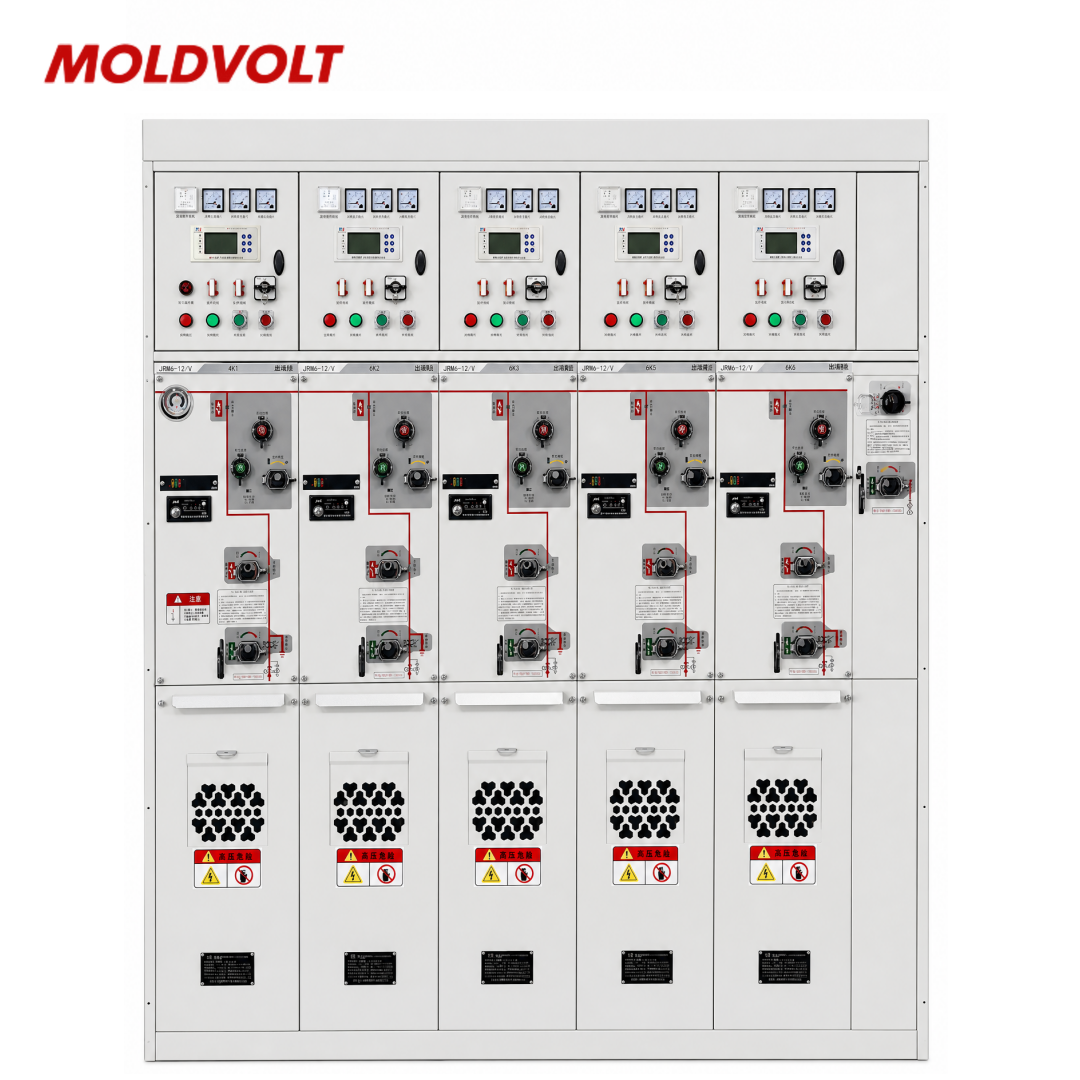
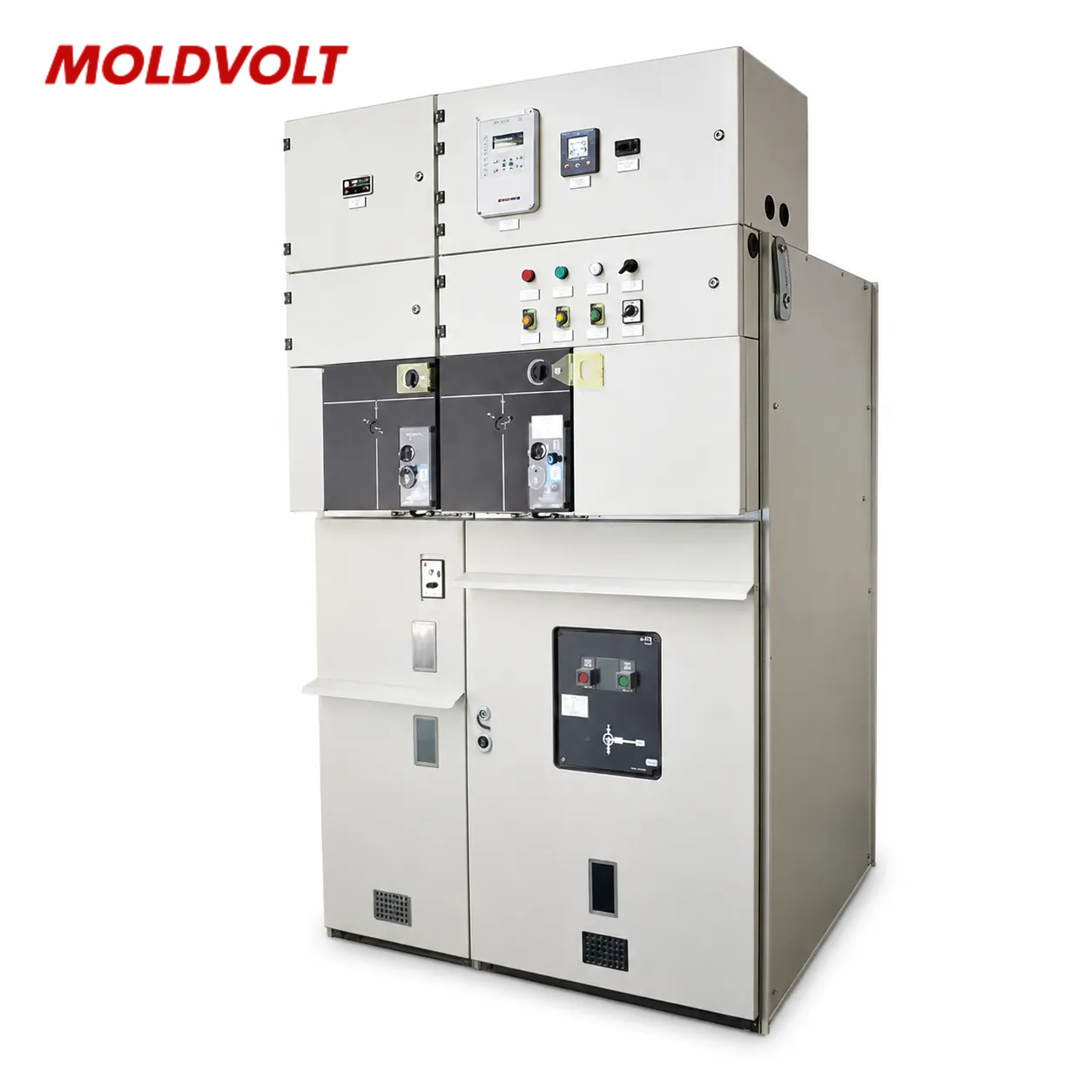
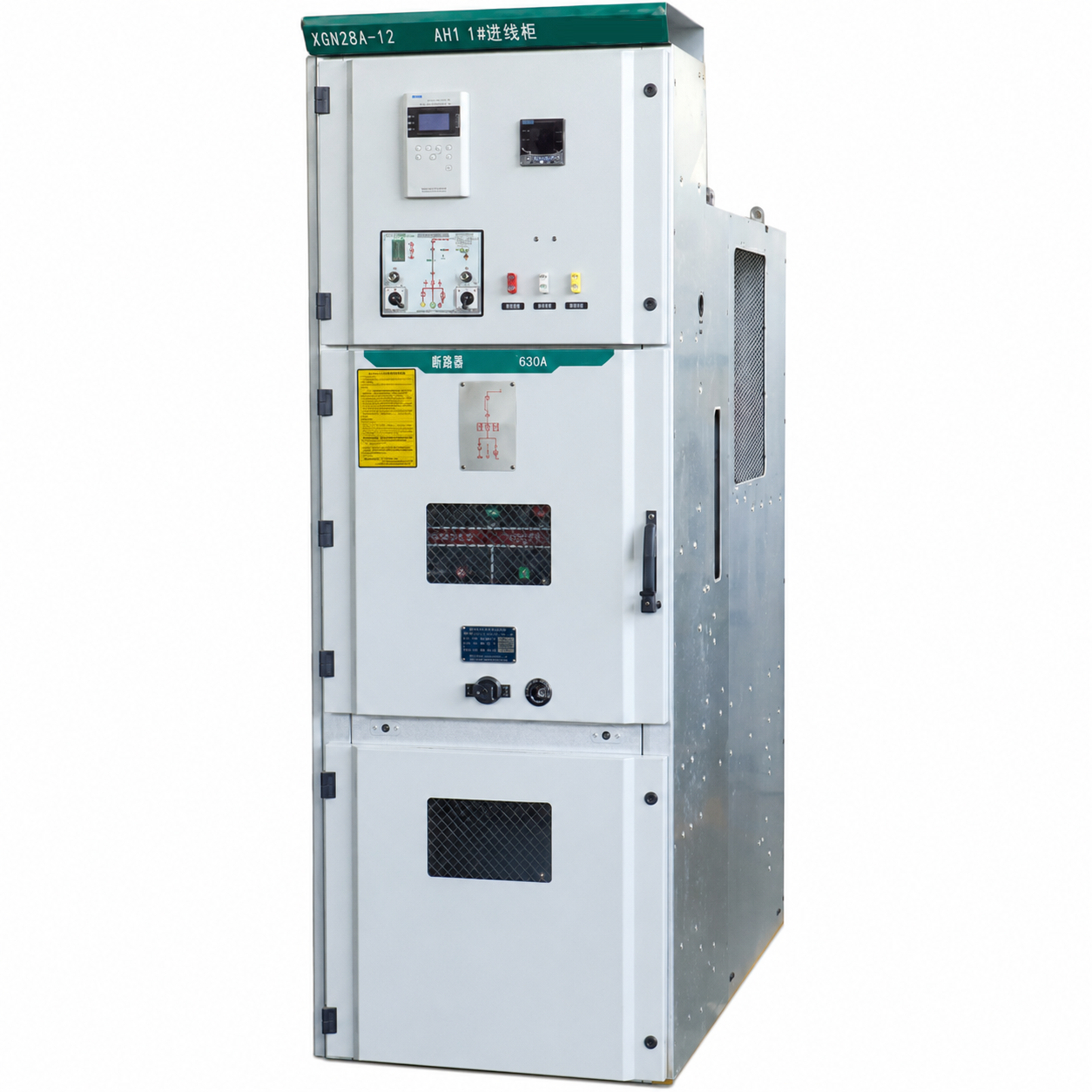
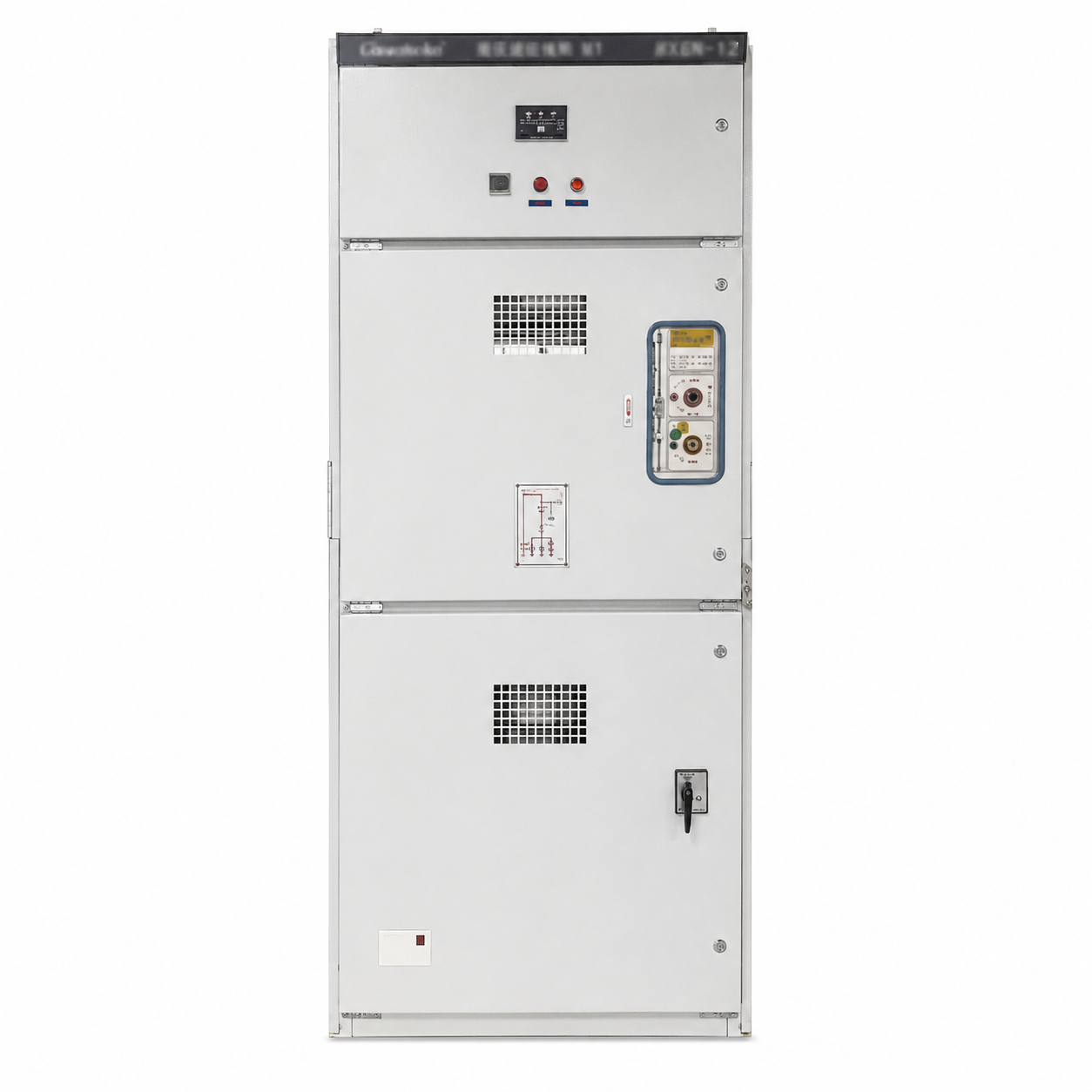
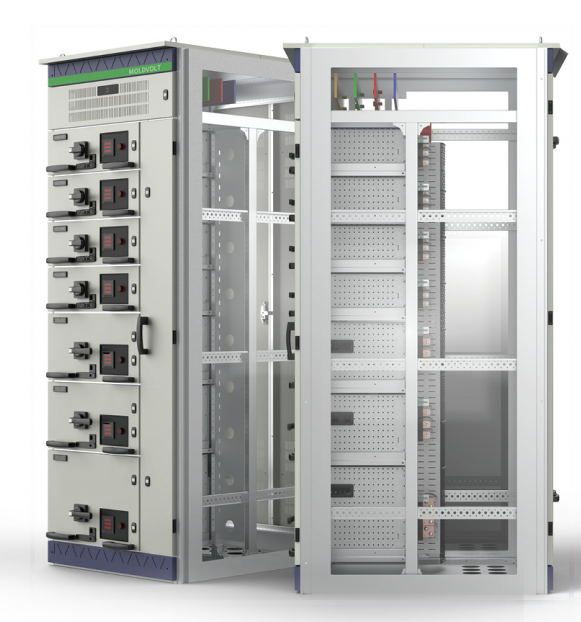
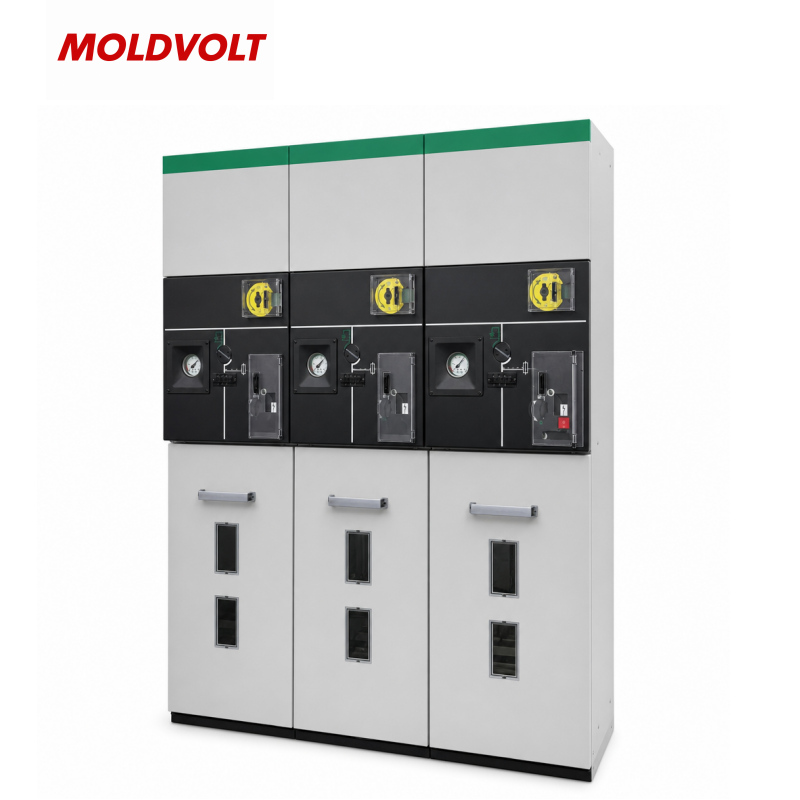
GIS switchgear, or gas-insulated switchgear, is designed to control, protect, and isolate electrical circuits in medium- and high-voltage power systems. Its key components are housed in grounded metal enclosures, with an insulating gas or alternative insulation medium providing the required electrical insulation. This compact arrangement makes GIS switchgear suitable for utility substations, industrial facilities, urban networks, and infrastructure projects where installation space is limited. The enclosed construction also helps protect internal components from many external contaminants. Depending on the system configuration, assemblies may include circuit breakers, disconnectors, earthing switches, busbars, and instrument transformers. Selecting suitable equipment requires evaluating rated voltage, current capacity, short-circuit performance, insulation technology, protection coordination, and applicable standards.
Get A Quote

Case Study

Urban Substations and Utility Networks

Urban electricity networks must deliver reliable power while accommodating limited land availability and increasingly complex infrastructure. GIS switchgear provides a compact equipment arrangement for substations serving residential communities, commercial districts, and transportation systems. Its metal-enclosed construction can allow equipment to be installed in dedicated buildings or other carefully planned spaces where conventional air-insulated configurations may require more room. Utility engineers should assess rated voltage, continuous current, short-circuit levels, busbar arrangements, cable connections, and protection requirements before selecting equipment. Environmental conditions, maintenance access, and insulation technology also influence the final design. When integrated with suitable transformers, control systems, and protection relays, GIS switchgear can help utilities optimize substation layouts and maintain organized power distribution in space-constrained location

Industrial Power Distribution Systems

Manufacturing plants, processing facilities, and other energy-intensive operations depend on stable electrical distribution to support production equipment and essential services. GIS switchgear can be incorporated into medium- and high-voltage systems where compact installation and protection from external contaminants are important considerations. Its enclosed design may help accommodate electrical infrastructure in designated indoor or outdoor locations, depending on the manufacturer's specifications. Project teams should evaluate incoming supply characteristics, load demand, fault levels, switching duties, and coordination with transformers and downstream distribution equipment. Maintenance access, monitoring capabilities, spare-parts availability, and operating procedures should also be considered during planning. A correctly engineered GIS switchgear installation supports organized switching and can contribute to dependable power delivery throughout industrial facilities.

Infrastructure and Commercial Developments

Airports, railway systems, hospitals, data centers, and large commercial developments require carefully planned electrical infrastructure to support essential operations. GIS switchgear can provide a compact switching solution for projects where available space, equipment protection, and operational reliability are key priorities. Its enclosed arrangement helps limit exposure of internal components to many external contaminants, although suitability depends on equipment ratings and installation conditions. Engineers should evaluate redundancy requirements, rated voltage, short-circuit withstand capability, protection coordination, and integration with backup power systems. Compatibility with transformers, cable networks, monitoring devices, and substation automation systems is also important. Selecting GIS switchgear according to project-specific requirements helps establish an organized electrical network that supports critical services and accommodates planned capacity growth.

Related products

GIS switchgear, short for gas-insulated switchgear, is used to control, protect, and isolate electrical circuits in medium- and high-voltage transmission and distribution networks. Its main components are installed inside grounded metal enclosures, where an insulating gas or alternative insulation medium provides electrical insulation. Depending on the design, the assembly may include circuit breakers, disconnectors, earthing switches, busbars, current transformers, voltage transformers, and surge arresters. These components support circuit switching, equipment isolation, and electrical protection. GIS switchgear is widely considered for utility substations, industrial power systems, urban infrastructure, and installations where space efficiency is important. Equipment selection should account for rated voltage, continuous current, short-circuit ratings, insulation coordination, switching duties, enclosure configuration, and environmental conditions. Buyers should also verify applicable standards, factory test documentation, installation requirements, maintenance procedures, and technical support. For equipment using SF₆, gas handling and leakage management must follow applicable environmental regulations and manufacturer guidance. Alternative insulation technologies may be available for suitable applications. A properly engineered GIS switchgear solution helps balance compact installation, operational reliability, and the technical requirements of modern power networks.
Frequently Asked Questions

What is GIS switchgear?

GIS switchgear, or gas-insulated switchgear, is electrical equipment used to control, protect, and isolate circuits in medium- and high-voltage power systems. Its main components are housed in grounded metal enclosures, with an insulating gas or alternative medium providing electrical insulation. It is commonly used in substations and industrial networks.
GIS switchgear offers a compact footprint, enclosed electrical components, and reduced exposure to many external contaminants. These characteristics make it suitable for urban substations, industrial facilities, and infrastructure projects with limited installation space. Actual performance, maintenance requirements, and lifecycle costs depend on the equipment design and operating environment.
GIS switchgear is commonly used in utility substations, industrial power distribution networks, urban electricity systems, transportation infrastructure, and large commercial facilities. It can be designed for indoor or outdoor installation according to the manufacturer's specifications. The appropriate configuration depends on voltage level, load requirements, site conditions, and applicable electrical standards.
Buyers should evaluate rated voltage, continuous current, short-circuit withstand capability, switching duties, insulation medium, protection requirements, and installation conditions. They should also verify compliance with relevant standards and review factory test documentation, maintenance provisions, and after-sales support. Environmental regulations must be considered when selecting equipment that uses SF₆.
Maintenance depends on the equipment design and insulation technology. Typical activities include inspecting operating mechanisms, checking protection and monitoring functions, reviewing alarms, and assessing insulation-system condition according to manufacturer guidance. For gas-insulated equipment, inspection and handling procedures must follow relevant safety requirements, environmental regulations, and the manufacturer's instructions.

Related article

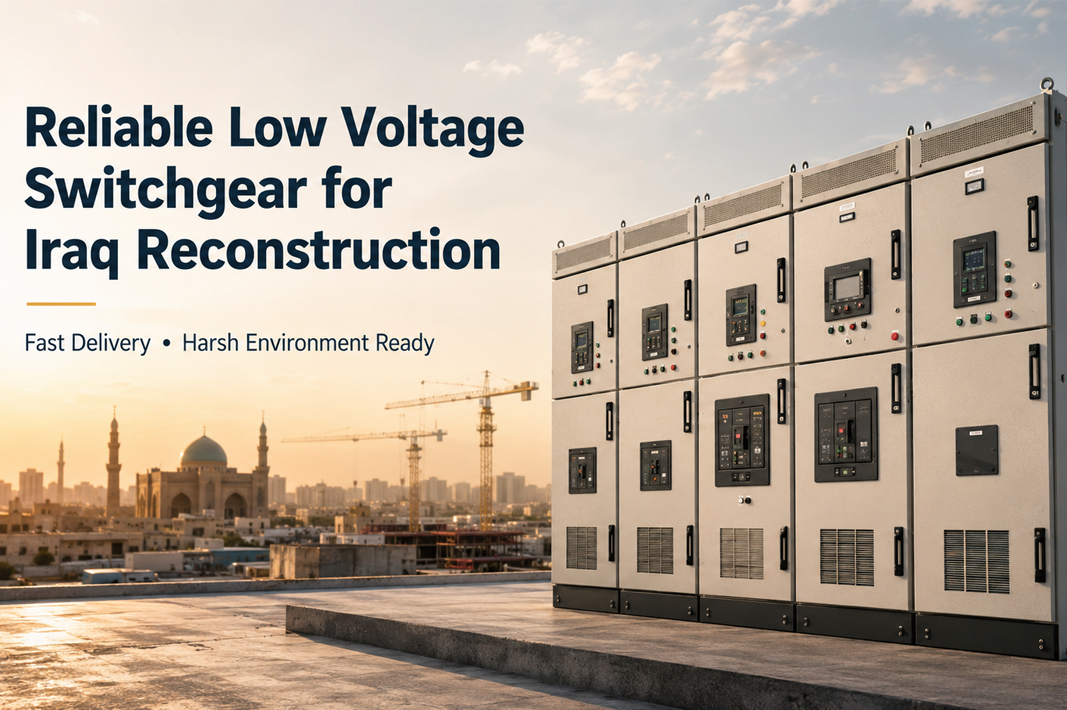
Cost-Effective Low Voltage Switchgear for Iraq: Compatible with Blokset, Okken & 8PT | Local Assembly Options

16

Sep

Cost-Effective Low Voltage Switchgear for Iraq: Compatible with Blokset, Okken & 8PT | Local Assembly Options

View More
How to customize cabinet dimensions to fit existing switchgear layouts?

26

Sep

How to customize cabinet dimensions to fit existing switchgear layouts?

Step 1: Accurate Site Assessment and Dimensional BenchmarkingMeasuring mechanical layout, clearances, and structural constraints in legacy electrical roomsA successful retrofit begins with a meticulous site survey. Older electrical rooms rarely match...
View More
Insulator dimension design follows international high voltage standards strictly.

16

Oct

Insulator dimension design follows international high voltage standards strictly.

Core IEC Standards Governing Insulator Dimension Design IEC 60383: Mechanical and Electrical Requirements for Ceramic and Glass Insulators The IEC 60383 series defines the mechanical and electrical test regimes that ceramic and glass insulators mus...
View More
Cable clamp vs cable tie: which one delivers long term stability in panels?

27

Oct

Cable clamp vs cable tie: which one delivers long term stability in panels?

Mechanical Performance Under Thermal Stress Polymer creep and thermal expansion mismatch in nylon cable ties at 60–85°C Nylon 6/6 cable ties undergo measurable mechanical degradation when exposed continuously to 60–85 °C. At the...
View More

Customer Testimonials

James Wilson

Our substation project required reliable switching equipment within a limited footprint. The GIS switchgear configuration helped optimize equipment placement and supported organized power distribution with an enclosed design.

Michael Brown

We needed switching equipment for a demanding industrial power network. The selected GIS switchgear supported integration with protection systems and provided a compact solution aligned with our installation requirements.

Get a Free Quote

Our representative will contact you soon.
Email
Mobile/WhatsApp
Name
Company Name
Message
0/1000
Space-Saving Design for Modern Substations

Space-Saving Design for Modern Substations

GIS switchgear helps engineers design substations where limited land or building dimensions restrict conventional equipment layouts. Its metal-enclosed configuration can reduce the installation footprint compared with many air-insulated arrangements, depending on the voltage level and system design. This makes GIS switchgear a practical option to evaluate for urban utility networks, industrial facilities, and infrastructure developments with demanding space requirements. Engineers can arrange circuit breakers, disconnectors, busbars, and cable interfaces according to the required network architecture. Working clearances, maintenance access, ventilation, and future expansion must still be addressed during project planning. By matching equipment dimensions and electrical ratings to site conditions, GIS switchgear can support efficient space utilization while maintaining essential switching and protection functions.
Integrated Protection for Dependable Power Networks

Integrated Protection for Dependable Power Networks

GIS switchgear combines enclosed electrical components with switching and protection functions designed for medium- and high-voltage applications. Circuit breakers and disconnectors support controlled operation and equipment isolation, while suitable protection relays help detect faults and coordinate responses across the power network. The enclosure can reduce exposure to many external contaminants, although overall reliability also depends on correct specification, installation, and maintenance. Project teams should verify rated voltage, short-circuit performance, insulation technology, control interfaces, and compatibility with transformers and cable systems. Monitoring functions can provide useful information about equipment status and operating conditions. For SF₆-based systems, appropriate gas management and regulatory compliance are essential. A properly selected GIS switchgear solution supports organized operation and long-term electrical network performance.

Get a Free Quote

Our representative will contact you soon.
Email
Mobile/WhatsApp
Name
Company Name
Message
0/1000