Control and Switchgear Solutions for Industrial Power Systems

All Categories
Reliable Control And Switchgear Solutions for Industrial Power Systems

Reliable Control And Switchgear Solutions for Industrial Power Systems

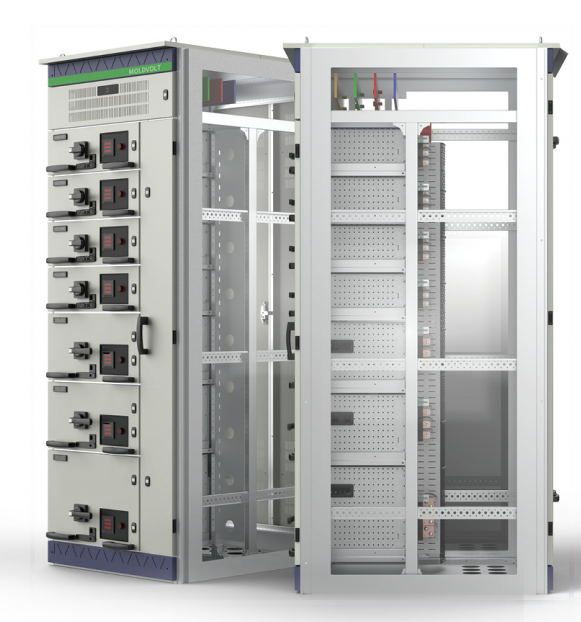
Control and switchgear equipment supports the safe operation, monitoring, and protection of electrical systems across industrial plants, commercial buildings, utility networks, and infrastructure projects. Combining appropriate switching devices with control components helps engineers manage power distribution, isolate circuits, and coordinate equipment operation. Selection should consider rated voltage, operating current, short-circuit capacity, control logic, enclosure protection, and compatibility with connected equipment. For example, a manufacturing facility with several production lines may require coordinated motor control and feeder protection to support organized maintenance and operational continuity. VoltCabinet provides electrical equipment solutions for project-specific requirements, helping buyers evaluate configurations and technical specifications. Final performance depends on engineering design, installation quality, and compliance with applicable standards.
Get A Quote

Case Study

Industrial Production Line Control

Manufacturing plants depend on coordinated electrical control and power distribution to operate motors, pumps, conveyors, and auxiliary machinery. Control and switchgear assemblies can bring switching, protection, and selected control functions into a structured electrical arrangement. For a hypothetical factory with three production lines, engineers may separate motor circuits and auxiliary loads to simplify troubleshooting and planned maintenance. Appropriate circuit protection, clearly identified components, and accessible wiring layouts help technicians work more efficiently. The final design should reflect motor starting requirements, fault levels, environmental conditions, and applicable safety standards. Careful specification helps align the electrical system with production needs and future expansion plans.

Commercial Building Electrical Management

Office buildings, shopping centers, and mixed-use developments require dependable electrical systems for lighting, ventilation, elevators, and other essential services. Control and switchgear equipment can support circuit distribution, equipment isolation, and coordinated control functions. In a hypothetical commercial building with multiple electrical zones, separating circuits according to load type can help simplify maintenance planning and fault investigation. Engineers should assess expected demand, protection coordination, enclosure requirements, and integration with building management systems where needed. Clear labeling and well-organized layouts also support routine inspections. A project-specific configuration helps balance operational requirements, installation constraints, and long-term serviceability without assuming that equipment alone guarantees uninterrupted power.

Utility And Infrastructure Power Systems

Utility facilities and infrastructure projects require electrical equipment designed around defined operating conditions and protection requirements. Control and switchgear can support the management of incoming supplies, distribution feeders, and selected auxiliary systems. For a hypothetical water treatment facility with four major electrical sections, engineers could organize switching and control functions according to equipment criticality and maintenance needs. The specification should address rated voltage, short-circuit withstand, environmental exposure, control interfaces, and coordination with upstream and downstream devices. Technical reviews before procurement help confirm that the proposed arrangement matches the electrical drawings and site requirements. Proper installation and maintenance procedures remain essential for dependable operation.

Related products

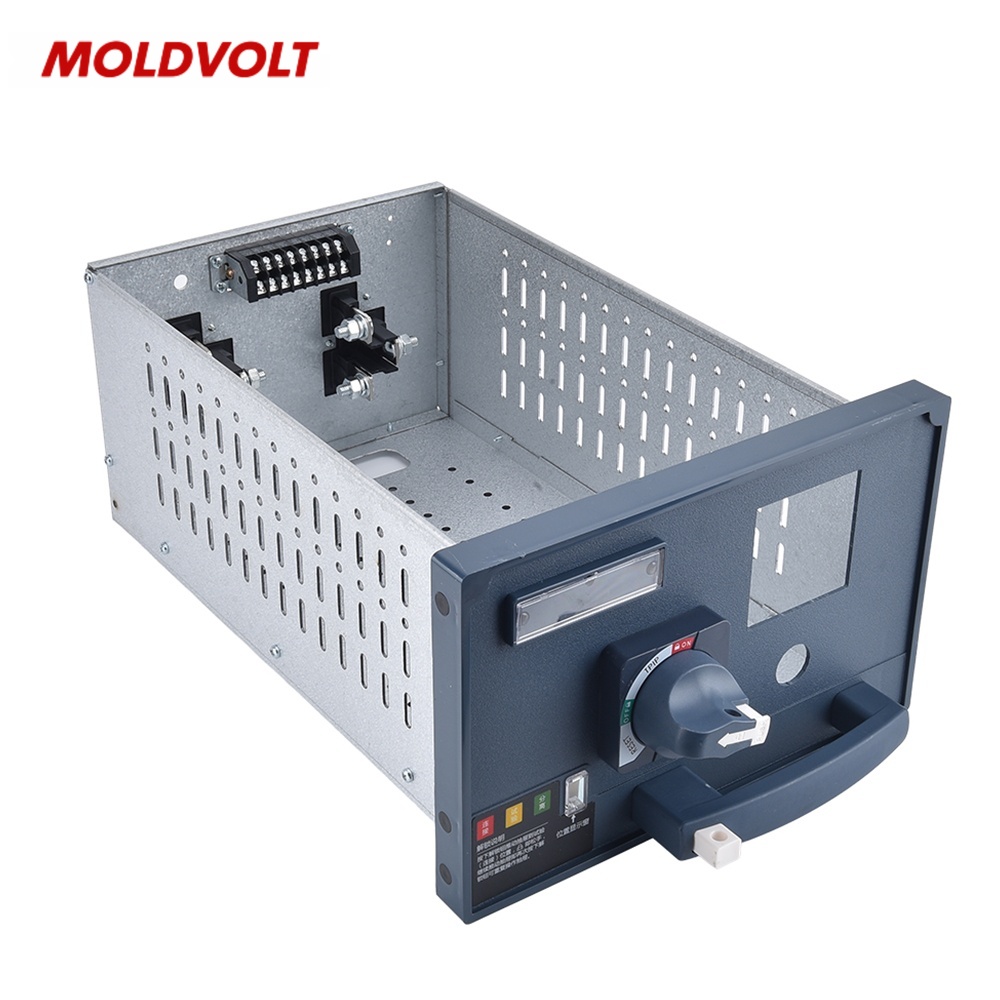
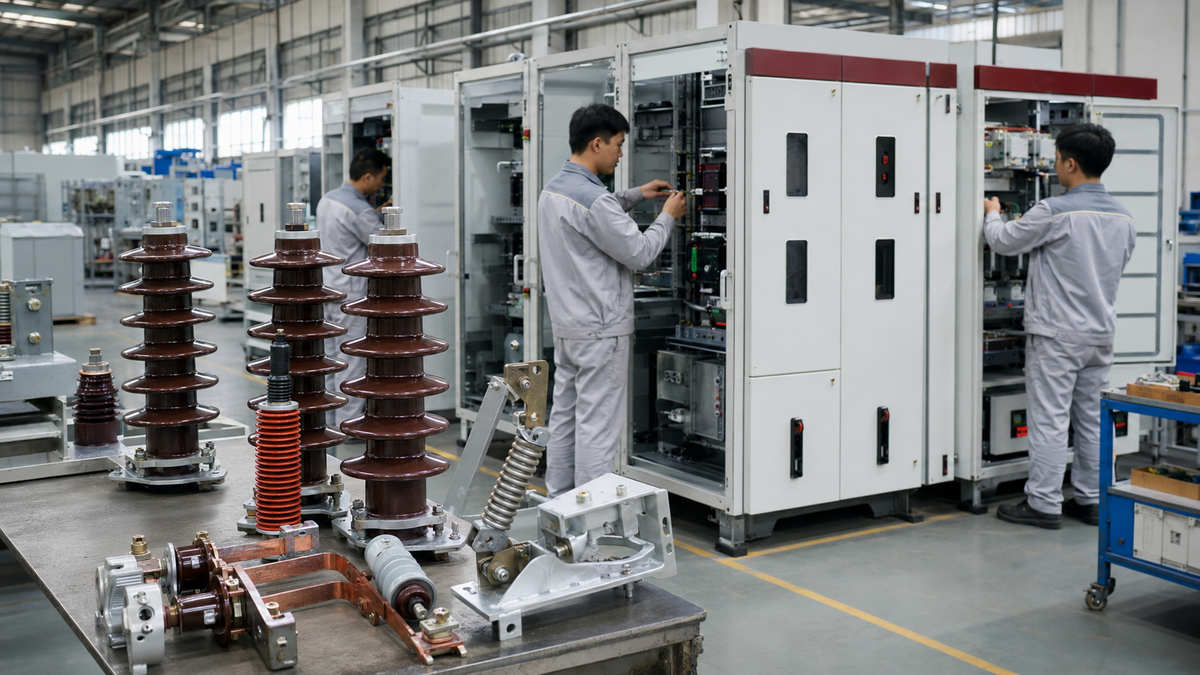
Control and switchgear systems combine electrical switching, circuit protection, and control functions to support power distribution and equipment operation. They are widely used in manufacturing facilities, commercial buildings, utility installations, water treatment plants, and infrastructure projects. Depending on the application, an assembly may incorporate circuit breakers, contactors, relays, control transformers, monitoring instruments, and communication interfaces. The engineering process begins with evaluating system voltage, rated current, prospective fault current, load characteristics, control requirements, and installation conditions. Manufacturing quality relies on suitable component selection, accurate wiring, secure connections, documented inspections, and appropriate electrical testing. VoltCabinet supports project-oriented equipment sourcing by helping customers assess technical requirements and suitable configuration options. For example, a production facility operating multiple motor-driven machines may need separate protection circuits and coordinated control functions to simplify maintenance. Buyers should provide electrical schematics, load information, environmental requirements, and applicable standards before finalizing a specification. Equipment ratings, customization options, and delivery arrangements must be confirmed for each project.
Frequently Asked Questions

What is the difference between control equipment and switchgear?

Switchgear primarily handles electrical switching, circuit protection, and isolation, while control equipment manages the operation of motors, machines, and electrical processes. Many industrial assemblies combine both functions to coordinate power distribution and equipment operation. The required arrangement depends on load characteristics, protection requirements, and the intended application.
Start by confirming rated voltage, operating current, prospective short-circuit current, load types, control requirements, and installation environment. Determine whether motor starters, contactors, protective relays, or monitoring interfaces are needed. Share the electrical drawings and applicable standards with your supplier to confirm the equipment configuration before procurement.
Common applications include manufacturing, commercial buildings, water treatment, utility distribution, infrastructure, and industrial processing. These systems help manage electrical loads, protect circuits, and coordinate equipment operation. The appropriate design depends on operating conditions, equipment criticality, electrical demand, and applicable installation requirements.
Depending on the product range, assemblies may be configured around specific electrical ratings, component selections, enclosure dimensions, wiring arrangements, and control functions. Buyers should provide a single-line diagram, load schedule, control requirements, and site conditions. Confirm technical feasibility, compliance documentation, and delivery details before approving the final design.
Request equipment datasheets, approved drawings, wiring diagrams, component lists, applicable test reports, and installation and maintenance instructions. Depending on the project, certification and compliance documentation may also be required. Reviewing these materials helps engineers verify electrical ratings, component compatibility, installation clearances, and suitability for the intended operating environment.

Related article

From High-Voltage Insulators to Low-Voltage Switchgear: A Vietnamese Manufacturer’s Transformation, Together with Us‌

08

Sep

From High-Voltage Insulators to Low-Voltage Switchgear: A Vietnamese Manufacturer’s Transformation, Together with Us‌

View More
Why cabinet condensation leads to insulation failure in electrical equipment?

21

Sep

Why cabinet condensation leads to insulation failure in electrical equipment?

The Science of Cabinet Condensation: How Temperature, Humidity, and Design InteractDew Point Formation Inside Enclosures Due to Thermal GradientsCondensation inside an electrical cabinet is not simply a matter of seal failure—it is governed by the de...
View More
Insulator dimensional tolerance controls assembly efficiency in switchgear.

25

Sep

Insulator dimensional tolerance controls assembly efficiency in switchgear.

Why Insulator Dimensional Tolerance Is the Silent Driver of Switchgear Assembly EfficiencyIn high-voltage switchgear, insulators do much more than prevent flashover—they serve as load-bearing anchors that dictate how quickly and precisely busbars, ci...
View More
What switchgear maintenance items prevent unexpected power outage risks?

10

Oct

What switchgear maintenance items prevent unexpected power outage risks?

Top 3 Root Causes of Switchgear-Related Power Outages Insulation degradation and partial discharge: leading precursors to cascade failure Insulation systems in switchgear degrade gradually under electrical, thermal, and environmental stress. Cracks...
View More

Customer Testimonials

Michael Turner

We needed dependable control and switchgear for a facility upgrade. The proposed configuration helped organize circuit protection and control requirements, making technical coordination easier during project planning.

Daniel Foster

Our project required coordinated switching and electrical control equipment. Reviewing configuration options against load requirements and installation conditions helped our team develop a clearer procurement specification.

Get a Free Quote

Our representative will contact you soon.
Email
Mobile/WhatsApp
Name
Company Name
Message
0/1000
Coordinated Electrical Protection and Equipment Control

Coordinated Electrical Protection and Equipment Control

A well-designed control and switchgear assembly brings essential switching, protection, and operating functions into a coordinated electrical system. In manufacturing environments, this can support the management of motors, pumps, compressors, and production equipment through appropriately selected circuit breakers, contactors, and control devices. Consider a hypothetical factory with five motor-driven workstations: clearly organized circuits and documented control logic can help maintenance teams identify equipment connections and plan servicing more efficiently. Actual benefits depend on system design, component selection, and operating practices. VoltCabinet helps buyers evaluate project requirements and equipment configurations, supporting specification development for industrial facilities that need structured power distribution and practical equipment control.
Project-Specific Configurations for Commercial and Industrial Facilities

Project-Specific Configurations for Commercial and Industrial Facilities

Different facilities require different combinations of power distribution, switching, and control functions. A commercial building may prioritize feeder protection and organized circuit isolation, while an industrial plant may require motor control, process interfaces, and additional monitoring components. For a hypothetical water treatment project with three pumping stations, engineers can assess each motor's starting characteristics, operating current, protection requirements, and control sequence before defining the assembly. This project-specific approach helps align equipment selection with actual operating demands instead of relying on a generic configuration. Buyers should also verify enclosure ratings, applicable standards, wiring documentation, and maintenance access to support safe installation and long-term serviceability.

Get a Free Quote

Our representative will contact you soon.
Email
Mobile/WhatsApp
Name
Company Name
Message
0/1000