Fusible Disconnect Switch: Industrial Circuit Protection Guide

All Categories
Reviews Title 1: Reliable Circuit Protection for Industrial Applications

Reviews Title 1: Reliable Circuit Protection for Industrial Applications

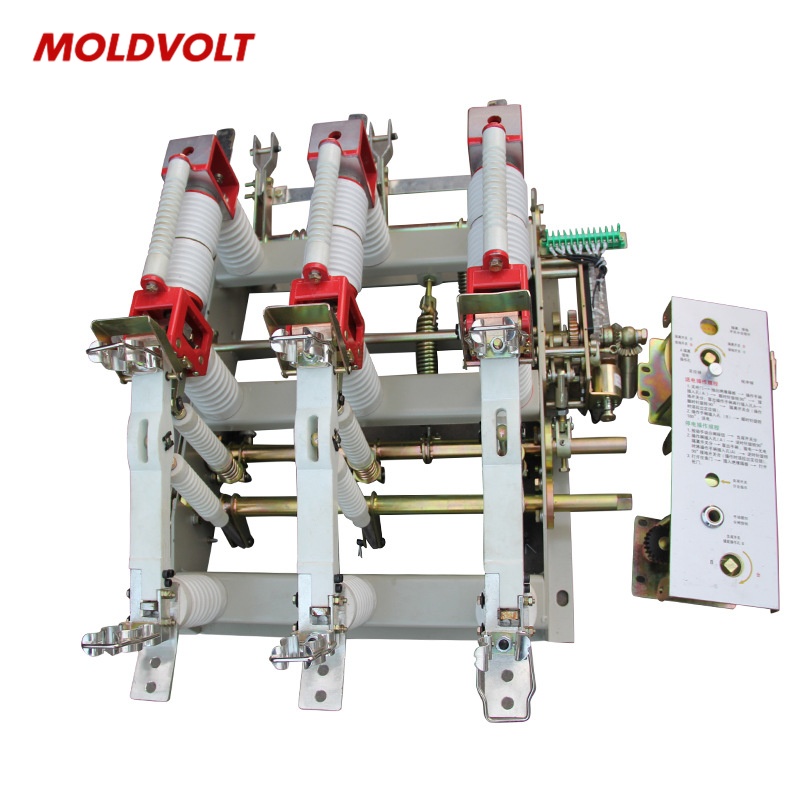
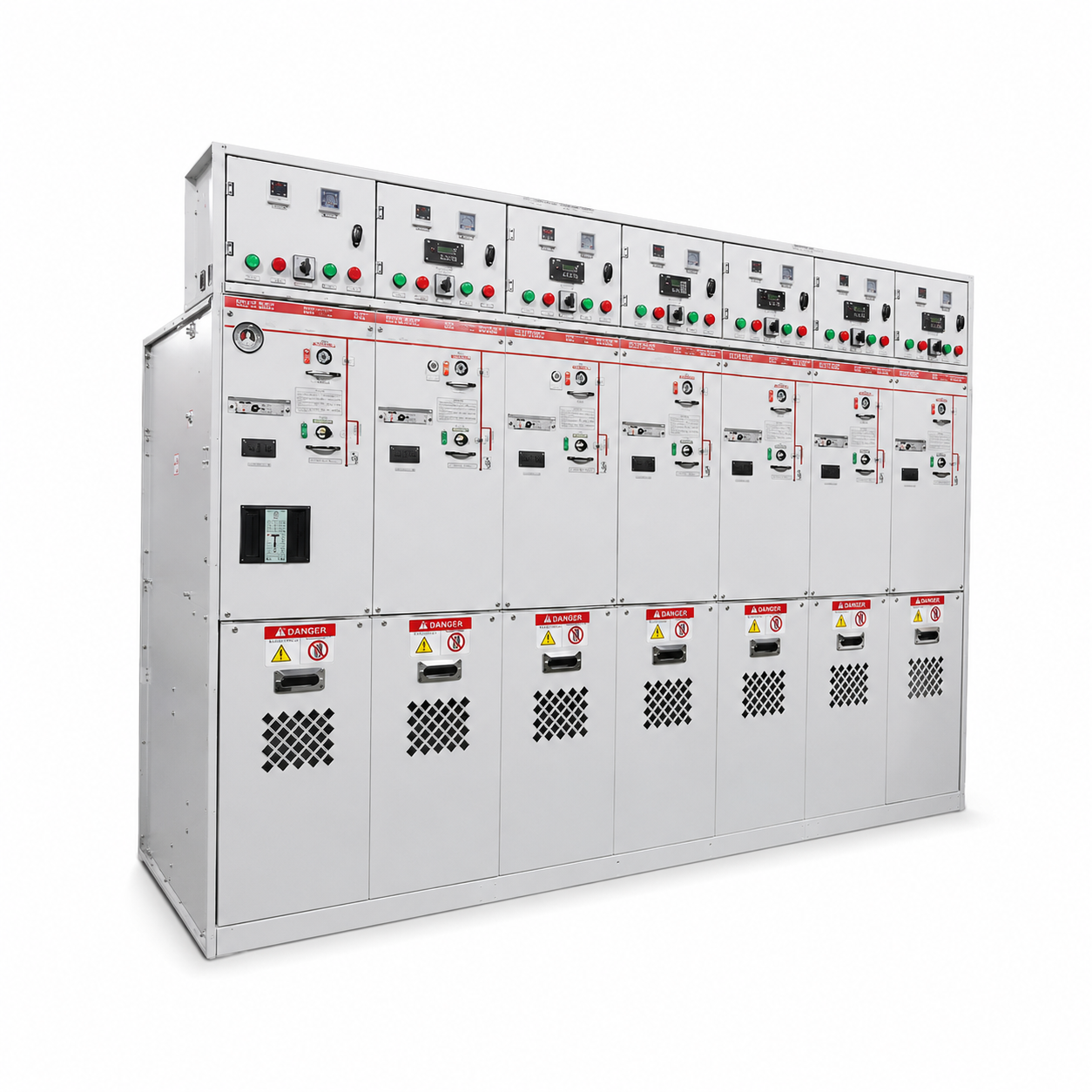
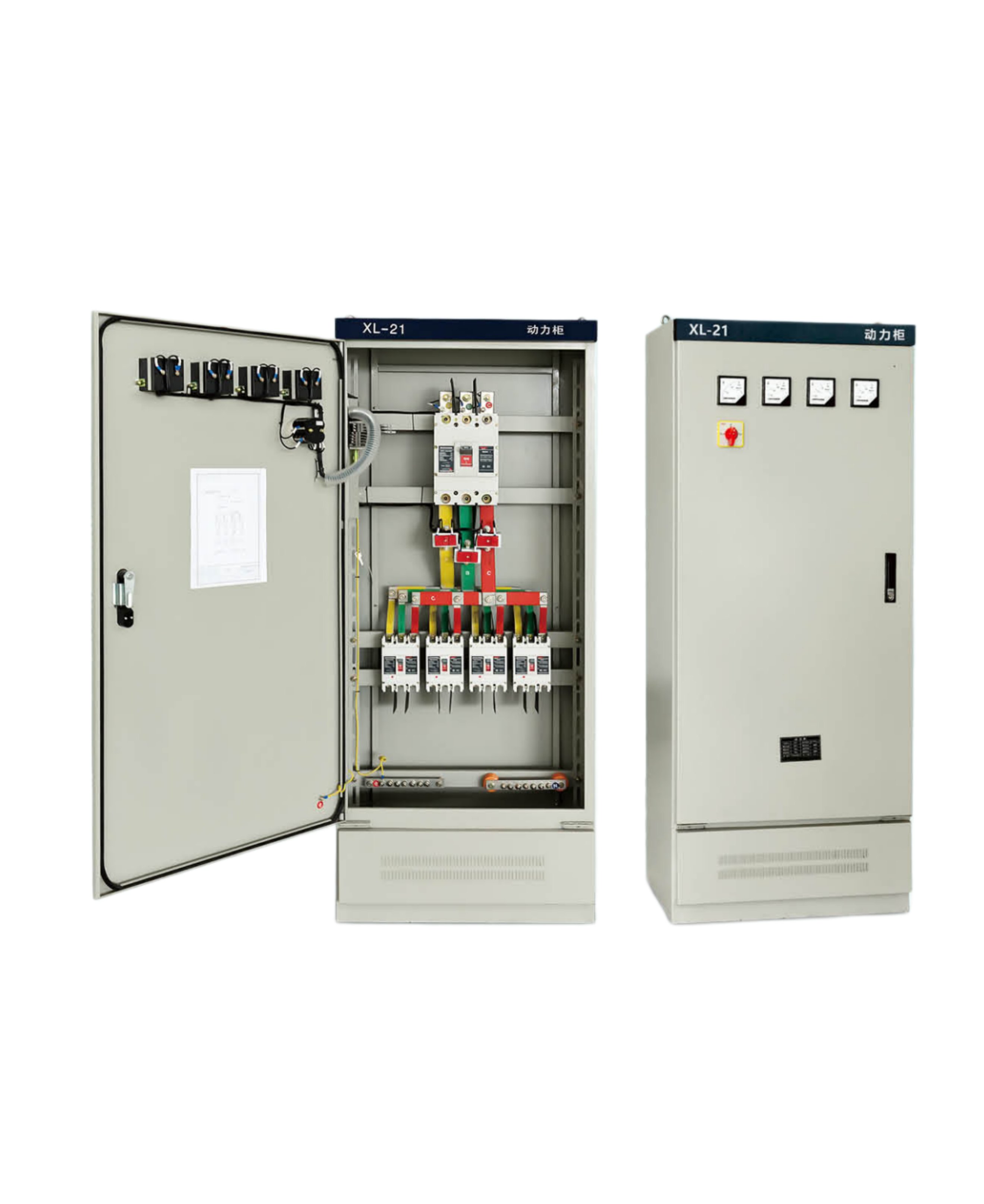
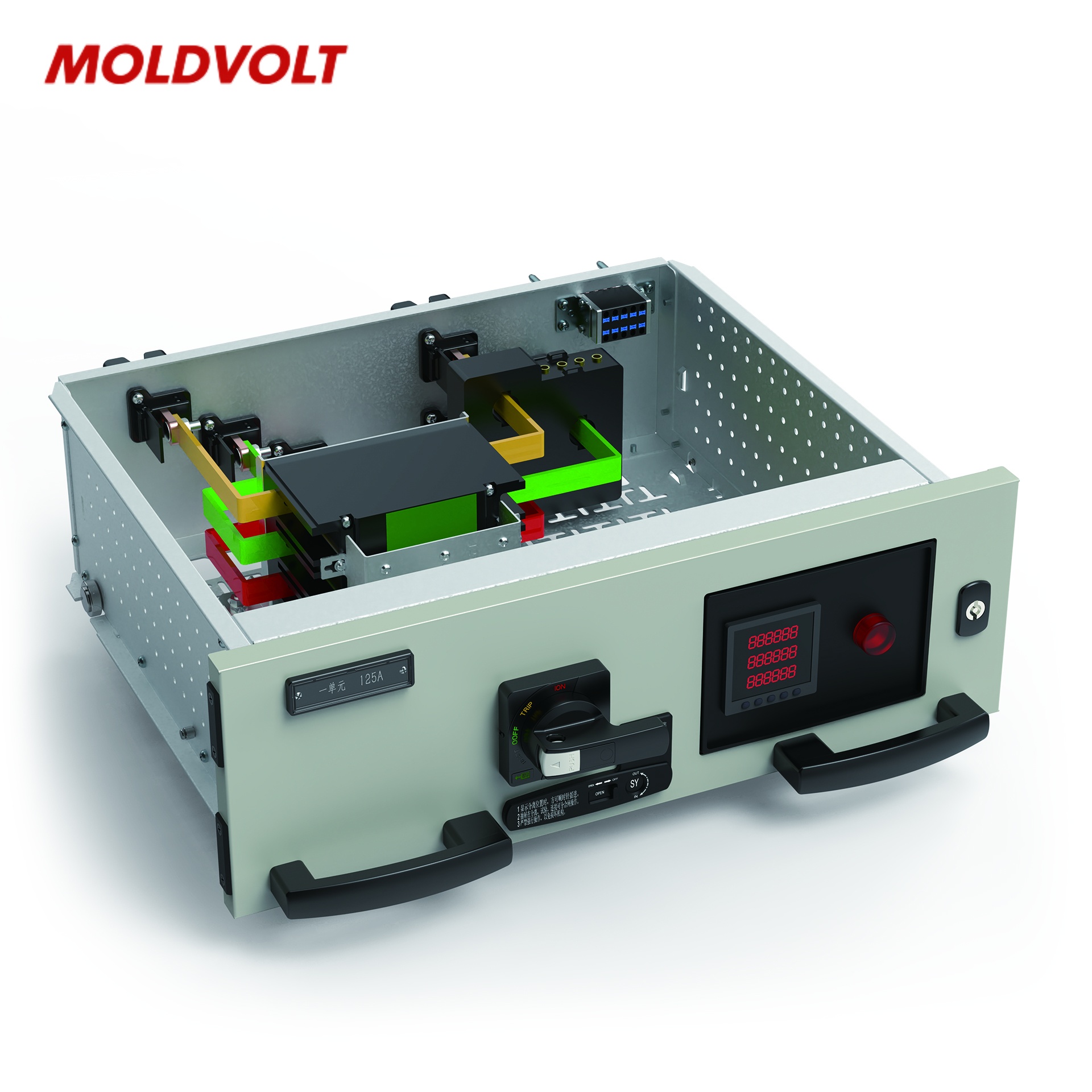
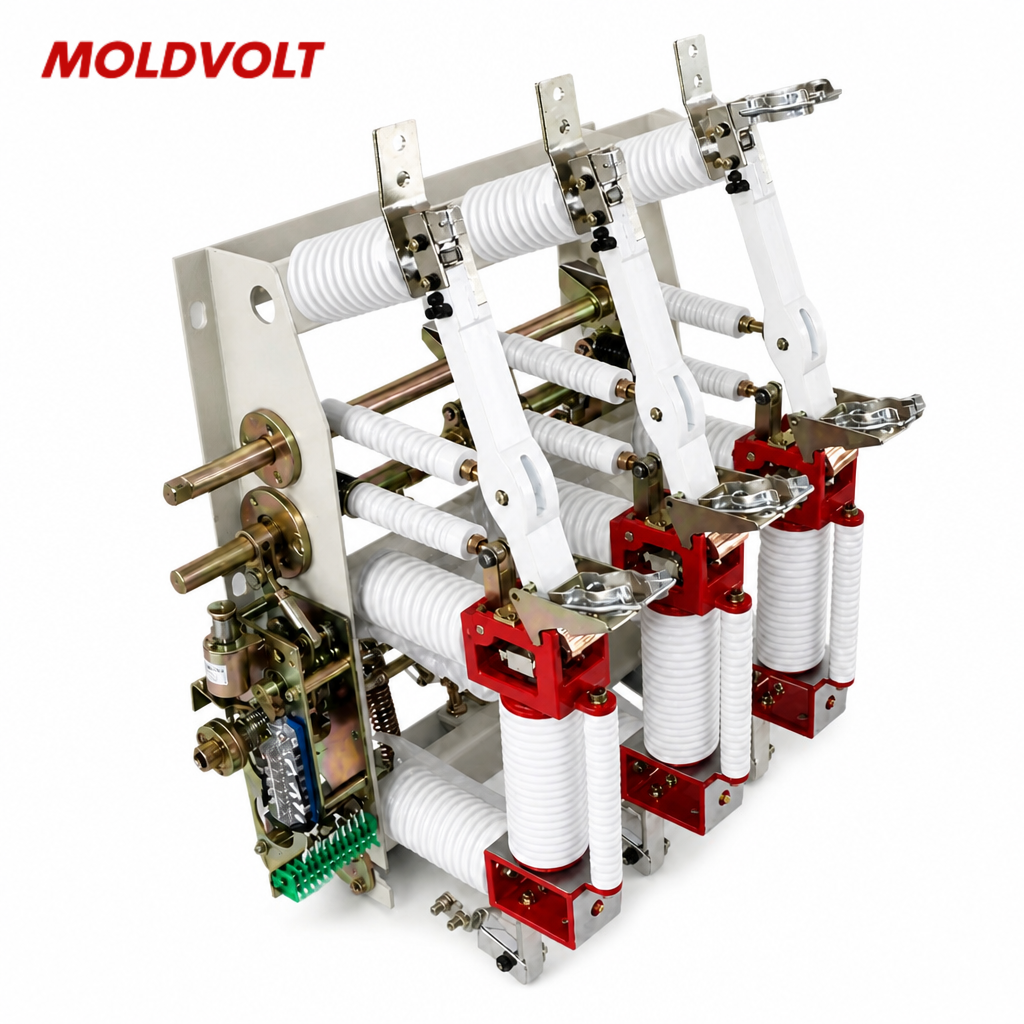
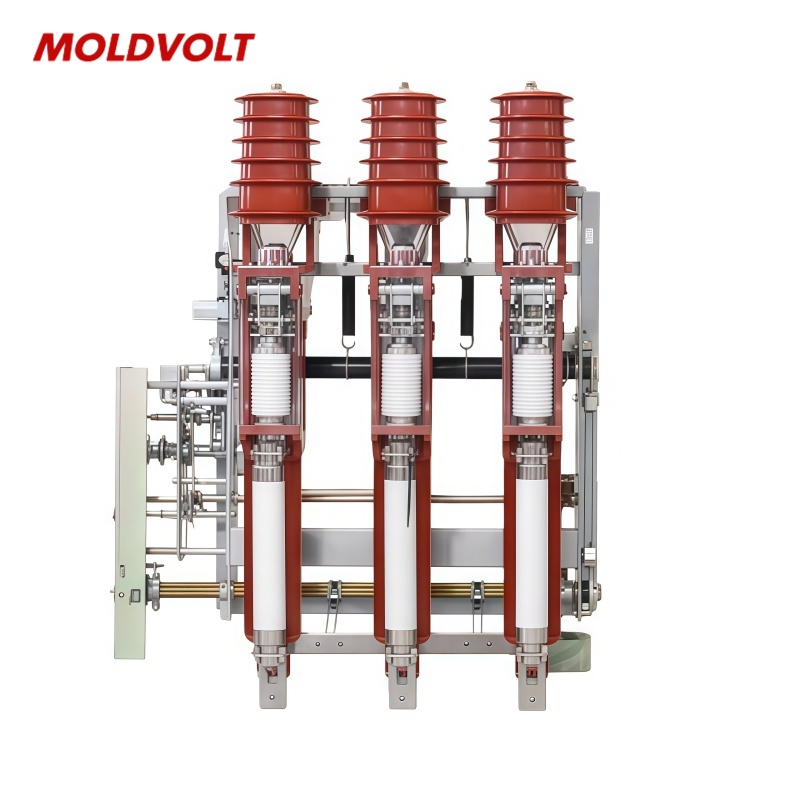
Fusible disconnect switches combine circuit isolation with fuse-based overcurrent protection, making them suitable for industrial facilities, commercial buildings, and power distribution systems. They allow operators to disconnect electrical circuits while providing protection against specified overload and short-circuit conditions through appropriately rated fuses. Available in different voltage ratings, current capacities, pole configurations, and enclosure designs, they accommodate diverse installation requirements. For example, a manufacturing facility can use fusible disconnect switches to protect motor circuits, distribution feeders, and auxiliary equipment. Their integrated design simplifies equipment layouts and provides convenient fuse access. Proper selection of rated current, voltage, and short-circuit capacity helps improve operational safety and electrical system reliability.
Get A Quote

Case Study

Industrial Motor Circuit Protection

An industrial manufacturing facility needed reliable isolation and overcurrent protection for multiple motor circuits. Fusible disconnect switches were selected to combine local circuit disconnection with appropriately rated fuse protection. Engineers evaluated motor full-load current, starting characteristics, system voltage, and available short-circuit current before selecting suitable configurations. The switches provide a practical means of isolating individual motor circuits during maintenance while the fuses help interrupt specified fault currents. Proper coordination with motor starters and upstream protective devices supports selective fault protection. This arrangement helps simplify maintenance procedures, protect connected equipment, and improve electrical distribution management across production facilities.

Commercial Electrical Distribution Protection

A commercial building required compact protective switching equipment for its main distribution and branch circuits. Fusible disconnect switches were incorporated into selected electrical panels to provide circuit isolation and fuse-based overcurrent protection. The project required careful evaluation of rated voltage, current capacity, fuse class, and short-circuit requirements. Their integrated construction helped organize protective components while providing accessible isolation points for authorized maintenance personnel. Correctly coordinated fuse ratings also help protect downstream conductors and connected equipment against specified electrical faults. This solution supports practical panel design, improves maintenance accessibility, and contributes to reliable electrical distribution in commercial environments.

HVAC Equipment Electrical Isolation

A commercial HVAC installation required dedicated disconnecting and protective equipment for air conditioning units and associated electrical circuits. Fusible disconnect switches were selected according to equipment current requirements, voltage ratings, and manufacturer recommendations. The integrated fuse arrangement provides protection against specified overcurrent conditions, while the disconnecting mechanism allows authorized personnel to isolate equipment for servicing. Engineers considered enclosure protection, environmental exposure, conductor sizing, and fuse coordination during installation planning. Properly specified switches help protect HVAC electrical components and support safer maintenance operations. This arrangement is particularly useful in commercial facilities where accessible equipment isolation and dependable circuit protection are essential.

Related products

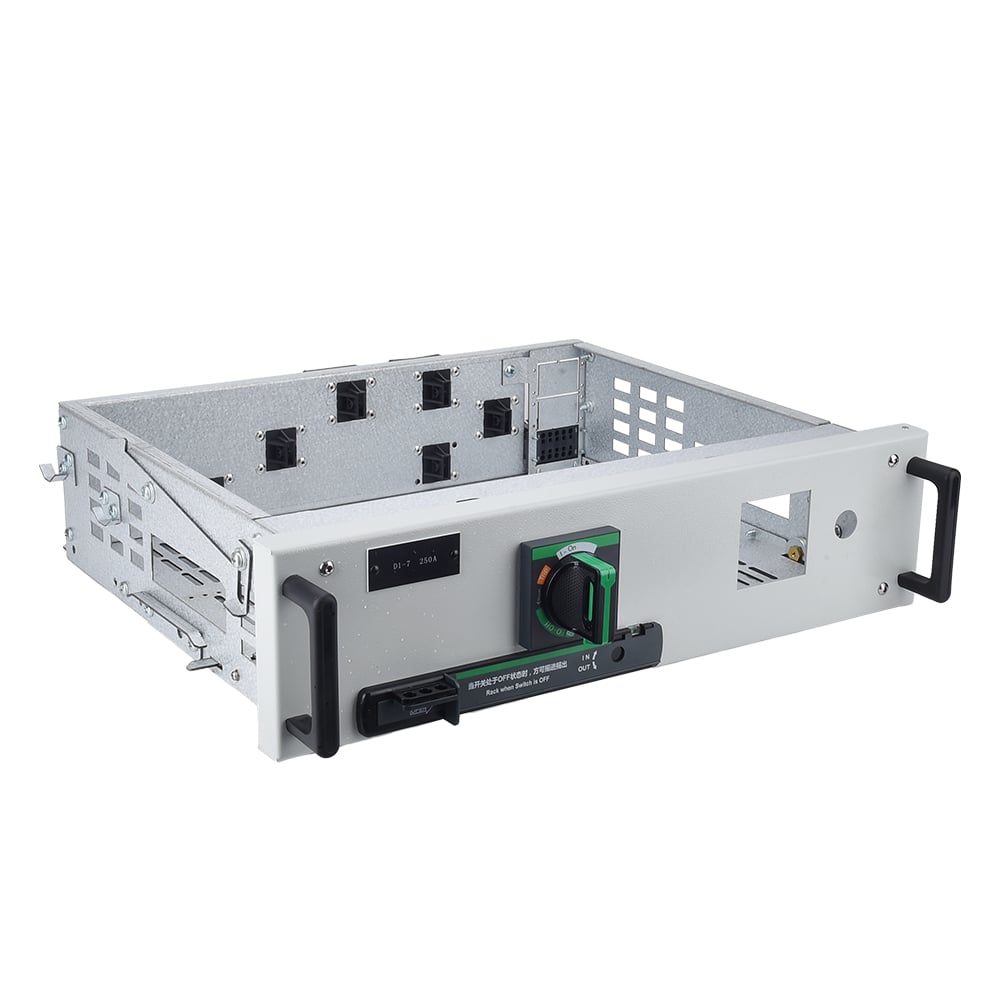
Fusible disconnect switches are electrical switching devices that combine a disconnecting mechanism with replaceable fuse protection. They are widely used in industrial distribution panels, motor control systems, commercial buildings, HVAC installations, and electrical equipment assemblies. The disconnecting function provides a means of isolating circuits, while installed fuses interrupt excessive current under their specified operating conditions. Depending on the application, products may feature single-pole, double-pole, three-pole, or four-pole configurations, with different voltage and current ratings. Manufacturing processes involve conductive contact production, switching mechanism assembly, insulation molding, enclosure fabrication, and electrical performance testing. Important selection parameters include rated operational voltage, rated current, utilization category, fuse compatibility, and short-circuit withstand or conditional rating. For example, a factory motor control panel requires a switch and fuse combination coordinated with motor starting current and prospective fault levels. Correct product selection and installation according to applicable IEC or UL requirements help support electrical safety, dependable isolation, and long-term operating performance.

Frequently Asked Questions

What is a fusible disconnect switch used for?

A fusible disconnect switch combines electrical circuit isolation with fuse-based overcurrent protection. It allows authorized personnel to disconnect a circuit for maintenance while compatible fuses interrupt specified overload or short-circuit conditions. It is commonly used in industrial panels, motor circuits, and commercial electrical installations.
A fused disconnect switch includes fuse holders and provides overcurrent protection through compatible fuses. A non-fused disconnect switch provides circuit isolation without integrated fuse protection. The appropriate option depends on the electrical design and whether separate protective devices are provided elsewhere.
Evaluate system voltage, rated current, fuse class, pole configuration, enclosure requirements, and available short-circuit current. For motor applications, also consider starting current and coordination with upstream protection. The complete switch and fuse combination must meet the installation's electrical requirements.
Common applications include industrial control panels, motor circuits, HVAC equipment, commercial distribution boards, and machinery installations. They are particularly useful where local circuit isolation and fuse-based overcurrent protection are required within a compact electrical assembly.
Yes. In a properly designed fusible disconnect switch, operated or damaged fuses can generally be replaced independently. Before replacement, the circuit must be safely isolated and the underlying fault investigated. Always use compatible fuse types and ratings according to manufacturer instructions.

Related article

What cable clamp material suits high temperature switchgear cabinets?

19

Sep

What cable clamp material suits high temperature switchgear cabinets?

Understanding High-Temperature Challenges in Switchgear CabinetsTypical Operating Temperatures and Thermal Stress Sources (Busbars, Load Cycling, Enclosure Design)Switchgear cabinets experience elevated temperatures primarily due to resistive losses ...
View More
Why cabinet condensation leads to insulation failure in electrical equipment?

21

Sep

Why cabinet condensation leads to insulation failure in electrical equipment?

The Science of Cabinet Condensation: How Temperature, Humidity, and Design InteractDew Point Formation Inside Enclosures Due to Thermal GradientsCondensation inside an electrical cabinet is not simply a matter of seal failure—it is governed by the de...
View More
How to customize cabinet dimensions to fit existing switchgear layouts?

26

Sep

How to customize cabinet dimensions to fit existing switchgear layouts?

Step 1: Accurate Site Assessment and Dimensional BenchmarkingMeasuring mechanical layout, clearances, and structural constraints in legacy electrical roomsA successful retrofit begins with a meticulous site survey. Older electrical rooms rarely match...
View More
What electrical switchgear testing items are required before site commissioning?

21

Oct

What electrical switchgear testing items are required before site commissioning?

Insulation Integrity and Dielectric Strength Verification Megger testing of busbars, cables, and instrument transformer circuits Megger testing is a foundational pre-commissioning check for electrical switchgear, measuring insulation resistance (IR...
View More

Customer Testimonials

Michael Brown

We installed these fusible disconnect switches in our industrial distribution panels. Their dependable isolation and overcurrent protection helped improve electrical safety and simplify equipment maintenance.

James Wilson

The switches performed reliably in our commercial electrical installation. Their compact structure, accessible fuse replacement, and stable switching operation supported efficient distribution panel management.

Get a Free Quote

Our representative will contact you soon.
Email
Mobile/WhatsApp
Name
Company Name
Message
0/1000
Integrated Isolation and Fuse Protection

Integrated Isolation and Fuse Protection

Combining circuit isolation and fuse protection in one assembly helps simplify electrical distribution design. Fusible disconnect switches provide a dedicated switching mechanism for disconnecting circuits while compatible fuses interrupt excessive current under specified fault conditions. This combination is particularly valuable in industrial motor control panels, commercial distribution boards, and machinery installations. For example, a manufacturing facility may use separate fusible disconnect switches for individual motor feeders to support localized isolation and protection. Correct coordination between fuse ratings, conductor capacity, and connected equipment helps reduce unnecessary interruptions and improve system reliability. A properly selected assembly also provides convenient access for authorized inspection and maintenance activities.
Durable Construction for Demanding Electrical Environments

Durable Construction for Demanding Electrical Environments

Electrical switching equipment must maintain dependable performance under continuous operating conditions and changing installation environments. Fusible disconnect switches use conductive contacts, mechanical operating components, and insulating structures designed around their specified electrical ratings. Enclosure options can accommodate different installation requirements, including indoor distribution panels and suitable outdoor applications. For industrial facilities, appropriate protection against dust, moisture, and accidental contact is important when choosing an enclosure. Reliable contact pressure and properly assembled switching mechanisms also contribute to stable electrical connections. Manufacturing inspections and electrical testing help verify operating performance, insulation integrity, and dimensional consistency. These features support dependable service in demanding power distribution environments.

Get a Free Quote

Our representative will contact you soon.
Email
Mobile/WhatsApp
Name
Company Name
Message
0/1000