Switchgear Breakers: Selection Guide for Industrial & Commercial Projects

All Categories
Customer Experiences With Switchgear Breakers

Customer Experiences With Switchgear Breakers

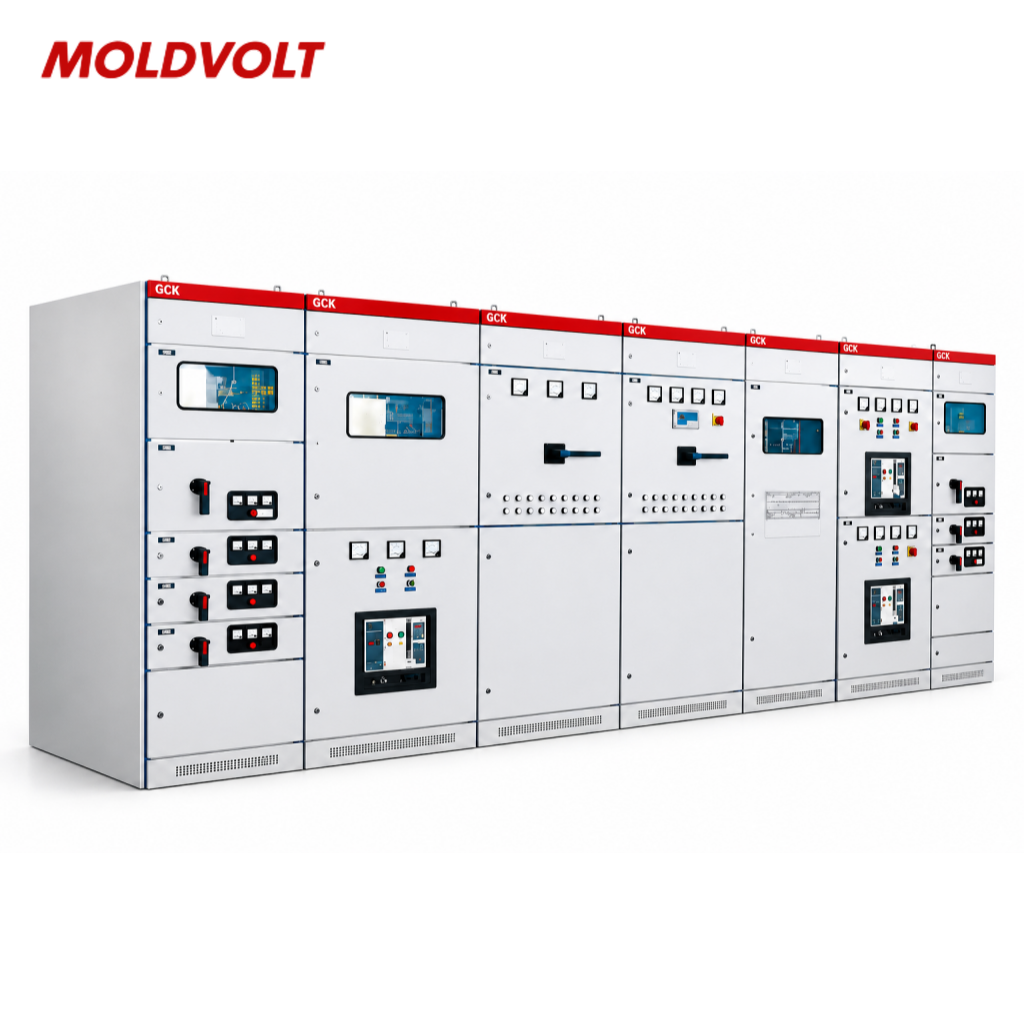
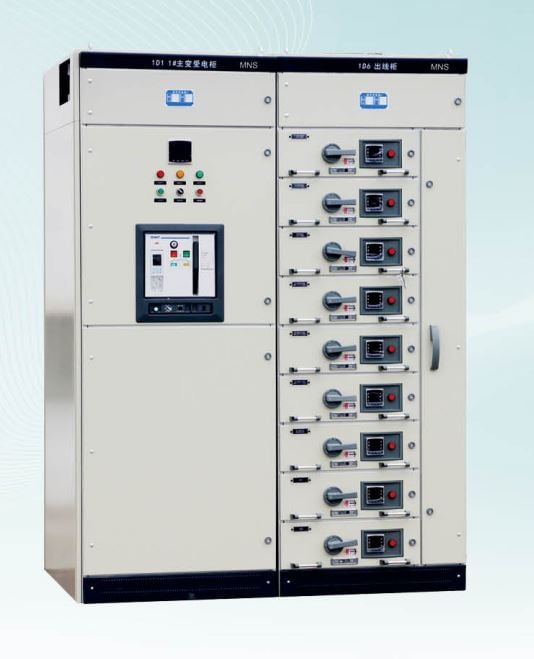
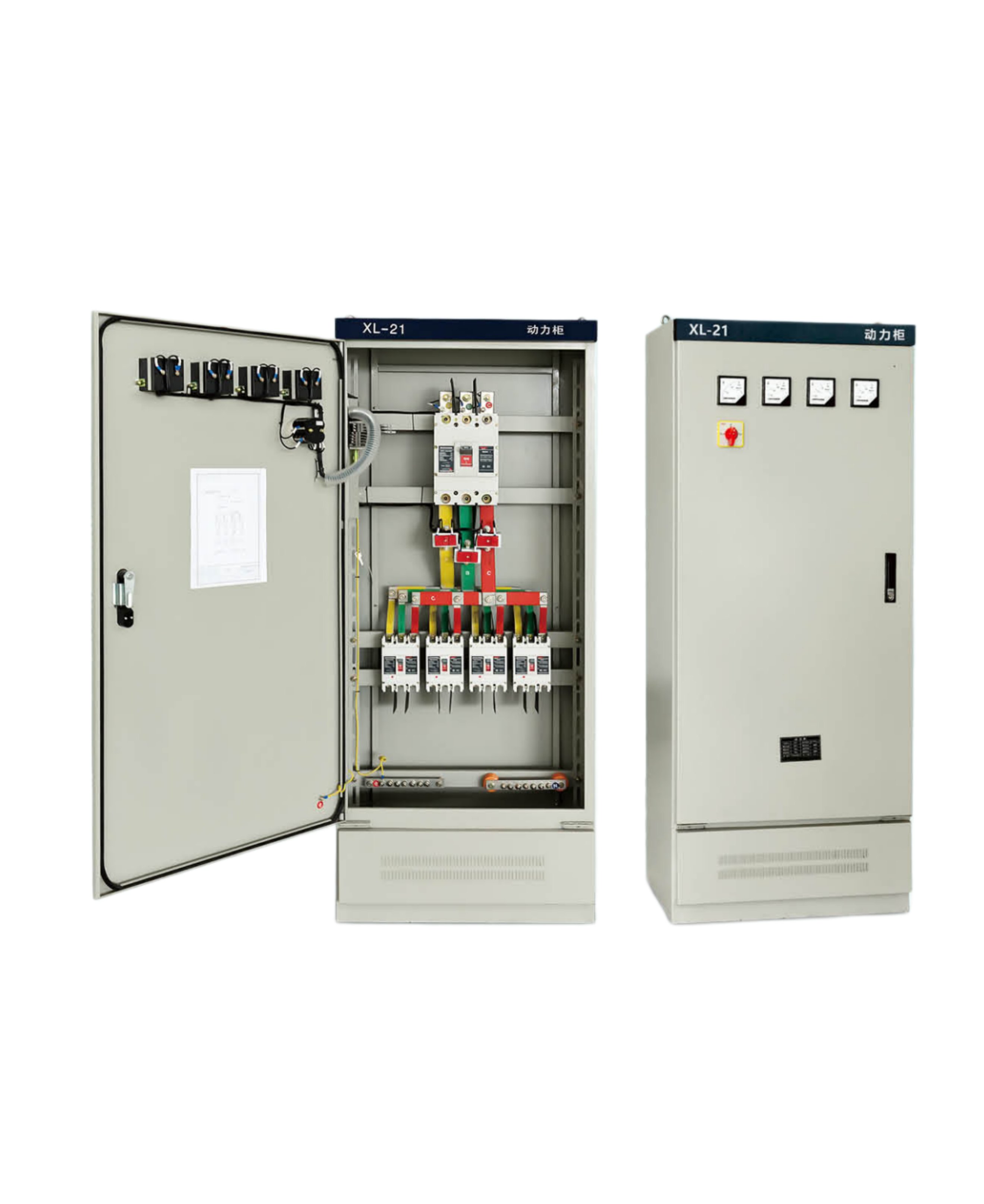
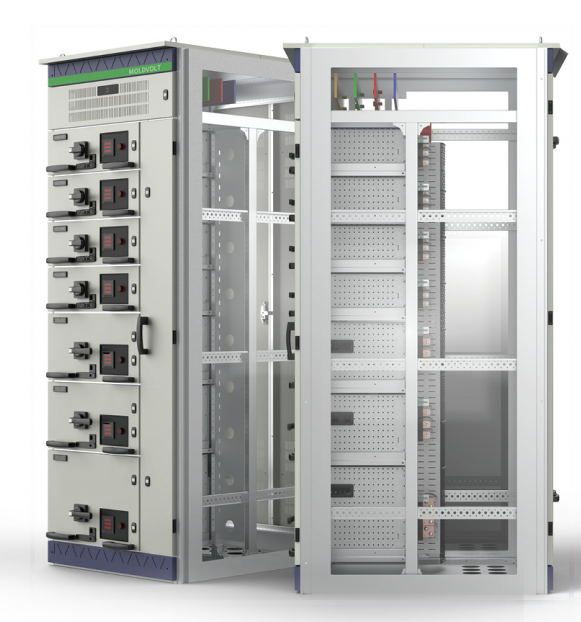
VoltCabinet supports project-specific switchgear breaker selection for industrial facilities, commercial buildings, utility installations, and infrastructure systems. Circuit breakers help interrupt current during specified fault conditions, protecting electrical equipment when correctly selected and coordinated with the wider protection system. Important considerations include rated voltage, continuous current, short-circuit breaking capacity, trip characteristics, and installation environment. For manufacturing plants, suitable breakers can support motor feeders and distribution circuits; commercial projects may require coordinated protection across incoming supplies and downstream panels. Our specification-focused approach helps buyers evaluate equipment compatibility, operating requirements, and documentation before procurement. Correctly engineered configurations can simplify maintenance planning and support dependable electrical distribution throughout the installation lifecycle.
Get A Quote

Case Study

Industrial Breakers for Manufacturing Power Distribution

A manufacturing facility required circuit protection for production machinery, auxiliary equipment, and several distribution feeders. The engineering team reviewed operating currents, prospective fault levels, motor starting characteristics, and the existing switchgear arrangement before selecting suitable breakers. Correctly rated devices help interrupt fault currents within their specified capabilities while supporting coordinated protection throughout the distribution network. The project also required clear circuit identification, accessible technical documentation, and practical maintenance procedures. These measures help electricians locate equipment, verify ratings, and investigate protective trips more efficiently. Final breaker selection should be supported by system calculations and coordination studies to ensure compatibility with the installation's electrical design.

Commercial Switchgear Breakers for Building Infrastructure

A commercial property needed dependable protection for lighting, HVAC equipment, elevators, and general power distribution. Switchgear breakers were evaluated according to circuit loads, fault-current requirements, available installation space, and coordination with upstream protection. Properly selected breakers can isolate affected circuits during specified fault conditions, helping limit disruption to other parts of the electrical system when the protection scheme is correctly designed. The project team also considered enclosure compatibility, access for maintenance, and documentation for future upgrades. By confirming electrical ratings and installation requirements before procurement, contractors can reduce specification mismatches and improve commissioning preparation. Actual performance depends on correct installation, testing, and ongoing maintenance.

Utility and Infrastructure Breaker Coordination

An infrastructure project required switching and protection equipment for electrical distribution serving essential site operations. The design review covered nominal voltage, rated current, short-circuit duty, insulation requirements, and the relationship between upstream and downstream protective devices. Depending on the application, breakers may be installed in low-voltage assemblies or medium-voltage switchgear, each requiring equipment appropriate to its operating conditions. Engineers also reviewed mechanical interlocking, operating mechanisms, and maintenance access where relevant. A coordinated design helps establish predictable fault-clearing behavior and supports safe service procedures. Detailed specifications and applicable type-test documentation provide important evidence when verifying suitability for the intended electrical installation.

Related products

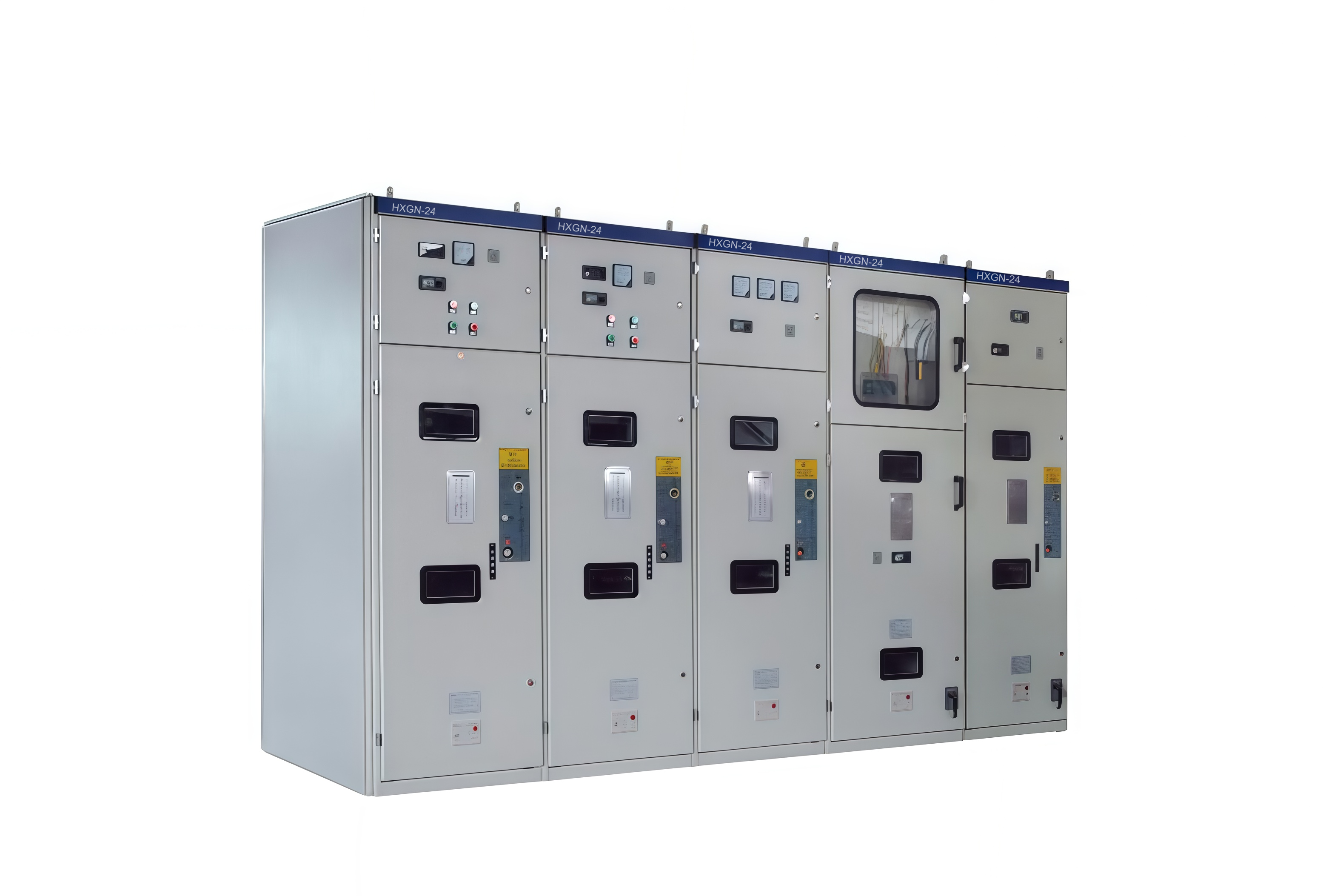
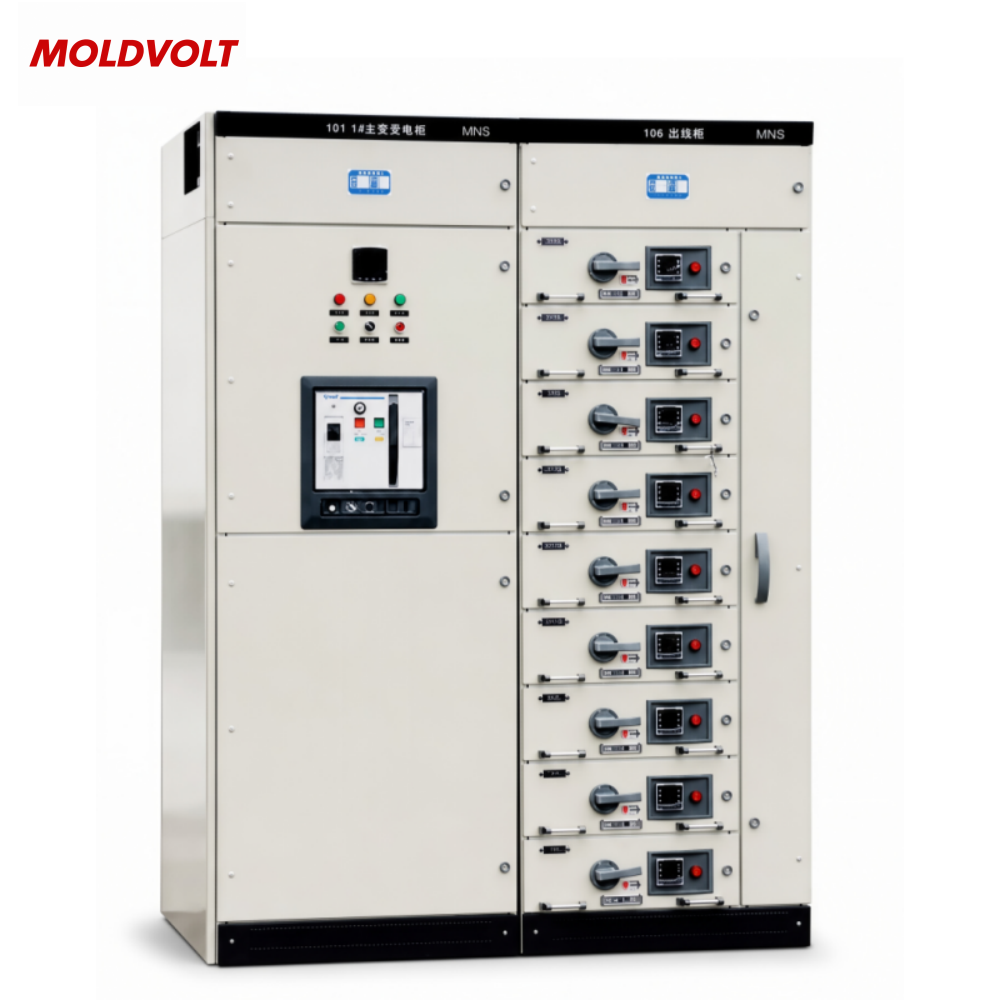
Switchgear breakers are essential components in electrical distribution systems, providing switching and circuit interruption under defined operating conditions. VoltCabinet supports buyers evaluating breaker configurations for industrial plants, commercial buildings, utility applications, and infrastructure projects. Available equipment types may include molded-case circuit breakers, air circuit breakers, vacuum circuit breakers, and other designs suited to specific voltage classes and installation requirements. Selection begins with reviewing rated voltage, continuous current, breaking capacity, pole configuration, trip characteristics, and coordination with upstream and downstream protective devices. Medium-voltage projects may also require consideration of insulation levels, operating mechanisms, interlocking, and switching duty. For example, a factory distribution board may need breakers matched to motor feeders and production loads, while a commercial building may prioritize coordinated protection for HVAC and lighting circuits. Buyers should confirm applicable IEC or other required standards, certification documentation, enclosure compatibility, and maintenance requirements before ordering. Correct installation, testing, and periodic inspection remain essential. By matching breaker specifications to verified system conditions, project teams can develop a more dependable and maintainable electrical distribution arrangement.

Frequently Asked Questions

What Is the Main Function of a Switchgear Breaker?

A switchgear breaker switches electrical circuits and interrupts current under specified conditions, including designated fault events. Its protective role depends on the device's ratings, trip settings, and coordination with other protective equipment. Proper selection and installation are essential for safe, reliable operation.
Review the system voltage, continuous load current, prospective short-circuit current, required breaking capacity, trip characteristics, and installation conditions. Also consider coordination with upstream and downstream devices. A qualified electrical engineer should verify the selection against system calculations, applicable standards, and manufacturer documentation.
Common options include molded-case circuit breakers and air circuit breakers for many low-voltage applications, along with vacuum circuit breakers for many medium-voltage systems. The appropriate type depends on voltage class, current rating, fault duty, switching requirements, installation design, and maintenance strategy.
Breaking capacity indicates the maximum fault current a breaker can safely interrupt under its specified test and operating conditions. The selected rating must meet the prospective fault current at the installation point. Engineers should verify the relevant rating and coordination requirements before approving the equipment.
Project configurations can differ in current ratings, trip units, accessories, pole arrangements, control interfaces, and mounting requirements. Available options depend on the breaker series and manufacturer. Providing a single-line diagram, electrical ratings, and applicable standards helps suppliers identify compatible equipment for the intended application.

Related article

Why cabinet condensation leads to insulation failure in electrical equipment?

21

Sep

Why cabinet condensation leads to insulation failure in electrical equipment?

The Science of Cabinet Condensation: How Temperature, Humidity, and Design InteractDew Point Formation Inside Enclosures Due to Thermal GradientsCondensation inside an electrical cabinet is not simply a matter of seal failure—it is governed by the de...
View More
Insulator dimensional tolerance controls assembly efficiency in switchgear.

25

Sep

Insulator dimensional tolerance controls assembly efficiency in switchgear.

Why Insulator Dimensional Tolerance Is the Silent Driver of Switchgear Assembly EfficiencyIn high-voltage switchgear, insulators do much more than prevent flashover—they serve as load-bearing anchors that dictate how quickly and precisely busbars, ci...
View More
What switchgear maintenance items prevent unexpected power outage risks?

10

Oct

What switchgear maintenance items prevent unexpected power outage risks?

Top 3 Root Causes of Switchgear-Related Power Outages Insulation degradation and partial discharge: leading precursors to cascade failure Insulation systems in switchgear degrade gradually under electrical, thermal, and environmental stress. Cracks...
View More
Cable clamp vs cable tie: which one delivers long term stability in panels?

27

Oct

Cable clamp vs cable tie: which one delivers long term stability in panels?

Mechanical Performance Under Thermal Stress Polymer creep and thermal expansion mismatch in nylon cable ties at 60–85°C Nylon 6/6 cable ties undergo measurable mechanical degradation when exposed continuously to 60–85 °C. At the...
View More

Customer Testimonials

Michael Turner

Our facility needed reliable switchgear breakers for its power distribution system. The selected configuration helped organize circuit protection, simplify routine inspections, and improve visibility into equipment operating conditions across multiple distribution points.

David Wilson

We evaluated breaker options for a commercial electrical project with demanding protection requirements. Clear specifications and coordinated equipment selection helped our engineering team streamline installation planning and prepare for commissioning.

Get a Free Quote

Our representative will contact you soon.
Email
Mobile/WhatsApp
Name
Company Name
Message
0/1000
Accurate Ratings and Protection Coordination

Accurate Ratings and Protection Coordination

Selecting switchgear breakers requires more than matching a device to the nominal load current. Engineers must evaluate prospective fault current, rated voltage, breaking capacity, trip characteristics, and coordination with other protective devices. In a manufacturing plant, these checks help ensure that motor feeders and distribution circuits receive suitable protection. In commercial buildings, coordination can help limit unnecessary interruption to unaffected circuits when a fault occurs. VoltCabinet encourages specification-based equipment evaluation using verified electrical drawings and load information. This process helps buyers identify rating mismatches before procurement and supports more informed technical discussions. Final approval should rely on engineering calculations, manufacturer data, and the standards applicable to the installation.
Designed for Practical Installation and Maintenance

Designed for Practical Installation and Maintenance

A suitable switchgear breaker must fit both the electrical design and the physical requirements of the installation. Mounting arrangements, terminal connections, panel dimensions, operating access, and maintenance procedures all influence equipment suitability. For projects involving existing switchgear, compatibility checks are especially important before replacing or upgrading a breaker. Engineers should verify the equipment model, electrical ratings, connection arrangement, and any required interlocking or control interfaces. Clear schedules and product documentation help contractors prepare installation work and enable maintenance teams to identify the correct equipment later. VoltCabinet supports project-oriented specification reviews, helping industrial buyers and electrical contractors assess practical requirements before finalizing their breaker selection.

Get a Free Quote

Our representative will contact you soon.
Email
Mobile/WhatsApp
Name
Company Name
Message
0/1000