Small Commercial Electrical Panels
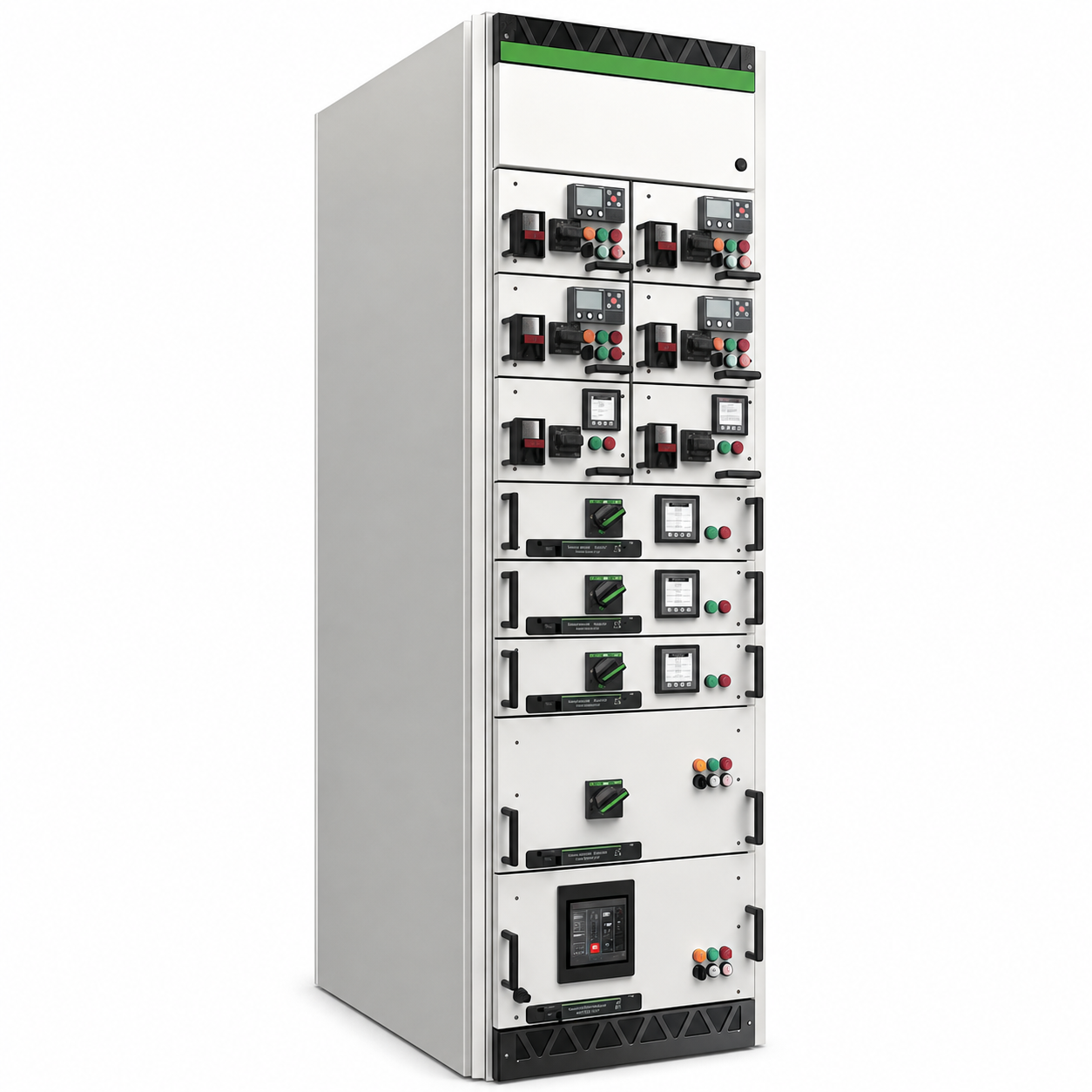
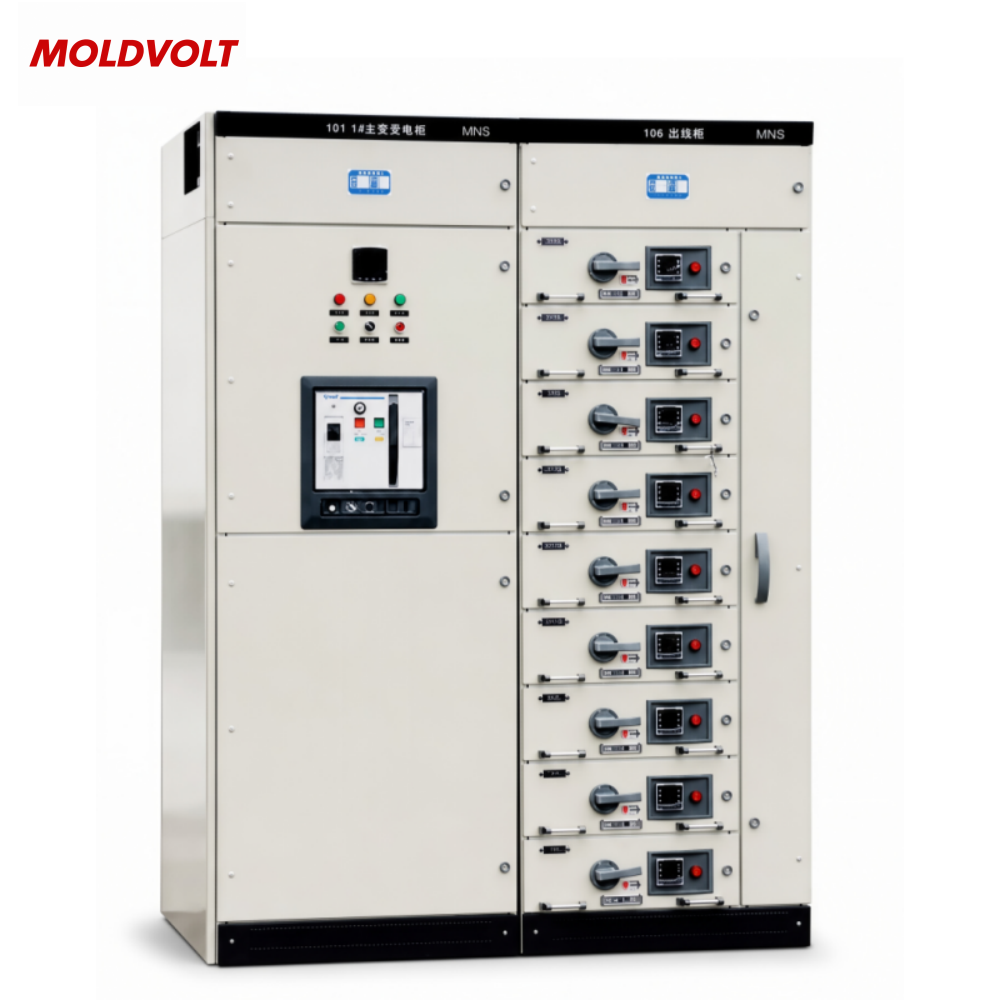
Small offices, retail stores, and service facilities often use single-phase circuits for lighting, general outlets, and selected equipment. Choosing a suitable single phase breaker involves assessing the expected load, circuit conductors, fault-current conditions, and required protection characteristics. For projects involving several distribution boards, consistent product specifications help purchasing teams maintain compatibility across panel assemblies. VoltCabinet can assist buyers in organizing requirements such as rated voltage, current, pole arrangement, and mounting format. Before procurement, confirm that the proposed breaker matches the panel design and applicable electrical standards. Correct coordination helps support dependable circuit protection and more efficient installation planning.

 EN