Pole Transformer Selection Guide: Capacity, Durability & Safety

All Categories
Customer Feedback on Pole Transformer Solutions

Customer Feedback on Pole Transformer Solutions

Pole transformers provide voltage transformation for overhead distribution networks, supplying electricity to residential communities, commercial buildings, agricultural facilities, and remote installations. VoltCabinet supports electrical equipment procurement by helping buyers evaluate transformer specifications according to network requirements and local installation conditions. Important considerations include rated capacity, primary and secondary voltage, frequency, insulation system, cooling method, and mounting configuration. For example, a utility project serving a rural community may require a pole-mounted transformer compatible with existing overhead lines and local load demand. Reviewing these requirements before purchasing helps improve equipment compatibility, simplify installation planning, and support dependable power delivery. Final selection should follow applicable electrical standards and utility specifications.
Get A Quote

Case Study

Residential Pole Transformer Installation

A residential distribution project required pole-mounted transformers to supply electricity to homes connected to an overhead network. The engineering team reviewed expected demand, primary voltage, secondary service requirements, and existing line infrastructure before specifying suitable equipment. Mounting arrangements, environmental exposure, and protective-device coordination were also considered during planning. This process helped establish a clearer basis for procurement and installation coordination. For similar projects, utilities should assess diversified demand, future load growth, grounding requirements, and applicable local standards. Qualified electrical engineers must verify transformer capacity and protection arrangements before installation to support safe, reliable service for residential customers.

Agricultural Pole Transformer Solutions

An agricultural facility needed a pole-mounted transformer to supply irrigation pumps, storage buildings, and farm processing equipment. Because demand could vary with seasonal operations, the project team assessed motor starting requirements, expected operating loads, available supply voltage, and environmental conditions. The transformer specification also needed to account for outdoor exposure and compatibility with the existing overhead distribution system. These considerations helped establish realistic equipment requirements for procurement. For agricultural installations, buyers should document connected loads, starting currents, operating schedules, and expansion plans. A qualified engineer should verify capacity, grounding, overcurrent protection, and installation clearances before the transformer is energized.

Commercial Overhead Distribution Upgrade

A commercial property upgrade required replacement pole transformers to support changing electrical demand across several facilities. The project team reviewed existing transformer ratings, measured load information, secondary voltage requirements, and available pole infrastructure before comparing replacement options. Coordination with utility personnel was necessary to confirm mounting arrangements, clearances, and network compatibility. This preparation helped reduce uncertainty during equipment selection and installation planning. For comparable upgrades, buyers should provide nameplate photographs, connection details, site conditions, and estimated future demand. Transformer selection and commissioning should be handled by authorized professionals following utility procedures and applicable electrical safety requirements.

Related products

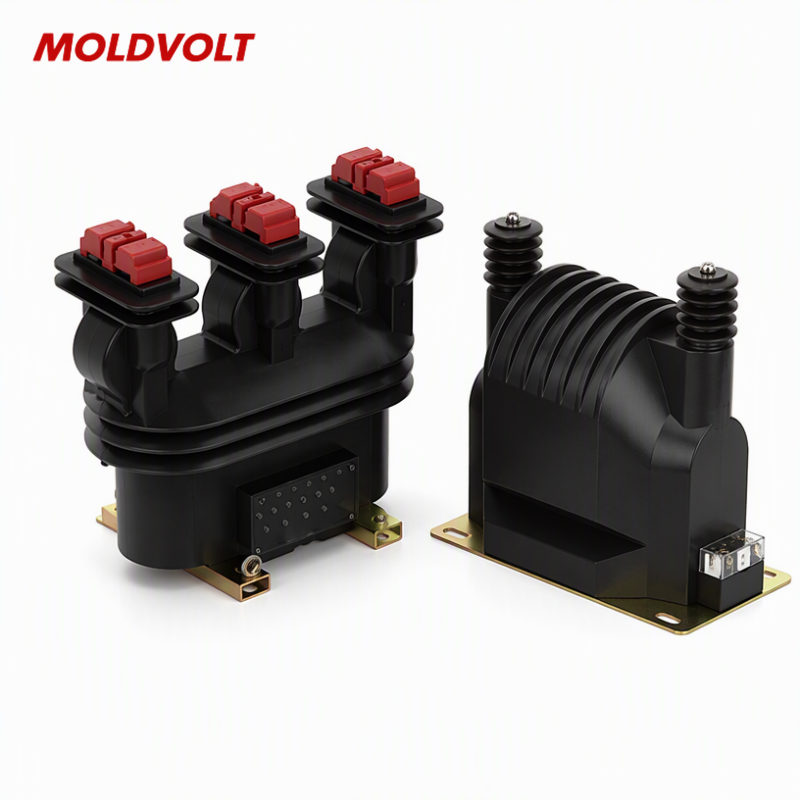
A pole transformer is a distribution transformer installed on a utility pole or approved support structure to reduce medium-voltage electricity to a usable distribution voltage. Common applications include residential neighborhoods, rural power networks, farms, small commercial properties, and other locations served by overhead lines. Depending on the network design, equipment may use single-phase or three-phase configurations. VoltCabinet supports transformer procurement by helping customers define equipment requirements for specific distribution projects. Important specifications include rated capacity, primary voltage, secondary voltage, frequency, winding configuration, insulation system, cooling method, and environmental protection. The mounting structure, connection arrangement, grounding system, and associated protective devices must also be compatible with the installation. For example, a rural utility supplying irrigation pumps and nearby homes may need to consider both seasonal demand and motor starting currents when selecting transformer capacity. Commercial distribution projects may prioritize future load growth and compatibility with existing infrastructure. Buyers should provide utility specifications, load estimates, site conditions, and applicable standards before requesting a quotation. Manufacturer documentation and engineering calculations should confirm the final selection. Proper installation, inspection, and maintenance help support safe operation and dependable electricity distribution throughout the transformer's service life.
Frequently Asked Questions

What is a pole transformer used for?

A pole transformer reduces electricity from an overhead distribution network to a lower voltage suitable for local consumers. It commonly supplies homes, farms, small businesses, and rural facilities. The appropriate transformer rating depends on connected loads, network voltage, phase requirements, and the utility's installation specifications.
Required capacity depends on total connected load, expected simultaneous demand, motor starting currents, and potential future expansion. Utilities and engineers evaluate these factors before selecting a suitable rating. Buyers should provide load estimates, operating schedules, voltage requirements, and site details rather than choosing capacity based only on the number of customers.
Yes. Single-phase pole transformers are commonly used for residential and smaller distribution loads, while three-phase configurations can serve larger commercial or industrial requirements. Availability depends on the supplier's product range and local utility practices. The correct design must match the network configuration and required service voltage.
Installation depends on transformer weight, pole strength, mounting hardware, electrical clearances, grounding, conductor arrangements, and local safety regulations. Environmental exposure and access for maintenance also matter. Authorized utility personnel or qualified contractors should verify structural and electrical requirements before installation and energization.
Appropriate maintenance includes scheduled visual inspections, checking for oil leaks where applicable, examining connections and bushings, and monitoring abnormal noise or overheating. Inspection frequency depends on utility procedures, equipment design, and operating conditions. Qualified personnel should follow manufacturer guidance and applicable safety practices when assessing transformer condition.

Related article

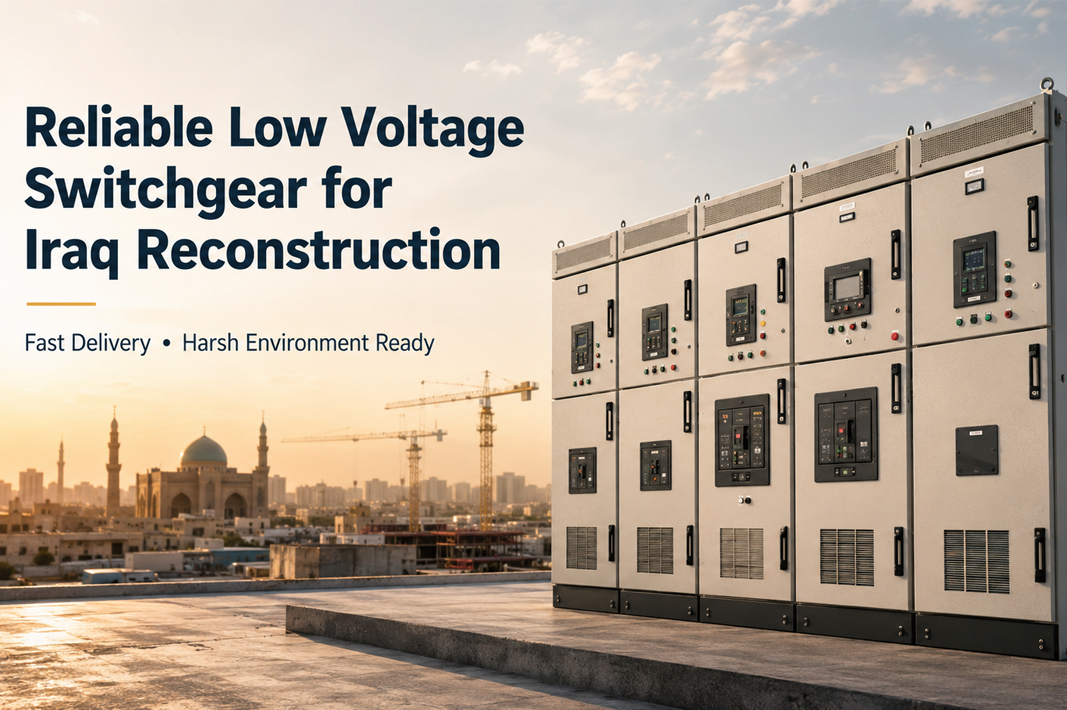
Cost-Effective Low Voltage Switchgear for Iraq: Compatible with Blokset, Okken & 8PT | Local Assembly Options

16

Sep

Cost-Effective Low Voltage Switchgear for Iraq: Compatible with Blokset, Okken & 8PT | Local Assembly Options

View More
What cable clamp material suits high temperature switchgear cabinets?

19

Sep

What cable clamp material suits high temperature switchgear cabinets?

Understanding High-Temperature Challenges in Switchgear CabinetsTypical Operating Temperatures and Thermal Stress Sources (Busbars, Load Cycling, Enclosure Design)Switchgear cabinets experience elevated temperatures primarily due to resistive losses ...
View More
Cabinet corrosion resistance determines service life in coastal engineering sites.

23

Sep

Cabinet corrosion resistance determines service life in coastal engineering sites.

Why Coastal Environments Accelerate Cabinet CorrosionThe chloride-humidity synergy: How salt aerosols and sustained high RH drive electrochemical degradationCoastal atmospheres subject cabinet enclosures to a uniquely aggressive combination of airbor...
View More
Insulator dimension design follows international high voltage standards strictly.

16

Oct

Insulator dimension design follows international high voltage standards strictly.

Core IEC Standards Governing Insulator Dimension Design IEC 60383: Mechanical and Electrical Requirements for Ceramic and Glass Insulators The IEC 60383 series defines the mechanical and electrical test regimes that ceramic and glass insulators mus...
View More

Customer Testimonials

Michael Turner

Our distribution project required reliable pole-mounted transformers for local power delivery. Clear technical specifications helped us evaluate capacity, voltage requirements, and installation compatibility for residential and commercial applications.

Daniel Wilson

The equipment evaluation helped clarify transformer ratings and environmental requirements. Reviewing protection, mounting arrangements, and electrical specifications made our procurement planning more efficient.

Get a Free Quote

Our representative will contact you soon.
Email
Mobile/WhatsApp
Name
Company Name
Message
0/1000
Capacity Planning for Changing Distribution Loads

Capacity Planning for Changing Distribution Loads

Correct transformer sizing helps distribution networks accommodate current electricity demand while allowing for reasonable future growth. Engineers consider diversified customer loads, seasonal variations, motor starting currents, and the characteristics of connected equipment. For example, an agricultural network supplying irrigation pumps may experience higher demand during specific periods, while residential demand can fluctuate throughout the day. Selecting capacity solely from connected appliance ratings can produce an inaccurate estimate of actual requirements. A structured load assessment provides a better foundation for procurement and network planning. Buyers should coordinate with utilities and qualified engineers to confirm rated capacity, voltage levels, phase configuration, and protection requirements before finalizing equipment specifications.
Outdoor Durability and Installation Compatibility

Outdoor Durability and Installation Compatibility

Pole-mounted transformers operate outdoors and must withstand environmental conditions such as rain, humidity, temperature variation, and airborne contaminants. Appropriate insulation, enclosure design, bushings, coatings, and cooling arrangements contribute to reliable operation under the specified conditions. Installation compatibility is equally important because transformer weight, mounting hardware, pole strength, and electrical clearances affect safety. For example, replacing an older unit on an existing distribution pole requires verification of structural capacity and connection arrangements rather than assuming the new transformer will fit. Buyers should review environmental ratings, mounting specifications, applicable utility standards, and maintenance access. Proper engineering assessment helps reduce installation complications and supports long-term equipment reliability.
Protection and Safety Across Overhead Networks

Protection and Safety Across Overhead Networks

Reliable pole transformer installations depend on coordinated electrical protection and suitable grounding arrangements. Depending on the system design, protection may include primary fuses, surge arresters, secondary protective devices, and other equipment specified by the utility. These components serve different purposes and must be selected for the actual voltage class, fault conditions, and installation configuration. For example, a rural distribution line exposed to lightning may require surge protection designed for the local network and environmental conditions. Grounding, clearances, and conductor connections must also meet applicable electrical standards. Coordinating transformer specifications with utility engineering requirements helps support safer installation, effective fault management, and dependable service for connected customers.

Get a Free Quote

Our representative will contact you soon.
Email
Mobile/WhatsApp
Name
Company Name
Message
0/1000