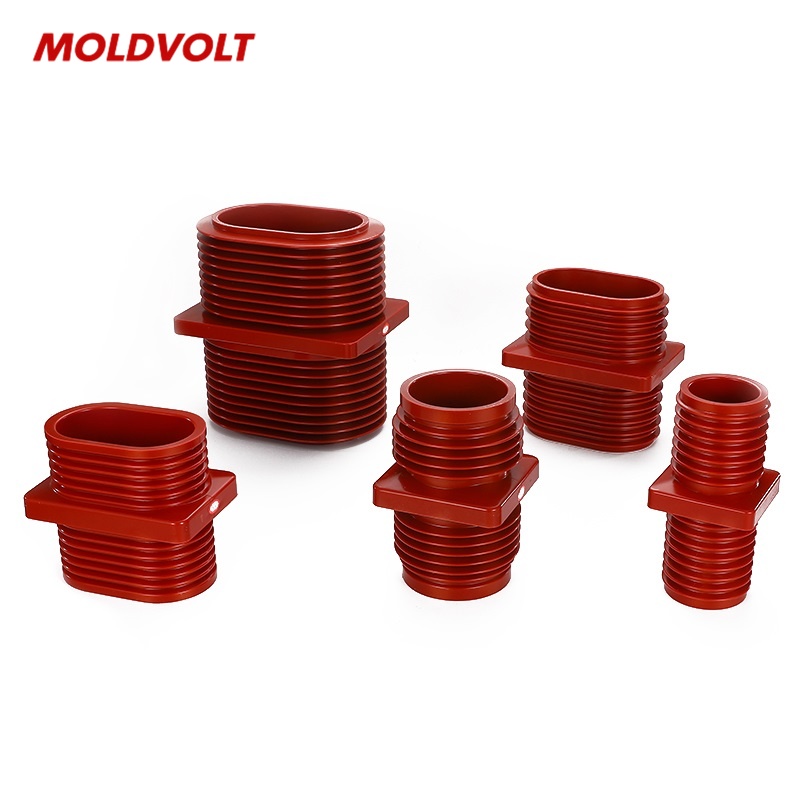
Electrical Insulator Solutions for Switchgear & Cabinets

All Categories
Electrical Insulator Customer Feedback

Electrical Insulator Customer Feedback

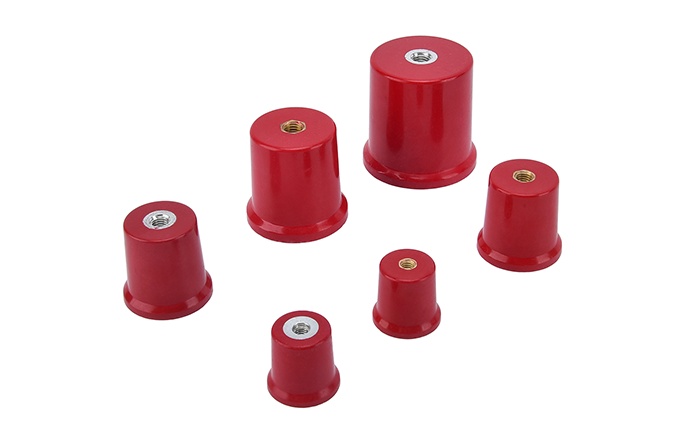
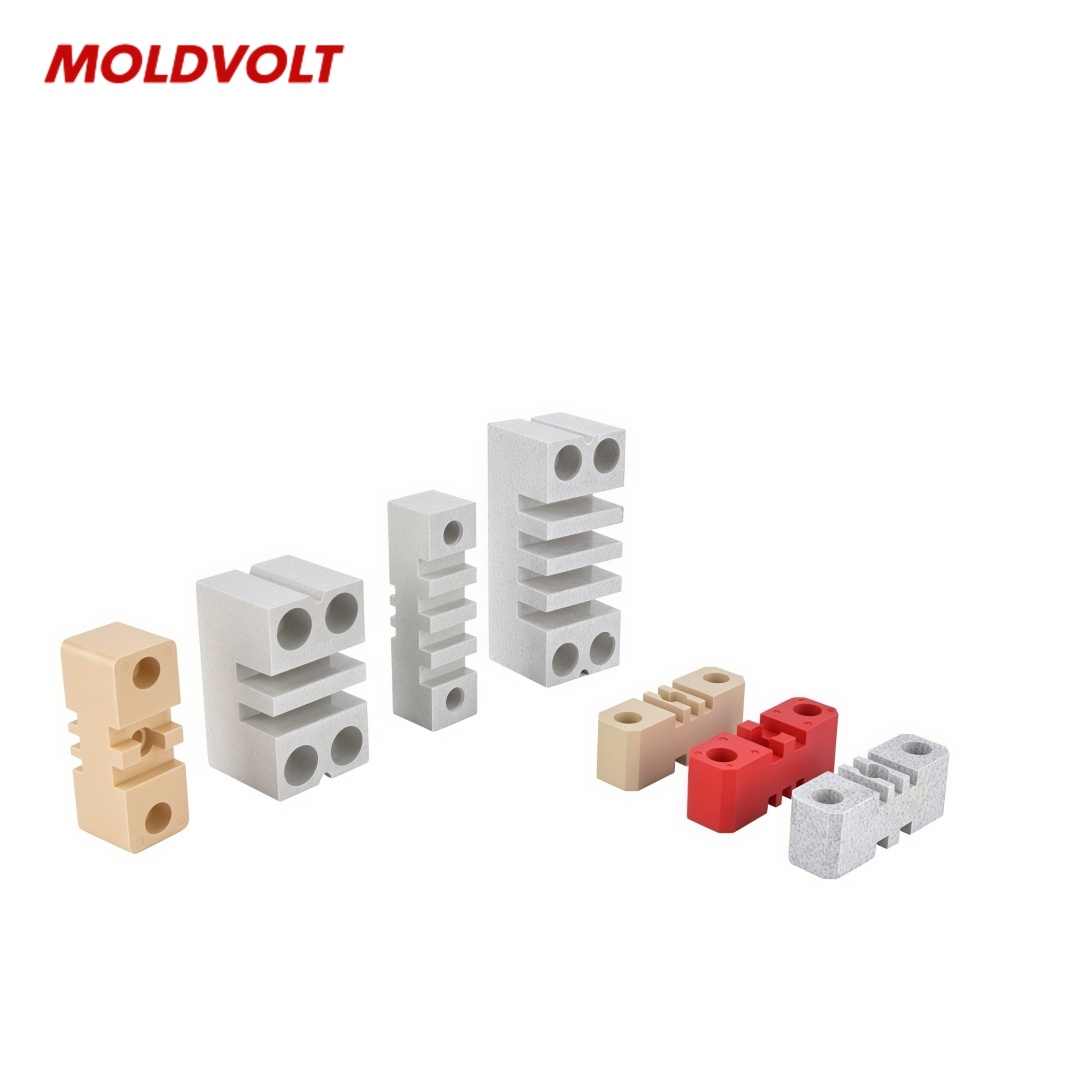
Volt Cabinet provides electrical insulation components designed to support dependable performance in switchgear, distribution cabinets, and industrial power systems. Suitable materials, including epoxy resin and other application-specific insulating compounds, help maintain electrical isolation while providing mechanical support for conductive parts. Depending on the selected design, products can be configured for different voltage ratings, installation dimensions, and operating environments. For medium-voltage applications, insulation coordination and mechanical strength are essential to long-term equipment reliability. Customized dimensions and structural configurations help manufacturers simplify assembly, reduce compatibility issues, and improve production efficiency. Each project can be evaluated according to electrical requirements, installation conditions, and relevant industry standards.
Get A Quote

Case Study

Medium-Voltage Switchgear Insulation Components

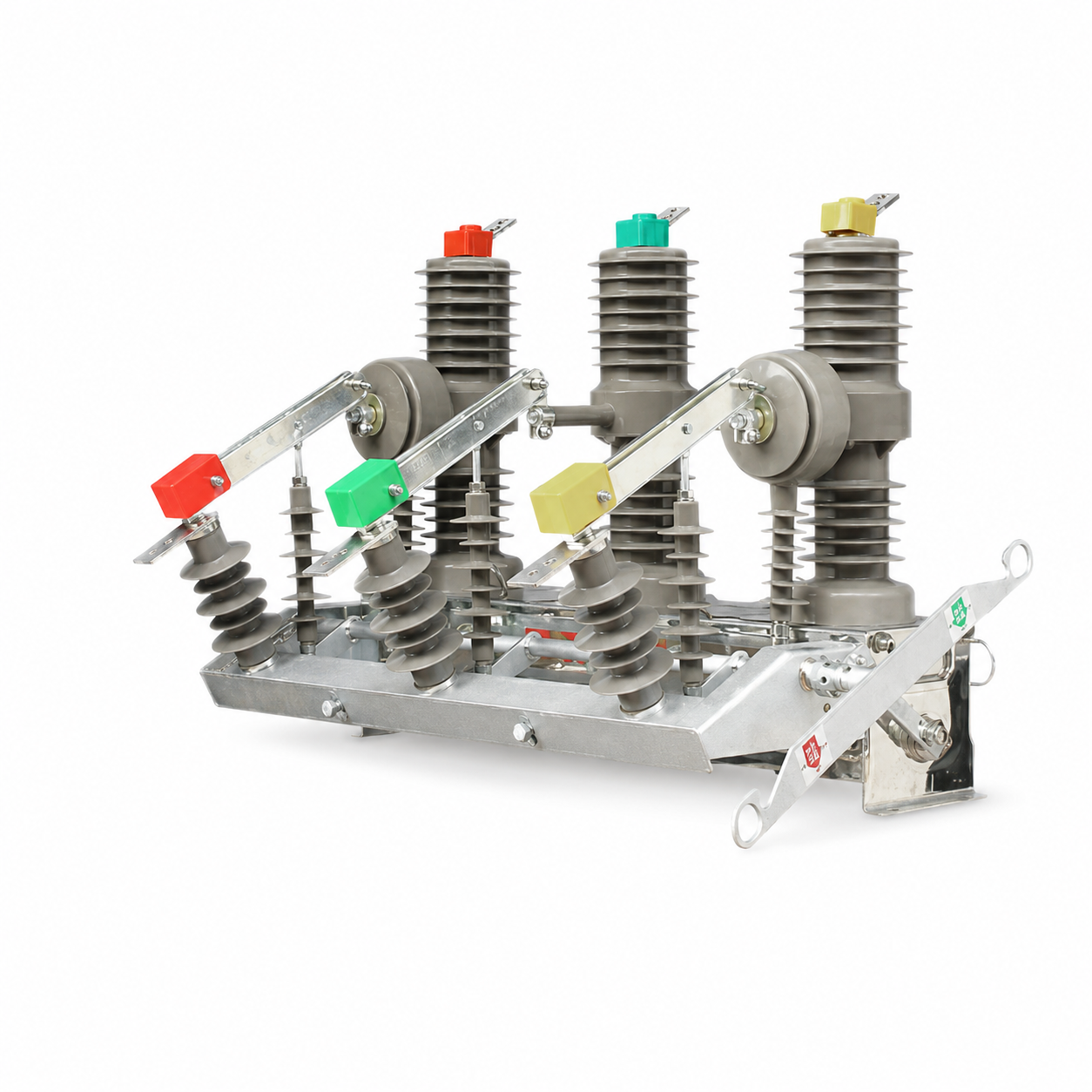
A switchgear manufacturer required reliable electrical insulation components for a medium-voltage distribution cabinet project. The application involved supporting conductive connections while maintaining sufficient clearance between energized components and grounded structures. Electrical insulators were selected according to installation dimensions, mechanical loading requirements, and insulation coordination considerations. The customized structural design helped improve component positioning and simplify cabinet assembly. By integrating appropriately designed insulating supports into the equipment, the manufacturer could maintain a more organized internal layout and improve installation consistency. This application demonstrates the importance of selecting suitable insulating materials and configurations for dependable medium-voltage switchgear performance.

Industrial Power Distribution Cabinet Insulation

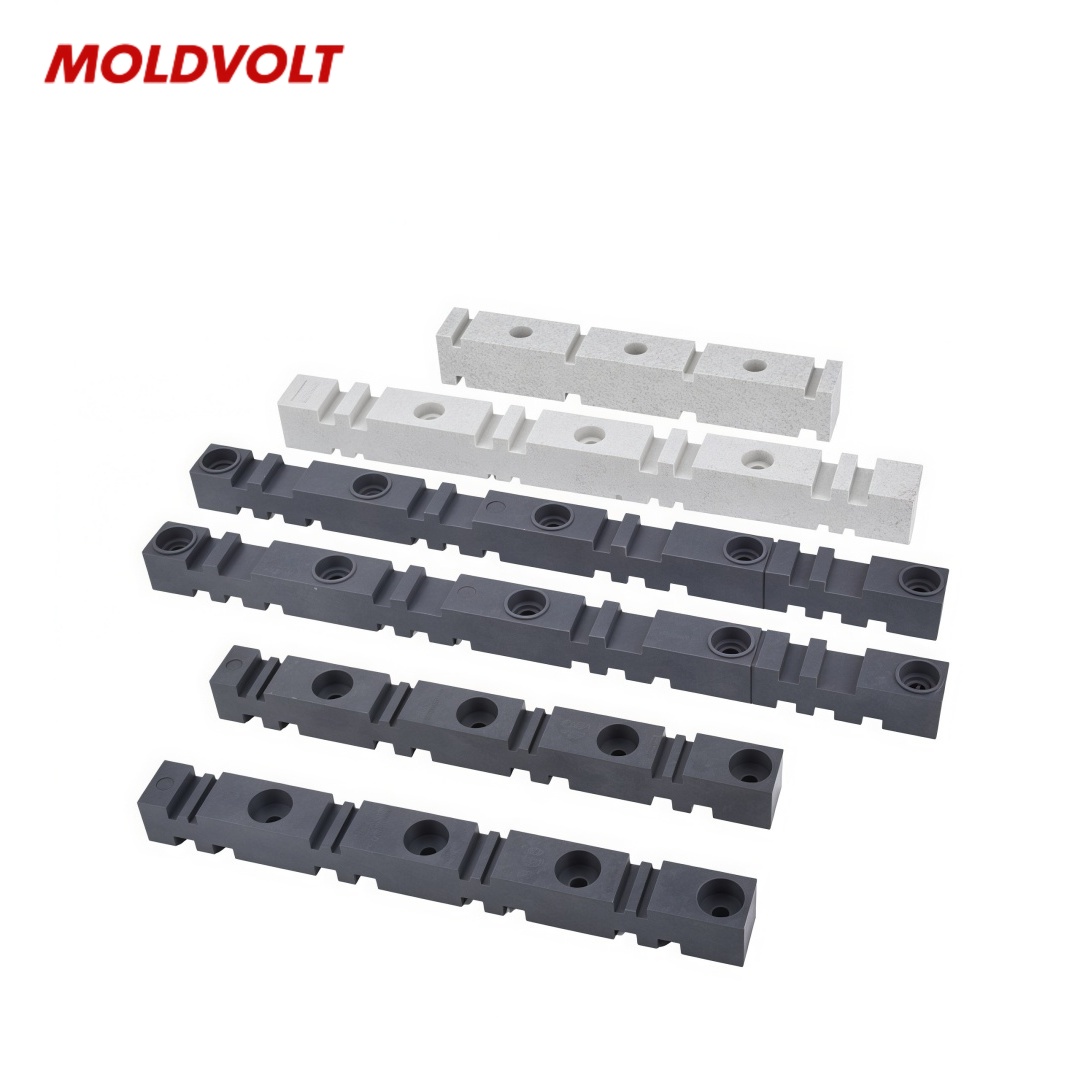
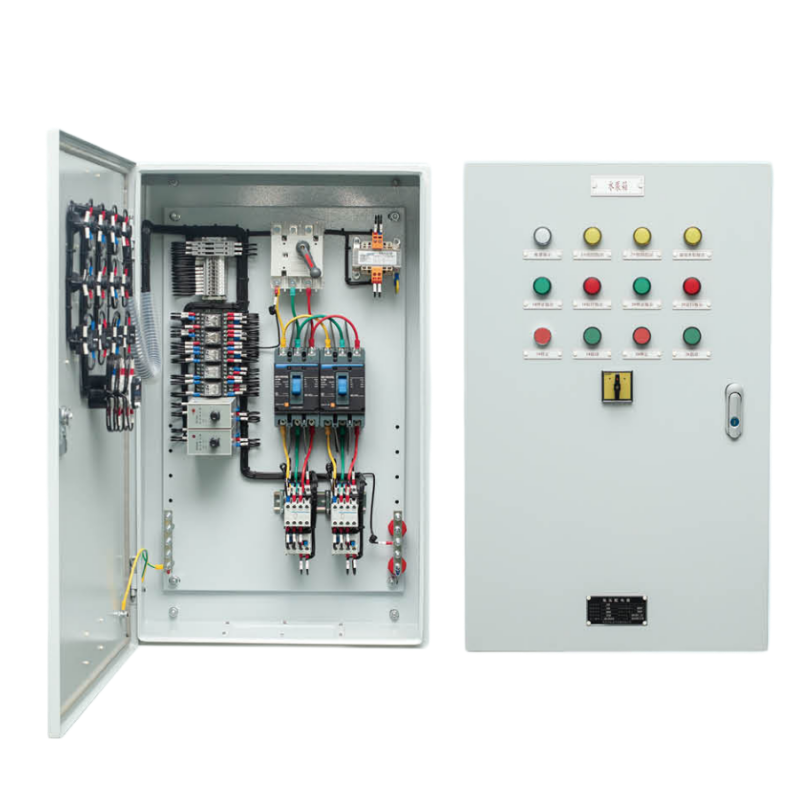
An industrial electrical equipment manufacturer needed durable insulation components for power distribution cabinets operating under demanding industrial conditions. The project required stable mechanical support for busbars and conductive connections, together with dependable electrical isolation. The selected insulators were configured around the cabinet's internal dimensions and component arrangement. Their structural design helped maintain appropriate conductor positioning and electrical clearances while supporting efficient installation. For this type of application, factors such as operating voltage, temperature conditions, mechanical stress, and material properties must be evaluated together. Proper component selection helps improve equipment integration and supports reliable electrical distribution throughout industrial facilities.

Customized Insulators for Electrical Equipment Manufacturing

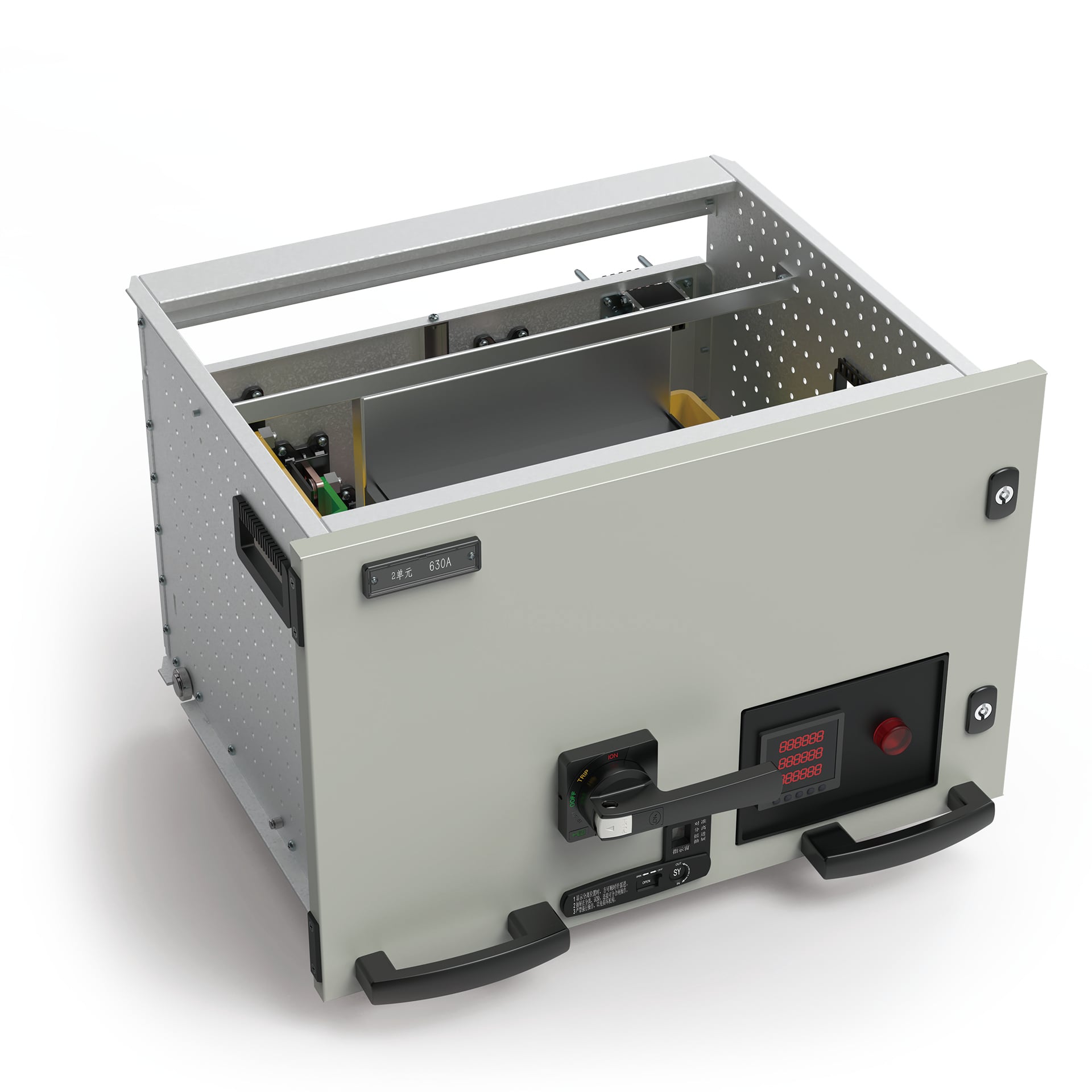
An electrical equipment producer needed customized insulating components for a new distribution system design. Standard components did not fully match the required mounting dimensions and internal structural arrangement. The project therefore focused on evaluating component geometry, material characteristics, mounting interfaces, and electrical performance requirements. Customized insulator configurations helped accommodate the equipment layout while maintaining mechanical stability and electrical separation. During product selection, engineers considered conductor spacing, installation accessibility, and the expected operating environment. This application highlights how tailored electrical insulation components can help equipment manufacturers improve design compatibility, simplify production processes, and develop more reliable power distribution solutions.

Related products

Electrical insulators are essential components in power distribution equipment, providing electrical separation and mechanical support for energized conductors. They are widely used in switchgear, busbar systems, transformers, distribution cabinets, and industrial electrical installations. Volt Cabinet focuses on electrical equipment components designed to meet different structural and application requirements. Depending on the operating environment, insulating components can be manufactured using materials such as epoxy resin, silicone rubber, and other suitable insulating compounds. Material selection considers dielectric strength, mechanical loading, temperature resistance, and environmental exposure. Product dimensions and mounting structures can also be evaluated according to individual equipment designs. In medium-voltage switchgear, for example, insulators help maintain conductor positioning and appropriate electrical clearances within compact cabinet structures. Engineers should consider rated voltage, insulation coordination, creepage distance, and applicable IEC requirements when specifying components. By combining suitable materials with application-oriented structural designs, electrical insulators support dependable equipment integration and long-term power distribution performance.
Frequently Asked Questions

What is the primary function of an electrical insulator?

An electrical insulator prevents unwanted current flow between conductive components and grounded structures. It also provides mechanical support for electrical connections, busbars, and other energized parts. Proper insulation helps maintain electrical clearances, reduce the risk of short circuits, and support safe equipment operation.
Common insulating materials include epoxy resin, porcelain, silicone rubber, and glass. Epoxy resin is frequently selected for switchgear components because of its mechanical strength and insulating properties. The appropriate material depends on voltage requirements, temperature conditions, mechanical loads, and the installation environment.
Electrical insulators are widely used in medium-voltage switchgear, distribution cabinets, transformers, busbar assemblies, and industrial power systems. They separate energized components from supporting structures while maintaining mechanical stability. Their specific configuration depends on equipment design, rated voltage, and installation requirements.
Yes. Electrical insulators can be customized according to mounting dimensions, structural configurations, material requirements, and equipment specifications. Manufacturers should provide technical drawings, rated voltage information, and application details to help determine suitable product dimensions and insulation characteristics.
Consider rated voltage, dielectric strength, creepage distance, mechanical loading, temperature resistance, and installation conditions. You should also check applicable electrical standards and equipment specifications. Providing drawings and technical requirements helps suppliers recommend an appropriate insulation solution for your project.

Related article

Cost-Effective Low Voltage Switchgear for Iraq: Compatible with Blokset, Okken & 8PT | Local Assembly Options

16

Sep

Cost-Effective Low Voltage Switchgear for Iraq: Compatible with Blokset, Okken & 8PT | Local Assembly Options

View More
What cable clamp material suits high temperature switchgear cabinets?

19

Sep

What cable clamp material suits high temperature switchgear cabinets?

Understanding High-Temperature Challenges in Switchgear CabinetsTypical Operating Temperatures and Thermal Stress Sources (Busbars, Load Cycling, Enclosure Design)Switchgear cabinets experience elevated temperatures primarily due to resistive losses ...
View More
Cabinet corrosion resistance determines service life in coastal engineering sites.

23

Sep

Cabinet corrosion resistance determines service life in coastal engineering sites.

Why Coastal Environments Accelerate Cabinet CorrosionThe chloride-humidity synergy: How salt aerosols and sustained high RH drive electrochemical degradationCoastal atmospheres subject cabinet enclosures to a uniquely aggressive combination of airbor...
View More
Insulator dimensional tolerance controls assembly efficiency in switchgear.

25

Sep

Insulator dimensional tolerance controls assembly efficiency in switchgear.

Why Insulator Dimensional Tolerance Is the Silent Driver of Switchgear Assembly EfficiencyIn high-voltage switchgear, insulators do much more than prevent flashover—they serve as load-bearing anchors that dictate how quickly and precisely busbars, ci...
View More

Customer Testimonials

James Wilson

The epoxy resin insulators delivered consistent electrical insulation and mechanical stability in our medium-voltage switchgear project. Their compact design simplified installation and helped improve equipment reliability during operation.

Michael Brown

We appreciated the product customization and technical communication. The insulators met our project specifications, provided stable support for conductive components, and simplified assembly across multiple electrical distribution units.

Get a Free Quote

Our representative will contact you soon.
Email
Mobile/WhatsApp
Name
Company Name
Message
0/1000
Reliable Electrical Insulation for Critical Equipment

Reliable Electrical Insulation for Critical Equipment

Electrical insulation performance directly influences the reliability of power distribution equipment. In switchgear and industrial control cabinets, insulators help separate energized conductors from grounded metal structures while maintaining stable mechanical positioning. Selecting the appropriate insulating material requires consideration of dielectric properties, temperature resistance, mechanical strength, and environmental conditions. For example, epoxy resin components are commonly used in medium-voltage switchgear because they combine electrical insulation with structural rigidity. Product configurations can be evaluated according to rated voltage, conductor spacing, and installation dimensions. A properly designed insulation structure helps equipment manufacturers maintain electrical clearances, improve internal component arrangement, and support dependable operation across different industrial power distribution applications.
Customized Designs for Flexible Equipment Integration

Customized Designs for Flexible Equipment Integration

Different electrical equipment designs require different insulation dimensions, mounting structures, and material characteristics. Standard components may not always match the installation requirements of customized switchgear or distribution cabinets. Electrical insulators can therefore be evaluated according to technical drawings, conductor arrangements, mechanical loads, and operating conditions. For example, a manufacturer developing a compact medium-voltage cabinet may require specially configured insulating supports to accommodate its internal busbar layout. Customization helps improve dimensional compatibility and simplifies equipment assembly. From component geometry to material selection, application-specific evaluation supports better integration, consistent manufacturing requirements, and reliable insulation performance across different electrical equipment configurations.

Get a Free Quote

Our representative will contact you soon.
Email
Mobile/WhatsApp
Name
Company Name
Message
0/1000