Switchgear & Control Automations: 7 Industrial Solutions

All Categories
Customer Feedback on Switchgear & Control Automation Solutions

Customer Feedback on Switchgear & Control Automation Solutions

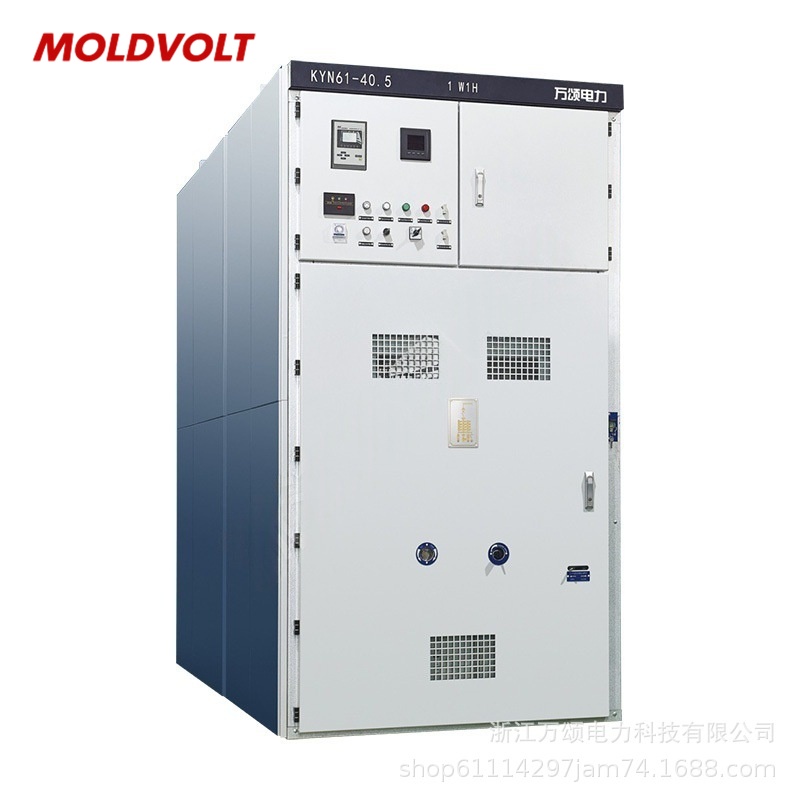
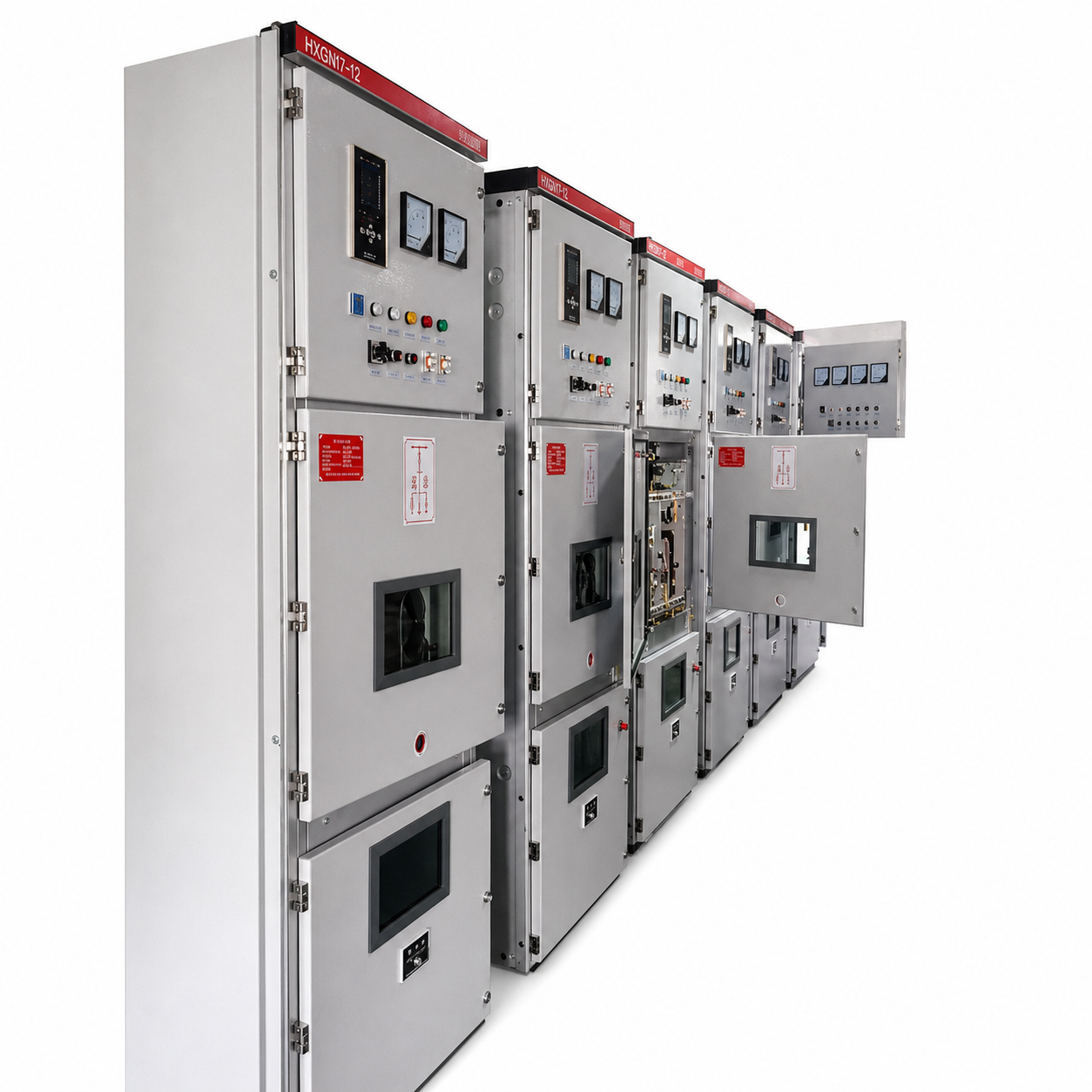
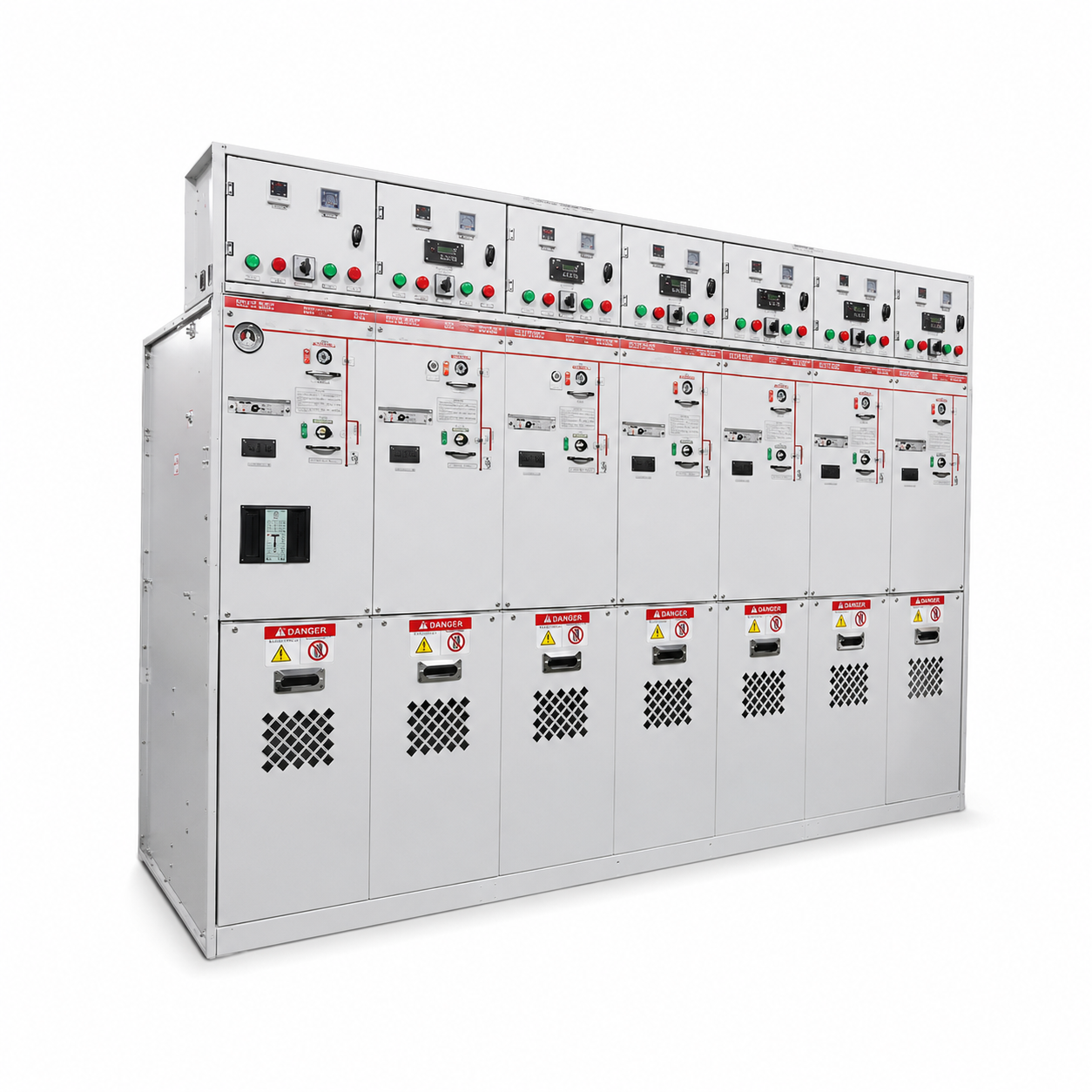
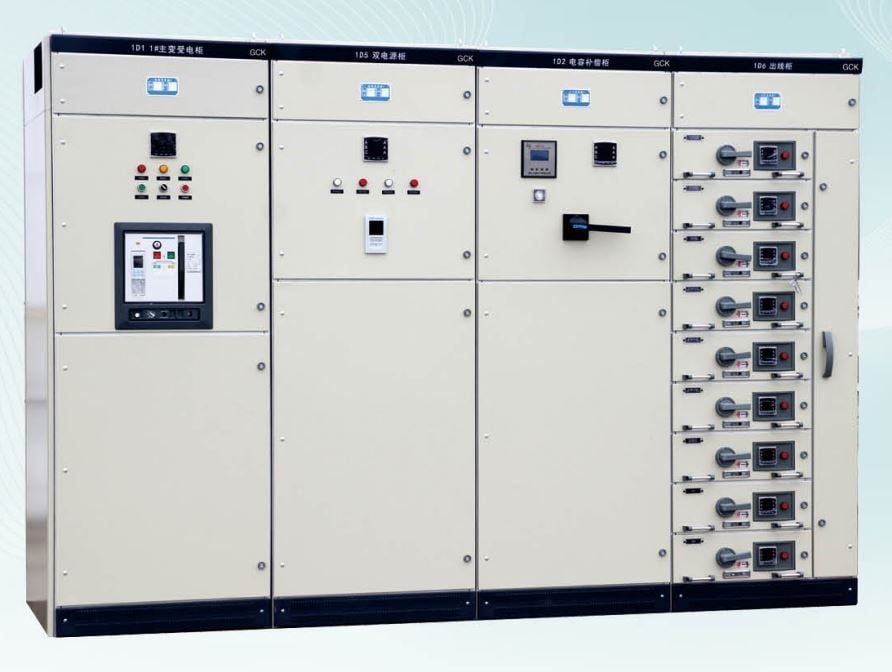
VoltCabinet provides switchgear and control automation solutions designed to support dependable power distribution, equipment protection, and operational coordination. For industrial plants, commercial buildings, and infrastructure projects, integrating electrical switching equipment with suitable control systems can simplify monitoring and maintenance. Configurations can be developed around voltage ratings, load requirements, installation environments, and automation interfaces. Depending on the project scope, functions may include circuit protection, remote status monitoring, interlocking, and coordinated equipment control. Our engineering approach emphasizes practical system integration, clear technical documentation, and project-specific configuration. By aligning equipment selection with operating conditions, customers can build electrical systems that support safer workflows, more consistent operation, and future expansion without unnecessary complexity.
Get A Quote

Case Study

Automated Power Distribution for Manufacturing Facilities

A manufacturing facility operating multiple production lines needed coordinated electrical distribution and improved equipment visibility. An integrated switchgear and control automation configuration can combine circuit protection, switching functions, and control interfaces to help operators monitor essential electrical conditions. The engineering process begins with reviewing load schedules, motor starting requirements, fault levels, and existing control architecture. Based on these findings, equipment can be configured to support production continuity and facilitate maintenance planning. Clearly organized control circuits and documented operating sequences also help technicians troubleshoot problems more efficiently. The resulting design provides a practical foundation for future production expansion while keeping electrical protection and operational requirements aligned.

Intelligent Electrical Control for Commercial Buildings

A commercial building project required reliable distribution equipment and centralized visibility across essential electrical systems. Switchgear integrated with appropriate automation interfaces can help facility teams monitor breaker status, coordinate switching operations, and identify abnormal operating conditions. The project design considers incoming supply characteristics, distribution loads, emergency power arrangements, and communication requirements. Depending on the selected architecture, compatible monitoring devices can transmit operational information to a building management system. This approach supports more informed maintenance decisions and reduces reliance on repeated manual inspections. Accurate equipment schedules, wiring diagrams, and commissioning procedures help contractors coordinate installation while giving facility managers a clearer framework for long-term electrical system management.

Coordinated Electrical Controls for Infrastructure Projects

An infrastructure project required dependable power distribution for pumps, auxiliary equipment, and supporting electrical systems. A tailored switchgear and control automation solution can coordinate switching, protective devices, and control signals according to the approved operating sequence. Engineers assess environmental conditions, motor loads, fault protection requirements, and interfaces with existing equipment before defining the configuration. Where remote supervision is required, suitable communication components can provide operating status and alarm information to authorized personnel. This arrangement helps maintenance teams understand system conditions without depending entirely on local inspections. Project-specific documentation and functional testing provide a structured basis for installation, commissioning, and reliable operation throughout the equipment lifecycle.

Related products

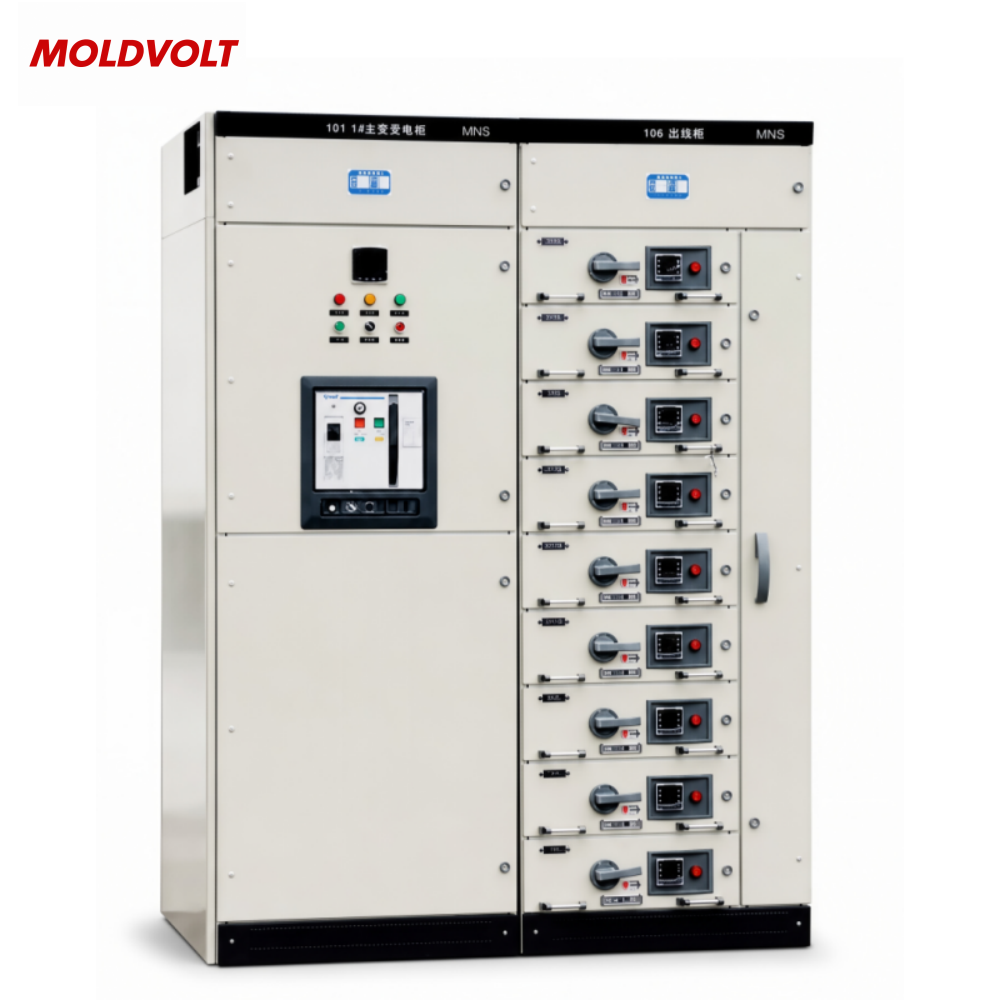
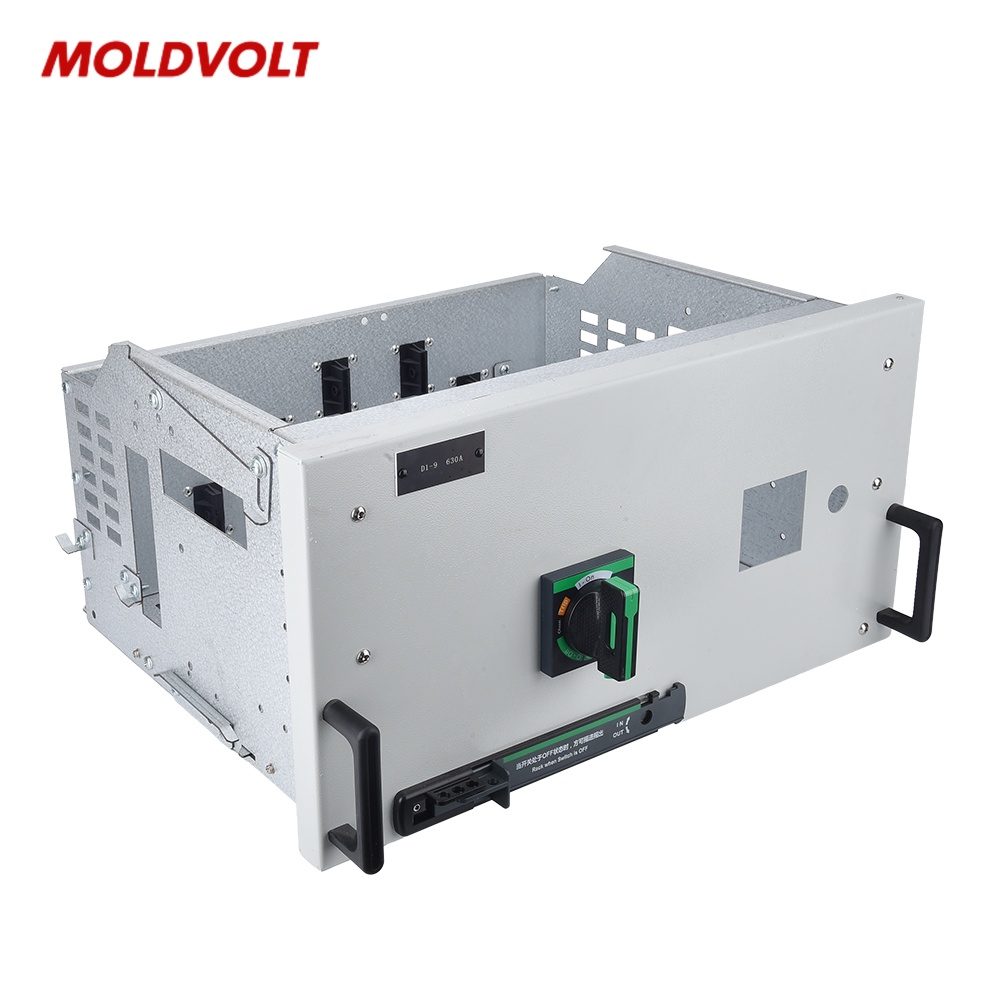
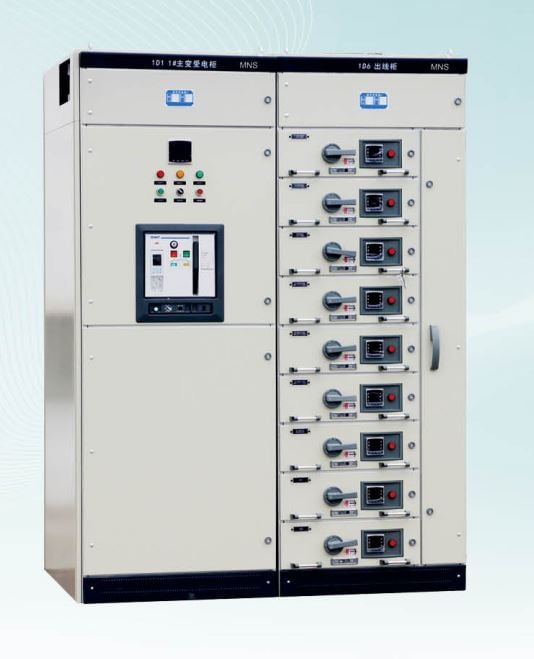
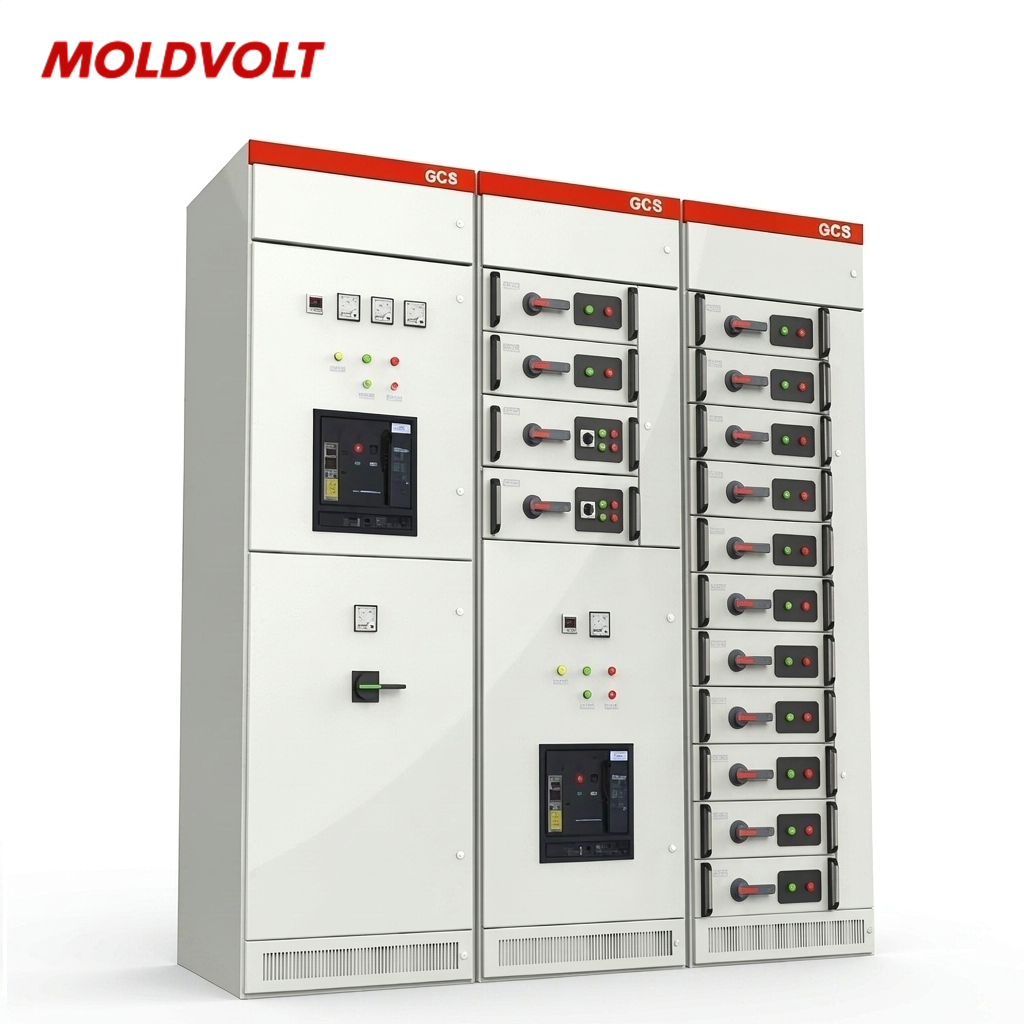
Switchgear and control automation bring electrical distribution, equipment protection, and operational monitoring into a coordinated system. VoltCabinet supports project-oriented equipment selection for industrial facilities, commercial buildings, utility applications, and infrastructure installations. Depending on the application, a solution may incorporate circuit breakers, contactors, protective relays, control panels, metering devices, and communication interfaces. Engineering begins with reviewing voltage levels, current ratings, prospective fault currents, load characteristics, installation conditions, and applicable standards. These factors determine the appropriate equipment arrangement and integration requirements. For example, a manufacturing plant may need coordinated motor control and fault isolation, while a commercial facility may prioritize distribution monitoring and maintenance visibility. Properly designed automation interfaces can help operators access relevant equipment status and alarms. System compatibility, clear wiring documentation, and commissioning checks remain essential for dependable performance. Buyers should confirm technical specifications, certification requirements, enclosure ratings, communication protocols, and customization options before ordering. VoltCabinet focuses on matching proposed configurations to project requirements, helping distributors, contractors, and industrial buyers evaluate practical solutions for dependable electrical operation and future system development.
Frequently Asked Questions

What Is Included in a Switchgear and Control Automation System?

A system may include circuit breakers, contactors, protective relays, metering devices, control panels, and communication interfaces. The exact configuration depends on voltage, load requirements, protection coordination, and monitoring objectives. Confirming these parameters during project planning helps ensure equipment compatibility and appropriate system functionality.
Yes. Equipment arrangements can be specified according to electrical ratings, installation environments, control sequences, and integration requirements. Industrial buyers should provide load schedules, electrical drawings, communication preferences, and applicable standards. These details help engineers determine a suitable configuration and identify potential interface requirements before manufacturing or installation.
Common applications include manufacturing, commercial buildings, utilities, water treatment, and infrastructure facilities. These environments use electrical switching and control equipment to distribute power, protect circuits, and coordinate machinery. The appropriate design depends on operating conditions, system criticality, maintenance practices, and the level of monitoring required.
Compatible sensors, meters, protective relays, and communication devices can provide information about operating status, electrical measurements, and fault alarms. When integrated with an appropriate monitoring platform, these functions help personnel identify abnormal conditions and plan maintenance. Actual capabilities depend on the selected hardware, software, and communication architecture.
Prepare the required voltage and current ratings, single-line diagram, load details, short-circuit requirements, enclosure specifications, installation environment, and applicable standards. Include communication protocols and automation functions when relevant. Providing these details enables suppliers to assess technical compatibility, define the proposed scope, and prepare a more accurate quotation.

Related article

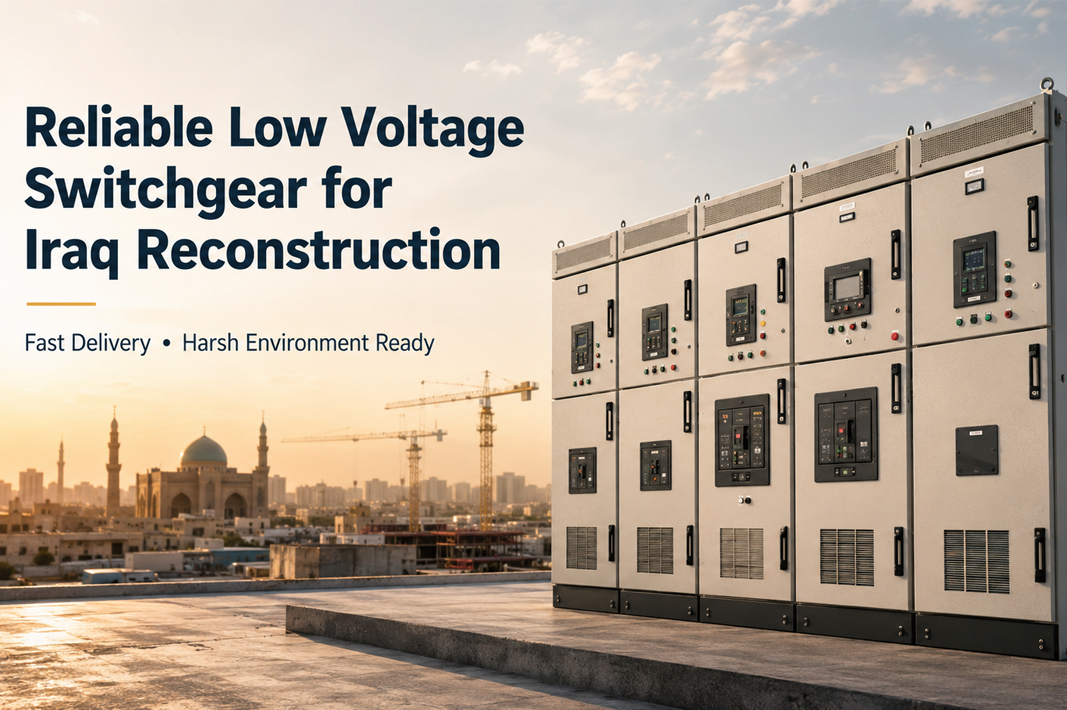
Cost-Effective Low Voltage Switchgear for Iraq: Compatible with Blokset, Okken & 8PT | Local Assembly Options

16

Sep

Cost-Effective Low Voltage Switchgear for Iraq: Compatible with Blokset, Okken & 8PT | Local Assembly Options

View More
Insulator dimensional tolerance controls assembly efficiency in switchgear.

25

Sep

Insulator dimensional tolerance controls assembly efficiency in switchgear.

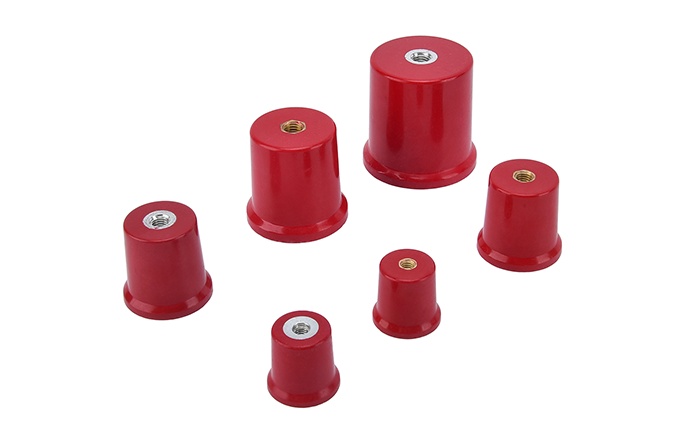
Why Insulator Dimensional Tolerance Is the Silent Driver of Switchgear Assembly EfficiencyIn high-voltage switchgear, insulators do much more than prevent flashover—they serve as load-bearing anchors that dictate how quickly and precisely busbars, ci...
View More
What switchgear maintenance items prevent unexpected power outage risks?

10

Oct

What switchgear maintenance items prevent unexpected power outage risks?

Top 3 Root Causes of Switchgear-Related Power Outages Insulation degradation and partial discharge: leading precursors to cascade failure Insulation systems in switchgear degrade gradually under electrical, thermal, and environmental stress. Cracks...
View More
Cable clamp vs cable tie: which one delivers long term stability in panels?

27

Oct

Cable clamp vs cable tie: which one delivers long term stability in panels?

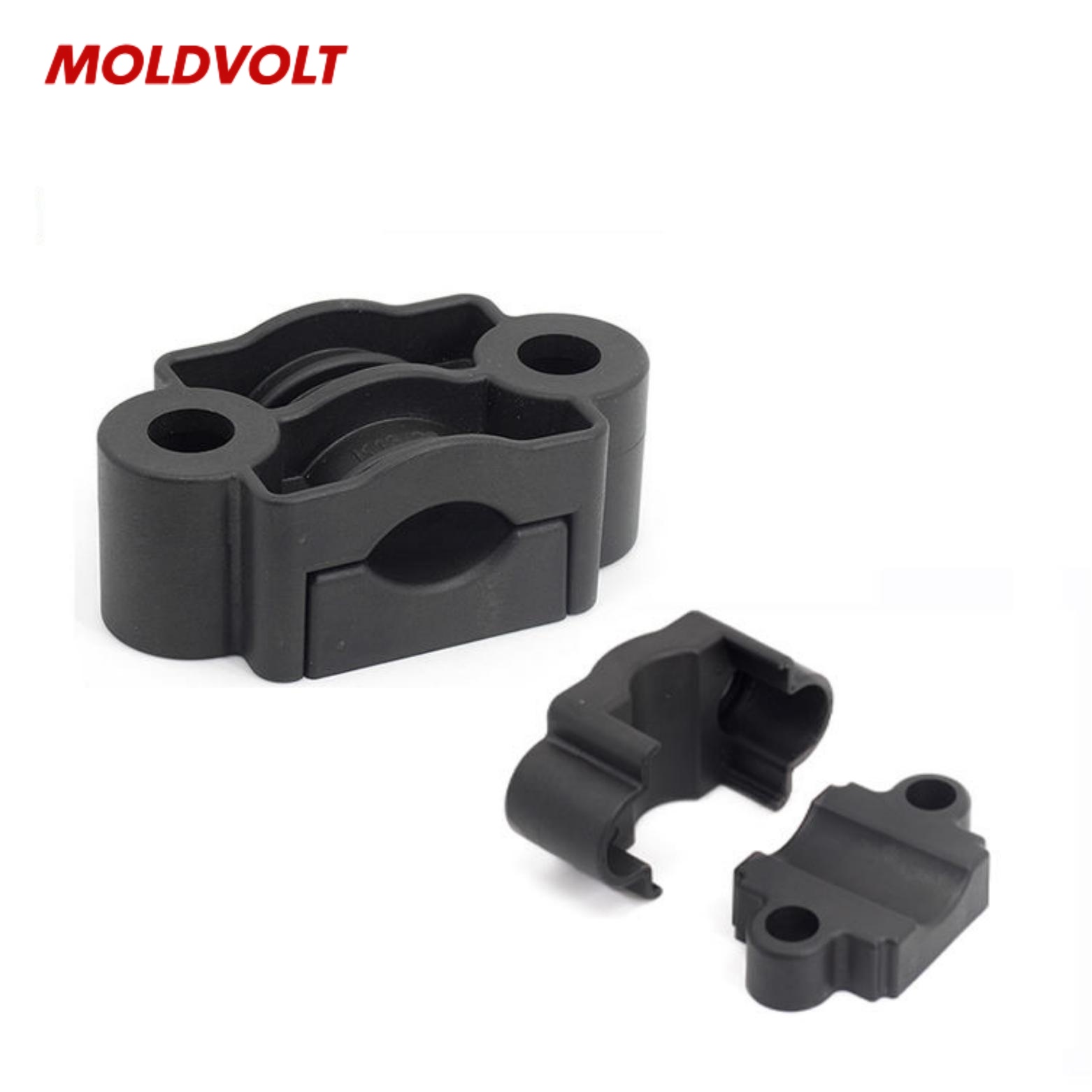
Mechanical Performance Under Thermal Stress Polymer creep and thermal expansion mismatch in nylon cable ties at 60–85°C Nylon 6/6 cable ties undergo measurable mechanical degradation when exposed continuously to 60–85 °C. At the...
View More

Customer Testimonials

Michael Turner

Our facility needed coordinated switchgear and control automation for safer power distribution. The customized solution simplified monitoring, improved operational visibility, and helped our maintenance team identify electrical issues more efficiently during routine inspections.

David Wilson

We required dependable electrical control for a growing production line. The integrated solution streamlined equipment coordination, reduced unnecessary manual checks, and gave our engineers a clearer view of system operating conditions.

Get a Free Quote

Our representative will contact you soon.
Email
Mobile/WhatsApp
Name
Company Name
Message
0/1000
Project-Specific Electrical System Configuration

Project-Specific Electrical System Configuration

Every switchgear and control automation project starts with understanding its electrical and operational requirements. Voltage ratings, current capacity, fault levels, load characteristics, and environmental conditions all influence equipment selection. For manufacturing plants, this assessment can address motor control and production equipment protection; commercial installations may require structured distribution and monitoring interfaces. VoltCabinet supports a specification-driven approach that helps buyers compare suitable configurations before finalizing procurement. Technical drawings, component schedules, and clearly defined interface requirements help align contractors, integrators, and facility teams. This preparation can reduce avoidable design changes and simplify installation coordination. Final equipment selection should always follow verified project data and applicable electrical standards.
Coordinated Protection and Automation Integration

Coordinated Protection and Automation Integration

Effective automation depends on the compatibility of switching equipment, protective devices, control circuits, and communication interfaces. A well-planned design establishes how equipment responds to overloads, faults, switching commands, and abnormal operating conditions. In a production facility, coordinated motor control can support organized equipment operation, while suitable monitoring interfaces help maintenance teams identify alarms and operating status. VoltCabinet emphasizes evaluating these requirements as part of the overall configuration rather than treating each component as an isolated purchase. Appropriate protection studies, functional testing, and commissioning checks remain important to validate performance. The result is a more coherent electrical system designed around practical operating needs, maintainability, and potential future expansion.

Get a Free Quote

Our representative will contact you soon.
Email
Mobile/WhatsApp
Name
Company Name
Message
0/1000