Cable Management Clips: Secure, Organize & Route Wires [B2B]

All Categories
Customer Reviews for Cable Management Clips

Customer Reviews for Cable Management Clips

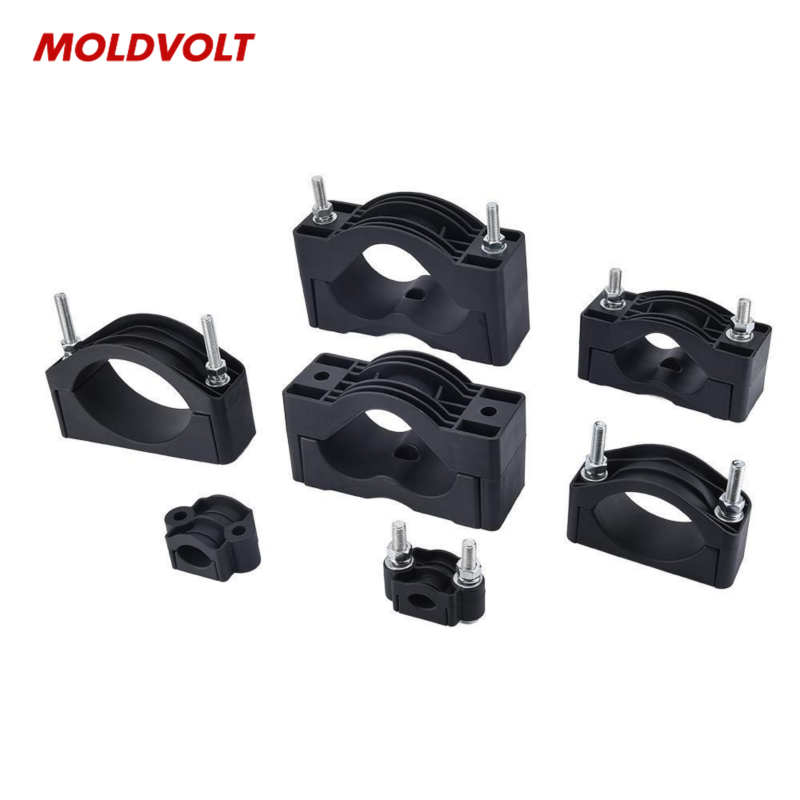
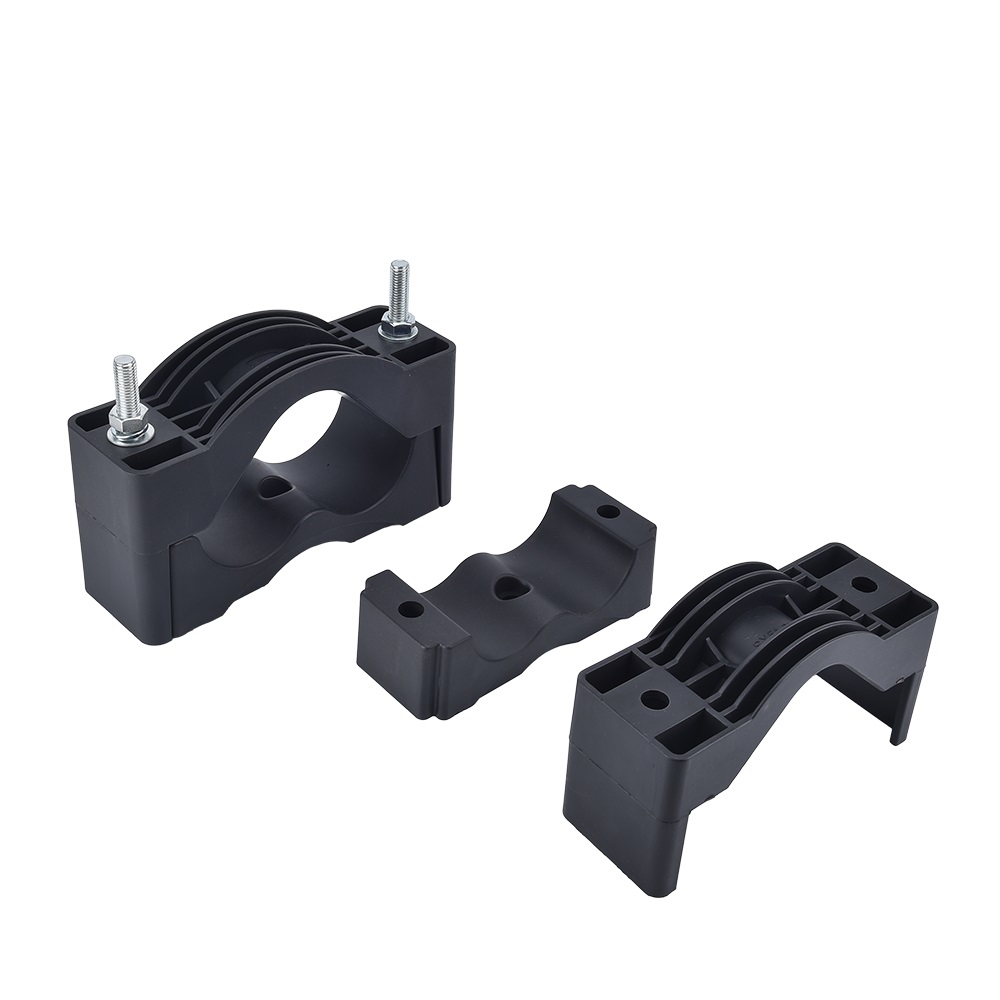
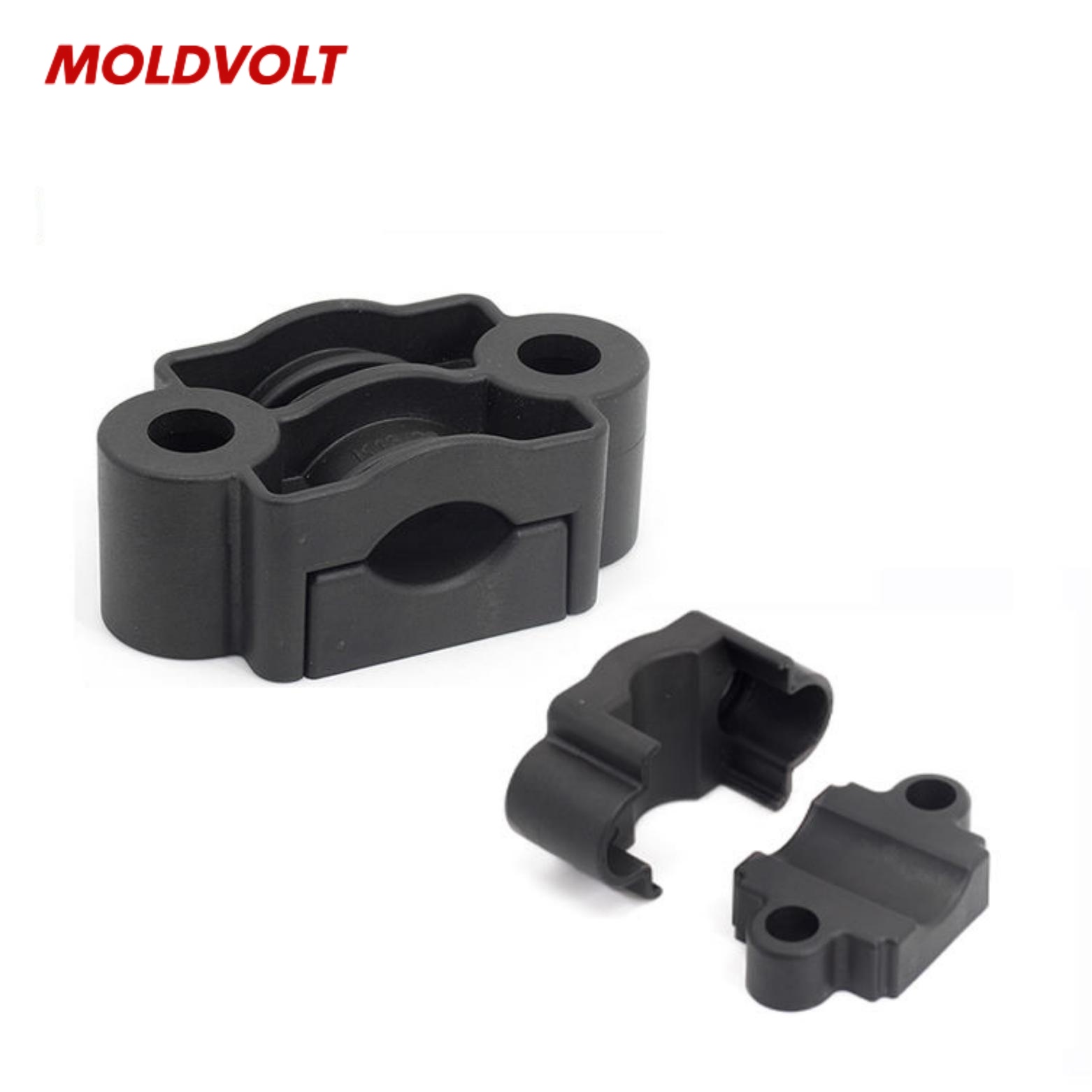
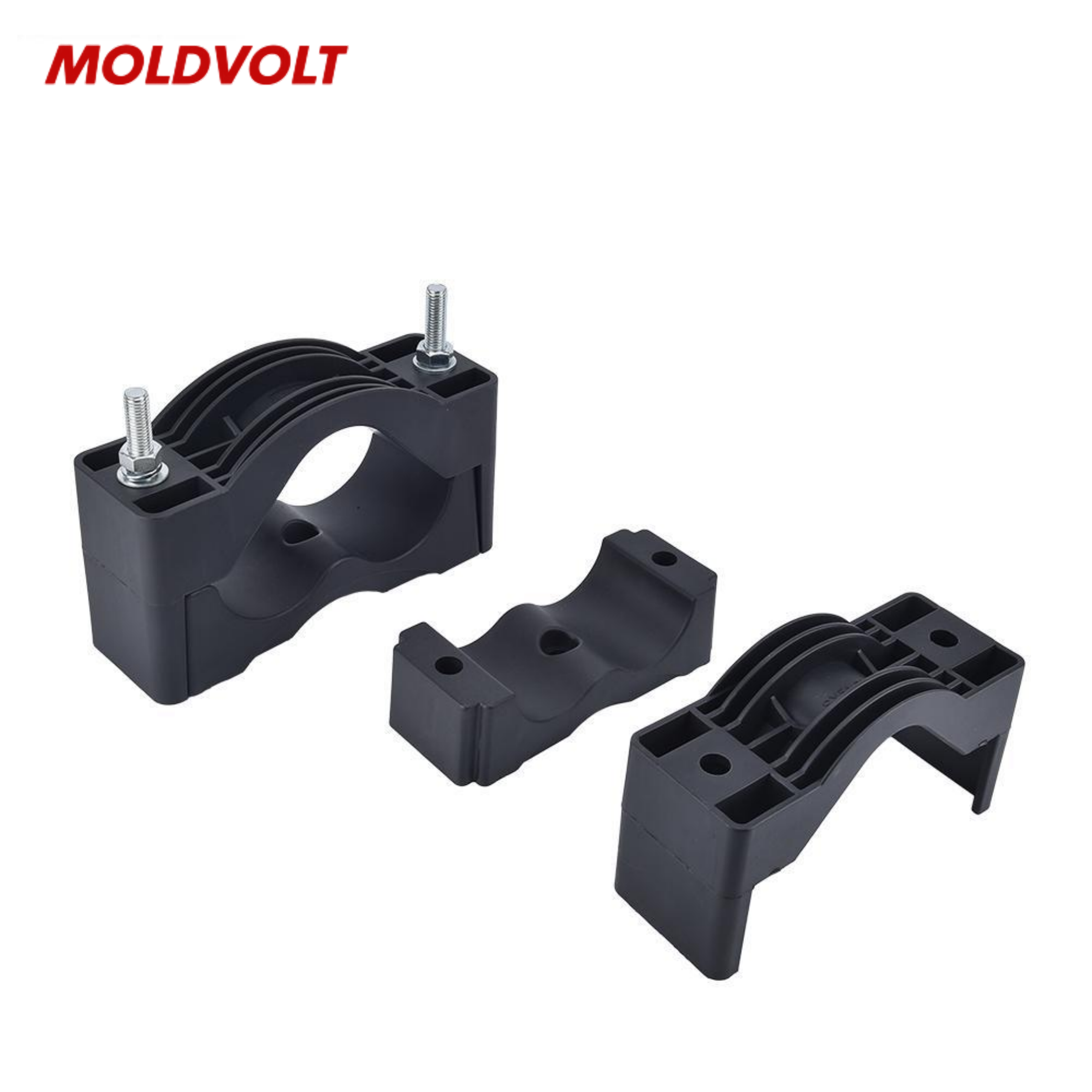
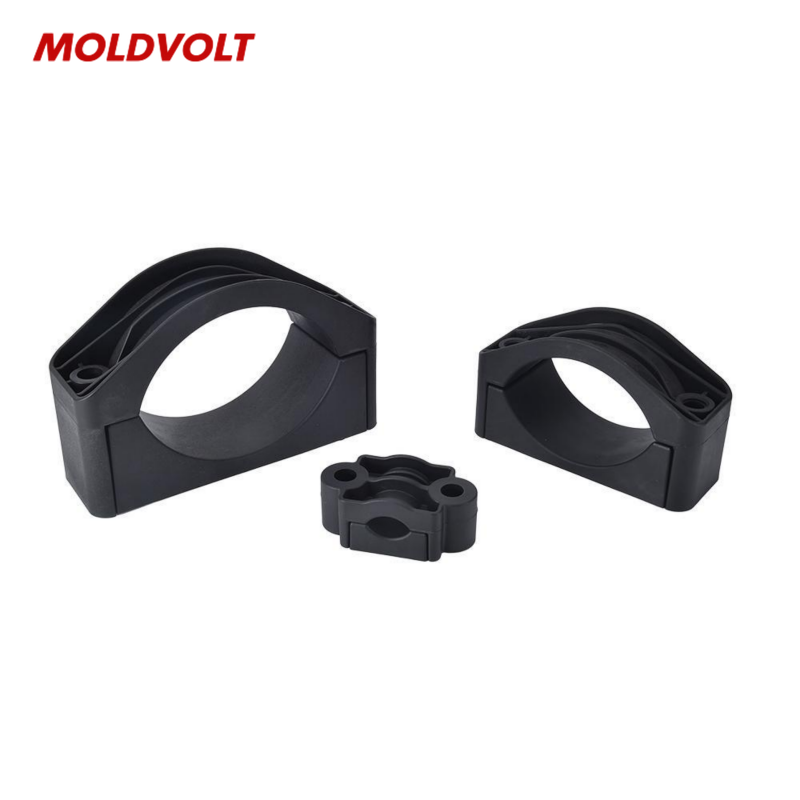
Cable management clips help organize, secure, and route wires across offices, workshops, homes, and equipment installations. Available in different sizes and fixing styles, they accommodate varied cable diameters and mounting requirements. Adhesive-backed designs simplify installation on compatible surfaces, while mechanically fastened options provide additional retention where needed. For example, a commercial office with 20 workstations can use strategically positioned clips to organize computer cables, charging leads, and peripheral connections. This approach reduces loose wires, improves accessibility, and simplifies routine cleaning. Selecting suitable clip dimensions, materials, and fixing methods helps protect cable insulation and supports dependable performance under the intended operating conditions.
Get A Quote

Case Study

Organized Wiring for Commercial Office Desks

A commercial office needed a consistent solution for managing computer cables, monitor leads, and charging wires across 20 workstations. Cable management clips helped guide lightweight cables along desk edges and beneath work surfaces, reducing loose wires and improving access to frequently used connections. Installers selected suitable clip sizes and checked surface compatibility before installation. This organized layout made cleaning easier and simplified future equipment changes. For offices with frequently rearranged desks, standardized clip placement can also improve visual consistency and cable identification. Long-term performance depends on clip design, cable weight, mounting conditions, and the suitability of the selected fixing method.

Structured Cable Routing Inside Equipment Cabinets

An equipment manufacturer needed to organize lightweight control wires inside electrical cabinets to improve assembly consistency and maintenance access. Cable management clips helped technicians maintain defined routing paths and identify individual wires during inspections. The team selected clip dimensions according to cable sizes and positioned holders to prevent excessive tension, sharp bends, and interference with nearby components. This approach supported a cleaner internal layout and more convenient maintenance. For production environments assembling multiple units, standardized clip placement can improve repeatability. Buyers should verify material compatibility, temperature resistance, vibration tolerance, and applicable electrical requirements before choosing products for cabinet installations.

Neater Cable Routing for Retail Display Fixtures

A retail store required better cable organization around illuminated shelving, promotional fixtures, and electronic displays. Cable management clips helped route lightweight wires along compatible surfaces while reducing dangling cables in customer-facing areas. Staff planned cable paths before installation and selected clip sizes according to cable diameters and mounting conditions. The organized arrangement improved display presentation and made seasonal fixture updates easier to manage. For commercial installations, accessible connections and appropriate cable clearances remain important considerations. Regular inspections can identify loose holders before they affect the setup. Where cable weight or environmental exposure exceeds product limits, appropriately rated mechanical supports should be used.

Related products

Cable management clips are practical accessories for securing and routing wires in residential, commercial, and industrial environments. Depending on their design, they can guide cables along office desks, equipment panels, cabinet interiors, walls, and retail fixtures. Common configurations include adhesive-backed holders, nail-fixed clips, screw-mounted designs, and other cable retention solutions suited to different installation requirements. Volt Cabinet supports buyers seeking electrical cabinet accessories and cable management components for equipment manufacturing and commercial projects. Choosing suitable clips requires evaluating cable diameter, bundle weight, mounting surface, operating temperature, and environmental exposure. For example, an office project involving 20 workstations may require several clip sizes to organize monitor leads, charging cables, and peripheral connections. Consistent routing can improve workspace appearance and simplify maintenance. Installation should follow product instructions, and cables should not be compressed or bent beyond recommended limits. Buyers can contact Volt Cabinet to confirm available specifications, material options, customization possibilities, bulk quantities, and delivery arrangements before ordering.

Frequently Asked Questions

How do I choose the right cable management clips?

Measure the cable's outside diameter and consider its weight, routing direction, and installation environment. Select clips with suitable openings and fixing methods for the intended surface. The clips should hold cables securely without damaging insulation. Confirm product dimensions and load specifications before purchasing.
Common options include adhesive-backed clips, nail-fixed holders, screw-mounted designs, and snap-in cable retainers. Adhesive clips suit compatible smooth surfaces, while mechanical fasteners may provide stronger retention. Choose according to cable dimensions, mounting material, environmental exposure, and the installation's support requirements.
Suitable cable management clips can organize cabinet wiring when their materials, dimensions, and fixing methods meet application requirements. Consider temperature, vibration, cable weight, and component clearances. Follow applicable electrical standards and use approved supports wherever necessary for safe and reliable cable retention.
Clean the mounting surface with a compatible cleaner and let it dry completely. Apply the adhesive according to the manufacturer's instructions and allow the recommended setting time before loading cables. Avoid unsuitable surfaces, excessive weight, and temperatures beyond the product's specified operating range.
Contact Volt Cabinet with your required clip type, dimensions, material preferences, application details, and estimated quantity. The company can help confirm current availability, customization options, packaging, and quotation details. Verify minimum order quantities, production lead times, and shipping arrangements before finalizing your order.

Related article

What cable clamp material suits high temperature switchgear cabinets?

19

Sep

What cable clamp material suits high temperature switchgear cabinets?

Understanding High-Temperature Challenges in Switchgear CabinetsTypical Operating Temperatures and Thermal Stress Sources (Busbars, Load Cycling, Enclosure Design)Switchgear cabinets experience elevated temperatures primarily due to resistive losses ...
View More
Insulator dimensional tolerance controls assembly efficiency in switchgear.

25

Sep

Insulator dimensional tolerance controls assembly efficiency in switchgear.

Why Insulator Dimensional Tolerance Is the Silent Driver of Switchgear Assembly EfficiencyIn high-voltage switchgear, insulators do much more than prevent flashover—they serve as load-bearing anchors that dictate how quickly and precisely busbars, ci...
View More
Insulator dimension design follows international high voltage standards strictly.

16

Oct

Insulator dimension design follows international high voltage standards strictly.

Core IEC Standards Governing Insulator Dimension Design IEC 60383: Mechanical and Electrical Requirements for Ceramic and Glass Insulators The IEC 60383 series defines the mechanical and electrical test regimes that ceramic and glass insulators mus...
View More
Cable clamp vs cable tie: which one delivers long term stability in panels?

27

Oct

Cable clamp vs cable tie: which one delivers long term stability in panels?

Mechanical Performance Under Thermal Stress Polymer creep and thermal expansion mismatch in nylon cable ties at 60–85°C Nylon 6/6 cable ties undergo measurable mechanical degradation when exposed continuously to 60–85 °C. At the...
View More

Customer Testimonials

Michael Turner

We used cable management clips across 20 office workstations to organize computer and charging wires. The cleaner setup improved cable accessibility and simplified routine workspace maintenance.

David Wilson

Our technicians used cable management clips to guide lightweight wires along equipment panels. The consistent routing improved inspection access and helped maintain orderly assembly layouts.

Get a Free Quote

Our representative will contact you soon.
Email
Mobile/WhatsApp
Name
Company Name
Message
0/1000
Flexible Fixing Options for Different Cable Applications

Flexible Fixing Options for Different Cable Applications

Cable management clips offer different fixing options to accommodate varied surfaces, cable sizes, and installation conditions. Adhesive-backed designs can organize lightweight wires on compatible smooth surfaces, while nail-fixed and screw-mounted clips provide mechanical retention where appropriate. In an office project involving 20 workstations, selecting suitable holders for charging leads and computer cables can improve routing consistency and reduce visible clutter. Equipment manufacturers can also use appropriately sized clips to guide wiring through accessible cabinet sections. Before installation, evaluate cable weight, temperature, vibration, and surface condition. Matching clip design to the application supports organized wiring and helps technicians complete future inspections and maintenance more efficiently.
Simplified Maintenance Through Organized Cable Routing

Simplified Maintenance Through Organized Cable Routing

A well-planned cable management system helps technicians identify wires, access connections, and inspect equipment more efficiently. Cable management clips maintain defined routing paths and reduce unnecessary cable movement when correctly selected and installed. For example, an equipment assembly team producing multiple units can standardize clip positions to create repeatable wiring layouts and simplify troubleshooting. Effective results depend on appropriate clip dimensions, suitable fixing methods, and careful cable placement that avoids sharp bends and excessive tension. Buyers should also consider material compatibility and environmental conditions before installation. For heavier cable bundles or demanding industrial environments, properly rated mechanical supports can provide the retention required for dependable long-term operation.

Get a Free Quote

Our representative will contact you soon.
Email
Mobile/WhatsApp
Name
Company Name
Message
0/1000