Load-Based Equipment Selection for Electrical Distribution
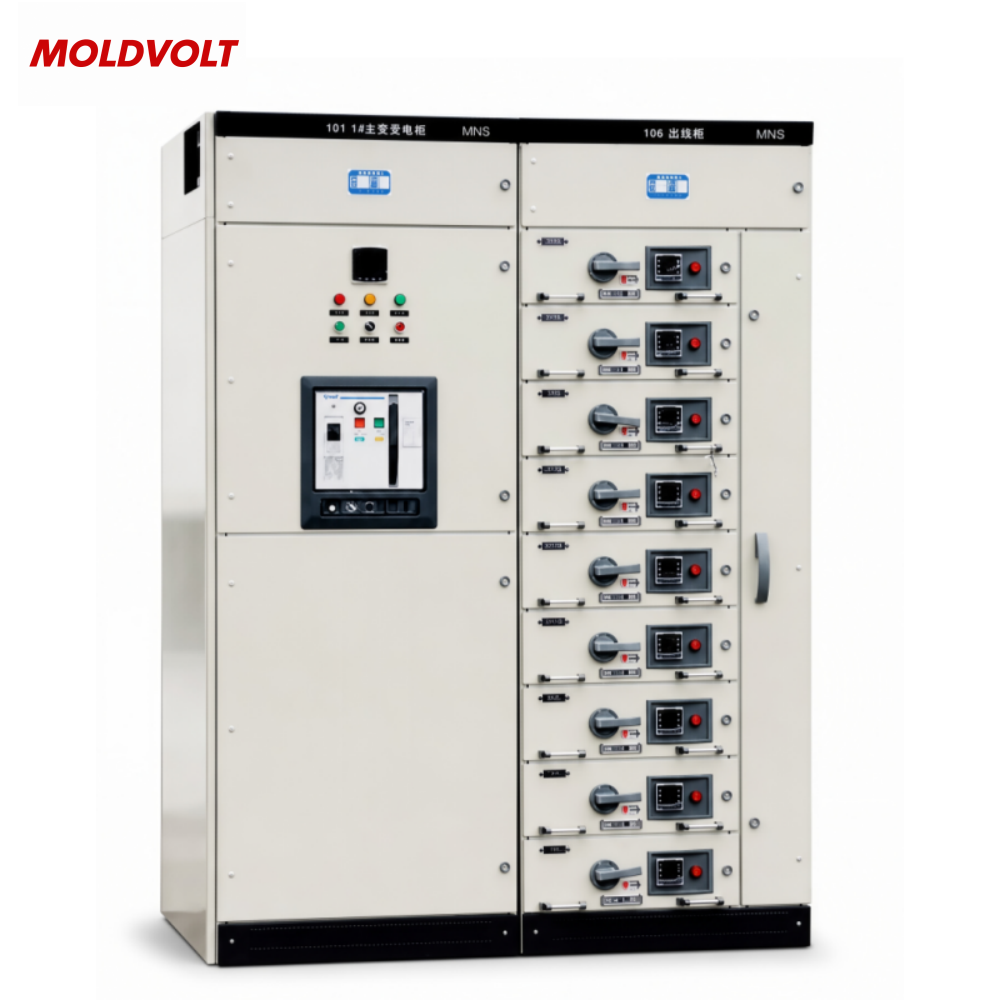
Reliable electrical distribution begins with an accurate understanding of the loads that equipment must serve. Industrial facilities may combine motors, production machinery, lighting, and control systems, while commercial buildings often include HVAC equipment, elevators, and office circuits. Each load type can influence current demand, starting conditions, and protection requirements. VoltCabinet supports distribution equipment planning where these factors affect panel and switchgear specifications. For example, a factory expansion should evaluate expected simultaneous demand before choosing a new main breaker or distribution board. Reviewing equipment schedules, operating patterns, power factor, and available supply capacity helps engineers develop a more suitable configuration and avoid preventable sizing errors.

 EN