DC Isolator Selection Guide: Voltage, Current & Application Tips

All Categories
Customer Feedback on DC Isolator Solutions

Customer Feedback on DC Isolator Solutions

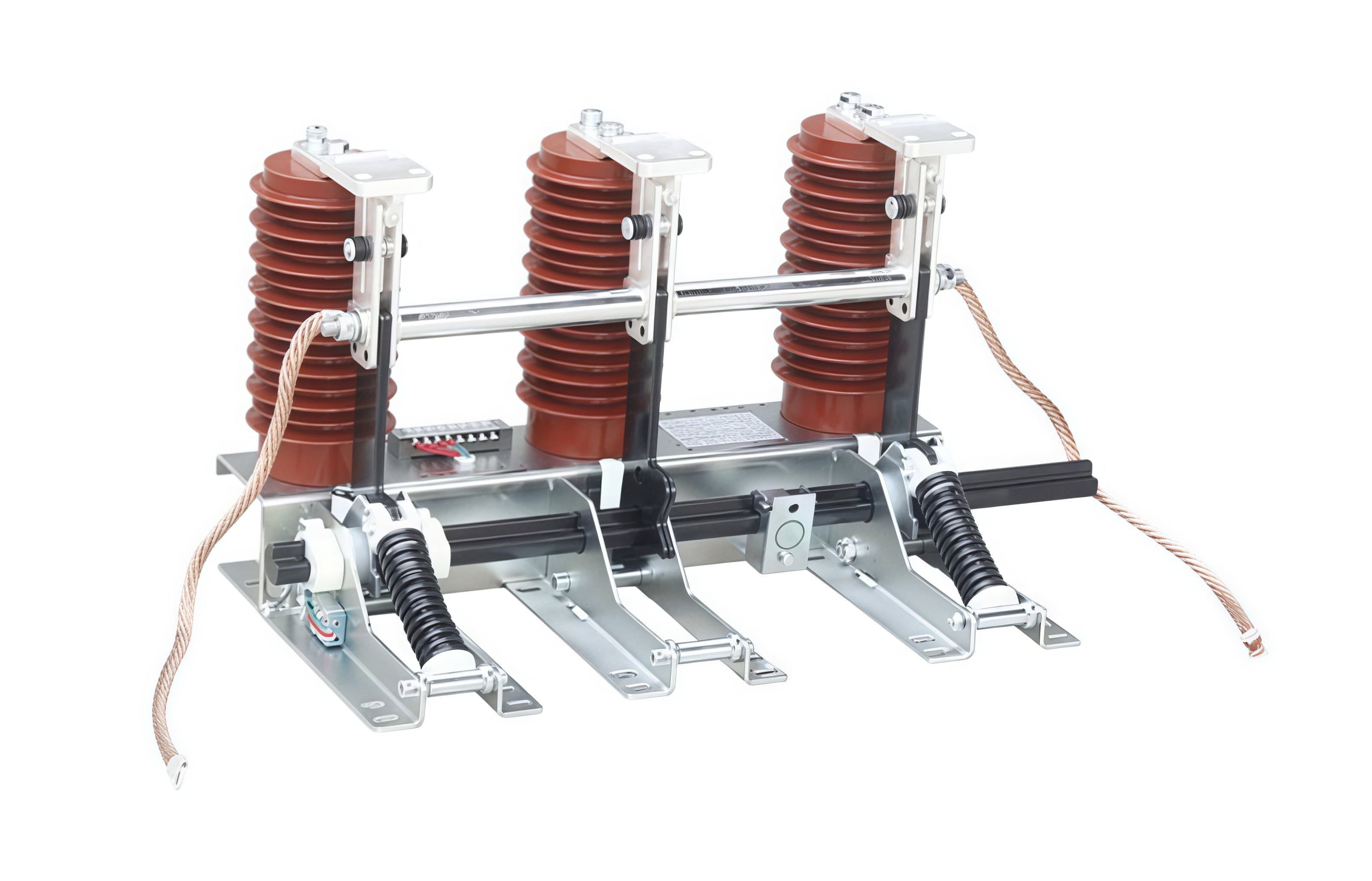
A DC isolator provides a practical way to disconnect direct current circuits during maintenance, inspection, and emergency servicing. For photovoltaic installations, battery storage systems, and industrial control cabinets, selecting an isolator with the correct voltage, current rating, and DC switching capability is essential. VoltCabinet supports electrical distribution projects with equipment selection focused on application requirements, installation conditions, and system compatibility. Engineers can evaluate pole configuration, mounting method, enclosure protection, and operating environment before specifying a suitable model. This structured approach helps contractors standardize components across projects, simplify maintenance procedures, and improve electrical system organization without compromising the requirements of applicable safety standards.
Get A Quote

Case Study

Photovoltaic Array Disconnection

A commercial rooftop solar project requires reliable isolation points to support inspection and servicing of its photovoltaic circuits. The engineering team evaluates DC isolators according to the system voltage, operating current, string configuration, and environmental conditions. Correctly specified devices allow maintenance personnel to disconnect designated circuits using a clearly defined procedure. For installations with multiple inverter inputs, consistent equipment selection also helps simplify labeling, documentation, and replacement planning. VoltCabinet can assist project buyers in identifying suitable electrical distribution components based on their technical requirements. Final selection should follow the inverter manufacturer's instructions, applicable electrical codes, and the isolator's certified ratings.

Battery Energy Storage Isolation

A battery energy storage installation needs suitable isolation equipment to support controlled maintenance and equipment replacement. The project team checks the battery system's maximum DC voltage, continuous current, prospective fault conditions, and required isolation arrangement before choosing a device. Unlike AC switching applications, DC circuits require equipment specifically rated for direct current because sustained arcs can be difficult to extinguish. Appropriate component selection helps maintenance teams follow documented shutdown procedures and reduces the risk of using incompatible switching equipment. For storage cabinets and related distribution assemblies, VoltCabinet can support component sourcing according to the project's electrical specifications and installation requirements.

Industrial Control Cabinet Integration

An industrial equipment manufacturer needs compact isolation components for DC-powered control circuits and auxiliary systems. During cabinet design, engineers consider available mounting space, conductor size, operating voltage, current requirements, and accessibility for routine service. Standardizing compatible isolators across equipment models can simplify assembly instructions, spare-parts management, and technician training. The selected device must also match the circuit's actual switching duty rather than relying on its current rating alone. VoltCabinet helps buyers evaluate distribution components against their application specifications, supporting more organized cabinet layouts and consistent procurement across production batches while keeping installation and maintenance requirements in view.

Related products

A DC isolator is designed to disconnect direct current circuits from their power sources, making it an important component in photovoltaic systems, battery storage installations, and industrial electrical equipment. Choosing the right device requires more than matching an amperage value. Buyers should confirm maximum operating voltage, continuous current, pole configuration, DC switching category, environmental protection, and compatibility with the connected equipment. Solar installations may require isolators positioned near inverters or integrated into suitable enclosures, depending on applicable regulations and manufacturer instructions. VoltCabinet serves electrical distribution projects that require carefully specified components and practical integration into cabinet assemblies. During procurement, engineering teams can provide system diagrams, operating parameters, installation locations, and expected environmental conditions to help establish appropriate specifications. For example, a rooftop solar project exposed to sunlight, rain, and temperature fluctuations may require a weather-resistant enclosure and a device rated for the actual circuit conditions. Reviewing certification documents, terminal arrangements, and installation instructions before purchase can reduce compatibility problems and improve maintenance planning. Final installation and commissioning should be performed by qualified personnel in accordance with local electrical codes and manufacturer requirements.
Frequently Asked Questions

What is a DC isolator used for?

A DC isolator disconnects a direct current circuit from its power source for maintenance, inspection, or other planned servicing. It is commonly used in solar photovoltaic systems, battery storage equipment, and industrial control cabinets. The selected device must have suitable DC voltage and current ratings for the intended application.
Check the system's maximum DC voltage, operating current, circuit configuration, environmental exposure, and applicable electrical standards. Confirm that the device is rated for the required DC switching duty. Installation location, enclosure protection, and inverter manufacturer instructions should also guide the final selection.
Not automatically. DC circuits can sustain electrical arcs differently from AC circuits, so a device designed only for AC operation may not safely interrupt a DC circuit. Always verify the manufacturer's DC ratings, permitted switching conditions, and certification before selecting isolation equipment.
Installation locations depend on local electrical codes, system design, inverter instructions, and the isolator's certification. Devices may be installed near photovoltaic inverters or at other specified isolation points. Qualified installers should confirm accessibility, environmental protection, labeling, and safe disconnection procedures.
Provide the required DC voltage and current, pole configuration, application, mounting method, enclosure requirements, target quantity, and relevant certification requirements. A circuit diagram or equipment specification can help clarify compatibility. These details enable suppliers to evaluate suitable options and prepare a more accurate quotation.

Related article

Cost-Effective Low Voltage Switchgear for Iraq: Compatible with Blokset, Okken & 8PT | Local Assembly Options

16

Sep

Cost-Effective Low Voltage Switchgear for Iraq: Compatible with Blokset, Okken & 8PT | Local Assembly Options

View More
What switchgear maintenance items prevent unexpected power outage risks?

10

Oct

What switchgear maintenance items prevent unexpected power outage risks?

Top 3 Root Causes of Switchgear-Related Power Outages Insulation degradation and partial discharge: leading precursors to cascade failure Insulation systems in switchgear degrade gradually under electrical, thermal, and environmental stress. Cracks...
View More
Insulator mechanical strength supports busbar fixing inside switchgear cabinets.

13

Oct

Insulator mechanical strength supports busbar fixing inside switchgear cabinets.

Critical Mechanical Load Demands on Insulators for Busbar Support Static, Dynamic, and Short-Circuit Electrodynamics: Quantifying Peak Forces (Up to 250 kA) Busbar support insulators must simultaneously manage three distinct mechanical load regimes...
View More
Insulator dimension design follows international high voltage standards strictly.

16

Oct

Insulator dimension design follows international high voltage standards strictly.

Core IEC Standards Governing Insulator Dimension Design IEC 60383: Mechanical and Electrical Requirements for Ceramic and Glass Insulators The IEC 60383 series defines the mechanical and electrical test regimes that ceramic and glass insulators mus...
View More

Customer Testimonials

James Miller

Our solar installation projects benefit from consistent DC isolation and straightforward maintenance. The selected units integrate smoothly into our distribution cabinets, helping technicians disconnect circuits safely during inspections and servicing.

Daniel Foster

We value the compact installation options and clear switching operation. These DC isolators support organized panel layouts and efficient maintenance across multiple photovoltaic installations with different system configurations.

Get a Free Quote

Our representative will contact you soon.
Email
Mobile/WhatsApp
Name
Company Name
Message
0/1000
Application-Based Electrical Component Selection

Application-Based Electrical Component Selection

Selecting a DC isolator begins with understanding the circuit rather than choosing a product by appearance or nominal current alone. Solar contractors, electrical panel builders, and industrial equipment manufacturers should evaluate maximum DC voltage, continuous current, switching requirements, pole arrangement, and environmental exposure. These factors determine whether a particular device is appropriate for its intended duty. VoltCabinet supports project evaluation by helping buyers organize technical requirements and identify compatible electrical distribution components. For a photovoltaic installation, for example, the design team should consider string voltage under relevant temperature conditions and the inverter manufacturer's isolation requirements. Reviewing these details before ordering helps reduce specification mismatches and supports more predictable installation planning.
Practical Integration for Modern Power Systems

Practical Integration for Modern Power Systems

Modern electrical installations require isolation equipment that fits both the circuit design and the physical installation environment. In solar distribution cabinets, battery storage systems, and industrial control panels, suitable DC isolators can support clearly defined maintenance procedures and more organized equipment layouts. Engineers should consider terminal accessibility, conductor compatibility, enclosure requirements, mounting space, and identification labels during the design stage. VoltCabinet helps buyers assess these practical considerations when sourcing components for electrical distribution projects. For installations exposed to dust, moisture, or outdoor temperature changes, enclosure selection and environmental ratings are especially important. Final equipment specifications should be verified against applicable standards, manufacturer documentation, and project-specific operating conditions.

Get a Free Quote

Our representative will contact you soon.
Email
Mobile/WhatsApp
Name
Company Name
Message
0/1000