Magnetic Contactor Selection Guide: 5 Key Specs for Industrial Control

All Categories
Customer Reviews of Magnetic Contactor Solutions

Customer Reviews of Magnetic Contactor Solutions

Volt Cabinet supports electrical control projects requiring dependable switching components for industrial and commercial applications. A magnetic contactor uses an electromagnetic coil to operate contacts, enabling a control circuit to switch compatible electrical loads. Common applications include three-phase motors, pumps, compressors, HVAC equipment, and production machinery. Selecting the correct contactor requires evaluating rated operational current, coil voltage, utilization category, switching frequency, and protective coordination. For example, a manufacturing facility can integrate magnetic contactors into motor control cabinets to coordinate equipment operation across production processes. Appropriate sizing, suitable overload protection, and routine inspection help support consistent switching performance, reduce avoidable maintenance issues, and improve overall electrical system reliability.
Get A Quote

Case Study

Motor Control for Manufacturing Facilities

A manufacturing facility needed dependable switching components for several motor-driven production machines. Engineers selected magnetic contactors according to motor ratings, operating current, coil voltage, and starting requirements. Each device was integrated into a control cabinet with suitable overload protection and coordinated circuit protection. During commissioning, technicians verified wiring connections, checked control signals, and tested the intended operating sequence. This process established a consistent approach to motor switching and simplified maintenance documentation. The application demonstrates how properly selected magnetic contactors can support industrial production equipment. Actual service life depends on switching frequency, load characteristics, installation conditions, and compliance with manufacturer instructions.

HVAC Equipment Switching in Commercial Buildings

A commercial building required reliable switching for ventilation fans, circulation pumps, and compatible air conditioning equipment. The electrical contractor assessed load characteristics, rated current, coil voltage, and operating frequency before selecting suitable magnetic contactors. The devices were integrated into control panels and coordinated with the building management system. Technicians checked terminal connections and verified the switching sequence during functional testing. This configuration supported organized equipment control and provided a practical foundation for maintenance. Magnetic contactors are commonly used in similar HVAC applications, but selection must account for motor starting characteristics, manufacturer ratings, environmental conditions, and the protective devices required for each electrical circuit.

Magnetic Contactors for OEM Machinery

An original equipment manufacturer needed standardized switching components for customized machinery supplied to international customers. Engineers reviewed motor ratings, contactor coil specifications, auxiliary contacts, mounting dimensions, and certification requirements before confirming suitable models. Integrating compatible magnetic contactors into standardized control cabinets helped organize wiring layouts and replacement documentation. Technicians verified terminal identification, protective coordination, and control logic before completing functional tests. This structured approach supported consistent panel assembly and simplified future maintenance. For equipment manufacturers, contactor selection should reflect actual motor characteristics and operating duty rather than nominal current alone. Final specifications must match the machine design and destination market requirements.

Related products

Volt Cabinet serves electrical equipment buyers seeking practical solutions for power distribution and industrial control cabinets. A magnetic contactor is an electrically operated switching device that uses an electromagnetic coil to open or close contacts. It allows control circuits to manage power supplied to compatible loads, making it widely applicable to industrial motors, pumping systems, compressors, HVAC equipment, and automated machinery. Selecting a suitable magnetic contactor requires evaluating rated operational current, supply voltage, coil voltage, utilization category, switching frequency, and environmental conditions. Motor applications require particular attention to starting current and operating duty. For example, a production line motor control cabinet may combine magnetic contactors with overload relays and appropriately rated circuit breakers to support controlled operation and electrical protection. Other considerations include mounting dimensions, terminal arrangements, auxiliary contacts, technical documentation, and certification requirements. Volt Cabinet supports project discussions involving electrical cabinet requirements and component integration. Buyers should confirm the available product specifications and applicable IEC or regional standards before ordering. Correct selection, professional installation, and appropriate maintenance help support dependable switching performance throughout the equipment's operating life.
Frequently Asked Questions

What Is a Magnetic Contactor Used For?

A magnetic contactor uses an electromagnetic coil to operate electrical contacts and switch compatible loads. It is commonly used in motor control panels, pumps, compressors, HVAC systems, and industrial machinery. Selection depends on load characteristics, rated current, coil voltage, switching frequency, and the required protective arrangements.
Identify the motor or load rating, operating voltage, coil voltage, utilization category, and expected switching frequency. Check auxiliary contact requirements, mounting dimensions, environmental conditions, and coordination with protective devices. Manufacturer documentation should confirm that the selected contactor is suitable for the intended application.
A magnetic contactor is generally designed for switching power loads, such as motors and other electrical equipment. Relays commonly perform control, signaling, and lower-power switching functions, although ratings vary. The correct choice depends on electrical load requirements, switching duty, and manufacturer specifications.
Yes. Properly rated magnetic contactors are widely used in three-phase motor control circuits. Selection should consider motor power, rated current, supply voltage, utilization category, and starting conditions. Suitable overload protection and short-circuit protection are also essential for a properly designed and installed motor control system.
Select a contactor suitable for the actual load and switching frequency. Follow manufacturer maintenance instructions, inspect connections and contacts, and check for overheating or abnormal operation. Ensure proper protective coordination and environmental suitability. Qualified personnel must isolate power and follow electrical safety procedures before servicing equipment.

Related article

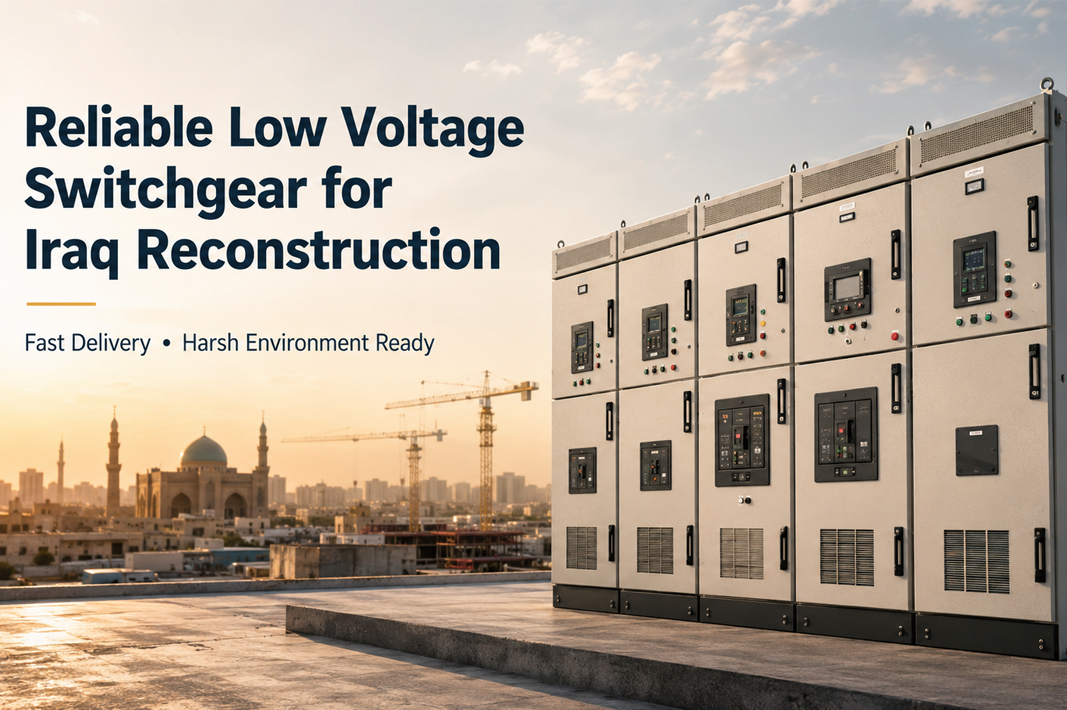
Cost-Effective Low Voltage Switchgear for Iraq: Compatible with Blokset, Okken & 8PT | Local Assembly Options

16

Sep

Cost-Effective Low Voltage Switchgear for Iraq: Compatible with Blokset, Okken & 8PT | Local Assembly Options

View More
What cable clamp material suits high temperature switchgear cabinets?

19

Sep

What cable clamp material suits high temperature switchgear cabinets?

Understanding High-Temperature Challenges in Switchgear CabinetsTypical Operating Temperatures and Thermal Stress Sources (Busbars, Load Cycling, Enclosure Design)Switchgear cabinets experience elevated temperatures primarily due to resistive losses ...
View More
What switchgear maintenance items prevent unexpected power outage risks?

10

Oct

What switchgear maintenance items prevent unexpected power outage risks?

Top 3 Root Causes of Switchgear-Related Power Outages Insulation degradation and partial discharge: leading precursors to cascade failure Insulation systems in switchgear degrade gradually under electrical, thermal, and environmental stress. Cracks...
View More
Insulator dimension design follows international high voltage standards strictly.

16

Oct

Insulator dimension design follows international high voltage standards strictly.

Core IEC Standards Governing Insulator Dimension Design IEC 60383: Mechanical and Electrical Requirements for Ceramic and Glass Insulators The IEC 60383 series defines the mechanical and electrical test regimes that ceramic and glass insulators mus...
View More

Customer Testimonials

Michael Turner

Our manufacturing team integrated magnetic contactors into motor control panels. Checking coil voltage and rated current before installation simplified commissioning and supported consistent switching across daily production operations.

David Wilson

We selected magnetic contactors for a commercial equipment upgrade. Their compatibility with our control circuits helped streamline panel integration and made functional testing more straightforward for our maintenance team.

Get a Free Quote

Our representative will contact you soon.
Email
Mobile/WhatsApp
Name
Company Name
Message
0/1000
Electromagnetic Switching for Industrial Applications

Electromagnetic Switching for Industrial Applications

Magnetic contactors provide an effective switching method for compatible electrical loads by using an electromagnetic coil to operate their contacts. They are commonly integrated into motor control systems, industrial machinery, pumping stations, and commercial HVAC installations. Choosing the correct model requires attention to rated operational current, coil voltage, utilization category, and switching frequency. For example, a manufacturing facility controlling several production motors may use appropriately rated magnetic contactors with overload protection to coordinate equipment operation. Volt Cabinet supports project discussions involving electrical cabinet integration and component selection. Checking manufacturer specifications and actual operating conditions helps reduce compatibility risks, supports reliable commissioning, and establishes a practical foundation for maintenance planning.
Reliable Integration Into Electrical Control Cabinets

Reliable Integration Into Electrical Control Cabinets

Magnetic contactors must work correctly with the other components in an electrical control cabinet. Engineers should evaluate mounting dimensions, terminal arrangements, control voltage, auxiliary contacts, protective devices, and environmental conditions before finalizing a design. In an industrial motor control panel, contactors may operate alongside overload relays, circuit breakers, and control devices to support coordinated equipment operation. Volt Cabinet helps project buyers assess cabinet requirements and component compatibility. During installation, qualified technicians should verify wiring, confirm the intended switching sequence, and perform appropriate functional tests. Careful integration supports consistent assembly practices, simplifies troubleshooting, and helps maintenance teams identify compatible replacement components when servicing industrial equipment.

Get a Free Quote

Our representative will contact you soon.
Email
Mobile/WhatsApp
Name
Company Name
Message
0/1000