High Voltage Disconnector Switch | Reliable Isolation for Substations

All Categories
Customer Reviews of Our High Voltage Disconnector Switch Solutions

Customer Reviews of Our High Voltage Disconnector Switch Solutions

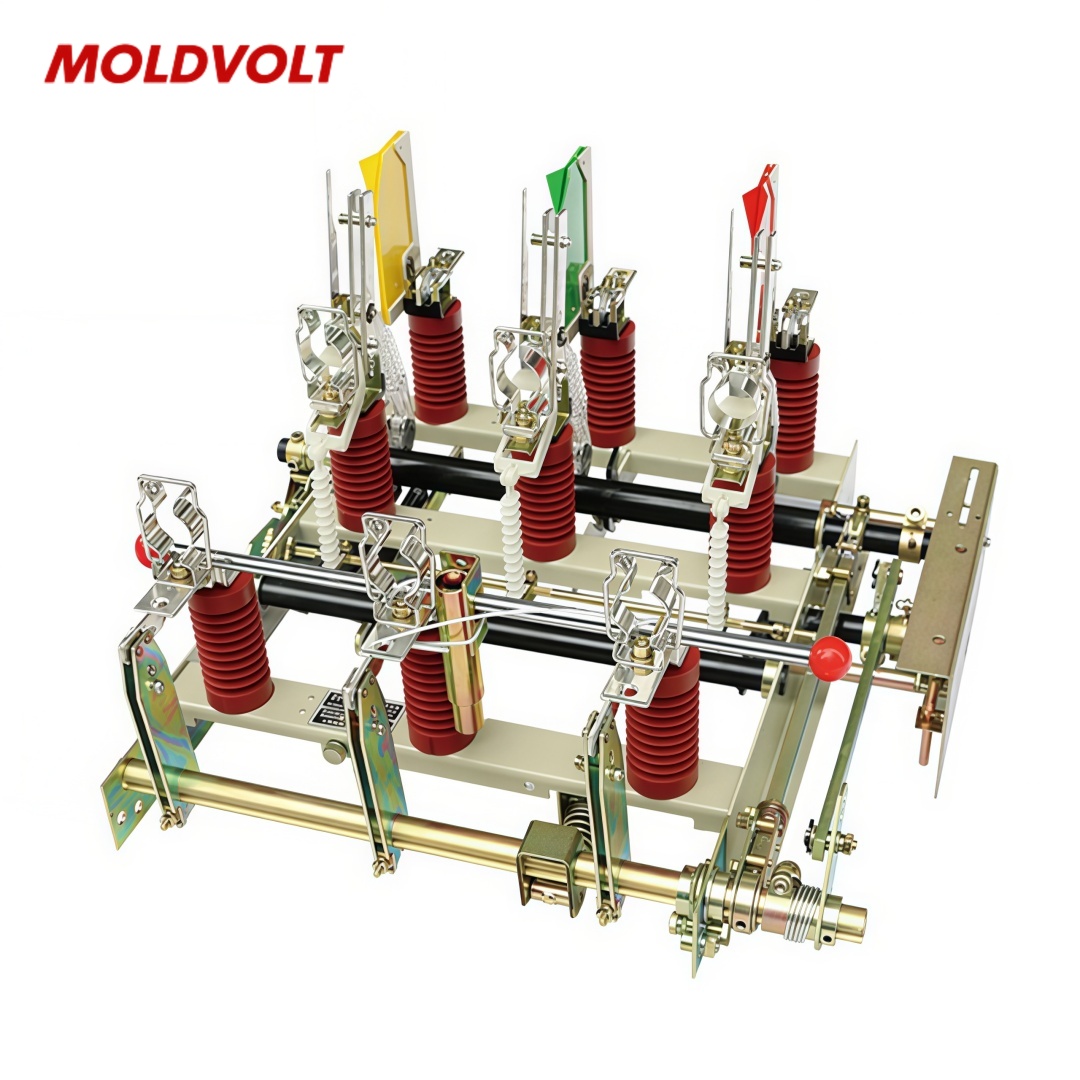
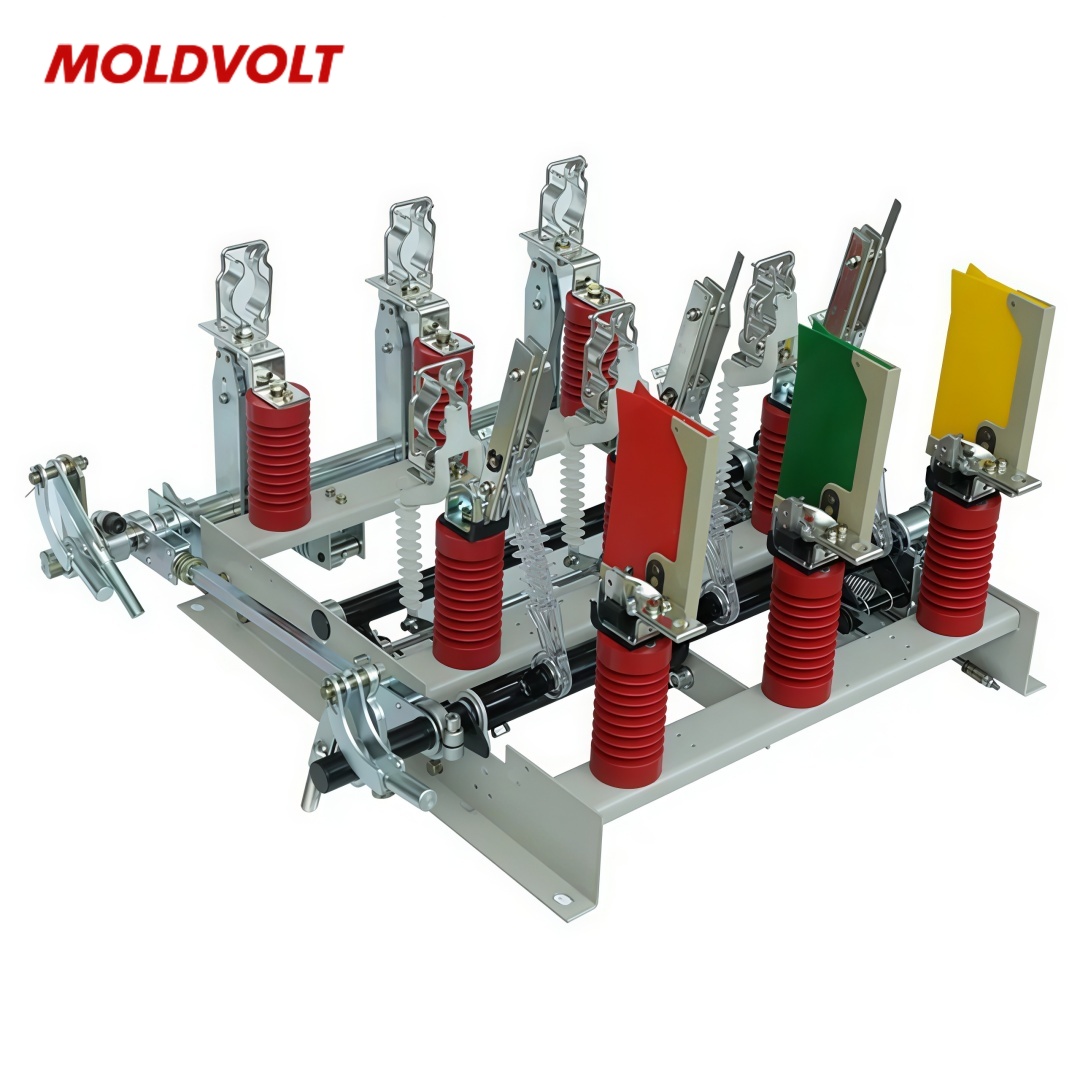
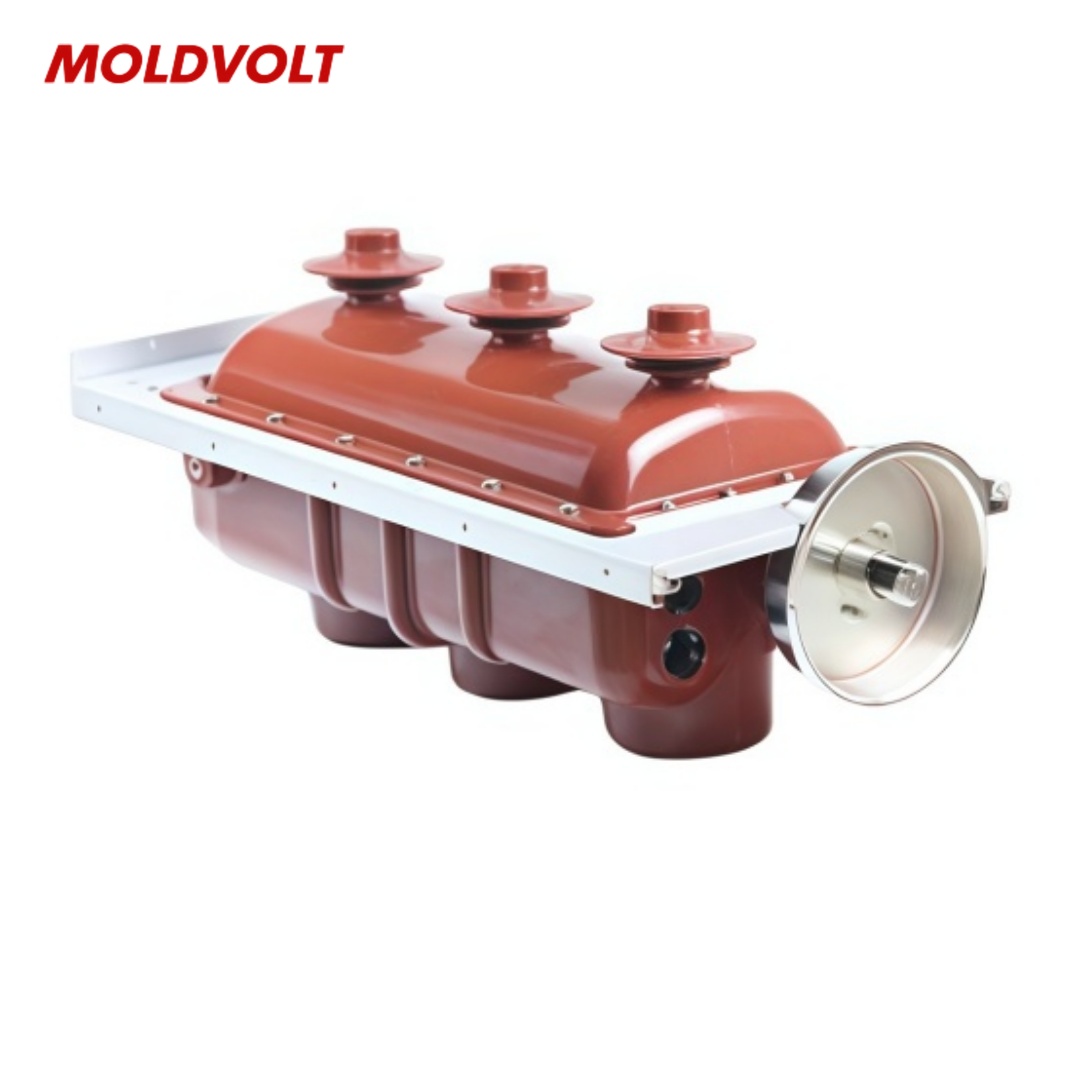
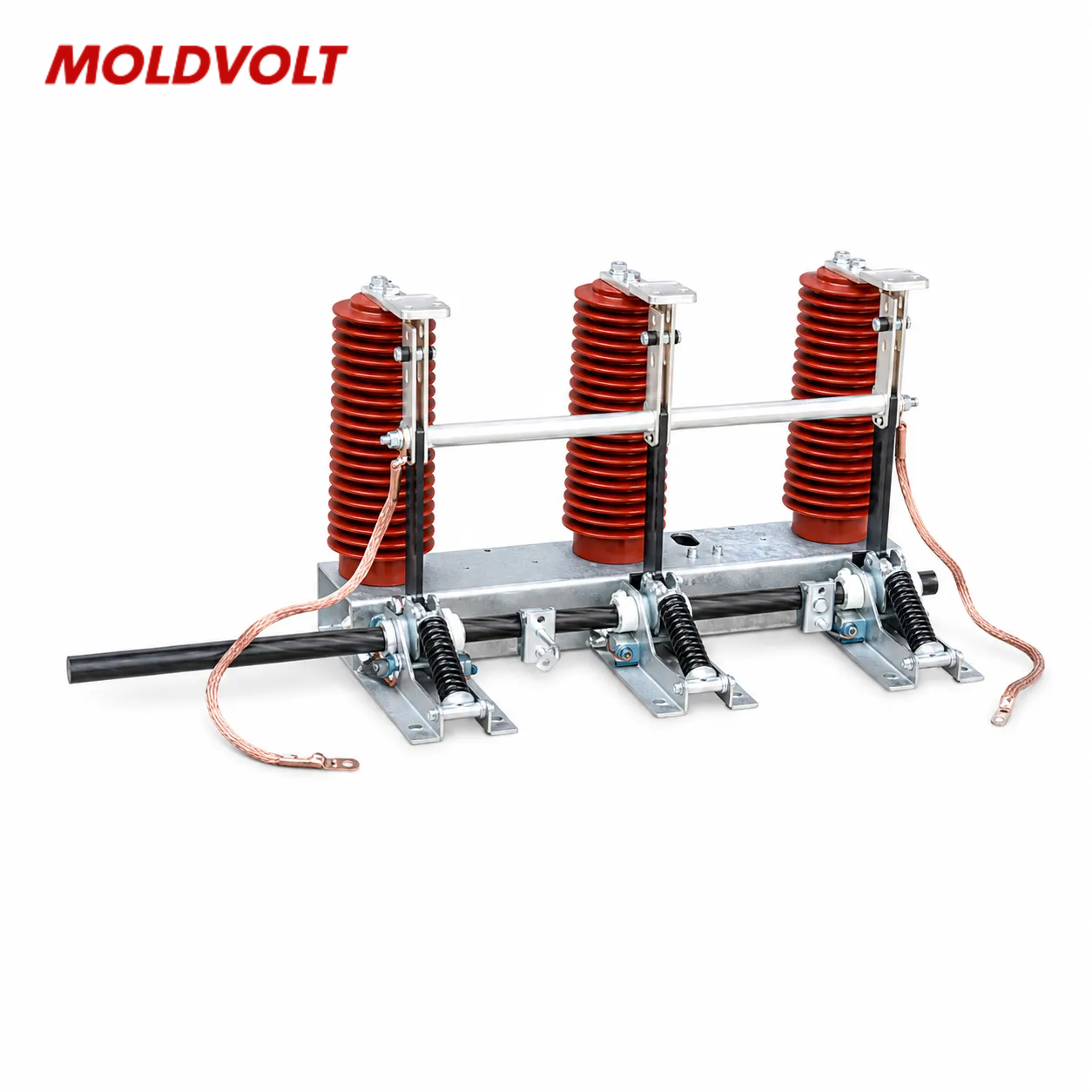
Our high voltage disconnector switches are designed to provide reliable electrical isolation in transmission substations, distribution networks, industrial power facilities, and high voltage switchgear systems. Their mechanical structures support clear isolation points during planned maintenance and equipment inspection. Depending on the selected model, configurations can accommodate different rated voltage levels, continuous currents, insulation requirements, and installation arrangements. Outdoor and indoor designs are available according to product specifications and operating environments. Robust construction supports dependable mechanical operation under specified service conditions, while carefully engineered contact arrangements help maintain reliable electrical connections. For power engineering contractors and equipment manufacturers, these solutions offer practical options for developing organized and maintainable high voltage installations.
Get A Quote

Case Study

Electrical Substation Modernization

A power engineering contractor required reliable isolation equipment for a high voltage substation modernization project. The engineering team selected high voltage disconnector switches according to rated voltage, continuous current, insulation level, and installation requirements. The selected configurations were integrated into the existing substation arrangement to establish visible isolation points for maintenance operations. Before commissioning, technicians checked contact alignment, mechanical operating mechanisms, terminal connections, and interlocking arrangements. The upgraded installation provided a more organized approach to equipment isolation and inspection. This application demonstrates the importance of properly specified disconnectors in substations where operational reliability and maintenance accessibility are essential.

Industrial Power Distribution Upgrade

An industrial facility planned to upgrade its high voltage electrical distribution infrastructure to support expanding production operations. High voltage disconnector switches were selected to provide isolation functions for transformers, incoming feeders, and associated electrical equipment. The project team evaluated rated voltage, current capacity, insulation performance, and environmental conditions before confirming the configuration. The selected equipment was coordinated with the existing protection and switching arrangement to maintain system compatibility. Following installation and mechanical testing, the facility established designated isolation points for planned maintenance. This project highlights the role of suitable disconnector switches in industrial electrical infrastructure and power equipment management.

Outdoor Transmission Network Installation

A utility contractor required outdoor disconnector switches for a high voltage transmission network project. Equipment selection focused on rated voltage, insulation coordination, continuous current, short-time withstand current, and outdoor environmental requirements. The engineering team also reviewed mounting structures, terminal arrangements, operating mechanisms, and compatibility with the existing substation equipment. During installation, technicians verified mechanical movement, contact engagement, electrical connections, and required interlocking functions. The completed arrangement provided designated isolation points for transmission equipment maintenance. This application illustrates how appropriately selected outdoor disconnectors contribute to organized power infrastructure and support systematic inspection procedures across high voltage transmission and distribution networks.

Related products

A high voltage disconnector switch is an essential component in electrical substations and transmission and distribution systems. Its primary function is to provide electrical isolation, creating a defined separation point between energized circuits and equipment undergoing maintenance. Unlike a circuit breaker, a conventional disconnector is not designed to interrupt load current or short-circuit fault currents. It must generally be operated under no-load conditions after the relevant circuit has been safely de-energized. Our high voltage disconnector switch solutions are developed for different indoor and outdoor installation requirements, with configurations selected according to rated voltage, continuous current, insulation level, short-time withstand current, and mechanical operating requirements. Available structural options may include different contact arrangements, operating mechanisms, and mounting configurations. These products are suitable for integration into substations, industrial power facilities, and high voltage switchgear assemblies. Proper interlocking and coordination with circuit breakers are essential for safe system operation.
Frequently Asked Questions

What is the main function of a high voltage disconnector switch?

A high voltage disconnector switch provides electrical isolation by creating a visible or otherwise verifiable separation point in a circuit. It is primarily used during maintenance and inspection after the circuit has been safely de-energized according to approved operating procedures.
A conventional high voltage disconnector is not designed to interrupt normal load current. The associated circuit breaker should interrupt the current before the disconnector operates. Always follow the manufacturer's instructions and approved switching sequence.
They are commonly installed in transmission substations, distribution substations, industrial power facilities, transformer connections, and high voltage switchgear systems. Indoor or outdoor configurations are selected according to rated voltage, insulation requirements, and environmental conditions.
A circuit breaker can interrupt normal operating currents and specified fault currents, while a conventional disconnector provides electrical isolation under no-load conditions. Both devices perform different functions and are coordinated within high voltage protection and switching systems.
Evaluate rated voltage, continuous current, insulation level, short-time withstand current, peak withstand current, installation environment, and mechanical operating requirements. Also verify terminal arrangements, interlocking requirements, and compliance with applicable IEC or project-specific standards.

Related article

From High-Voltage Insulators to Low-Voltage Switchgear: A Vietnamese Manufacturer’s Transformation, Together with Us‌

08

Sep

From High-Voltage Insulators to Low-Voltage Switchgear: A Vietnamese Manufacturer’s Transformation, Together with Us‌

View More
What cable clamp material suits high temperature switchgear cabinets?

19

Sep

What cable clamp material suits high temperature switchgear cabinets?

Understanding High-Temperature Challenges in Switchgear CabinetsTypical Operating Temperatures and Thermal Stress Sources (Busbars, Load Cycling, Enclosure Design)Switchgear cabinets experience elevated temperatures primarily due to resistive losses ...
View More
How to customize cabinet dimensions to fit existing switchgear layouts?

26

Sep

How to customize cabinet dimensions to fit existing switchgear layouts?

Step 1: Accurate Site Assessment and Dimensional BenchmarkingMeasuring mechanical layout, clearances, and structural constraints in legacy electrical roomsA successful retrofit begins with a meticulous site survey. Older electrical rooms rarely match...
View More
Cable clamp vs cable tie: which one delivers long term stability in panels?

27

Oct

Cable clamp vs cable tie: which one delivers long term stability in panels?

Mechanical Performance Under Thermal Stress Polymer creep and thermal expansion mismatch in nylon cable ties at 60–85°C Nylon 6/6 cable ties undergo measurable mechanical degradation when exposed continuously to 60–85 °C. At the...
View More

Customer Testimonials

Michael Anderson

We installed these high voltage disconnector switches in our substation project. Their stable mechanical operation and practical installation configuration helped simplify equipment integration and routine maintenance procedures.

David Wilson

The disconnector switches met our project specifications and provided reliable electrical isolation. Their robust construction and flexible configuration helped our engineering team complete the switchgear installation efficiently.

Get a Free Quote

Our representative will contact you soon.
Email
Mobile/WhatsApp
Name
Company Name
Message
0/1000
Reliable Electrical Isolation for Substations

Reliable Electrical Isolation for Substations

Electrical substations require dependable isolation equipment to support maintenance and operational management. Our high voltage disconnector switch solutions are designed to provide clearly defined isolation points for transformers, busbars, feeders, and other electrical equipment. Depending on the selected model, configurations can accommodate different rated voltages, continuous currents, insulation levels, and installation environments. For example, substation engineering contractors can select suitable indoor or outdoor arrangements according to project drawings and technical specifications. Robust mechanical structures and appropriately designed contact systems support reliable operation under specified service conditions. Proper coordination with circuit breakers and interlocking devices helps establish an organized switching arrangement and supports maintenance safety.
Flexible Indoor and Outdoor Configurations

Flexible Indoor and Outdoor Configurations

Different high voltage installations require disconnector structures adapted to their electrical and environmental conditions. Our product solutions offer configuration options for indoor switchgear assemblies and outdoor substation installations, subject to model availability. Engineering teams can evaluate rated voltage, current capacity, insulation distance, contact arrangement, mounting structure, and operating mechanism during product selection. For outdoor transmission projects, environmental factors such as temperature, humidity, pollution levels, and wind conditions also require consideration. Reviewing these parameters before procurement helps improve equipment compatibility and installation planning. This specification-based approach supports power engineering contractors, electrical equipment manufacturers, and utility operators working on new installations or existing infrastructure upgrades.
Engineered for Maintenance and Operational Coordination

Engineered for Maintenance and Operational Coordination

Effective maintenance management in high voltage systems depends on appropriate isolation equipment and coordinated switching procedures. A properly selected high voltage disconnector switch provides a defined isolation point after the associated circuit has been safely de-energized. Its application should consider mechanical interlocking, contact alignment, insulation coordination, and compatibility with circuit breakers and grounding switches. In substations and industrial power facilities, these factors help establish systematic maintenance arrangements and reduce operational uncertainty. Engineering teams should verify equipment ratings, installation clearances, operating mechanisms, and applicable electrical standards before commissioning. Careful product selection and proper installation support dependable isolation performance throughout the service life of high voltage infrastructure.

Get a Free Quote

Our representative will contact you soon.
Email
Mobile/WhatsApp
Name
Company Name
Message
0/1000