Output Transformer Selection Guide: Match Voltage, Load & Application

All Categories
Customer Feedback on Output Transformer Solutions

Customer Feedback on Output Transformer Solutions

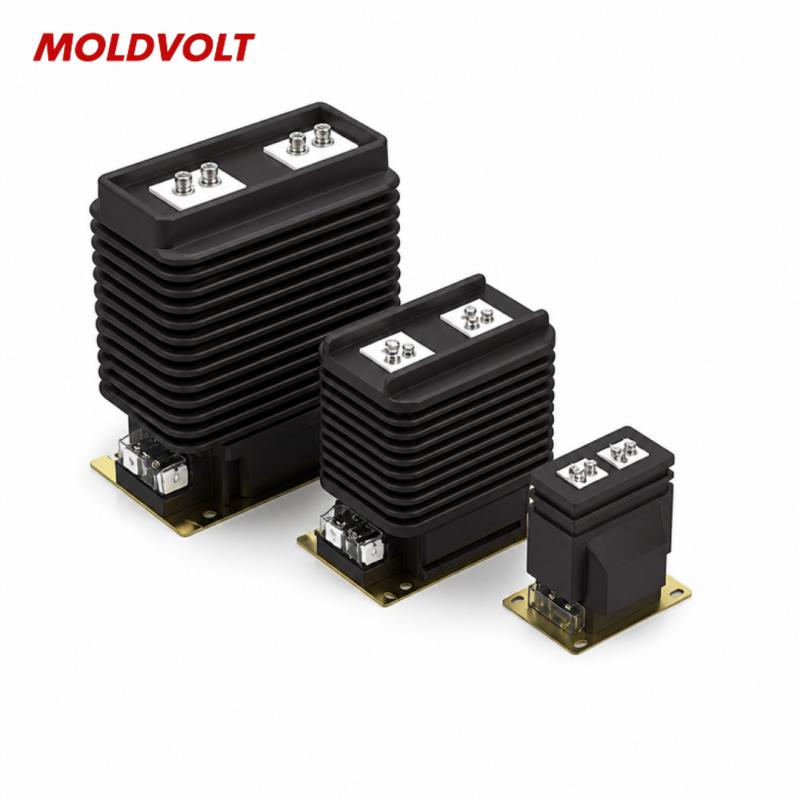
An output transformer transfers electrical energy from an input circuit to an output circuit while providing the required voltage, current, or impedance characteristics. Depending on the application, it can support power distribution equipment, industrial control systems, electronic devices, and specialized electrical installations. Correct selection requires evaluating input voltage, output voltage, rated power, frequency, load characteristics, and insulation requirements. For example, industrial equipment may require a transformer that converts an incoming supply into a lower voltage suitable for control circuits or connected devices. Winding design, cooling arrangements, and protection features also influence performance. VoltCabinet helps buyers clarify project specifications and assess transformer compatibility with their electrical systems.
Get A Quote

Case Study

Voltage Conversion for Industrial Equipment

An industrial facility required an output transformer to provide a suitable voltage for connected machinery and auxiliary circuits. Engineers reviewed the incoming supply, required output voltage, equipment load, and operating environment before comparing available configurations. The evaluation also covered insulation ratings, temperature rise, connection arrangements, and protective devices. Where multiple machines shared a supply, load characteristics and simultaneous operation were considered to establish an appropriate rating. This structured approach helped the project team define the electrical requirements before procurement. For similar installations, matching transformer specifications to equipment documentation supports integration, reduces compatibility risks, and improves commissioning coordination.

Output Transformers for Control Systems

A manufacturing operation needed reliable voltage conversion for control panels and associated electrical equipment. The engineering team assessed output voltage stability, rated power, frequency, and the characteristics of connected control circuits. Engineers also considered electrical isolation requirements, insulation performance, enclosure conditions, and compatibility with upstream protection. Depending on the equipment design, a dedicated control transformer may be appropriate where specified voltage and load characteristics differ from the main power supply. Careful assessment helps prevent mismatches that can affect control performance or equipment reliability. Documenting electrical requirements before purchasing supports clearer supplier communication and a more predictable installation process.

Power Conversion for Specialized Electrical Installations

A specialized electrical installation required an output transformer matched to its operating voltage and load profile. Engineers identified the input supply, required output characteristics, frequency, and expected operating conditions before finalizing the technical specification. Additional considerations included winding materials, insulation class, cooling requirements, and protection against environmental factors. The project team also reviewed space constraints and maintenance access to ensure the proposed unit suited the installation location. Because output transformer designs vary significantly across applications, the selection process focused on the equipment's documented requirements rather than capacity alone. This approach supports more accurate procurement and reduces the likelihood of costly design revisions.

Related products

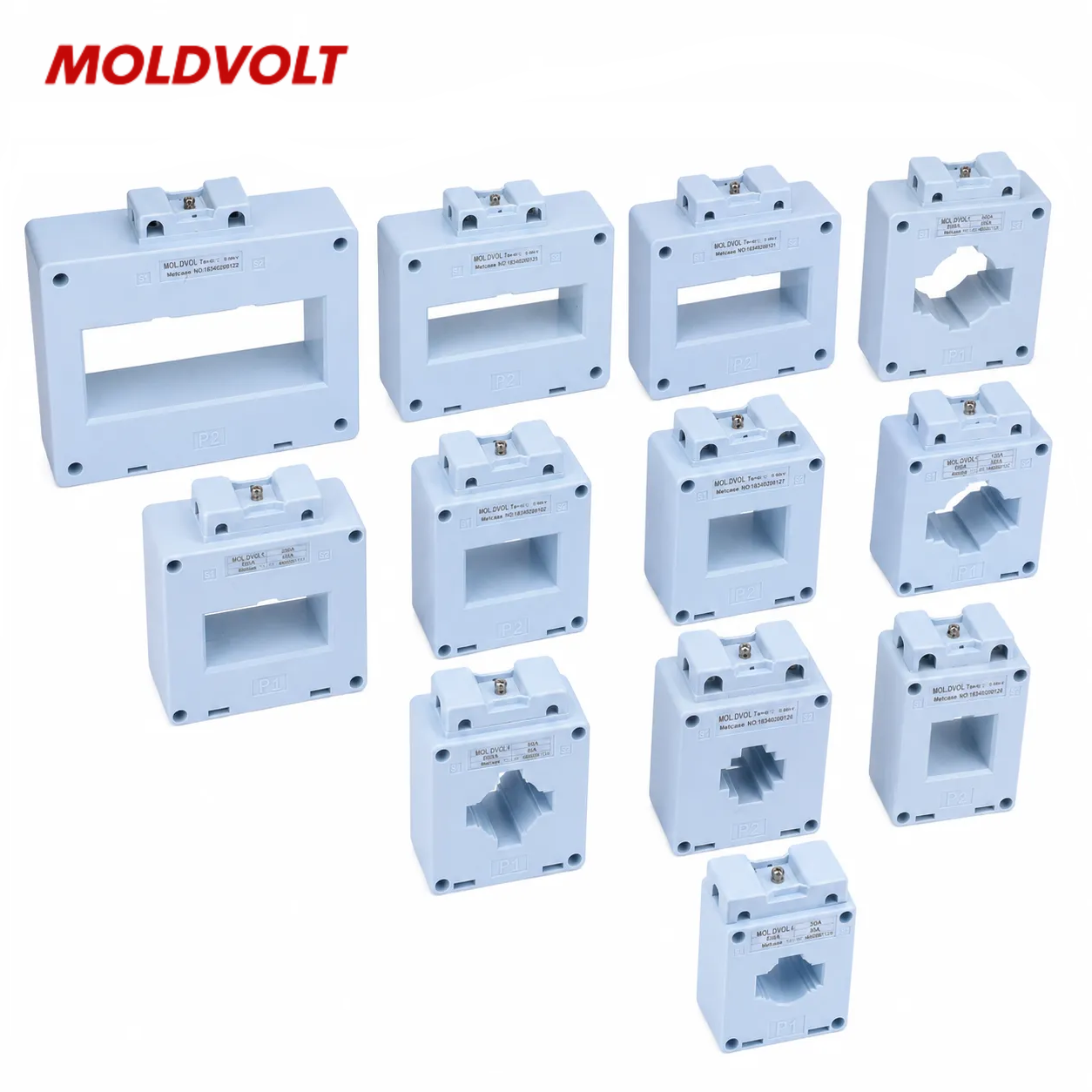
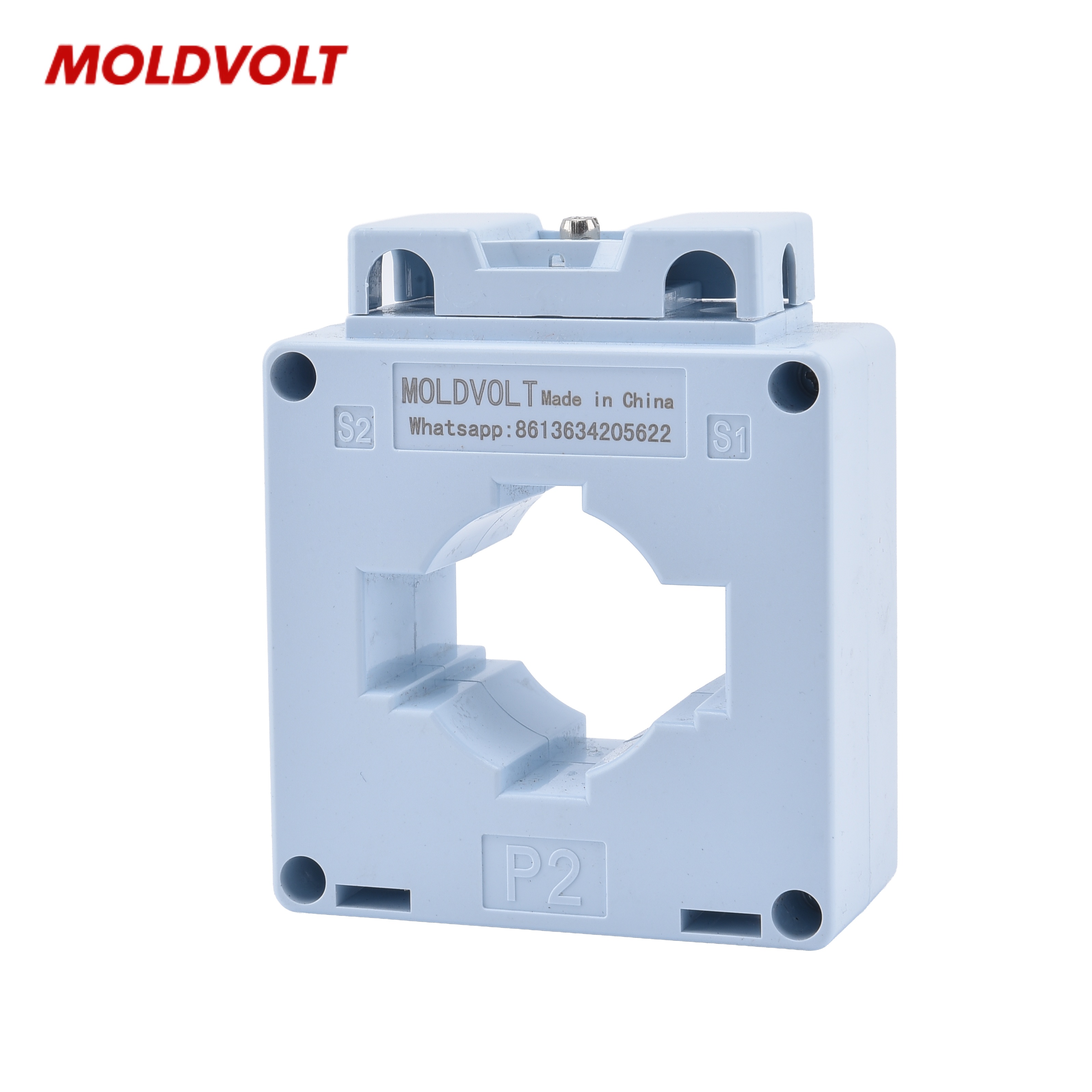
An output transformer transfers electrical energy between circuits through electromagnetic induction, providing the voltage and current characteristics required by connected equipment. Its design depends on the application, which may include industrial power systems, control panels, electronic equipment, and specialized electrical installations. Different transformer types are engineered for different purposes, so output voltage, rated power, frequency, and load characteristics must be clearly defined before selection. The manufacturing process generally involves core preparation, winding production, insulation application, assembly, and electrical testing. Depending on the design, additional procedures may include impregnation, enclosure assembly, and verification of temperature rise or insulation performance. Product specifications and testing requirements vary according to transformer type and applicable standards. VoltCabinet supports project-oriented electrical equipment sourcing by helping buyers organize technical requirements for evaluation. To request a suitable output transformer, provide the input and output voltages, rated power, frequency, load type, installation environment, and applicable standards. Information about electrical isolation, mounting, cooling, and protection requirements can further improve specification accuracy. A complete technical brief helps align equipment selection with system compatibility, operating conditions, and project objectives.

Frequently Asked Questions

What is an output transformer used for?

An output transformer transfers electrical energy to a connected circuit while providing the required voltage, current, or impedance characteristics. Applications vary from industrial equipment and control systems to electronic devices and power distribution arrangements. The correct transformer type depends on the electrical design and intended load.
Confirm the input voltage, required output voltage, rated power, frequency, and load characteristics. Then evaluate insulation requirements, cooling, installation conditions, and applicable standards. Consider startup currents and operating patterns where relevant. A qualified electrical engineer should verify compatibility before the transformer is purchased or installed.
The terms describe different aspects of transformer use and are not always mutually exclusive. Output transformer often refers to a transformer serving a specific output circuit, such as an electronic or control system. Power transformer generally describes equipment used to transfer electrical power between system voltage levels.
Yes, certain output transformers provide galvanic isolation between input and output circuits through separate windings. However, isolation capability depends on the transformer construction, insulation system, and rated specifications. Buyers should verify the required isolation level and applicable safety standards rather than assuming every output transformer offers the same protection.
Provide input and output voltages, rated power, frequency, load type, phase configuration where applicable, and installation conditions. Also identify insulation or isolation requirements, cooling preferences, mounting constraints, and relevant standards. These details help suppliers evaluate the intended application and recommend a compatible transformer configuration.

Related article

What cable clamp material suits high temperature switchgear cabinets?

19

Sep

What cable clamp material suits high temperature switchgear cabinets?

Understanding High-Temperature Challenges in Switchgear CabinetsTypical Operating Temperatures and Thermal Stress Sources (Busbars, Load Cycling, Enclosure Design)Switchgear cabinets experience elevated temperatures primarily due to resistive losses ...
View More
Cabinet corrosion resistance determines service life in coastal engineering sites.

23

Sep

Cabinet corrosion resistance determines service life in coastal engineering sites.

Why Coastal Environments Accelerate Cabinet CorrosionThe chloride-humidity synergy: How salt aerosols and sustained high RH drive electrochemical degradationCoastal atmospheres subject cabinet enclosures to a uniquely aggressive combination of airbor...
View More
Insulator dimension design follows international high voltage standards strictly.

16

Oct

Insulator dimension design follows international high voltage standards strictly.

Core IEC Standards Governing Insulator Dimension Design IEC 60383: Mechanical and Electrical Requirements for Ceramic and Glass Insulators The IEC 60383 series defines the mechanical and electrical test regimes that ceramic and glass insulators mus...
View More
Cable clamp vs cable tie: which one delivers long term stability in panels?

27

Oct

Cable clamp vs cable tie: which one delivers long term stability in panels?

Mechanical Performance Under Thermal Stress Polymer creep and thermal expansion mismatch in nylon cable ties at 60–85°C Nylon 6/6 cable ties undergo measurable mechanical degradation when exposed continuously to 60–85 °C. At the...
View More

Customer Testimonials

Michael Turner

Our equipment project required an output transformer with clearly defined voltage and load requirements. Reviewing electrical specifications and system compatibility helped our team coordinate integration and support dependable operation.

Daniel Foster

We evaluated output transformer options for an electrical distribution application. Confirming voltage ratios, rated capacity, and insulation requirements helped simplify equipment selection and improve installation planning.

Get a Free Quote

Our representative will contact you soon.
Email
Mobile/WhatsApp
Name
Company Name
Message
0/1000
Application-Specific Voltage and Load Matching

Application-Specific Voltage and Load Matching

Output transformer selection should begin with the electrical requirements of the equipment it will serve. Industrial machinery, control panels, and electronic systems can require different output voltages, power ratings, and isolation characteristics. Engineers should document input supply conditions, expected load, frequency, operating cycles, and potential startup currents before selecting a model. For example, a control circuit may need a dedicated lower-voltage supply rather than direct connection to the main power circuit. Correct matching helps prevent voltage incompatibility and unnecessary operating stress. VoltCabinet supports specification discussions that help buyers communicate their application requirements and evaluate transformer options against installation and operational needs.
Quality-Focused Construction and Electrical Testing

Quality-Focused Construction and Electrical Testing

Transformer reliability depends on appropriate core materials, winding construction, insulation systems, assembly quality, and testing procedures. Depending on the intended design, manufacturers may verify winding resistance, transformation ratio, polarity, insulation performance, and other electrical characteristics. Additional testing requirements vary according to product type, rated voltage, and applicable standards. Buyers should review available test documentation and confirm that the proposed output transformer meets the project's technical specifications. Installation conditions, cooling arrangements, and protection requirements should also be considered during evaluation. A structured quality review helps procurement teams compare products more effectively and establish clear acceptance criteria before equipment delivery and commissioning.
Technical Coordination for Efficient Equipment Integration

Technical Coordination for Efficient Equipment Integration

An output transformer must work correctly with the electrical equipment surrounding it. Engineers should coordinate the transformer's rated capacity, output voltage, connection arrangement, insulation requirements, and protection with the wider system design. For industrial installations, this may involve reviewing control panels, switchgear, cabling, grounding, and the characteristics of connected loads. Environmental conditions and available installation space can further influence enclosure selection and cooling requirements. Providing complete technical documentation early helps suppliers identify potential compatibility issues before procurement. VoltCabinet assists customers in organizing project specifications for equipment evaluation, supporting clearer communication between purchasing teams, electrical engineers, and installation contractors throughout the project lifecycle.

Get a Free Quote

Our representative will contact you soon.
Email
Mobile/WhatsApp
Name
Company Name
Message
0/1000