Load Break Disconnect Switch: Reliable MV Isolation & Switching

All Categories
Customer Reviews of Our Load Break Disconnect Switch Solutions

Customer Reviews of Our Load Break Disconnect Switch Solutions

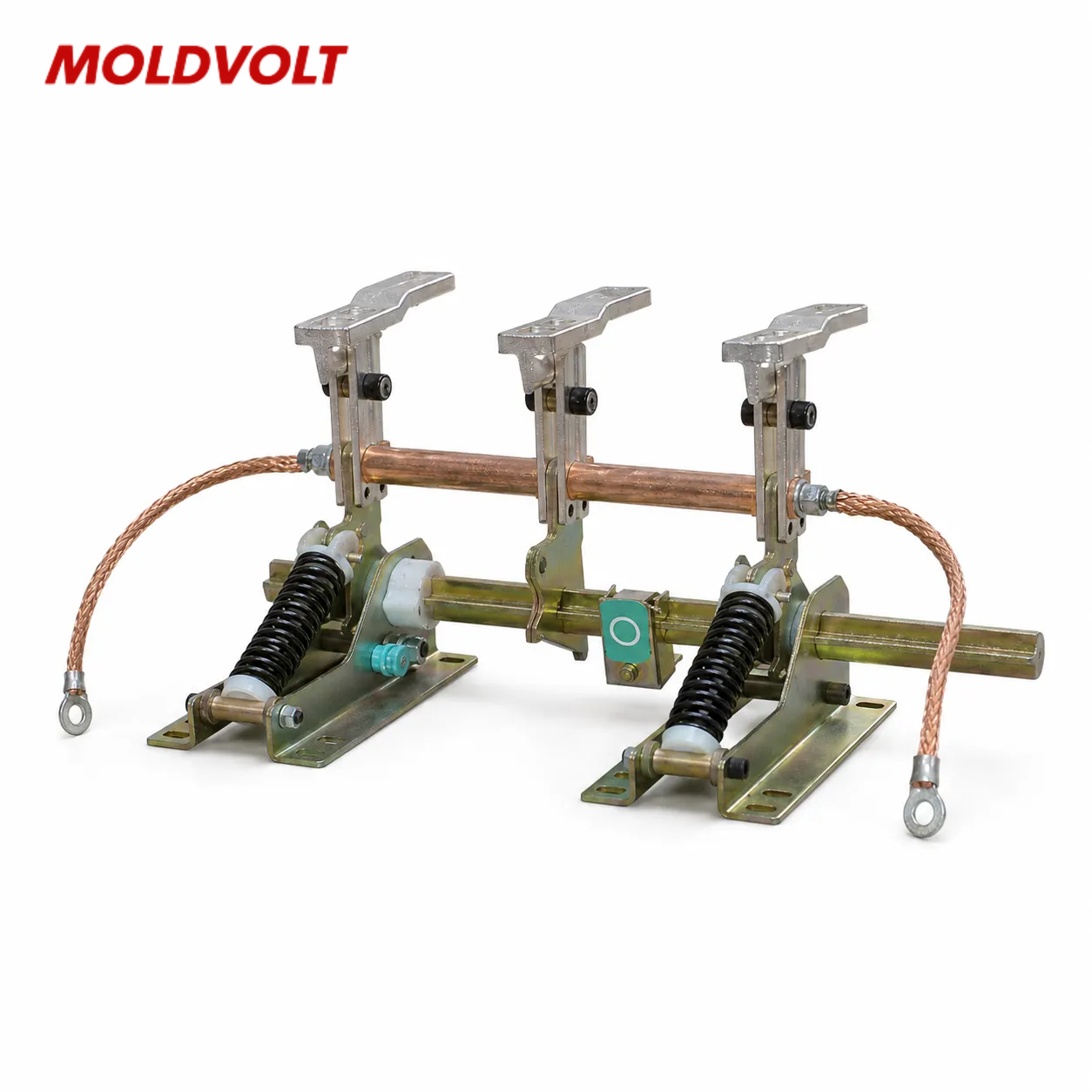
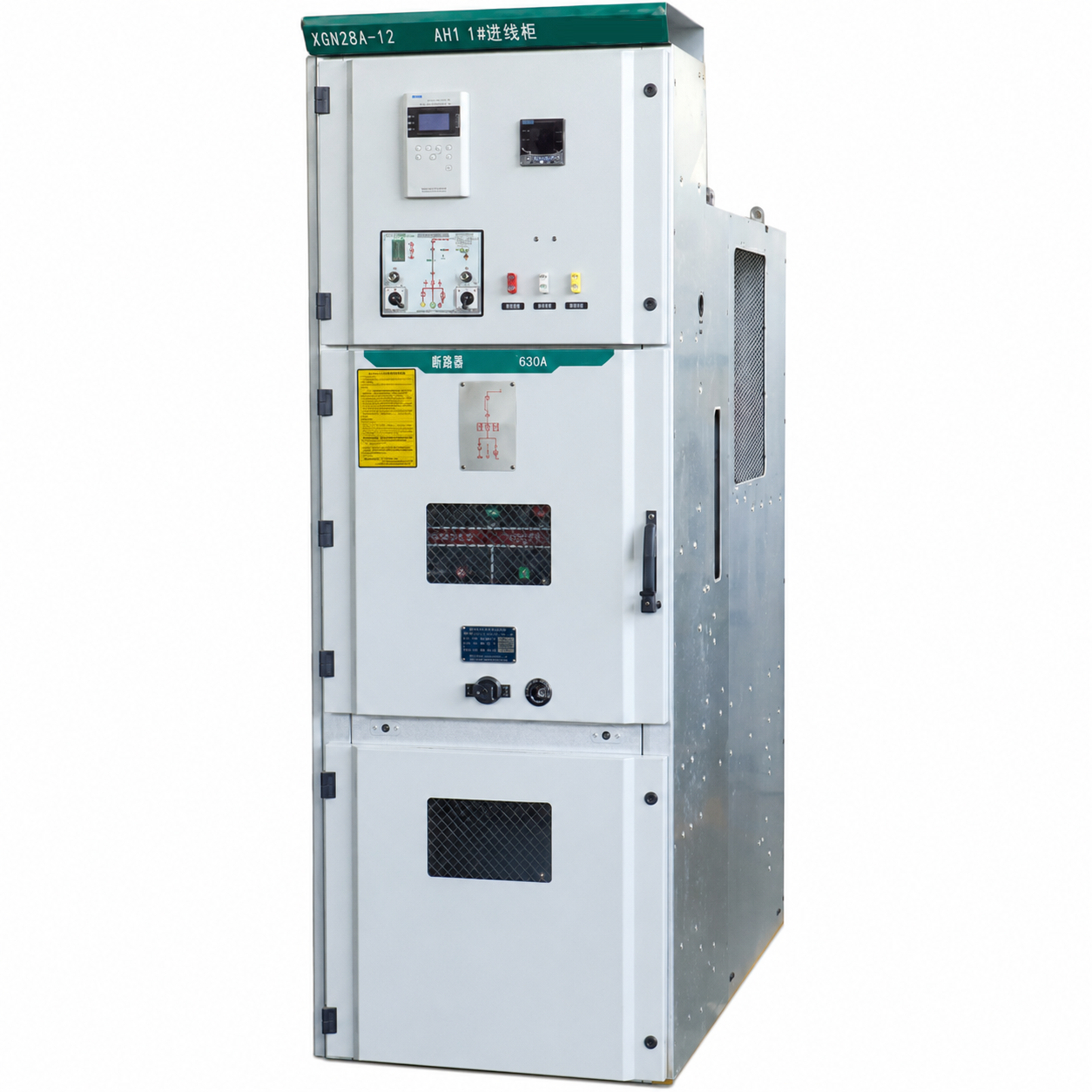
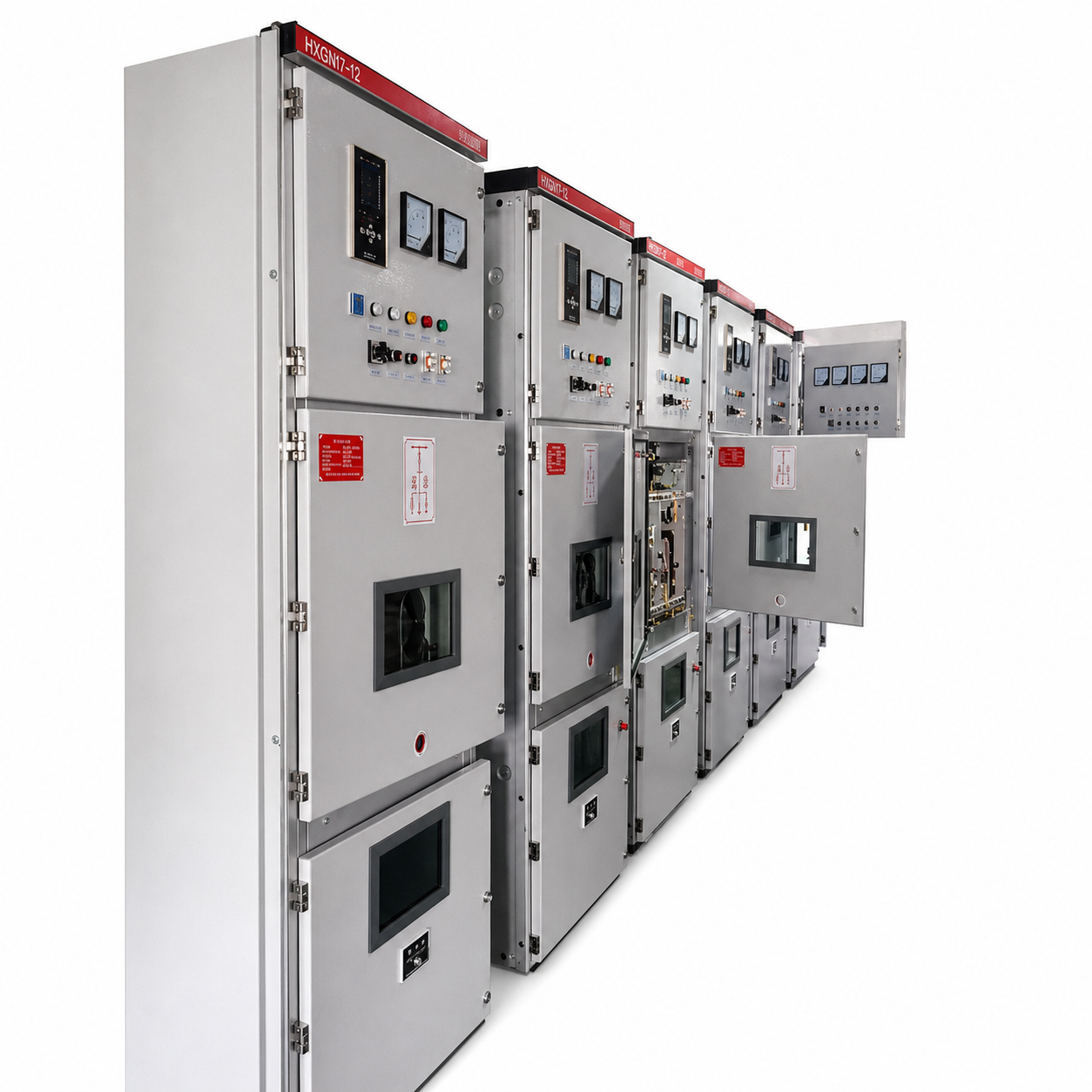
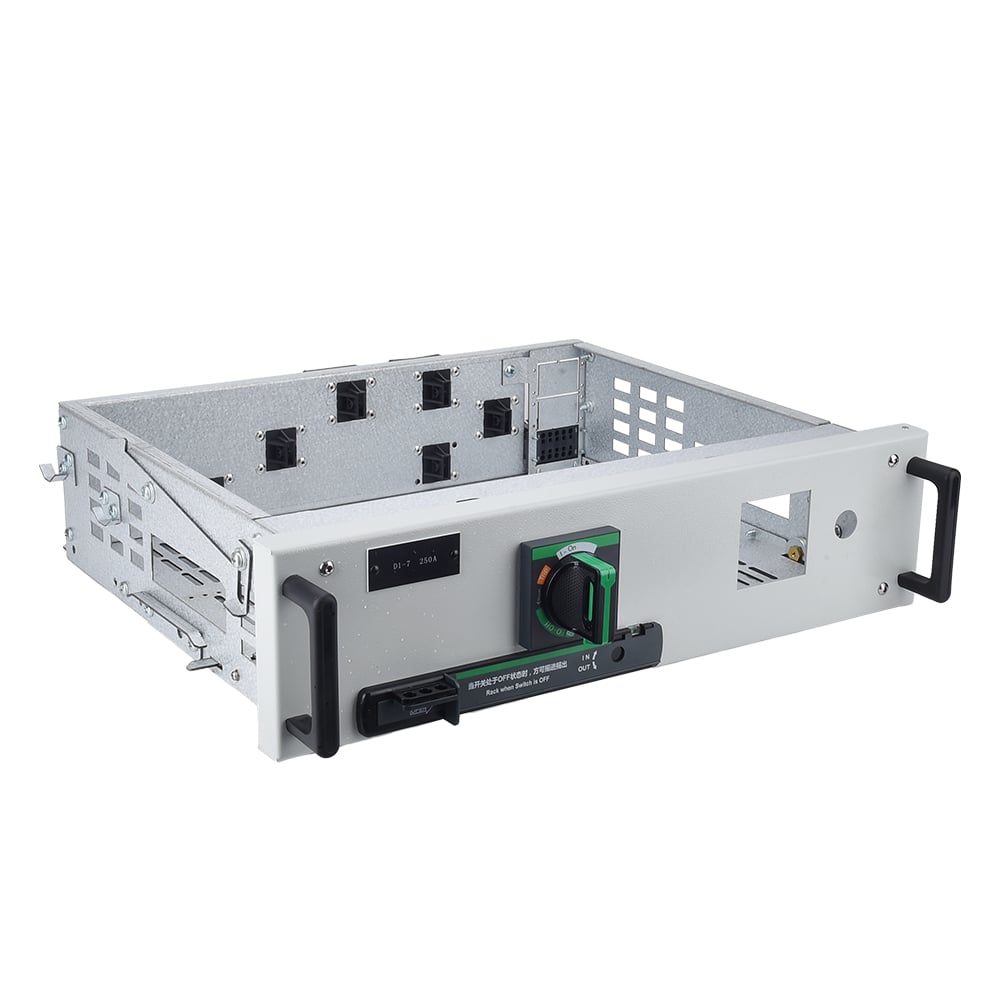
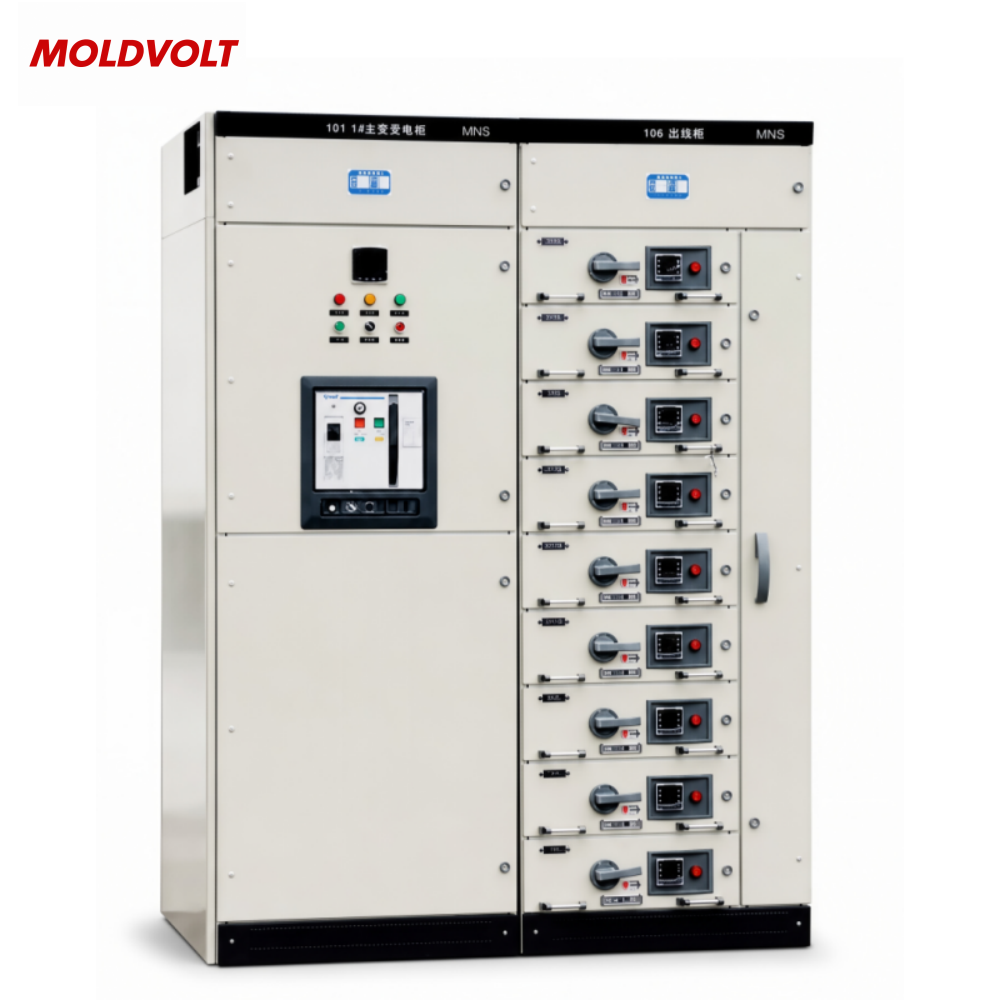
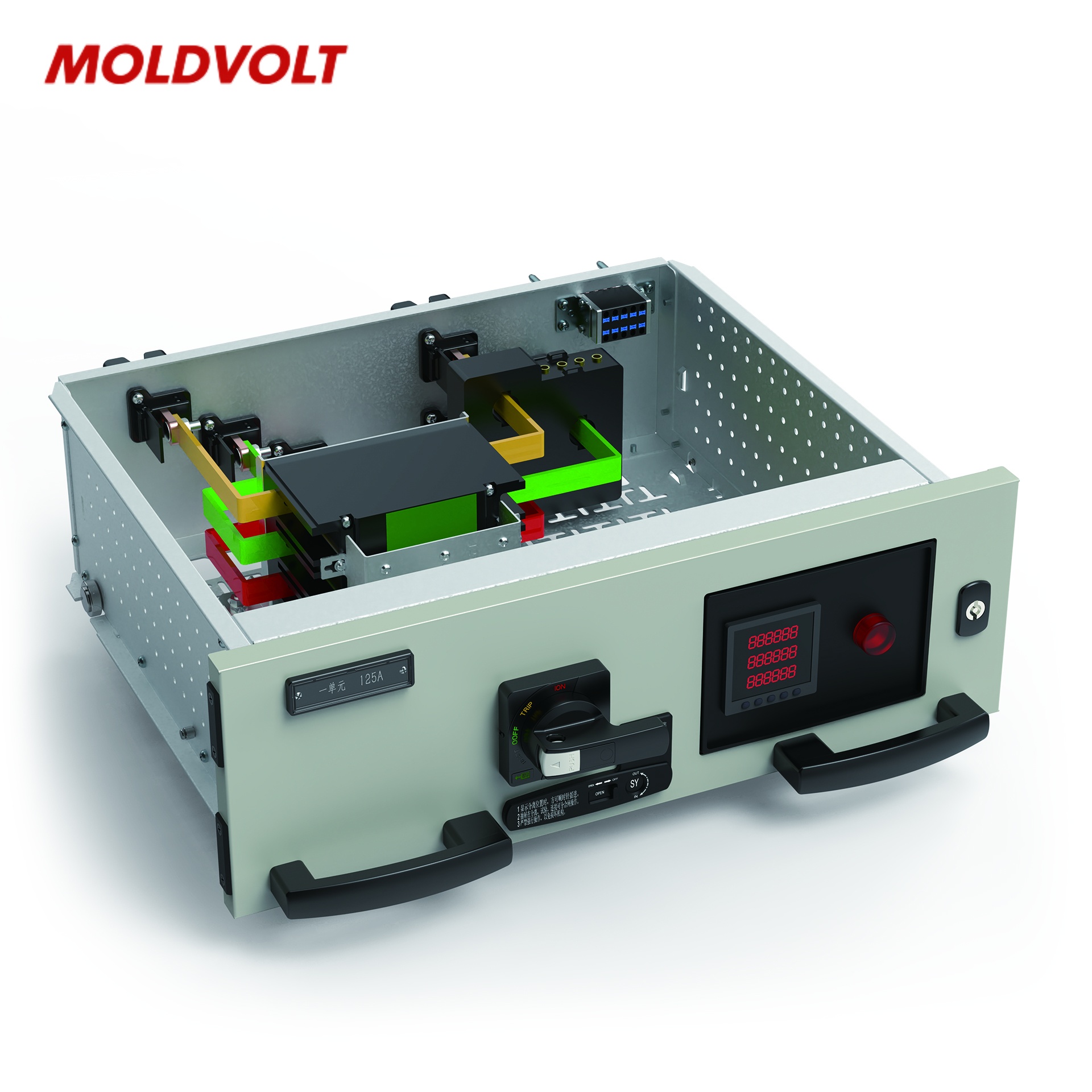
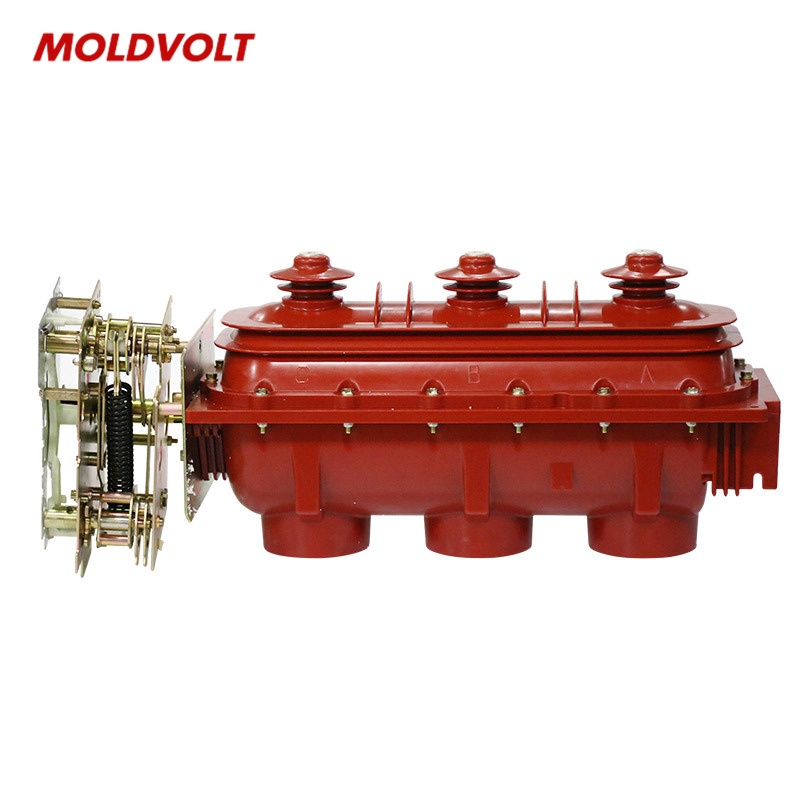
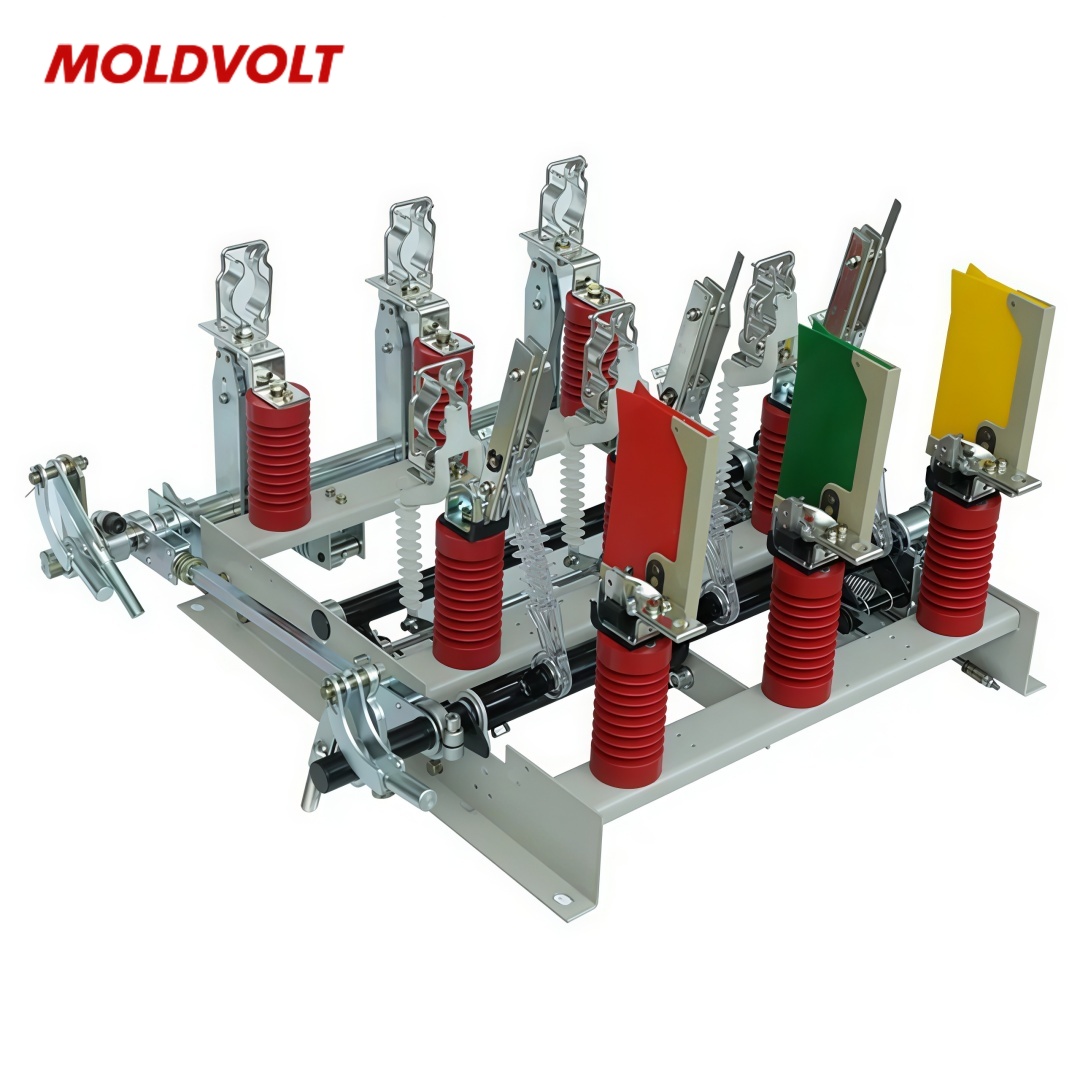
Our load break disconnect switches are designed for dependable circuit switching and isolation in medium-voltage electrical distribution systems. They provide controlled switching of specified load currents, making them suitable for industrial plants, commercial facilities, substations, and distribution networks. Engineered configurations accommodate different rated voltage levels, current requirements, and switchgear installation arrangements. Depending on the selected model, customers can evaluate insulation systems, operating mechanisms, and connection structures to match project specifications. Robust construction supports consistent mechanical operation under specified service conditions, while practical equipment layouts facilitate installation and inspection. These features help electrical contractors and switchgear manufacturers develop reliable distribution solutions with improved equipment compatibility and maintenance convenience.
Get A Quote

Case Study

Industrial Manufacturing Power Distribution

A manufacturing facility required reliable switching equipment for its medium-voltage electrical distribution network. The engineering team selected load break disconnect switches to provide controlled load switching and designated isolation points for maintenance activities. The selected configuration was evaluated according to system voltage, rated current, installation dimensions, and switching requirements. Its integration into the existing switchgear arrangement helped maintain an organized electrical layout without extensive cabinet modifications. Following installation and commissioning, the facility established a more practical approach to circuit management and equipment maintenance. This application demonstrates how properly specified switching equipment supports efficient electrical distribution in industrial production environments.

Commercial Electrical Infrastructure Upgrade

A commercial infrastructure project involved upgrading electrical distribution equipment to improve switching flexibility and maintenance accessibility. Load break disconnect switches were incorporated into the medium-voltage switchgear configuration to support specified load switching operations. Before installation, the project team checked electrical ratings, insulation requirements, terminal arrangements, and compatibility with associated protection devices. The selected equipment configuration helped optimize cabinet space while maintaining convenient access for inspection. After commissioning, the distribution system provided a structured switching arrangement for routine electrical operations. This project highlights the importance of selecting appropriately rated load break disconnect switches for commercial buildings and complex electrical infrastructure.

Utility Distribution Network Modernization

A utility distribution project required dependable switching equipment for several medium-voltage distribution points. The engineering contractor evaluated load break disconnect switches according to rated voltage, continuous current, insulation performance, and required switching duty. Suitable configurations were selected to coordinate with existing switchgear assemblies and associated circuit protection equipment. During installation, technicians verified mechanical operation, electrical connections, and interlocking arrangements according to project requirements. The completed installation provided designated switching and isolation functions for the distribution network. This application illustrates how correctly selected load break disconnect switches contribute to organized electrical infrastructure and support maintenance planning across utility and industrial distribution projects.

Related products

A load break disconnect switch is an essential switching component in medium-voltage electrical distribution systems. It combines load switching functionality with an isolation function, allowing operators to manage specified circuit operating conditions and establish isolation points for maintenance. These devices are commonly installed in industrial switchgear, distribution cabinets, substations, commercial electrical facilities, and utility networks. Product selection requires careful evaluation of rated voltage, continuous current, load switching capacity, insulation level, and short-time withstand current. Depending on the application, different insulation structures, operating mechanisms, and connection arrangements may be required. Our load break disconnect switch solutions are developed for integration into different electrical equipment configurations. We support project-based specification reviews to help customers identify suitable models for their installation requirements. Before procurement, engineering teams should verify applicable standards, switching categories, protection coordination, and system compatibility to ensure reliable operation.

Frequently Asked Questions

What is a load break disconnect switch?

A load break disconnect switch is an electrical device designed to switch specified load currents and provide an isolation function. It is commonly used in medium-voltage distribution systems, allowing operators to manage circuit switching operations and establish isolation points according to approved operating procedures.
A load break switch can interrupt specified normal load currents, while a conventional disconnect switch primarily provides an isolation function and is generally not designed to interrupt load current. Some products combine both functions, but their actual capabilities depend on their rated design and specifications.
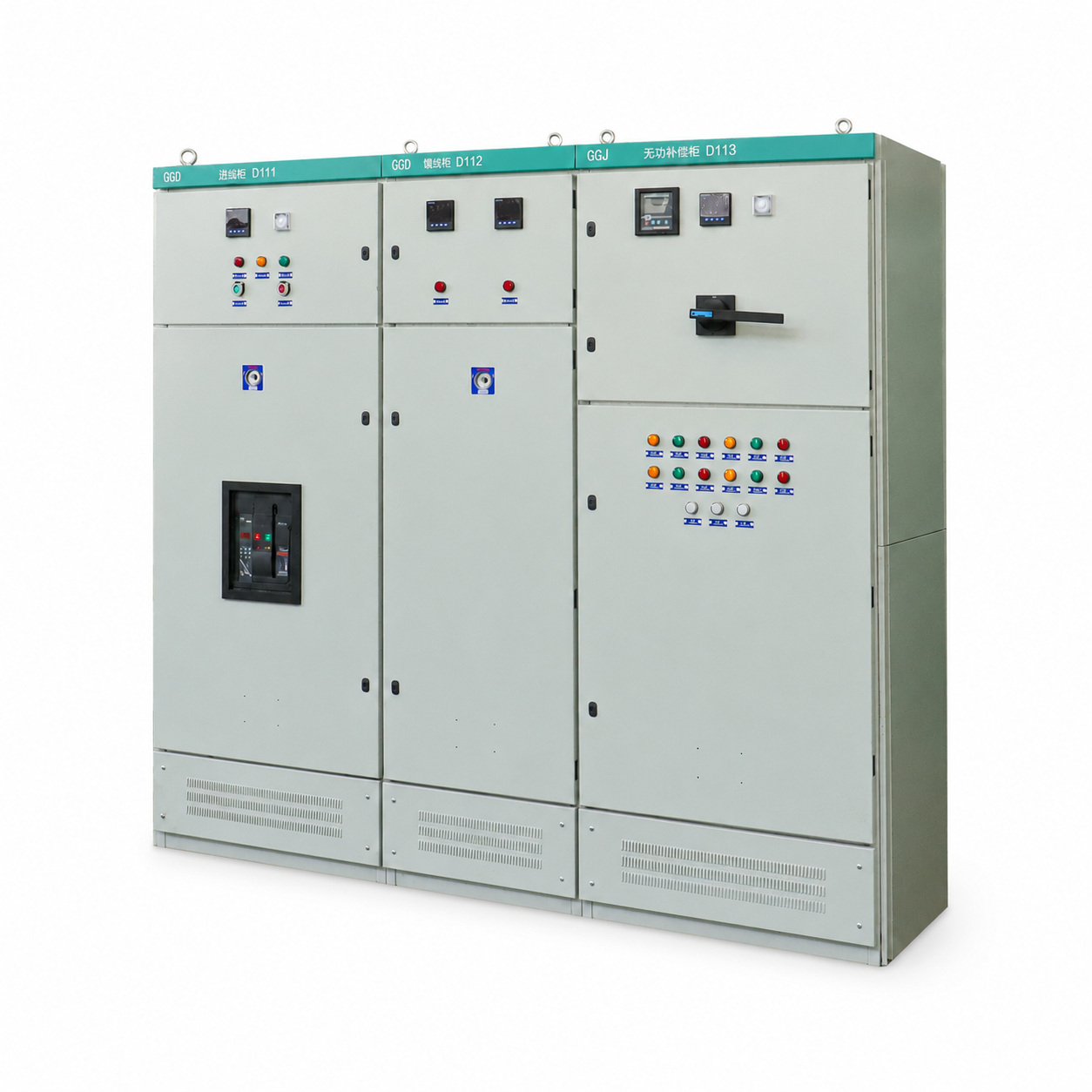
These switches are widely applied in medium-voltage switchgear, industrial power distribution cabinets, commercial buildings, substations, and utility networks. Their suitability depends on system voltage, rated current, switching requirements, installation conditions, and coordination with associated electrical protection equipment.
A standard load break disconnect switch is not generally designed to interrupt short-circuit fault currents. Fault protection must be provided by appropriately coordinated circuit breakers or fuses. Always verify the manufacturer's technical documentation and the complete protection arrangement before installation.
Evaluate rated voltage, continuous current, load switching capacity, insulation level, short-time withstand current, and installation dimensions. Also consider operating mechanisms, environmental conditions, and applicable standards. Providing detailed project specifications helps manufacturers recommend a compatible switching solution.

Related article

What cable clamp material suits high temperature switchgear cabinets?

19

Sep

What cable clamp material suits high temperature switchgear cabinets?

Understanding High-Temperature Challenges in Switchgear CabinetsTypical Operating Temperatures and Thermal Stress Sources (Busbars, Load Cycling, Enclosure Design)Switchgear cabinets experience elevated temperatures primarily due to resistive losses ...
View More
How to customize cabinet dimensions to fit existing switchgear layouts?

26

Sep

How to customize cabinet dimensions to fit existing switchgear layouts?

Step 1: Accurate Site Assessment and Dimensional BenchmarkingMeasuring mechanical layout, clearances, and structural constraints in legacy electrical roomsA successful retrofit begins with a meticulous site survey. Older electrical rooms rarely match...
View More
What switchgear maintenance items prevent unexpected power outage risks?

10

Oct

What switchgear maintenance items prevent unexpected power outage risks?

Top 3 Root Causes of Switchgear-Related Power Outages Insulation degradation and partial discharge: leading precursors to cascade failure Insulation systems in switchgear degrade gradually under electrical, thermal, and environmental stress. Cracks...
View More
What electrical switchgear testing items are required before site commissioning?

21

Oct

What electrical switchgear testing items are required before site commissioning?

Insulation Integrity and Dielectric Strength Verification Megger testing of busbars, cables, and instrument transformer circuits Megger testing is a foundational pre-commissioning check for electrical switchgear, measuring insulation resistance (IR...
View More

Customer Testimonials

Michael Anderson

We integrated these load break disconnect switches into our industrial distribution system. Their stable switching performance and compact installation design helped simplify equipment integration and routine maintenance operations.

James Wilson

The equipment met our project configuration requirements and provided dependable load switching performance. Its flexible installation arrangement also helped our engineering team streamline switchgear assembly and commissioning.

Get a Free Quote

Our representative will contact you soon.
Email
Mobile/WhatsApp
Name
Company Name
Message
0/1000
Reliable Load Switching and Isolation Functions

Reliable Load Switching and Isolation Functions

Reliable load switching is essential for medium-voltage distribution systems serving industrial facilities, commercial buildings, and utility infrastructure. Our load break disconnect switch solutions are designed to accommodate specified electrical operating conditions while providing practical isolation functions. Depending on the selected model, customers can choose configurations according to rated voltage, continuous current, insulation requirements, and switching capacity. These characteristics allow engineering teams to evaluate equipment suitability for different distribution applications. For example, industrial switchgear manufacturers can integrate appropriately rated switches into power distribution cabinets to support routine circuit management. Proper coordination with circuit breakers, fuses, and interlocking systems further contributes to dependable equipment operation and maintenance safety.
Flexible Switchgear Integration and Configuration

Flexible Switchgear Integration and Configuration

Different electrical distribution projects require switching equipment with specific structural and electrical characteristics. Our load break disconnect switch solutions are suitable for integration into various switchgear arrangements, subject to model availability and technical requirements. Configuration considerations include mounting dimensions, terminal positions, operating mechanisms, insulation structures, and rated electrical parameters. For medium-voltage cabinet manufacturers, evaluating these details during the design stage helps improve equipment compatibility and simplify assembly planning. Project-based specification reviews also help contractors identify suitable configurations for new installations or existing distribution upgrades. By considering electrical performance and installation requirements together, customers can develop practical switching arrangements for industrial, commercial, and utility applications.

Get a Free Quote

Our representative will contact you soon.
Email
Mobile/WhatsApp
Name
Company Name
Message
0/1000