Toroidal Transformer Guide: Compact, Low-Noise Power Solutions

All Categories
Customer Feedback on Toroidal Transformer Solutions

Customer Feedback on Toroidal Transformer Solutions

VoltCabinet supports toroidal transformer selection for applications requiring compact construction, efficient magnetic performance, and flexible integration. Unlike conventional laminated-core designs, toroidal transformers use a ring-shaped core that allows windings to be distributed around the magnetic path. This structure can help reduce stray magnetic fields, audible hum, and overall installation footprint when properly designed. Typical applications include medical equipment, audio systems, industrial controls, instrumentation, and power supplies. For example, an audio equipment manufacturer may consider a toroidal transformer to help minimize electromagnetic interference near sensitive circuitry. Actual efficiency, noise, temperature rise, and regulation depend on core materials, winding design, rated load, and operating conditions.
Get A Quote

Case Study

Compact Power Supplies for Electronic Equipment

An electronics manufacturer needed a transformer that could fit inside a compact power supply without compromising electrical performance. The engineering team evaluated toroidal construction based on rated voltage, output current, thermal limits, mounting dimensions, and electromagnetic compatibility requirements. The ring-shaped core offered a practical option for applications where enclosure space and magnetic interference were important considerations. Similar projects should assess inrush current, insulation class, cooling conditions, and load characteristics before finalizing the design. By documenting these requirements early, buyers can compare transformer options more consistently and coordinate integration with circuit boards, protective components, and enclosure layouts. Final selection should follow electrical testing and application-specific verification.

Low-Noise Transformers for Audio Equipment

An audio equipment developer required a power transformer suitable for an amplifier operating near sensitive signal-processing circuits. Toroidal construction was considered because its magnetic geometry can help reduce external magnetic fields and mechanical hum under appropriate design conditions. The project team reviewed primary voltage, secondary winding requirements, rated power, shielding options, and mounting arrangements. Engineers also needed to consider inrush current and transformer behavior under changing loads. For similar audio applications, performance should be verified in the finished enclosure rather than assumed from core shape alone. Careful specification and testing help manufacturers balance acoustic performance, electrical safety, and dependable operation.

Transformers for Industrial Control Systems

An industrial automation project required compact transformers for control panels installed alongside relays, sensors, and electronic controllers. The engineering team evaluated toroidal transformers for their installation footprint and potential reduction in stray magnetic fields. Important selection factors included input voltage, output voltage, rated VA, insulation requirements, ambient temperature, and expected duty cycle. Panel designers also reviewed mounting hardware, ventilation, wiring access, and applicable safety standards. For comparable projects, specifying the electrical load and environmental conditions before procurement helps avoid undersized equipment and unnecessary redesign. The selected transformer should undergo appropriate testing to confirm voltage regulation, temperature rise, and compatibility with the intended control system.

Related products

A toroidal transformer uses a ring-shaped magnetic core with windings distributed around its circumference. This geometry provides a relatively continuous magnetic path and can offer advantages in size, weight, audible noise, and stray magnetic fields compared with some conventional transformer designs. Actual performance depends on core material, winding arrangement, operating frequency, rated load, and manufacturing quality. Toroidal transformers are widely considered for audio equipment, instrumentation, medical devices, industrial controls, lighting systems, and compact power supplies. VoltCabinet supports project-based transformer selection by reviewing primary and secondary voltages, rated power in VA, frequency, insulation requirements, mounting dimensions, and operating environment. For example, an equipment manufacturer developing a compact control unit may require multiple secondary windings and defined temperature-rise limits. Buyers should also evaluate inrush current, short-circuit protection, electrical safety, and applicable certification requirements. Clear technical specifications help align transformer design with the final application and simplify integration into the complete electrical assembly.
Frequently Asked Questions

What are the main advantages of a toroidal transformer?

Toroidal transformers can offer compact dimensions, low stray magnetic fields, reduced audible hum, and good efficiency. These benefits depend on core material, winding design, rated load, and installation conditions. Buyers should compare verified electrical performance and dimensions rather than relying on the toroidal shape alone.
Determine the input voltage, required output voltages, total load in VA, operating frequency, and duty cycle. Also specify insulation requirements, temperature limits, mounting dimensions, and environmental conditions. Allowance for startup current and load transients may be necessary. Final selection should follow application-specific engineering calculations and testing.
Yes. Their design can help reduce stray magnetic fields and audible mechanical hum, making them useful in some audio amplifiers and signal-sensitive equipment. However, performance depends on construction, mounting, load conditions, and circuit layout. Testing the complete assembly is important to verify noise and interference levels.
Yes. Depending on the design and manufacturing capability, toroidal transformers can incorporate multiple secondary windings or specified output voltages. Buyers should provide the voltage, current, load, isolation, and connection requirements for each output. Thermal limits and winding arrangement must be reviewed to ensure safe operation.
Common applications include audio electronics, medical equipment, instrumentation, industrial automation, telecommunications, and compact power supplies. Their relatively small footprint and magnetic characteristics can suit space-sensitive designs. The final choice depends on rated power, electrical safety requirements, environmental conditions, and the performance needed in the finished product.

Related article

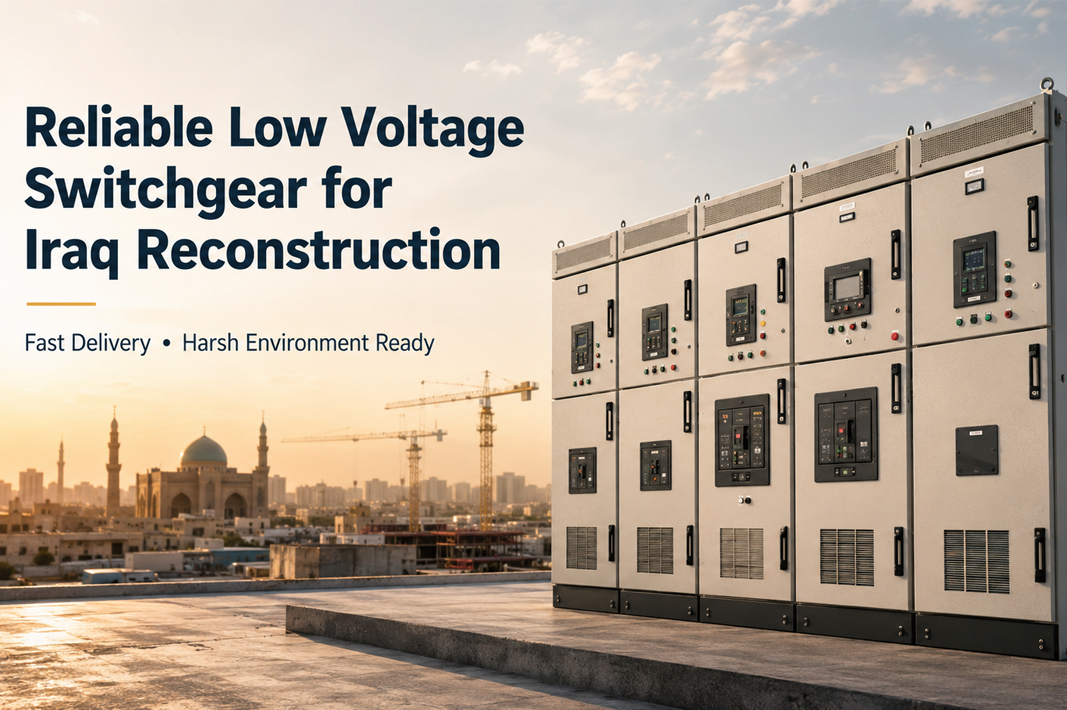
Cost-Effective Low Voltage Switchgear for Iraq: Compatible with Blokset, Okken & 8PT | Local Assembly Options

16

Sep

Cost-Effective Low Voltage Switchgear for Iraq: Compatible with Blokset, Okken & 8PT | Local Assembly Options

View More
What switchgear maintenance items prevent unexpected power outage risks?

10

Oct

What switchgear maintenance items prevent unexpected power outage risks?

Top 3 Root Causes of Switchgear-Related Power Outages Insulation degradation and partial discharge: leading precursors to cascade failure Insulation systems in switchgear degrade gradually under electrical, thermal, and environmental stress. Cracks...
View More
Insulator dimension design follows international high voltage standards strictly.

16

Oct

Insulator dimension design follows international high voltage standards strictly.

Core IEC Standards Governing Insulator Dimension Design IEC 60383: Mechanical and Electrical Requirements for Ceramic and Glass Insulators The IEC 60383 series defines the mechanical and electrical test regimes that ceramic and glass insulators mus...
View More
Cable clamp vs cable tie: which one delivers long term stability in panels?

27

Oct

Cable clamp vs cable tie: which one delivers long term stability in panels?

Mechanical Performance Under Thermal Stress Polymer creep and thermal expansion mismatch in nylon cable ties at 60–85°C Nylon 6/6 cable ties undergo measurable mechanical degradation when exposed continuously to 60–85 °C. At the...
View More

Customer Testimonials

James Wilson

We needed compact transformers for sensitive electronic equipment. The toroidal design helped optimize installation space and supported our requirements for low noise, efficient power conversion, and reliable operation.

Michael Turner

Our control equipment required stable power conversion within a limited enclosure. Evaluating toroidal transformer specifications helped us identify a suitable design for integration into our electrical system.

Get a Free Quote

Our representative will contact you soon.
Email
Mobile/WhatsApp
Name
Company Name
Message
0/1000
Compact Magnetic Design for Space-Sensitive Equipment

Compact Magnetic Design for Space-Sensitive Equipment

Space limitations often influence transformer selection in modern electronic products. A toroidal core can provide a compact magnetic structure, helping designers accommodate power conversion within smaller enclosures. VoltCabinet supports specification planning for applications such as instrumentation, control equipment, and audio systems. For example, an equipment manufacturer may need a transformer that fits beneath a circuit board while meeting defined voltage and temperature limits. Engineers should assess core dimensions, winding arrangement, mounting clearance, ventilation, and total rated load before confirming the design. These checks help reduce integration issues and support efficient enclosure planning. Final performance should be verified through electrical and thermal testing under representative operating conditions.
Reduced Stray Magnetic Fields and Operating Noise

Reduced Stray Magnetic Fields and Operating Noise

Toroidal transformers can help limit stray magnetic fields because their ring-shaped core provides a relatively continuous magnetic path. This characteristic may benefit sensitive audio equipment, measurement instruments, and electronic control assemblies. Actual magnetic emissions and acoustic noise depend on core material, winding balance, fastening methods, load conditions, and manufacturing precision. For example, an audio amplifier positioned near low-level signal circuits may benefit from a carefully selected toroidal transformer, although layout and shielding remain important. Buyers should specify acceptable noise levels and electromagnetic compatibility requirements when relevant. Evaluating the transformer within the finished assembly provides a more dependable assessment than relying solely on general design characteristics.
Application-Specific Electrical Specifications

Application-Specific Electrical Specifications

Reliable toroidal transformer integration starts with a complete electrical specification. Buyers should identify primary voltage, secondary outputs, rated VA, operating frequency, insulation class, thermal limits, and mounting requirements. Applications with high startup currents or fluctuating loads may also require additional engineering review. For example, an industrial controller with several output circuits may need multiple secondary windings and defined isolation requirements. VoltCabinet supports project discussions to clarify these parameters and identify relevant integration considerations before procurement. Buyers should also confirm applicable safety standards, production testing, and documentation requirements. A detailed specification helps reduce quotation ambiguity and ensures that transformer selection reflects the electrical, mechanical, and environmental demands of the final application.

Get a Free Quote

Our representative will contact you soon.
Email
Mobile/WhatsApp
Name
Company Name
Message
0/1000