DC Breaker for Solar: Rated Protection Solutions

All Categories
Customer Feedback on Solar DC Circuit Protection

Customer Feedback on Solar DC Circuit Protection

Voltcabinet supports DC breaker selection for photovoltaic installations, solar combiner boxes, battery systems, and related power distribution applications. Unlike AC breakers, DC circuit breakers must interrupt direct current without relying on periodic current zero crossings, making suitable arc-extinguishing performance essential. Correct selection depends on maximum system voltage, continuous current, prospective fault current, polarity requirements, and installation conditions. For example, a rooftop solar installation with several photovoltaic strings requires protection devices matched to the array configuration and applicable electrical codes. Properly specified breakers help isolate circuits during faults or maintenance and support safer system operation. Buyers should verify product ratings, compatibility, and relevant certification requirements before installation.
Get A Quote

Case Study

Rooftop Photovoltaic System Protection

A commercial rooftop solar project required DC circuit protection for photovoltaic strings connected to a combiner box and inverter system. The engineering team reviewed the array's maximum open-circuit voltage, expected operating current, potential fault conditions, and local installation requirements before specifying breakers. Appropriate DC voltage ratings and verified interruption capacities were essential because photovoltaic strings can sustain current during fault conditions. For an installation with multiple strings, the protection design also considered string configuration, conductor sizing, and the need for coordinated isolation. Final component selection depended on the system design and applicable standards. Qualified installers verified polarity, connections, and protective arrangements during commissioning.

Solar Battery Storage Protection

A solar energy project integrating battery storage required DC breakers suitable for the battery circuit's operating voltage and available fault current. Engineers evaluated battery discharge characteristics, conductor capacity, circuit protection requirements, and the manufacturer's installation instructions before confirming the specification. Battery circuits can deliver substantial fault currents, so the selected device needed verified DC interruption ratings appropriate to the application. In a representative system with separate photovoltaic and battery circuits, using devices specifically rated for each circuit helped clarify isolation and protection requirements. The final design also addressed disconnecting arrangements, cable sizing, and equipment compatibility. Installation and testing were completed according to applicable electrical codes.

Solar Inverter DC Input Protection

A solar installation contractor needed DC breakers for the input circuits of an inverter serving a small commercial facility. The project team checked the inverter's permitted DC input range, photovoltaic array voltage, maximum circuit current, and protection recommendations before selecting suitable devices. They also reviewed the number of strings, conductor ratings, and available fault current to determine whether additional string-level protection was necessary. For a system using three photovoltaic strings, verifying the electrical design helped prevent mismatches between the breaker ratings and the array characteristics. Final selection followed the inverter documentation and applicable standards, with qualified professionals responsible for installation, testing, and commissioning.

Related products

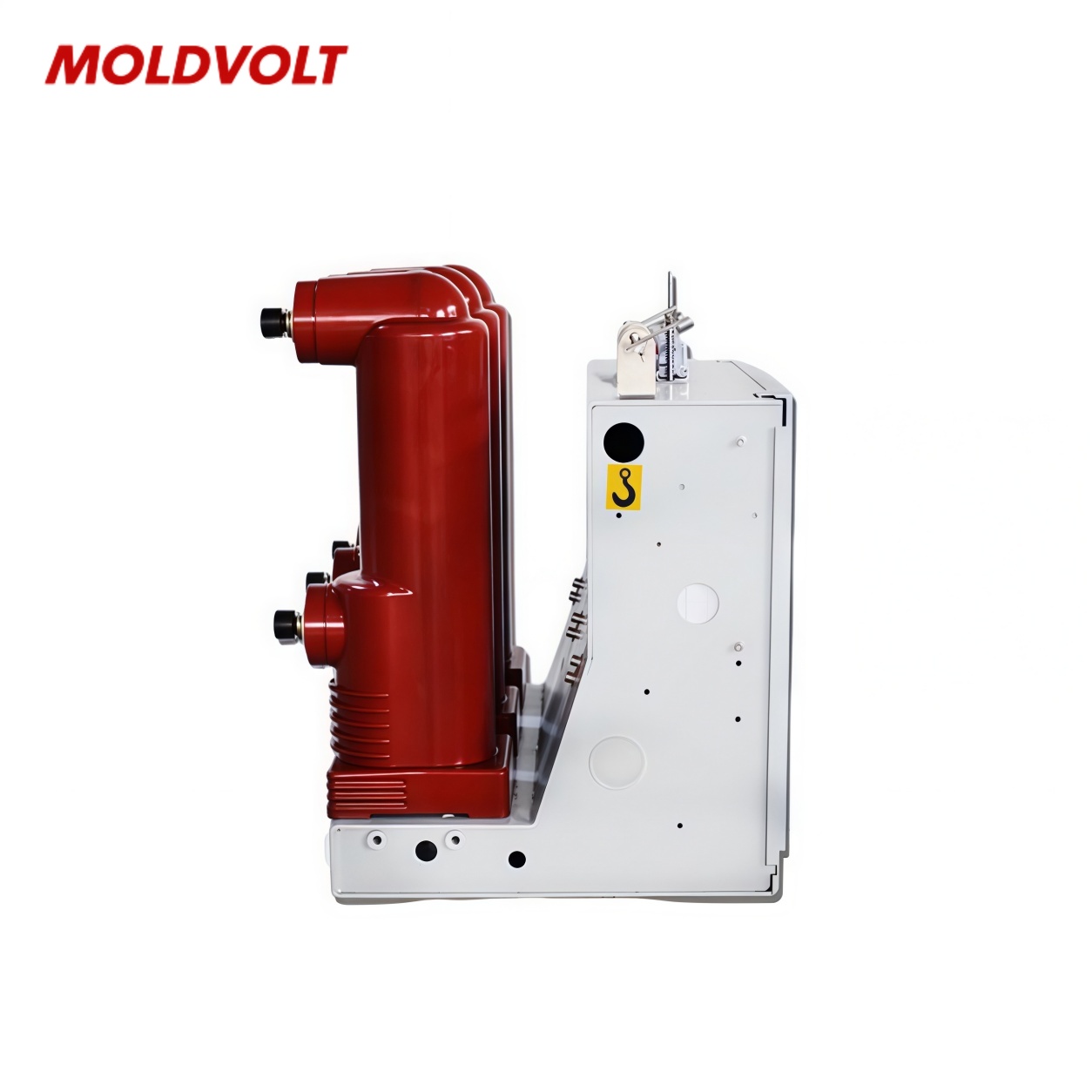
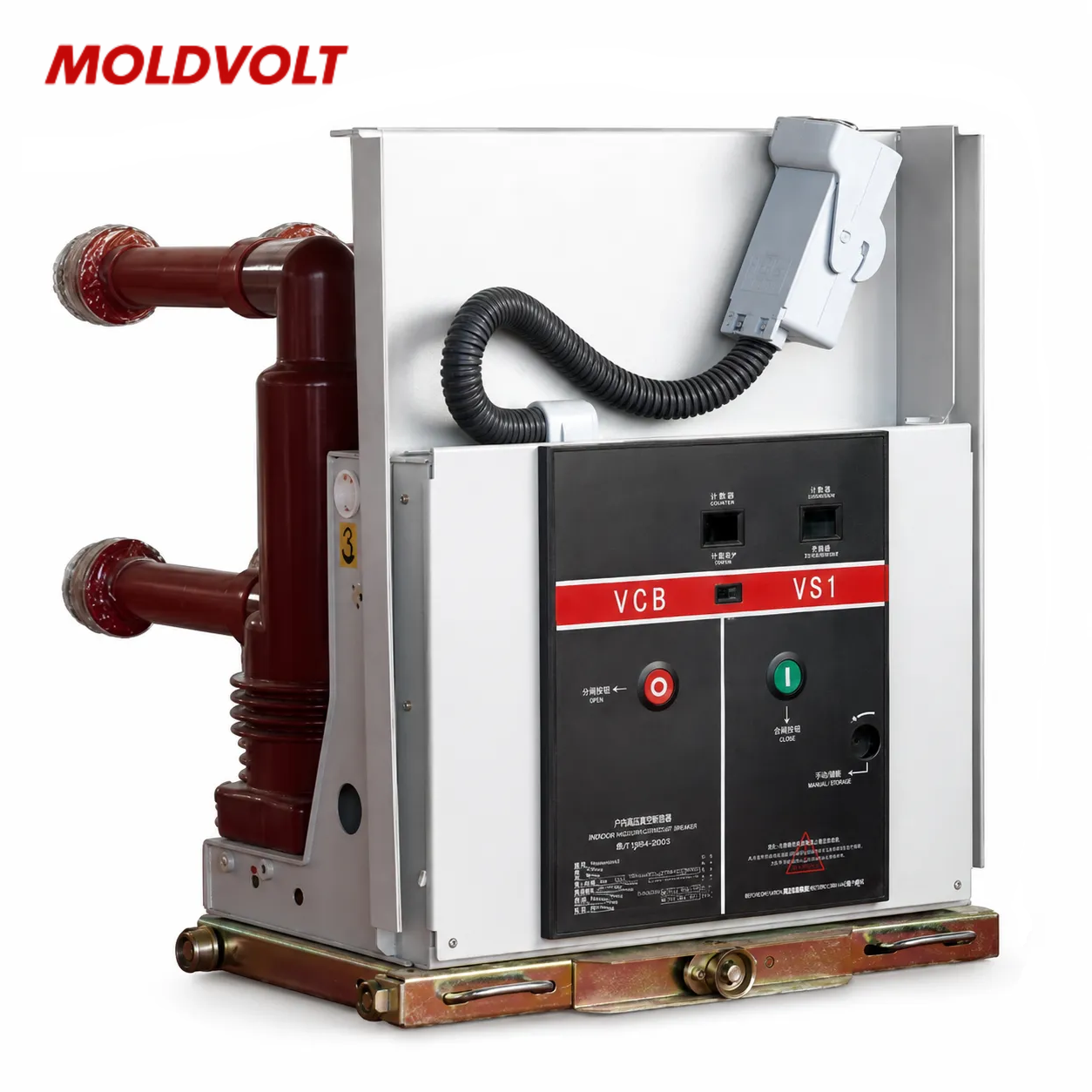
A DC breaker for solar applications protects suitable direct-current circuits and provides a means of circuit isolation when its design and installation permit. It may be used in photovoltaic combiner boxes, inverter input circuits, battery storage installations, and other solar power distribution arrangements. Selecting the correct device requires careful consideration of the circuit's electrical characteristics and the manufacturer's approved application. Voltcabinet supports project specification discussions covering rated DC voltage, continuous current, breaking capacity, pole configuration, mounting requirements, and environmental conditions. Solar photovoltaic circuits can maintain current under illumination, while battery circuits may supply high fault currents. Consequently, a breaker must have a verified DC interruption rating suitable for the specific circuit. AC-only breakers must not be assumed suitable for DC applications. For example, a commercial rooftop system with multiple photovoltaic strings may require a review of maximum open-circuit voltage, string current, parallel-string configuration, conductor capacity, and inverter requirements. The design should also establish whether string protection is required and how circuits can be safely isolated. Before purchasing, buyers should confirm technical datasheets, applicable test standards, certification scope, and compatibility with the intended system. Qualified electrical professionals should complete protection calculations, installation, and commissioning in accordance with local codes and manufacturer instructions.

Frequently Asked Questions

What Does a DC Breaker Do in a Solar System?

A DC breaker protects an appropriately designed direct-current circuit by interrupting current under specified fault conditions and may provide circuit isolation. Applications include photovoltaic distribution and battery systems. The breaker must have suitable DC voltage and interruption ratings for the actual circuit and installation requirements.
Check maximum photovoltaic open-circuit voltage, operating current, prospective fault current, conductor ratings, and inverter requirements. Account for temperature-related voltage increases and applicable electrical codes. Select a breaker with verified DC ratings and suitable pole configuration. A qualified electrical designer should confirm the final specification before installation.
Not unless the manufacturer explicitly rates and approves that specific device for the intended DC application. DC arcs can be harder to extinguish because direct current lacks the natural zero crossings found in AC systems. Verify the device's DC voltage, interruption capacity, and wiring requirements.
The required ratings can differ because photovoltaic arrays and batteries have different current characteristics and fault conditions. Battery circuits may deliver particularly high fault currents, while photovoltaic voltage depends on array configuration and temperature. Each breaker must be selected for its specific circuit, source characteristics, and applicable standards.
Provide system voltage, expected operating current, maximum fault current if available, circuit purpose, pole requirements, mounting arrangement, installation environment, and destination market. For photovoltaic applications, include panel and inverter specifications. For battery systems, provide battery voltage and manufacturer protection requirements to support accurate product selection.

Related article

Cabinet corrosion resistance determines service life in coastal engineering sites.

23

Sep

Cabinet corrosion resistance determines service life in coastal engineering sites.

Why Coastal Environments Accelerate Cabinet CorrosionThe chloride-humidity synergy: How salt aerosols and sustained high RH drive electrochemical degradationCoastal atmospheres subject cabinet enclosures to a uniquely aggressive combination of airbor...
View More
Insulator dimensional tolerance controls assembly efficiency in switchgear.

25

Sep

Insulator dimensional tolerance controls assembly efficiency in switchgear.

Why Insulator Dimensional Tolerance Is the Silent Driver of Switchgear Assembly EfficiencyIn high-voltage switchgear, insulators do much more than prevent flashover—they serve as load-bearing anchors that dictate how quickly and precisely busbars, ci...
View More
Insulator mechanical strength supports busbar fixing inside switchgear cabinets.

13

Oct

Insulator mechanical strength supports busbar fixing inside switchgear cabinets.

Critical Mechanical Load Demands on Insulators for Busbar Support Static, Dynamic, and Short-Circuit Electrodynamics: Quantifying Peak Forces (Up to 250 kA) Busbar support insulators must simultaneously manage three distinct mechanical load regimes...
View More
Cable clamp vs cable tie: which one delivers long term stability in panels?

27

Oct

Cable clamp vs cable tie: which one delivers long term stability in panels?

Mechanical Performance Under Thermal Stress Polymer creep and thermal expansion mismatch in nylon cable ties at 60–85°C Nylon 6/6 cable ties undergo measurable mechanical degradation when exposed continuously to 60–85 °C. At the...
View More

Customer Testimonials

Michael Carter

Our solar installation required appropriately rated DC breakers for multiple photovoltaic strings. Reviewing voltage, current, and protection specifications helped our team coordinate equipment selection and installation.

Daniel Brooks

The DC breaker selection process clarified system voltage limits, circuit requirements, and equipment compatibility, helping our project team prepare a more organized solar installation plan.

Get a Free Quote

Our representative will contact you soon.
Email
Mobile/WhatsApp
Name
Company Name
Message
0/1000
DC Interruption Performance for Photovoltaic Systems

DC Interruption Performance for Photovoltaic Systems

Photovoltaic installations require circuit protection devices designed specifically for direct-current operation. Unlike AC circuits, DC circuits do not naturally pass through zero current at regular intervals, which can make arc interruption more demanding. Voltcabinet supports specification discussions for solar DC breakers used in combiner boxes, inverter input circuits, and related distribution equipment. For a commercial rooftop array with multiple strings, engineers should verify maximum open-circuit voltage, operating current, prospective fault current, and the manufacturer's approved protection arrangement. Correct device selection helps establish appropriate circuit protection and isolation. Final ratings and installation methods must comply with applicable standards, system design requirements, and manufacturer documentation.
Application-Specific Protection for Solar and Battery Systems

Application-Specific Protection for Solar and Battery Systems

Solar power systems can combine photovoltaic arrays, inverters, and battery storage, but each circuit may require a different protection strategy. PV string voltage, array configuration, battery discharge capability, conductor ratings, and available fault current all influence breaker selection. Voltcabinet supports buyers in clarifying these requirements before product specification and procurement. For example, a project with three PV strings and a separate battery circuit should assess each circuit independently rather than assuming one breaker configuration suits every application. Buyers should confirm rated DC voltage, interruption capacity, pole arrangement, and equipment compatibility. Qualified engineers must verify the design, while trained installers follow local electrical codes and manufacturer instructions.

Get a Free Quote

Our representative will contact you soon.
Email
Mobile/WhatsApp
Name
Company Name
Message
0/1000