Air Circuit Breaker Selection Guide for Engineers [2024]

All Categories
Customer Feedback on Air Circuit Breaker Solutions

Customer Feedback on Air Circuit Breaker Solutions

Voltcabinet supports air circuit breaker solutions for low-voltage power distribution systems in factories, commercial buildings, data centers, and infrastructure facilities. Air circuit breakers, commonly called ACBs, use air as the arc-extinguishing medium and are frequently installed as main or feeder protection devices in suitable low-voltage switchgear assemblies. Selection depends on rated operational voltage, continuous current, ultimate and service breaking capacities, short-time withstand capability, and protection requirements. For example, a manufacturing facility supplying three production areas may require coordinated protection between its incoming breaker and downstream feeders. Appropriate specification helps engineers align equipment performance with calculated fault levels, operational demands, and applicable electrical standards.
Get A Quote

Case Study

Main Switchboard Protection for Commercial Buildings

A commercial building project required an air circuit breaker for its main low-voltage switchboard, supplying lighting, HVAC systems, elevators, and downstream distribution boards. Engineers reviewed the incoming supply, expected demand, prospective short-circuit current, and coordination requirements before selecting the breaker specifications. Adjustable protection functions helped the design team evaluate overload and short-circuit protection according to the approved electrical study. For a building with three distribution zones, coordinating the main breaker with downstream protective devices was important for limiting unnecessary interruptions. Final selection required verification of rated current, breaking capacity, installation conditions, and compliance with applicable electrical codes and assembly standards.

Industrial Production Line Power Protection

A manufacturing plant needed an air circuit breaker to protect the incoming supply to a low-voltage distribution system serving production machinery and auxiliary equipment. The engineering team assessed motor starting characteristics, continuous load requirements, short-circuit levels, and the operating environment. Breaker selection also considered short-time withstand performance, trip unit functions, and compatibility with the switchboard assembly. In a facility supporting three production lines, coordinated protection helped engineers plan fault isolation and reduce the risk of unnecessary supply interruptions. The final design required verified ratings, suitable conductor connections, and appropriate protective settings. Qualified personnel completed installation and commissioning according to the approved design.

Power Distribution System Upgrade

An industrial facility upgrading its electrical infrastructure needed to assess whether its existing air circuit breaker could accommodate changing load requirements. Engineers reviewed the connected equipment, anticipated demand, available fault current, busbar ratings, and existing protection coordination. The upgrade involved planning supplies for two additional machines while preserving compatibility with the existing low-voltage switchboard. Reviewing the breaker's rated current and short-circuit performance helped determine whether adjustment, replacement, or a broader switchboard modification was appropriate. The final decision depended on manufacturer guidance, verified engineering calculations, and applicable standards. This structured assessment helped the project team coordinate equipment procurement and installation requirements before commissioning.

Related products

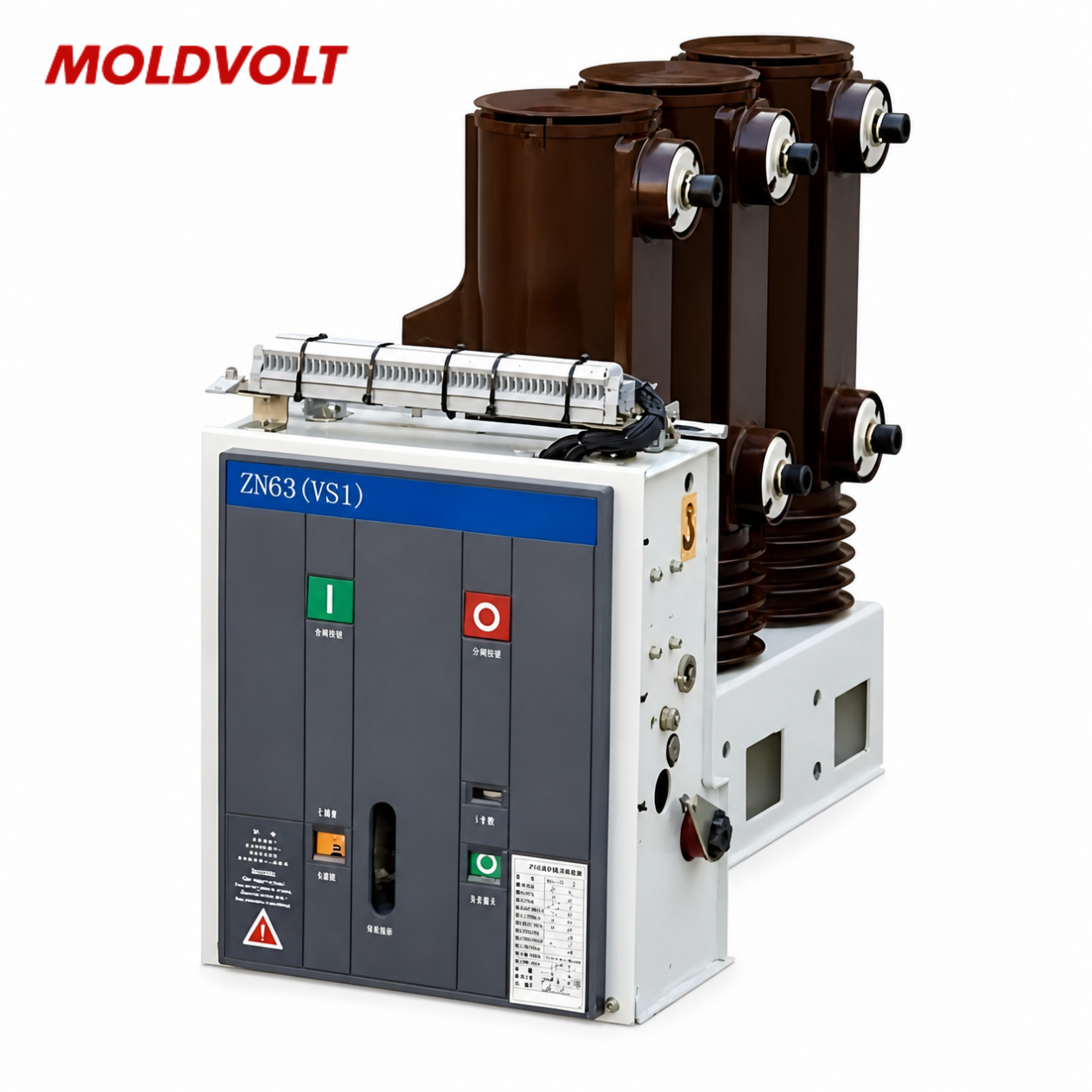
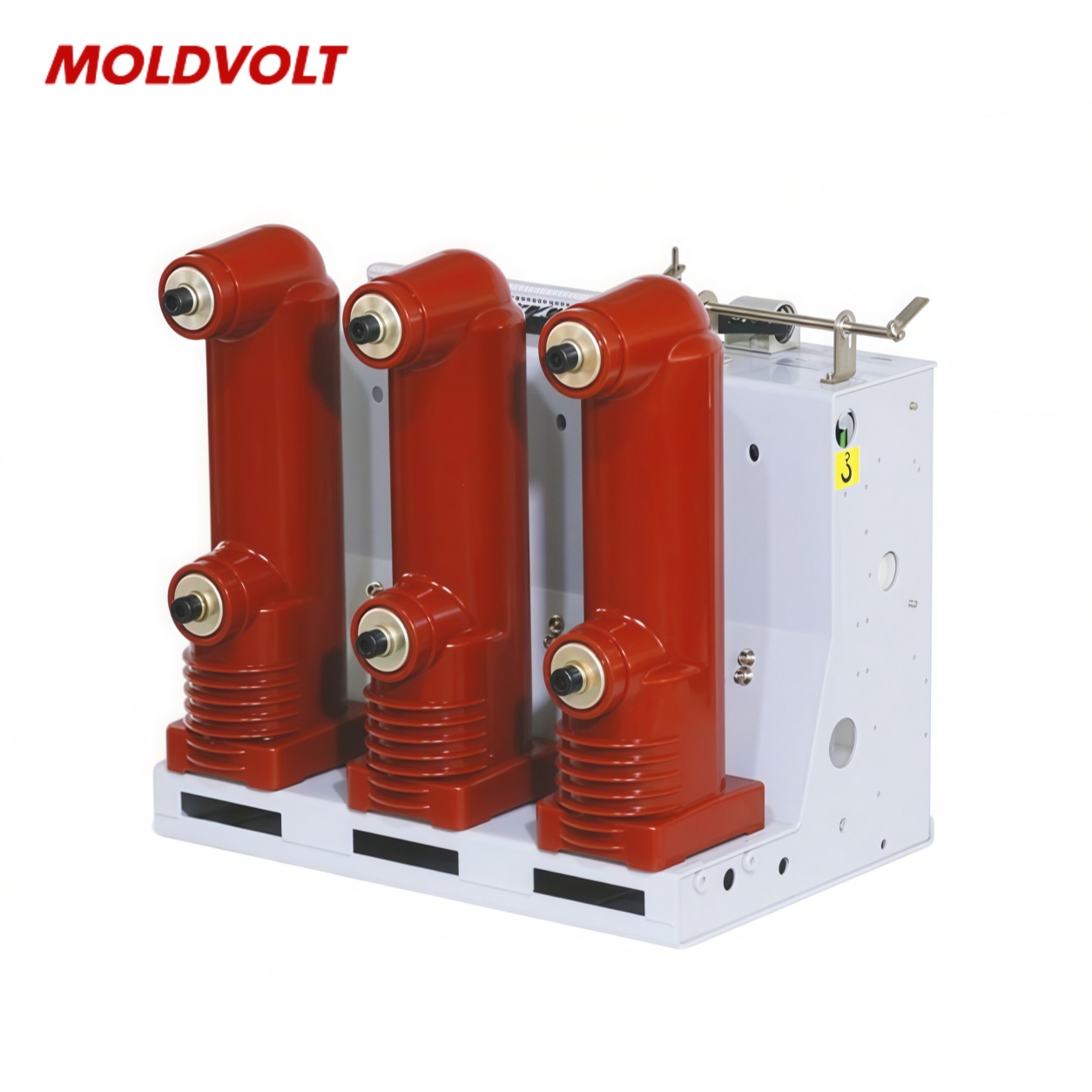
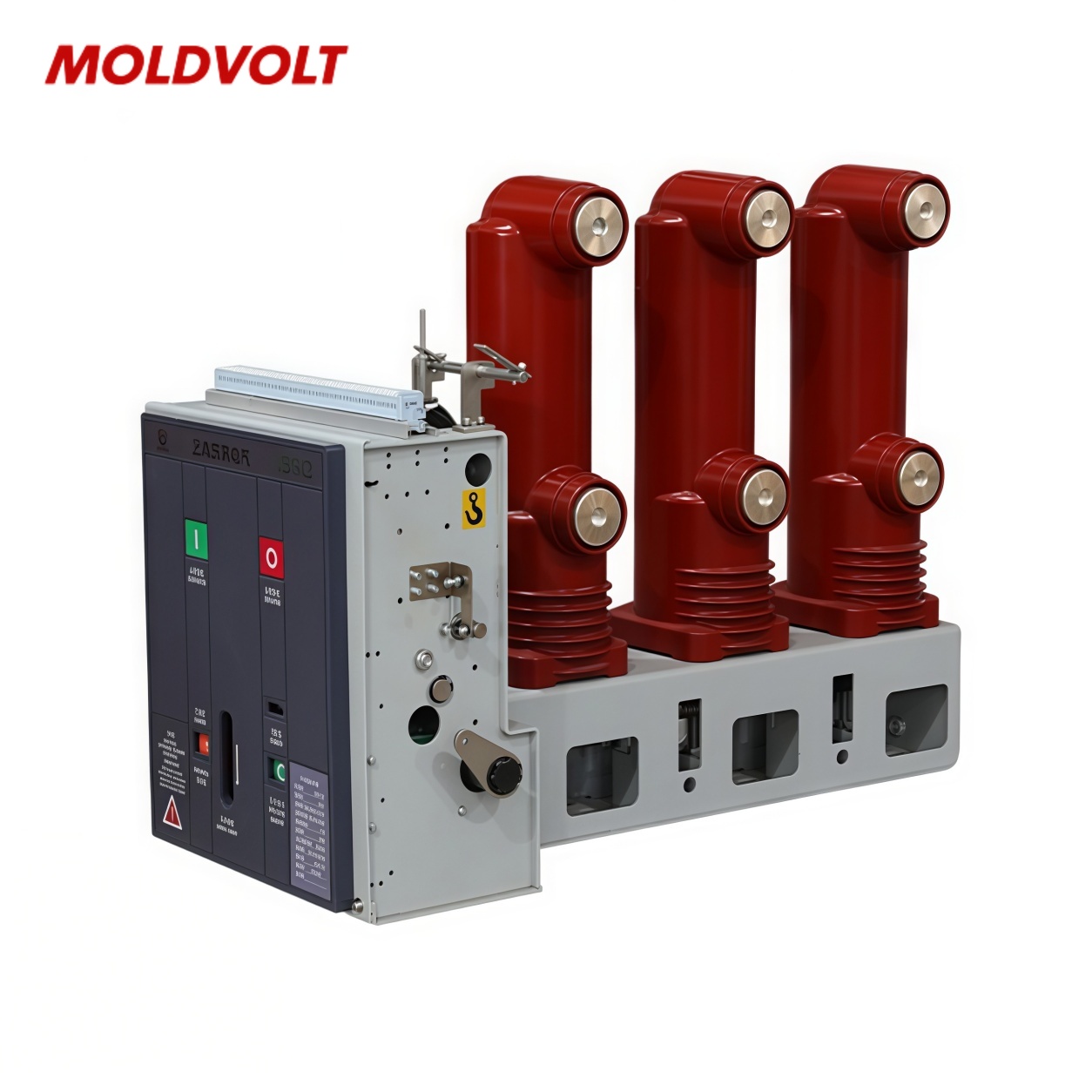
An air circuit breaker is a low-voltage switching and protection device that uses air as the medium for extinguishing the electrical arc during interruption. Commonly installed in main switchboards, industrial distribution panels, commercial buildings, and infrastructure facilities, ACBs help protect electrical circuits against specified overload and short-circuit conditions. Voltcabinet supports project specification discussions covering rated current, rated operational voltage, breaking capacity, short-time withstand current, pole configuration, trip unit functions, and installation requirements. Depending on the model, an air circuit breaker may offer adjustable protection settings, electronic trip functions, metering, and communication capabilities. The available features and ratings must be confirmed against the selected product documentation. For example, a factory supplying three production areas may require a main ACB coordinated with downstream molded case circuit breakers. Engineers should evaluate load demand, fault levels, selectivity, busbar capacity, and conductor ratings before finalizing the protection scheme. When comparing suppliers, buyers should request technical datasheets, dimensional drawings, wiring diagrams, relevant test documentation, and applicable conformity information. IEC 60947-2 is a key standard for applicable low-voltage circuit breakers. Final selection, installation, and protection settings should be verified by qualified professionals to meet project requirements and local electrical regulations.

Frequently Asked Questions

What Is an Air Circuit Breaker Used For?

An air circuit breaker protects suitable low-voltage electrical circuits by switching power and interrupting specified overload or short-circuit currents. It is commonly used in main switchboards, industrial distribution panels, and large commercial facilities. Correct selection depends on rated current, breaking capacity, fault levels, and protection coordination.
Evaluate the system voltage, expected continuous load, prospective short-circuit current, short-time withstand requirements, and downstream protection devices. Consider the switchboard's rated characteristics and the installation environment. A qualified electrical engineer should verify the ratings and protection settings against the system study and applicable standards.
Air circuit breakers are commonly used for main incomers and high-current distribution duties in low-voltage switchboards. Molded case circuit breakers are frequently used for feeder and branch circuit protection. Their suitable applications depend on current ratings, breaking capacity, protection features, physical dimensions, and the electrical design.
Many ACB models provide adjustable trip settings, and some include electronic trip units with multiple protection functions. Available adjustments depend on the specific model and trip unit. Settings must follow verified load and fault calculations, manufacturer instructions, and coordination studies, and should only be changed by qualified personnel.
Request the technical datasheet, rated current and breaking capacity information, dimensional drawings, wiring diagrams, trip unit details, and relevant test or conformity documentation. Confirm compatibility with the switchboard and busbar system. Reviewing these documents helps engineers verify the proposed device against installation requirements and applicable standards.

Related article

Cabinet corrosion resistance determines service life in coastal engineering sites.

23

Sep

Cabinet corrosion resistance determines service life in coastal engineering sites.

Why Coastal Environments Accelerate Cabinet CorrosionThe chloride-humidity synergy: How salt aerosols and sustained high RH drive electrochemical degradationCoastal atmospheres subject cabinet enclosures to a uniquely aggressive combination of airbor...
View More
Insulator dimensional tolerance controls assembly efficiency in switchgear.

25

Sep

Insulator dimensional tolerance controls assembly efficiency in switchgear.

Why Insulator Dimensional Tolerance Is the Silent Driver of Switchgear Assembly EfficiencyIn high-voltage switchgear, insulators do much more than prevent flashover—they serve as load-bearing anchors that dictate how quickly and precisely busbars, ci...
View More
What switchgear maintenance items prevent unexpected power outage risks?

10

Oct

What switchgear maintenance items prevent unexpected power outage risks?

Top 3 Root Causes of Switchgear-Related Power Outages Insulation degradation and partial discharge: leading precursors to cascade failure Insulation systems in switchgear degrade gradually under electrical, thermal, and environmental stress. Cracks...
View More
Cable clamp vs cable tie: which one delivers long term stability in panels?

27

Oct

Cable clamp vs cable tie: which one delivers long term stability in panels?

Mechanical Performance Under Thermal Stress Polymer creep and thermal expansion mismatch in nylon cable ties at 60–85°C Nylon 6/6 cable ties undergo measurable mechanical degradation when exposed continuously to 60–85 °C. At the...
View More

Customer Testimonials

Michael Carter

Our facility needed an air circuit breaker for its main distribution system. Reviewing rated current, breaking capacity, and protection settings helped align equipment selection with project requirements.

Daniel Brooks

The air circuit breaker specification process helped our team clarify protection functions, installation requirements, and maintenance access before finalizing the electrical distribution design.

Get a Free Quote

Our representative will contact you soon.
Email
Mobile/WhatsApp
Name
Company Name
Message
0/1000
Advanced Protection for Low Voltage Switchboards

Advanced Protection for Low Voltage Switchboards

Air circuit breakers are widely used to protect main incomers and high-current feeders in low-voltage electrical distribution systems. Depending on the model, their protection functions can address overloads, short circuits, and other specified fault conditions. Voltcabinet supports buyers in evaluating rated current, breaking capacity, short-time withstand capability, trip unit options, and switchboard compatibility. For a commercial facility supplying three distribution zones, engineers should coordinate the main ACB with downstream protective devices to support appropriate fault isolation. Correct selection also requires assessment of available fault current, busbar ratings, and installation conditions. Verified technical documentation and compliant commissioning help ensure the equipment meets the intended application requirements.
Application-Specific Configuration and Protection Coordination

Application-Specific Configuration and Protection Coordination

Selecting an air circuit breaker requires a complete understanding of the electrical distribution system rather than a current rating alone. Engineers should assess continuous load, prospective fault current, short-time withstand requirements, protection selectivity, and the characteristics of downstream equipment. Voltcabinet supports project discussions covering breaker specifications, trip unit functions, installation dimensions, and technical documentation. For example, a factory adding two production machines may need to reassess the main breaker's capacity and coordination with feeder protection before modifying the switchboard. This process helps identify specification gaps before procurement and installation. Final ratings and trip settings must be confirmed through qualified engineering review and applicable electrical standards.

Get a Free Quote

Our representative will contact you soon.
Email
Mobile/WhatsApp
Name
Company Name
Message
0/1000