Electrical Contactor Selection Guide: Industrial Applications & Specs

All Categories
Customer Reviews of Electrical Contactor Solutions

Customer Reviews of Electrical Contactor Solutions

Volt Cabinet supports electrical equipment projects requiring dependable switching solutions for industrial and commercial applications. An electrical contactor uses an electromagnetic mechanism to control power supplied to compatible loads, including motors, pumps, HVAC equipment, and lighting systems. Selecting the correct model helps maintain reliable operation during repeated switching cycles. Buyers can evaluate rated operational current, coil voltage, utilization category, auxiliary contacts, mounting dimensions, and enclosure requirements according to their applications. For example, a manufacturing facility can integrate contactors into motor control cabinets to coordinate production equipment with suitable protective devices. Proper component selection, electrical coordination, and routine inspection help support operational consistency and simplify maintenance planning.
Get A Quote

Case Study

Motor Control for Manufacturing Operations

A manufacturing plant needed dependable switching components for several motor-driven production machines. Engineers selected electrical contactors according to motor characteristics, operating current, coil voltage, and switching frequency. Each contactor was integrated into a control cabinet with suitable overload protection and coordinated circuit protection. During commissioning, technicians checked terminal connections, verified control signals, and tested the intended operating sequence. This structured approach helped establish consistent equipment control and simplified maintenance procedures. The application demonstrates how properly specified contactors can support industrial production systems. Actual performance depends on load characteristics, operating conditions, component quality, and compliance with manufacturer installation requirements.

HVAC Control for Commercial Buildings

A commercial building required reliable switching for ventilation equipment, circulation pumps, and air conditioning systems. The electrical contractor evaluated load ratings, starting characteristics, coil voltage, and control requirements before selecting suitable contactors. The components were integrated into electrical panels and coordinated with the building's control system. Technicians checked wiring connections and verified the switching sequence during functional testing. This configuration supported organized equipment operation and provided a practical foundation for routine maintenance. Electrical contactors are commonly used in similar HVAC applications, but each device must be selected according to the specific load, operating frequency, environmental conditions, and applicable electrical standards.

Electrical Contactors for OEM Machinery

An original equipment manufacturer required standardized switching components for customized industrial machinery. The engineering team reviewed electrical ratings, contact arrangements, coil specifications, mounting dimensions, and certification requirements before confirming suitable contactors. Integrating compatible components into standardized control panels helped organize wiring layouts and replacement documentation. During assembly, technicians checked terminal identification, protective coordination, and control logic before completing functional tests. This process supported consistent panel construction and simplified future maintenance. For machinery manufacturers, selecting electrical contactors according to the actual load and operating duty is more reliable than relying on nominal current ratings alone. Final specifications should reflect the complete electrical design.

Related products

Volt Cabinet serves electrical equipment buyers seeking practical solutions for distribution systems and industrial control cabinets. An electrical contactor is an electrically operated switching device used to establish or interrupt power to compatible electrical loads. Its electromagnetic mechanism allows a control circuit to operate the main contacts, supporting automated switching in manufacturing equipment, commercial buildings, pumping stations, and HVAC installations. Selecting an appropriate contactor requires more than checking rated current. Engineers should consider supply voltage, load characteristics, utilization category, coil voltage, switching frequency, auxiliary contacts, and coordination with protective devices. For example, a motor control cabinet may require a contactor suitable for motor starting, paired with an overload relay and an appropriately rated circuit breaker. Product dimensions, terminal arrangements, technical documentation, and certification requirements also influence purchasing decisions. Volt Cabinet supports project discussions involving electrical cabinet requirements and component integration. Buyers should confirm product specifications, applicable IEC or regional standards, and compatibility with the intended installation before ordering. Correct selection and professional commissioning help establish dependable switching performance and manageable maintenance requirements.

Frequently Asked Questions

What Is an Electrical Contactor Used For?

An electrical contactor switches power to compatible electrical loads through an electrically operated mechanism. Common applications include industrial motors, pumps, compressors, HVAC equipment, and lighting systems. The correct contactor depends on the load type, rated current, operating voltage, switching frequency, and required control functions.
Identify the load characteristics, operating current, supply voltage, coil voltage, and switching frequency. Check the applicable utilization category, auxiliary contact requirements, mounting dimensions, and coordination with circuit protection. Always consult manufacturer documentation to confirm that the selected contactor suits the intended application.
Contactors are generally designed for switching power loads, including motors and other electrical equipment. Relays commonly serve control, signaling, and lower-power switching functions, although their ratings vary. Selection should depend on the load, switching duty, electrical ratings, and the manufacturer's specified application limits.
Yes. Appropriately rated contactors are widely used to switch three-phase motor circuits. Selection must account for motor power, operating current, utilization category, starting characteristics, and supply voltage. Suitable overload protection and short-circuit protection are also essential for a properly designed motor control installation.
Follow the manufacturer's inspection and maintenance instructions. Check terminal connections, contact condition, coil operation, and signs of overheating or contamination. Ensure that the contactor is correctly rated and coordinated with protective devices. Qualified personnel should isolate electrical power and follow applicable safety procedures before performing maintenance.

Related article

Insulator dimensional tolerance controls assembly efficiency in switchgear.

25

Sep

Insulator dimensional tolerance controls assembly efficiency in switchgear.

Why Insulator Dimensional Tolerance Is the Silent Driver of Switchgear Assembly EfficiencyIn high-voltage switchgear, insulators do much more than prevent flashover—they serve as load-bearing anchors that dictate how quickly and precisely busbars, ci...
View More
Insulator dimension design follows international high voltage standards strictly.

16

Oct

Insulator dimension design follows international high voltage standards strictly.

Core IEC Standards Governing Insulator Dimension Design IEC 60383: Mechanical and Electrical Requirements for Ceramic and Glass Insulators The IEC 60383 series defines the mechanical and electrical test regimes that ceramic and glass insulators mus...
View More
What electrical switchgear testing items are required before site commissioning?

21

Oct

What electrical switchgear testing items are required before site commissioning?

Insulation Integrity and Dielectric Strength Verification Megger testing of busbars, cables, and instrument transformer circuits Megger testing is a foundational pre-commissioning check for electrical switchgear, measuring insulation resistance (IR...
View More
Cable clamp vs cable tie: which one delivers long term stability in panels?

27

Oct

Cable clamp vs cable tie: which one delivers long term stability in panels?

Mechanical Performance Under Thermal Stress Polymer creep and thermal expansion mismatch in nylon cable ties at 60–85°C Nylon 6/6 cable ties undergo measurable mechanical degradation when exposed continuously to 60–85 °C. At the...
View More

Customer Testimonials

Michael Turner

Our production facility uses electrical contactors in motor control cabinets. Verifying current ratings and coil voltage before installation helped simplify commissioning and support consistent switching across daily manufacturing operations.

David Wilson

We incorporated electrical contactors into a commercial control panel. Their compatibility with our control circuits simplified wiring checks and helped our technicians complete functional testing before commissioning.

Get a Free Quote

Our representative will contact you soon.
Email
Mobile/WhatsApp
Name
Company Name
Message
0/1000
Application-Matched Switching for Industrial Loads

Application-Matched Switching for Industrial Loads

Electrical contactors must be selected according to the electrical and operational demands of their intended loads. Motor circuits, lighting systems, pumps, and HVAC equipment can present different switching characteristics, including starting currents and inductive switching stresses. Engineers should therefore evaluate rated operational current, utilization category, coil voltage, and switching frequency before choosing a device. For example, a factory motor control cabinet may require a contactor specifically rated for its motor application, together with compatible overload and short-circuit protection. Volt Cabinet supports project discussions involving electrical cabinet requirements and component compatibility. Thorough specification checks help reduce selection errors, simplify commissioning, and establish a practical foundation for long-term maintenance.
Efficient Integration Into Electrical Control Cabinets

Efficient Integration Into Electrical Control Cabinets

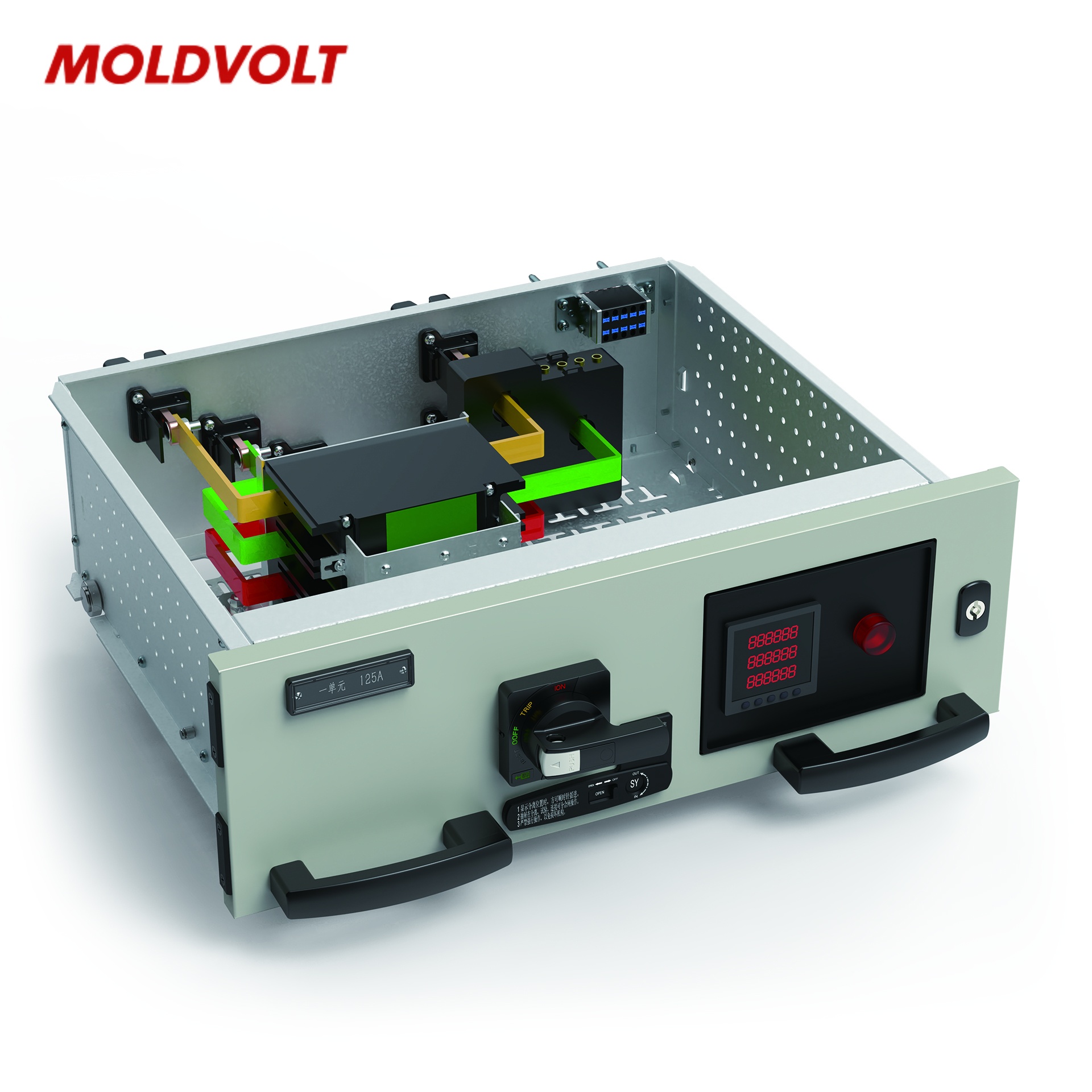
A dependable electrical control cabinet requires components that work together electrically and mechanically. Contactors should be compatible with the control circuit, load characteristics, protective devices, mounting arrangement, and available wiring space. During panel assembly, technicians should verify terminal identification, conductor connections, coil voltage, and the intended switching sequence. For example, an equipment manufacturer can standardize contactor selection across compatible machinery models to simplify documentation and replacement planning. Volt Cabinet supports customers evaluating electrical cabinet integration requirements for industrial and commercial projects. Careful component selection and functional testing can improve assembly consistency, simplify troubleshooting, and support organized maintenance throughout the equipment's operating life.

Get a Free Quote

Our representative will contact you soon.
Email
Mobile/WhatsApp
Name
Company Name
Message
0/1000