Power Breaker Selection Guide: Industrial & Commercial Solutions

All Categories
Power Breaker Performance Reviews

Power Breaker Performance Reviews

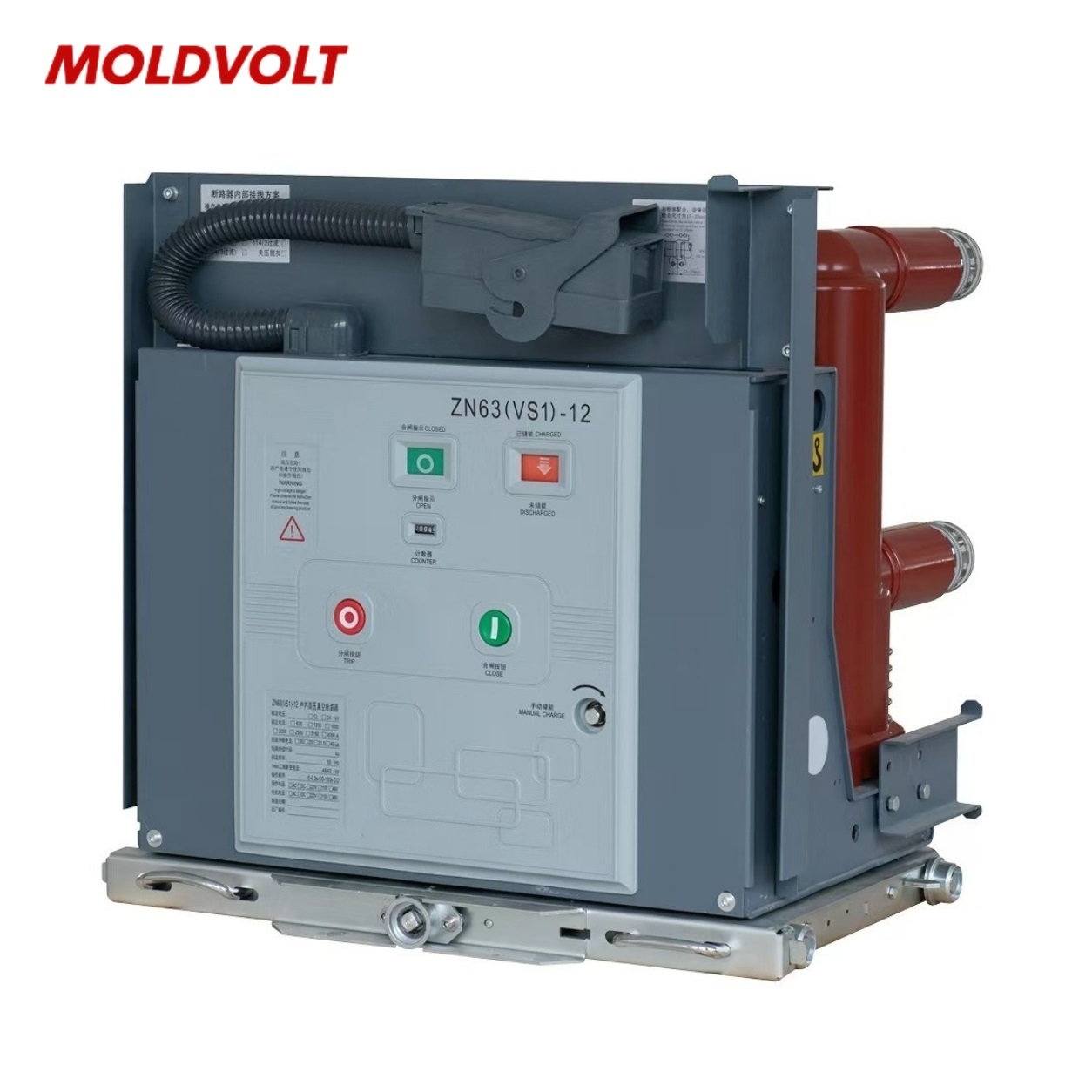
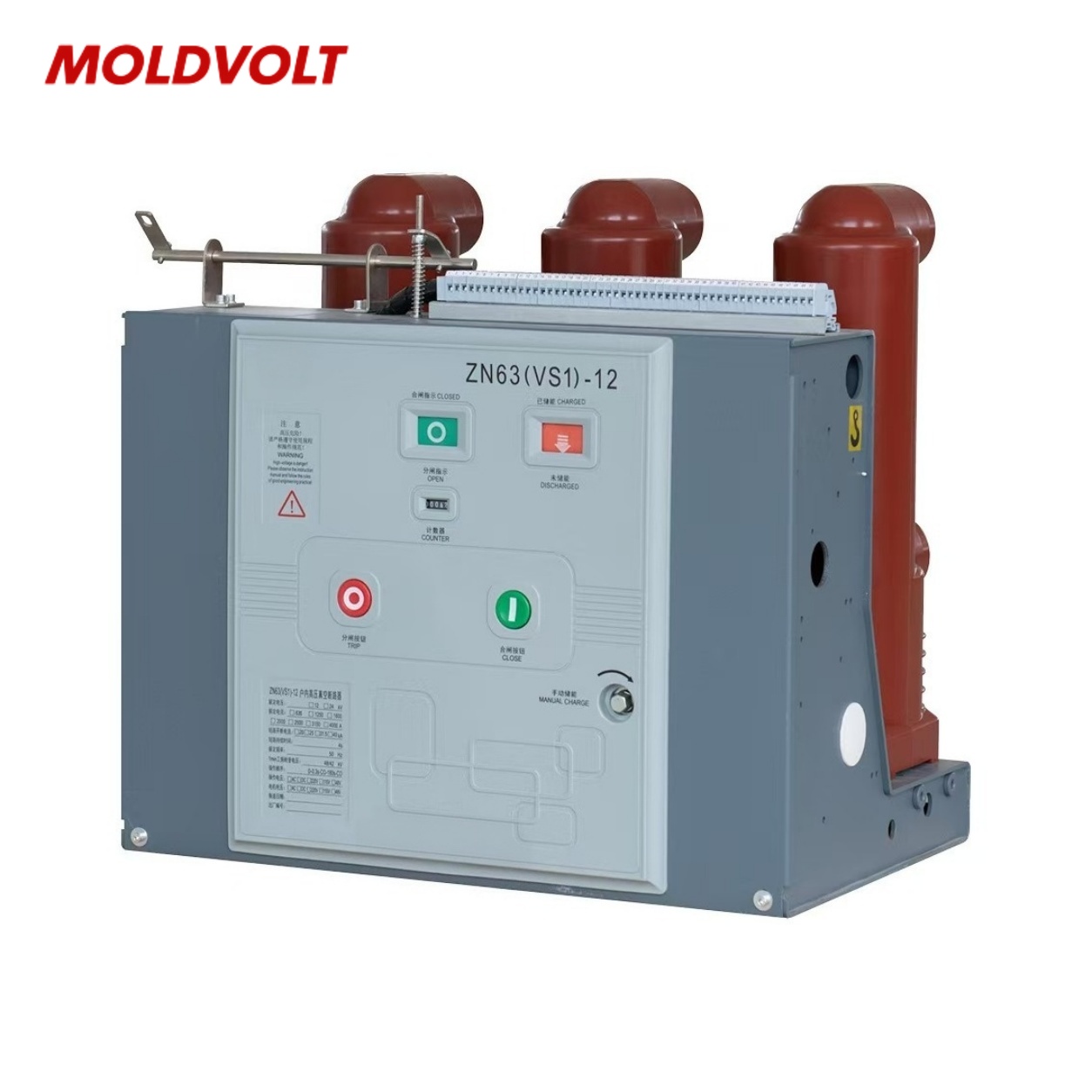
Voltcabinet provides power breaker solutions designed to support dependable circuit protection in industrial facilities, commercial buildings, and electrical distribution networks. Proper breaker selection helps isolate overloaded or short-circuited circuits, protecting connected equipment and reducing the risk of costly interruptions. Depending on project requirements, configurations can be selected for different rated voltages, current capacities, installation environments, and coordination strategies. For example, manufacturing plants may require breakers compatible with motor control and distribution systems, while commercial developments often prioritize compact layouts and straightforward maintenance. Each specification should be verified against applicable electrical standards, prospective fault current, and system operating conditions to ensure safe integration and consistent performance.
Get A Quote

Case Study

Industrial Manufacturing Power Distribution

Manufacturing facilities depend on stable electrical distribution to keep production equipment operating safely. A properly specified power breaker can help protect feeder circuits, distribution boards, and machinery against overloads and short circuits. For a hypothetical production-line upgrade, engineers could evaluate rated current, breaking capacity, motor starting characteristics, and coordination with upstream protection devices before selecting suitable equipment. This engineering approach helps reduce the likelihood of unnecessary trips while ensuring faults can be isolated appropriately. Voltcabinet can support project discussions around panel integration and breaker configuration, with final selections based on verified technical requirements, installation conditions, and applicable electrical regulations.

Commercial Building Electrical Protection

Office buildings, shopping centers, and mixed-use developments require coordinated electrical protection across multiple distribution levels. Power breakers installed in main distribution boards and subpanels help isolate faulty circuits while supporting the continued operation of unaffected loads where system design permits. In a hypothetical commercial renovation, the project team would review demand calculations, available fault current, selectivity requirements, and enclosure dimensions before confirming breaker specifications. A well-planned configuration can simplify maintenance access and improve the clarity of circuit identification. Voltcabinet's project-oriented approach supports equipment selection discussions for commercial electrical panels, helping buyers align product requirements with installation drawings, technical documentation, and local compliance obligations.

Industrial Facility Distribution Panel Upgrade

When an industrial facility expands its production capacity, its existing electrical distribution system may require reassessment. Engineers must determine whether installed breakers can accommodate revised loads and withstand the available short-circuit current. For a hypothetical facility upgrade, reviewing conductor sizing, load diversity, protective coordination, and panel space helps establish whether replacement breakers or redesigned assemblies are necessary. Appropriate power breaker selection can improve fault isolation and support safer maintenance procedures without promising uninterrupted operation under every condition. Voltcabinet can discuss breaker integration requirements with project buyers and panel builders, helping them evaluate equipment compatibility before procurement, installation, and commissioning.

Related products

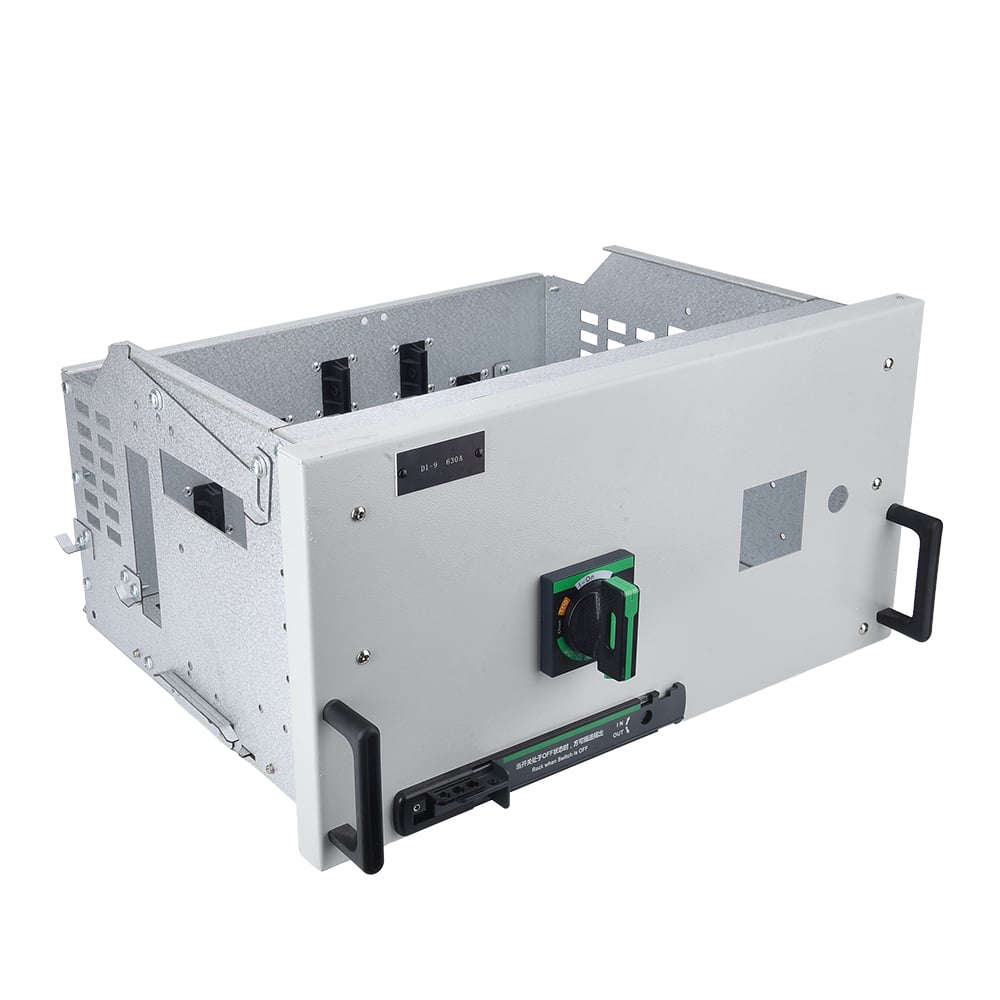
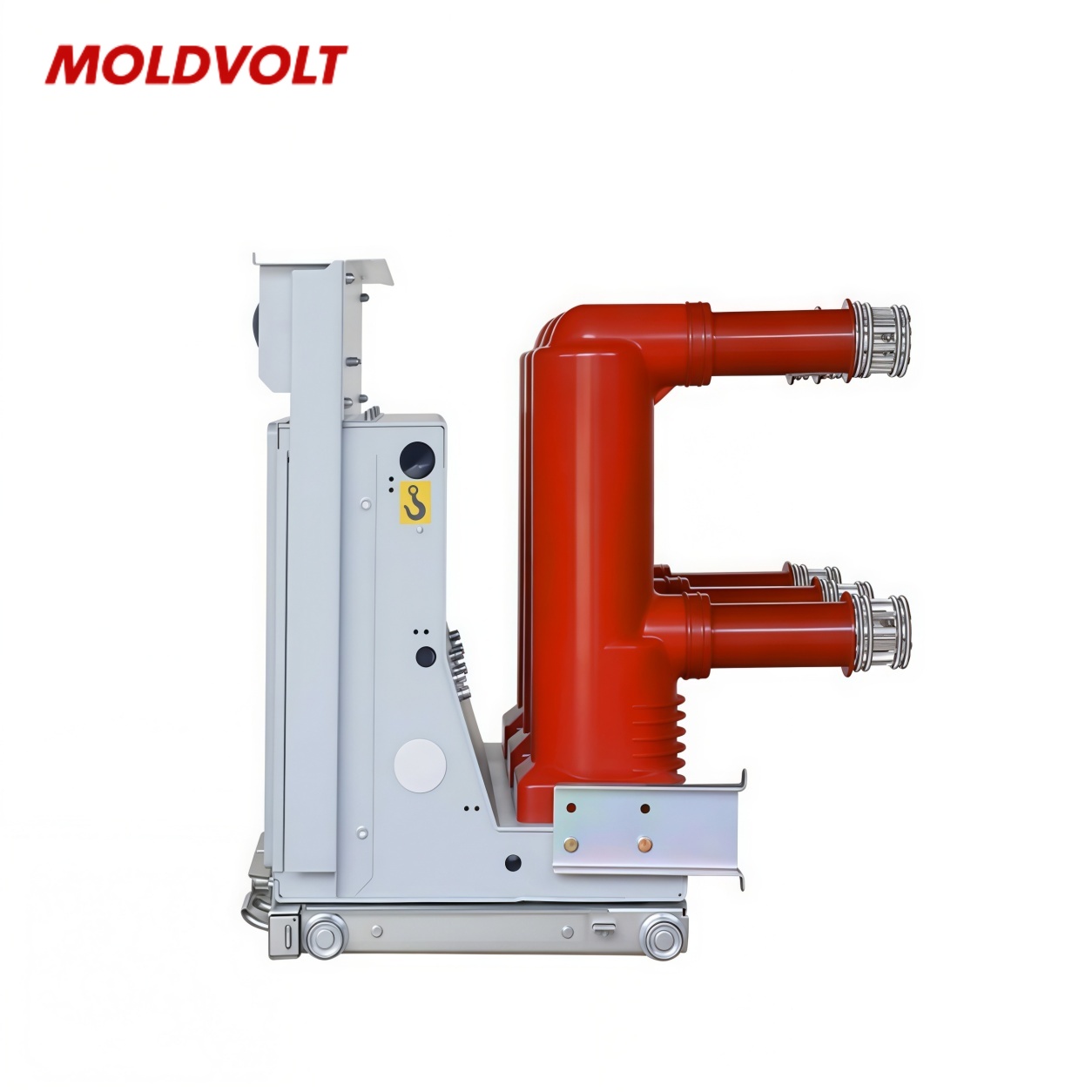
Power breakers are essential components in electrical distribution systems, protecting circuits when overloads or short circuits occur. Their performance depends on correctly matched rated voltage, continuous current, interrupting capacity, trip characteristics, and installation conditions. Voltcabinet supports project-based electrical equipment sourcing for industrial and commercial distribution applications, where breaker compatibility with switchgear, distribution boards, and protective devices is critical. During specification, engineers should assess maximum demand, prospective fault current, ambient temperature, enclosure requirements, and coordination with upstream and downstream devices. For example, a factory adding production machinery may need to verify feeder capacity and motor protection before upgrading its distribution panel. Depending on the application, air, molded-case, miniature, or other breaker types may be appropriate. Buyers should confirm product ratings, applicable IEC or regional standards, available documentation, and customization options before ordering. Clear technical communication helps align procurement decisions with installation drawings, project schedules, and long-term maintenance requirements.

Frequently Asked Questions

How do I choose the right power breaker for an industrial application?

Start by confirming the system voltage, expected operating current, prospective short-circuit current, and load characteristics. Review the required breaking capacity, trip settings, installation environment, and coordination with other protective devices. A qualified electrical engineer should verify the final selection against applicable standards and the project's electrical design.
Circuit breaker is the general term for a switching and protective device that interrupts current under specified conditions. Power breaker commonly describes breakers used in power distribution or higher-capacity applications, although terminology varies by market and manufacturer. Always compare actual ratings, construction, and intended application rather than relying on the product name alone.
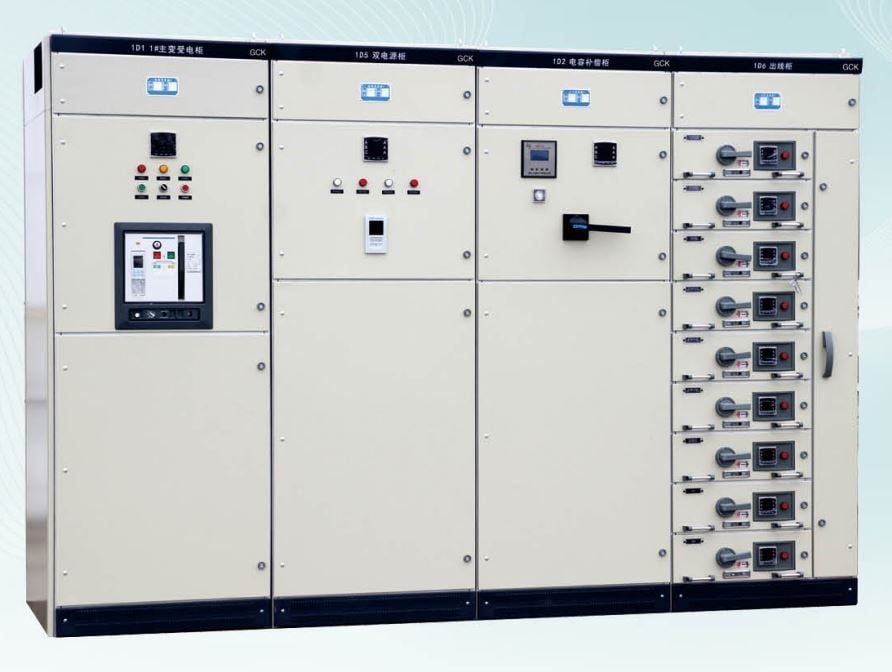
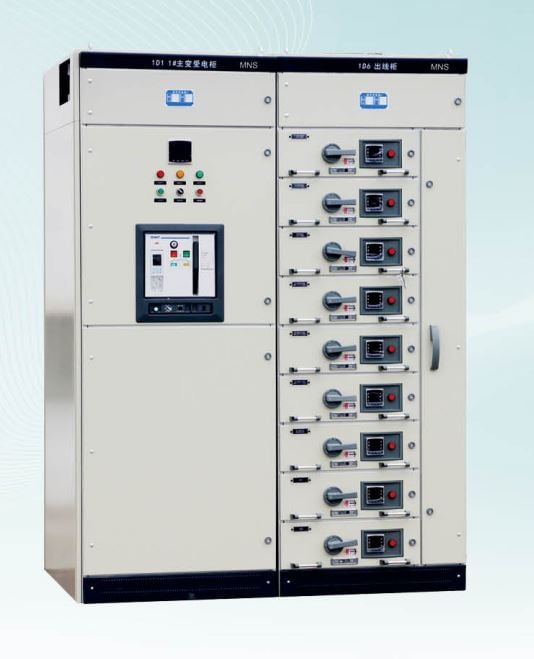
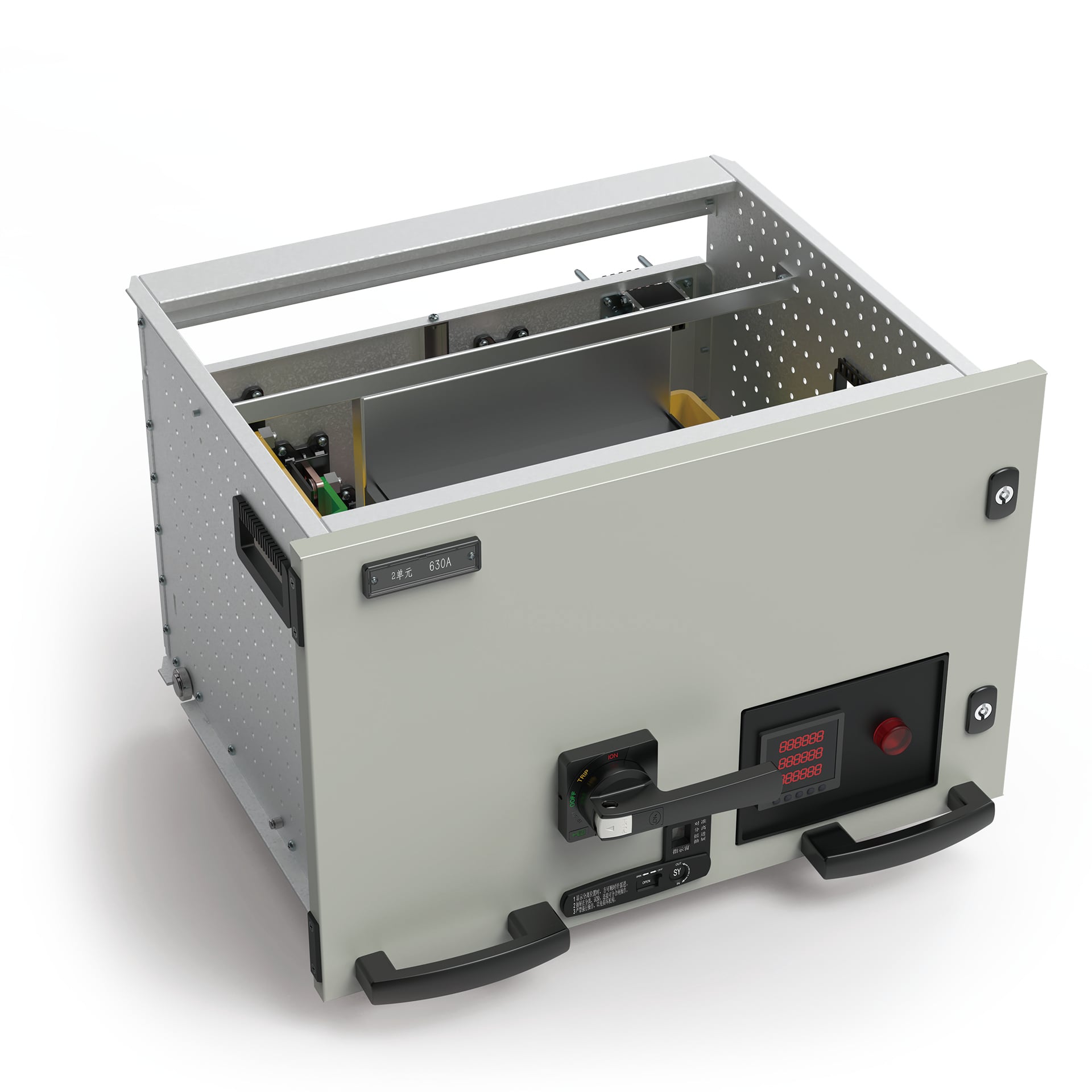
Yes, suitable power breakers can be incorporated into compatible switchgear and distribution panel assemblies. Integration requires checking mounting dimensions, busbar connections, electrical ratings, insulation clearances, and protection coordination. Buyers should provide panel drawings and system specifications so the equipment supplier can assess compatibility before manufacturing, installation, and commissioning.
Buyers should verify rated voltage, rated current, pole configuration, breaking capacity, trip characteristics, operating mechanism, and applicable certification requirements. Environmental conditions and enclosure protection may also affect selection. For customized projects, provide electrical schematics, installation dimensions, and relevant standards to reduce specification errors and procurement delays.
Correctly selected breakers help technicians isolate affected circuits and perform authorized maintenance procedures. Clear labeling, accessible installation, suitable protective coordination, and available technical documentation can simplify troubleshooting. Maintenance intervals should follow manufacturer instructions and applicable regulations, with isolation, lockout procedures, and verification of an electrically safe condition completed before work begins.

Related article

What cable clamp material suits high temperature switchgear cabinets?

19

Sep

What cable clamp material suits high temperature switchgear cabinets?

Understanding High-Temperature Challenges in Switchgear CabinetsTypical Operating Temperatures and Thermal Stress Sources (Busbars, Load Cycling, Enclosure Design)Switchgear cabinets experience elevated temperatures primarily due to resistive losses ...
View More
Cabinet corrosion resistance determines service life in coastal engineering sites.

23

Sep

Cabinet corrosion resistance determines service life in coastal engineering sites.

Why Coastal Environments Accelerate Cabinet CorrosionThe chloride-humidity synergy: How salt aerosols and sustained high RH drive electrochemical degradationCoastal atmospheres subject cabinet enclosures to a uniquely aggressive combination of airbor...
View More
Insulator dimensional tolerance controls assembly efficiency in switchgear.

25

Sep

Insulator dimensional tolerance controls assembly efficiency in switchgear.

Why Insulator Dimensional Tolerance Is the Silent Driver of Switchgear Assembly EfficiencyIn high-voltage switchgear, insulators do much more than prevent flashover—they serve as load-bearing anchors that dictate how quickly and precisely busbars, ci...
View More
Cable clamp vs cable tie: which one delivers long term stability in panels?

27

Oct

Cable clamp vs cable tie: which one delivers long term stability in panels?

Mechanical Performance Under Thermal Stress Polymer creep and thermal expansion mismatch in nylon cable ties at 60–85°C Nylon 6/6 cable ties undergo measurable mechanical degradation when exposed continuously to 60–85 °C. At the...
View More

Customer Testimonials

Michael Turner

We integrated these power breakers into our industrial distribution panels, improving operational reliability and simplifying maintenance across multiple production areas. The configuration process was efficient and straightforward.

David Wilson

The power breaker solutions met our project specifications and supported reliable circuit protection across several commercial installations. Technical communication and configuration support helped streamline procurement and panel integration.

Get a Free Quote

Our representative will contact you soon.
Email
Mobile/WhatsApp
Name
Company Name
Message
0/1000
Application-Focused Breaker Selection

Application-Focused Breaker Selection

Selecting a power breaker involves more than matching an amperage value. Engineers must consider operating voltage, load behavior, fault current, ambient temperature, and coordination with other protective devices. These factors become especially important in factories with motors, pumps, compressors, and automated production lines, where starting currents and fault conditions can vary considerably. Voltcabinet supports specification discussions that help project teams identify relevant technical requirements before procurement. For example, a facility expanding its machinery lineup may need to reassess feeder loading and available breaking capacity before modifying an existing distribution panel. Reviewing these parameters early can reduce compatibility issues and support a more reliable installation process. Final selection should always be validated by qualified professionals.
Power Distribution Integration and Project Support

Power Distribution Integration and Project Support

Power breakers must operate as part of a coordinated electrical distribution system rather than as isolated components. Their compatibility with switchgear, busbars, protective relays, and downstream circuits influences both system safety and maintainability. In commercial buildings, electrical contractors may need compact panel arrangements and clearly documented circuit protection, while industrial projects may demand higher fault ratings or specialized operating characteristics. Voltcabinet helps buyers organize equipment requirements around application conditions, technical drawings, and project specifications. Before ordering, customers should confirm dimensional compatibility, terminal arrangements, required certifications, and applicable installation standards. A structured review of these details can improve communication between equipment suppliers, panel builders, consultants, and installation teams throughout project delivery.

Get a Free Quote

Our representative will contact you soon.
Email
Mobile/WhatsApp
Name
Company Name
Message
0/1000