Low Voltage Insulator Solutions for Industrial Cabinets

All Categories
Reliable Low Voltage Insulator Performance for Industrial Applications

Reliable Low Voltage Insulator Performance for Industrial Applications

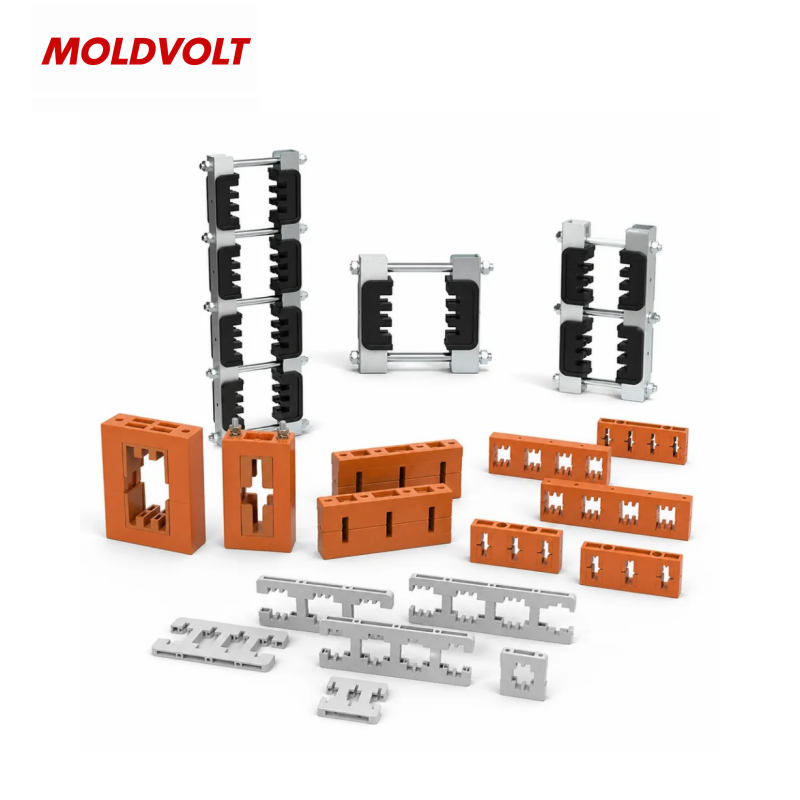
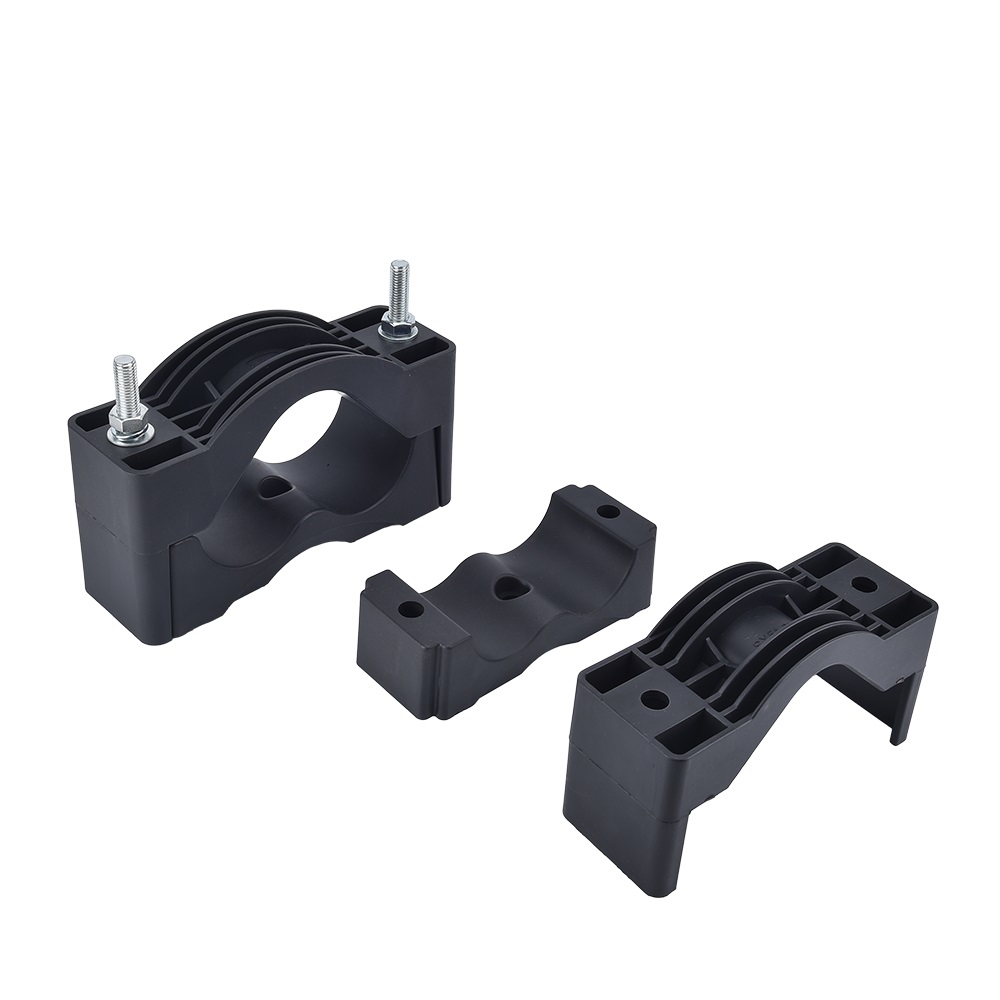
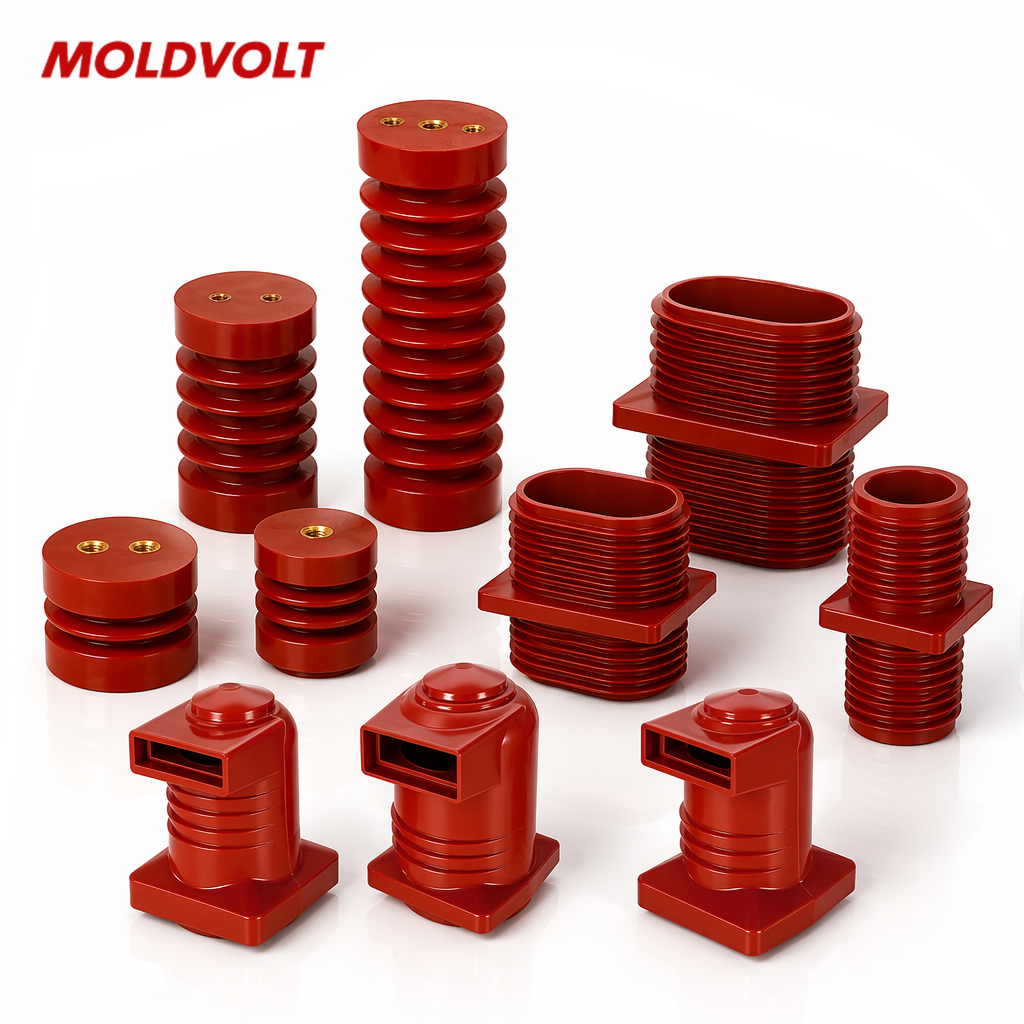
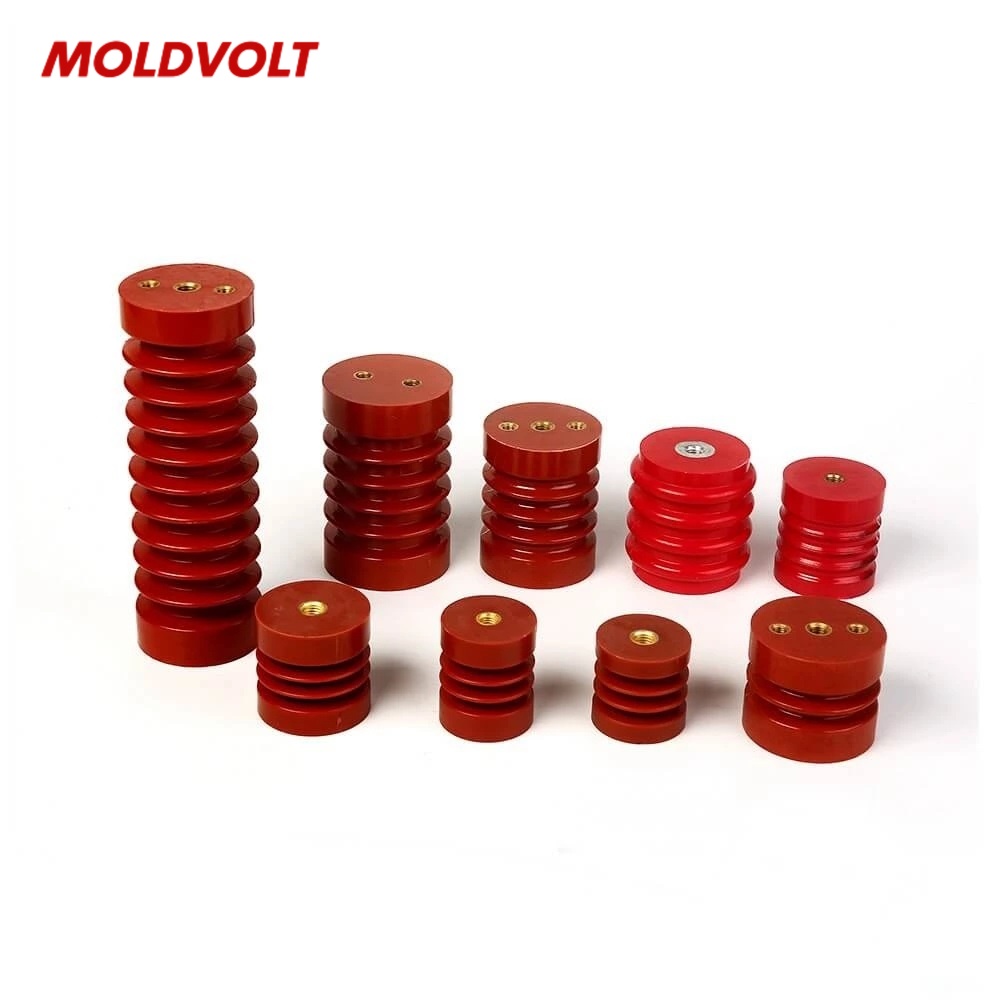
Voltcabinet provides low voltage insulators designed to support dependable electrical isolation and mechanical stability in distribution equipment. Suitable for switchboards, control cabinets, busbar systems, and industrial electrical assemblies, these components help maintain safe separation between energized conductors and supporting structures. Carefully selected insulating materials provide consistent dielectric properties, while precise manufacturing supports accurate installation and stable positioning. Custom dimensions and structural configurations can accommodate different equipment layouts and project requirements. For manufacturers handling multiple cabinet specifications, dependable component consistency helps simplify assembly and quality control. Each solution is developed with practical installation conditions, electrical performance requirements, and long-term operational reliability in mind.
Get A Quote

Case Study

Industrial Power Distribution Cabinet Integration

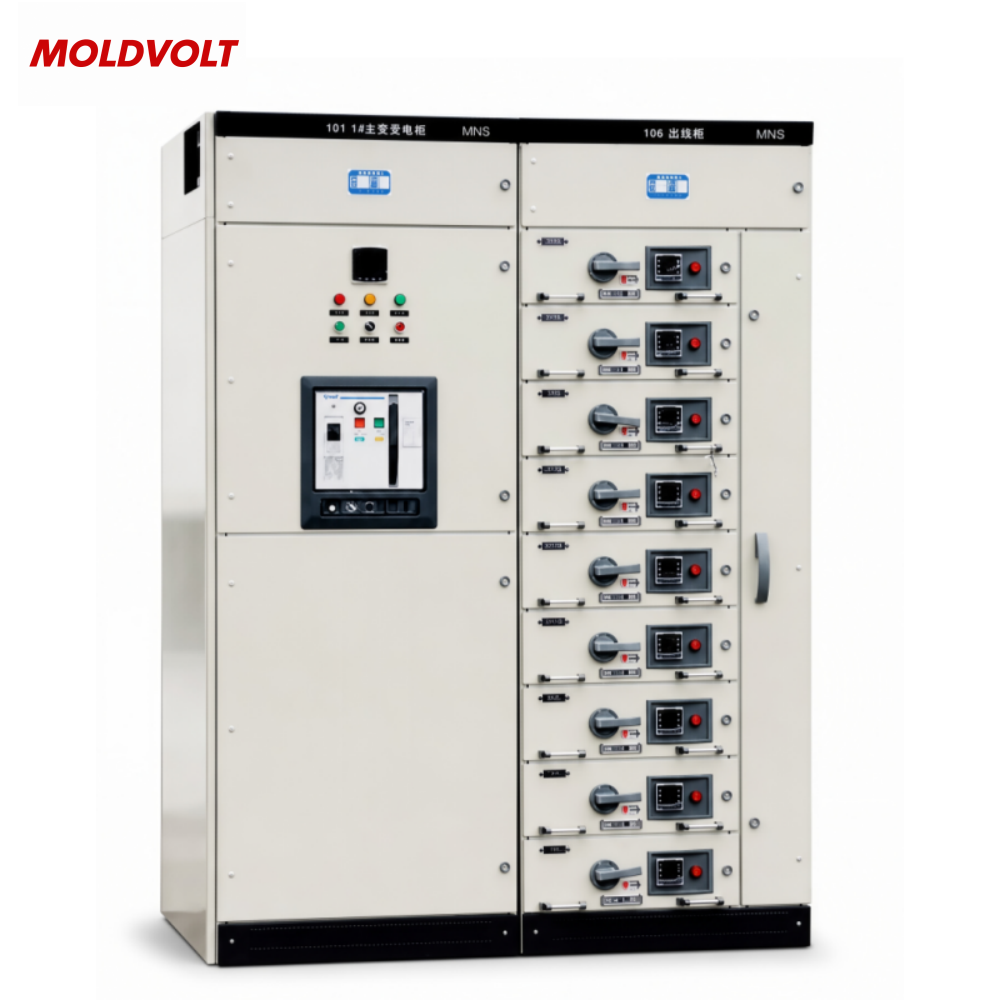
A power distribution equipment manufacturer required reliable insulation components for its low voltage cabinet assembly line. The selected insulators provided stable support for busbar arrangements while maintaining electrical separation between conductive components and metal enclosures. Their dimensional consistency helped technicians complete installations with fewer positioning adjustments. Across a production batch of 120 distribution cabinets, standardized component specifications supported more efficient assembly and inspection procedures. The application demonstrated the importance of combining appropriate dielectric properties with mechanical strength. For industrial manufacturers, selecting suitable low voltage insulators helps improve equipment consistency and supports dependable electrical distribution performance under normal operating conditions.

Commercial Building Electrical Distribution Systems

A commercial electrical contractor needed insulation components for distribution panels serving a large office development. The project required reliable separation of conductive parts within compact electrical enclosures. Low voltage insulators were selected according to the equipment configuration, installation dimensions, and applicable electrical requirements. Their stable construction helped maintain consistent conductor positioning during cabinet assembly. Across 36 distribution panels, standardized specifications simplified component procurement and installation coordination. This application highlights how properly selected insulating supports contribute to organized panel layouts, reliable electrical isolation, and easier maintenance. Accurate dimensional matching remains essential when integrating insulation components into commercial building power distribution systems.

Industrial Machinery Control Panel Manufacturing

An industrial automation equipment manufacturer needed dependable insulation components for control panels used in machinery production facilities. The application involved compact electrical assemblies containing busbars, switching devices, and multiple conductive connections. Suitable low voltage insulators provided mechanical support while maintaining the required separation between energized components. Their consistent dimensions helped improve installation accuracy across different control panel configurations. In a production batch of 80 panels, standardized component selection supported more predictable assembly procedures. This case demonstrates how appropriate insulation materials and structural designs can contribute to reliable control cabinet construction, particularly where space efficiency, electrical safety, and manufacturing consistency are important.

Related products

Low voltage insulators are essential components in electrical distribution systems, providing insulation and mechanical support for energized conductors. They are widely used in switchboards, distribution cabinets, busbar assemblies, industrial control panels, and power management equipment. Voltcabinet focuses on supplying electrical components designed around practical equipment requirements, including installation dimensions, structural configurations, and insulation performance. Material selection plays an important role in insulating component manufacturing. Common options include electrical-grade thermosetting materials and other suitable insulating polymers, depending on operating conditions and application requirements. Manufacturing considerations include dimensional accuracy, structural integrity, surface quality, and dielectric characteristics. These factors influence component compatibility and long-term service performance. For equipment manufacturers, standardized specifications can simplify procurement and improve assembly consistency. Customized dimensions and configurations also help accommodate different cabinet structures and busbar arrangements. Whether supporting a small control panel or a larger industrial distribution system, selecting the appropriate low voltage insulator requires consideration of rated voltage, operating environment, mechanical loading, and relevant standards. Voltcabinet aims to provide practical component solutions for international electrical equipment manufacturers and distributors.

Frequently Asked Questions

What Are Low Voltage Insulators Used For?

Low voltage insulators provide electrical separation and mechanical support for conductive components in electrical equipment. They are commonly installed in distribution cabinets, switchboards, busbar systems, and industrial control panels to help prevent unintended electrical contact and maintain stable component positioning.
Common materials include epoxy resin, polyester-based compounds, and other electrical-grade insulating polymers. Material selection depends on dielectric requirements, mechanical strength, temperature resistance, environmental conditions, and the intended equipment application.
Consider rated voltage, installation dimensions, conductor arrangement, mechanical loading, and operating temperature. You should also evaluate the insulating material and relevant product standards. Providing drawings or equipment specifications helps suppliers recommend a compatible configuration.
Yes. Depending on manufacturing capabilities, insulators can be supplied in different dimensions, shapes, mounting configurations, and material options. Customized solutions are useful for manufacturers developing specialized distribution cabinets, switchboards, and industrial electrical assemblies.
They are widely installed in industrial distribution panels, commercial switchboards, electrical control cabinets, and busbar support assemblies. Their specific application depends on system voltage, equipment design, insulation requirements, and mechanical installation conditions.

Related article

What cable clamp material suits high temperature switchgear cabinets?

19

Sep

What cable clamp material suits high temperature switchgear cabinets?

Understanding High-Temperature Challenges in Switchgear CabinetsTypical Operating Temperatures and Thermal Stress Sources (Busbars, Load Cycling, Enclosure Design)Switchgear cabinets experience elevated temperatures primarily due to resistive losses ...
View More
Why cabinet condensation leads to insulation failure in electrical equipment?

21

Sep

Why cabinet condensation leads to insulation failure in electrical equipment?

The Science of Cabinet Condensation: How Temperature, Humidity, and Design InteractDew Point Formation Inside Enclosures Due to Thermal GradientsCondensation inside an electrical cabinet is not simply a matter of seal failure—it is governed by the de...
View More
What switchgear maintenance items prevent unexpected power outage risks?

10

Oct

What switchgear maintenance items prevent unexpected power outage risks?

Top 3 Root Causes of Switchgear-Related Power Outages Insulation degradation and partial discharge: leading precursors to cascade failure Insulation systems in switchgear degrade gradually under electrical, thermal, and environmental stress. Cracks...
View More
Insulator dimension design follows international high voltage standards strictly.

16

Oct

Insulator dimension design follows international high voltage standards strictly.

Core IEC Standards Governing Insulator Dimension Design IEC 60383: Mechanical and Electrical Requirements for Ceramic and Glass Insulators The IEC 60383 series defines the mechanical and electrical test regimes that ceramic and glass insulators mus...
View More

Customer Testimonials

Michael Brown

We integrated these insulators into our low voltage distribution cabinets. Their stable insulation performance and precise dimensions simplified installation and improved assembly consistency across multiple production batches.

James Wilson

The insulators delivered reliable electrical isolation in our industrial switchgear project. Their durable construction and consistent quality helped reduce installation adjustments across 120 assembled cabinet units.

Get a Free Quote

Our representative will contact you soon.
Email
Mobile/WhatsApp
Name
Company Name
Message
0/1000
Consistent Material Quality and Electrical Insulation

Consistent Material Quality and Electrical Insulation

Material selection directly influences the electrical and mechanical performance of low voltage insulators. Voltcabinet considers application requirements when supplying components for distribution cabinets, switchboards, and industrial control equipment. Suitable electrical-grade materials help provide dielectric insulation, structural stability, and resistance to operating stresses. Manufacturing quality also matters, particularly when components must fit accurately into standardized busbar assemblies. For example, a cabinet manufacturer producing 100 distribution panels may benefit from consistent material specifications and dimensional tolerances across every production batch. These characteristics help simplify incoming inspection, reduce unnecessary assembly adjustments, and support repeatable equipment construction. Selecting appropriate materials according to operating conditions remains essential for dependable insulation performance.
Flexible Dimensions for Different Electrical Cabinet Designs

Flexible Dimensions for Different Electrical Cabinet Designs

Electrical equipment manufacturers often work with different cabinet dimensions, busbar arrangements, and mounting requirements. Standardized insulators may not accommodate every installation configuration, making dimensional flexibility an important purchasing consideration. Voltcabinet supports component selection based on equipment drawings, required measurements, and application specifications. Suitable configurations can help maintain conductor spacing while providing stable mechanical support within compact electrical enclosures. For example, manufacturers developing several low voltage distribution cabinet models can use application-specific dimensions to improve component compatibility across their product range. Accurate measurements also help reduce installation difficulties and simplify production planning. This approach supports practical integration into industrial, commercial, and customized electrical distribution equipment.

Get a Free Quote

Our representative will contact you soon.
Email
Mobile/WhatsApp
Name
Company Name
Message
0/1000