Transformer Coil Solutions: Precision Winding & Material Selection

All Categories
Customer Feedback on Transformer Coil Quality and Performance

Customer Feedback on Transformer Coil Quality and Performance

VoltCabinet provides transformer coil solutions designed to support dependable electrical performance across industrial facilities, commercial buildings, and utility distribution systems. Coil configuration, conductor selection, insulation structure, and winding geometry all influence electrical efficiency, temperature control, and service life. By matching these parameters to the intended transformer design, manufacturers can address different voltage ratings, load profiles, and installation requirements. Engineering reviews help clarify technical specifications before production, while consistent manufacturing procedures support repeatable assembly. For projects requiring customized transformer components, buyers can discuss operating conditions, dimensional constraints, and performance expectations in advance. This approach helps reduce specification mismatches and supports reliable integration into complete transformer systems.
Get A Quote

Case Study

Distribution Transformer Coil Integration

A distribution equipment manufacturer needed transformer coils compatible with compact units serving commercial buildings and local power networks. The project focused on winding dimensions, insulation clearances, conductor requirements, and compatibility with the existing core assembly. By reviewing the electrical specifications before component production, the engineering team could coordinate coil dimensions with the transformer enclosure and connection layout. This process helped simplify assembly planning and reduce the risk of dimensional conflicts during installation. For similar applications, buyers should provide rated voltage, capacity, frequency, and cooling requirements so the coil configuration can be evaluated against the complete transformer design.

Industrial Transformer Coil Customization

An industrial equipment integrator required coils for transformers supplying machinery with changing operational loads. The main considerations included conductor sizing, winding arrangement, insulation performance, and heat dissipation under expected operating conditions. A specification-led approach helped the engineering team assess these requirements alongside the transformer's electrical design. The resulting component configuration was intended to support stable operation while fitting the available installation space. Industrial buyers can use this approach when developing transformers for manufacturing plants, processing facilities, and automated production lines. Final coil selection should be confirmed through electrical calculations, thermal evaluation, insulation coordination, and applicable testing procedures.

Replacement Coil Planning for Transformer Maintenance

A maintenance contractor needed to evaluate replacement coils for aging transformer equipment in a facility power system. Accurate identification of the original winding arrangement, conductor material, insulation dimensions, and terminal configuration was essential to avoid compatibility issues. The team gathered nameplate information and existing component measurements before discussing replacement requirements with its supplier. This preparation helped establish a clearer technical basis for procurement and installation planning. For similar maintenance projects, buyers should confirm the transformer model, rated capacity, voltage ratio, frequency, and available drawings. Replacement coils must be validated for electrical compatibility and safety before the transformer returns to service.

Related products

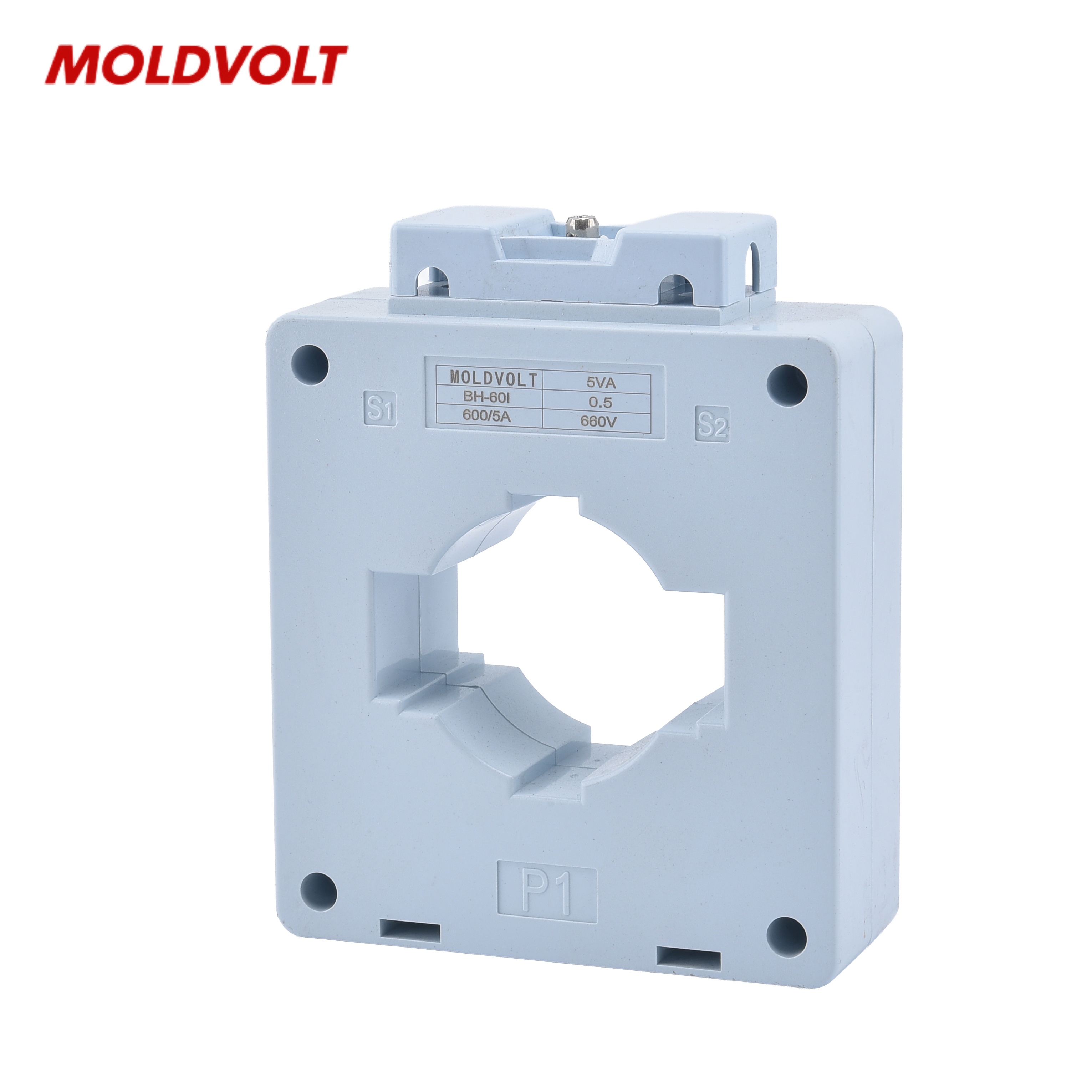
Transformer coils are essential components that transfer electrical energy between windings through electromagnetic induction. Their design directly influences voltage transformation, resistance losses, insulation coordination, and thermal behavior. VoltCabinet supports transformer equipment sourcing by helping customers define coil requirements according to the intended application, transformer architecture, and operating environment. Coil specifications may include copper or aluminum conductors, winding dimensions, turn arrangements, insulation materials, and connection configurations. Copper offers high electrical conductivity, while aluminum can provide a lighter alternative when conductor sizing and system requirements are properly evaluated. The appropriate choice depends on the design, operating temperature, available space, and project budget. For distribution networks, industrial machinery, and commercial power systems, accurate winding specifications help ensure compatibility with the transformer core and surrounding components. Buyers should also consider rated voltage, power capacity, operating frequency, cooling method, and applicable electrical standards. Manufacturing quality should be assessed through suitable dimensional inspections, resistance measurements, insulation checks, and other design-specific tests. Actual performance depends on the complete transformer design and verified test results. Providing drawings and technical requirements early helps streamline supplier evaluation and supports more efficient project coordination.

Frequently Asked Questions

What information is needed to specify a transformer coil?

Provide the transformer type, rated power, primary and secondary voltages, operating frequency, conductor preference, winding dimensions, and insulation requirements. Existing drawings, nameplate photographs, and core measurements can further improve specification accuracy. The supplier and transformer engineer should confirm compatibility before manufacturing or installing a replacement coil.
Copper generally offers higher electrical conductivity for a given conductor cross-section, while aluminum can reduce conductor weight and material cost. The best option depends on current requirements, winding dimensions, thermal performance, connection design, and budget. Compare complete engineering specifications rather than selecting materials by price alone.
Coil resistance contributes to winding losses, while conductor sizing, winding geometry, and operating temperature influence overall performance. Appropriate materials and carefully engineered winding arrangements can help manage losses. However, transformer efficiency also depends on core losses, loading conditions, cooling, and other design factors, so complete-unit testing remains important.
Custom coils may be feasible when sufficient information about the original transformer is available. Suppliers typically need voltage ratings, capacity, winding configuration, conductor details, core dimensions, terminal positions, and insulation specifications. Engineering verification is essential because seemingly minor differences can affect electrical performance, clearances, temperature rise, and installation compatibility.
Depending on the design and applicable standards, inspection may include dimensional verification, winding resistance measurement, insulation resistance testing, and dielectric tests. Additional checks may be necessary for particular transformer types. The required test plan should be agreed upon with the manufacturer and qualified electrical engineer before production and acceptance.

Related article

How to customize cabinet dimensions to fit existing switchgear layouts?

26

Sep

How to customize cabinet dimensions to fit existing switchgear layouts?

Step 1: Accurate Site Assessment and Dimensional BenchmarkingMeasuring mechanical layout, clearances, and structural constraints in legacy electrical roomsA successful retrofit begins with a meticulous site survey. Older electrical rooms rarely match...
View More
What switchgear maintenance items prevent unexpected power outage risks?

10

Oct

What switchgear maintenance items prevent unexpected power outage risks?

Top 3 Root Causes of Switchgear-Related Power Outages Insulation degradation and partial discharge: leading precursors to cascade failure Insulation systems in switchgear degrade gradually under electrical, thermal, and environmental stress. Cracks...
View More
Insulator dimension design follows international high voltage standards strictly.

16

Oct

Insulator dimension design follows international high voltage standards strictly.

Core IEC Standards Governing Insulator Dimension Design IEC 60383: Mechanical and Electrical Requirements for Ceramic and Glass Insulators The IEC 60383 series defines the mechanical and electrical test regimes that ceramic and glass insulators mus...
View More
Cable clamp vs cable tie: which one delivers long term stability in panels?

27

Oct

Cable clamp vs cable tie: which one delivers long term stability in panels?

Mechanical Performance Under Thermal Stress Polymer creep and thermal expansion mismatch in nylon cable ties at 60–85°C Nylon 6/6 cable ties undergo measurable mechanical degradation when exposed continuously to 60–85 °C. At the...
View More

Customer Testimonials

Michael Turner

The customized transformer coils met our voltage and installation requirements. Their stable performance helped simplify assembly and maintain consistent operation across multiple distribution units.

James Wilson

Technical communication was efficient, and coil specifications were clearly documented. This helped our engineering team coordinate transformer assembly and reduce avoidable production adjustments.

Get a Free Quote

Our representative will contact you soon.
Email
Mobile/WhatsApp
Name
Company Name
Message
0/1000
Precision Winding Specifications for Consistent Assembly

Precision Winding Specifications for Consistent Assembly

Accurate winding specifications help transformer manufacturers maintain dimensional compatibility and consistent electrical characteristics throughout assembly. Important parameters include conductor cross-section, number of turns, winding height, insulation thickness, and terminal arrangement. Each parameter must align with the transformer's electrical calculations and mechanical structure. For example, a compact distribution transformer may require carefully controlled coil dimensions to preserve insulation clearances inside a limited enclosure. Industrial transformer projects may prioritize current capacity and thermal performance under sustained operating loads. Establishing these requirements before production gives procurement and engineering teams a common reference for supplier evaluation. Appropriate inspections and documented test results then provide evidence that manufactured components meet the agreed specifications.
Material Selection for Thermal and Electrical Performance

Material Selection for Thermal and Electrical Performance

Selecting transformer coil materials requires balancing conductivity, mechanical strength, weight, thermal behavior, and overall project cost. Copper and aluminum are both used in transformer windings, but they require appropriate conductor sizing, connection methods, and thermal design. In high-load industrial applications, engineers must evaluate winding losses and temperature rise alongside expected duty cycles. Distribution equipment may instead require a balance between compact dimensions, manufacturing cost, and long-term operating reliability. Insulation materials must also match the voltage stress and temperature class specified for the transformer. A structured material review helps buyers compare technically suitable alternatives without relying on purchase price alone, supporting better-informed procurement decisions.

Get a Free Quote

Our representative will contact you soon.
Email
Mobile/WhatsApp
Name
Company Name
Message
0/1000