Insulation Wall Bushing Guide: Voltage, Creepage & Standards

All Categories
Customer Feedback on Insulation Wall Bushings

Customer Feedback on Insulation Wall Bushings

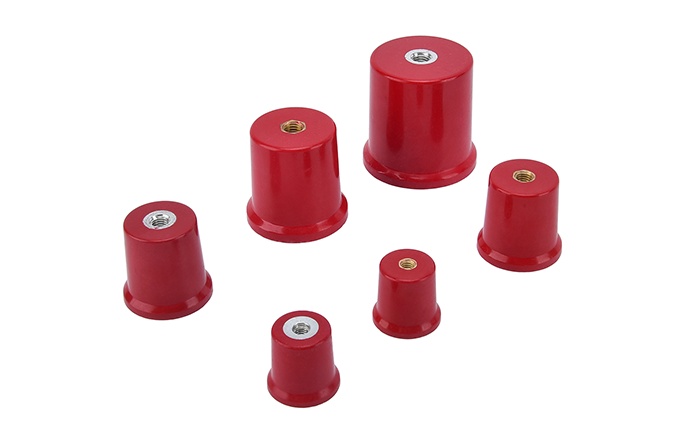
Insulation wall bushings provide a secure, insulated passage for electrical conductors through grounded walls and equipment partitions. They are commonly used in switchgear, substations, transformers, and industrial power distribution assemblies. Selecting the appropriate bushing requires evaluating voltage rating, current capacity, insulation withstand levels, creepage distance, and mounting dimensions. VoltCabinet supports application-based product selection to help buyers align component specifications with equipment designs. For indoor distribution panels and compartmentalized switchgear, accurate dimensional coordination can simplify assembly and reduce installation adjustments. Buyers should also consider humidity, pollution, temperature, and applicable electrical standards to ensure the selected bushing meets the project's operating and safety requirements.
Get A Quote

Case Study

Medium-Voltage Switchgear Integration

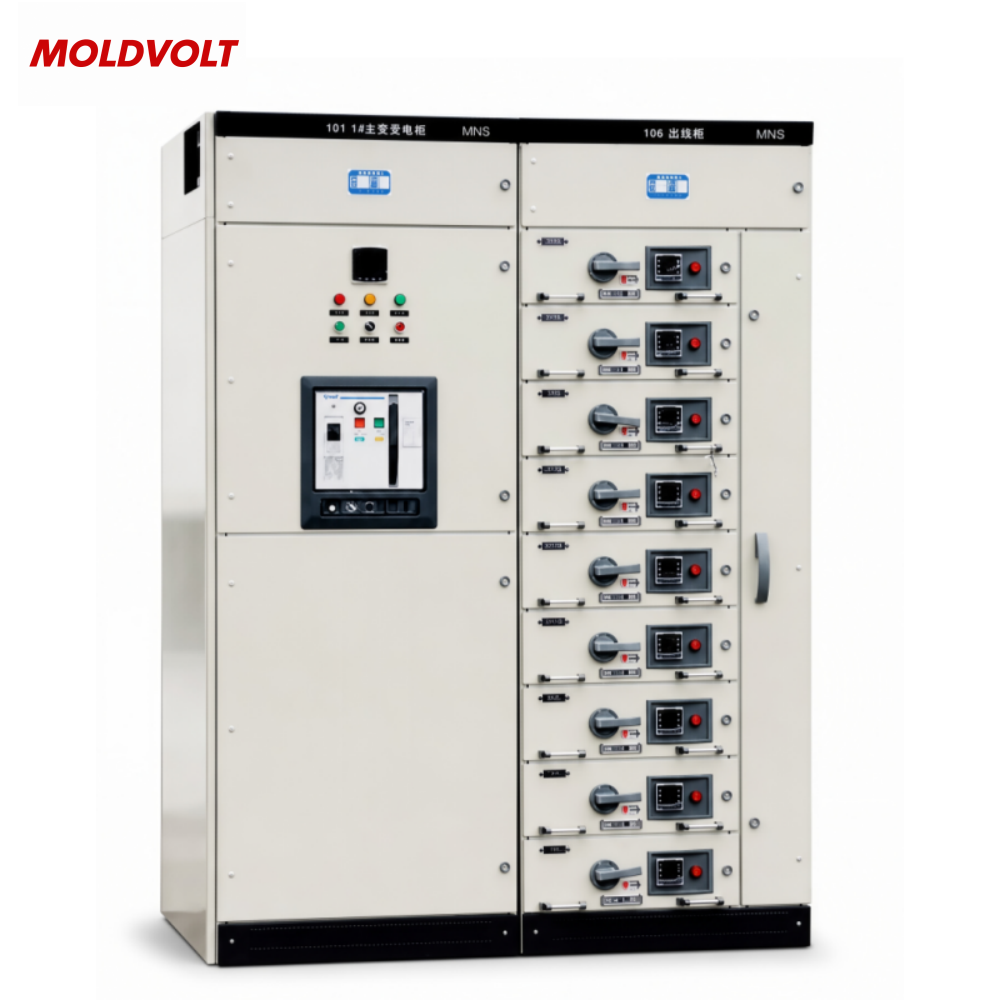
Medium-voltage switchgear uses insulation wall bushings to route conductors between compartments while maintaining electrical separation from grounded metal structures. Engineers must verify the rated voltage, insulation level, creepage distance, mounting arrangement, and conductor connection before choosing a component. In a 24kV-class installation, insulation coordination and required clearances should follow the switchgear design and applicable standards. VoltCabinet can help procurement teams organize these technical requirements and review product compatibility. Confirming dimensions and documentation before production helps reduce avoidable fitting problems during assembly. Final selection should be supported by approved drawings, applicable test reports, and the equipment manufacturer's installation requirements.

Substation Electrical Partitioning

Substations often contain electrical compartments that require reliable insulation where conductors pass through barriers. An insulation wall bushing can support this arrangement by providing a defined insulated interface between sections of electrical equipment. Project engineers should consider the installation environment, conductor dimensions, mechanical loading, electrical clearances, and exposure to moisture or pollution. For compact substations, early coordination between enclosure dimensions and bushing specifications can reduce design conflicts. VoltCabinet can assist buyers in reviewing application requirements before ordering. The selected component must match the system's rated conditions, and its suitability should be verified through technical documentation and the relevant electrical testing requirements.

Industrial Power Distribution Panels

Industrial facilities rely on distribution panels to deliver power safely to production equipment, auxiliary systems, and building infrastructure. Insulation wall bushings can help maintain electrical separation where conductors cross enclosure partitions. When specifying components for these applications, buyers should confirm rated current, voltage withstand levels, mounting dimensions, terminal arrangements, and environmental conditions. For projects involving multiple panel configurations, consistent drawings and specification records help coordinate engineering and procurement. VoltCabinet supports product discussions based on equipment requirements and intended applications. Installation should follow approved instructions, with clearances, connections, and insulation performance checked before commissioning.

Related products

An insulation wall bushing is an electrical component designed to allow a conductor to pass through a wall, partition, or grounded enclosure while maintaining the required insulation separation. It is widely applied in switchgear, substations, transformer assemblies, and industrial power distribution equipment. Depending on the design and operating conditions, bushings may use epoxy resin, porcelain, or other suitable insulating materials. Material choice influences dielectric performance, mechanical strength, environmental resistance, and maintenance requirements. For medium-voltage equipment, engineers should assess rated voltage, rated current, power-frequency withstand voltage, lightning impulse withstand level, creepage distance, and installation clearances. VoltCabinet supports electrical equipment sourcing through application-focused specification coordination. Buyers can provide drawings, conductor arrangements, operating conditions, and required standards to help determine a suitable configuration. Indoor and outdoor installations may require different considerations because humidity, pollution, altitude, and temperature can affect insulation performance. Before purchasing, request confirmed dimensions, material details, electrical ratings, installation instructions, and applicable test documentation. Matching these details to the equipment design helps reduce compatibility issues and supports reliable integration. The final product specification should be approved by the responsible electrical engineer and comply with the applicable project requirements.

Frequently Asked Questions

What is an insulation wall bushing used for?

An insulation wall bushing allows an electrical conductor to pass through a wall or grounded partition while maintaining electrical separation. Common applications include switchgear, substations, transformers, and industrial distribution panels. The correct selection depends on voltage rating, current requirements, insulation coordination, mounting dimensions, and the intended operating environment.
Common materials include epoxy resin and porcelain, while other engineered insulating materials may be used for specific designs. Material selection depends on electrical stress, mechanical requirements, environmental exposure, and manufacturing considerations. Buyers should confirm the actual material specification and its suitability for the intended application with the supplier.
Determine the system's nominal voltage, highest voltage for equipment, required insulation withstand levels, and applicable standards. Also evaluate creepage distance, clearances, altitude, and pollution conditions. The selected bushing must satisfy the equipment's insulation coordination requirements rather than being chosen solely by matching a nominal voltage label.
Certain designs may accommodate project-specific dimensions, mounting arrangements, conductor interfaces, and electrical requirements. Customization depends on the product range and engineering feasibility. Provide equipment drawings, rated parameters, environmental conditions, and required certifications so the supplier can evaluate compatibility, production requirements, testing, and lead time before confirming an order.
Verify the bushing model, dimensions, material condition, mounting arrangement, conductor connections, and required electrical clearances. Review the manufacturer's installation instructions and applicable test documentation. Ensure the component matches the approved design and that installation is performed by qualified personnel following relevant electrical safety procedures and project requirements.

Related article

Cabinet corrosion resistance determines service life in coastal engineering sites.

23

Sep

Cabinet corrosion resistance determines service life in coastal engineering sites.

Why Coastal Environments Accelerate Cabinet CorrosionThe chloride-humidity synergy: How salt aerosols and sustained high RH drive electrochemical degradationCoastal atmospheres subject cabinet enclosures to a uniquely aggressive combination of airbor...
View More
Insulator dimensional tolerance controls assembly efficiency in switchgear.

25

Sep

Insulator dimensional tolerance controls assembly efficiency in switchgear.

Why Insulator Dimensional Tolerance Is the Silent Driver of Switchgear Assembly EfficiencyIn high-voltage switchgear, insulators do much more than prevent flashover—they serve as load-bearing anchors that dictate how quickly and precisely busbars, ci...
View More
What switchgear maintenance items prevent unexpected power outage risks?

10

Oct

What switchgear maintenance items prevent unexpected power outage risks?

Top 3 Root Causes of Switchgear-Related Power Outages Insulation degradation and partial discharge: leading precursors to cascade failure Insulation systems in switchgear degrade gradually under electrical, thermal, and environmental stress. Cracks...
View More
What electrical switchgear testing items are required before site commissioning?

21

Oct

What electrical switchgear testing items are required before site commissioning?

Insulation Integrity and Dielectric Strength Verification Megger testing of busbars, cables, and instrument transformer circuits Megger testing is a foundational pre-commissioning check for electrical switchgear, measuring insulation resistance (IR...
View More

Customer Testimonials

Michael Turner

Our engineering team needed insulation wall bushings for medium-voltage switchgear. Clear dimensional specifications and installation requirements helped streamline component selection and improve coordination during equipment assembly.

David Wilson

We evaluated insulation performance, mounting dimensions, and conductor compatibility before procurement. The specification review helped our team identify suitable components for electrical panel integration and maintenance planning.

Get a Free Quote

Our representative will contact you soon.
Email
Mobile/WhatsApp
Name
Company Name
Message
0/1000
Insulation Performance Matched to Operating Conditions

Insulation Performance Matched to Operating Conditions

Selecting an insulation wall bushing requires more than confirming its physical dimensions. Engineers must assess dielectric strength, creepage distance, electrical clearances, mechanical loading, and environmental exposure to ensure compatibility with the complete assembly. In medium-voltage switchgear, these parameters influence how the bushing integrates with grounded partitions and adjacent conductive components. VoltCabinet can support buyers in organizing technical requirements for product evaluation. For projects involving 24kV-class equipment, the applicable insulation withstand levels and clearances should be confirmed against approved engineering documentation. Reviewing these requirements before procurement helps identify specification gaps and supports dependable installation within the equipment's defined operating conditions.
Streamlined Procurement and Technical Coordination

Streamlined Procurement and Technical Coordination

Efficient procurement begins with accurate drawings, clearly defined electrical ratings, and agreement on the required documentation. For insulation wall bushings, purchasing teams should confirm dimensions, conductor interfaces, insulating materials, installation conditions, and applicable testing requirements before finalizing an order. This is particularly valuable for switchgear manufacturers and industrial equipment suppliers coordinating several panel designs. VoltCabinet can help buyers communicate project requirements and evaluate configuration suitability. A structured review reduces uncertainty during supplier coordination and helps prevent mismatches between components and enclosure layouts. Product availability, customization options, and delivery schedules should be confirmed for each project, while technical acceptance remains subject to the approved specifications and applicable standards.

Get a Free Quote

Our representative will contact you soon.
Email
Mobile/WhatsApp
Name
Company Name
Message
0/1000