Circuit Ground Best Practices for Switchgear Panels

All Categories
Customer Feedback on Circuit Grounding Solutions

Customer Feedback on Circuit Grounding Solutions

Effective circuit grounding helps protect electrical equipment, supports fault-current management, and reduces the risk of dangerous touch voltages when designed and installed correctly. In industrial facilities, commercial buildings, and power distribution networks, a properly engineered grounding system provides a controlled path for fault current and supports the operation of protective devices. Grounding requirements vary according to system voltage, installation environment, and applicable electrical codes. VoltCabinet supports electrical infrastructure projects with equipment selection and configuration considerations tailored to distribution applications. From low-voltage panels to industrial control systems, evaluating grounding arrangements early can simplify installation planning, improve maintainability, and support dependable operation throughout the equipment lifecycle.
Get A Quote

Case Study

Grounding Design for Industrial Distribution Panels

An industrial manufacturing facility needed a grounding arrangement compatible with its low-voltage distribution panels and production equipment. The engineering team reviewed protective conductor routing, panel construction, fault-current requirements, and applicable installation standards before finalizing the design. Clear identification of grounding connections helped electricians perform installation checks and continuity testing more efficiently. The project also emphasized accessible inspection points to simplify future maintenance. For facilities operating multiple machines across production lines, a coordinated grounding strategy can help reduce electrical hazards and support protective device performance. Final conductor sizing and connection methods must always follow the system design, equipment specifications, and applicable electrical regulations.

Grounding Coordination for Commercial Power Distribution

A commercial building project required consistent grounding arrangements across electrical distribution equipment serving lighting, HVAC systems, and office loads. The project team evaluated panel configurations, protective conductor connections, and bonding requirements to maintain electrical safety throughout the installation. Coordination between the electrical designer and installation contractor helped address grounding details before commissioning. The completed installation underwent continuity and inspection checks in accordance with the applicable project requirements. This approach illustrates why grounding should be integrated into distribution planning rather than treated as a final installation detail. Correct implementation supports equipment protection, facilitates troubleshooting, and helps maintain compliance as building electrical loads evolve.

Grounding Considerations for Industrial Equipment Upgrades

An industrial operator upgrading an existing electrical distribution system needed to verify grounding compatibility before connecting replacement equipment. The assessment covered the existing earthing arrangement, protective conductor continuity, panel bonding, and the requirements of newly installed components. Engineers reviewed available documentation and identified connection points requiring verification before energization. This process helped the project team organize commissioning checks and maintenance records while reducing the likelihood of overlooked grounding issues. For retrofit projects, grounding decisions must account for the original electrical design and any changes to fault levels or protective devices. Qualified electrical professionals should verify the final configuration against applicable standards.

Related products

Circuit ground refers to an electrical reference or grounding connection used to support safe operation, voltage control, and fault protection, depending on the system design. In power distribution applications, protective grounding connects exposed conductive parts to an appropriate earthing system, helping provide a low-impedance path for fault current. This supports the operation of circuit breakers and other protective devices when a fault occurs. Circuit ground should not be confused with neutral, signal ground, or a functional reference point, because these connections serve different purposes. VoltCabinet provides electrical distribution solutions for commercial and industrial projects, where grounding arrangements must align with panel design, operating voltage, installation conditions, and relevant standards. Project evaluations may include protective conductor routing, enclosure bonding, connection accessibility, and compatibility with the selected switchgear. During manufacturing and installation planning, clear technical documentation can help contractors verify connections and prepare commissioning procedures. For example, a factory distribution panel may require coordinated bonding between its enclosure, protective conductor terminals, and the site's earthing network. Final grounding design should be completed or approved by qualified professionals in accordance with applicable electrical codes and equipment specifications.

Frequently Asked Questions

What is the purpose of circuit ground?

Circuit ground provides an electrical reference or a connection to an earthing system, depending on the application. Protective grounding helps manage fault currents and reduces dangerous touch voltages when correctly designed. Its configuration depends on the electrical system, equipment, installation environment, and applicable safety standards.
No. Neutral normally carries current during ordinary operation in applicable electrical systems, while protective ground provides a safety path for fault current. Neutral and ground may be bonded at designated locations under specific system rules, but they should not be treated as interchangeable conductors. Always follow local electrical codes.
Grounding helps establish protective connections between conductive enclosures and the earthing system. If an insulation fault energizes an enclosure, an appropriately designed fault-current path can help protective devices disconnect the affected circuit. Proper bonding, conductor sizing, and installation verification are essential to achieving the intended protection.
Qualified electricians can inspect grounding connections, verify protective conductor continuity, and perform appropriate tests using suitable instruments. The inspection should follow the equipment manufacturer's instructions, project specifications, and local electrical standards. Testing procedures and acceptance limits depend on the grounding system and the installation's operating conditions.
Yes. Industrial machinery, commercial buildings, control circuits, and power distribution systems may require different grounding arrangements. Factors include system voltage, fault-current levels, equipment construction, electromagnetic compatibility, and applicable codes. Engineers should evaluate these conditions before selecting grounding components or approving an installation.

Related article

Cabinet corrosion resistance determines service life in coastal engineering sites.

23

Sep

Cabinet corrosion resistance determines service life in coastal engineering sites.

Why Coastal Environments Accelerate Cabinet CorrosionThe chloride-humidity synergy: How salt aerosols and sustained high RH drive electrochemical degradationCoastal atmospheres subject cabinet enclosures to a uniquely aggressive combination of airbor...
View More
Insulator dimensional tolerance controls assembly efficiency in switchgear.

25

Sep

Insulator dimensional tolerance controls assembly efficiency in switchgear.

Why Insulator Dimensional Tolerance Is the Silent Driver of Switchgear Assembly EfficiencyIn high-voltage switchgear, insulators do much more than prevent flashover—they serve as load-bearing anchors that dictate how quickly and precisely busbars, ci...
View More
What switchgear maintenance items prevent unexpected power outage risks?

10

Oct

What switchgear maintenance items prevent unexpected power outage risks?

Top 3 Root Causes of Switchgear-Related Power Outages Insulation degradation and partial discharge: leading precursors to cascade failure Insulation systems in switchgear degrade gradually under electrical, thermal, and environmental stress. Cracks...
View More
What electrical switchgear testing items are required before site commissioning?

21

Oct

What electrical switchgear testing items are required before site commissioning?

Insulation Integrity and Dielectric Strength Verification Megger testing of busbars, cables, and instrument transformer circuits Megger testing is a foundational pre-commissioning check for electrical switchgear, measuring insulation resistance (IR...
View More

Customer Testimonials

James Miller

Our electrical project required dependable grounding components for distribution equipment. The supplier provided clear technical communication and helped us coordinate specifications for safer installation and reliable long-term operation.

Daniel Wilson

We appreciated the professional support during our grounding system evaluation. The technical discussions helped our team assess equipment compatibility, installation requirements, and maintenance considerations before finalizing our project specifications.

Get a Free Quote

Our representative will contact you soon.
Email
Mobile/WhatsApp
Name
Company Name
Message
0/1000
Engineered Grounding Compatibility for Distribution Equipment

Engineered Grounding Compatibility for Distribution Equipment

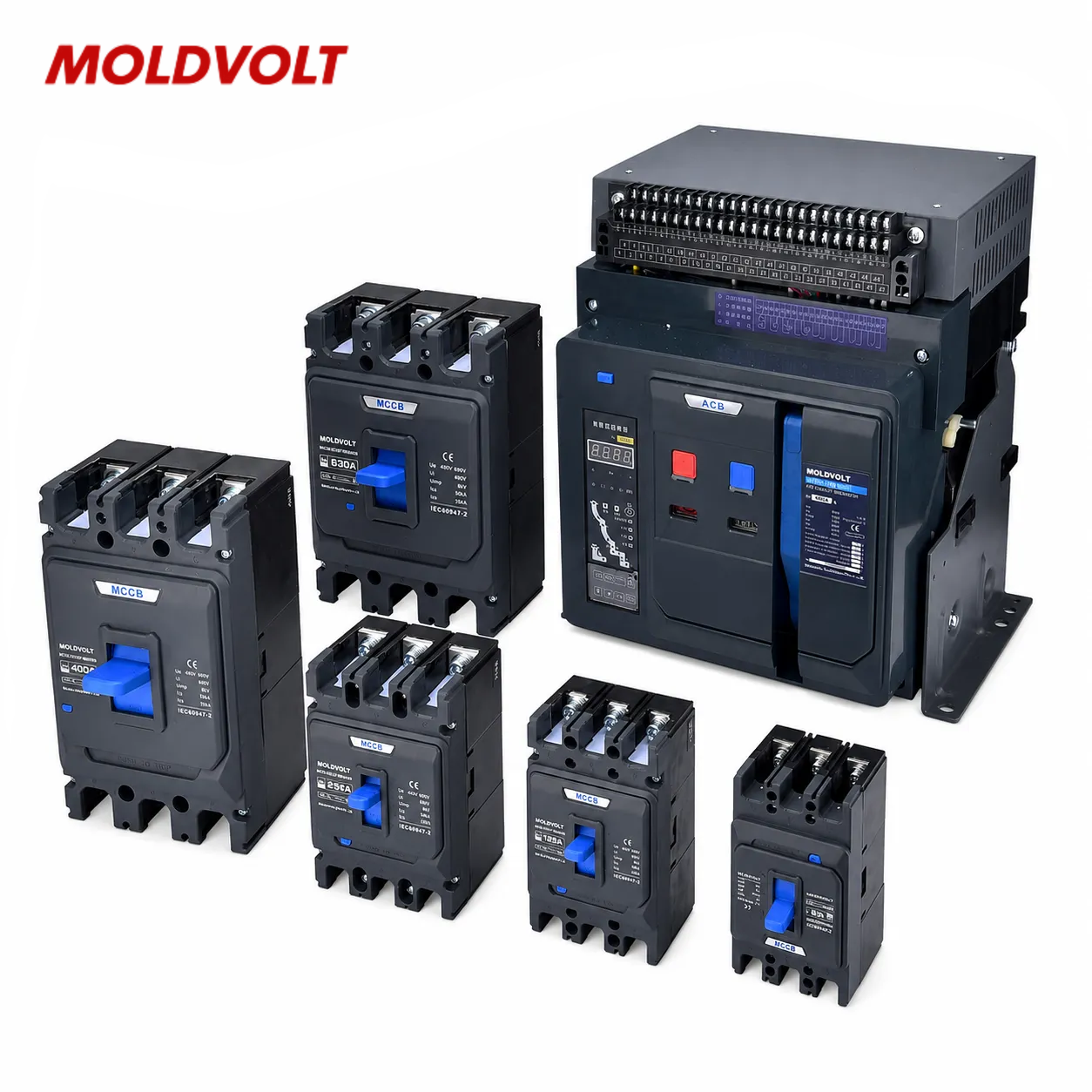
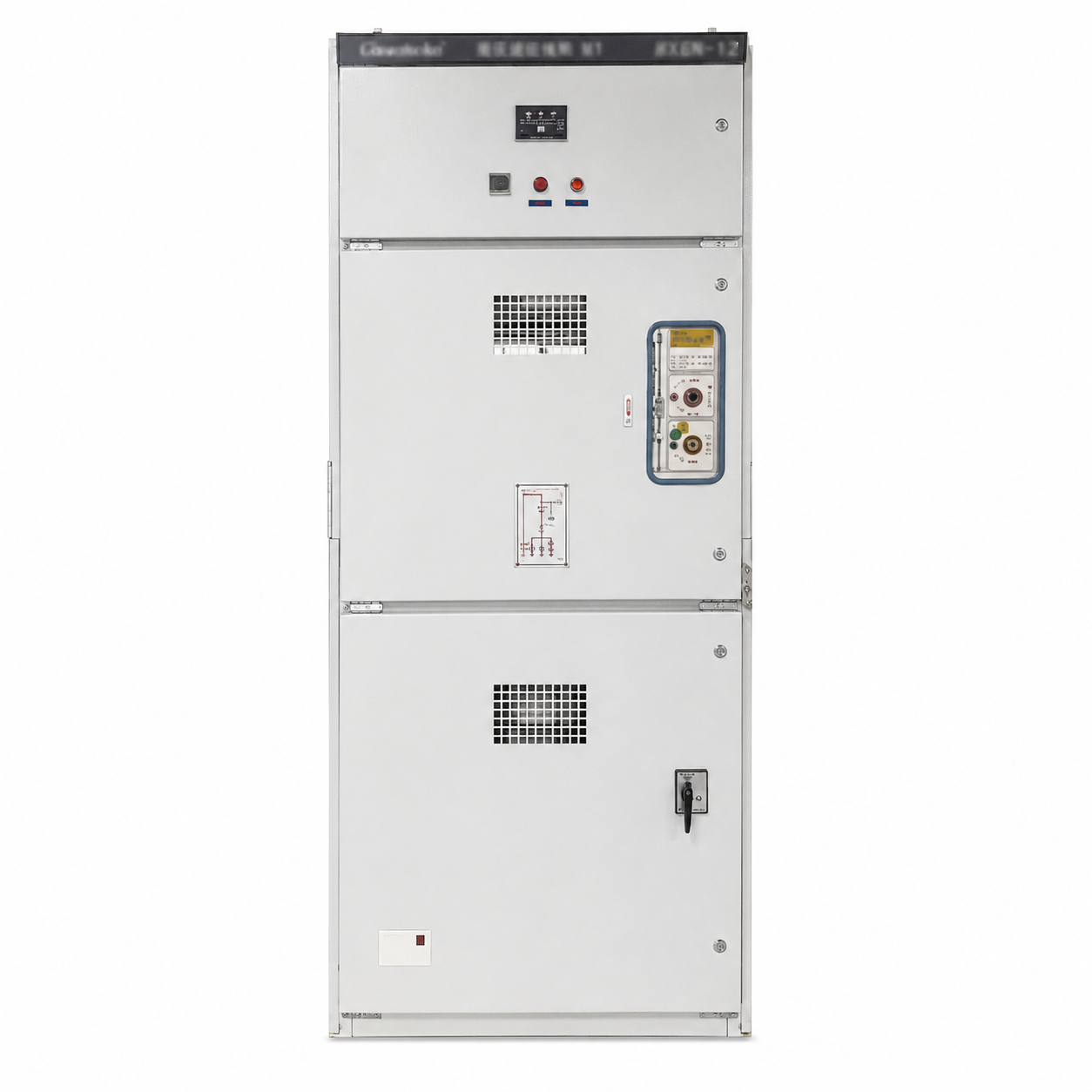
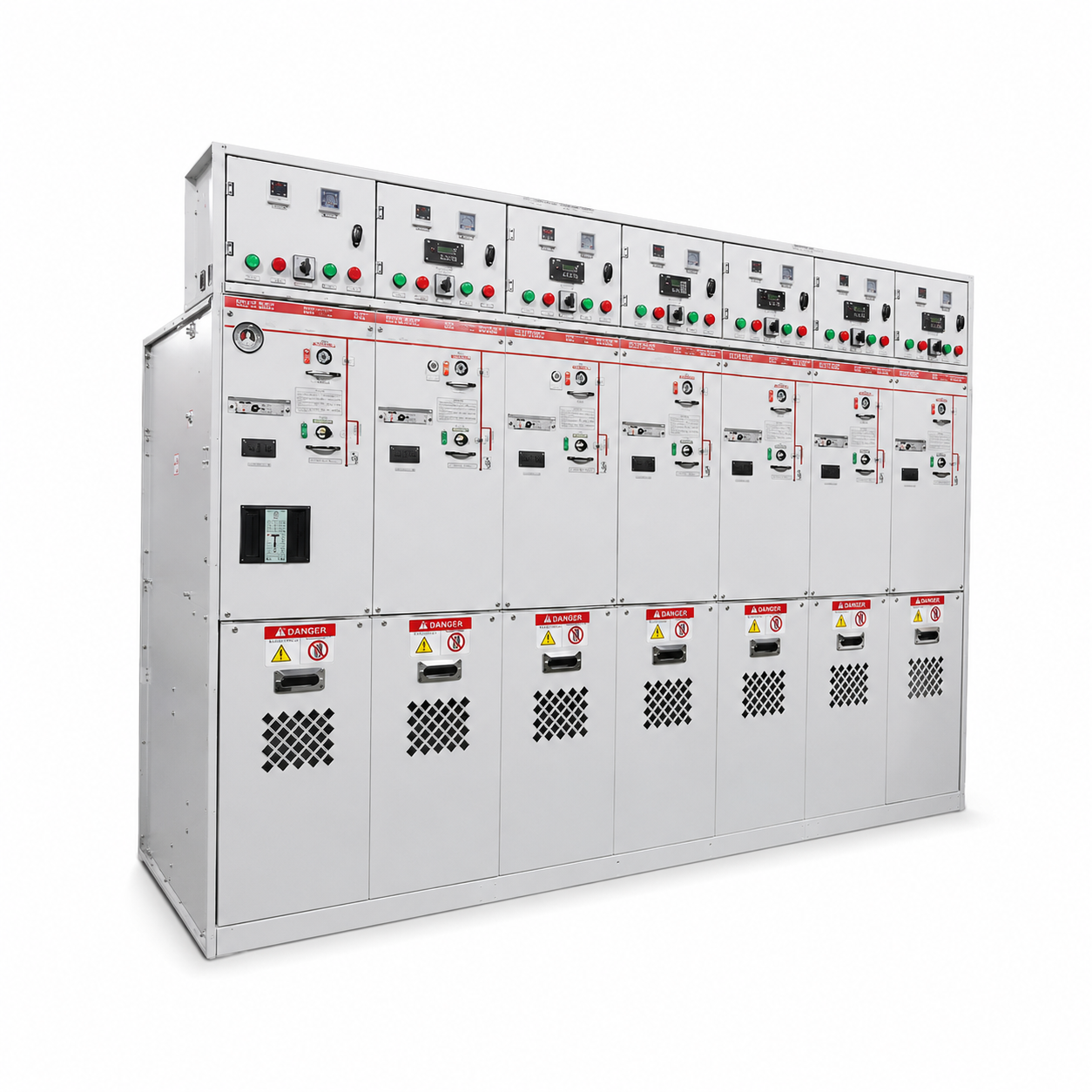
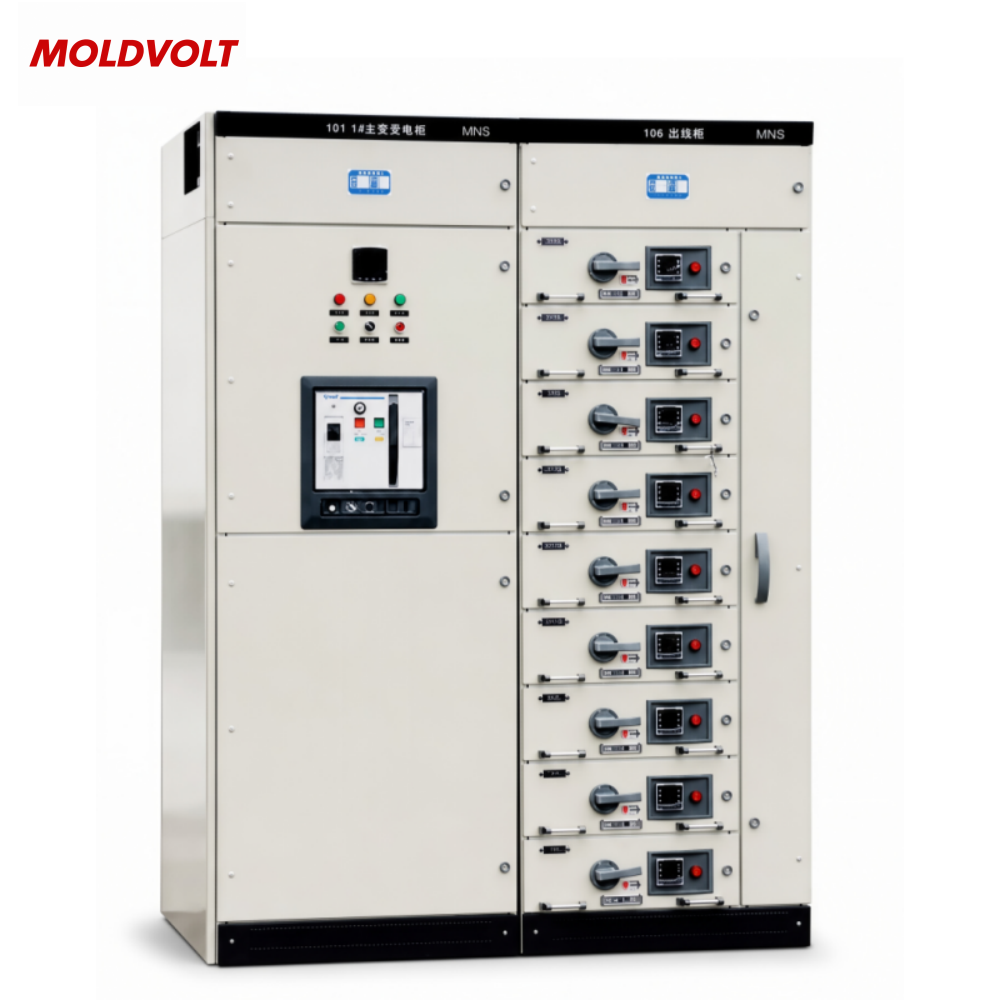
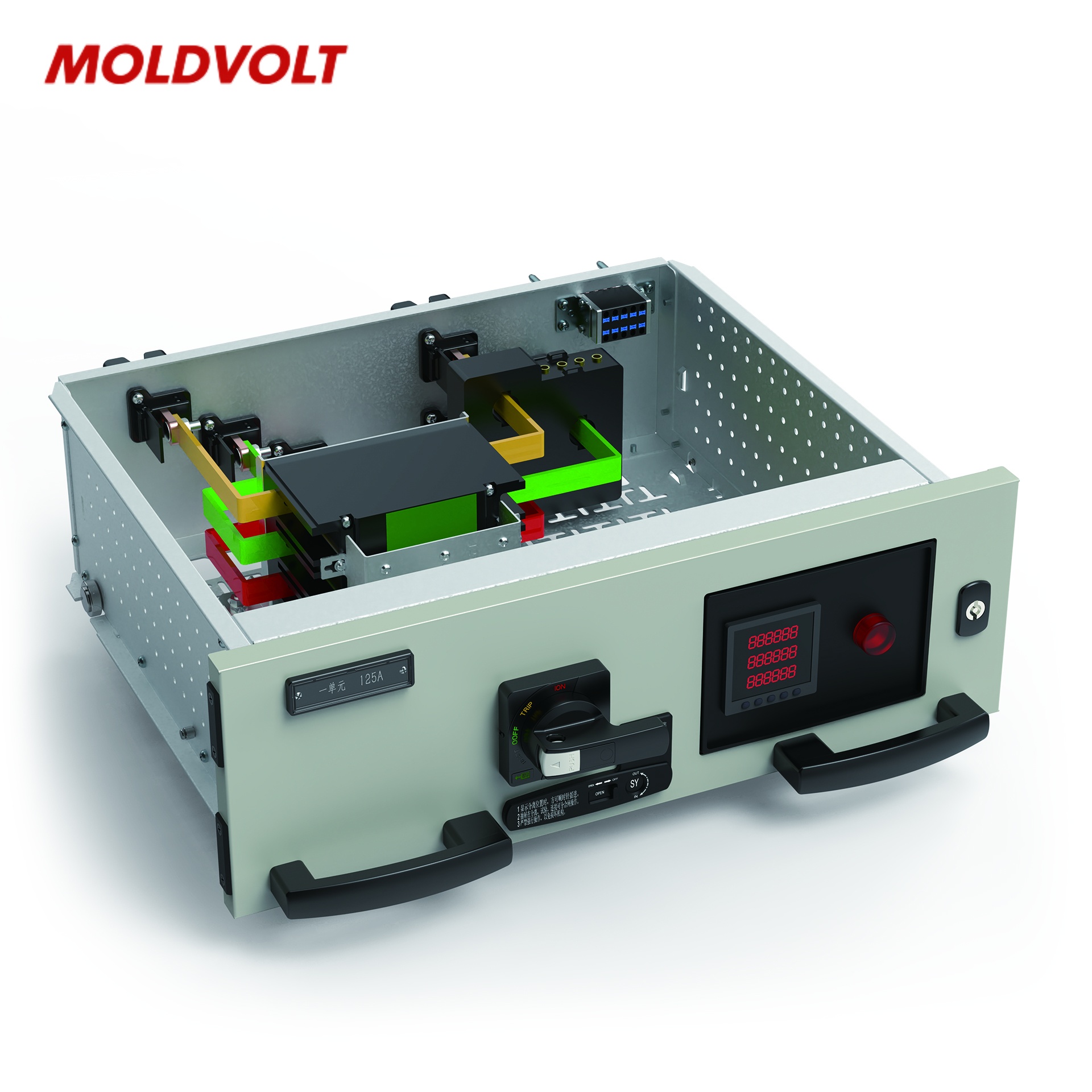
Grounding compatibility begins with understanding the electrical distribution system, enclosure design, and protective device requirements. Industrial panels may contain circuit breakers, busbars, control components, and protective conductors that must work together within a coordinated design. VoltCabinet supports project planning by helping customers evaluate equipment configurations and relevant technical requirements for their applications. During specification development, engineers can review rated voltage, fault-current conditions, enclosure arrangements, and connection accessibility. For example, a manufacturing facility expanding its distribution capacity should assess whether new panels can integrate with the existing earthing network and protective scheme. This structured evaluation helps identify design conflicts before installation and supports clearer commissioning documentation.
Grounding Design Focused on Safety and Maintainability

Grounding Design Focused on Safety and Maintainability

A well-planned grounding arrangement should provide reliable protective connections while allowing technicians to inspect and maintain electrical equipment. Accessible terminals, clear conductor identification, suitable bonding methods, and accurate installation records can make routine verification more manageable. In commercial buildings and industrial facilities, these details become especially important when distribution panels serve multiple circuits or support critical machinery. Project teams should establish inspection procedures based on equipment instructions and applicable electrical standards rather than relying on visual checks alone. VoltCabinet's distribution equipment planning can take these practical considerations into account when reviewing project requirements. The result is a more organized approach to installation, commissioning, and ongoing electrical maintenance.

Get a Free Quote

Our representative will contact you soon.
Email
Mobile/WhatsApp
Name
Company Name
Message
0/1000