Cartridge Fuse Solutions: Industrial Overcurrent Protection

All Categories
Reviews Title 1: Reliable Cartridge Fuse Protection for Industrial Applications

Reviews Title 1: Reliable Cartridge Fuse Protection for Industrial Applications

Voltcabinet cartridge fuse solutions provide dependable overcurrent protection for industrial, commercial, and electrical distribution applications. Featuring an enclosed construction with a calibrated fuse element, these devices interrupt excessive current to help protect wiring, electrical equipment, and connected circuits. Different cartridge fuse designs accommodate various rated voltages, current capacities, dimensions, and breaking requirements. Options such as cylindrical and high-rupturing-capacity cartridge fuses support different installation environments and protection demands. Their compact construction allows integration into compatible fuse holders, distribution cabinets, and electrical assemblies. For example, industrial facilities can use appropriately rated cartridge fuses to protect auxiliary circuits and control equipment, supporting organized maintenance and reliable electrical operation.
Get A Quote

Case Study

Industrial Electrical Distribution Protection

A manufacturing facility required dependable overcurrent protection for its electrical distribution cabinets and auxiliary equipment. Engineers selected cartridge fuses according to rated current, operating voltage, and prospective short-circuit conditions. Different fuse ratings were assigned to individual circuit branches to accommodate their specific electrical loads. The enclosed construction provided a practical protection solution for compatible fuse holders and cabinet arrangements. Maintenance personnel could inspect individual circuits and replace operated fuse units with matching specifications. The installation helped establish organized circuit protection throughout the facility. This application demonstrates the importance of correctly specified cartridge fuses in factories, processing plants, and industrial power distribution systems.

Commercial Building Electrical Systems

A commercial building renovation required replacement fuse components for several existing electrical distribution assemblies. The engineering team inspected the original fuse holders, electrical ratings, and installation dimensions before selecting compatible cartridge fuses. These components provided overcurrent protection for selected lighting, auxiliary power, and building service circuits. Their standardized cylindrical construction supported straightforward integration into the existing equipment. Contractors also verified rated voltage and breaking capacity to ensure compatibility with the available fault current. The project helped maintain an organized electrical protection arrangement without unnecessary changes to the distribution layout. This application highlights the value of cartridge fuses in commercial electrical maintenance.

Industrial Control Equipment Protection

An automation equipment manufacturer needed reliable fuse protection for control circuits and supporting electrical components. Engineers evaluated the operating current, voltage requirements, and fault characteristics of individual circuit branches before selecting suitable cartridge fuse configurations. Different current ratings helped accommodate varying equipment loads while maintaining appropriate protection requirements. The compact fuse construction supported integration into control cabinets and compatible fuse holders. Maintenance technicians could identify and replace operated components according to the equipment specifications. This arrangement helped protect sensitive auxiliary equipment and maintain organized electrical installations. The project demonstrates how cartridge fuses support dependable circuit protection in industrial automation and control systems.

Related products

Voltcabinet focuses on electrical distribution and protection components for industrial and commercial applications. Cartridge fuses are enclosed overcurrent protection devices consisting of a fuse element housed inside a cylindrical or specially designed insulating body. When current exceeds the fuse's operating characteristics, the element melts and interrupts the electrical circuit. Different cartridge fuse designs accommodate various applications, including general industrial distribution, control equipment, and high-fault-current environments. Common options include cylindrical cartridge fuses and high-rupturing-capacity designs. Product selection requires careful evaluation of rated voltage, rated current, breaking capacity, time-current characteristics, physical dimensions, and fuse holder compatibility. For example, an industrial control cabinet may require different fuse ratings for auxiliary power circuits and individual equipment branches. Voltcabinet supports application-specific component selection to help customers identify suitable cartridge fuse solutions for their electrical protection requirements.
Frequently Asked Questions

What is a cartridge fuse used for?

A cartridge fuse protects electrical circuits against excessive current by interrupting the circuit when its internal fuse element melts. It is commonly used in industrial distribution cabinets, control equipment, commercial electrical systems, and compatible power distribution assemblies.
Common cartridge fuse categories include cylindrical fuses, HRC cartridge fuses, and specialized industrial fuse designs. They differ in physical dimensions, voltage ratings, current capacities, and breaking capabilities. The appropriate type depends on the protected circuit and installation requirements.
Check rated voltage, rated current, breaking capacity, time-current characteristics, physical dimensions, and fuse holder compatibility. You should also consider prospective short-circuit current and coordination with other protective devices to ensure appropriate protection for the electrical system.
HRC means high rupturing capacity and describes a fuse's ability to interrupt high fault currents within its specified ratings. Standard cartridge fuse is a broader construction category. Some HRC fuses are also cartridge-style devices with specialized internal designs.
No. Conventional cartridge fuses are single-use protective devices. Once the internal element melts and interrupts the circuit, the complete fuse must be replaced with a compatible unit carrying the correct electrical ratings. The underlying fault should be investigated before replacement.

Related article

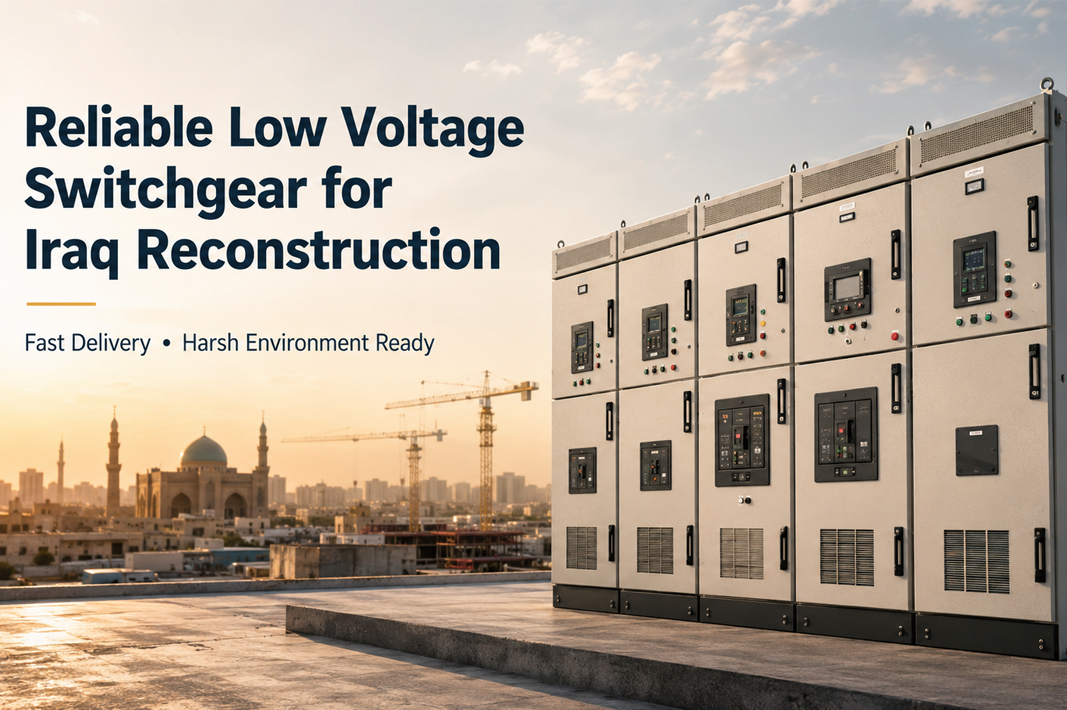
Cost-Effective Low Voltage Switchgear for Iraq: Compatible with Blokset, Okken & 8PT | Local Assembly Options

16

Sep

Cost-Effective Low Voltage Switchgear for Iraq: Compatible with Blokset, Okken & 8PT | Local Assembly Options

View More
What cable clamp material suits high temperature switchgear cabinets?

19

Sep

What cable clamp material suits high temperature switchgear cabinets?

Understanding High-Temperature Challenges in Switchgear CabinetsTypical Operating Temperatures and Thermal Stress Sources (Busbars, Load Cycling, Enclosure Design)Switchgear cabinets experience elevated temperatures primarily due to resistive losses ...
View More
Cabinet corrosion resistance determines service life in coastal engineering sites.

23

Sep

Cabinet corrosion resistance determines service life in coastal engineering sites.

Why Coastal Environments Accelerate Cabinet CorrosionThe chloride-humidity synergy: How salt aerosols and sustained high RH drive electrochemical degradationCoastal atmospheres subject cabinet enclosures to a uniquely aggressive combination of airbor...
View More
How to customize cabinet dimensions to fit existing switchgear layouts?

26

Sep

How to customize cabinet dimensions to fit existing switchgear layouts?

Step 1: Accurate Site Assessment and Dimensional BenchmarkingMeasuring mechanical layout, clearances, and structural constraints in legacy electrical roomsA successful retrofit begins with a meticulous site survey. Older electrical rooms rarely match...
View More

Customer Testimonials

James Wilson

We integrated these cartridge fuses into our industrial distribution cabinets. Their dependable overcurrent protection and consistent performance helped protect electrical equipment and simplify routine maintenance across multiple circuits.

Michael Brown

The cartridge fuses provided reliable protection for our commercial electrical installations. Their standardized dimensions and straightforward replacement process helped improve maintenance efficiency and simplify our equipment management.

Get a Free Quote

Our representative will contact you soon.
Email
Mobile/WhatsApp
Name
Company Name
Message
0/1000
Multiple Ratings for Application-Specific Circuit Protection

Multiple Ratings for Application-Specific Circuit Protection

Different electrical circuits require cartridge fuses with appropriately matched current and voltage ratings. Voltcabinet cartridge fuse solutions support different protection requirements through variations in physical dimensions, fuse characteristics, and electrical specifications. For example, an industrial distribution cabinet may require separate fuse ratings for auxiliary circuits, control equipment, and individual electrical branches. Selecting the correct breaking capacity is equally important when equipment operates in environments with significant prospective fault currents. Engineers should evaluate time-current characteristics and coordinate fuse ratings with protected conductors and connected equipment. This application-oriented selection process helps maintain dependable overcurrent protection while supporting organized electrical distribution and efficient equipment maintenance.
Enclosed Construction for Consistent Electrical Protection

Enclosed Construction for Consistent Electrical Protection

The enclosed construction of cartridge fuses provides a practical arrangement for electrical circuit protection. Their insulating bodies contain calibrated fuse elements designed to interrupt excessive current under specified operating conditions. Depending on the fuse design, internal materials and construction characteristics help manage the interruption process and meet different breaking capacity requirements. In industrial environments, these characteristics are important when protecting distribution circuits, control equipment, and electrical assemblies. For example, a manufacturing facility may use appropriately rated cartridge fuses to protect auxiliary power branches within centralized distribution cabinets. Engineers should verify operating voltage, current ratings, installation dimensions, and fuse holder compatibility before selecting replacement components.

Get a Free Quote

Our representative will contact you soon.
Email
Mobile/WhatsApp
Name
Company Name
Message
0/1000