System Control and Switchgear Solutions | Industrial-Grade

All Categories
Customer Experiences with System Control and Switchgear Solutions

Customer Experiences with System Control and Switchgear Solutions

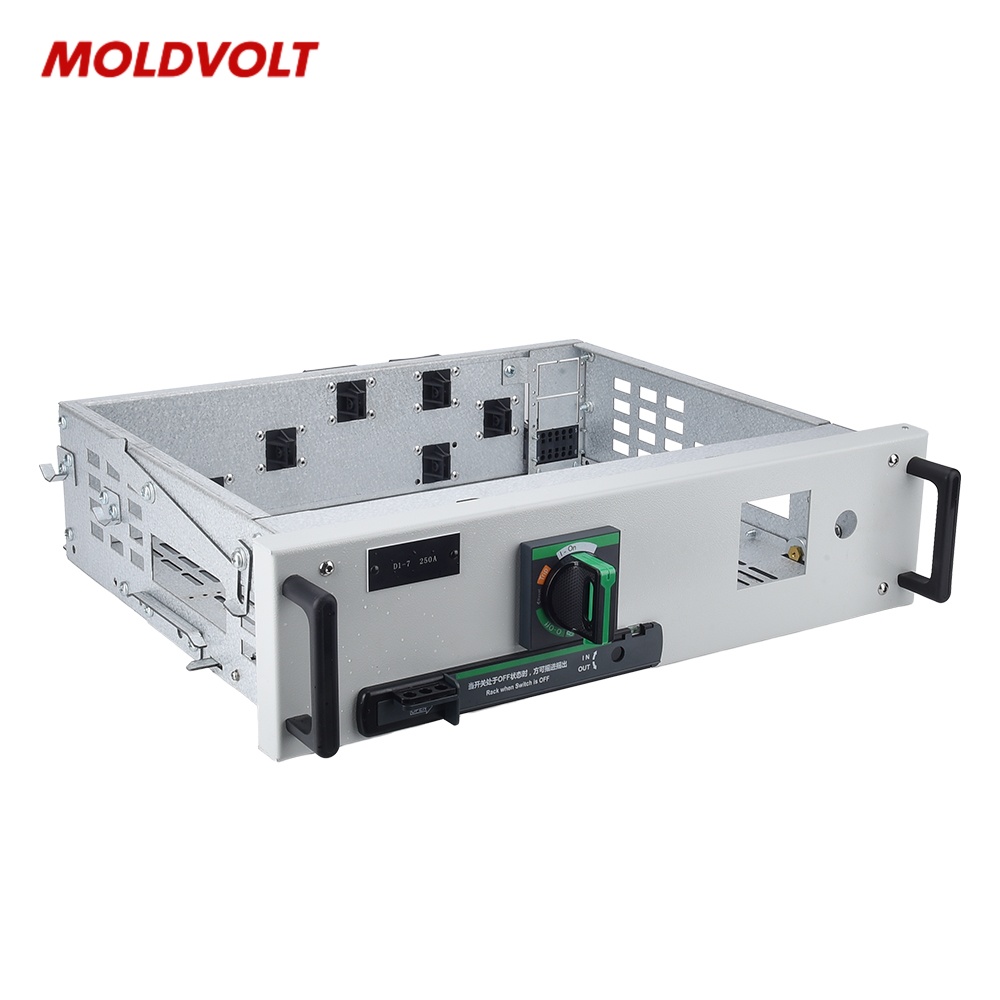
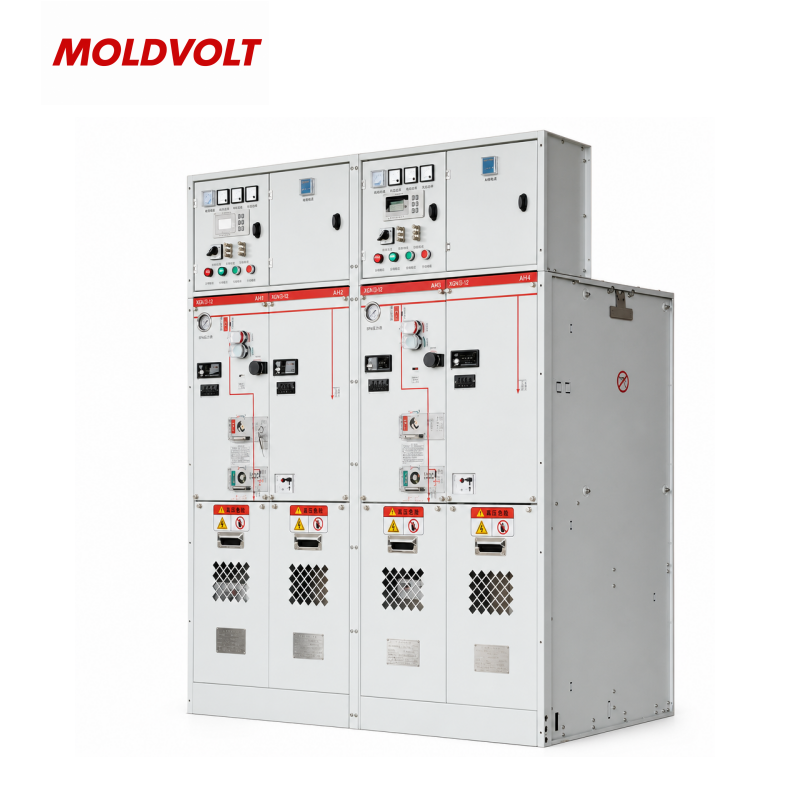
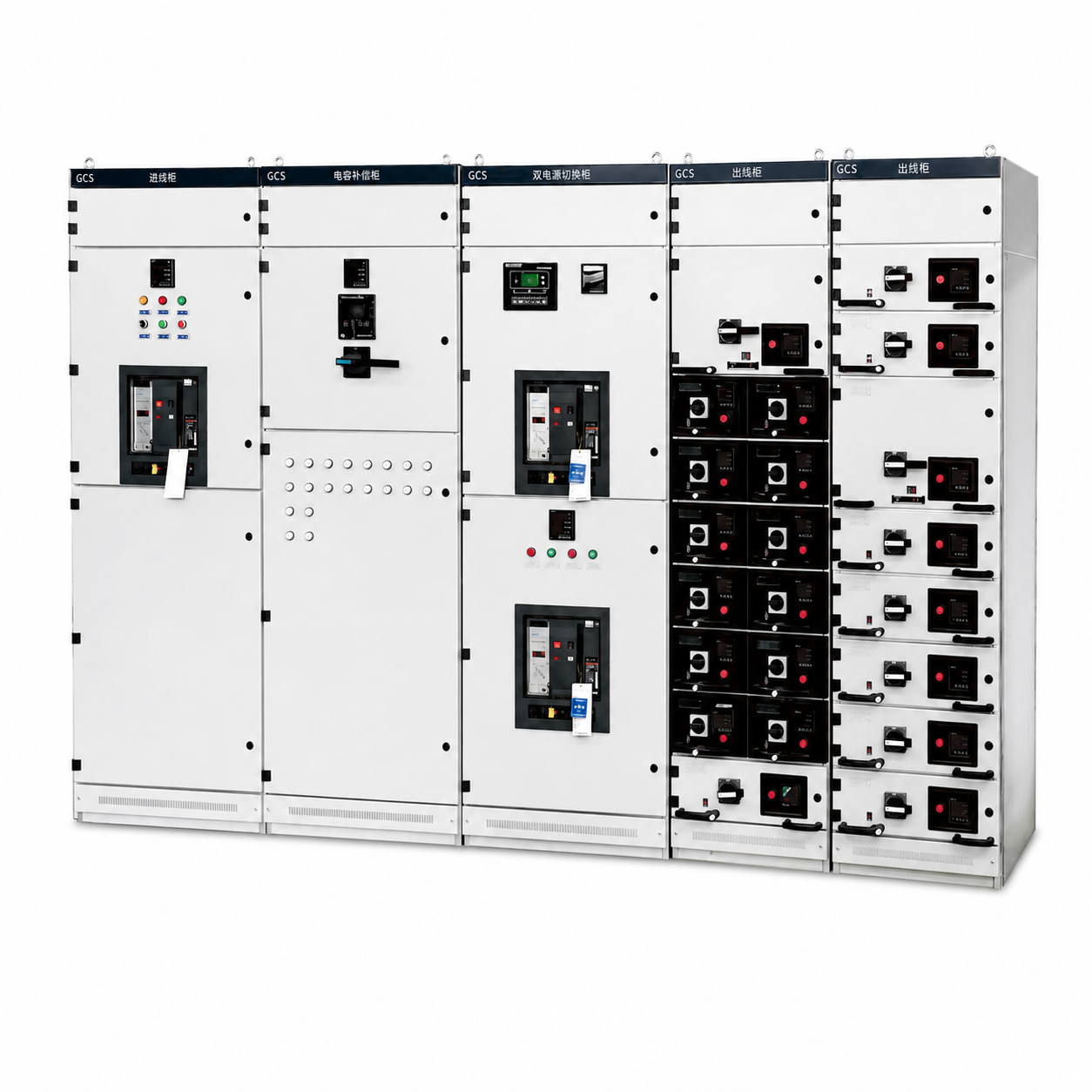
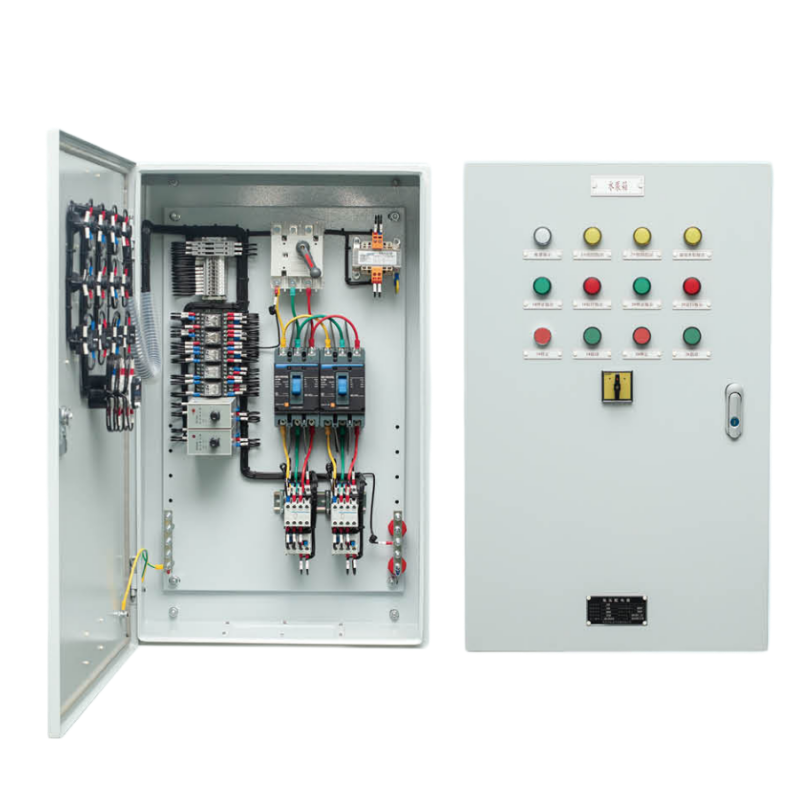
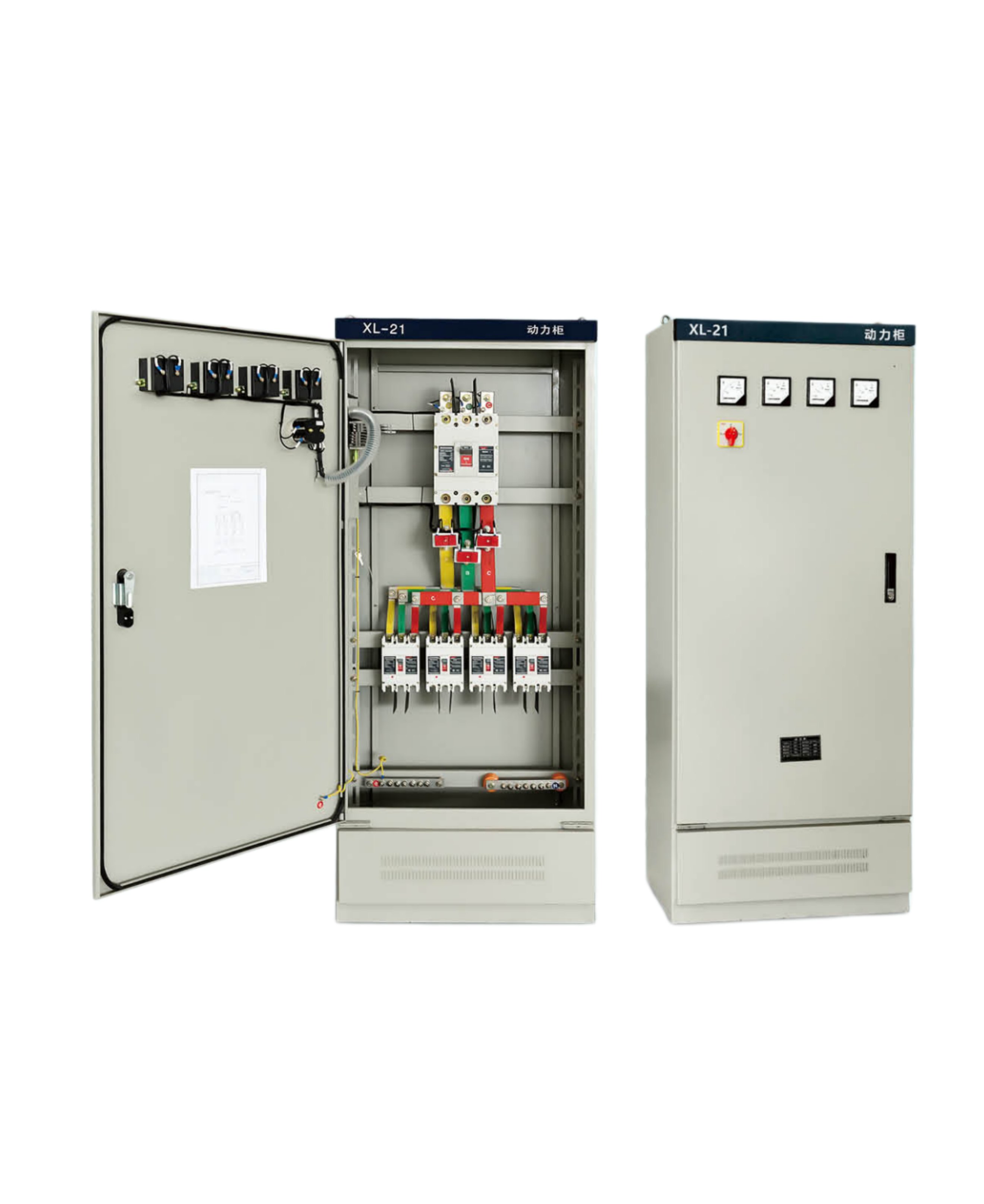
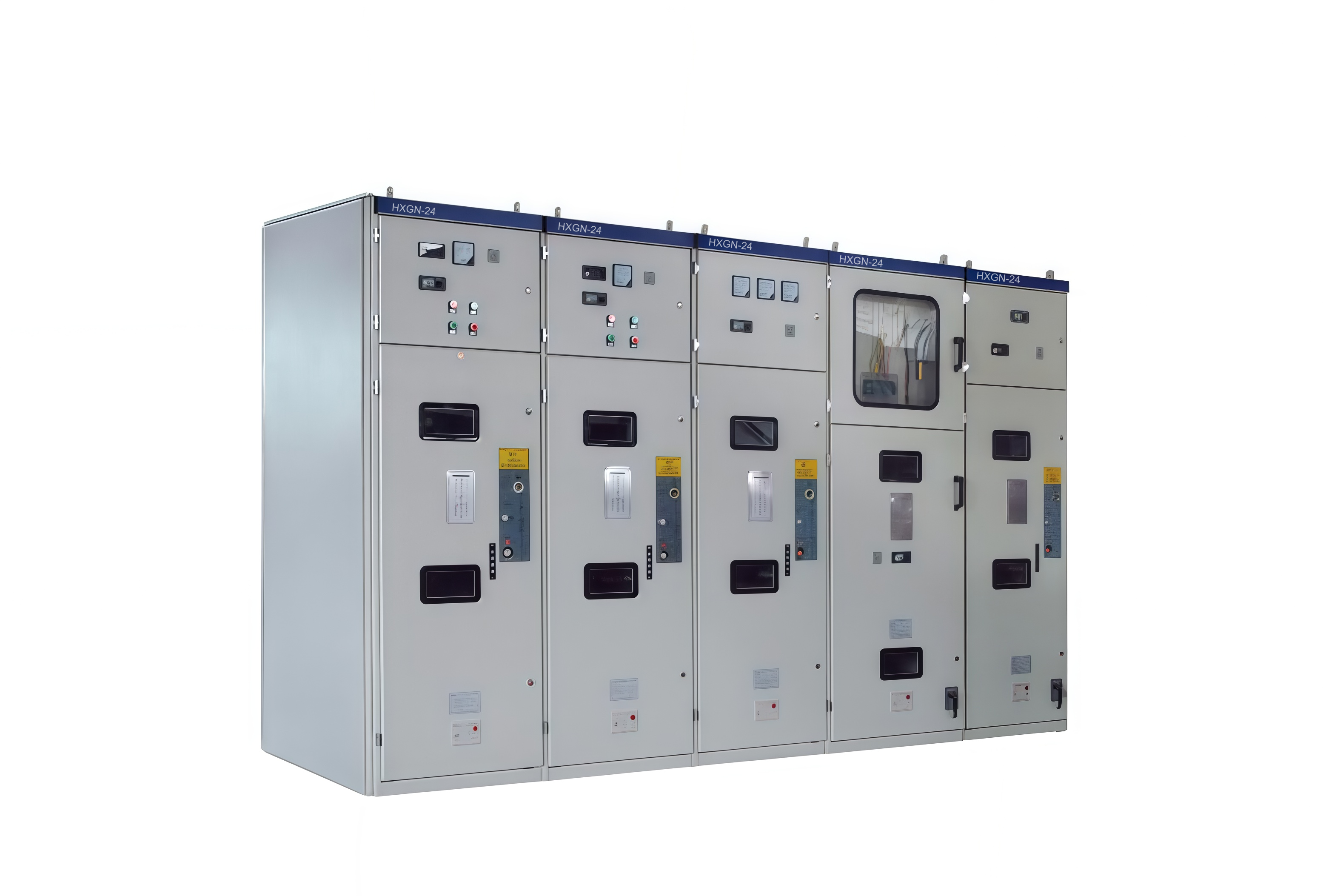
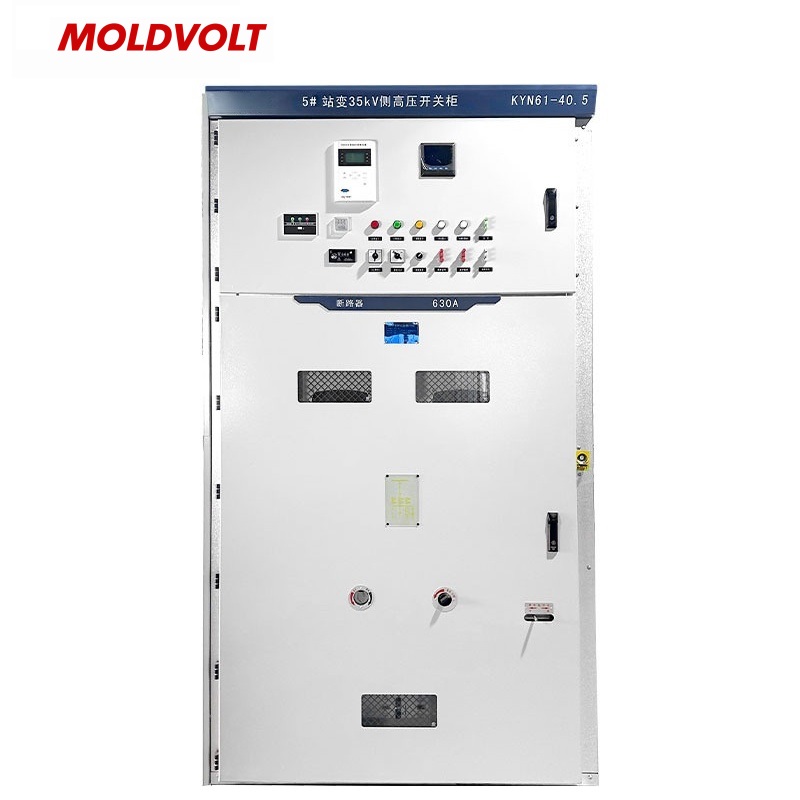
System control and switchgear combine electrical switching, circuit protection, monitoring, and operational control to support industrial plants, commercial facilities, utility networks, and infrastructure projects. Properly coordinated equipment helps operators manage power distribution, identify abnormal conditions, and isolate circuits for maintenance. Depending on project requirements, configurations may include circuit breakers, protection relays, metering devices, control panels, and communication interfaces. For example, a manufacturing facility operating several production lines may need coordinated feeder protection and centralized status monitoring to improve operational visibility. Engineers should evaluate rated voltage, current capacity, fault levels, control logic, and applicable standards before procurement. A well-defined specification supports effective integration, maintainability, and dependable electrical operation.
Get A Quote

Case Study

Automated Manufacturing Power Distribution

Manufacturing facilities rely on coordinated electrical distribution to supply machinery, motor drives, production lines, and auxiliary equipment. System control and switchgear can combine circuit protection with operating interfaces that help technicians monitor equipment status and manage switching procedures. When a factory introduces a new production line, engineers may need additional feeder circuits, updated protection settings, and revised control logic. Reviewing the single-line diagram, load calculations, and interface requirements before installation helps prevent avoidable integration issues. Depending on the design, status signals and communication interfaces can support supervisory monitoring. Final configuration should reflect verified electrical ratings, operational requirements, and applicable safety standards.

Commercial Buildings and Facility Management

Commercial campuses, hospitals, and large office buildings require organized electrical distribution to support lighting, HVAC systems, elevators, and essential services. Integrated control and switchgear arrangements can provide switching, protection, metering, and equipment status information within a coordinated electrical architecture. For a multi-building campus, engineers may specify feeder monitoring and defined isolation procedures to support maintenance planning. Compatibility with building management or supervisory systems should be assessed during design, including communication protocols and control responsibilities. Equipment ratings must match anticipated demand and fault conditions. Clear documentation, appropriate testing, and commissioning checks help facility teams operate the distribution system consistently and maintain essential electrical services.

Utility Substations and Distribution Networks

Utility substations need coordinated switching and protection to manage incoming supplies, transformers, busbars, and outgoing feeders. System control and switchgear may integrate circuit breakers, protection relays, metering equipment, and supervisory communication interfaces according to the network design. For a substation serving several industrial customers, engineers must evaluate fault levels, protection selectivity, switching sequences, and operational requirements. Remote monitoring may provide equipment status and alarms where suitable communication infrastructure is installed. Before procurement, project teams should verify electrical ratings, control schematics, applicable utility standards, and testing requirements. These measures support effective commissioning and help operators manage network faults and planned maintenance.

Related products

System control and switchgear form an important part of modern electrical infrastructure by combining circuit switching, protection, monitoring, and operational control. Typical applications include manufacturing plants, commercial buildings, substations, water treatment facilities, and renewable energy installations. Depending on the design, equipment may incorporate circuit breakers, protective relays, metering instruments, control switches, programmable controllers, and communication interfaces. A suitable configuration begins with an assessment of rated voltage, continuous current, prospective short-circuit current, load characteristics, and installation conditions. Engineers must also define control sequences, alarm requirements, interlocking arrangements, and interfaces with supervisory control and data acquisition systems where required. Equipment compatibility and applicable IEC or ANSI standards should be confirmed before manufacturing. For example, a factory expanding its production capacity may need additional feeder protection, clearer equipment status indication, and coordinated control interfaces. Reviewing the single-line diagram and control philosophy early helps establish a practical design and reduce commissioning uncertainties. VoltCabinet can be approached to discuss project requirements and equipment options. Buyers should verify component specifications, technical drawings, testing scope, certifications, delivery terms, and commissioning responsibilities to ensure the proposed system meets the installation's operational needs.
Frequently Asked Questions

What is system control and switchgear used for?

System control and switchgear manage electrical distribution through switching, circuit protection, monitoring, and operational control. Depending on the configuration, they can help operators supervise equipment status, respond to alarms, and isolate selected circuits. Applications include factories, commercial facilities, substations, and infrastructure installations.
Typical components include circuit breakers, protective relays, metering devices, control switches, indicators, and communication interfaces. Some installations also incorporate programmable controllers or connections to supervisory systems. The final component selection depends on electrical ratings, automation requirements, protection philosophy, and applicable standards.
Yes, compatible switchgear and control equipment can exchange selected status signals, alarms, measurements, and commands with a SCADA system. Integration depends on supported communication protocols, control architecture, and project requirements. Engineers should define signal lists, cybersecurity requirements, and operating permissions before commissioning.
Begin with rated voltage, current capacity, fault levels, load characteristics, required switching functions, and installation conditions. Then define monitoring points, interlocks, control interfaces, and applicable standards. A qualified electrical engineer should review the complete design to verify compatibility, protection coordination, and operational safety.
Project-specific arrangements may accommodate different feeder layouts, protection functions, metering requirements, control logic, and communication interfaces. Customization depends on equipment capabilities and verified design limits. Providing electrical drawings, operating sequences, technical standards, and installation constraints helps suppliers prepare a suitable proposal.

Related article

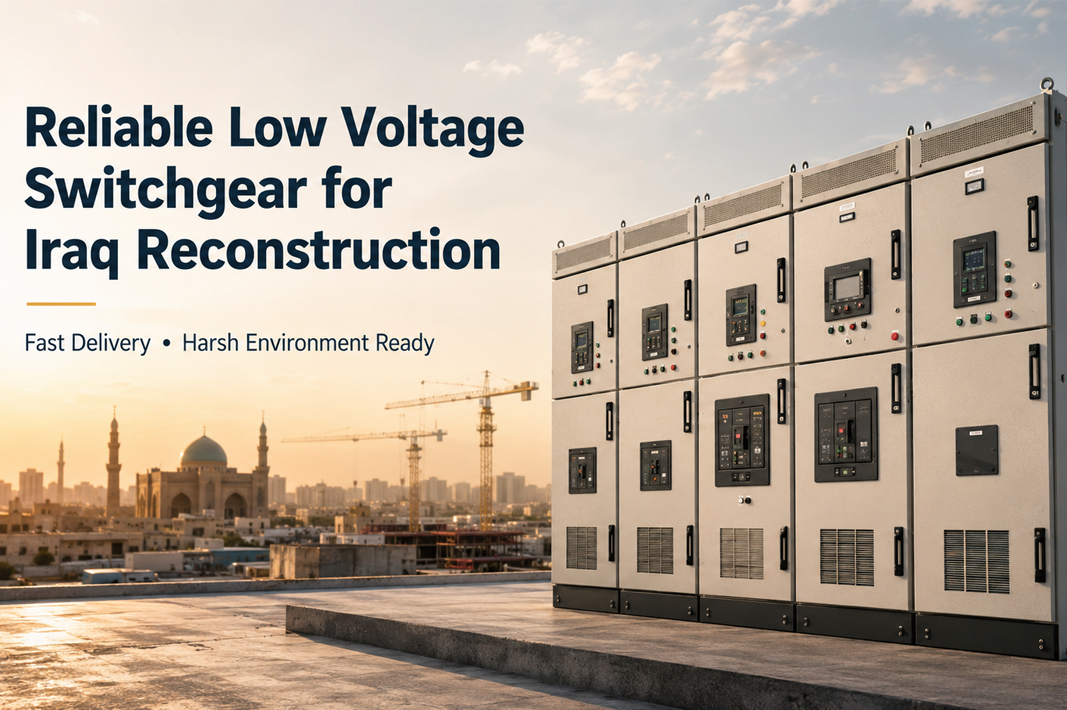
Cost-Effective Low Voltage Switchgear for Iraq: Compatible with Blokset, Okken & 8PT | Local Assembly Options

16

Sep

Cost-Effective Low Voltage Switchgear for Iraq: Compatible with Blokset, Okken & 8PT | Local Assembly Options

View More
Insulator dimensional tolerance controls assembly efficiency in switchgear.

25

Sep

Insulator dimensional tolerance controls assembly efficiency in switchgear.

Why Insulator Dimensional Tolerance Is the Silent Driver of Switchgear Assembly EfficiencyIn high-voltage switchgear, insulators do much more than prevent flashover—they serve as load-bearing anchors that dictate how quickly and precisely busbars, ci...
View More
What switchgear maintenance items prevent unexpected power outage risks?

10

Oct

What switchgear maintenance items prevent unexpected power outage risks?

Top 3 Root Causes of Switchgear-Related Power Outages Insulation degradation and partial discharge: leading precursors to cascade failure Insulation systems in switchgear degrade gradually under electrical, thermal, and environmental stress. Cracks...
View More
Cable clamp vs cable tie: which one delivers long term stability in panels?

27

Oct

Cable clamp vs cable tie: which one delivers long term stability in panels?

Mechanical Performance Under Thermal Stress Polymer creep and thermal expansion mismatch in nylon cable ties at 60–85°C Nylon 6/6 cable ties undergo measurable mechanical degradation when exposed continuously to 60–85 °C. At the...
View More

Customer Testimonials

James Miller

Our industrial project required integrated switchgear and control equipment for dependable power distribution. Clear technical specifications and coordinated protection planning helped our team organize feeder connections and prepare for commissioning and routine maintenance.

Robert Davis

We needed a solution combining reliable switching with effective system control. Reviewing protection functions, operating interfaces, and equipment ratings helped our engineers assess compatibility and develop a clearer installation plan.

Get a Free Quote

Our representative will contact you soon.
Email
Mobile/WhatsApp
Name
Company Name
Message
0/1000
Coordinated Protection and Real-Time Equipment Visibility

Coordinated Protection and Real-Time Equipment Visibility

Effective system control and switchgear design brings protection functions and equipment status information into a coordinated operating arrangement. In industrial facilities, clearly defined alarms and switching indications can help authorized personnel identify operating conditions and follow established maintenance procedures. For example, a production plant with several feeder circuits may use protective relays and compatible monitoring interfaces to identify abnormal electrical conditions more quickly. Engineers must verify relay settings, breaker capabilities, control logic, and communication compatibility during system design. Monitoring does not replace protective devices or safe isolation procedures. Detailed schematics, functional testing, and commissioning checks help confirm that control signals and switching functions operate according to the approved design.
Flexible Integration with Industrial Automation

Flexible Integration with Industrial Automation

Industrial facilities often require electrical distribution equipment to work alongside programmable controllers, supervisory systems, and production automation platforms. System control and switchgear can support this integration through suitable communication interfaces, monitoring points, and defined control functions. For a factory upgrading its production equipment, engineers may need to exchange breaker status, electrical measurements, and alarm information with a central monitoring platform. Successful integration requires compatible protocols, documented signal mapping, suitable network architecture, and clear responsibility for control commands. Buyers should confirm interoperability before procurement rather than assume that all devices communicate automatically. A carefully planned interface design helps improve operational visibility while maintaining appropriate protection and control boundaries.
Reliable Engineering and Lifecycle Support

Reliable Engineering and Lifecycle Support

Dependable electrical control systems require more than correctly selected components. The complete assembly must match its approved drawings, electrical ratings, protection requirements, and operating environment. During procurement, buyers should review component documentation, wiring diagrams, inspection records, applicable certifications, and the specified testing scope. For example, a commercial facility commissioning a new distribution panel may need verified interlocks, accurate circuit labels, and tested communication signals before energization. Clear documentation also helps maintenance teams troubleshoot equipment and plan future modifications. Establishing commissioning responsibilities, spare-parts requirements, and maintenance procedures before handover supports consistent operation. Final performance depends on correct installation, qualified personnel, periodic inspection, and compliance with applicable electrical standards.

Get a Free Quote

Our representative will contact you soon.
Email
Mobile/WhatsApp
Name
Company Name
Message
0/1000