Composite Insulator Benefits: Lightweight, UV-Resistant & Hydrophobic

All Categories
Reliable Composite Insulators for Power Transmission and Distribution

Reliable Composite Insulators for Power Transmission and Distribution

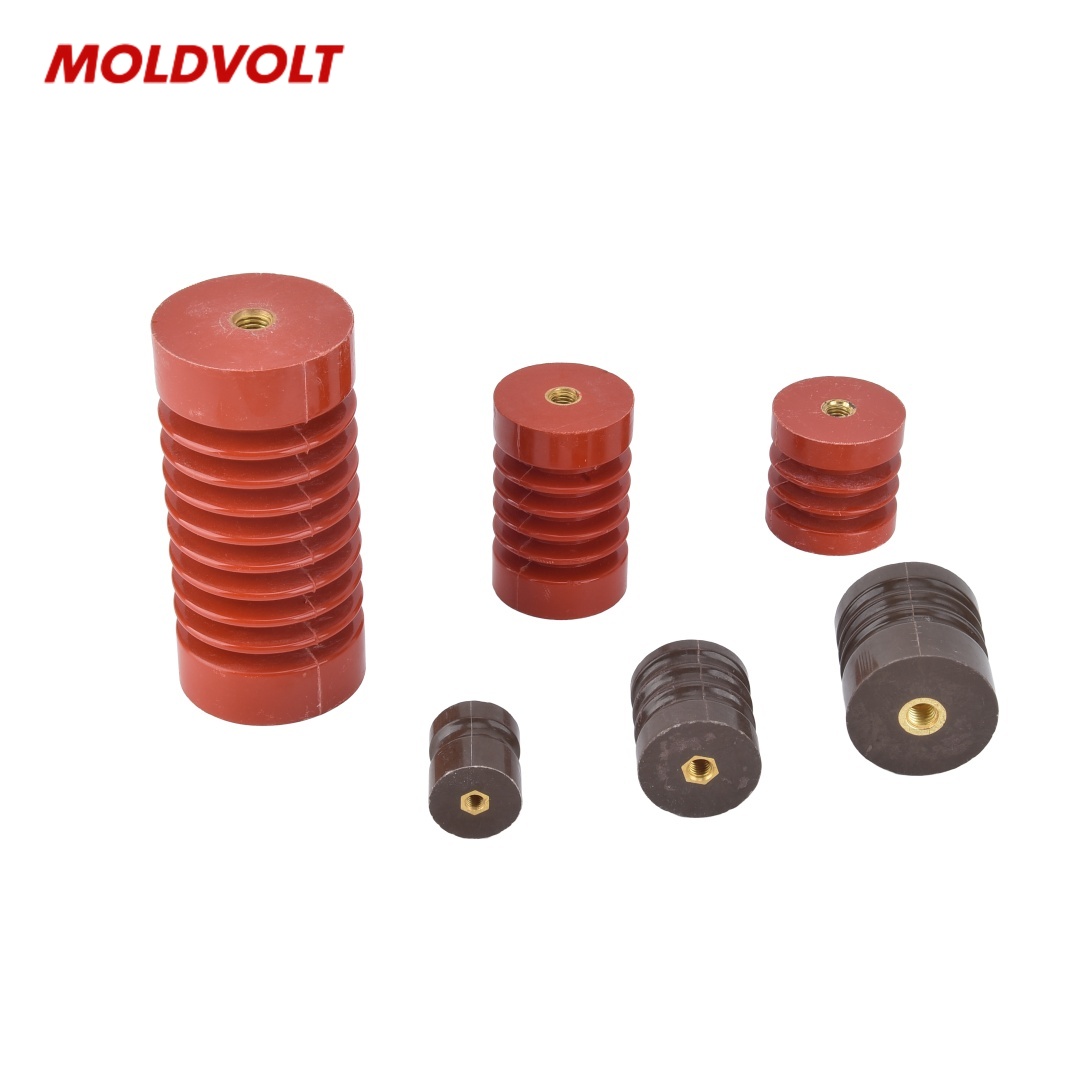
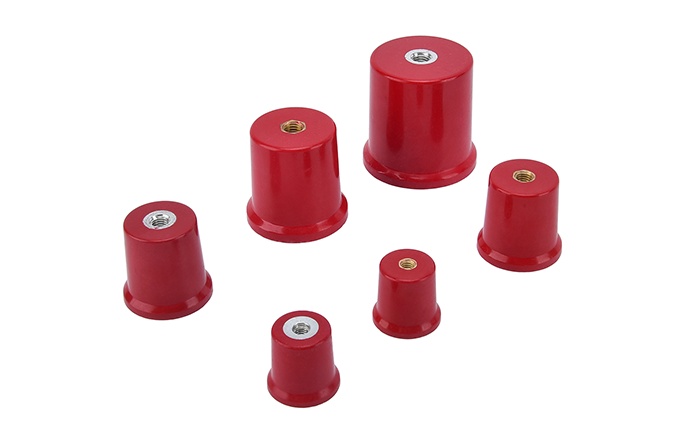
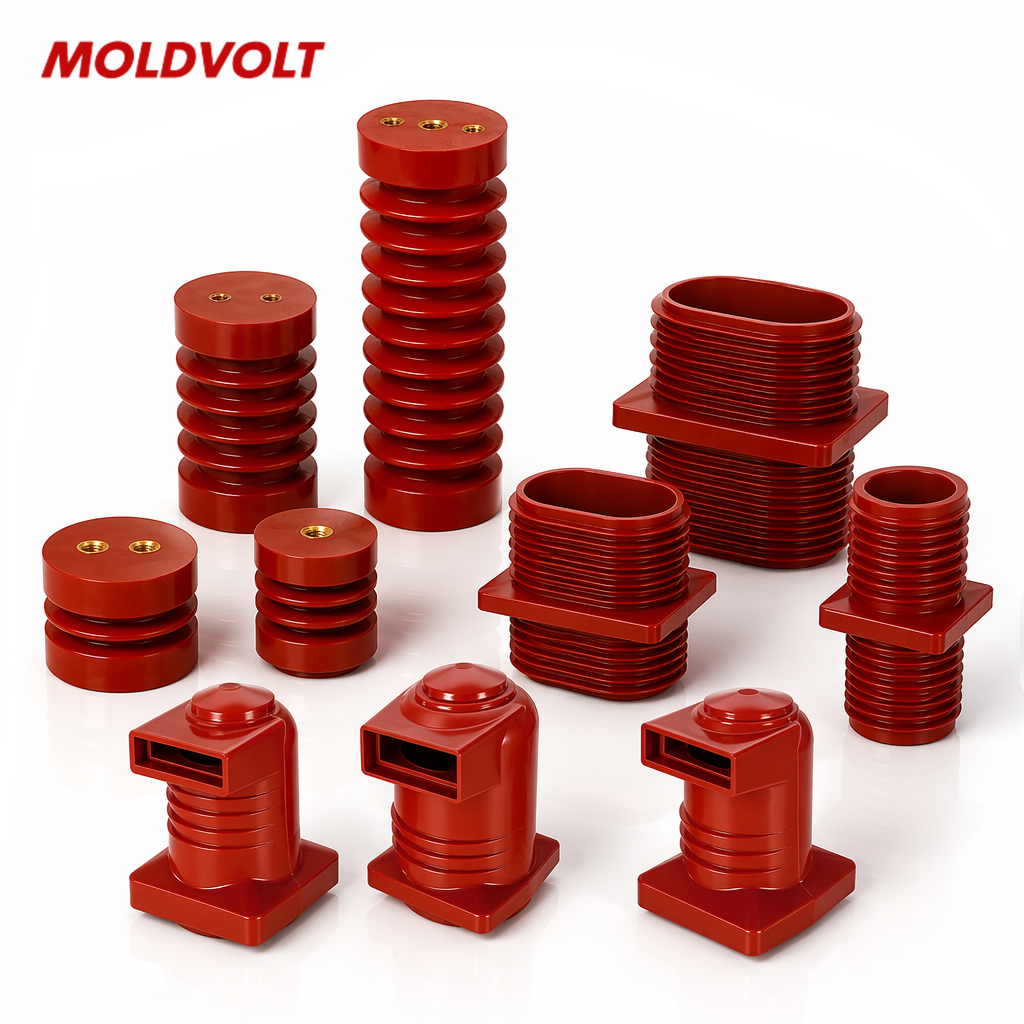
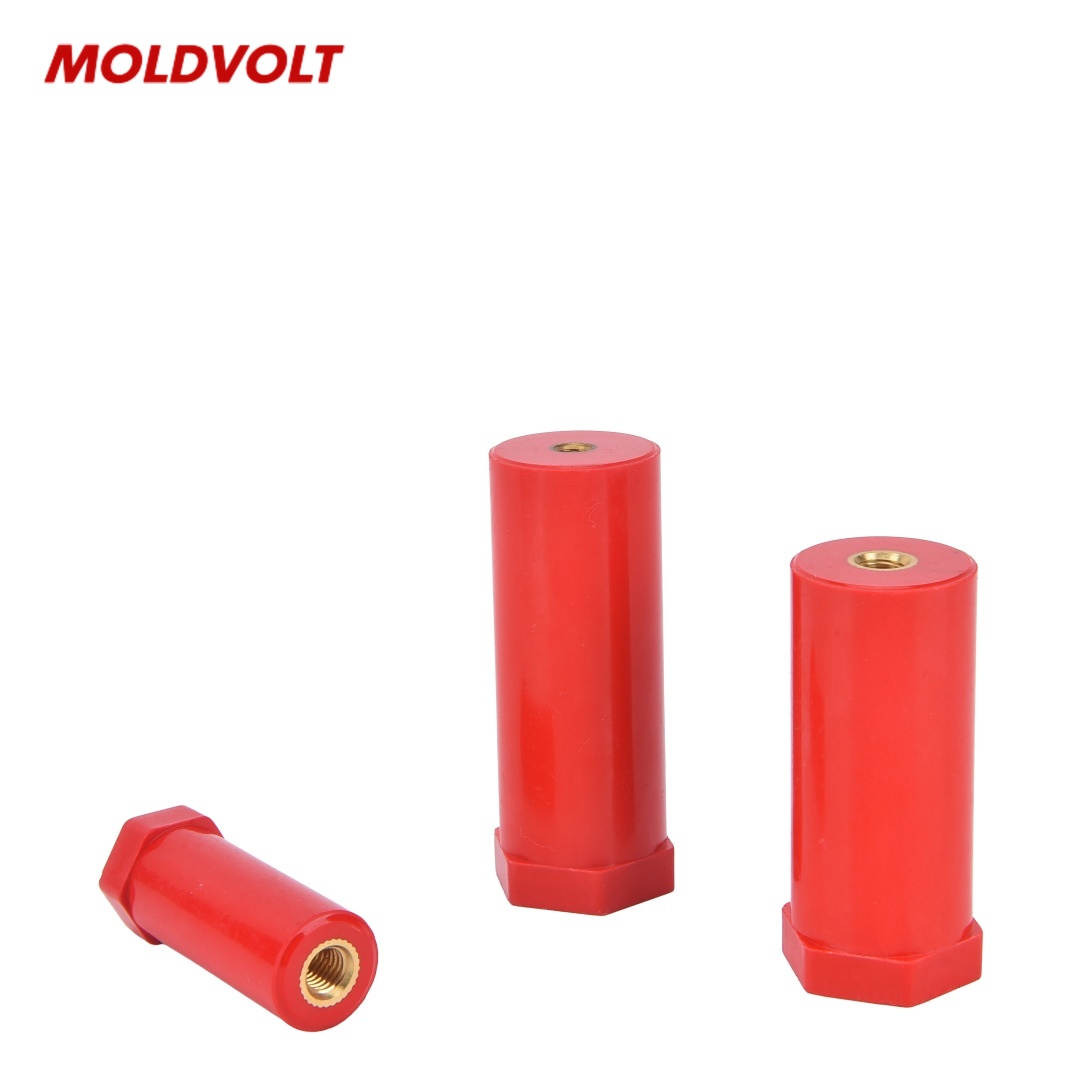
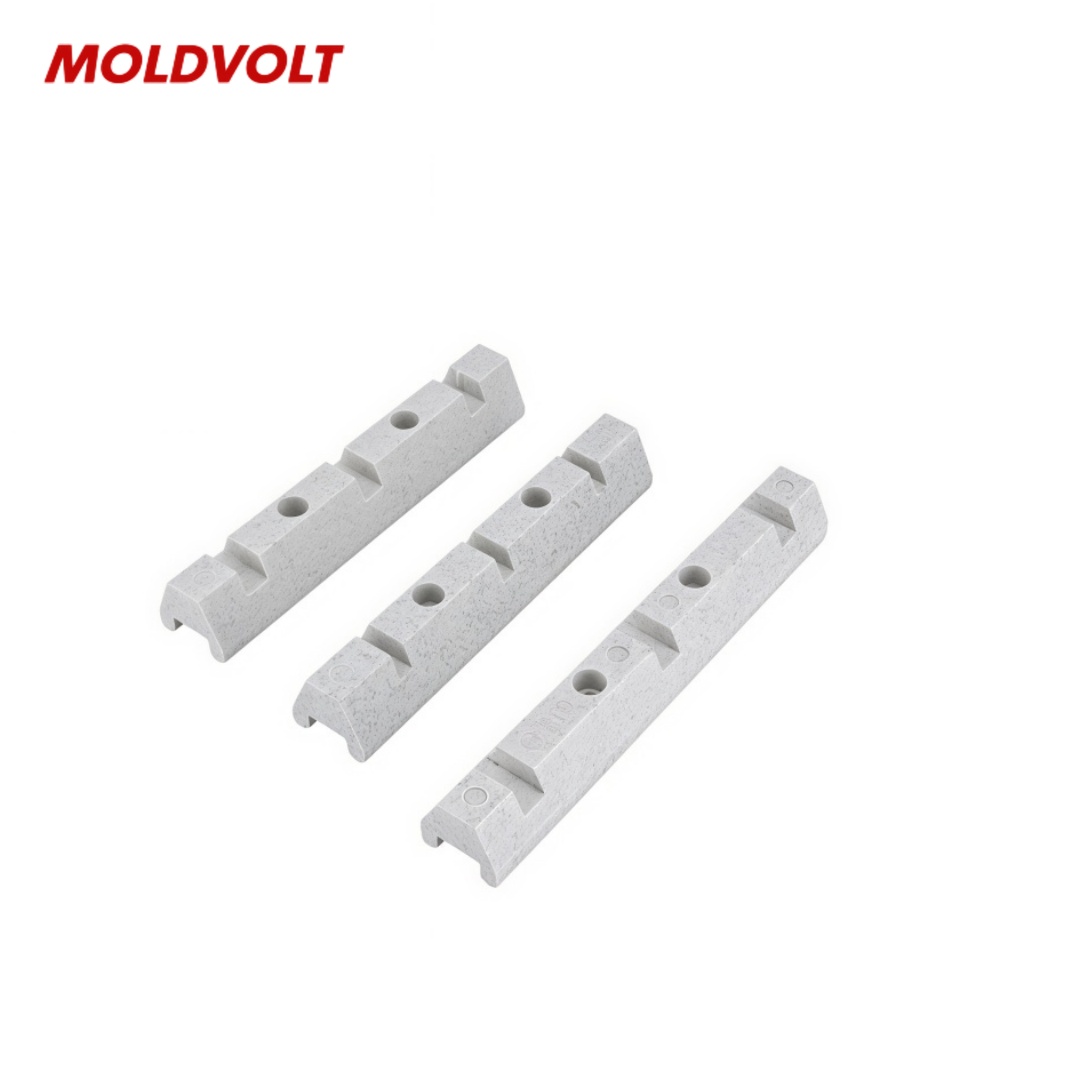
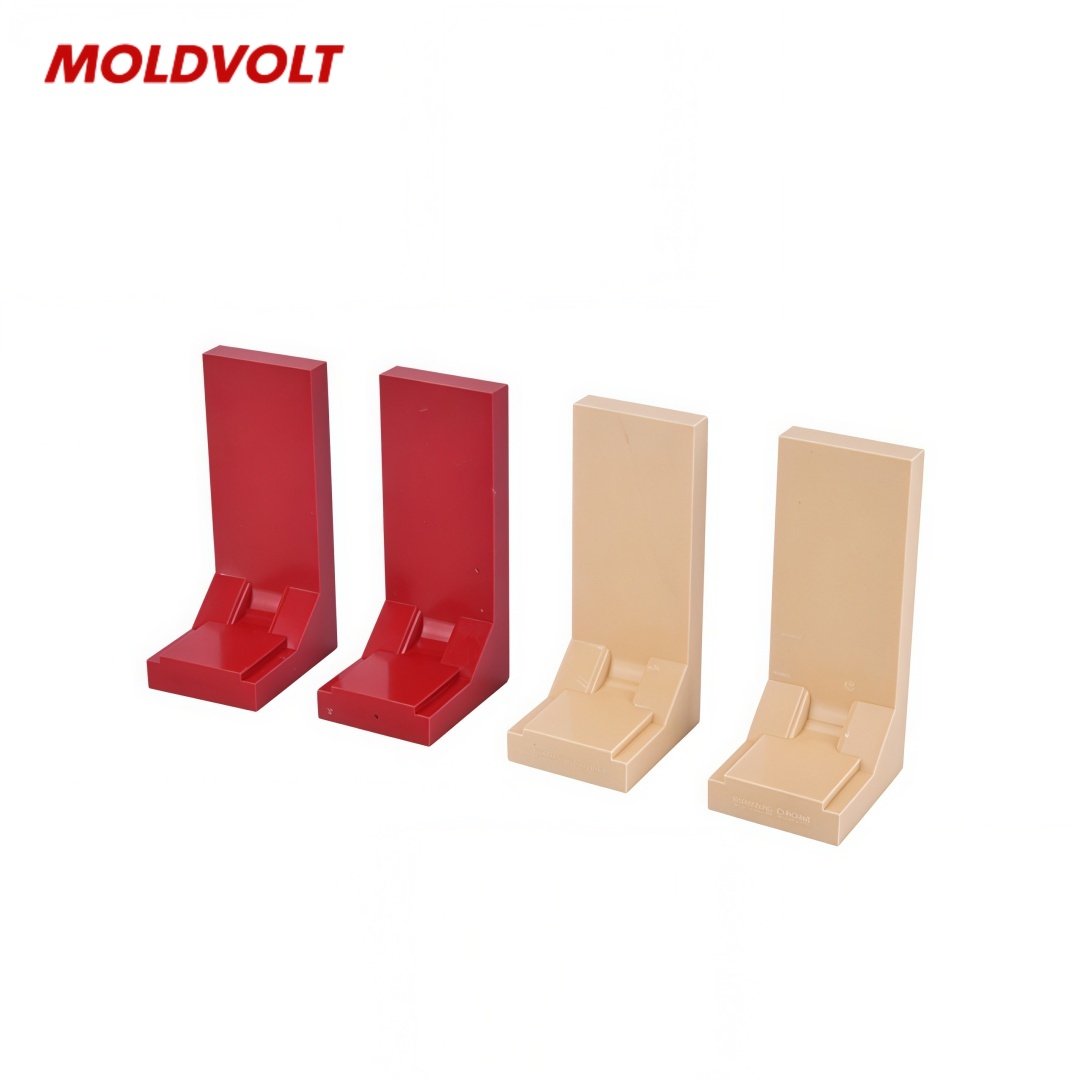
Voltcabinet provides composite insulators designed for reliable electrical insulation and mechanical support in power transmission and distribution systems. Typically manufactured with a fiberglass-reinforced polymer core and silicone rubber housing, these insulators combine mechanical strength with lightweight construction. Their hydrophobic surface characteristics help resist moisture accumulation, while suitable formulations provide resistance to ultraviolet exposure and environmental aging. Compared with traditional porcelain alternatives, composite designs can offer easier handling and reduced installation weight. For example, a utility contractor installing 100 outdoor distribution units may benefit from lighter components and simplified transportation. Product selection can be based on voltage ratings, mechanical loads, creepage distance, and environmental conditions.
Get A Quote

Case Study

Outdoor Distribution Line Insulation

A power distribution contractor required lightweight insulation components for an outdoor distribution line project. The installation involved exposed locations with changing humidity, rainfall, and seasonal temperatures. Composite insulators were selected for their fiberglass-reinforced core, silicone rubber housing, and hydrophobic surface characteristics. Their relatively lightweight construction helped simplify transportation and handling during installation. Across 100 distribution line assemblies, standardized specifications supported consistent procurement and installation planning. This application demonstrates the value of composite insulators in modern distribution infrastructure. Engineers should evaluate rated voltage, mechanical loading, creepage distance, and environmental pollution levels to determine the appropriate product configuration.

Substation Electrical Equipment Integration

A substation equipment manufacturer needed reliable composite insulation components for outdoor electrical assemblies. The project required suitable mechanical strength and insulation performance under specified operating conditions. Composite insulators were evaluated according to voltage requirements, mounting dimensions, mechanical loading, and environmental exposure. Their silicone rubber outer housing provided hydrophobic surface characteristics, while the reinforced core supplied structural support. Across 45 electrical assemblies, standardized product specifications helped simplify installation coordination and inspection. This project highlights the importance of matching composite insulator designs to substation requirements. Appropriate material selection and electrical clearances contribute to dependable insulation and mechanical performance in outdoor power equipment.

Renewable Energy Power Distribution Systems

A renewable energy equipment contractor required composite insulators for electrical distribution assemblies supporting a solar power installation. The project involved outdoor equipment exposed to sunlight, moisture, and temperature fluctuations. Composite insulators were considered for their lightweight structure, mechanical strength, and environmental resistance. Their material characteristics supported the installation requirements while helping reduce component handling difficulties. Across 60 electrical assemblies, consistent product dimensions simplified procurement and installation preparation. This application demonstrates the potential of composite insulators in renewable energy infrastructure. Engineers should consider system voltage, mechanical loads, pollution conditions, and applicable standards when specifying insulation components for solar power projects.

Related products

Composite insulators are widely used in modern electrical transmission and distribution systems because of their combination of mechanical strength, lightweight construction, and environmental resistance. A typical design consists of a fiberglass-reinforced polymer core, silicone rubber housing, and metal end fittings. The reinforced core provides mechanical support, while the outer housing delivers electrical insulation and hydrophobic surface characteristics. Manufacturing quality is essential to product reliability. Production processes may include fiberglass rod preparation, silicone rubber molding, interface bonding, end-fitting assembly, and electrical and mechanical testing. Proper control of material compatibility and bonding quality helps reduce the risk of interface defects. Product evaluation may consider tensile strength, creepage distance, electrical withstand performance, and resistance to environmental aging. Voltcabinet focuses on electrical components for international equipment manufacturers and distributors. Composite insulator selection can be based on rated voltage, mechanical loading, installation dimensions, and environmental conditions. For example, a distribution equipment manufacturer developing outdoor power assemblies may require different insulator lengths and mechanical ratings for individual installation positions. Appropriate specifications help improve equipment compatibility and support dependable power system operation.

Frequently Asked Questions

What Is A Composite Insulator Made Of?

A typical composite insulator consists of a fiberglass-reinforced polymer core, a silicone rubber housing, and metal end fittings. The core provides mechanical strength, while the outer housing offers electrical insulation and hydrophobic surface properties.
Composite insulators offer lightweight construction, good mechanical strength, hydrophobic surface characteristics, and resistance to ultraviolet exposure when properly formulated. These properties make them suitable for many outdoor transmission and distribution applications.
Composite insulators are commonly installed in overhead transmission lines, distribution networks, substations, and outdoor electrical equipment. Their voltage ratings, mechanical strength, and structural configurations vary according to specific system requirements.
Composite and porcelain insulators have different performance characteristics. Composite designs are generally lighter and offer hydrophobic silicone rubber surfaces, while porcelain provides rigid ceramic construction. The appropriate choice depends on voltage, mechanical loading, pollution conditions, and maintenance requirements.
Consider rated voltage, mechanical load requirements, creepage distance, installation dimensions, pollution severity, and environmental exposure. You should also verify applicable standards and product test documentation before selecting an insulator for a specific power system.

Related article

Why cabinet condensation leads to insulation failure in electrical equipment?

21

Sep

Why cabinet condensation leads to insulation failure in electrical equipment?

The Science of Cabinet Condensation: How Temperature, Humidity, and Design InteractDew Point Formation Inside Enclosures Due to Thermal GradientsCondensation inside an electrical cabinet is not simply a matter of seal failure—it is governed by the de...
View More
Cabinet corrosion resistance determines service life in coastal engineering sites.

23

Sep

Cabinet corrosion resistance determines service life in coastal engineering sites.

Why Coastal Environments Accelerate Cabinet CorrosionThe chloride-humidity synergy: How salt aerosols and sustained high RH drive electrochemical degradationCoastal atmospheres subject cabinet enclosures to a uniquely aggressive combination of airbor...
View More
Insulator dimensional tolerance controls assembly efficiency in switchgear.

25

Sep

Insulator dimensional tolerance controls assembly efficiency in switchgear.

Why Insulator Dimensional Tolerance Is the Silent Driver of Switchgear Assembly EfficiencyIn high-voltage switchgear, insulators do much more than prevent flashover—they serve as load-bearing anchors that dictate how quickly and precisely busbars, ci...
View More
Insulator dimension design follows international high voltage standards strictly.

16

Oct

Insulator dimension design follows international high voltage standards strictly.

Core IEC Standards Governing Insulator Dimension Design IEC 60383: Mechanical and Electrical Requirements for Ceramic and Glass Insulators The IEC 60383 series defines the mechanical and electrical test regimes that ceramic and glass insulators mus...
View More

Customer Testimonials

Michael Thompson

We selected these composite insulators for our outdoor power distribution project. Their lightweight construction and weather resistance simplified installation across 80 assemblies while meeting our specified electrical requirements.

James Wilson

The composite insulators delivered consistent quality for our transmission equipment project. Their mechanical strength and hydrophobic surface properties supported reliable installation across multiple outdoor electrical applications.

Get a Free Quote

Our representative will contact you soon.
Email
Mobile/WhatsApp
Name
Company Name
Message
0/1000
Lightweight Construction with High Mechanical Strength

Lightweight Construction with High Mechanical Strength

Composite insulators combine a reinforced polymer core with an insulating outer housing to deliver a practical balance of mechanical strength and reduced weight. This construction can simplify transportation, handling, and installation in overhead power networks and outdoor substations. Compared with traditional porcelain designs of comparable application ratings, composite alternatives are generally lighter, although actual weight depends on product dimensions and specifications. For example, a contractor installing 100 distribution line assemblies may benefit from easier component handling and reduced lifting requirements. Selecting the correct tensile or cantilever strength, mounting configuration, and rated voltage is essential for maintaining mechanical reliability throughout the intended service life.
Hydrophobic Silicone Housing for Outdoor Protection

Hydrophobic Silicone Housing for Outdoor Protection

The silicone rubber housing of a composite insulator provides important protection against environmental exposure. Its hydrophobic surface characteristics help limit continuous water film formation, supporting insulation performance under suitable outdoor conditions. Properly formulated silicone rubber can also offer resistance to ultraviolet radiation, ozone, and temperature variations. These characteristics are valuable for transmission lines and substations operating in humid, coastal, or polluted environments. For example, a utility contractor maintaining 50 outdoor electrical installations may consider hydrophobic insulation properties when evaluating component suitability. Actual performance depends on housing formulation, surface condition, pollution severity, and operating voltage. Appropriate specification selection remains essential for reliable service.
Advanced Manufacturing for Consistent Product Quality

Advanced Manufacturing for Consistent Product Quality

Composite insulator performance depends on the quality of its core materials, silicone housing, bonding interfaces, and metal fittings. Manufacturing processes require careful control of material preparation, molding, assembly, and inspection to support structural integrity and electrical reliability. Important evaluation factors include mechanical strength, interface bonding, dimensional accuracy, and electrical withstand performance. For example, a power equipment manufacturer sourcing 80 composite insulators for a distribution project should verify product ratings and relevant test documentation before installation. Consistent manufacturing specifications help improve procurement coordination and equipment compatibility. Careful quality control supports dependable insulation performance across transmission, distribution, and outdoor substation applications.

Get a Free Quote

Our representative will contact you soon.
Email
Mobile/WhatsApp
Name
Company Name
Message
0/1000