Advanced Manufacturing for Consistent Product Quality
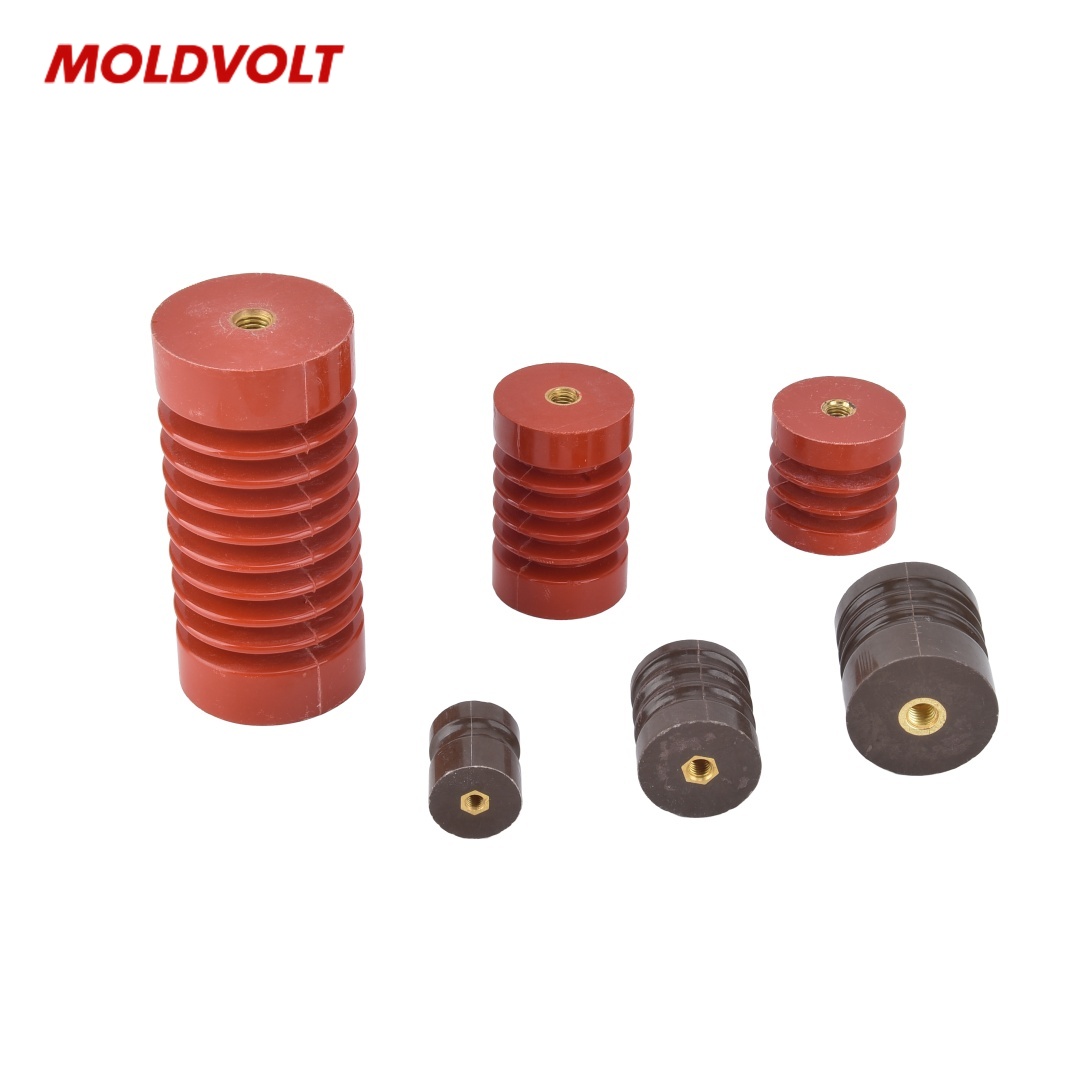
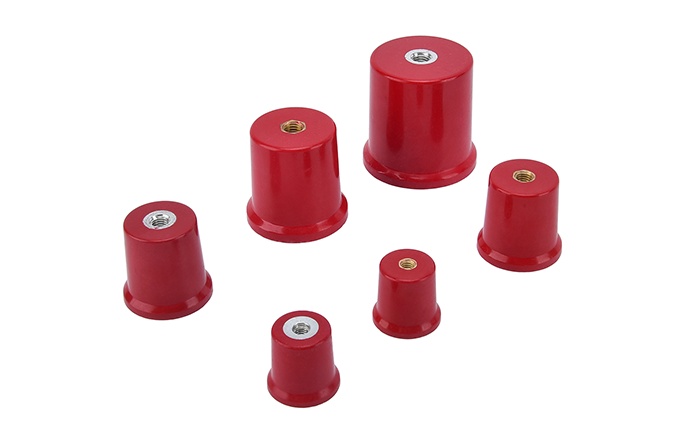
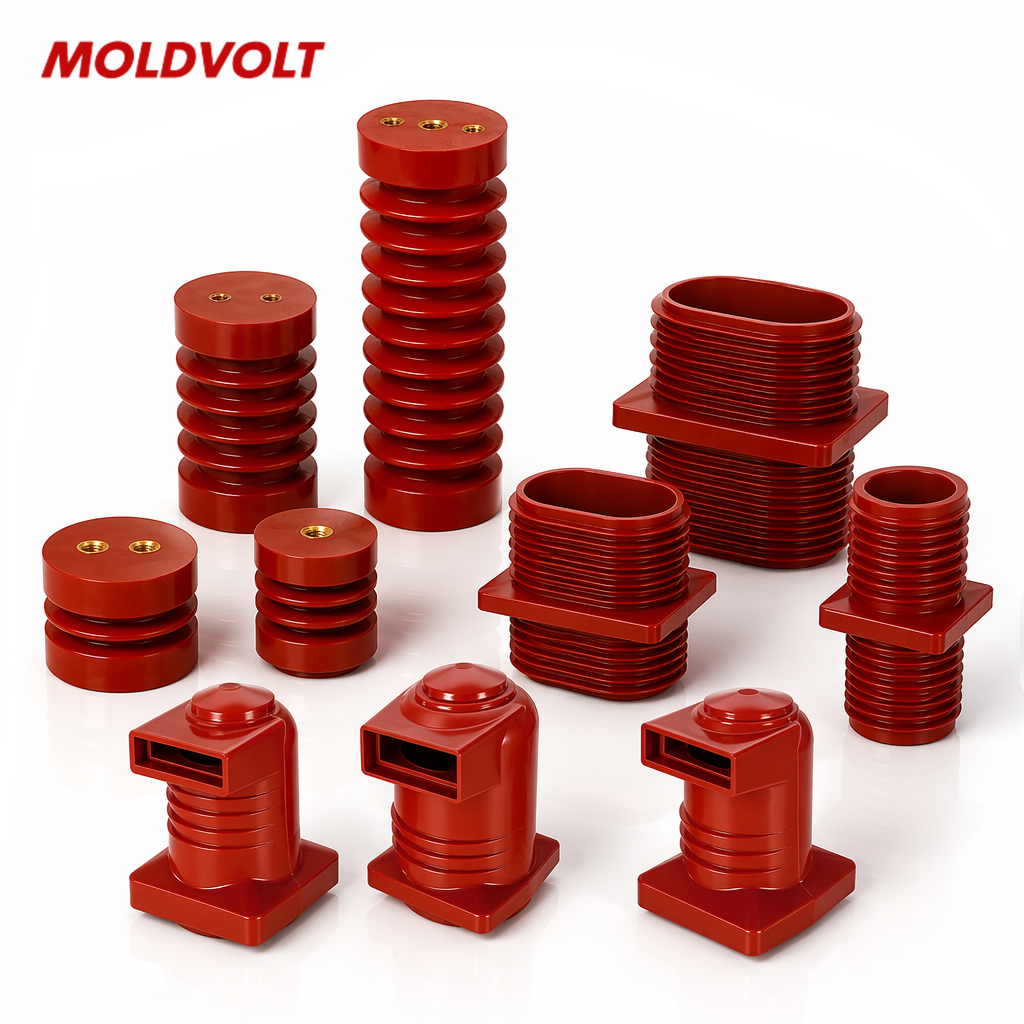
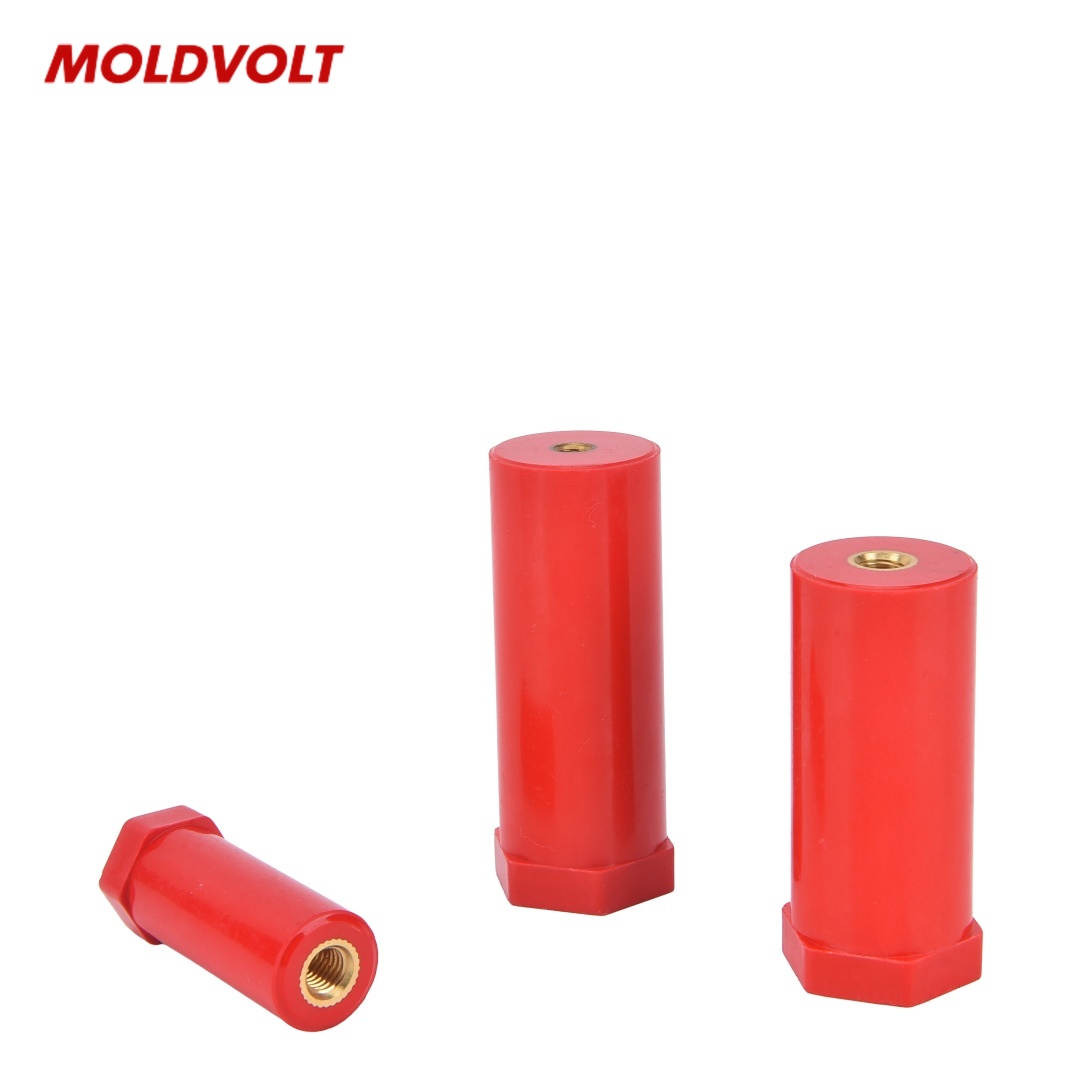
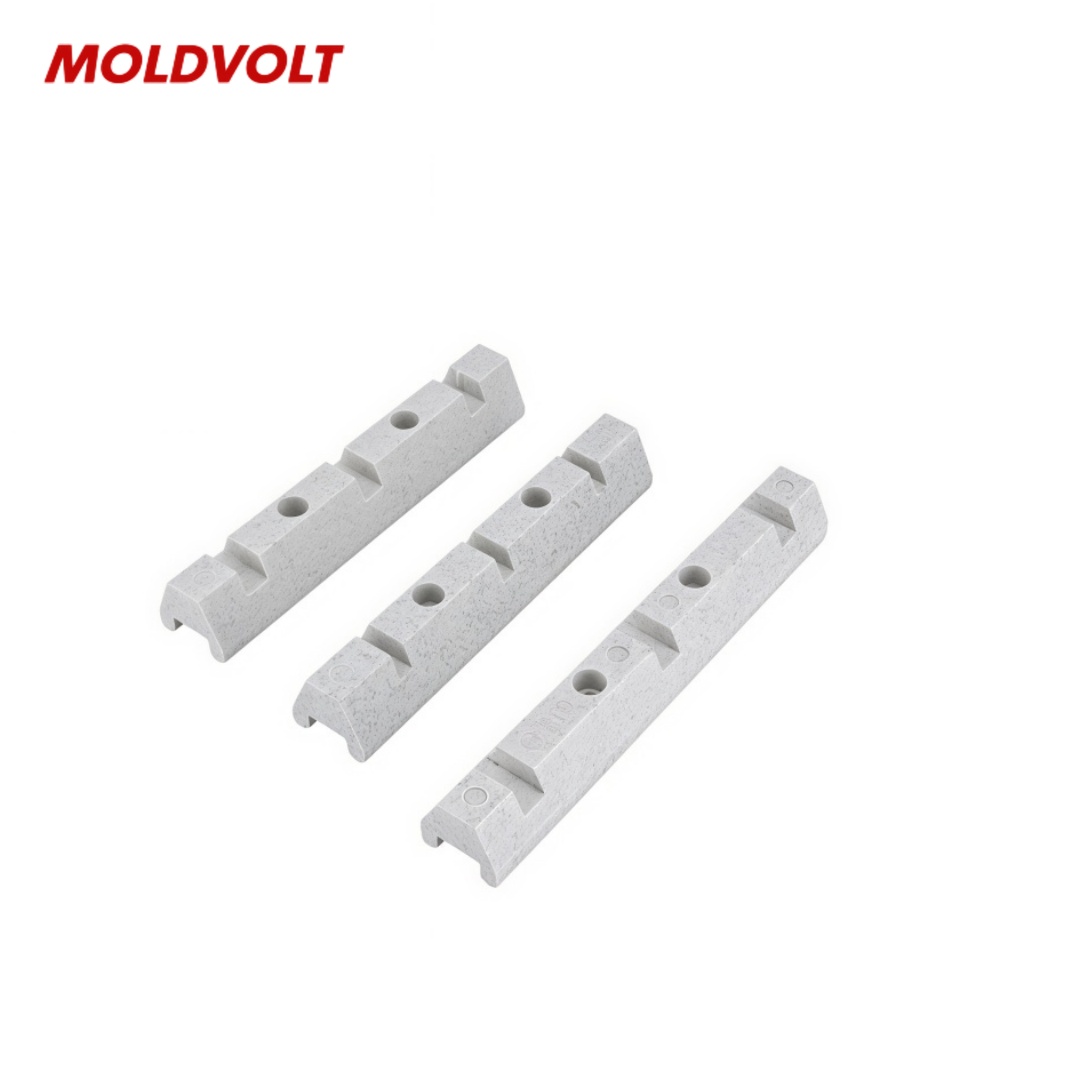
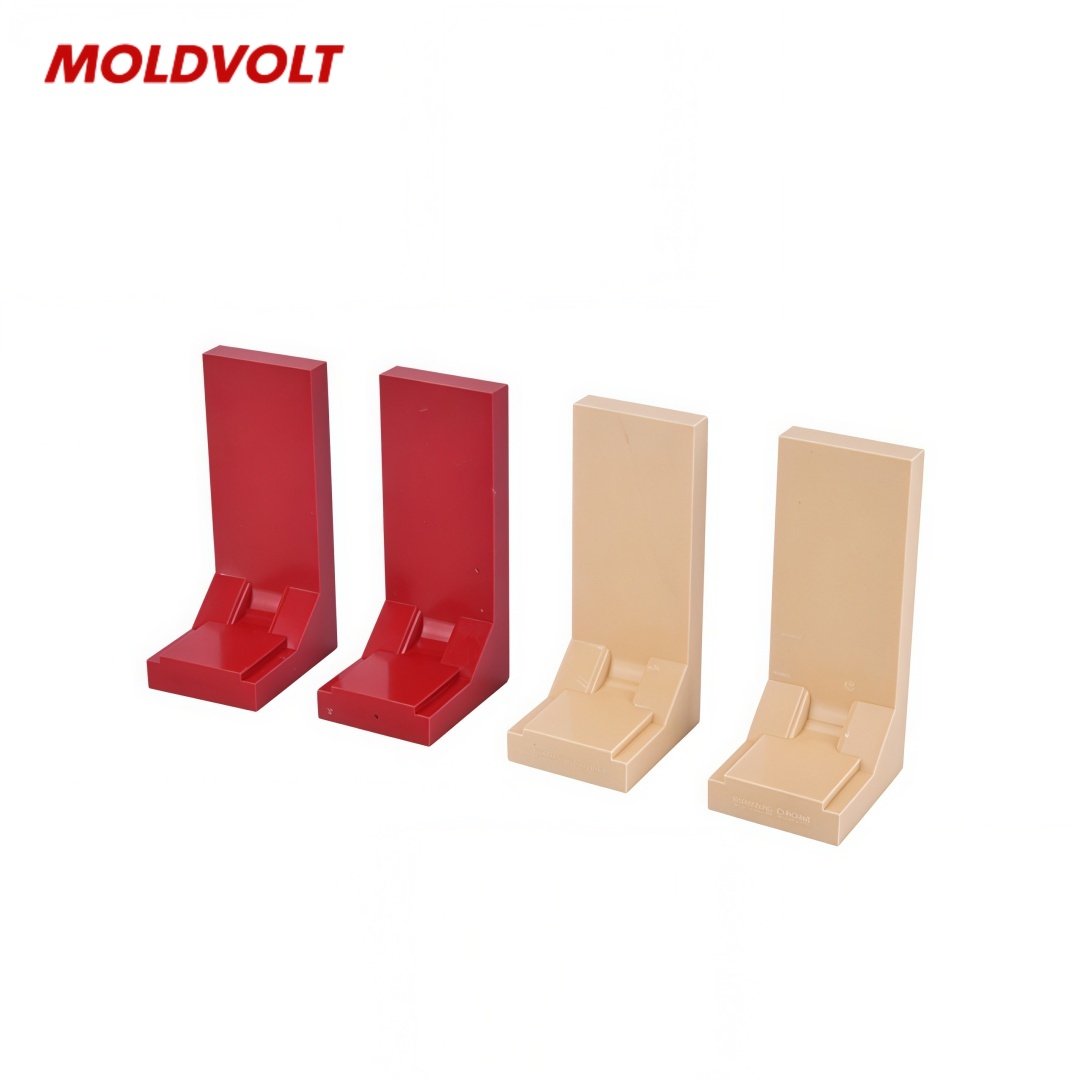
Composite insulator performance depends on the quality of its core materials, silicone housing, bonding interfaces, and metal fittings. Manufacturing processes require careful control of material preparation, molding, assembly, and inspection to support structural integrity and electrical reliability. Important evaluation factors include mechanical strength, interface bonding, dimensional accuracy, and electrical withstand performance. For example, a power equipment manufacturer sourcing 80 composite insulators for a distribution project should verify product ratings and relevant test documentation before installation. Consistent manufacturing specifications help improve procurement coordination and equipment compatibility. Careful quality control supports dependable insulation performance across transmission, distribution, and outdoor substation applications.

 EN