Pad Mounted Switchgear Solutions | Reliable Underground Distribution

All Categories
Customer Experiences with Pad Mounted Switchgear Solutions

Customer Experiences with Pad Mounted Switchgear Solutions

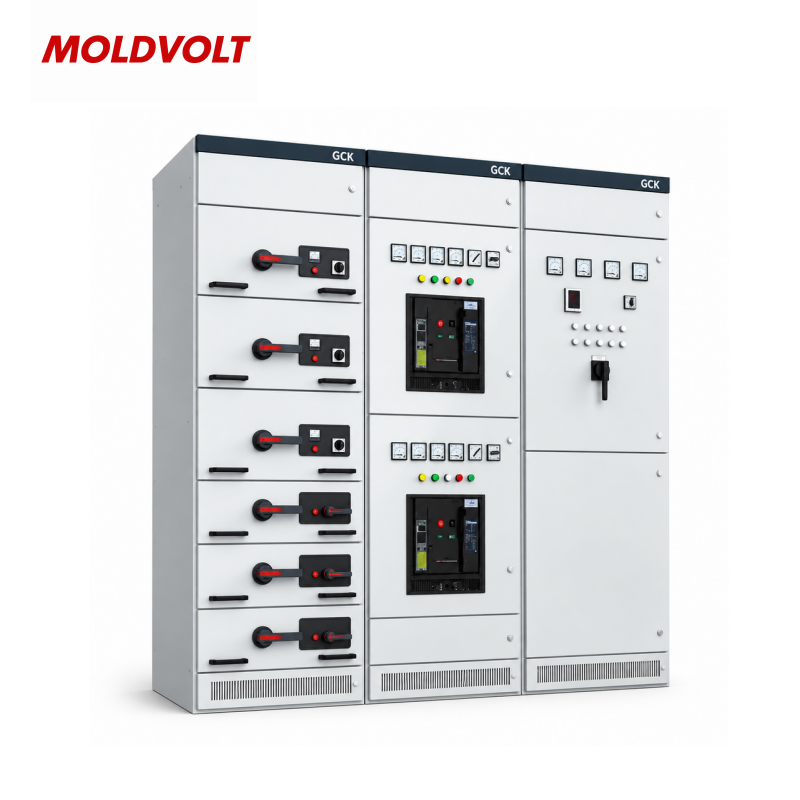
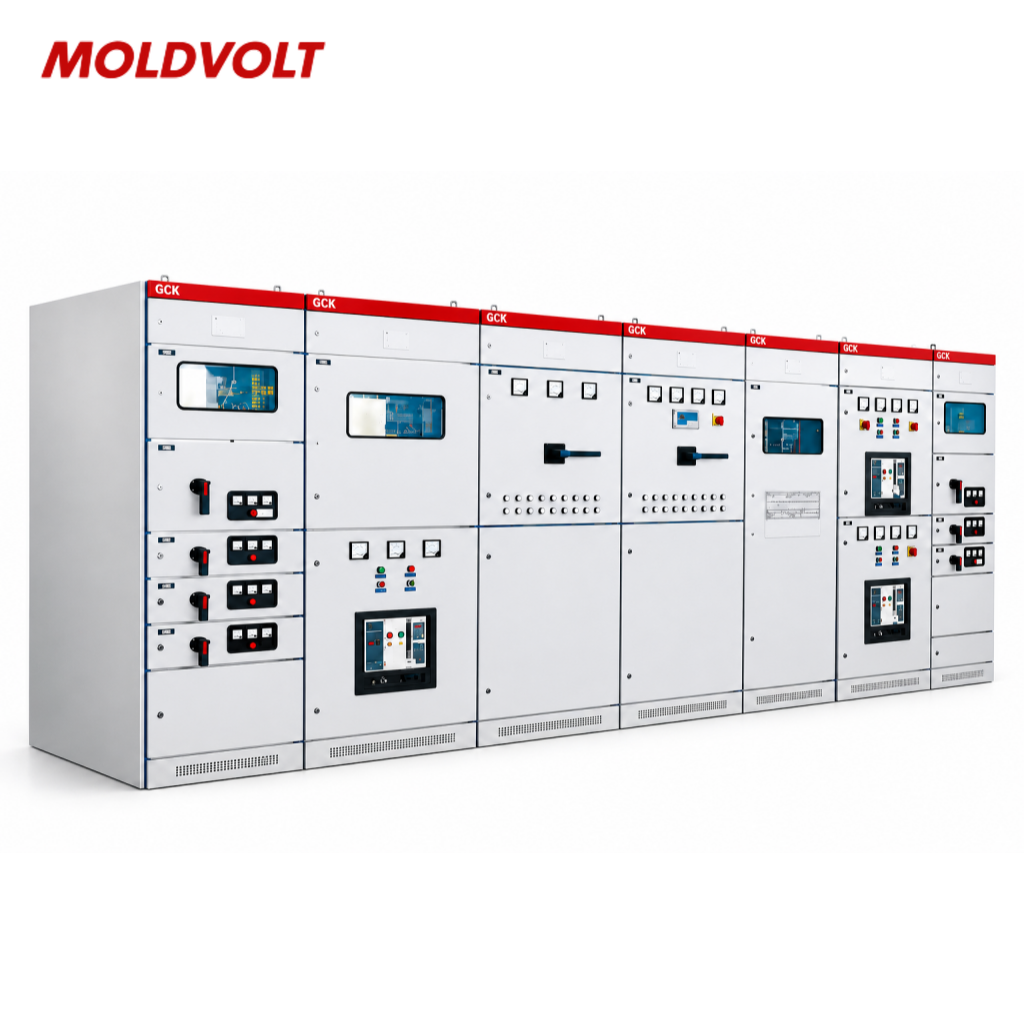
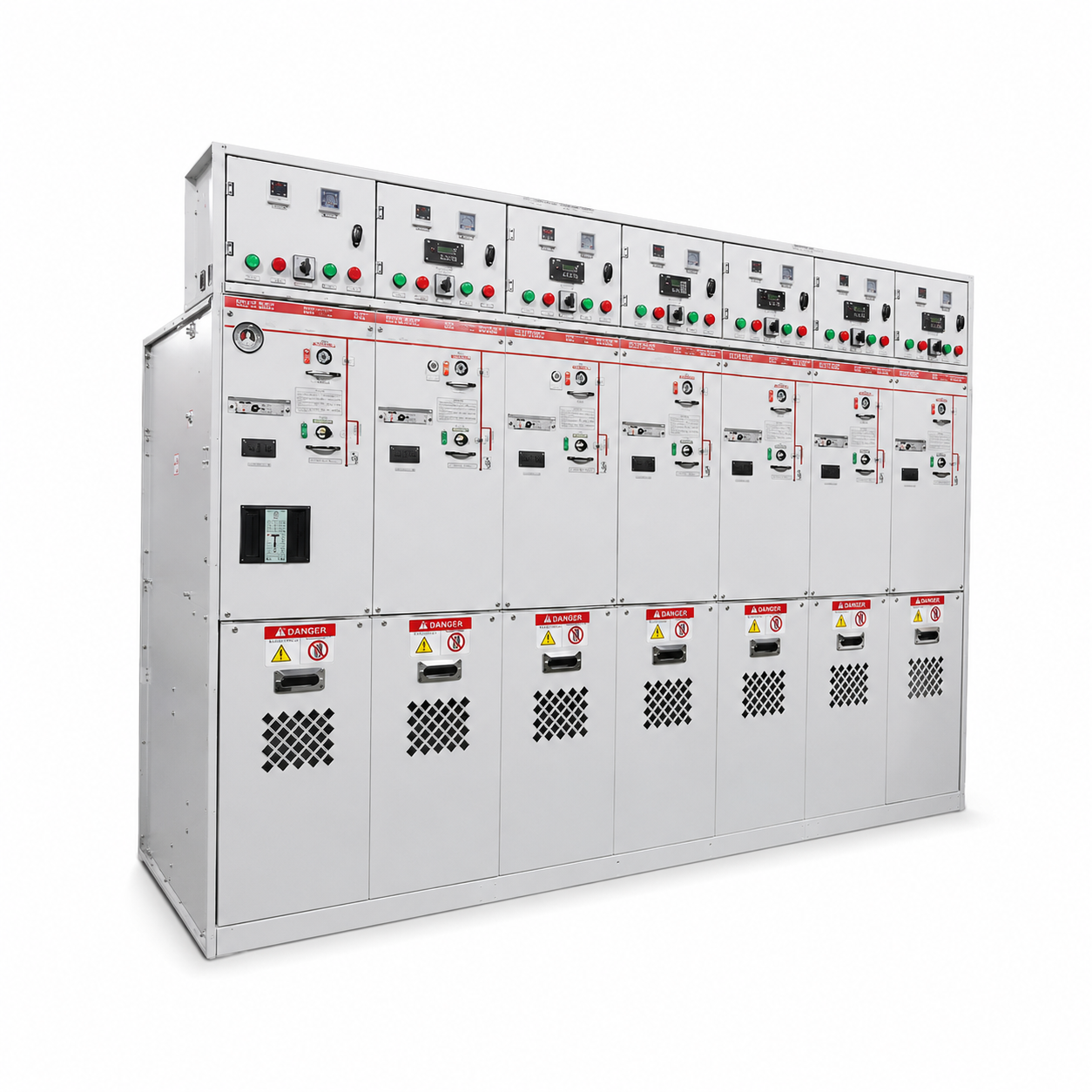
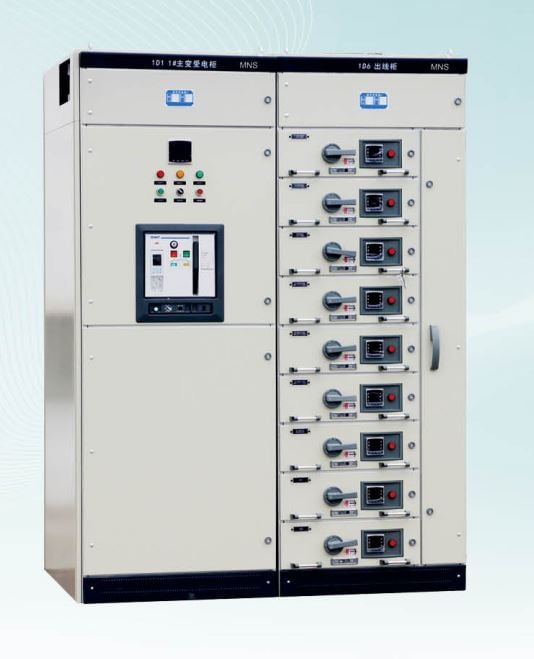
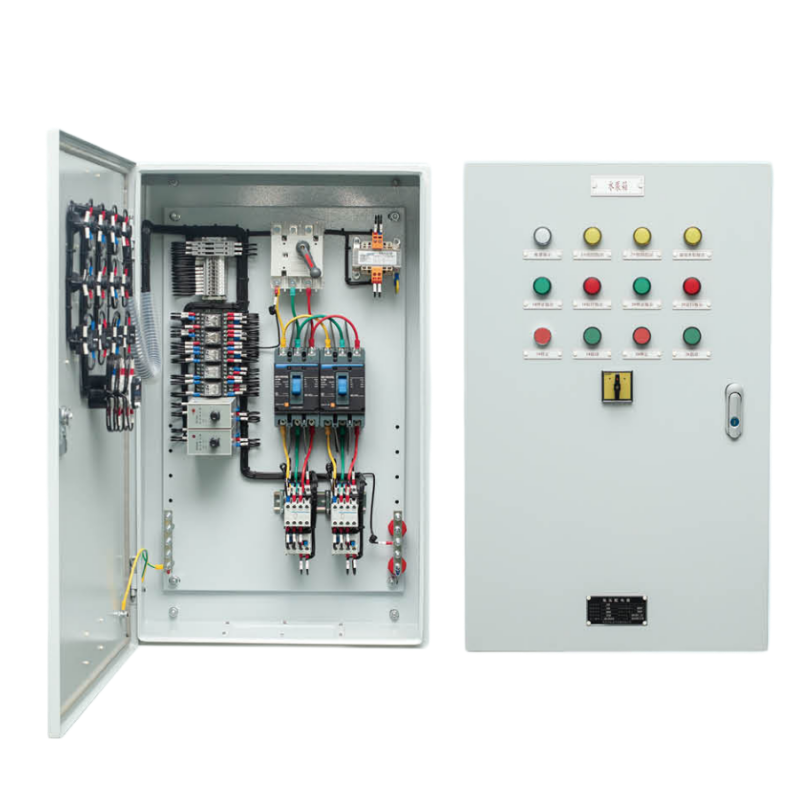
Pad mounted switchgear provides a compact solution for managing underground electrical distribution in commercial developments, industrial facilities, utility networks, and renewable energy projects. Installed on a ground-level concrete pad, the equipment supports switching, isolation, and circuit protection within an outdoor enclosure designed for the specified operating environment. Its compact footprint can help developers plan electrical infrastructure around parking areas, landscaped spaces, and building boundaries. Configurations may accommodate different voltage ratings, feeder arrangements, and operating mechanisms according to project requirements. Engineers should evaluate short-circuit ratings, environmental exposure, accessibility, and applicable standards before selection. Proper specification and installation help support dependable distribution, safer maintenance procedures, and efficient integration into underground power networks.
Get A Quote

Case Study

Underground Distribution for Residential Developments

Residential developments increasingly use underground distribution to maintain organized streetscapes and reduce exposure of overhead electrical lines. Pad mounted switchgear provides accessible switching and protection for underground feeder networks while maintaining a compact outdoor installation. For a housing development with several distribution branches, engineers can evaluate loop-feed arrangements, fused transformer connections, and sectionalizing requirements to establish an appropriate configuration. Lockable enclosures help restrict unauthorized access, while clearly identified operating positions support maintenance procedures. Equipment selection must consider network voltage, fault levels, utility specifications, and local electrical codes. Careful coordination during planning helps streamline installation and supports dependable power delivery as the community expands.

Commercial Campuses and Business Parks

Office campuses, shopping centers, and business parks need dependable electrical infrastructure to serve multiple buildings and varying demand profiles. Pad mounted switchgear can support underground medium-voltage distribution while providing designated switching points for individual feeders or transformer connections. For a campus with several commercial buildings, a sectionalized network may allow maintenance teams to isolate selected cable sections without unnecessarily interrupting unaffected circuits, subject to the network design. Engineers should assess load forecasts, feeder capacity, protection coordination, enclosure access, and available installation space. A well-documented configuration can simplify commissioning and future expansion while helping property operators maintain an organized electrical distribution network across the site.

Industrial Facilities and Renewable Energy Projects

Industrial plants and renewable energy installations require distribution equipment matched to their electrical loads, operating conditions, and maintenance strategies. Pad mounted switchgear can provide switching points for underground feeders serving production facilities, auxiliary buildings, or collection networks. In a solar project, for example, engineers may evaluate feeder isolation, transformer protection, and network sectionalizing requirements when developing the medium-voltage distribution layout. The selected assembly must satisfy applicable voltage and current ratings, short-circuit duties, environmental conditions, and project-specific standards. Reviewing cable interfaces, operating mechanisms, and commissioning procedures before procurement helps reduce integration risks and supports reliable operation throughout the installation's service life.

Related products

Pad mounted switchgear is designed to manage underground electrical distribution through ground-level equipment enclosures that accommodate switching and, where specified, circuit protection. Common applications include residential developments, commercial campuses, industrial facilities, utility distribution networks, and renewable energy projects. Depending on the design, assemblies may include load-interrupter switches, fused feeder ways, cable terminations, operating mechanisms, and optional monitoring or remote-control interfaces. Selecting suitable equipment requires more than comparing nominal voltage ratings. Engineers must review continuous current, short-circuit withstand and interruption requirements, insulation levels, cable connections, enclosure protection, and installation clearances. Relevant standards may include IEEE C37.74 and applicable enclosure or connector requirements, depending on the equipment design and destination market. Manufacturing quality also depends on accurate enclosure fabrication, reliable component installation, wiring verification, and appropriate factory testing. For example, a commercial development with several underground feeders may require separate switching arrangements for transformer branches and provisions for future load growth. Reviewing the single-line diagram, utility specifications, and site conditions helps establish a practical configuration before production. VoltCabinet can be approached to discuss project requirements, technical documentation, and suitable equipment options. Buyers should confirm available ratings, certifications, testing scope, and delivery arrangements against their specific project specifications.
Frequently Asked Questions

What is pad mounted switchgear used for?

Pad mounted switchgear manages switching, isolation, and circuit protection in underground electrical distribution systems. It is commonly used in residential developments, commercial campuses, industrial sites, and utility networks. Its ground-level enclosure provides an accessible operating point while helping protect electrical components from environmental exposure and unauthorized access.
Available voltage ratings depend on the manufacturer, equipment design, and intended application. Medium-voltage options commonly serve distribution networks, but exact ratings must be verified against the project specification. Buyers should confirm nominal and maximum design voltage, insulation level, continuous current, and fault-duty requirements before ordering.
Project-specific configurations may accommodate different feeder arrangements, switching functions, fuse options, operating mechanisms, enclosure materials, and monitoring interfaces. Customization depends on the manufacturer's available designs and applicable standards. Providing a single-line diagram, electrical ratings, site conditions, and utility requirements helps determine a suitable configuration.
Applications include residential subdivisions, commercial buildings, industrial parks, renewable energy facilities, campuses, and utility distribution networks. These installations often use underground cables and require accessible switching points. The correct configuration depends on network topology, load characteristics, protection requirements, environmental exposure, and local electrical regulations.
Confirm voltage and current ratings, short-circuit capability, switching functions, cable interfaces, enclosure protection, applicable standards, and required certifications. Also review installation clearances, maintenance access, testing documentation, and delivery scope. Coordination with the utility and a qualified electrical engineer helps ensure the equipment meets site requirements.

Related article

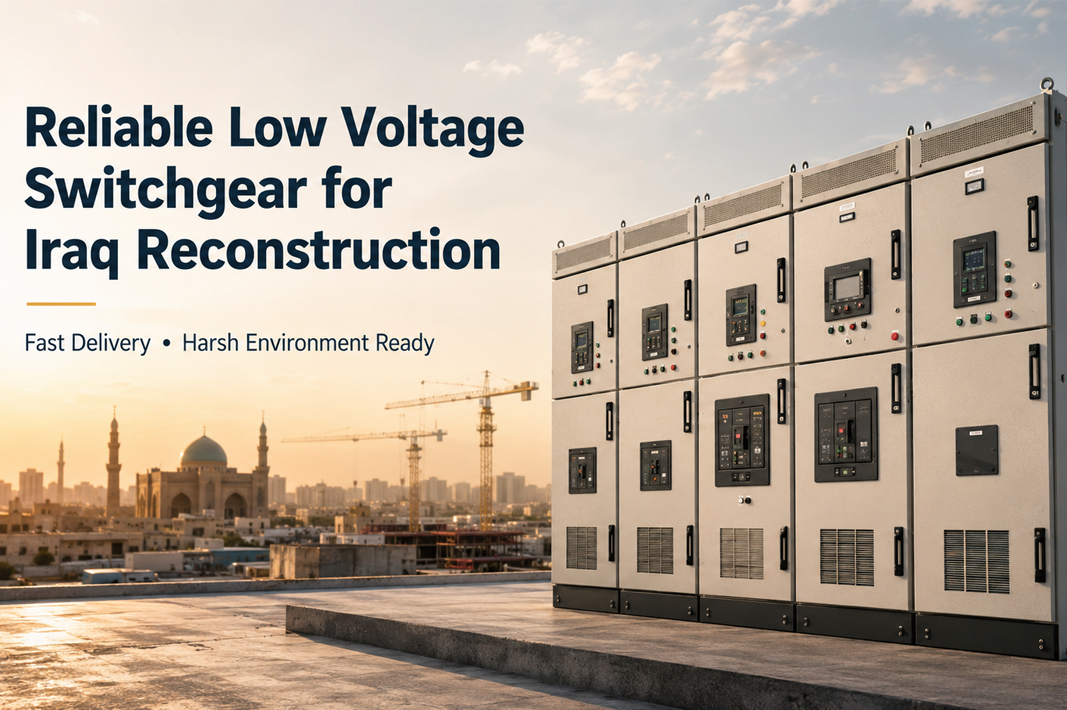
Cost-Effective Low Voltage Switchgear for Iraq: Compatible with Blokset, Okken & 8PT | Local Assembly Options

16

Sep

Cost-Effective Low Voltage Switchgear for Iraq: Compatible with Blokset, Okken & 8PT | Local Assembly Options

View More
Why cabinet condensation leads to insulation failure in electrical equipment?

21

Sep

Why cabinet condensation leads to insulation failure in electrical equipment?

The Science of Cabinet Condensation: How Temperature, Humidity, and Design InteractDew Point Formation Inside Enclosures Due to Thermal GradientsCondensation inside an electrical cabinet is not simply a matter of seal failure—it is governed by the de...
View More
Insulator dimensional tolerance controls assembly efficiency in switchgear.

25

Sep

Insulator dimensional tolerance controls assembly efficiency in switchgear.

Why Insulator Dimensional Tolerance Is the Silent Driver of Switchgear Assembly EfficiencyIn high-voltage switchgear, insulators do much more than prevent flashover—they serve as load-bearing anchors that dictate how quickly and precisely busbars, ci...
View More
What electrical switchgear testing items are required before site commissioning?

21

Oct

What electrical switchgear testing items are required before site commissioning?

Insulation Integrity and Dielectric Strength Verification Megger testing of busbars, cables, and instrument transformer circuits Megger testing is a foundational pre-commissioning check for electrical switchgear, measuring insulation resistance (IR...
View More

Customer Testimonials

James Miller

Our project required compact outdoor distribution equipment with dependable switching and protection. The proposed configuration helped organize underground feeder connections and simplified site planning for a commercial development with limited installation space.

Robert Davis

We needed a practical solution for an underground distribution project. The equipment specification focused on switching requirements, enclosure protection, and maintenance access, helping our engineering team coordinate installation and long-term operating procedures.

Get a Free Quote

Our representative will contact you soon.
Email
Mobile/WhatsApp
Name
Company Name
Message
0/1000
Outdoor Protection and Controlled Access

Outdoor Protection and Controlled Access

Outdoor distribution equipment must withstand its intended environment while remaining accessible to authorized operating personnel. Pad mounted switchgear uses an enclosure designed for the specified installation conditions, with locking arrangements and construction features selected according to project requirements. For equipment installed near residential roads, commercial parking areas, or industrial walkways, enclosure security and appropriate placement are important considerations. Engineers should evaluate moisture exposure, corrosion risks, ambient temperatures, drainage, and required working clearances before installation. Enclosure ratings and materials must be verified against the actual site conditions rather than assumed from appearance alone. Appropriate inspection and maintenance procedures further support long-term performance and dependable electrical operation.
Flexible Feeder Configuration and Network Planning

Flexible Feeder Configuration and Network Planning

Underground distribution networks differ in feeder count, transformer connections, operating philosophy, and future capacity requirements. Pad mounted switchgear can be specified with switching and protection arrangements that reflect these differences. For example, a commercial development with several transformer-fed buildings may require loop switching and designated fused branches, while an industrial site may prioritize sectionalizing and planned maintenance access. Engineers should confirm the required number of ways, continuous current ratings, fault-duty capability, cable interfaces, and operating mechanisms before finalizing the design. Reviewing these parameters alongside the network single-line diagram helps avoid configuration mismatches. Proper planning also supports commissioning, maintenance coordination, and future network modifications without relying on unverified equipment assumptions.

Get a Free Quote

Our representative will contact you soon.
Email
Mobile/WhatsApp
Name
Company Name
Message
0/1000