PLC Control Cabinet Solutions | Custom Industrial Automation

All Categories
Reliable PLC Control Cabinet Solutions for Industrial Automation

Reliable PLC Control Cabinet Solutions for Industrial Automation

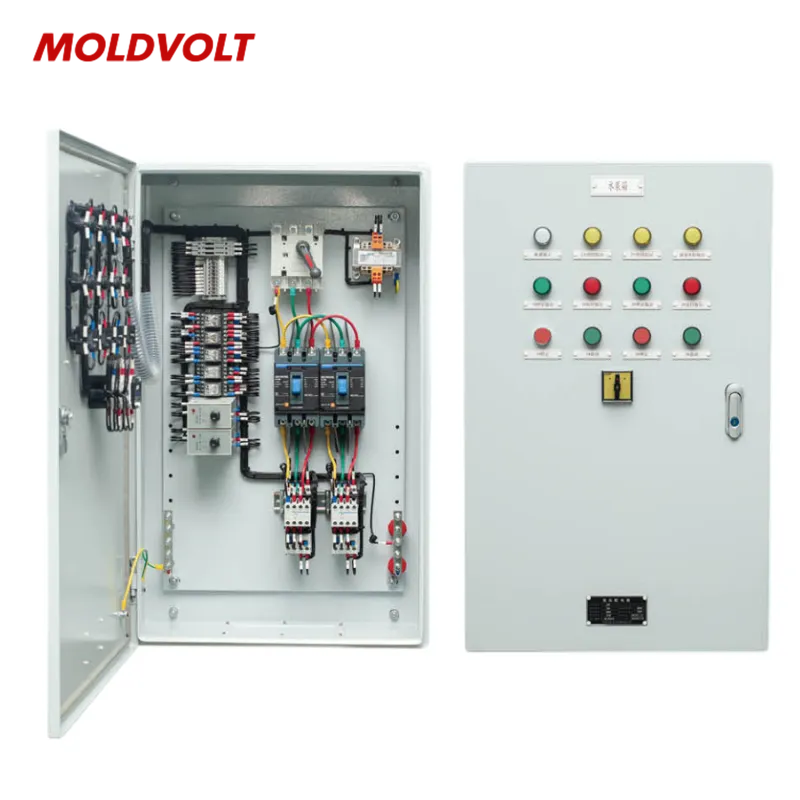
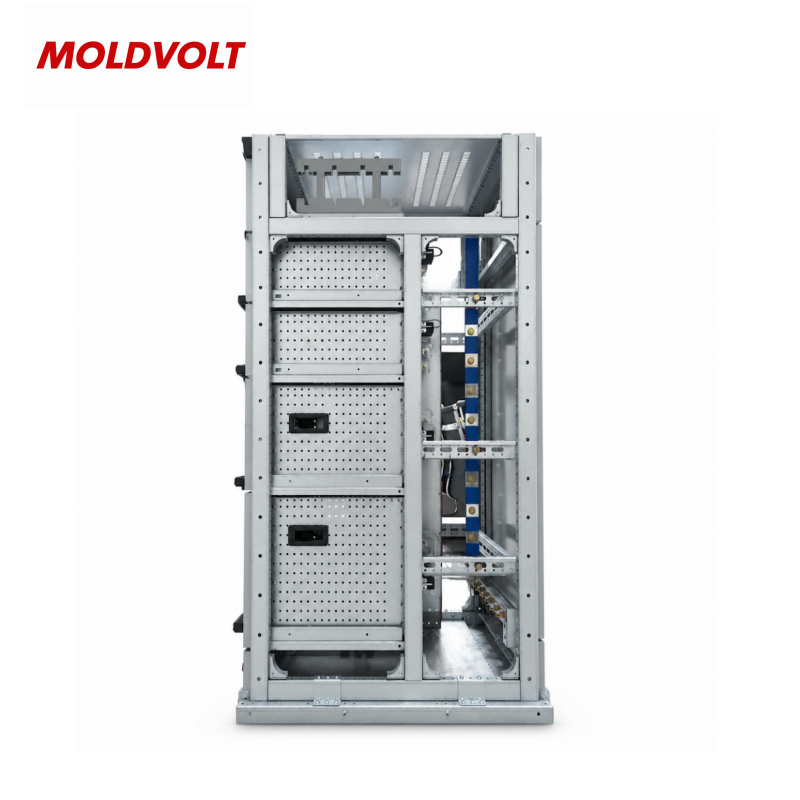
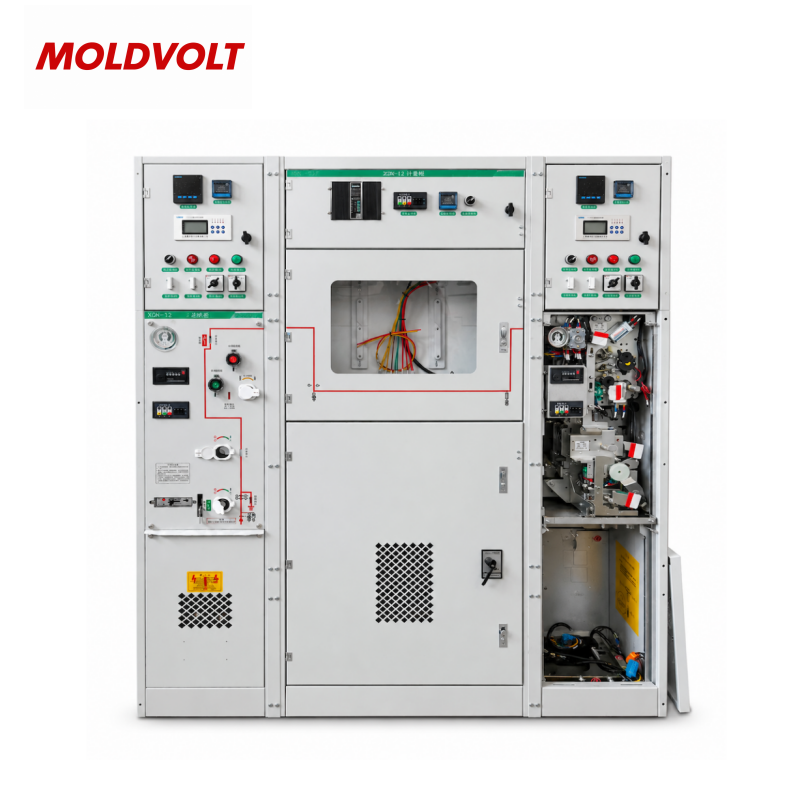
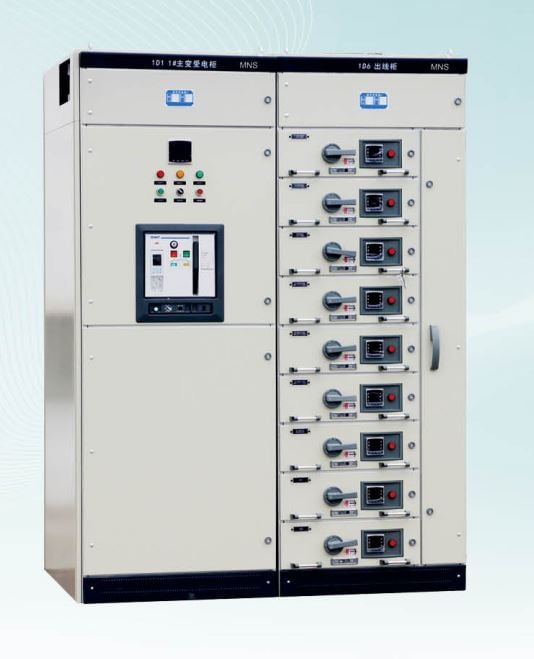
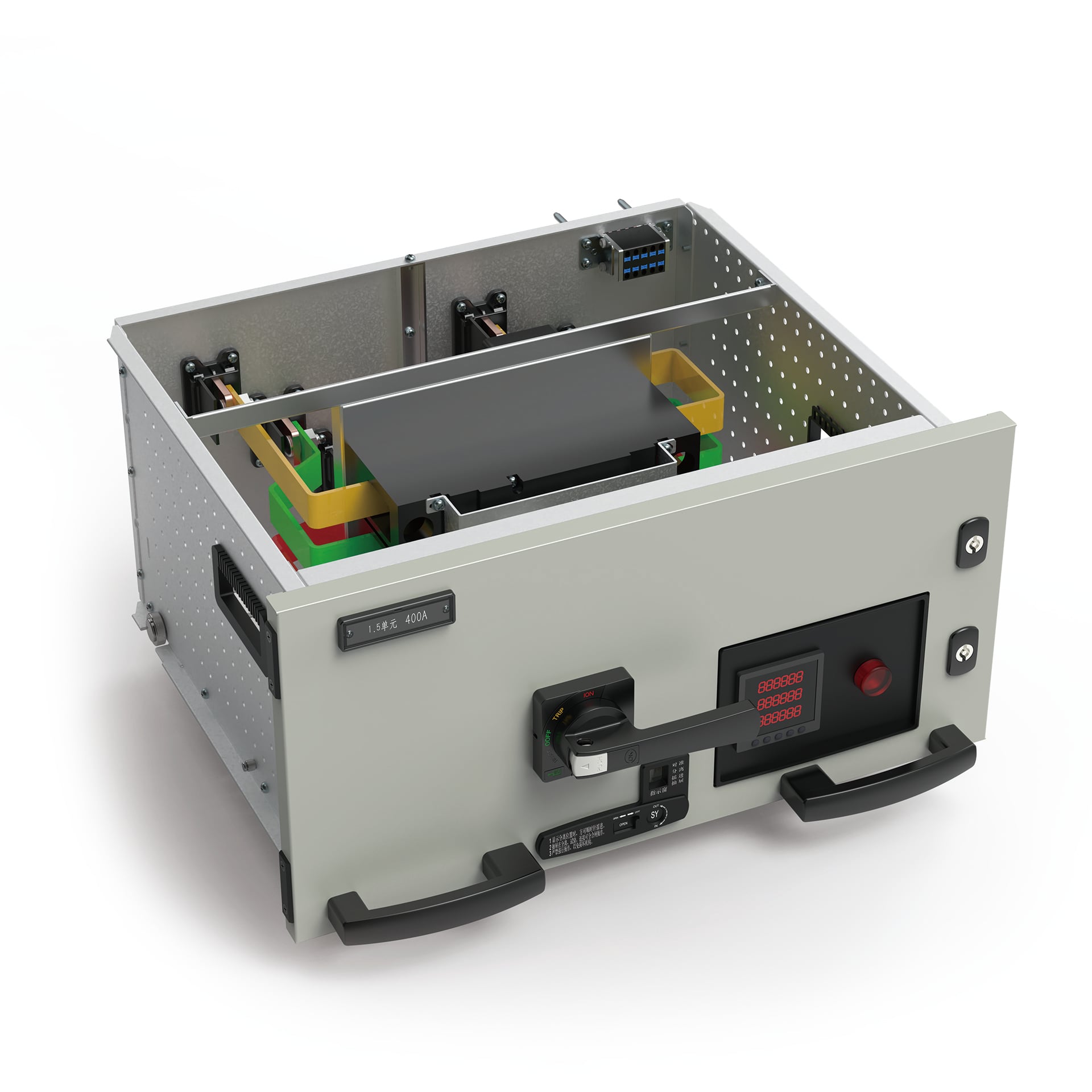
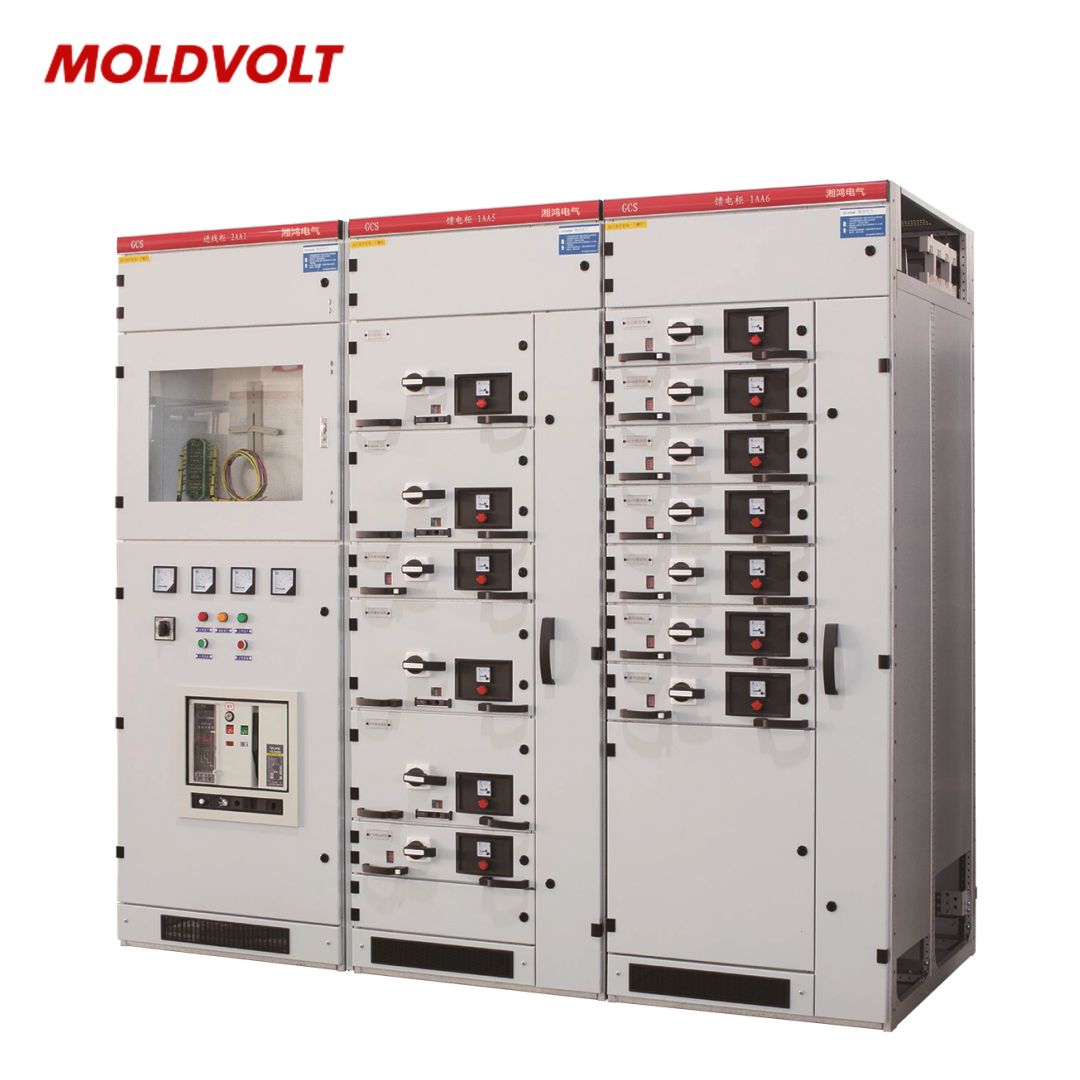
Voltcabinet provides PLC control cabinets designed to support automated machinery, process control, and centralized electrical management. Each cabinet can be customized according to PLC specifications, operating voltage, input and output requirements, and installation conditions. Configurations can accommodate programmable logic controllers, power supplies, circuit breakers, relays, contactors, communication modules, and terminal blocks. Organized wiring and accessible component arrangements simplify commissioning, troubleshooting, and routine maintenance. Suitable for manufacturing plants, packaging lines, water treatment facilities, and automated processing systems, these cabinets support efficient equipment coordination. Customized layouts and component selection help businesses integrate automation systems while maintaining reliable electrical performance and convenient maintenance access.
Get A Quote

Case Study

Automated Manufacturing Line Control

A manufacturing facility required a customized PLC control cabinet to coordinate multiple machines across its production line. Voltcabinet developed a cabinet configuration incorporating programmable logic controllers, circuit breakers, power supplies, and organized terminal connections. The internal layout considered signal routing, equipment loads, and maintenance accessibility. Input and output connections were arranged to support communication between the PLC and connected machinery. This centralized configuration provided technicians with a more convenient interface for monitoring and managing production equipment. The solution helped establish an organized automation control system while simplifying electrical inspections and supporting future production line modifications.

Water Treatment Process Automation

A water treatment facility needed a PLC control cabinet to coordinate pump operation, sensor signals, and auxiliary equipment. Voltcabinet configured the enclosure around the project's control logic, input and output requirements, and installation environment. The cabinet accommodated PLC modules, protective devices, relays, power supplies, and clearly identified terminal blocks. Its organized wiring arrangement supported connections between field instruments and the central controller. Suitable enclosure protection was considered for the operating environment. The solution provided a structured foundation for process automation and helped maintenance personnel access control components more conveniently during routine inspections and troubleshooting.

Packaging Equipment Automation Integration

A packaging equipment manufacturer required a PLC control cabinet to coordinate motors, sensors, conveyors, and machine operating sequences. Voltcabinet developed a customized configuration based on the equipment's electrical specifications and automation architecture. The cabinet incorporated PLC components, motor control devices, circuit protection, and organized signal terminals. Internal component positioning supported convenient wiring connections and maintenance access. The completed solution provided a centralized arrangement for coordinating machine functions and processing operational signals. This application demonstrates how customized PLC control cabinets support packaging machinery manufacturers seeking reliable automation integration, organized electrical connections, and efficient equipment management.

Related products

Voltcabinet specializes in electrical cabinet solutions for programmable logic control, industrial automation, and machinery management. A PLC control cabinet houses the electrical components required to execute control programs, process input signals, and coordinate connected equipment. Depending on project requirements, configurations may include PLC CPUs, input and output modules, communication modules, power supplies, circuit breakers, relays, contactors, and terminal blocks. Engineering considerations include supply voltage, I/O point capacity, communication protocols, operating loads, heat dissipation, and enclosure protection. For example, an automated production line may require PLC connections for conveyor motors, proximity sensors, emergency stops, and machine status signals. A properly configured cabinet helps organize these connections and provides convenient access for commissioning and maintenance. Voltcabinet focuses on component compatibility, practical cabinet layouts, and customized manufacturing requirements to support international automation projects and industrial equipment manufacturers.
Frequently Asked Questions

What is a PLC control cabinet used for?

A PLC control cabinet houses programmable logic controllers and associated electrical components that manage machinery, process signals, and automate industrial operations. It is widely used in manufacturing, packaging, water treatment, and processing facilities.
Typical components include PLC CPUs, input and output modules, communication modules, power supplies, circuit breakers, relays, contactors, and terminal blocks. Selection depends on automation functions and project specifications.
Yes. PLC models, I/O capacity, communication interfaces, cabinet dimensions, wiring arrangements, and protection configurations can be customized according to equipment requirements and industrial automation specifications.
Evaluate the number of input and output signals, connected equipment, communication requirements, expansion plans, and power supply specifications. Allowing suitable spare I/O capacity can also simplify future system modifications.
PLCs and associated electrical components generate heat during operation. Appropriate ventilation, cooling, and component spacing help maintain suitable operating temperatures, protect sensitive electronics, and support reliable automation performance.

Related article

From High-Voltage Insulators to Low-Voltage Switchgear: A Vietnamese Manufacturer’s Transformation, Together with Us‌

08

Sep

From High-Voltage Insulators to Low-Voltage Switchgear: A Vietnamese Manufacturer’s Transformation, Together with Us‌

View More
What cable clamp material suits high temperature switchgear cabinets?

19

Sep

What cable clamp material suits high temperature switchgear cabinets?

Understanding High-Temperature Challenges in Switchgear CabinetsTypical Operating Temperatures and Thermal Stress Sources (Busbars, Load Cycling, Enclosure Design)Switchgear cabinets experience elevated temperatures primarily due to resistive losses ...
View More
Why cabinet condensation leads to insulation failure in electrical equipment?

21

Sep

Why cabinet condensation leads to insulation failure in electrical equipment?

The Science of Cabinet Condensation: How Temperature, Humidity, and Design InteractDew Point Formation Inside Enclosures Due to Thermal GradientsCondensation inside an electrical cabinet is not simply a matter of seal failure—it is governed by the de...
View More
Insulator dimensional tolerance controls assembly efficiency in switchgear.

25

Sep

Insulator dimensional tolerance controls assembly efficiency in switchgear.

Why Insulator Dimensional Tolerance Is the Silent Driver of Switchgear Assembly EfficiencyIn high-voltage switchgear, insulators do much more than prevent flashover—they serve as load-bearing anchors that dictate how quickly and precisely busbars, ci...
View More

Customer Testimonials

James Wilson

The PLC control cabinet integrated smoothly with our production equipment. Its organized wiring and accessible components simplified commissioning and helped our technicians improve maintenance efficiency.

Michael Brown

We appreciated the flexible cabinet configuration and component compatibility. The solution provided reliable machine coordination and simplified electrical inspections across our manufacturing facility.

Get a Free Quote

Our representative will contact you soon.
Email
Mobile/WhatsApp
Name
Company Name
Message
0/1000
Flexible PLC Configurations for Different Automation Systems

Flexible PLC Configurations for Different Automation Systems

Different automation projects require specific PLC configurations, signal capacities, and communication functions. Voltcabinet develops PLC control cabinets according to individual equipment specifications, considering controller selection, I/O requirements, component positioning, and wiring arrangements. For example, an automated packaging line may require connections for 30 or more input and output signals, including sensors, motors, and machine status indicators. A customized cabinet layout helps organize these connections while providing convenient access for technicians. Depending on project complexity, configurations can also accommodate communication modules and additional expansion capacity. This flexibility supports efficient automation integration and provides a practical foundation for future equipment upgrades.
Organized Wiring for Easier Commissioning and Maintenance

Organized Wiring for Easier Commissioning and Maintenance

Clear wiring organization is essential for reliable PLC system operation. Voltcabinet emphasizes structured terminal arrangements, clearly identified signal connections, and accessible component positioning when configuring PLC control cabinets. During commissioning, technicians need to verify input and output signals, check power connections, and confirm communication between controllers and connected equipment. An organized internal layout makes these procedures more straightforward. In facilities operating multiple automated machines, consistent wiring identification also helps maintenance personnel locate relevant circuits during troubleshooting. Appropriate component spacing and cable routing further support inspection accessibility and thermal management. These considerations contribute to practical cabinet maintenance and efficient industrial automation management.
Reliable Electrical Integration for Continuous Automation

Reliable Electrical Integration for Continuous Automation

Stable automation depends on compatible electrical components and properly configured control circuits. Voltcabinet considers PLC specifications, power requirements, signal types, and operating environments when developing control cabinet solutions. Depending on the application, cabinets can integrate programmable controllers, protective devices, communication modules, relays, and motor control components. For example, a conveyor system may require coordinated sensor inputs, motor outputs, and emergency stop signals to manage different operating stages. Appropriate component selection, structured wiring, and suitable enclosure protection help support dependable system integration. Combined with professional installation and PLC programming, these considerations provide a practical foundation for efficient industrial automation and equipment control.

Get a Free Quote

Our representative will contact you soon.
Email
Mobile/WhatsApp
Name
Company Name
Message
0/1000