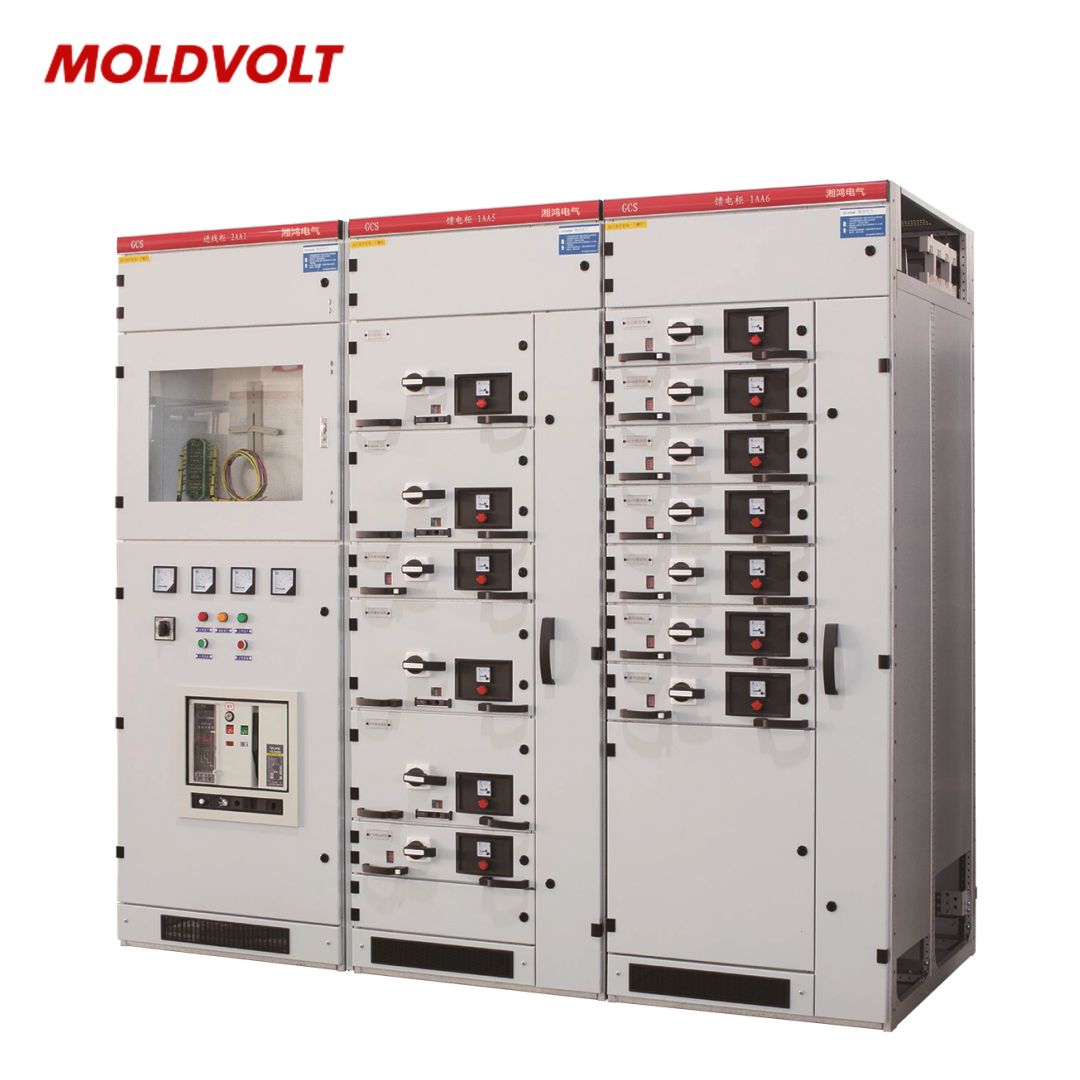
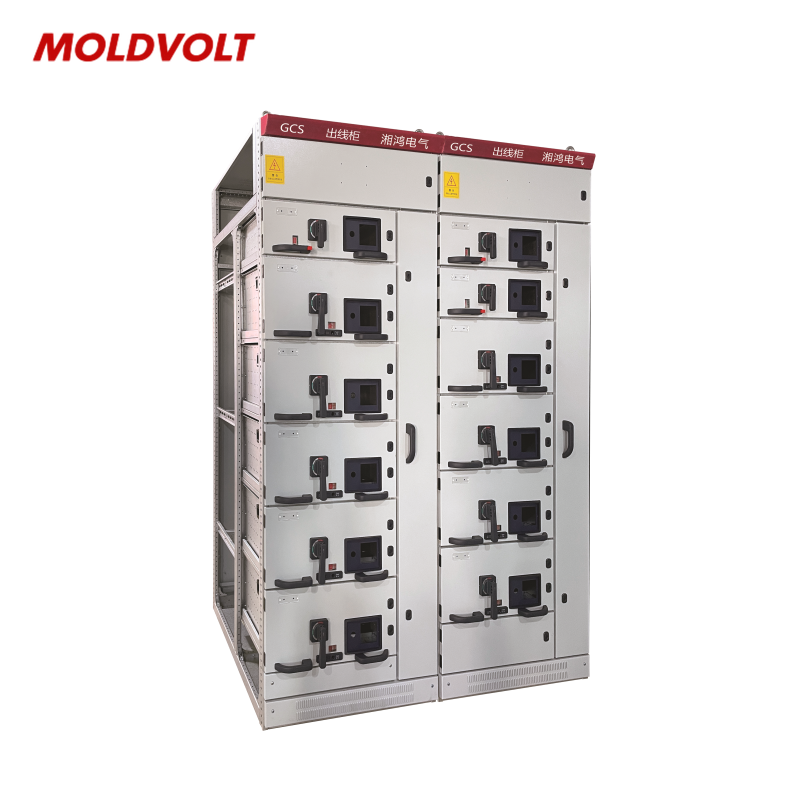
Transformer Control Cabinet: Custom Industrial Solutions

All Categories
Reliable Transformer Control Cabinet Solutions for Industrial Power Systems

Reliable Transformer Control Cabinet Solutions for Industrial Power Systems

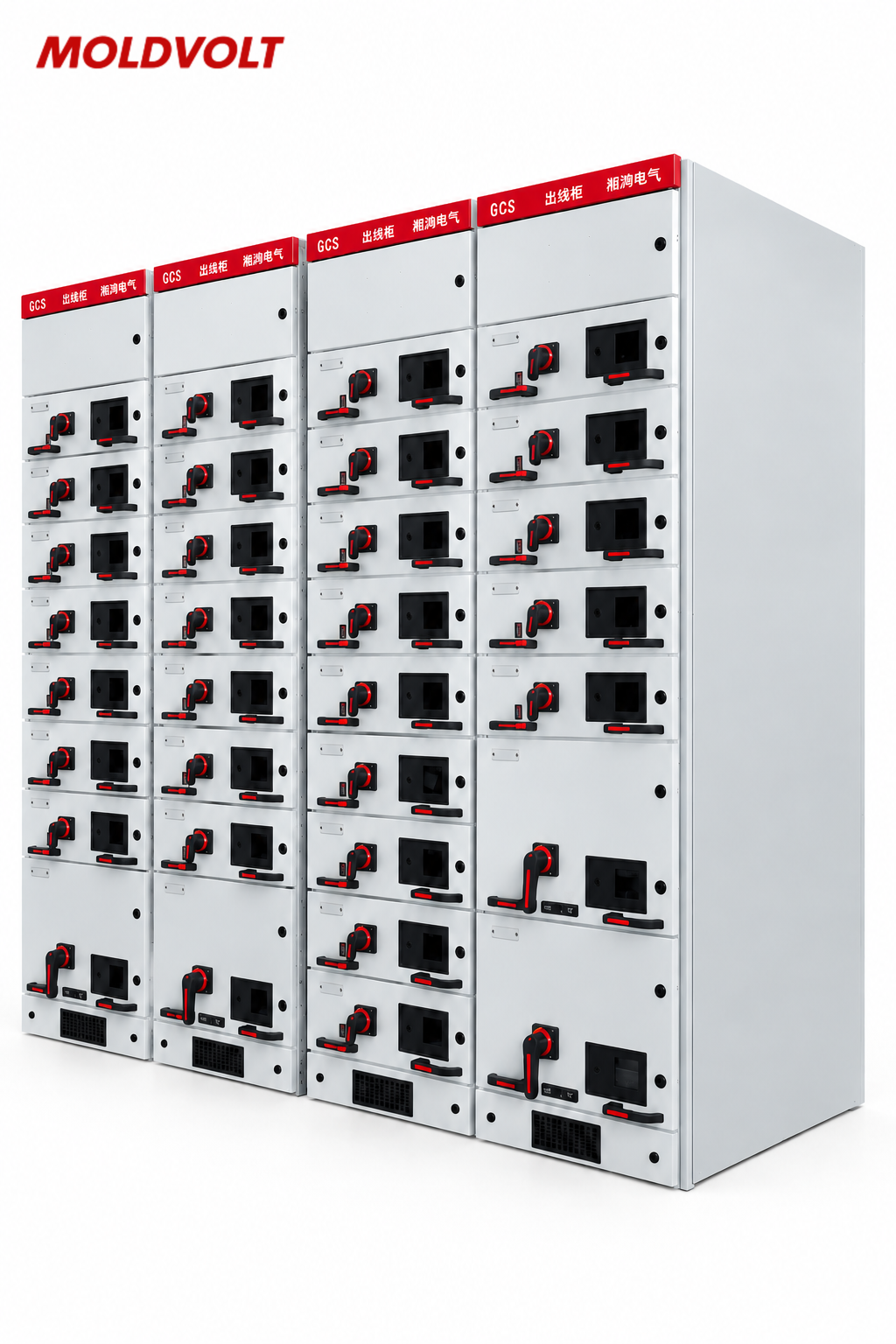
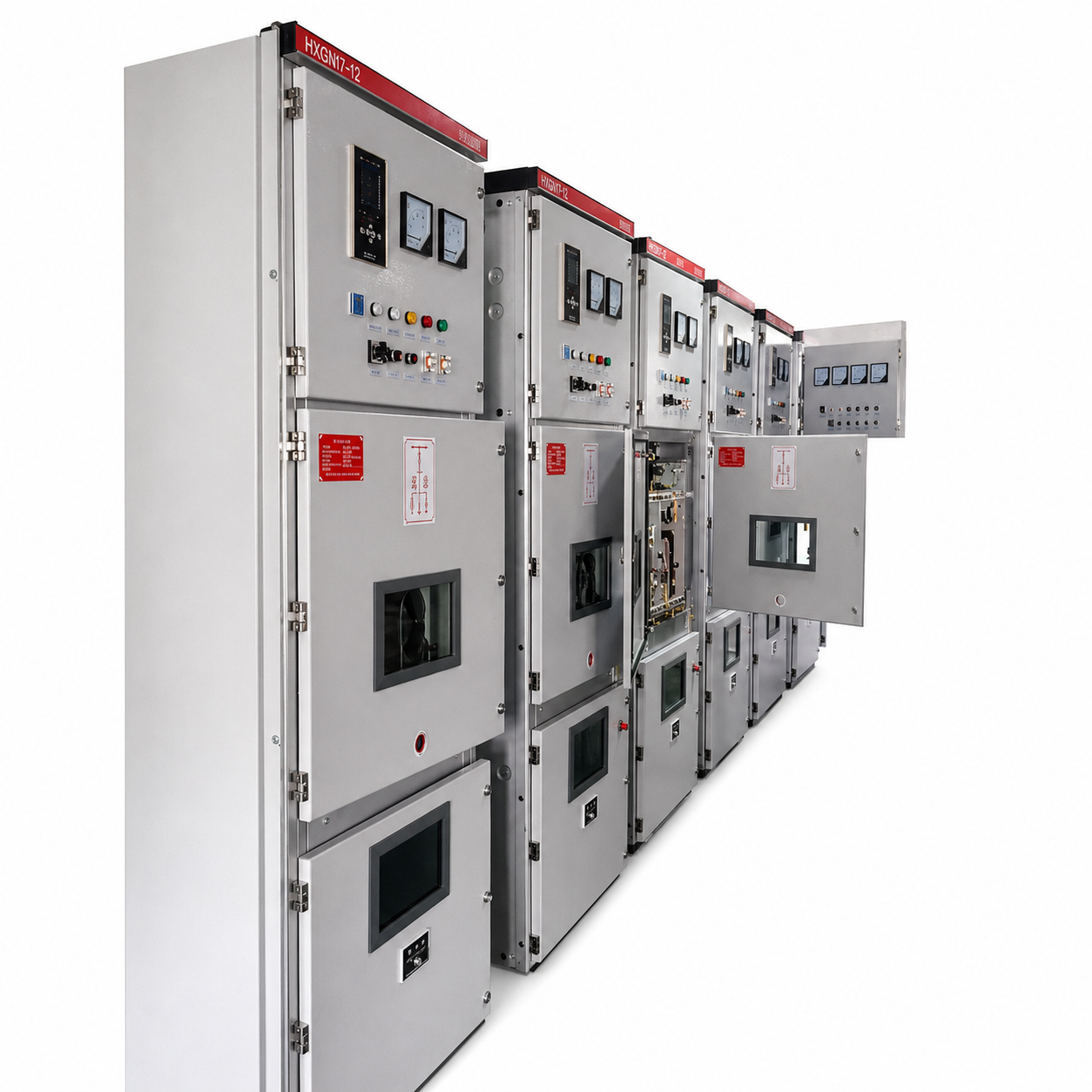
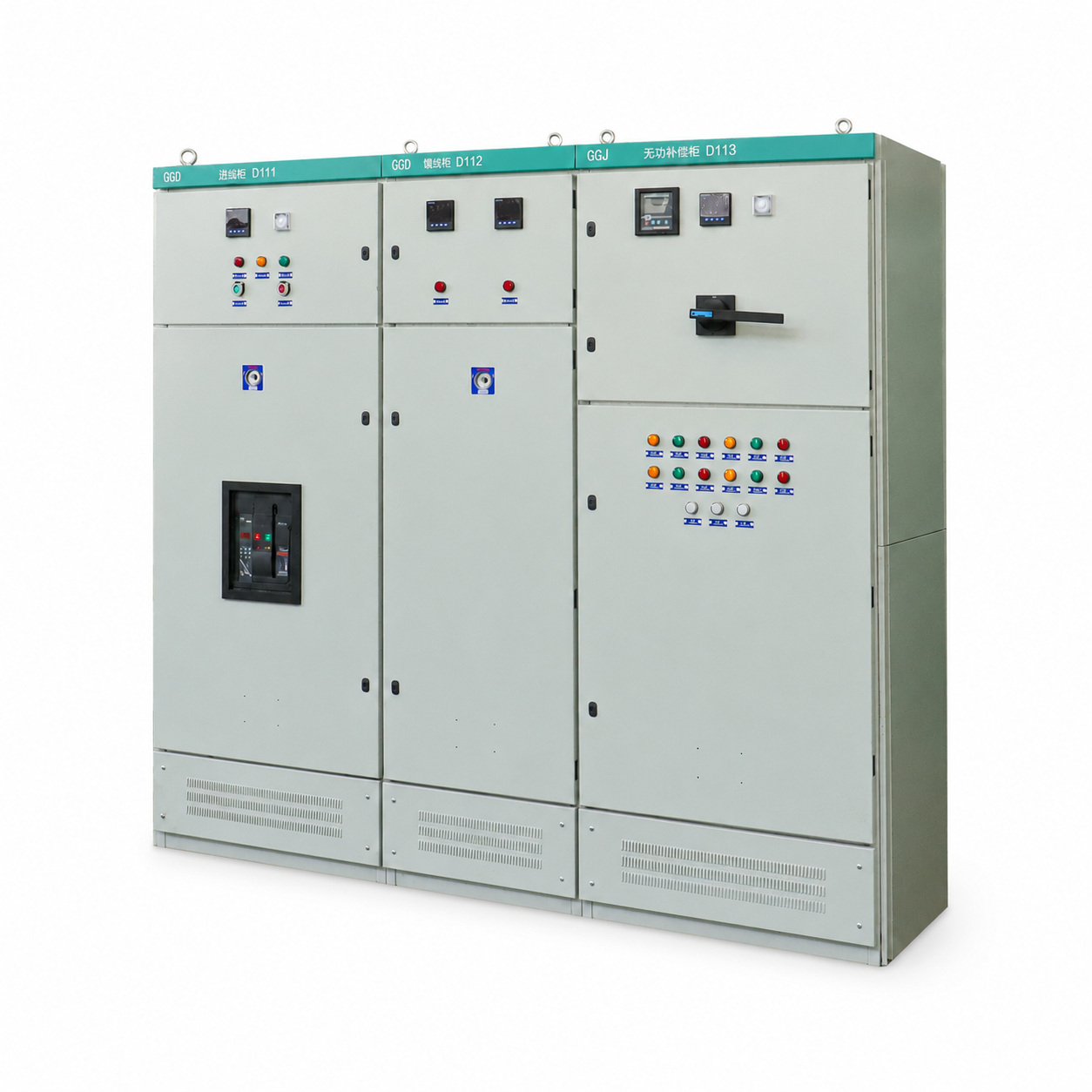
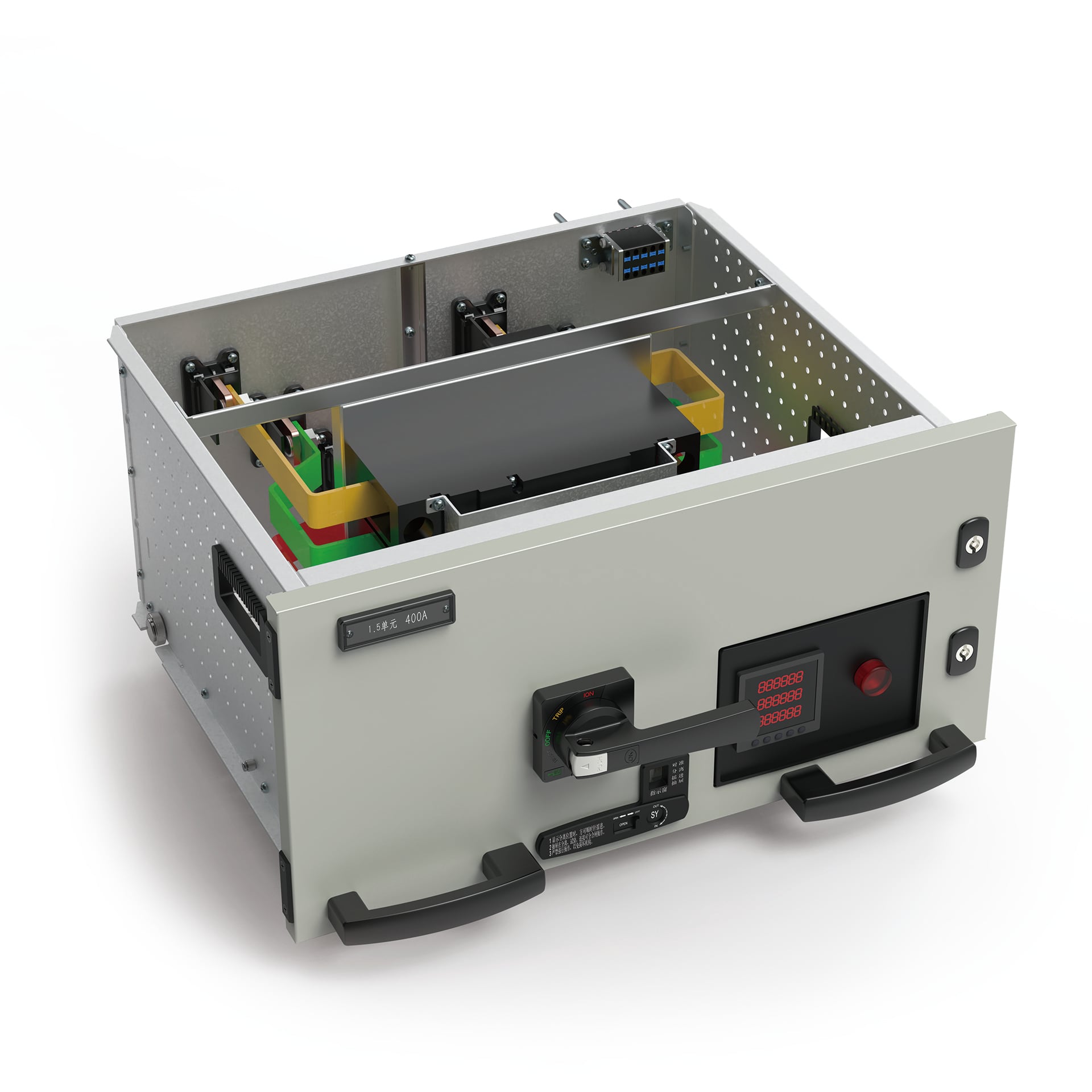
Voltcabinet provides transformer control cabinets designed to support reliable transformer operation, electrical protection, and efficient system management. Each cabinet can be configured according to transformer capacity, operating voltage, control requirements, and installation conditions. Internal layouts accommodate essential electrical components, including circuit breakers, relays, contactors, terminal blocks, and monitoring devices. Organized wiring and accessible component arrangements simplify inspection and routine maintenance. Suitable for substations, industrial plants, commercial power facilities, and distribution networks, these solutions help coordinate transformer-related electrical functions. Customized enclosure dimensions and component configurations allow customers to address specific engineering requirements while supporting dependable operation and long-term electrical system performance.
Get A Quote

Case Study

Transformer Protection for Industrial Substations

An industrial substation required a customized control cabinet to coordinate transformer monitoring, protection signals, and auxiliary electrical circuits. Voltcabinet developed a configuration based on the project's operating voltage, control requirements, and installation environment. The cabinet incorporated appropriately selected protective devices, terminal connections, and organized internal wiring. Its accessible layout simplified connections between transformer equipment and the control system. Following installation, maintenance personnel could identify relevant circuits more conveniently and perform routine inspections efficiently. This application demonstrates the importance of properly configured transformer control cabinets in substations where dependable electrical protection, organized connections, and coordinated equipment operation are essential.

Transformer Control for Manufacturing Facilities

A manufacturing facility needed a reliable control cabinet for its transformer installation, supplying electrical power to several production areas. Voltcabinet provided a customized solution incorporating suitable control components, protective devices, and clearly arranged wiring terminals. The cabinet design considered transformer operating conditions, auxiliary circuit requirements, and available installation space. Its structured internal configuration supported convenient electrical connections and simplified maintenance procedures. By consolidating essential transformer control functions, the solution helped facility technicians manage electrical equipment more systematically. This application highlights how customized cabinets support manufacturing environments that require stable power distribution and coordinated transformer-related operations.

Power Distribution System Integration

A power distribution project required a transformer control cabinet compatible with existing electrical infrastructure. Voltcabinet configured the enclosure around the project's connection requirements, control signals, and protective functions. Selected components were arranged to provide accessible wiring terminals and convenient inspection points. The cabinet supported integration with associated transformer equipment and the wider distribution system. Particular attention was given to component compatibility, wiring identification, and practical installation considerations. This solution illustrates how properly designed transformer control cabinets can support distribution facilities, improve electrical system organization, and simplify routine maintenance across different power infrastructure applications.

Related products

Voltcabinet provides electrical cabinet solutions for transformer control, auxiliary circuit management, and industrial power applications. A transformer control cabinet houses electrical components responsible for coordinating transformer-related functions, monitoring operating conditions, and managing associated control circuits. Depending on project specifications, configurations may include circuit breakers, protective relays, contactors, terminal blocks, meters, signal indicators, and monitoring devices. Engineering considerations include transformer capacity, rated voltage, control circuit requirements, enclosure protection, wiring arrangements, and operating environment. For example, an industrial substation may require separate control circuits for cooling equipment, temperature monitoring, alarm signals, and auxiliary power. A properly configured cabinet helps organize these functions while providing convenient access for inspection and maintenance. Voltcabinet focuses on practical enclosure design, component compatibility, and customized manufacturing requirements to support electrical contractors, equipment manufacturers, and power infrastructure projects in international markets.

Frequently Asked Questions

What is a transformer control cabinet used for?

A transformer control cabinet houses electrical components used to manage transformer-related control circuits, monitoring signals, auxiliary equipment, and protective functions. It is commonly applied in substations, industrial facilities, and power distribution installations.
Typical components include protective relays, circuit breakers, contactors, terminal blocks, meters, signal indicators, and monitoring devices. The actual configuration depends on transformer specifications and project requirements.
Yes. Cabinet dimensions, component arrangements, wiring terminals, control functions, and enclosure protection levels can be customized according to transformer capacity, installation conditions, and electrical project specifications.
Consider transformer capacity, rated voltage, auxiliary power requirements, control functions, environmental conditions, and applicable electrical standards. Providing detailed technical specifications helps determine the appropriate cabinet configuration.
Regular maintenance helps identify loose connections, overheating, damaged wiring, and deteriorating electrical components. Periodic inspections also help verify protective devices and monitoring circuits, supporting dependable transformer operation and reducing unexpected interruptions.

Related article

Why cabinet condensation leads to insulation failure in electrical equipment?

21

Sep

Why cabinet condensation leads to insulation failure in electrical equipment?

The Science of Cabinet Condensation: How Temperature, Humidity, and Design InteractDew Point Formation Inside Enclosures Due to Thermal GradientsCondensation inside an electrical cabinet is not simply a matter of seal failure—it is governed by the de...
View More
Insulator dimensional tolerance controls assembly efficiency in switchgear.

25

Sep

Insulator dimensional tolerance controls assembly efficiency in switchgear.

Why Insulator Dimensional Tolerance Is the Silent Driver of Switchgear Assembly EfficiencyIn high-voltage switchgear, insulators do much more than prevent flashover—they serve as load-bearing anchors that dictate how quickly and precisely busbars, ci...
View More
What switchgear maintenance items prevent unexpected power outage risks?

10

Oct

What switchgear maintenance items prevent unexpected power outage risks?

Top 3 Root Causes of Switchgear-Related Power Outages Insulation degradation and partial discharge: leading precursors to cascade failure Insulation systems in switchgear degrade gradually under electrical, thermal, and environmental stress. Cracks...
View More
Cable clamp vs cable tie: which one delivers long term stability in panels?

27

Oct

Cable clamp vs cable tie: which one delivers long term stability in panels?

Mechanical Performance Under Thermal Stress Polymer creep and thermal expansion mismatch in nylon cable ties at 60–85°C Nylon 6/6 cable ties undergo measurable mechanical degradation when exposed continuously to 60–85 °C. At the...
View More

Customer Testimonials

David Wilson

The customized transformer control cabinet integrated smoothly with our electrical system. Its organized wiring and reliable component configuration improved maintenance efficiency and simplified daily equipment monitoring.

Michael Taylor

We appreciated the flexible cabinet configuration and component selection. The solution met our installation requirements and provided convenient access for electrical inspections and routine maintenance.

Get a Free Quote

Our representative will contact you soon.
Email
Mobile/WhatsApp
Name
Company Name
Message
0/1000
Customized Configurations for Transformer Applications

Customized Configurations for Transformer Applications

Transformer installations differ in capacity, operating voltage, auxiliary equipment, and control requirements. Voltcabinet develops customized transformer control cabinet configurations to accommodate these technical differences. For example, a substation transformer may require temperature monitoring, cooling fan control, alarm connections, and auxiliary circuit protection within one organized enclosure. Component selection and internal positioning are determined according to project specifications and electrical requirements. Customers can also consider enclosure dimensions, cable entry arrangements, and protection levels based on installation conditions. This flexibility helps electrical contractors and equipment manufacturers integrate transformer control systems more efficiently while maintaining accessible connections and practical maintenance arrangements.
Organized Wiring for Efficient Electrical Maintenance

Organized Wiring for Efficient Electrical Maintenance

Clear wiring arrangements are essential for managing transformer control systems effectively. Voltcabinet emphasizes logical component positioning, accessible terminal blocks, and clearly identified electrical connections when developing cabinet solutions. In substations containing multiple transformers, consistent circuit identification helps maintenance personnel distinguish monitoring signals, auxiliary connections, and protection circuits more efficiently. Appropriate internal spacing also supports inspection access and helps manage heat generated by electrical components. These design considerations are particularly valuable in industrial facilities where maintenance teams need to perform scheduled inspections without unnecessary disruption. A well-organized cabinet provides a practical foundation for troubleshooting, equipment servicing, and long-term electrical system management.

Get a Free Quote

Our representative will contact you soon.
Email
Mobile/WhatsApp
Name
Company Name
Message
0/1000