Clamp Cable Tray Solutions | Durable, Corrosion-Resistant Clamps

All Categories
Customer Feedback on Clamp Cable Tray Solutions

Customer Feedback on Clamp Cable Tray Solutions

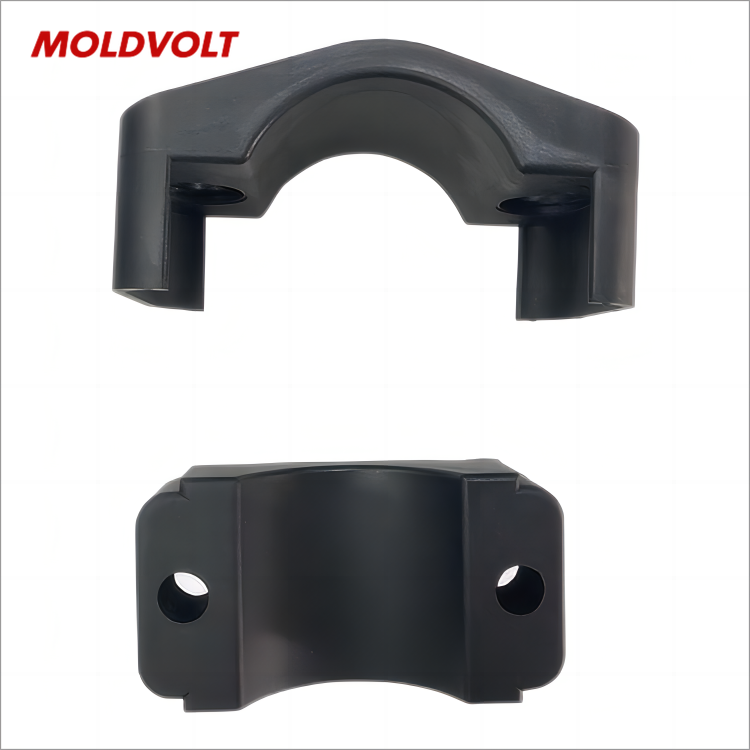
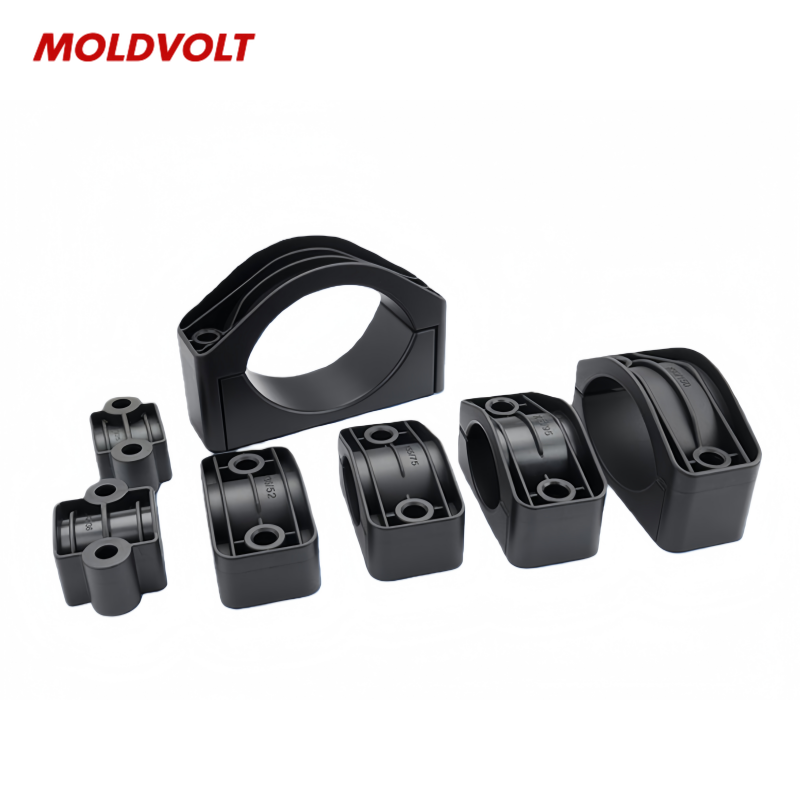
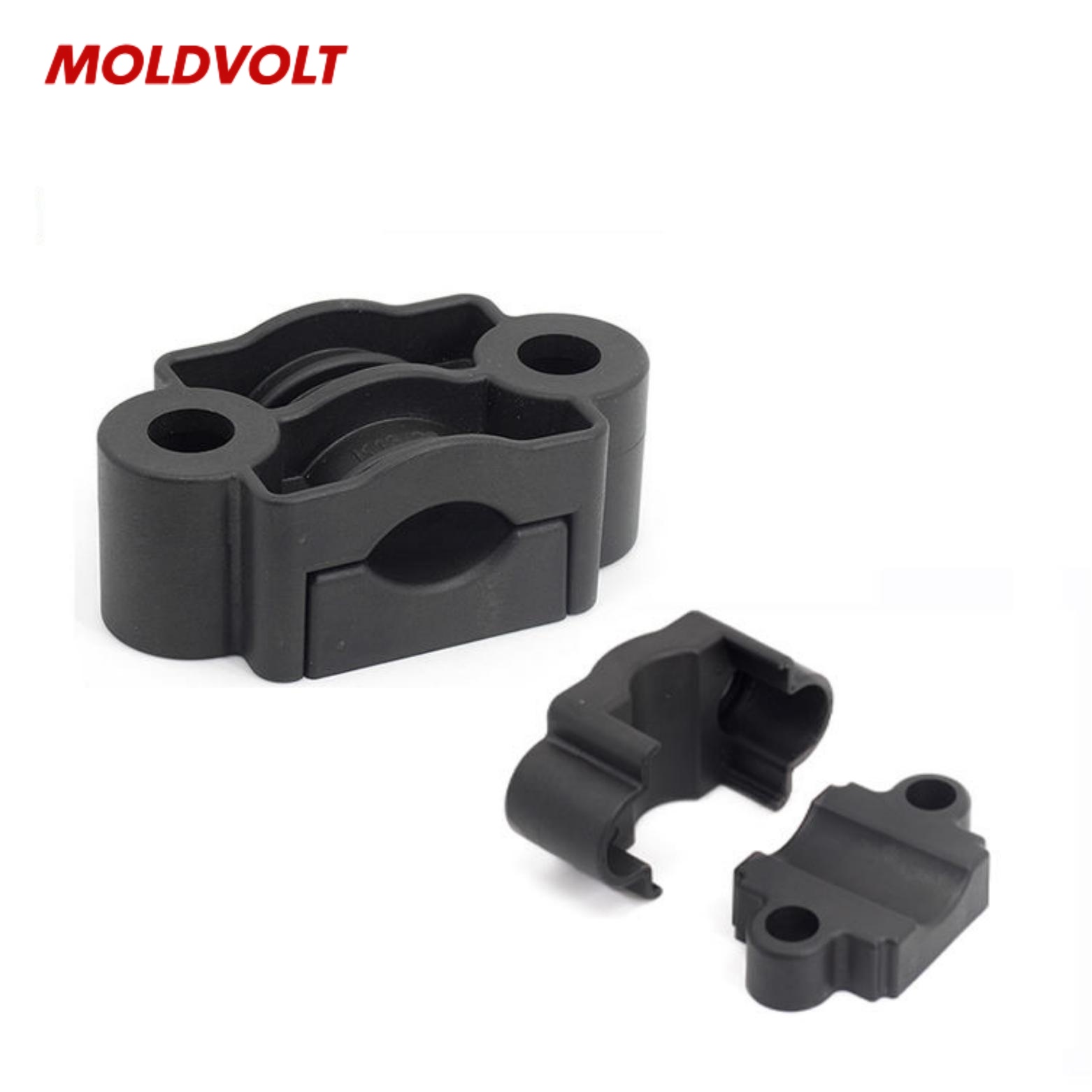
Clamp cable tray systems provide dependable cable support for industrial facilities, commercial buildings, data centers, and infrastructure projects. Designed to secure tray sections and maintain alignment, suitable clamps help installers create organized routes for power and communication cables. Material selection, clamping geometry, and surface treatment influence durability under different operating conditions. For example, galvanized steel components can suit many indoor industrial environments, while stainless steel options may be appropriate for applications requiring greater corrosion resistance. Properly matched clamps can simplify installation, reduce unnecessary adjustments, and support routine maintenance. Our product customization options help distributors, contractors, and equipment manufacturers select compatible dimensions and finishes for their project requirements.
Get A Quote

Case Study

Clamp Cable Tray Supports for Manufacturing Facilities

A manufacturing facility required secure cable routing around production equipment, electrical cabinets, and overhead service corridors. Clamp cable tray fittings helped installers maintain consistent tray alignment while organizing power and control cables along designated routes. The installation team prioritized compatible dimensions, suitable load capacity, and accessible fastening points to support future inspections. By selecting clamps matched to the tray profile and installation environment, the project team simplified assembly and reduced repeated positioning adjustments. This approach helped create a more organized electrical infrastructure, improved access for maintenance personnel, and supported future equipment modifications without unnecessarily disrupting adjacent cable routes.

Cable Tray Clamps for Commercial Electrical Projects

A commercial building project needed organized cable pathways across equipment rooms, service corridors, and distribution areas. Clamp cable tray components provided practical fastening points for securing compatible tray sections and maintaining orderly installations. Contractors evaluated mounting configurations, material finishes, and dimensional compatibility before selecting suitable products. Careful coordination between tray specifications and clamp requirements helped reduce installation uncertainty and simplify on-site assembly. The resulting cable management arrangement supported easier visual inspections and more efficient access to electrical services. For projects involving several floors or multiple contractors, consistent component specifications also help streamline procurement, installation planning, and replacement part management.

Corrosion-Resistant Clamps for Industrial Infrastructure

An industrial infrastructure project required cable tray connections in areas exposed to humidity and demanding operating conditions. The engineering team considered environmental exposure, mechanical loading, and maintenance requirements when evaluating clamp materials and finishes. Suitable corrosion-resistant options, including appropriately specified stainless steel components, can help extend service life when matched to actual site conditions. Proper installation and compatibility checks remain essential for maintaining secure cable support. By standardizing clamp specifications across designated cable routes, project managers can simplify purchasing, improve installation consistency, and make replacement planning more straightforward. This application demonstrates why material selection and installation requirements should guide clamp cable tray procurement.

Related products

Clamp cable tray components help secure compatible cable trays, maintain alignment, and support organized electrical infrastructure across industrial and commercial environments. Their performance depends on accurate dimensions, suitable materials, reliable fastening methods, and compatibility with the selected tray system. At Volt Cabinet, our product-focused approach emphasizes practical cable management requirements, application suitability, and consistent manufacturing specifications. Buyers can evaluate clamp geometry, mounting arrangements, material grades, and surface finishes according to their project drawings and operating conditions. Depending on the application, options may include galvanized steel or stainless steel, subject to product availability and specification confirmation. Manufacturing quality control should address dimensional accuracy, material consistency, finish quality, and fastening compatibility. For example, a factory installation may prioritize efficient assembly and repeatable positioning, while a humid industrial environment may require additional corrosion-resistance considerations. When selecting clamps, engineers should verify tray dimensions, supported loads, mounting structures, environmental exposure, and applicable electrical installation standards. Properly specified components can simplify installation planning and routine maintenance. Contact Volt Cabinet with your drawings, quantities, and technical requirements to discuss suitable clamp cable tray solutions for your procurement needs.

Frequently Asked Questions

How do I choose the right clamp cable tray size?

Select a clamp compatible with your cable tray profile, dimensions, and mounting arrangement. Check the manufacturer's specifications, fastening method, material, and intended load requirements before ordering. For customized installations, provide technical drawings or sample dimensions to help confirm compatibility and reduce installation problems.
Galvanized steel is commonly considered for general indoor and industrial installations, while stainless steel may be preferable in humid or corrosive environments. The appropriate choice depends on exposure conditions, mechanical requirements, and project specifications. Always confirm material grade and finish suitability before purchasing.
Customization may include dimensions, mounting configurations, material selection, and surface finishes, depending on manufacturing capabilities and order requirements. Buyers should provide drawings, target quantities, operating conditions, and applicable standards. Confirm production feasibility, tolerances, sample availability, and lead times with the supplier before finalizing the order.
Match each clamp to the tray system and supporting structure, then follow the manufacturer's installation instructions and applicable electrical codes. Verify fastener engagement, spacing, alignment, and load requirements. Qualified installers should inspect completed assemblies and confirm that the installation meets the project's safety and engineering specifications.
Provide the cable tray dimensions, required clamp type, material preference, surface finish, estimated quantity, delivery destination, and any technical drawings. Include environmental conditions and relevant compliance requirements where applicable. These details help the supplier assess compatibility, prepare an accurate quotation, and clarify production schedules.

Related article

Cost-Effective Low Voltage Switchgear for Iraq: Compatible with Blokset, Okken & 8PT | Local Assembly Options

16

Sep

Cost-Effective Low Voltage Switchgear for Iraq: Compatible with Blokset, Okken & 8PT | Local Assembly Options

View More
Insulator dimensional tolerance controls assembly efficiency in switchgear.

25

Sep

Insulator dimensional tolerance controls assembly efficiency in switchgear.

Why Insulator Dimensional Tolerance Is the Silent Driver of Switchgear Assembly EfficiencyIn high-voltage switchgear, insulators do much more than prevent flashover—they serve as load-bearing anchors that dictate how quickly and precisely busbars, ci...
View More
How to customize cabinet dimensions to fit existing switchgear layouts?

26

Sep

How to customize cabinet dimensions to fit existing switchgear layouts?

Step 1: Accurate Site Assessment and Dimensional BenchmarkingMeasuring mechanical layout, clearances, and structural constraints in legacy electrical roomsA successful retrofit begins with a meticulous site survey. Older electrical rooms rarely match...
View More
Insulator mechanical strength supports busbar fixing inside switchgear cabinets.

13

Oct

Insulator mechanical strength supports busbar fixing inside switchgear cabinets.

Critical Mechanical Load Demands on Insulators for Busbar Support Static, Dynamic, and Short-Circuit Electrodynamics: Quantifying Peak Forces (Up to 250 kA) Busbar support insulators must simultaneously manage three distinct mechanical load regimes...
View More

Customer Testimonials

Michael Turner

Our electrical installation project used clamp cable tray fittings to secure cable routes across multiple production areas. The adjustable design simplified alignment, reduced installation adjustments, and helped our team maintain organized cable management throughout the facility.

David Wilson

We selected clamp cable tray components for a commercial electrical project requiring consistent support and accessible maintenance. Their straightforward installation helped reduce assembly complexity and maintain orderly cable routing across several service zones.

Get a Free Quote

Our representative will contact you soon.
Email
Mobile/WhatsApp
Name
Company Name
Message
0/1000
Precision Manufacturing for Consistent Clamp Compatibility

Precision Manufacturing for Consistent Clamp Compatibility

Dimensional consistency is essential when clamp cable tray components must fit existing trays, brackets, and mounting structures. Manufacturing controls focused on measurements, forming accuracy, fastening interfaces, and finish quality can help reduce fitting discrepancies during installation. For contractors handling repeated installations, consistent specifications also simplify incoming inspections and inventory management. Before production, buyers should confirm drawings, tolerances, material grades, and required finishes. For example, an electrical contractor fitting multiple distribution areas may benefit from standardized clamp dimensions that reduce the need to sort incompatible parts on site. Clear technical communication between supplier and purchaser helps establish realistic acceptance criteria and supports dependable procurement for industrial and commercial projects.
Material Selection for Demanding Installation Environments

Material Selection for Demanding Installation Environments

The operating environment directly influences the suitability of clamp cable tray materials. Indoor commercial installations may use appropriately finished steel components, while facilities exposed to moisture, chemical agents, or coastal conditions may require more corrosion-resistant specifications. Stainless steel can provide advantages in suitable environments, but the correct grade depends on the specific exposure and maintenance conditions. Engineers should also evaluate galvanic compatibility, mechanical loading, fastener materials, and applicable project standards. For example, a food-processing support area may require careful material selection and cleaning considerations, whereas a general warehouse may prioritize economical, durable fastening solutions. Reviewing these factors before ordering helps buyers balance service life, installation requirements, and total project cost.

Get a Free Quote

Our representative will contact you soon.
Email
Mobile/WhatsApp
Name
Company Name
Message
0/1000