Pad Mounted Switchgear: Durable, Safe & Custom Solutions

All Categories
Customer Feedback on Switchgear and Control Solutions

Customer Feedback on Switchgear and Control Solutions

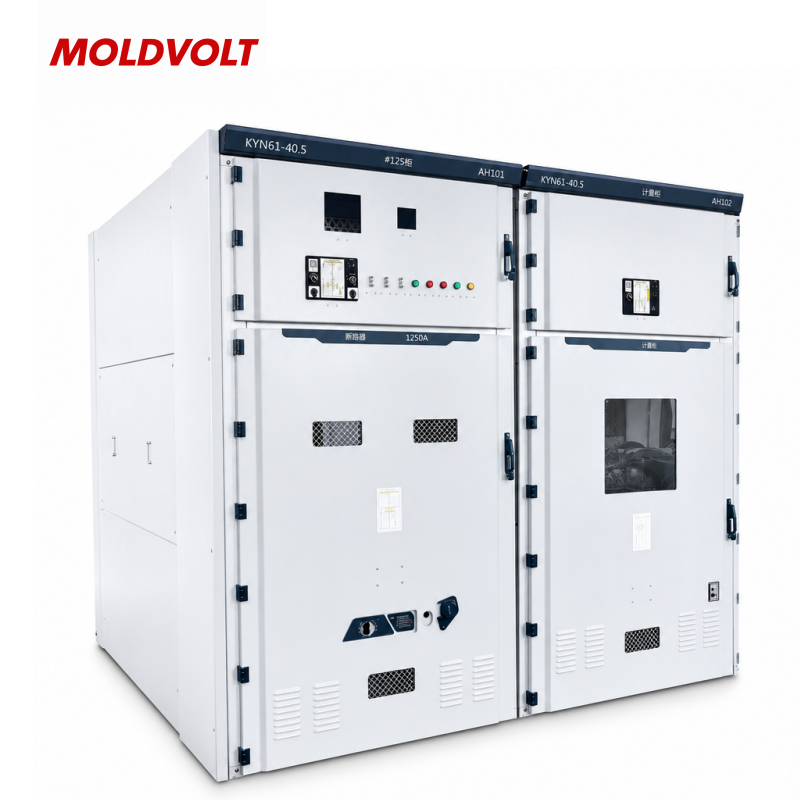
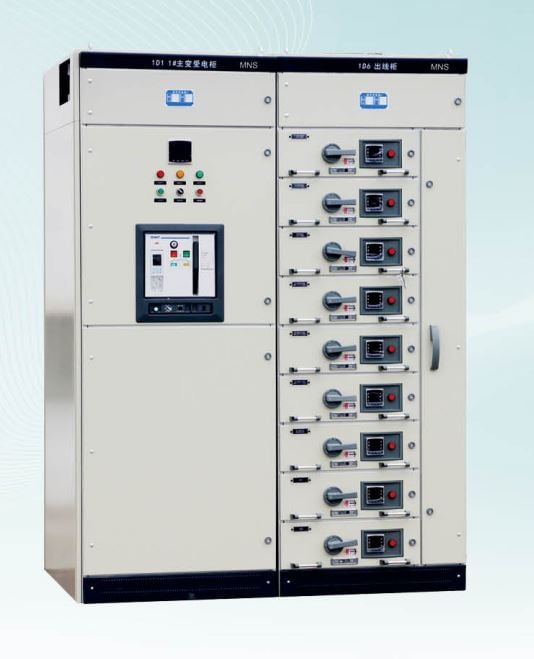
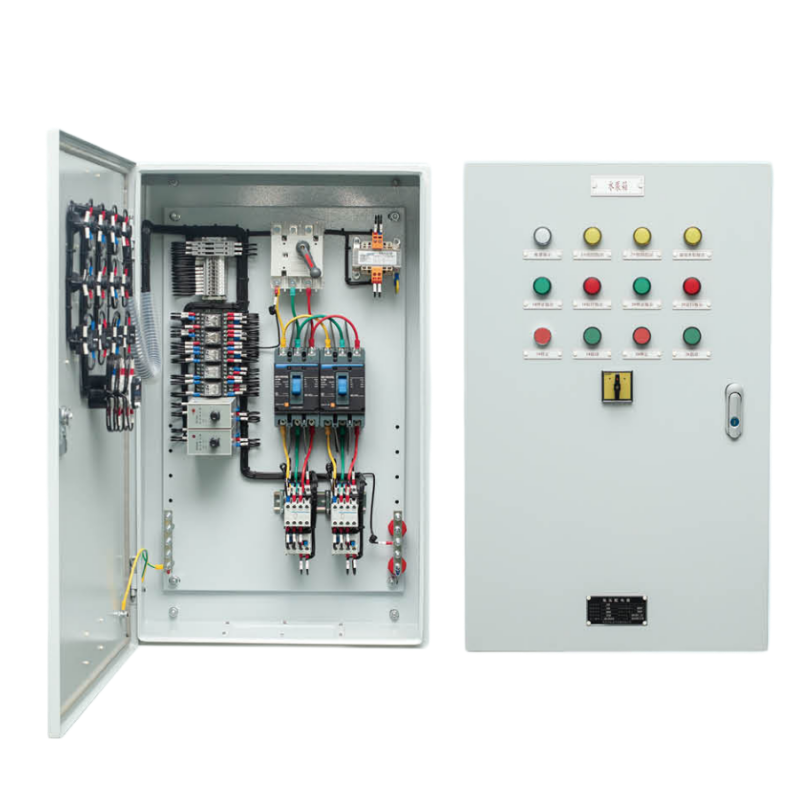
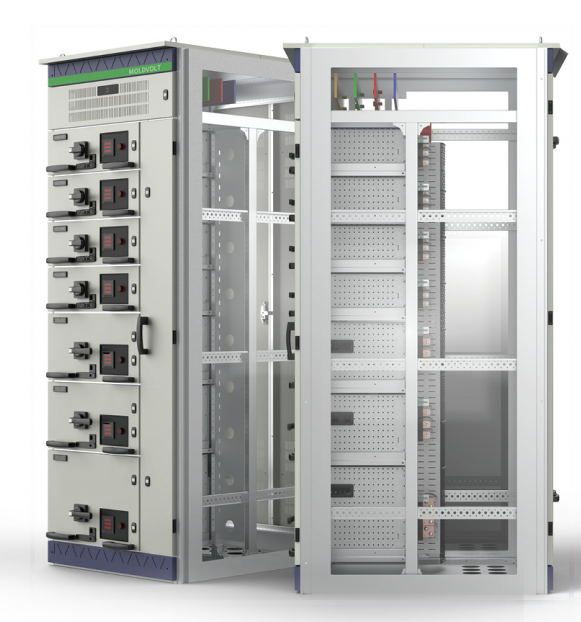
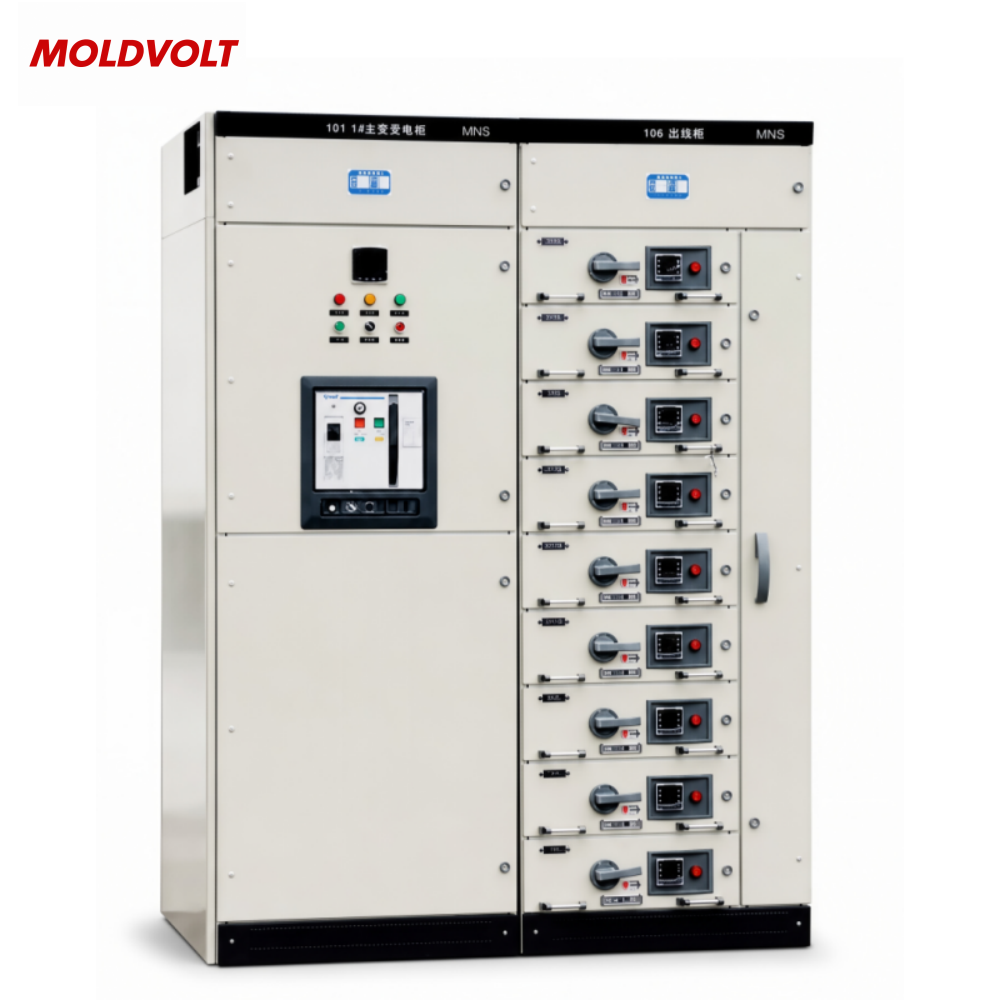
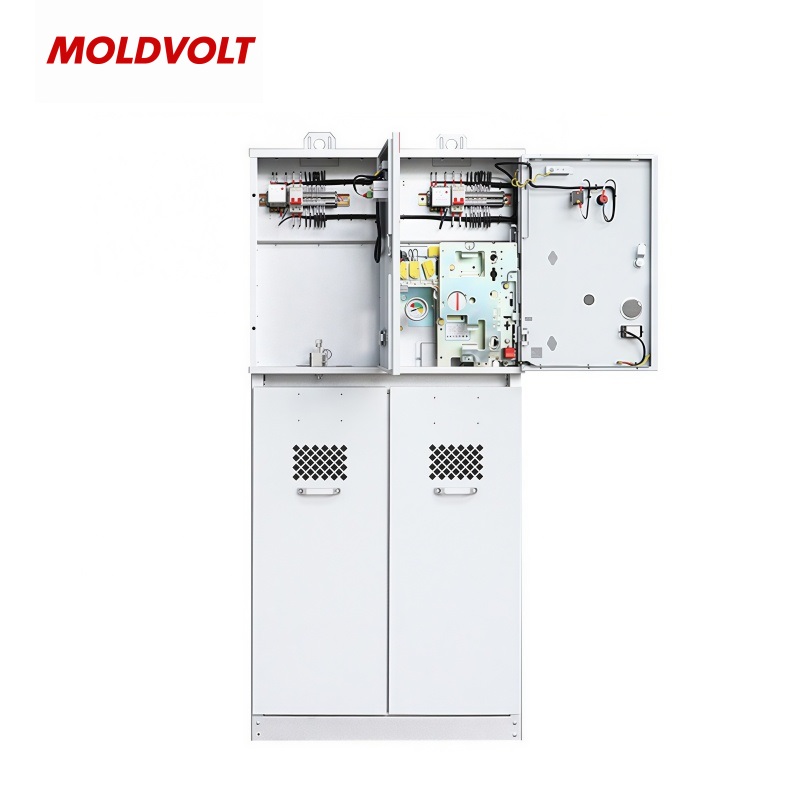
VoltCabinet provides switchgear and control solutions designed to support industrial facilities, commercial buildings, utility networks, and infrastructure projects. By integrating switching, protection, monitoring, and control functions, these systems help electrical teams manage power distribution and respond to abnormal operating conditions. Configurations can be tailored to project voltage levels, installation environments, and operational requirements. For procurement teams, coordinated equipment selection can simplify system integration and reduce avoidable compatibility issues. Design reviews, component selection, and clear technical documentation help engineers evaluate suitability before installation. Whether upgrading an existing distribution network or developing a new facility, customers can specify practical solutions that prioritize operational safety, maintainability, and long-term electrical reliability.
Get A Quote

Case Study

Industrial Manufacturing Power Distribution

A manufacturing facility requires stable electrical distribution to support production lines, material handling equipment, and auxiliary systems. An appropriately specified switchgear and control assembly brings circuit switching, protective devices, and operating controls into a coordinated arrangement. Engineers can select ratings and configurations according to calculated loads, prospective fault current, and site conditions. Clear circuit identification and accessible maintenance points help technicians perform inspections more efficiently. During project planning, coordination with upstream and downstream protection is essential to limit unnecessary interruptions. This approach supports organized commissioning and provides a practical foundation for future equipment expansion without compromising the facility's electrical design requirements.

Commercial Building Electrical Infrastructure

Commercial buildings depend on reliable electrical distribution for lighting, elevators, HVAC equipment, security systems, and essential services. A properly engineered switchgear and control solution helps organize incoming supplies and outgoing circuits while supporting appropriate isolation and fault protection. Project teams can define enclosure arrangements, metering requirements, and control interfaces according to building layouts and maintenance procedures. For a multi-floor office development, a documented circuit schedule and coordinated protection study can simplify commissioning and subsequent troubleshooting. Final equipment selection should reflect local electrical codes, available fault levels, environmental conditions, and expected demand. These measures help building operators maintain dependable service and manage electrical assets throughout their lifecycle.

Utility and Infrastructure Power Systems

Utility facilities and infrastructure projects require electrical equipment designed around network conditions, switching duties, and operational continuity. Switchgear and control assemblies can support distribution substations, pumping stations, transportation facilities, and other critical installations. Engineers evaluate rated voltage, continuous current, short-circuit withstand capability, insulation requirements, and protection interfaces before specifying equipment. In a water treatment project, coordinated switching and control arrangements can help operators isolate selected circuits during planned maintenance while keeping unaffected equipment available. Detailed drawings, interface reviews, and commissioning checks reduce uncertainty during installation. Actual reliability depends on correct specification, qualified installation, protection coordination, and maintenance practices appropriate to the operating environment.

Related products

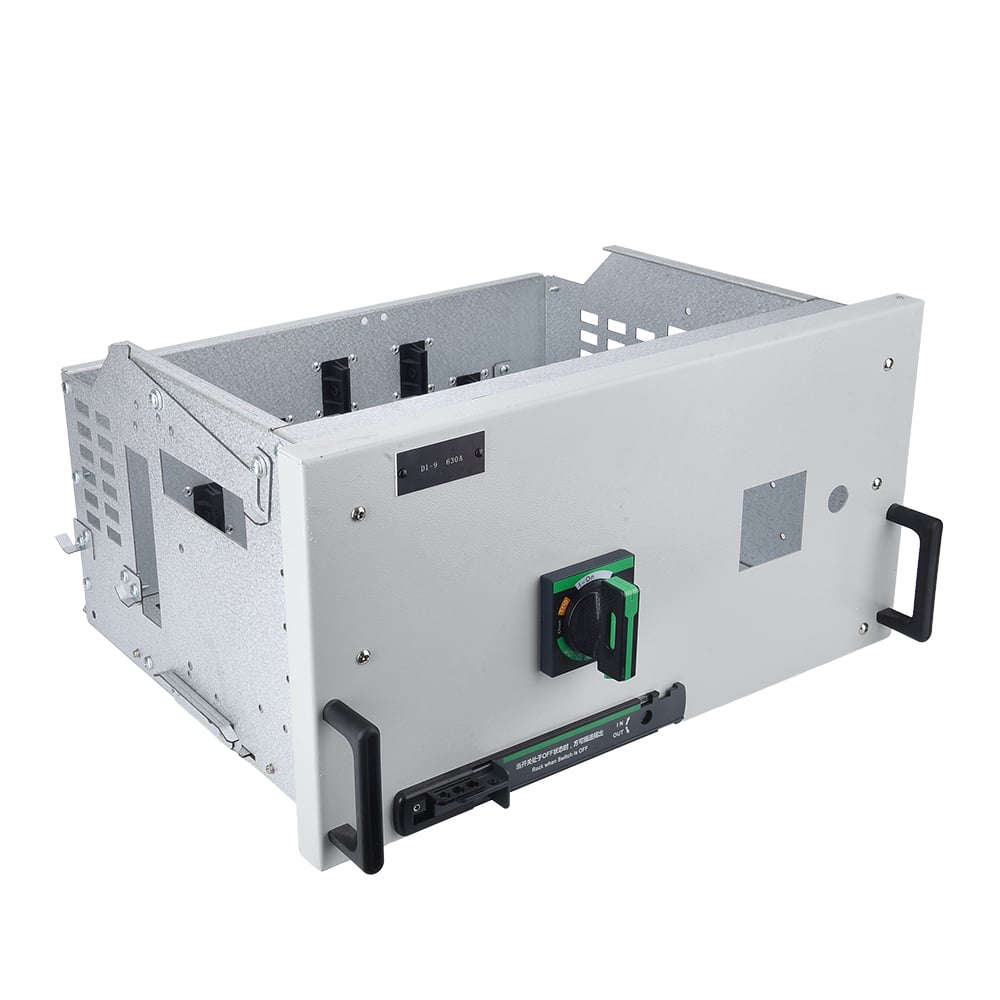
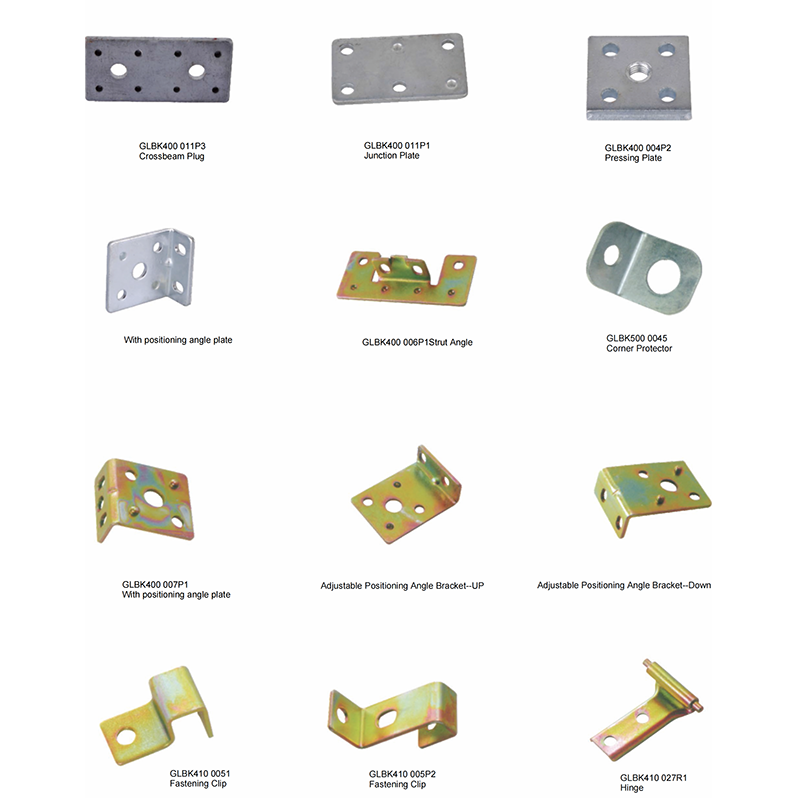
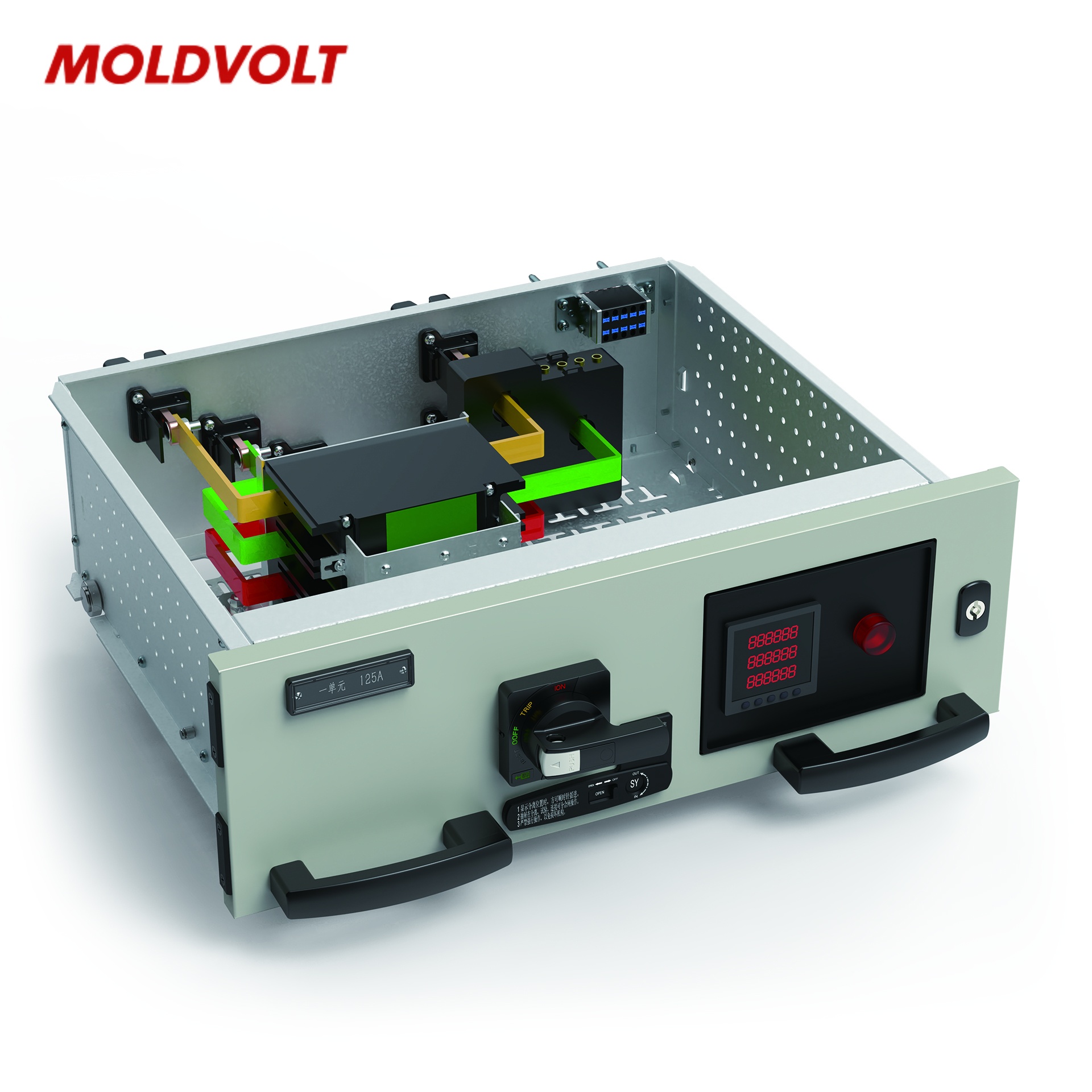
Switchgear and control equipment forms a critical part of electrical infrastructure, combining switching devices, protective components, control circuits, and monitoring interfaces to manage power safely and efficiently. VoltCabinet supports project-oriented equipment selection for industrial plants, commercial facilities, distribution networks, and infrastructure applications. Each configuration should begin with a review of rated voltage, load current, prospective short-circuit current, operating environment, and applicable standards. Depending on project requirements, assemblies may incorporate circuit breakers, disconnectors, metering devices, control relays, and communication interfaces. Manufacturing quality depends on appropriate component selection, enclosure fabrication, wiring accuracy, assembly inspection, and documented testing. For example, a production facility upgrading its main distribution board may need coordinated protection, clearly labeled circuits, and sufficient space for future feeders. A detailed technical review helps align these requirements before production. Buyers should also confirm certification needs, delivery scope, drawings, spare parts, and commissioning responsibilities. By matching equipment specifications to actual site conditions, project teams can improve installation planning, simplify maintenance, and support dependable power distribution over the equipment's service life.

Frequently Asked Questions

What is the difference between switchgear and control equipment?

Switchgear primarily performs switching, isolation, and electrical fault protection, while control equipment manages operating sequences, signals, and connected devices. In practical installations, these functions often work together. The precise arrangement depends on system voltage, load characteristics, automation requirements, and applicable electrical standards.
Start by identifying rated voltage, continuous current, short-circuit levels, installation conditions, and required protection functions. Then confirm applicable standards, enclosure requirements, control interfaces, and maintenance access. A qualified electrical engineer should review the system design before equipment is finalized for procurement and installation.
Common applications include manufacturing, commercial buildings, utilities, water treatment, renewable energy facilities, transportation infrastructure, and industrial processing. Equipment configurations differ according to load demand, operating environment, switching frequency, and protection requirements. Selecting equipment for the actual application helps support safe operation and effective maintenance.
Project-specific configurations may accommodate different electrical ratings, enclosure arrangements, circuit layouts, metering options, and control interfaces. Customization must remain consistent with applicable standards and verified design limits. Buyers should provide technical specifications, installation drawings, operating conditions, and required documentation to support an accurate proposal.
Provide the project location, rated voltage, load current, short-circuit requirements, single-line diagram, installation environment, applicable standards, and required quantity. Include preferred components, control functions, certification requirements, and delivery expectations where available. Complete information helps suppliers assess technical suitability and prepare a more accurate quotation.

Related article

Why cabinet condensation leads to insulation failure in electrical equipment?

21

Sep

Why cabinet condensation leads to insulation failure in electrical equipment?

The Science of Cabinet Condensation: How Temperature, Humidity, and Design InteractDew Point Formation Inside Enclosures Due to Thermal GradientsCondensation inside an electrical cabinet is not simply a matter of seal failure—it is governed by the de...
View More
What switchgear maintenance items prevent unexpected power outage risks?

10

Oct

What switchgear maintenance items prevent unexpected power outage risks?

Top 3 Root Causes of Switchgear-Related Power Outages Insulation degradation and partial discharge: leading precursors to cascade failure Insulation systems in switchgear degrade gradually under electrical, thermal, and environmental stress. Cracks...
View More
What electrical switchgear testing items are required before site commissioning?

21

Oct

What electrical switchgear testing items are required before site commissioning?

Insulation Integrity and Dielectric Strength Verification Megger testing of busbars, cables, and instrument transformer circuits Megger testing is a foundational pre-commissioning check for electrical switchgear, measuring insulation resistance (IR...
View More
Cable clamp vs cable tie: which one delivers long term stability in panels?

27

Oct

Cable clamp vs cable tie: which one delivers long term stability in panels?

Mechanical Performance Under Thermal Stress Polymer creep and thermal expansion mismatch in nylon cable ties at 60–85°C Nylon 6/6 cable ties undergo measurable mechanical degradation when exposed continuously to 60–85 °C. At the...
View More

Customer Testimonials

James Miller

Our facility needed dependable switchgear and control equipment for daily operations. The customized configuration simplified installation, improved maintenance access, and helped our engineering team manage power distribution more efficiently across multiple production areas.

David Wilson

We appreciated the technical communication and flexible design options. The proposed switchgear configuration matched our project requirements and supported coordinated protection, easier commissioning, and dependable operation throughout our electrical distribution system.

Get a Free Quote

Our representative will contact you soon.
Email
Mobile/WhatsApp
Name
Company Name
Message
0/1000
Coordinated Protection and Operational Visibility

Coordinated Protection and Operational Visibility

Effective switchgear and control design brings protective devices, switching functions, and operating interfaces together within a coordinated electrical architecture. For industrial facilities, this can make equipment status easier to interpret and help maintenance personnel identify the correct circuits before planned work. During specification, engineers should review protection settings, selectivity, fault ratings, and control logic rather than treating each component independently. A distribution system serving multiple production areas, for example, may require separate feeder protection and clearly defined isolation procedures. Appropriate metering can also help operators understand electrical demand and investigate abnormal conditions. The final arrangement should reflect verified calculations, relevant standards, and the facility's operating procedures.
Project-Specific Engineering and Installation Planning

Project-Specific Engineering and Installation Planning

Every electrical installation presents different requirements for available space, environmental exposure, cable entry, maintenance access, and future expansion. A project-specific switchgear and control configuration allows these factors to be considered before equipment reaches the site. For example, a compact commercial electrical room may require carefully planned enclosure dimensions and cable routing, while an industrial plant may prioritize service access and clearly separated feeder circuits. Reviewing drawings, component schedules, terminal arrangements, and interface requirements before production can reduce installation uncertainty. Buyers should also establish inspection procedures, documentation expectations, and commissioning responsibilities. These practical steps help align delivered equipment with project requirements and support consistent maintenance throughout its operating life.

Get a Free Quote

Our representative will contact you soon.
Email
Mobile/WhatsApp
Name
Company Name
Message
0/1000