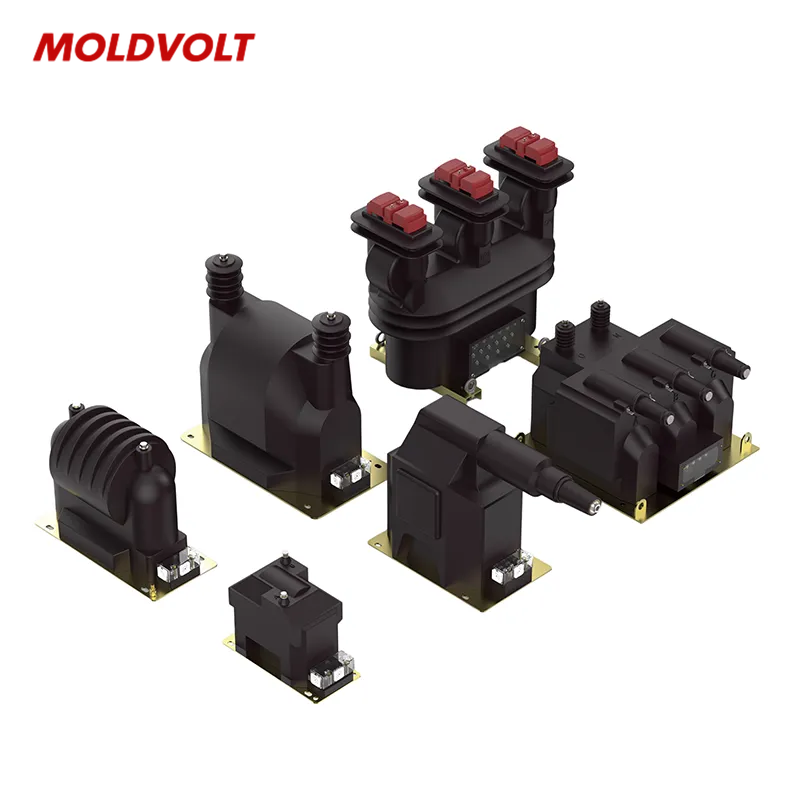
A KVA transformer transfers electrical energy between circuits through electromagnetic induction, changing voltage levels to suit connected equipment and distribution requirements. The KVA rating represents apparent power, combining real power and reactive power in an AC electrical system. Unlike a kilowatt rating, it does not directly indicate usable real power without considering the load's power factor. Transformer selection starts with rated capacity, primary and secondary voltages, frequency, phase configuration, and expected demand. Engineers then evaluate efficiency, impedance, insulation class, cooling arrangements, temperature rise, and installation conditions. Depending on the application, buyers may choose dry-type transformers for suitable indoor environments or oil-immersed designs for distribution applications requiring appropriate liquid insulation and cooling. VoltCabinet supports project-oriented electrical equipment sourcing by helping customers clarify technical requirements before procurement. For an accurate quotation, provide the required KVA rating, voltage ratio, phase arrangement, installation environment, and applicable standards. Information about connected machinery, operating schedules, and future expansion can further improve specification accuracy. Careful assessment helps align transformer capacity with electrical demand, installation constraints, and long-term operational objectives.
16
Sep
23
Sep
16
Oct
27
Oct

Copyright © 2026 by ZHEJIANG XIANGHONG ELECTRIC CO., LTD - Privacy Policy
 EN