15kV Switchgear Guide: Ratings, Applications & Selection

All Categories
Reliable 15 Kv Switchgear for Medium-Voltage Power Distribution

Reliable 15 Kv Switchgear for Medium-Voltage Power Distribution

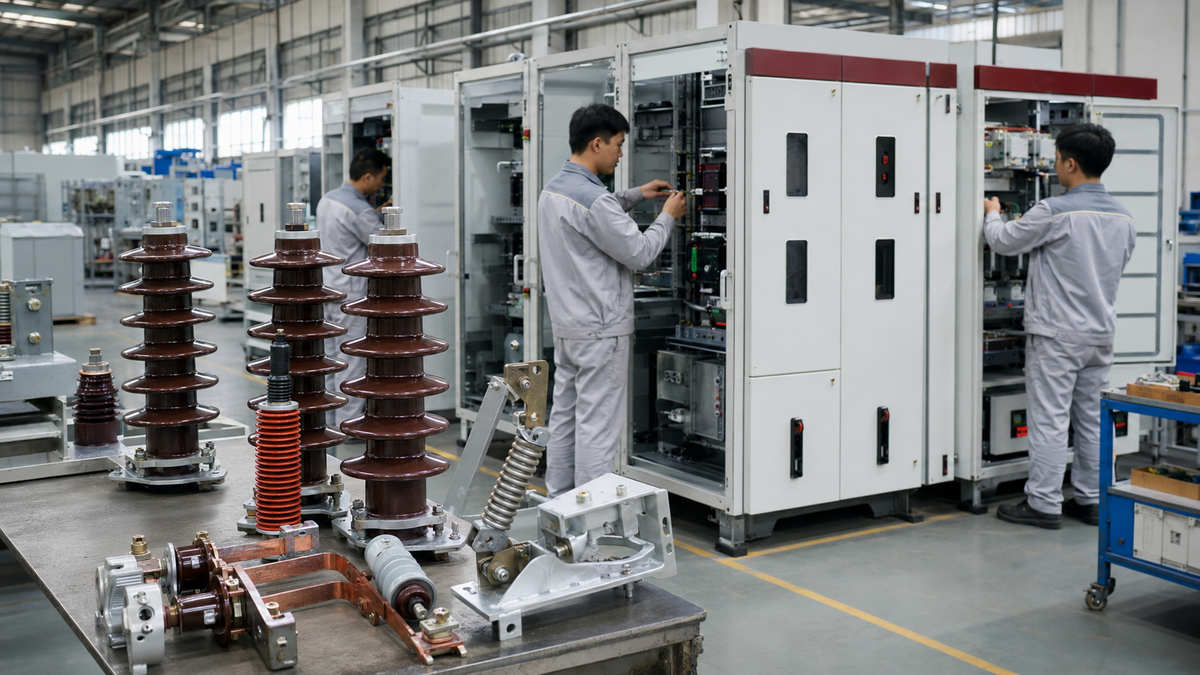
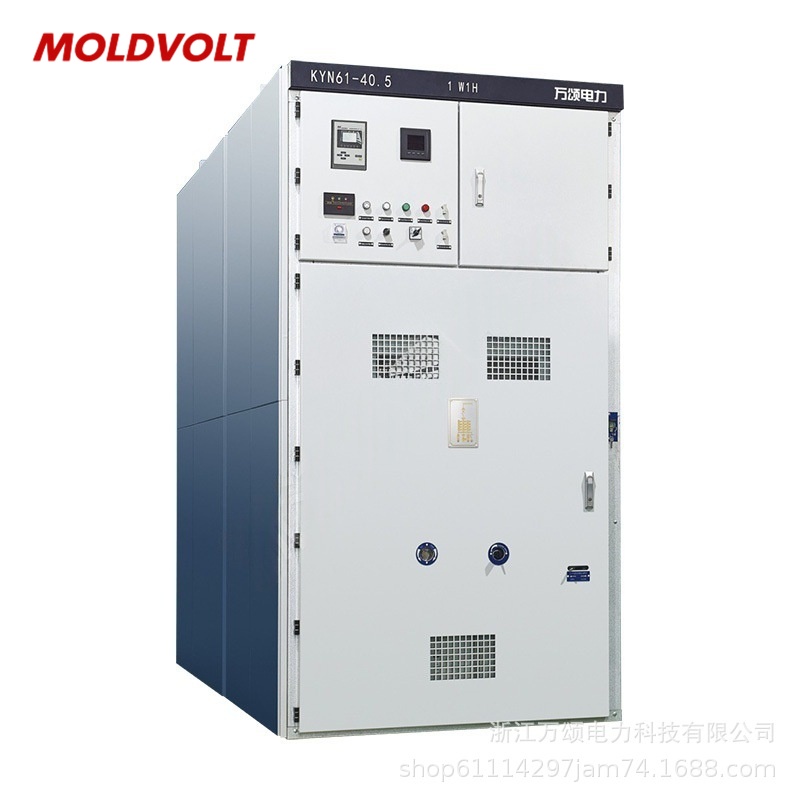
15 kV switchgear is designed for medium-voltage electrical distribution in industrial facilities, utility substations, commercial infrastructure, and renewable energy projects. Properly specified equipment supports circuit switching, fault protection, and electrical isolation while helping operators manage distribution networks safely. Selection requires careful evaluation of rated voltage, continuous current, short-circuit withstand capacity, insulation level, switching duty, and installation environment. For example, a manufacturing plant with several incoming and outgoing feeders may need coordinated protection and clearly defined isolation points to support planned maintenance. VoltCabinet helps buyers assess project-specific electrical equipment requirements and configuration options. Final suitability depends on the system design, applicable standards, installation conditions, and verified equipment ratings.
Get A Quote

Case Study

Industrial Facility Power Distribution

Industrial plants often use medium-voltage distribution systems to supply transformers, large motors, and production infrastructure. A 15 kV switchgear arrangement can support feeder switching and protection when its ratings match the network's actual operating conditions. In a hypothetical manufacturing facility with four major outgoing feeders, engineers would assess load demand, prospective fault current, cable connections, and protection coordination before selecting the equipment. Clearly documented circuit identification and accessible maintenance provisions can simplify inspection planning. The final specification should account for motor starting characteristics, environmental conditions, and applicable electrical standards. A detailed engineering review helps ensure compatibility with the facility's distribution architecture.

Utility Substation Switching

Utility distribution substations require appropriately rated equipment to manage incoming supplies, outgoing feeders, and transformer connections. Depending on the system design, 15 kV switchgear may provide circuit breakers, protective relays, disconnecting functions, and monitoring interfaces. For a hypothetical substation supplying three distribution circuits, engineers should evaluate normal load current, short-circuit levels, insulation coordination, and operating sequences. Equipment must also suit the installation environment and utility specifications. Documented testing and commissioning procedures help verify that the installed arrangement meets its approved design. Correct equipment selection supports structured network operation, although actual reliability depends on system engineering, installation quality, and ongoing maintenance.

Renewable Energy Collection Systems

Solar installations, wind projects, and associated substations require coordinated electrical equipment to connect generation assets with distribution infrastructure. A 15 kV switchgear system may be suitable where the collection network's nominal voltage and equipment ratings match the project design. In a hypothetical solar facility with multiple transformer-fed circuits, engineers would review feeder loading, fault contribution, switching requirements, and protection coordination. The design should also consider environmental exposure, cable termination arrangements, and access for inspection. Confirming these details before procurement helps prevent mismatches between switchgear and connected equipment. Final voltage selection must follow the project's electrical design and utility interconnection requirements.

Related products

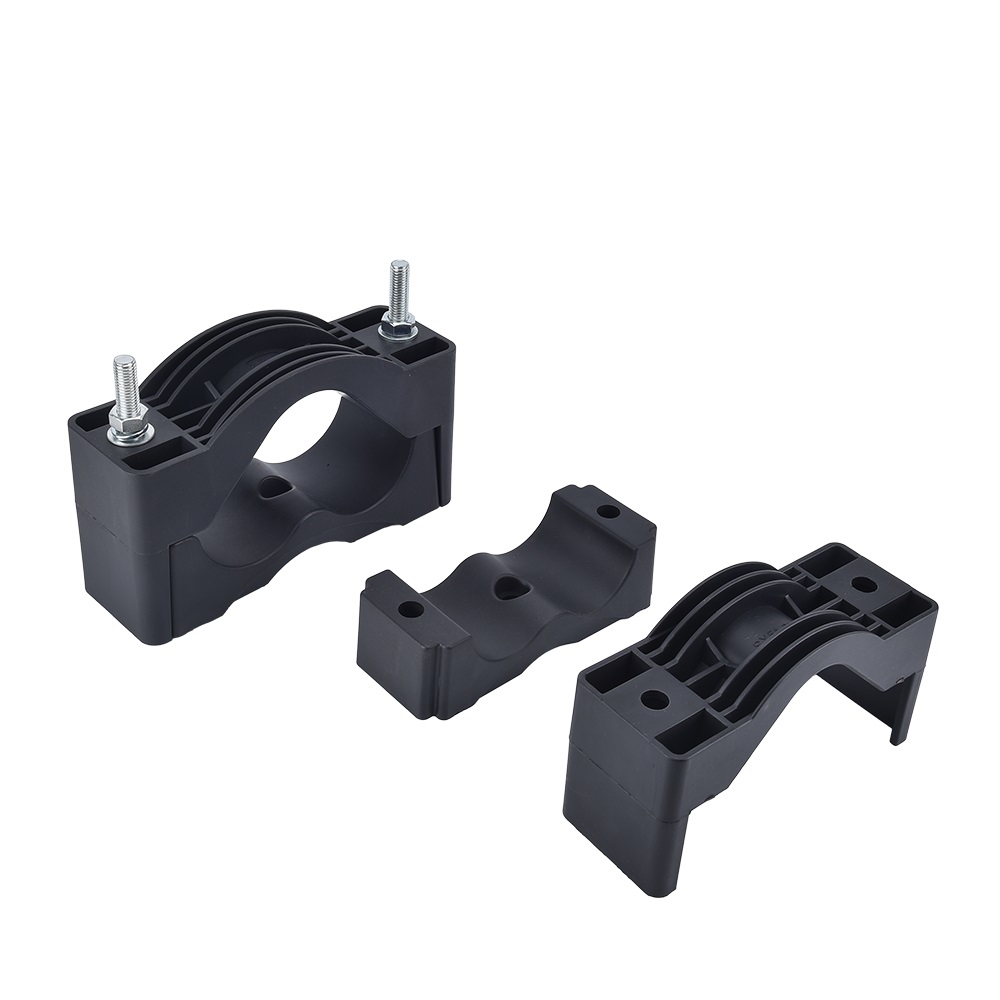
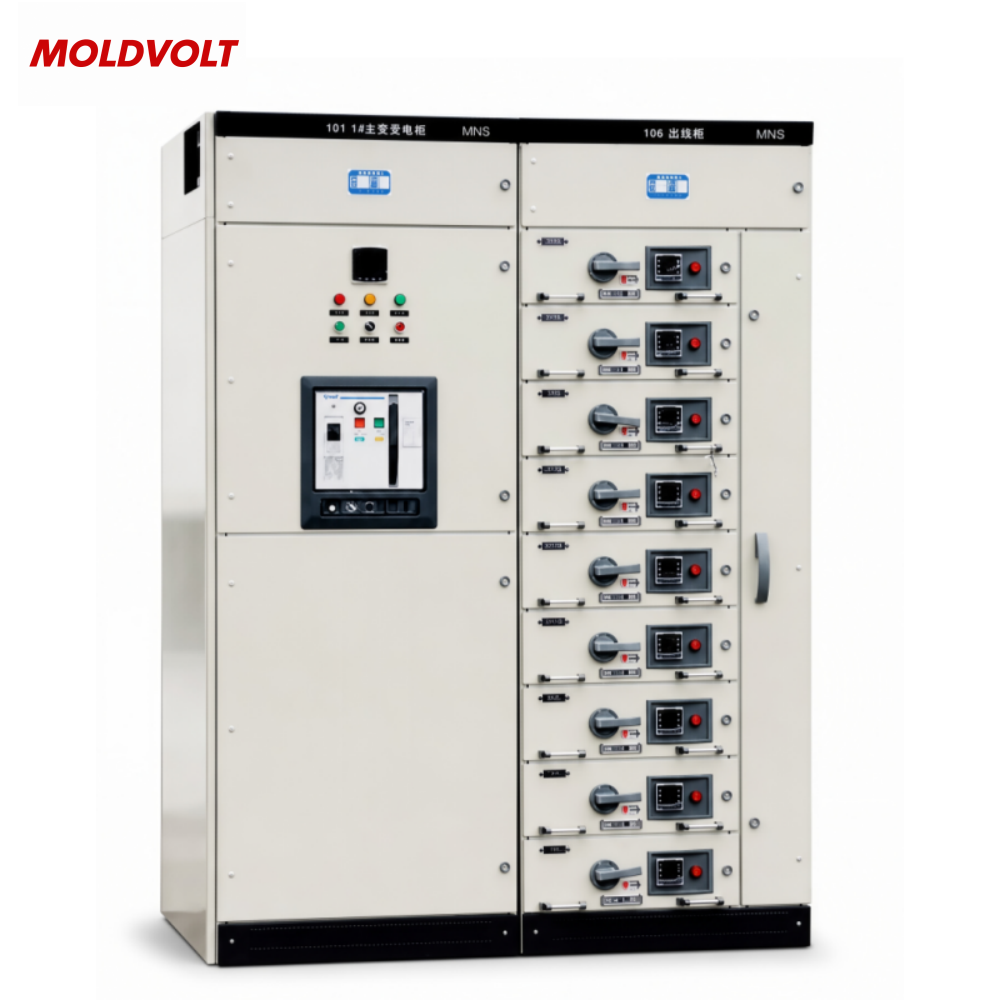
15 kV switchgear is used in medium-voltage electrical networks where reliable switching, protection, and isolation are essential. Typical applications include industrial plants, utility substations, commercial infrastructure, and renewable energy facilities. Depending on the design, equipment may incorporate vacuum circuit breakers, protective relays, current transformers, voltage transformers, busbars, and cable termination compartments. Selection should begin with the system's nominal voltage and maximum operating voltage, followed by continuous current, short-circuit ratings, insulation requirements, switching duty, and installation conditions. Engineers must distinguish a 15 kV nominal system from the equipment's rated maximum voltage and verify the applicable standard and voltage class. VoltCabinet supports project-based equipment sourcing by helping buyers review specifications and configuration requirements. For example, a facility with multiple transformer feeders may require coordinated breaker ratings and relay settings. Technical drawings, test documentation, and installation requirements should be reviewed before approval. Final product availability, configuration, and compliance must be confirmed against the specific project specification.
Frequently Asked Questions

What applications commonly use 15 kV switchgear?

15 kV switchgear is commonly used in industrial plants, utility substations, commercial facilities, and renewable energy installations. It can serve transformer connections, medium-voltage feeders, and large electrical loads. Confirm the network voltage, fault levels, and protection requirements to determine whether a 15 kV equipment class is appropriate.
Important parameters include rated maximum voltage, continuous current, short-circuit interrupting capacity, insulation level, and switching duty. Buyers should also confirm enclosure type, installation conditions, and applicable standards. For example, available equipment may have different current and fault ratings, so selection must match the project's electrical calculations.
Yes, 15 kV class switchgear is commonly applied to 13.8 kV systems when the equipment's rated maximum voltage, insulation level, current capacity, and fault ratings satisfy the system requirements. A qualified electrical engineer should verify the application against the relevant standards and utility specifications.
Vacuum circuit breakers are commonly used in medium-voltage switchgear because they support switching and fault interruption in appropriately designed assemblies. The final selection depends on rated current, interrupting capacity, operating duty, protection settings, and equipment construction. Verify the manufacturer's technical data before specifying a breaker.
Request technical datasheets, general arrangement drawings, electrical schematics, protection details, applicable test reports, and installation instructions. Depending on the project, compliance certificates and commissioning documentation may also be required. These records help the engineering team verify equipment ratings, installation clearances, and compatibility with the planned electrical network.

Related article

Cost-Effective Low Voltage Switchgear for Iraq: Compatible with Blokset, Okken & 8PT | Local Assembly Options

16

Sep

Cost-Effective Low Voltage Switchgear for Iraq: Compatible with Blokset, Okken & 8PT | Local Assembly Options

View More
From High-Voltage Insulators to Low-Voltage Switchgear: A Vietnamese Manufacturer’s Transformation, Together with Us‌

08

Sep

From High-Voltage Insulators to Low-Voltage Switchgear: A Vietnamese Manufacturer’s Transformation, Together with Us‌

View More
What cable clamp material suits high temperature switchgear cabinets?

19

Sep

What cable clamp material suits high temperature switchgear cabinets?

Understanding High-Temperature Challenges in Switchgear CabinetsTypical Operating Temperatures and Thermal Stress Sources (Busbars, Load Cycling, Enclosure Design)Switchgear cabinets experience elevated temperatures primarily due to resistive losses ...
View More
What switchgear maintenance items prevent unexpected power outage risks?

10

Oct

What switchgear maintenance items prevent unexpected power outage risks?

Top 3 Root Causes of Switchgear-Related Power Outages Insulation degradation and partial discharge: leading precursors to cascade failure Insulation systems in switchgear degrade gradually under electrical, thermal, and environmental stress. Cracks...
View More

Customer Testimonials

Michael Turner

Our engineering team needed 15 kV switchgear for a distribution project. Reviewing voltage ratings, fault capacity, and installation requirements helped us define a clearer equipment specification.

Daniel Foster

We evaluated medium-voltage switchgear for an industrial facility with multiple feeders. The specification process helped align switching arrangements, protection requirements, and maintenance access with project needs.

Get a Free Quote

Our representative will contact you soon.
Email
Mobile/WhatsApp
Name
Company Name
Message
0/1000
Verified Electrical Ratings for Medium-Voltage Applications

Verified Electrical Ratings for Medium-Voltage Applications

Selecting 15 kV switchgear requires more than matching a nominal voltage label. Engineers must confirm rated maximum voltage, continuous current, short-circuit interruption, insulation withstand, and the intended switching duty. For reference, some commercially available 15 kV class equipment offers continuous current ratings up to 2,000 A and interrupting ratings up to 63 kA, although these values are product-specific rather than universal. A project serving industrial transformers or multiple feeders needs ratings derived from its own load calculations and fault study. VoltCabinet can help buyers review specification requirements and configuration options. Final selection should be supported by verified manufacturer documentation and applicable electrical standards. [image](https://www.google.com/s2/favicons?domain=https://www.eaton.com\&sz=32) Eaton+1
Flexible Switchgear Configurations for Industrial Power Networks

Flexible Switchgear Configurations for Industrial Power Networks

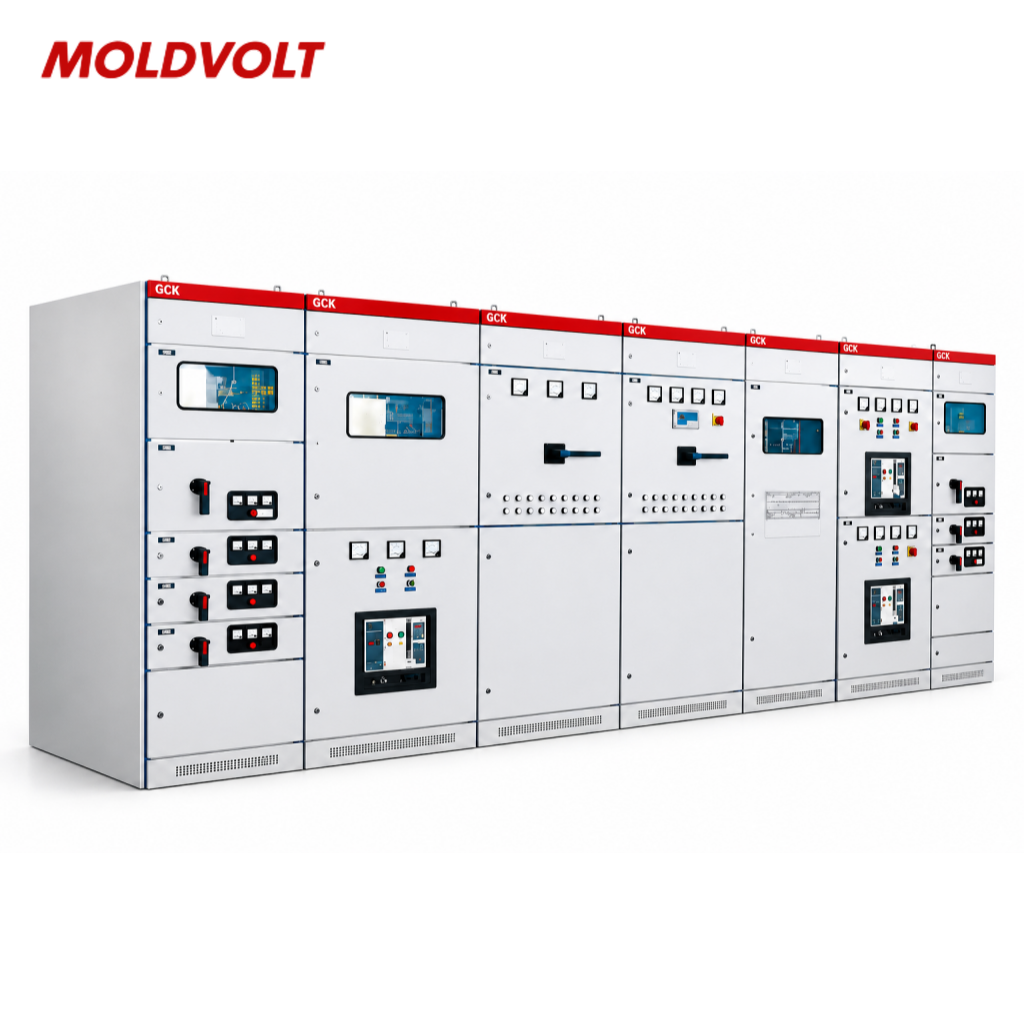
Industrial power networks vary in feeder quantity, transformer capacity, operating environment, and protection strategy. A suitable 15 kV switchgear lineup can be configured around incoming supplies, bus sections, transformer feeders, and outgoing circuits, subject to the selected product design. For example, a manufacturing facility with three transformer-fed production areas may require separately protected feeders and coordinated relay settings to support maintenance planning. Engineers should review cable entry arrangements, compartment access, enclosure requirements, and future expansion needs before approving the layout. VoltCabinet supports project-based equipment evaluation for international buyers seeking clearly defined technical specifications. Actual configuration, availability, and compliance should be confirmed for each order.

Get a Free Quote

Our representative will contact you soon.
Email
Mobile/WhatsApp
Name
Company Name
Message
0/1000