Trafo Selection Guide: Expert Transformer Solutions for B2B Projects

All Categories
Customer Feedback on Trafo Solutions

Customer Feedback on Trafo Solutions

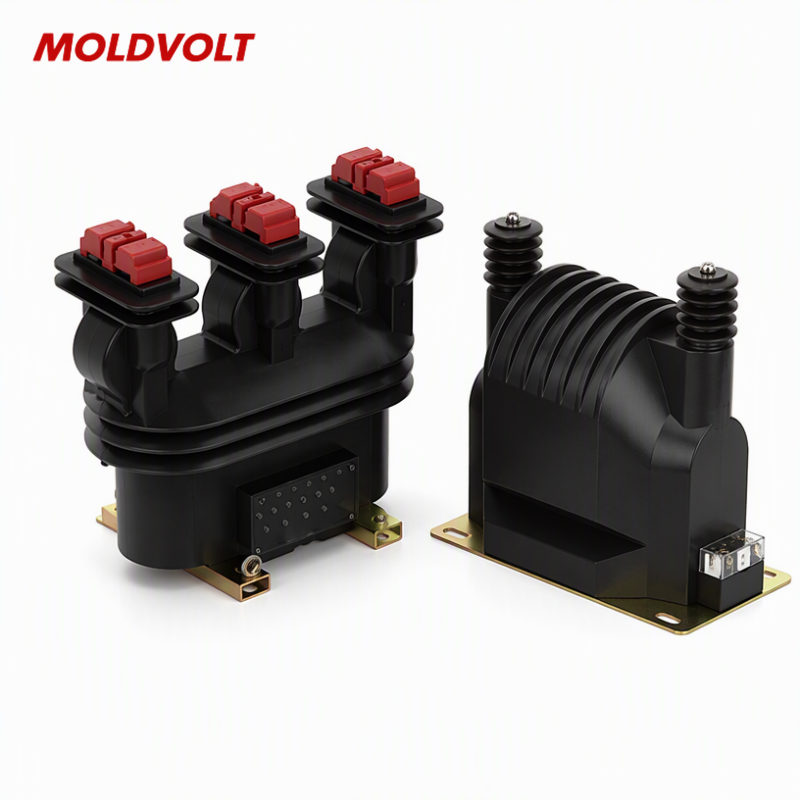
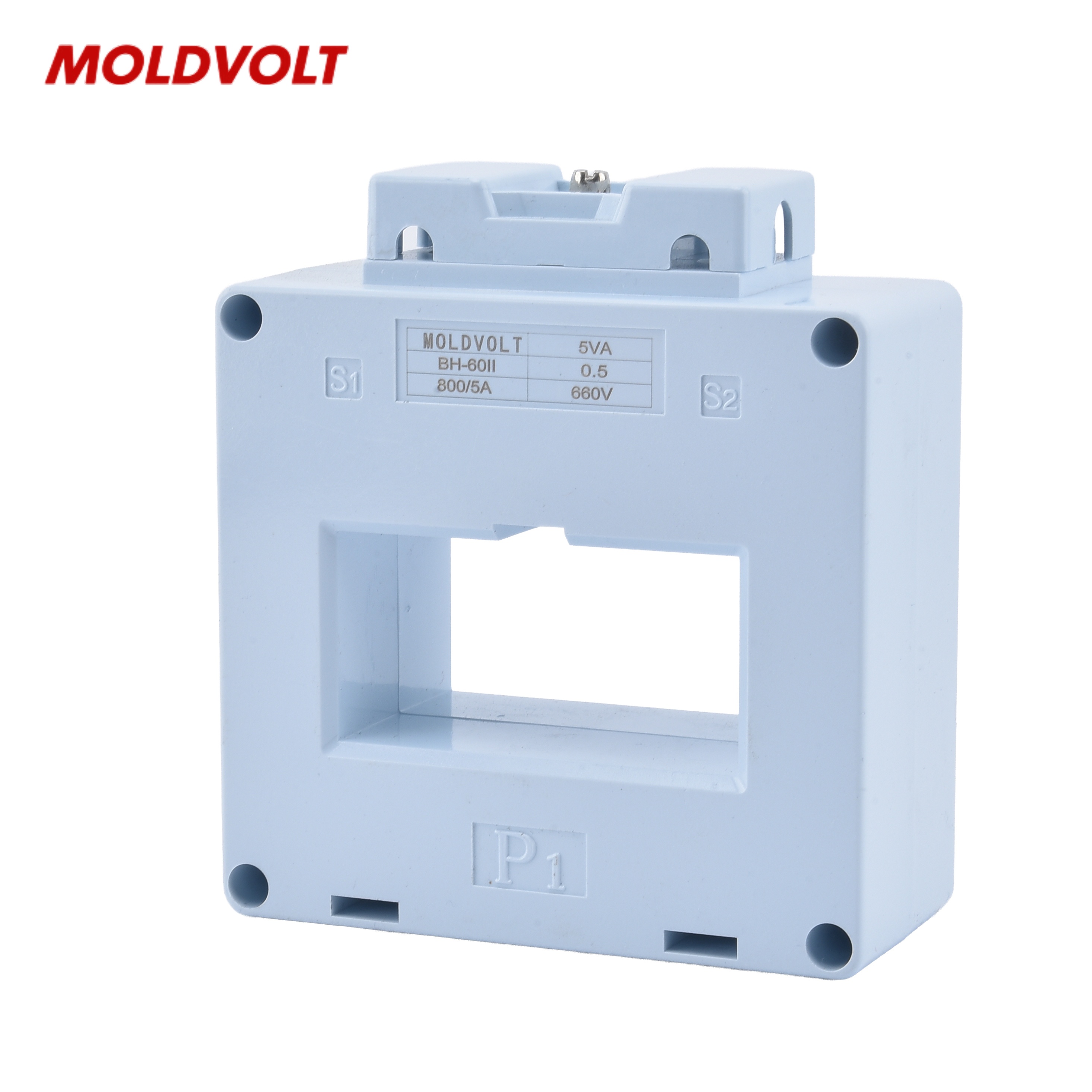
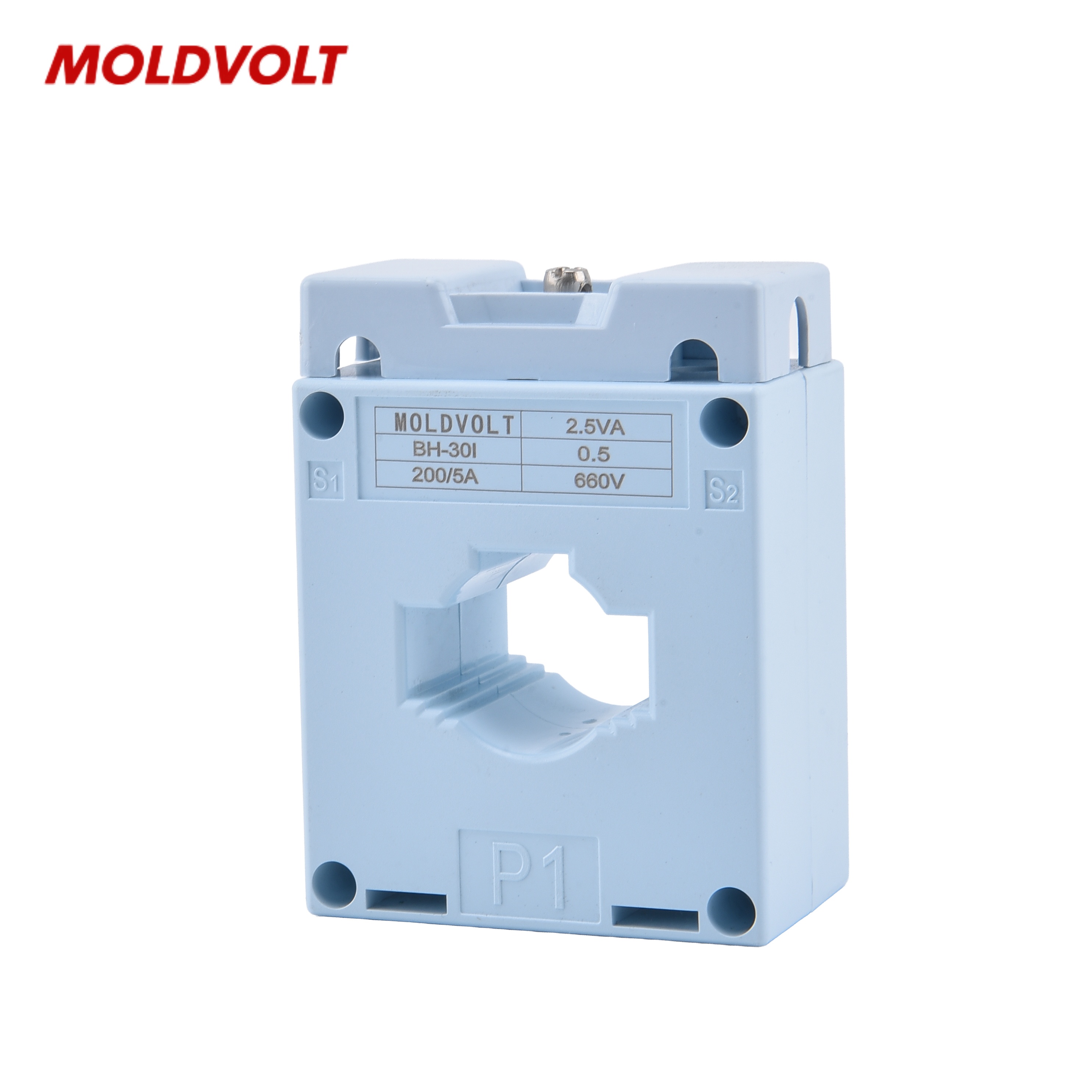
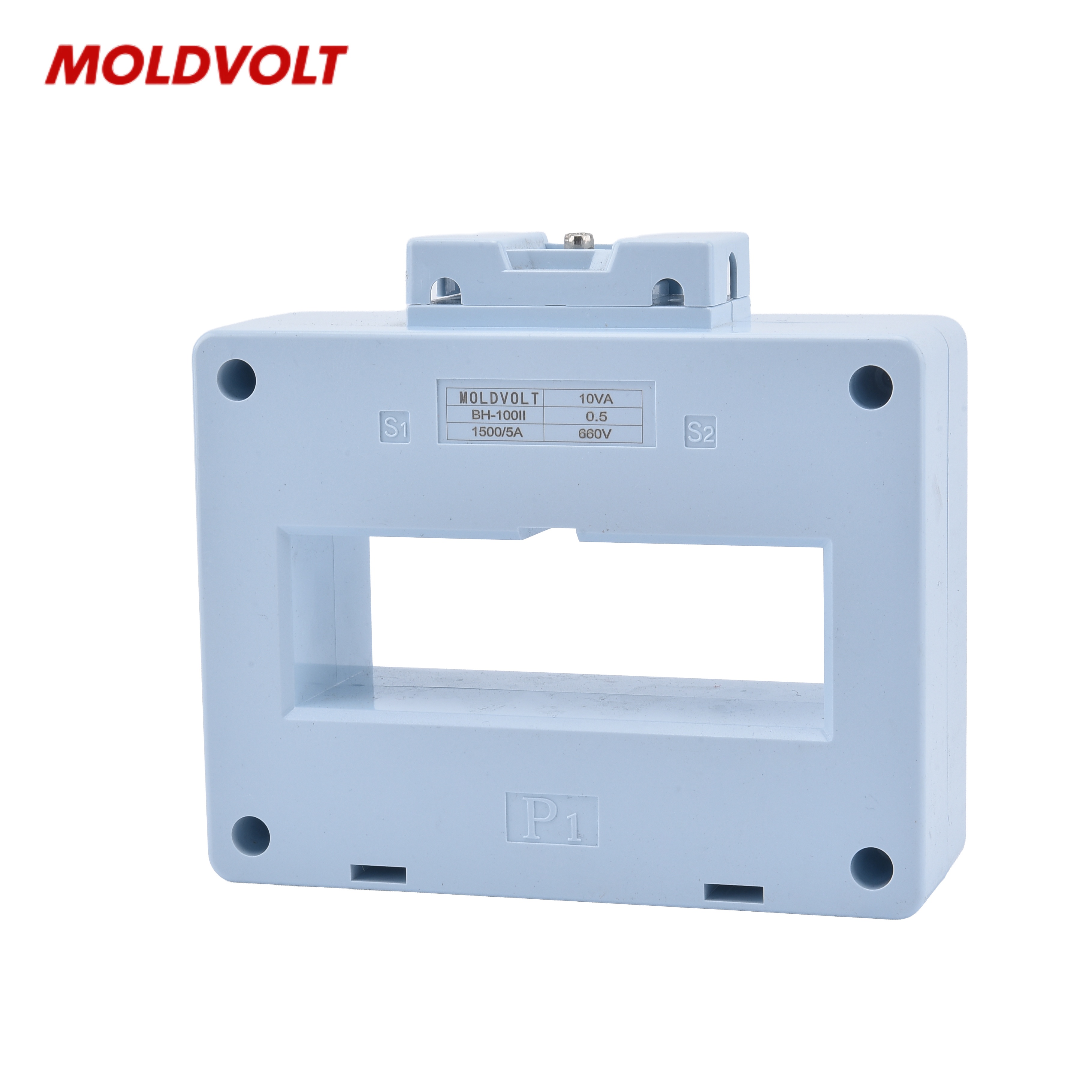
Trafo is a widely used term for a transformer, an essential component in electrical power transmission, distribution, and industrial equipment. VoltCabinet supports project-based transformer selection for applications requiring suitable voltage conversion, reliable operation, and compatibility with existing electrical systems. Key considerations include rated power, primary and secondary voltage, frequency, insulation, cooling method, and installation environment. For example, a manufacturing facility upgrading its distribution network may need a trafo that matches new equipment loads while integrating with existing switchgear. Defining these parameters before procurement helps reduce specification errors and improve coordination among engineers, contractors, and equipment suppliers. Final selection should follow a qualified electrical assessment and applicable standards.
Get A Quote

Case Study

Trafo Selection for Manufacturing Facilities

A manufacturing plant expanding its production capacity needed transformer equipment to support additional machinery and auxiliary electrical loads. The engineering team reviewed the expected demand, voltage requirements, installation space, cooling arrangements, and compatibility with existing distribution panels. These details helped establish a clear specification for supplier evaluation. Similar facilities should consider future load growth, operating conditions, insulation requirements, and maintenance access before confirming equipment ratings. Coordinating these factors early can reduce procurement uncertainty and simplify installation planning. The final transformer capacity should be determined through an appropriate load calculation, ensuring the selected trafo meets the facility's electrical requirements without unnecessary oversizing.

Trafo Solutions for Renewable Energy Systems

A renewable energy project required transformer equipment to connect generation assets with its electrical collection and distribution infrastructure. Engineers evaluated the voltage ratio, rated capacity, impedance, insulation coordination, and operating environment. Compatibility with protective relays and switchgear was also important to the equipment specification. For solar and wind projects, the selected trafo must meet the applicable grid connection requirements and withstand expected operating conditions. Buyers should confirm testing documentation, environmental protection, and project-specific technical standards before ordering. A detailed specification enables consistent quotation comparisons and supports coordinated installation, helping the project team integrate the transformer into the wider electrical network.

Trafo Integration in Commercial Buildings

A commercial building project required transformer equipment to supply lighting, HVAC systems, elevators, and other electrical services. The project team assessed peak demand, available installation space, ventilation, noise considerations, and access for routine maintenance. Transformer selection also needed to align with distribution panels and protective devices. Similar projects benefit from reviewing local electrical codes, expected load growth, and equipment efficiency before procurement. Clear coordination between the electrical consultant, contractor, and supplier helps prevent mismatched ratings and connection issues. Final equipment selection should reflect the building's calculated demand, operating conditions, and applicable safety requirements to support dependable power distribution.

Related products

Trafo is a common international industry term for a transformer, a device that transfers electrical energy between circuits through electromagnetic induction. Depending on its design, a transformer can step voltage up or down, provide electrical isolation, or support specialized grounding and control applications. Common product categories include distribution transformers, power transformers, dry-type transformers, oil-immersed transformers, and toroidal transformers. VoltCabinet supports buyers evaluating transformer equipment for industrial facilities, commercial buildings, substations, and renewable energy projects. Selection begins with the rated capacity, input and output voltages, frequency, phase configuration, impedance, cooling method, and installation environment. For example, a factory upgrading its production line may require a trafo compatible with its new machinery and existing switchgear. Buyers should also verify applicable IEC or IEEE standards, testing procedures, documentation, and delivery requirements. A complete technical specification helps ensure the chosen equipment suits the intended application and simplifies coordination during installation and commissioning.

Frequently Asked Questions

What does trafo mean in electrical engineering?

Trafo is a commonly used abbreviation for transformer in many international markets. A transformer transfers electrical energy between circuits through electromagnetic induction, typically changing voltage or providing isolation. Its capacity, voltage ratio, insulation, and cooling design depend on the application and the electrical system in which it operates.
Common types include distribution transformers, power transformers, dry-type transformers, oil-immersed transformers, isolation transformers, and toroidal transformers. Each serves different electrical and installation requirements. Buyers should specify their application, rated power, voltage levels, operating conditions, and applicable standards to identify the most appropriate equipment.
Calculate the expected electrical load and consider starting currents, load diversity, operating conditions, and planned expansion. The required capacity depends on the equipment being supplied and the system's operating profile. A qualified engineer should verify the rating, voltage ratio, and protection requirements before procurement.
Applicable standards depend on transformer type, voltage class, application, and destination market. The IEC 60076 series is widely used for power transformers, while relevant IEEE C57 standards apply to many transformer applications. Buyers should confirm the specific requirements, testing procedures, and local regulations for their project.
Provide the required kVA or MVA rating, primary and secondary voltages, frequency, phase configuration, cooling method, installation environment, and applicable standards. Include drawings, connection requirements, quantity, and delivery location where available. Detailed information helps suppliers assess technical suitability and prepare more accurate quotations.

Related article

What cable clamp material suits high temperature switchgear cabinets?

19

Sep

What cable clamp material suits high temperature switchgear cabinets?

Understanding High-Temperature Challenges in Switchgear CabinetsTypical Operating Temperatures and Thermal Stress Sources (Busbars, Load Cycling, Enclosure Design)Switchgear cabinets experience elevated temperatures primarily due to resistive losses ...
View More
How to customize cabinet dimensions to fit existing switchgear layouts?

26

Sep

How to customize cabinet dimensions to fit existing switchgear layouts?

Step 1: Accurate Site Assessment and Dimensional BenchmarkingMeasuring mechanical layout, clearances, and structural constraints in legacy electrical roomsA successful retrofit begins with a meticulous site survey. Older electrical rooms rarely match...
View More
What switchgear maintenance items prevent unexpected power outage risks?

10

Oct

What switchgear maintenance items prevent unexpected power outage risks?

Top 3 Root Causes of Switchgear-Related Power Outages Insulation degradation and partial discharge: leading precursors to cascade failure Insulation systems in switchgear degrade gradually under electrical, thermal, and environmental stress. Cracks...
View More
Insulator dimension design follows international high voltage standards strictly.

16

Oct

Insulator dimension design follows international high voltage standards strictly.

Core IEC Standards Governing Insulator Dimension Design IEC 60383: Mechanical and Electrical Requirements for Ceramic and Glass Insulators The IEC 60383 series defines the mechanical and electrical test regimes that ceramic and glass insulators mus...
View More

Customer Testimonials

James Wilson

We needed dependable trafo equipment for an industrial distribution project. Clear voltage and capacity specifications helped our engineering team evaluate suitable options and coordinate installation requirements.

Michael Turner

Our facility expansion required transformer equipment compatible with existing switchgear. Reviewing technical specifications early helped us streamline procurement planning and prepare for reliable electrical system integration.

Get a Free Quote

Our representative will contact you soon.
Email
Mobile/WhatsApp
Name
Company Name
Message
0/1000
Transformer Options Matched to Your Electrical Requirements

Transformer Options Matched to Your Electrical Requirements

Different applications require different transformer characteristics, so selecting a trafo should begin with a clear technical assessment. Rated capacity, voltage ratio, impedance, cooling method, insulation level, and installation conditions all influence suitability. VoltCabinet supports project discussions for industrial distribution systems, commercial facilities, substations, and renewable energy installations. For example, a factory supplying multiple production lines may need a transformer sized for calculated demand and expected future expansion. Engineers should also verify compatibility with switchgear, protective relays, and downstream equipment. Documenting these requirements before procurement helps buyers compare equivalent proposals, reduce specification gaps, and plan installation more efficiently while maintaining appropriate electrical safety requirements.
Quality Verification for Dependable Transformer Performance

Quality Verification for Dependable Transformer Performance

Transformer performance depends on suitable materials, accurate winding construction, insulation quality, assembly processes, and appropriate electrical testing. Buyers should review the manufacturer's quality procedures and confirm which routine, type, or special tests apply to the selected trafo. Depending on the design, testing may cover winding resistance, voltage ratio, impedance, insulation performance, and other specified characteristics. For a medium-voltage distribution project, documented results help the engineering team assess whether the equipment meets its approved specification. International buyers should also confirm nameplate information, technical drawings, test reports, and operating instructions. Agreeing on inspection and acceptance criteria before production supports clearer communication and reduces uncertainty during installation and commissioning.
Streamlined Procurement for International Trafo Projects

Streamlined Procurement for International Trafo Projects

International transformer procurement requires coordination between technical specifications, production schedules, logistics, and destination-market regulations. Buyers should confirm delivery terms, packaging requirements, warranty conditions, documentation responsibilities, and inspection arrangements before placing an order. Lead times depend on capacity, design complexity, material availability, and factory workload, so schedules should be based on supplier-confirmed estimates. For example, a substation upgrade may require transformers and switchgear to arrive in a planned sequence to support installation. VoltCabinet helps buyers clarify equipment requirements and associated electrical interfaces during procurement planning. Early agreement on drawings, connection arrangements, and testing milestones helps reduce misunderstandings and supports better coordination across international project teams.

Get a Free Quote

Our representative will contact you soon.
Email
Mobile/WhatsApp
Name
Company Name
Message
0/1000