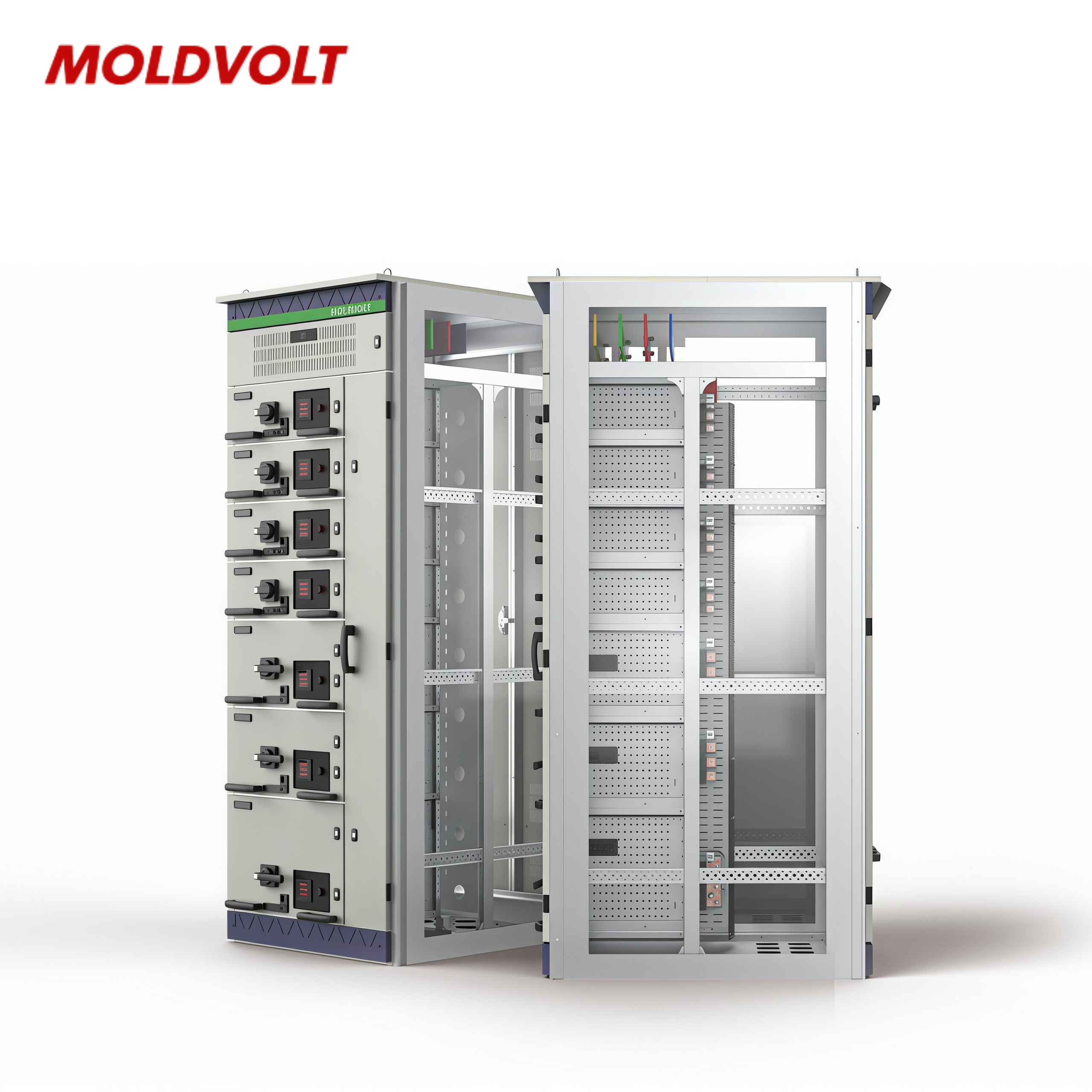
Top Switchgear Manufacturer | Custom LV & MV Solutions

All Categories
Customer Perspectives on Switchgear Manufacturing Solutions

Customer Perspectives on Switchgear Manufacturing Solutions

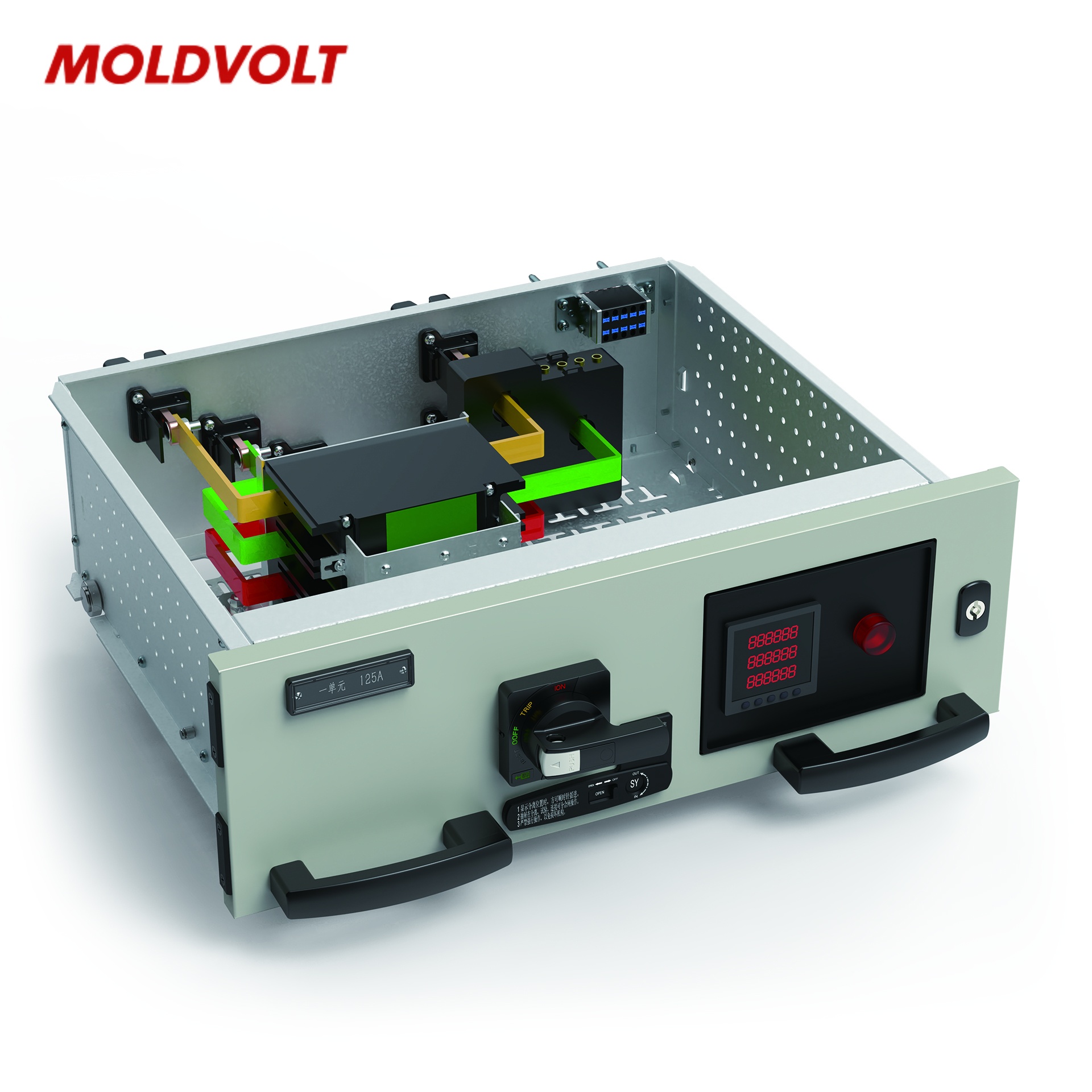
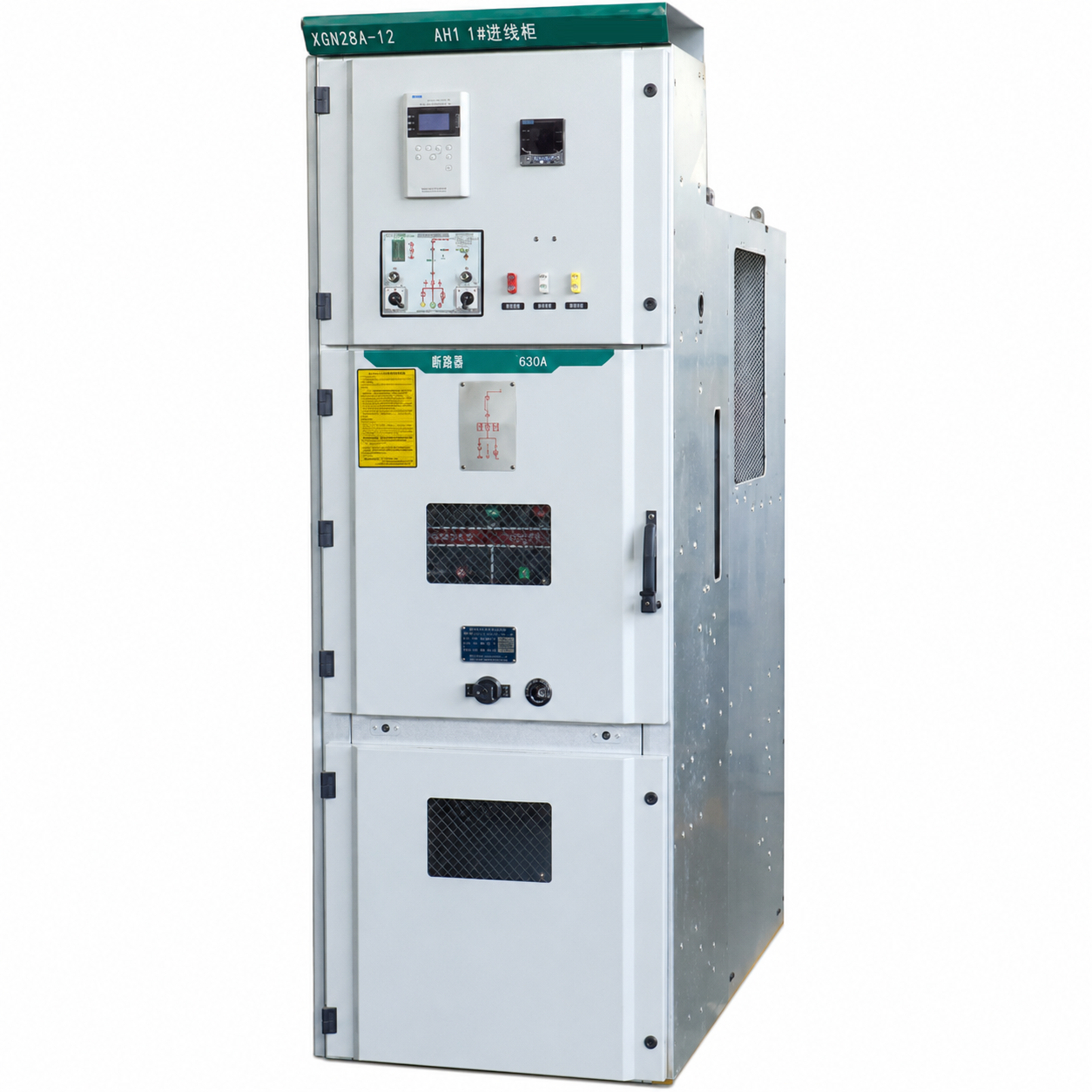
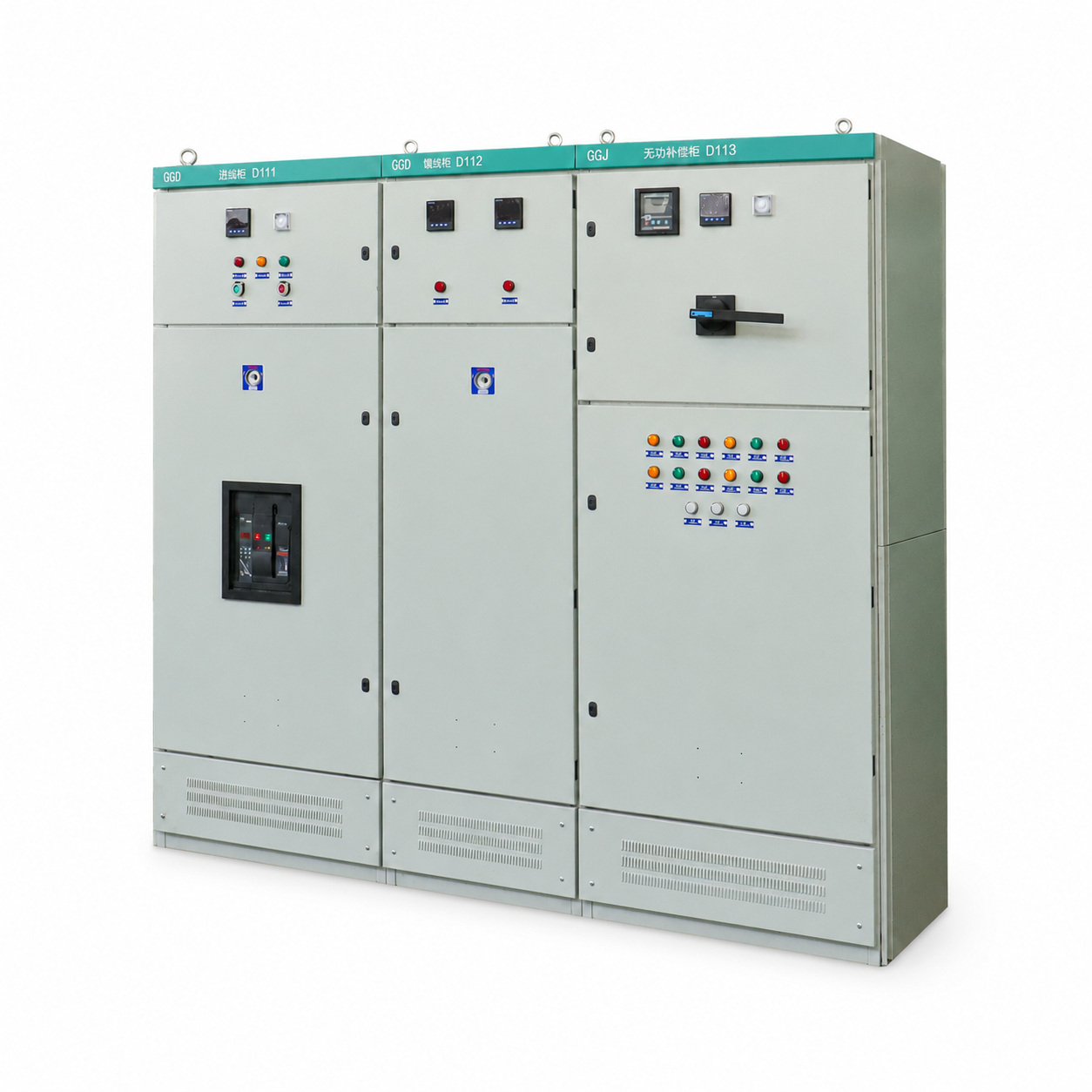
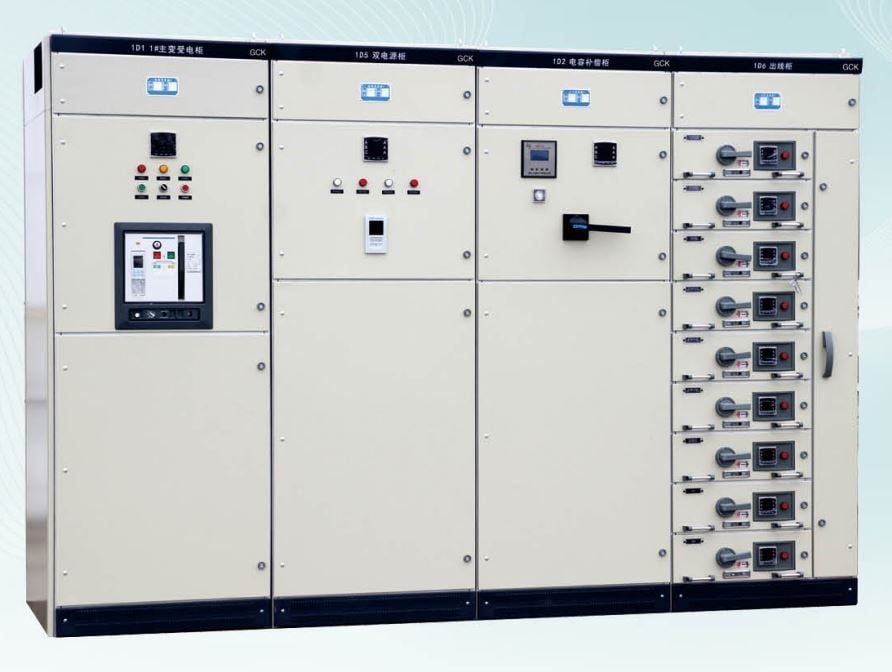
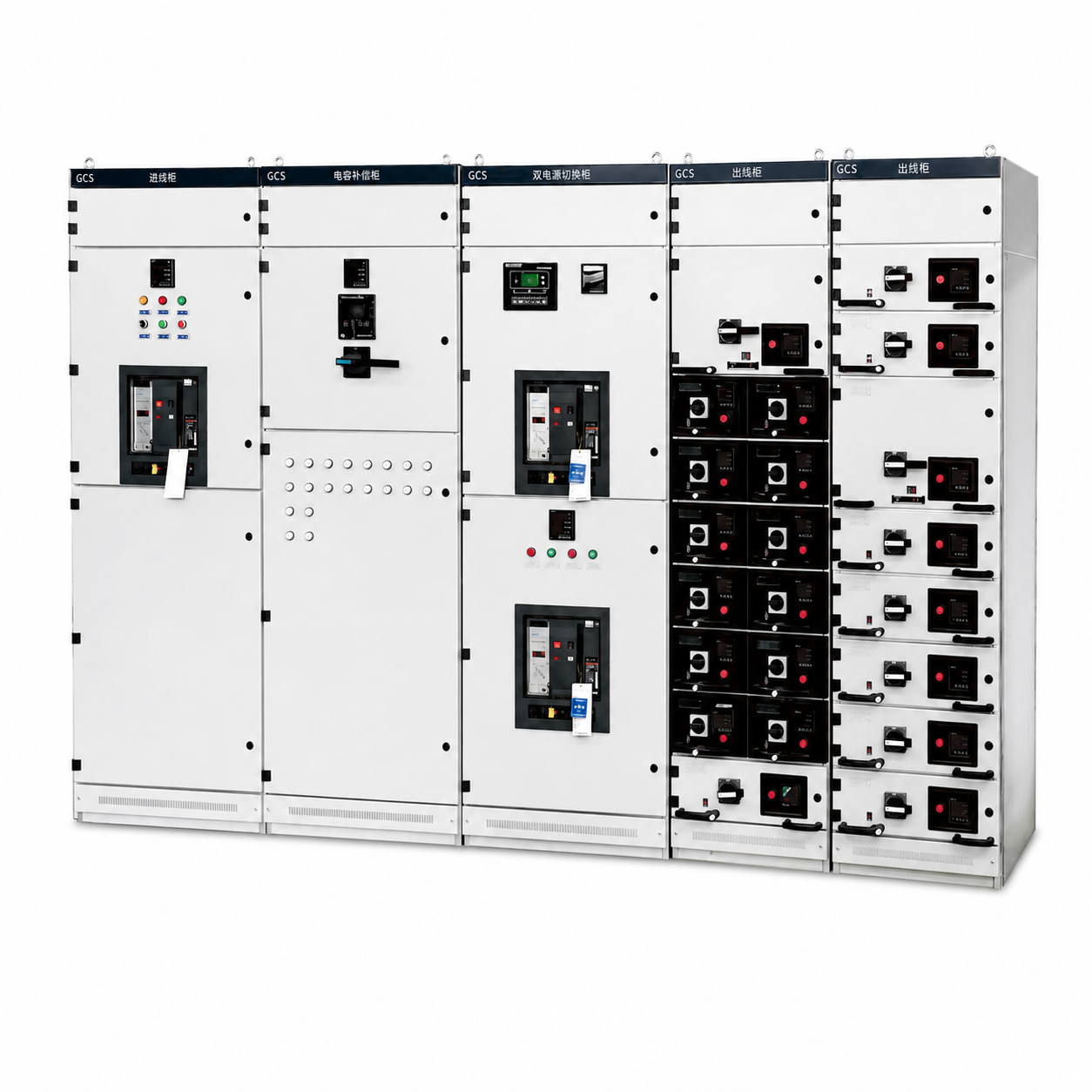
Choosing a capable switchgear manufacturer helps businesses source electrical equipment tailored to operational and installation requirements. Our switchgear solutions can be configured for industrial plants, commercial buildings, and infrastructure facilities, with options for circuit breakers, busbar systems, metering devices, and control components. Electrical ratings are selected according to the project's voltage, current demand, and prospective short-circuit levels. For example, a manufacturing facility may require separate feeders for production machinery, lighting, and auxiliary services. Coordinating these requirements during design helps organize power distribution and support appropriate protection. Clear technical documentation, suitable component selection, and verification against applicable standards help project teams plan installation, commissioning, and ongoing maintenance more efficiently.
Get A Quote

Case Study

Switchgear for Industrial Manufacturing Facilities

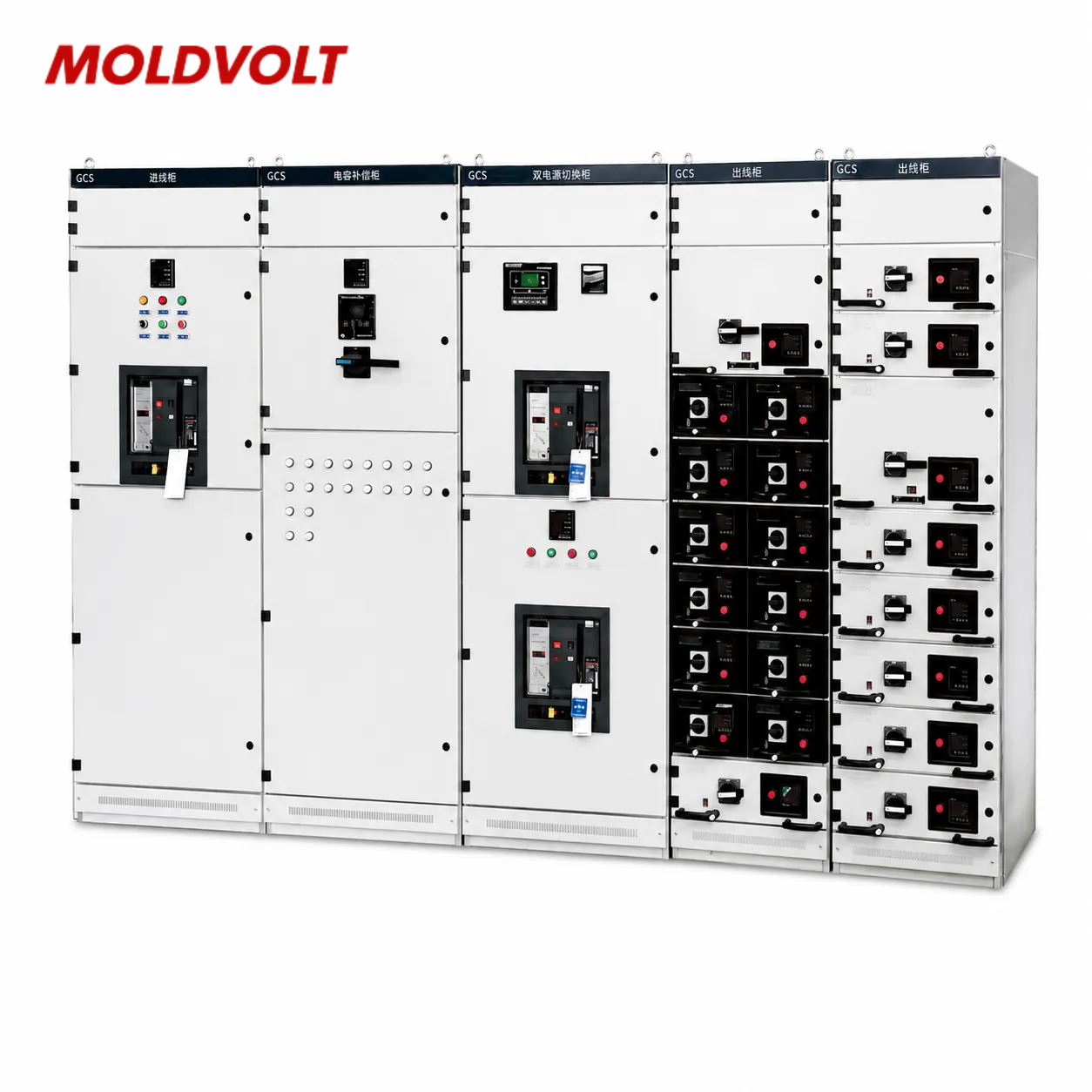
Industrial facilities rely on switchgear to distribute electrical power to machinery, production lines, motors, and auxiliary equipment. A switchgear manufacturer can configure assemblies around the facility's load schedule, voltage requirements, and prospective fault current. Appropriate circuit breakers and protective devices help coordinate electrical protection with connected equipment. Clearly arranged feeders also make circuit identification and maintenance planning more straightforward. Depending on operational needs, metering components can provide information about electricity consumption and load distribution. Before production, engineers should confirm rated current, short-circuit withstand capability, enclosure requirements, and future expansion plans. These considerations help ensure the proposed switchgear meets the facility's technical specification.

Switchgear for Commercial Building Projects

Commercial buildings require organized electrical distribution for lighting, HVAC systems, elevators, office equipment, and essential services. A qualified switchgear manufacturer can develop configurations based on the building's electrical drawings, expected demand, and available installation space. Depending on project requirements, assemblies may incorporate incoming supply sections, outgoing feeders, metering devices, and provisions for standby power. Clear circuit identification can simplify maintenance and help contractors coordinate installation. Designers should evaluate load calculations, fault levels, enclosure protection, and applicable electrical codes before approving the final configuration. This planning process supports effective integration with the building's electrical infrastructure and provides a practical foundation for future maintenance.

Switchgear for Infrastructure and Utility Facilities

Infrastructure facilities, including water treatment plants and transport buildings, require electrical distribution systems designed around specific operating conditions. A switchgear manufacturer can assess connected loads, environmental exposure, protection requirements, and control arrangements when developing the equipment specification. Pumping systems, ventilation equipment, and auxiliary services may require different feeder ratings and protection settings. Enclosure selection should reflect factors such as humidity, dust, temperature, and installation location. Reviewing technical drawings and verification documentation before manufacture helps project teams confirm that the proposed assembly matches the intended application. Appropriate engineering coordination supports safe integration with upstream supplies and downstream equipment while simplifying commissioning and maintenance planning.

Related products

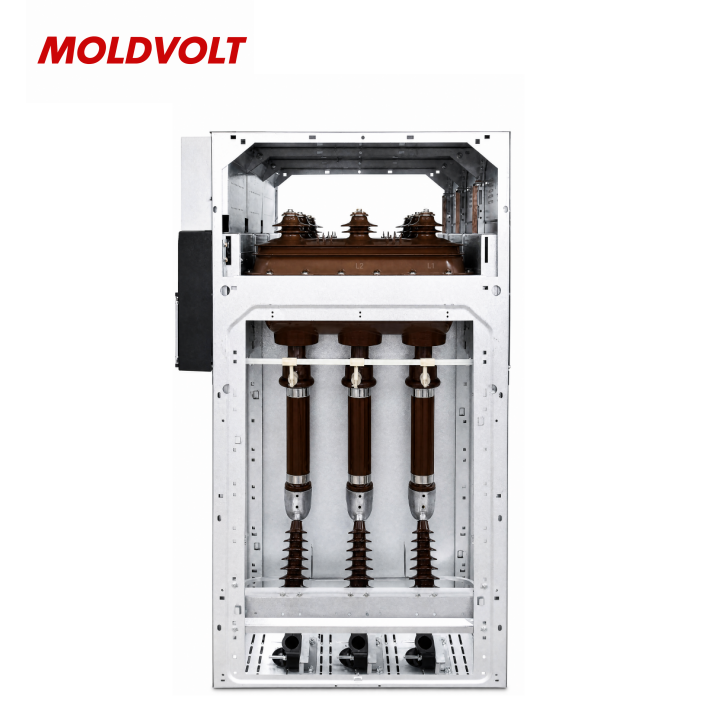
A switchgear manufacturer designs, assembles, and supplies electrical equipment used to control, protect, and isolate electrical circuits. Switchgear is essential in industrial plants, commercial buildings, infrastructure facilities, and utility installations where power distribution must meet defined operational and safety requirements. Our switchgear solutions can be configured with circuit breakers, busbar systems, metering instruments, and control components according to project specifications. Key selection factors include rated voltage, rated current, short-circuit withstand capability, protection functions, enclosure design, and installation conditions. Depending on the application, equipment may be developed for low-voltage or medium-voltage distribution. For example, a production facility may need dedicated feeders for motors and manufacturing lines, while a commercial development may prioritize organized distribution for HVAC, lighting, and essential building services. Project-specific layouts help coordinate feeder arrangements, cable entry, maintenance access, and potential expansion. Before requesting a quotation, buyers should prepare a single-line diagram, load schedule, required electrical ratings, installation details, and applicable standards. These details help establish a clear technical specification and reduce misunderstandings during design and production. The final assembly should be verified and tested according to its applicable standards and intended operating conditions.
Frequently Asked Questions

What does a switchgear manufacturer do?

A switchgear manufacturer designs, assembles, and supplies electrical equipment used to control, protect, and isolate circuits. Products may include low-voltage switchgear, medium-voltage equipment, switchboards, and customized assemblies. Depending on project requirements, manufacturers may also provide technical documentation, testing records, and support for installation and commissioning.
Evaluate engineering capabilities, product specifications, quality control procedures, testing arrangements, and experience with comparable applications. Confirm that the manufacturer can meet your voltage, current, short-circuit, and enclosure requirements. Reviewing technical drawings, applicable certifications, delivery schedules, and after-sales support helps determine whether a supplier suits your project's needs.
Many manufacturers offer project-specific configurations, including busbar arrangements, circuit breakers, enclosure dimensions, metering functions, and communication options. Customization depends on technical feasibility and the applicable standards. Providing a single-line diagram, load schedule, installation conditions, and required electrical ratings helps the manufacturer develop a suitable proposal.
Applicable standards depend on the equipment type, voltage level, and destination market. IEC 61439 covers relevant low-voltage switchgear and controlgear assemblies, while IEC 62271 addresses high-voltage switchgear and controlgear equipment. Buyers should confirm the specific standard, required verification procedures, and local regulatory obligations for the intended application.
Provide the single-line diagram, rated voltage, current requirements, prospective short-circuit level, incoming and outgoing circuit quantities, and installation environment. Include preferred components, enclosure protection requirements, applicable standards, and delivery expectations. Complete information helps the manufacturer assess technical feasibility, recommend an appropriate configuration, and prepare an accurate quotation.

Related article

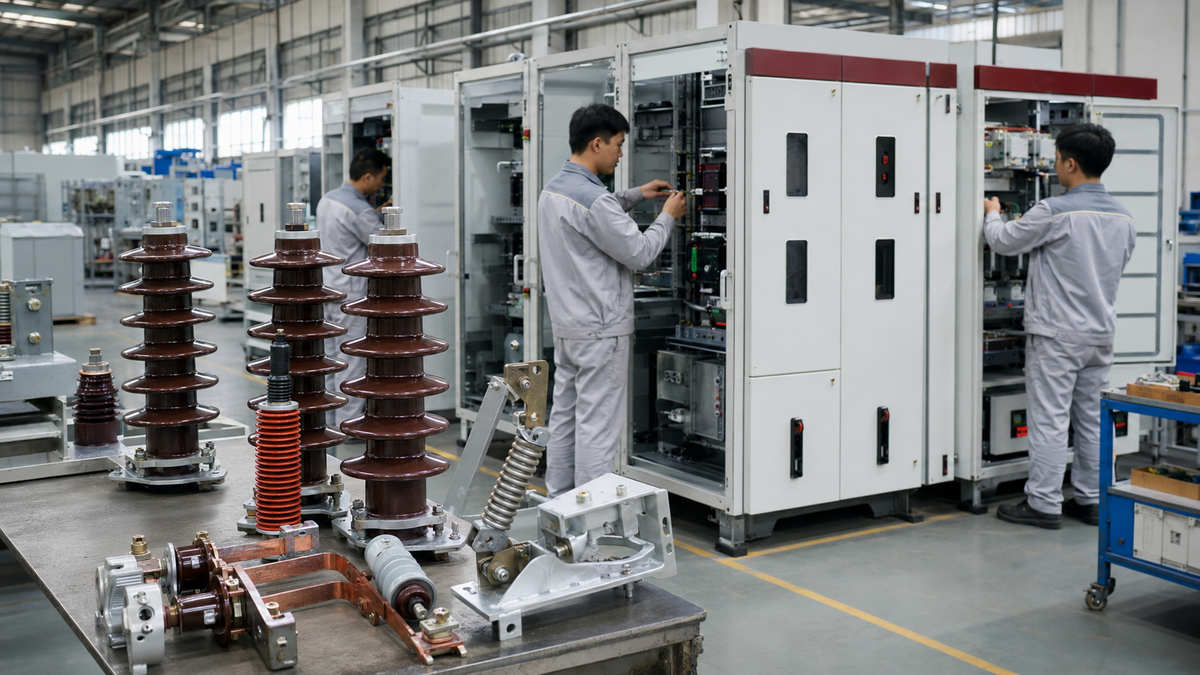
From High-Voltage Insulators to Low-Voltage Switchgear: A Vietnamese Manufacturer’s Transformation, Together with Us‌

08

Sep

From High-Voltage Insulators to Low-Voltage Switchgear: A Vietnamese Manufacturer’s Transformation, Together with Us‌

View More
How to customize cabinet dimensions to fit existing switchgear layouts?

26

Sep

How to customize cabinet dimensions to fit existing switchgear layouts?

Step 1: Accurate Site Assessment and Dimensional BenchmarkingMeasuring mechanical layout, clearances, and structural constraints in legacy electrical roomsA successful retrofit begins with a meticulous site survey. Older electrical rooms rarely match...
View More
What switchgear maintenance items prevent unexpected power outage risks?

10

Oct

What switchgear maintenance items prevent unexpected power outage risks?

Top 3 Root Causes of Switchgear-Related Power Outages Insulation degradation and partial discharge: leading precursors to cascade failure Insulation systems in switchgear degrade gradually under electrical, thermal, and environmental stress. Cracks...
View More
What electrical switchgear testing items are required before site commissioning?

21

Oct

What electrical switchgear testing items are required before site commissioning?

Insulation Integrity and Dielectric Strength Verification Megger testing of busbars, cables, and instrument transformer circuits Megger testing is a foundational pre-commissioning check for electrical switchgear, measuring insulation resistance (IR...
View More

Customer Testimonials

Michael Turner

Selecting a switchgear manufacturer with suitable engineering capabilities helps industrial projects coordinate protection devices, electrical ratings, and installation requirements. Clear technical documentation supports equipment selection and maintenance planning.

David Wilson

Configurable switchgear assemblies can accommodate different feeder quantities, enclosure layouts, and monitoring requirements. Matching specifications to project loads helps contractors plan installations and coordinate electrical distribution systems effectively.

Get a Free Quote

Our representative will contact you soon.
Email
Mobile/WhatsApp
Name
Company Name
Message
0/1000
Customized Engineering for Project Requirements

Customized Engineering for Project Requirements

Project-specific switchgear engineering considers electrical ratings, connected loads, fault levels, protection coordination, and installation constraints. Configurations can incorporate suitable circuit breakers, busbar systems, metering devices, and control components according to the approved specification. For a manufacturing facility, dedicated feeders may separate production equipment from auxiliary services, simplifying circuit identification and maintenance planning. Engineers should also evaluate enclosure requirements, cable routing, and potential future expansion. These details help align equipment selection with the wider distribution system. Before manufacturing begins, buyers should review technical drawings and confirm that the proposed configuration meets applicable standards and verified design capabilities.
Solutions for Diverse Electrical Applications

Solutions for Diverse Electrical Applications

Switchgear manufacturers serve a range of applications, including industrial production, commercial developments, infrastructure facilities, and utility installations. Each project may require different electrical ratings, feeder quantities, protection functions, and enclosure arrangements. Manufacturing plants often prioritize motor protection and organized distribution, while commercial buildings may need clearly separated circuits for HVAC, lighting, and essential services. Water treatment facilities may require configurations suited to pump operation and humid environments. Evaluating these application-specific conditions during design helps determine appropriate components and installation requirements. With a complete technical specification and suitable verification, switchgear can integrate effectively into the electrical system and support the facility's operational needs.

Get a Free Quote

Our representative will contact you soon.
Email
Mobile/WhatsApp
Name
Company Name
Message
0/1000