Top Insulator Manufacturer for Switchgear & Power Equipment

All Categories
Reliable Insulator Manufacturer for Global Electrical Equipment Industries

Reliable Insulator Manufacturer for Global Electrical Equipment Industries

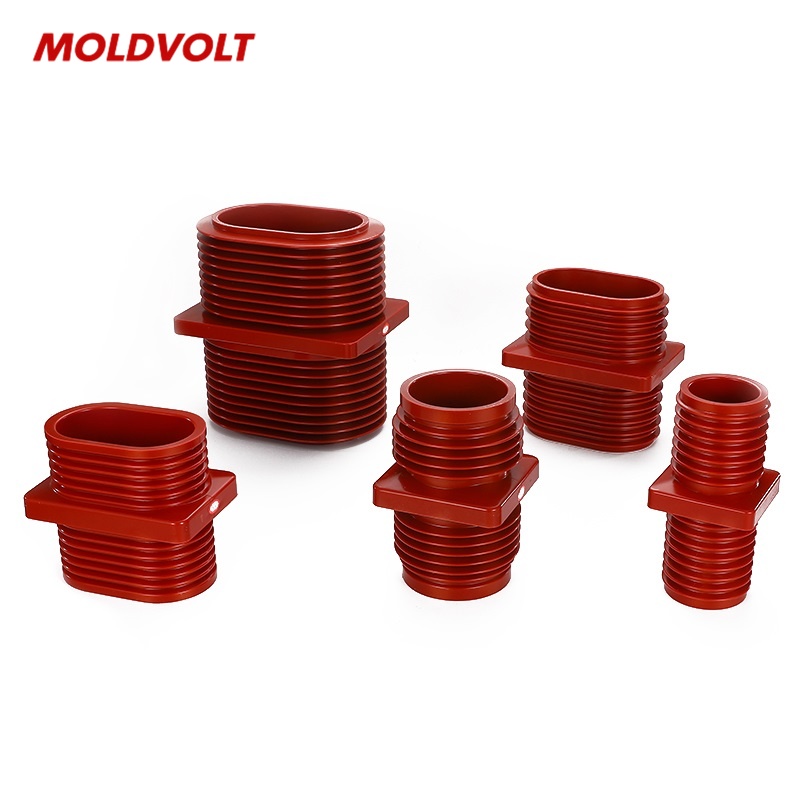
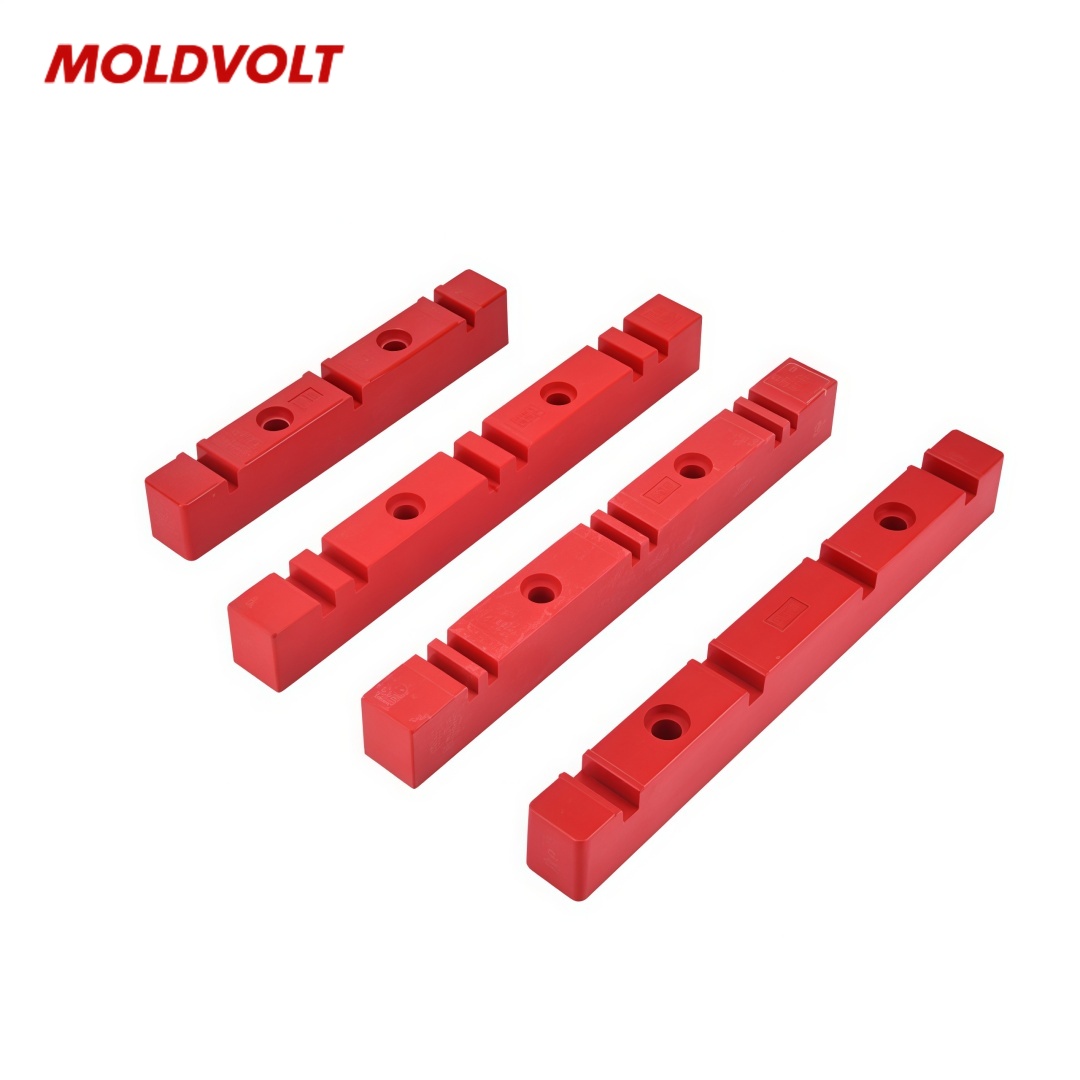
Voltcabinet supplies electrical insulation components for switchgear manufacturers, power equipment producers, and industrial electrical distributors. Product options cover different insulation requirements, including epoxy resin insulators, silicone rubber insulators, composite insulators, and supporting components. Each application requires careful consideration of dielectric properties, mechanical strength, dimensional accuracy, and operating conditions. Suitable material selection helps maintain electrical clearances and stable component positioning within electrical assemblies. For example, a switchgear manufacturer producing 100 distribution cabinets may require several insulator configurations to accommodate different busbar arrangements. Voltcabinet supports product selection according to technical drawings, installation dimensions, voltage ratings, and project specifications, helping customers source compatible components efficiently.
Get A Quote

Case Study

Customized Insulators for Switchgear Production

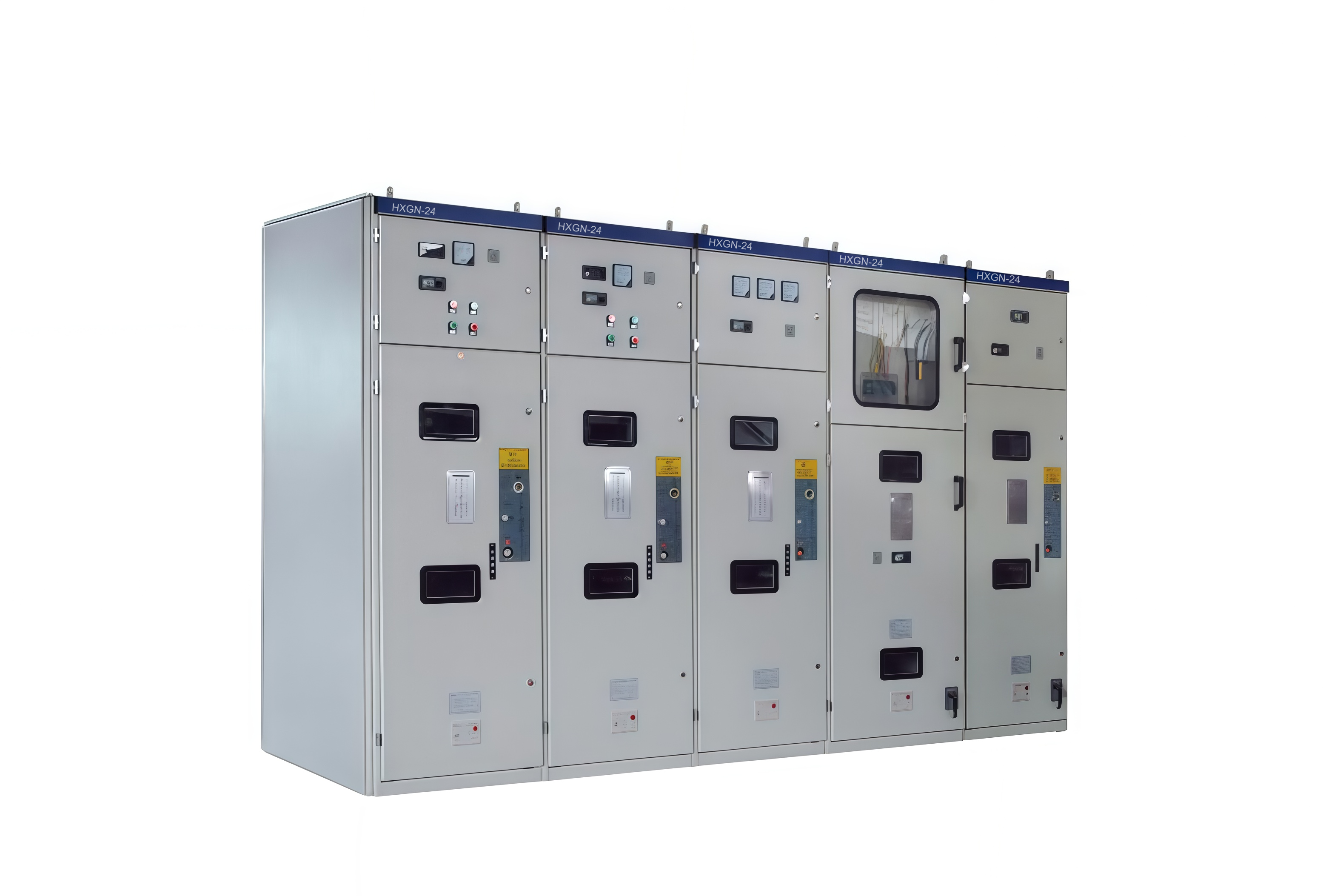
A switchgear manufacturer required electrical insulation components for multiple medium voltage cabinet configurations. The engineering team needed products with specific mounting dimensions, mechanical strength, and dielectric characteristics. Voltcabinet supported component selection according to equipment drawings and technical requirements. Epoxy resin insulation components were considered for their rigidity, dimensional stability, and electrical properties. Across a production batch of 100 switchgear assemblies, standardized specifications helped simplify procurement coordination and installation preparation. This project demonstrates the importance of matching insulator designs to actual equipment structures. Accurate dimensions, suitable materials, and clearly defined electrical requirements contribute to consistent assembly quality and dependable switchgear performance.

Insulation Components for Power Distribution Equipment

A power distribution equipment manufacturer needed dependable insulators for its electrical cabinet production program. Different product models required specific insulation components for busbar support, electrical separation, and internal conductor positioning. Voltcabinet helped evaluate suitable configurations based on mounting requirements, material characteristics, and equipment specifications. The purchasing team organized component requirements across 75 distribution cabinet assemblies. Standardized product information helped simplify technical communication and incoming inspection. This application highlights the importance of coordinated component sourcing for electrical equipment manufacturers. Selecting suitable insulators according to voltage ratings, mechanical loading, and installation dimensions helps improve compatibility and supports reliable power distribution equipment.

Electrical Insulation Solutions for Industrial Projects

An industrial electrical contractor required insulation components for control cabinets and power distribution assemblies in a manufacturing facility. The project involved different equipment structures and installation conditions, requiring careful product selection. Voltcabinet supported the evaluation of suitable insulation components according to technical drawings, material requirements, and electrical specifications. The selected configurations helped maintain conductor positioning and appropriate electrical separation. Across 50 electrical assemblies, organized component specifications simplified procurement planning and installation coordination. This case demonstrates how application-based product selection can support industrial electrical projects. Evaluating material properties, dimensions, and operating environments helps ensure compatibility with individual equipment designs.

Related products

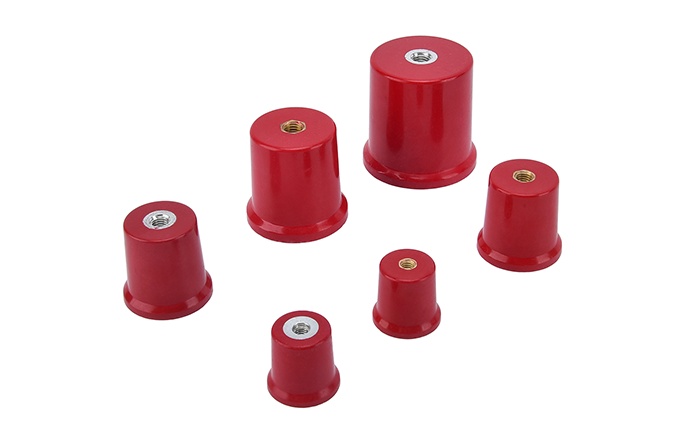
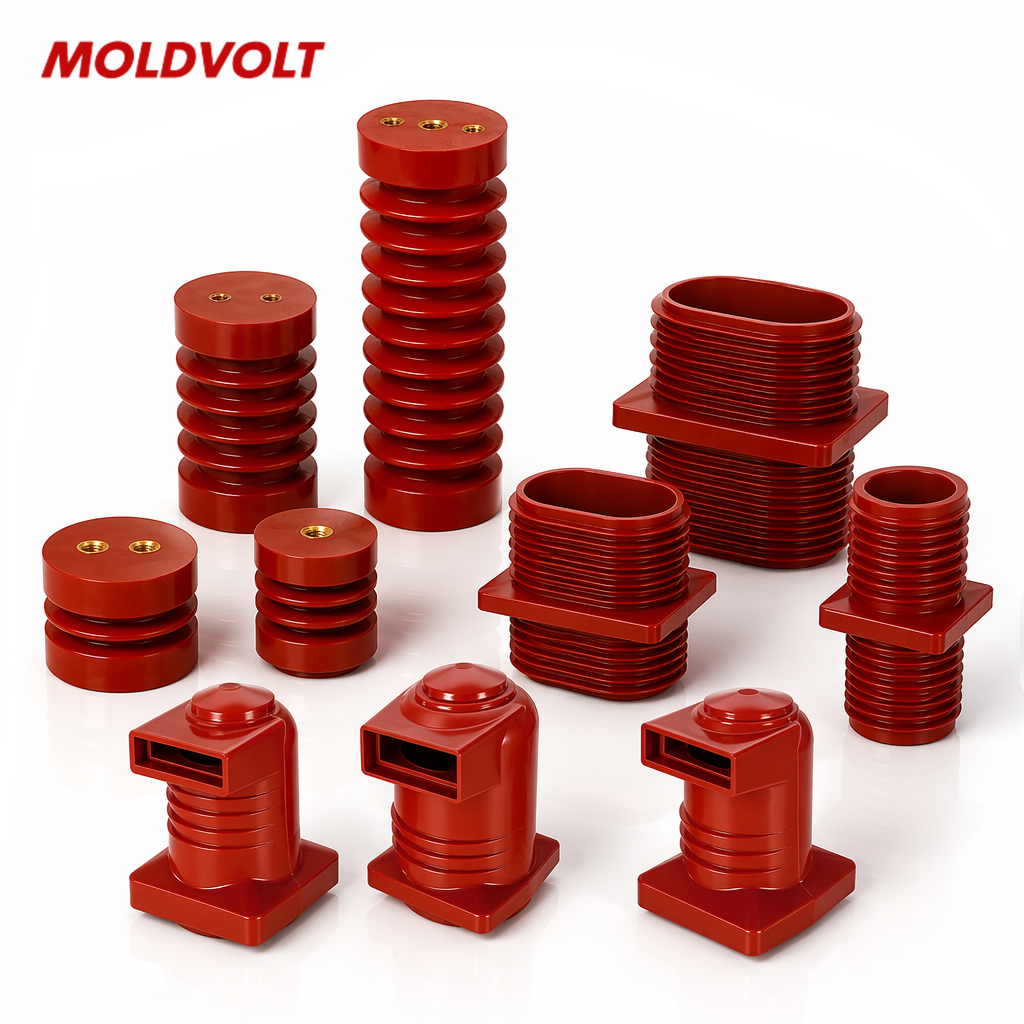
Electrical insulators are essential components in power transmission, distribution, and industrial electrical equipment. They provide electrical isolation and mechanical support for energized conductors, helping maintain appropriate clearances and stable equipment structures. Common product categories include epoxy resin insulators, silicone rubber insulators, composite insulators, porcelain insulators, and busbar support components. Manufacturing quality depends on material selection, production processes, dimensional control, and product inspection. Depending on the material, manufacturing techniques may include resin casting, automatic pressure gelation, silicone rubber molding, ceramic forming, and composite material processing. Important evaluation factors include dielectric strength, mechanical loading, insulation distance, dimensional accuracy, and environmental resistance. Voltcabinet focuses on supplying electrical components for international equipment manufacturers and distributors. Product selection can be coordinated according to technical drawings, voltage ratings, mounting configurations, and application requirements. For example, a switchgear manufacturer developing several cabinet models may require different insulator shapes and dimensions to accommodate individual busbar arrangements. Providing detailed specifications helps improve component compatibility and procurement efficiency. Selecting suitable insulation components supports reliable equipment assembly and long-term electrical system performance.

Frequently Asked Questions

What Types Of Insulators Does An Insulator Manufacturer Provide?

Electrical insulator manufacturers may produce epoxy resin, silicone rubber, composite, porcelain, and glass insulators. Product availability depends on manufacturing capabilities and intended applications, including switchgear, substations, transmission lines, and power distribution equipment.
Evaluate material quality, manufacturing capabilities, dimensional accuracy, product testing, technical support, and quality management systems. Request relevant product specifications and inspection documentation to verify that the components meet your equipment and project requirements.
Many manufacturers can develop customized components according to technical drawings, samples, or equipment specifications. Customization may involve material selection, dimensions, mounting structures, and product configurations, depending on available tooling and manufacturing processes.
Common materials include epoxy resin, silicone rubber, porcelain, toughened glass, and fiberglass-reinforced polymers. Each material offers different dielectric, mechanical, and environmental properties. Selection should reflect voltage ratings and actual operating conditions.
Provide technical drawings, required quantities, rated voltage, material preferences, installation dimensions, and application details. Existing product photographs or samples can also help clarify structural requirements and improve quotation accuracy.

Related article

Cabinet corrosion resistance determines service life in coastal engineering sites.

23

Sep

Cabinet corrosion resistance determines service life in coastal engineering sites.

Why Coastal Environments Accelerate Cabinet CorrosionThe chloride-humidity synergy: How salt aerosols and sustained high RH drive electrochemical degradationCoastal atmospheres subject cabinet enclosures to a uniquely aggressive combination of airbor...
View More
Insulator dimensional tolerance controls assembly efficiency in switchgear.

25

Sep

Insulator dimensional tolerance controls assembly efficiency in switchgear.

Why Insulator Dimensional Tolerance Is the Silent Driver of Switchgear Assembly EfficiencyIn high-voltage switchgear, insulators do much more than prevent flashover—they serve as load-bearing anchors that dictate how quickly and precisely busbars, ci...
View More
What switchgear maintenance items prevent unexpected power outage risks?

10

Oct

What switchgear maintenance items prevent unexpected power outage risks?

Top 3 Root Causes of Switchgear-Related Power Outages Insulation degradation and partial discharge: leading precursors to cascade failure Insulation systems in switchgear degrade gradually under electrical, thermal, and environmental stress. Cracks...
View More
Insulator dimension design follows international high voltage standards strictly.

16

Oct

Insulator dimension design follows international high voltage standards strictly.

Core IEC Standards Governing Insulator Dimension Design IEC 60383: Mechanical and Electrical Requirements for Ceramic and Glass Insulators The IEC 60383 series defines the mechanical and electrical test regimes that ceramic and glass insulators mus...
View More

Customer Testimonials

Michael Thompson

We sourced electrical insulation components for our switchgear production. Their consistent dimensions, reliable specifications, and professional coordination helped streamline procurement for 120 cabinet assemblies.

David Wilson

The supplied insulators met our electrical equipment requirements. Their dimensional consistency and material quality helped simplify installation across three distribution equipment product lines.

Get a Free Quote

Our representative will contact you soon.
Email
Mobile/WhatsApp
Name
Company Name
Message
0/1000
Multiple Insulation Materials for Diverse Electrical Equipment

Multiple Insulation Materials for Diverse Electrical Equipment

Different electrical applications require different insulation materials and structural designs. Epoxy resin is widely used for rigid insulation components in switchgear and distribution cabinets, while silicone rubber and composite materials are suitable for various outdoor applications. Porcelain and glass remain important materials for power transmission and substation equipment. Voltcabinet supports product selection according to equipment specifications and operating requirements. For example, a manufacturer producing 100 electrical cabinets may need several insulation configurations to accommodate different internal structures. Considering dielectric performance, mechanical strength, temperature conditions, and environmental exposure helps identify suitable components and improve equipment compatibility across different industrial applications.
Precision Manufacturing and Consistent Component Dimensions

Precision Manufacturing and Consistent Component Dimensions

Dimensional accuracy is essential for electrical insulation components because it directly affects installation compatibility, conductor positioning, and electrical clearances. Manufacturing processes must consider material preparation, mold accuracy, curing conditions, and final inspection. For example, a switchgear manufacturer assembling 80 electrical cabinets may require consistent insulator dimensions across several production batches. Standardized specifications help simplify component procurement, reduce unnecessary fitting adjustments, and improve assembly coordination. Voltcabinet supports product selection based on technical drawings, samples, and equipment requirements. Evaluating mounting dimensions, structural strength, and material characteristics helps customers identify appropriate insulation components for their electrical equipment designs.

Get a Free Quote

Our representative will contact you soon.
Email
Mobile/WhatsApp
Name
Company Name
Message
0/1000