50 KVA Transformer Guide: Sizing, Specs & Applications

All Categories
Customer Feedback on 50 KVA Transformer Solutions

Customer Feedback on 50 KVA Transformer Solutions

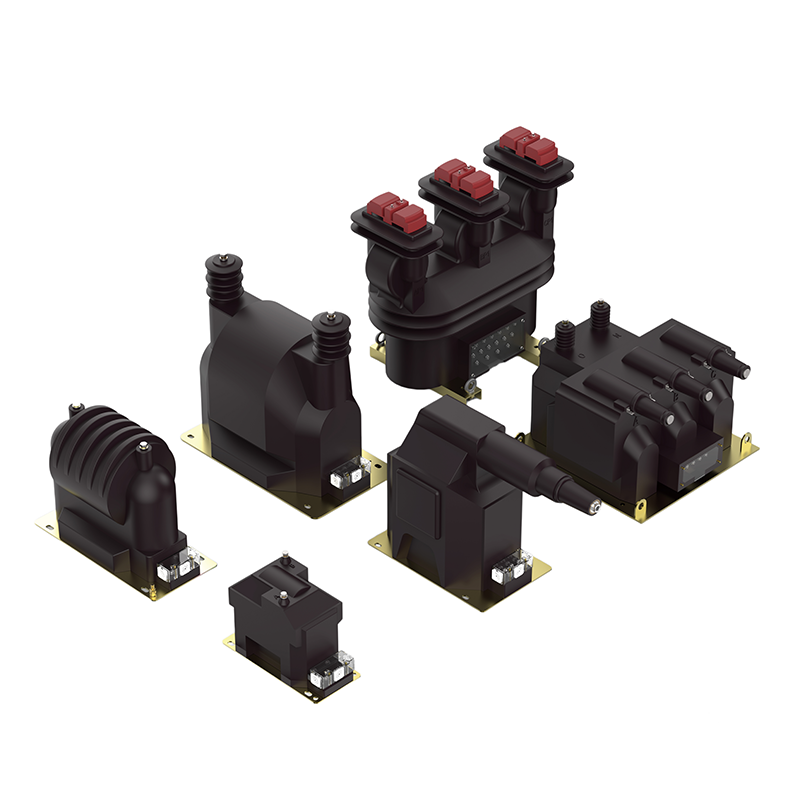
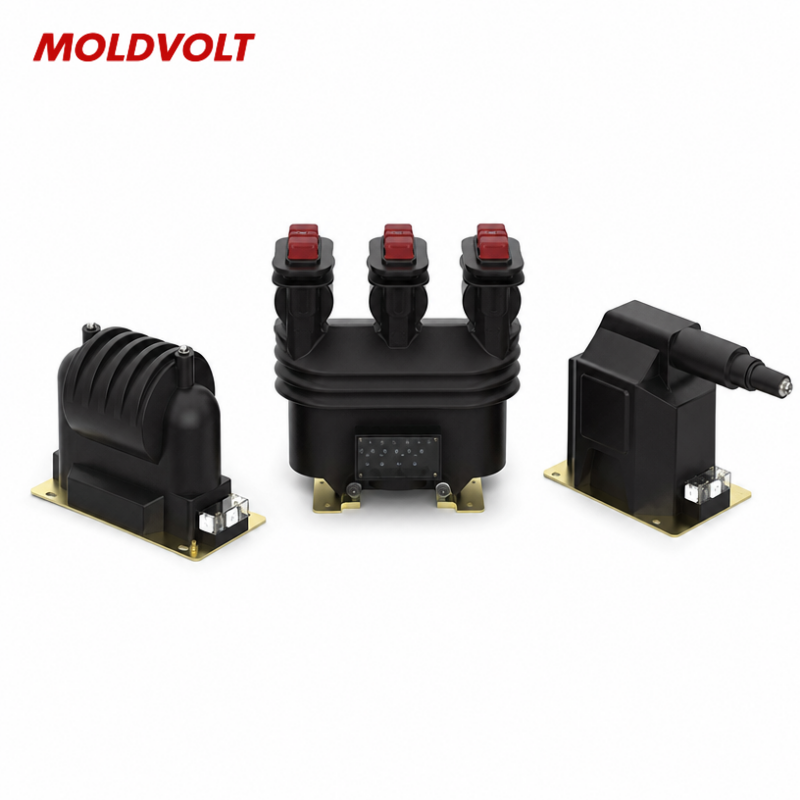
A 50 KVA transformer provides a practical power distribution solution for small commercial buildings, workshops, retail facilities, and light industrial operations. With a rated capacity of 50 kilovolt-amperes, it can support appropriately sized electrical loads when voltage requirements, power factor, and operating conditions are carefully evaluated. Available configurations may include single-phase or three-phase designs, depending on the application. Voltage ratios, winding materials, insulation systems, cooling methods, and enclosure protection can be selected to meet project specifications. For facilities operating continuously, suitable transformer design helps manage electrical losses, temperature rise, and maintenance requirements. VoltCabinet supports specification-based equipment selection, helping buyers coordinate transformer capacity with installation conditions and long-term operational objectives.
Get A Quote

Case Study

Power Distribution for Small Commercial Buildings

A commercial property required a dedicated transformer to supply lighting, office equipment, ventilation, and other building services. A 50 KVA transformer was evaluated against the site's calculated demand, incoming supply voltage, and expected load growth. The engineering team reviewed phase requirements, protection coordination, installation clearances, and ventilation before finalizing the specification. This process helped establish a suitable distribution arrangement without unnecessarily increasing transformer capacity. For similar projects, buyers should distinguish between connected load and maximum demand, while allowing for motor starting currents and future expansion. Correct sizing supports dependable operation and more efficient use of electrical infrastructure throughout the building's service life.

Transformer Selection for Light Manufacturing Workshops

A light manufacturing workshop needed a dedicated supply for machinery, workstations, and auxiliary equipment. The project team considered a 50 KVA transformer after reviewing equipment nameplate ratings, simultaneous operating loads, and motor starting characteristics. Three-phase distribution was assessed where compatible with the site's electrical system. Engineers also examined ambient temperature, ventilation, upstream protection, and the possibility of future machinery additions. These checks helped establish whether the proposed capacity matched actual operating conditions rather than relying on a simple equipment count. For manufacturers, documenting load profiles and voltage requirements before procurement reduces specification mismatches and supports smoother installation, commissioning, and ongoing maintenance planning.

Dedicated Power Supply for Retail and Service Facilities

A retail and service facility needed a transformer arrangement suitable for point-of-sale equipment, lighting, refrigeration, and air-conditioning systems. The project team assessed the combined demand and identified equipment with high starting currents before confirming the required transformer rating. A 50 KVA unit can suit facilities of this scale when measured demand and local electrical conditions support the selection. The final specification should address primary and secondary voltages, frequency, phase configuration, installation environment, and applicable electrical standards. By confirming these details early, facility operators can coordinate switchgear, cabling, grounding, and protective devices more effectively while reducing the risk of costly changes during installation.

Related products

A 50 KVA transformer transfers electrical energy between circuits through electromagnetic induction, providing the voltage conversion required by a facility's distribution system. Selection begins with primary voltage, secondary voltage, frequency, phase configuration, and load characteristics. Engineers then evaluate winding construction, core materials, insulation, cooling arrangements, temperature rise, and enclosure requirements to match the operating environment. Copper or aluminum windings may be available depending on the specified design and project priorities.

For commercial buildings, workshops, agricultural facilities, and light industrial installations, appropriate transformer sizing supports stable operation without unnecessary capital expenditure. Actual performance depends on design efficiency, loading, ambient temperature, power quality, and maintenance practices. Buyers should also consider impedance, insulation class, applicable IEC or IEEE requirements, and compatibility with upstream and downstream protection.

VoltCabinet supports project-oriented electrical equipment sourcing by helping customers clarify technical specifications and installation requirements. Before ordering, provide the rated capacity, input and output voltages, phase arrangement, installation location, and applicable standards. Detailed specifications allow the proposed transformer to be evaluated against the project's electrical design, procurement requirements, and long-term operating conditions.
Frequently Asked Questions

How much load can a 50 KVA transformer support?

A 50 KVA transformer has a rated apparent power capacity of 50 kilovolt-amperes. Its usable real power depends on the connected load's power factor. At a power factor of 0.8, the theoretical real-power equivalent is 40 kW at rated loading, subject to operating conditions and equipment specifications.
Yes, 50 KVA transformers can be designed for single-phase or three-phase applications, depending on manufacturer offerings and project requirements. The correct choice depends on the incoming electrical supply, connected equipment, and required output. Confirm voltage, frequency, connection arrangement, and applicable standards before selecting a configuration.
Identify the available incoming supply voltage and the voltage required by downstream equipment. Then confirm frequency, phase arrangement, grounding requirements, and applicable electrical standards. If loads include motors or sensitive electronics, review starting currents and voltage regulation with a qualified electrical engineer before finalizing the transformer specification.
Provide the required capacity, primary and secondary voltages, single-phase or three-phase configuration, frequency, installation environment, and applicable standards. Also specify winding preferences, enclosure protection, cooling requirements, and delivery destination where relevant. Complete technical information helps suppliers assess compatibility and prepare a quotation suited to the project.
Maintenance depends on transformer construction, installation conditions, and manufacturer recommendations. Typical checks include inspecting connections, monitoring temperature, checking for unusual noise or leakage where applicable, and examining insulation or protective devices according to the maintenance plan. Qualified personnel should perform electrical testing and servicing using appropriate isolation and safety procedures.

Related article

Cost-Effective Low Voltage Switchgear for Iraq: Compatible with Blokset, Okken & 8PT | Local Assembly Options

16

Sep

Cost-Effective Low Voltage Switchgear for Iraq: Compatible with Blokset, Okken & 8PT | Local Assembly Options

View More
How to customize cabinet dimensions to fit existing switchgear layouts?

26

Sep

How to customize cabinet dimensions to fit existing switchgear layouts?

Step 1: Accurate Site Assessment and Dimensional BenchmarkingMeasuring mechanical layout, clearances, and structural constraints in legacy electrical roomsA successful retrofit begins with a meticulous site survey. Older electrical rooms rarely match...
View More
What switchgear maintenance items prevent unexpected power outage risks?

10

Oct

What switchgear maintenance items prevent unexpected power outage risks?

Top 3 Root Causes of Switchgear-Related Power Outages Insulation degradation and partial discharge: leading precursors to cascade failure Insulation systems in switchgear degrade gradually under electrical, thermal, and environmental stress. Cracks...
View More
Insulator dimension design follows international high voltage standards strictly.

16

Oct

Insulator dimension design follows international high voltage standards strictly.

Core IEC Standards Governing Insulator Dimension Design IEC 60383: Mechanical and Electrical Requirements for Ceramic and Glass Insulators The IEC 60383 series defines the mechanical and electrical test regimes that ceramic and glass insulators mus...
View More

Customer Testimonials

Michael Turner

Our distribution project required a dependable 50 KVA transformer for a small commercial facility. The selected configuration supported stable power delivery and simplified installation planning, helping our team coordinate electrical commissioning efficiently.

Daniel Foster

We evaluated transformer specifications carefully before selecting a 50 KVA unit for our workshop. Clear technical communication and suitable configuration options helped us align equipment selection with operational requirements and project timelines.

Get a Free Quote

Our representative will contact you soon.
Email
Mobile/WhatsApp
Name
Company Name
Message
0/1000
Application-Focused Transformer Specification

Application-Focused Transformer Specification

Selecting a 50 KVA transformer involves more than matching a number on a nameplate. Commercial facilities, workshops, and service buildings have different load profiles, environmental conditions, and voltage requirements. A suitable specification considers connected demand, power factor, motor starting, harmonic-producing equipment, and expected expansion. For example, a workshop operating several motors may require closer assessment of starting currents than an office with mostly lighting and electronic equipment. Engineers should also evaluate transformer impedance, temperature rise, cooling, and compatibility with protective devices. This application-focused approach helps buyers avoid undersized equipment and unnecessary oversizing. VoltCabinet supports specification discussions so customers can communicate project requirements clearly before procurement.
Installation Compatibility and Operational Reliability

Installation Compatibility and Operational Reliability

A dependable transformer installation requires coordination between the transformer, switchgear, cabling, grounding system, and upstream protection. For a 50 KVA unit, engineers should verify rated currents at both voltage levels, available fault current, installation clearances, and environmental conditions before commissioning. Indoor installations may prioritize ventilation, noise, and access for inspection, while outdoor applications require suitable weather and enclosure protection. A documented commissioning process can include connection checks, insulation testing where appropriate, and verification of protective settings by qualified personnel. These measures help identify installation issues early and establish a baseline for future maintenance. Matching equipment specifications to site conditions supports safe, consistent power distribution over time.
Project-Oriented Procurement and Technical Support

Project-Oriented Procurement and Technical Support

Successful transformer procurement starts with a complete technical brief and a clear understanding of the installation's operating requirements. Buyers should document rated capacity, primary and secondary voltages, phase configuration, frequency, applicable standards, and preferred accessories before requesting quotations. For a 50 KVA transformer serving a commercial building or light industrial facility, this information helps suppliers assess the proposed configuration and identify missing requirements. Procurement teams should also clarify inspection documentation, delivery schedules, warranty conditions, and commissioning responsibilities. VoltCabinet assists customers in organizing electrical equipment requirements for project evaluation. Clear communication between buyers, suppliers, and electrical contractors helps reduce specification revisions and supports a more predictable procurement and installation process.

Get a Free Quote

Our representative will contact you soon.
Email
Mobile/WhatsApp
Name
Company Name
Message
0/1000