Electrical Distribution Panel Solutions | Circuit Breaker Integration

All Categories
Electrical Distribution Panel Customer Reviews

Electrical Distribution Panel Customer Reviews

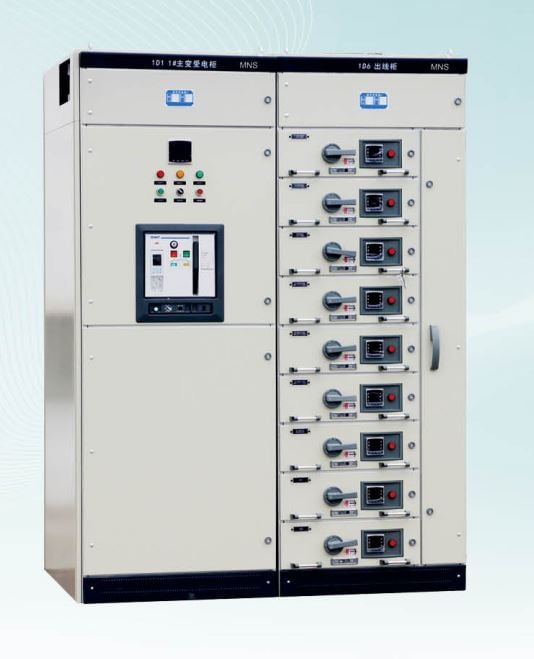
An electrical distribution panel receives electrical power and distributes it across multiple circuits through appropriately selected protective devices. Designed for commercial buildings, industrial facilities, and infrastructure projects, distribution panels help organize circuit connections and support effective overload and short-circuit protection. Voltcabinet supports project-based equipment selection and panel configuration discussions tailored to application requirements. For example, a manufacturing facility expanding its production line may need additional outgoing circuits, revised breaker ratings, and greater distribution capacity. Engineers should assess incoming supply characteristics, calculated loads, available fault current, enclosure requirements, and applicable standards. Proper panel specification improves maintainability, supports safer operation, and helps coordinate electrical installation with future expansion plans.
Get A Quote

Case Study

Industrial Manufacturing Power Distribution

Manufacturing facilities require electrical distribution panels capable of supplying machinery, automation systems, auxiliary equipment, and lighting circuits. During a hypothetical factory expansion, engineers would assess the total connected load, incoming supply, prospective fault current, and required outgoing feeders before defining the panel configuration. Breaker ratings, busbar capacity, enclosure protection, and cable entry arrangements must match the operating environment and electrical design. A properly engineered panel can help organize circuit protection and simplify fault identification during maintenance. Voltcabinet supports project discussions with equipment buyers and panel builders, helping clarify technical specifications before procurement, assembly, and commissioning.

Commercial Building Distribution Systems

Commercial buildings rely on electrical distribution panels to supply lighting, receptacles, HVAC equipment, and other building services. For a hypothetical office development, the design team would review demand calculations, circuit allocation, available installation space, and applicable electrical codes before selecting a panel configuration. Clearly organized outgoing circuits and appropriately rated protective devices support easier maintenance and systematic troubleshooting. Engineers should also consider spare circuit capacity when planning for future equipment additions. Voltcabinet can discuss panel requirements for commercial electrical projects, helping buyers evaluate component compatibility, enclosure dimensions, and documentation needs. Final specifications should be verified against the building design and local regulations.

Distribution Panel Upgrades for Growing Facilities

Facilities adding machinery or expanding their floor space may need to upgrade existing electrical distribution panels. The assessment should cover revised electrical demand, incoming feeder capacity, breaker compatibility, busbar ratings, and prospective fault current. For example, a warehouse installing additional material-handling equipment may require new outgoing circuits and a reassessment of its existing distribution arrangement. Increasing breaker ratings without verifying conductor and panel capacity can create serious hazards. A structured engineering review helps identify limitations and determine whether panel modification or replacement is appropriate. Voltcabinet supports technical discussions around equipment sourcing and panel integration for expansion and modernization projects.

Related products

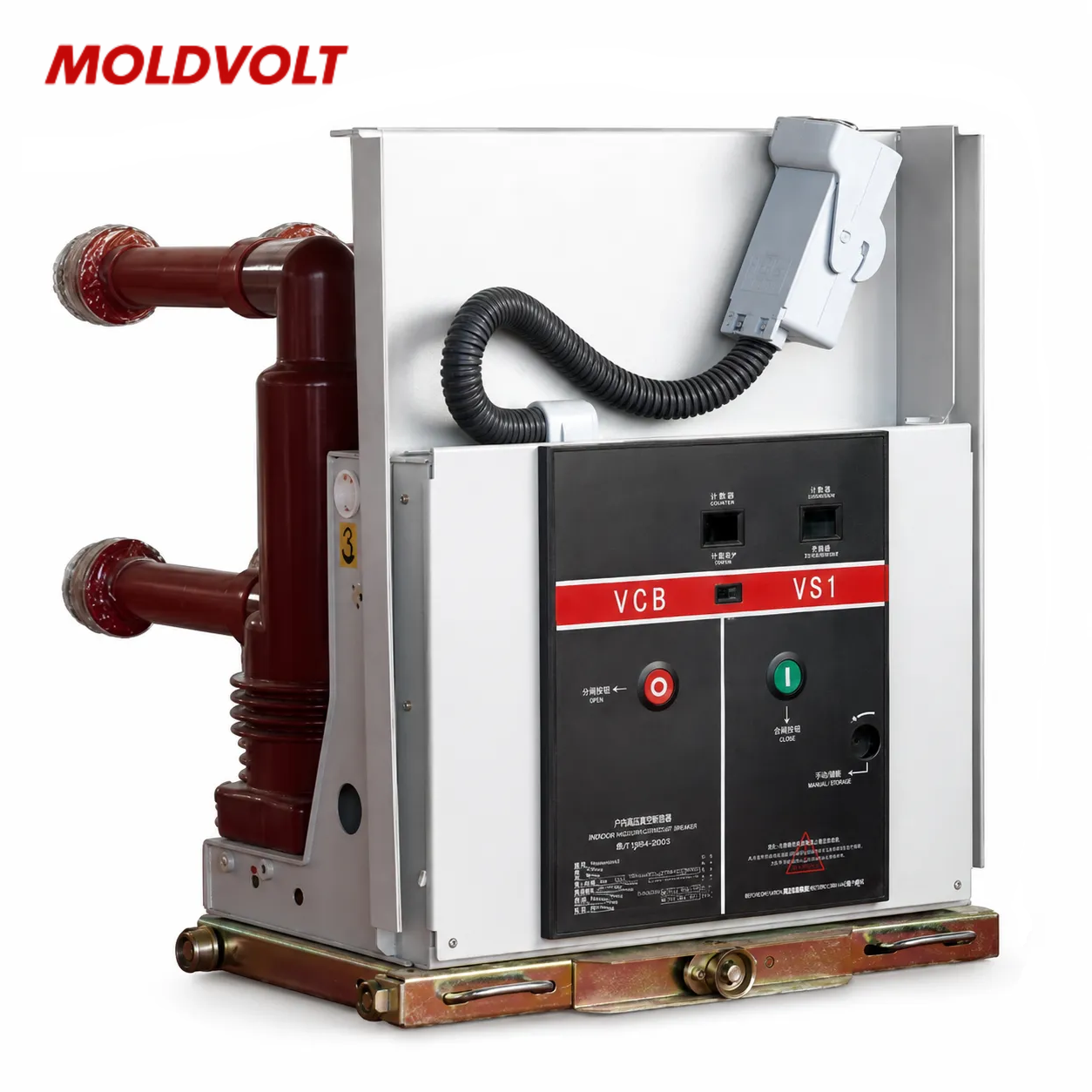
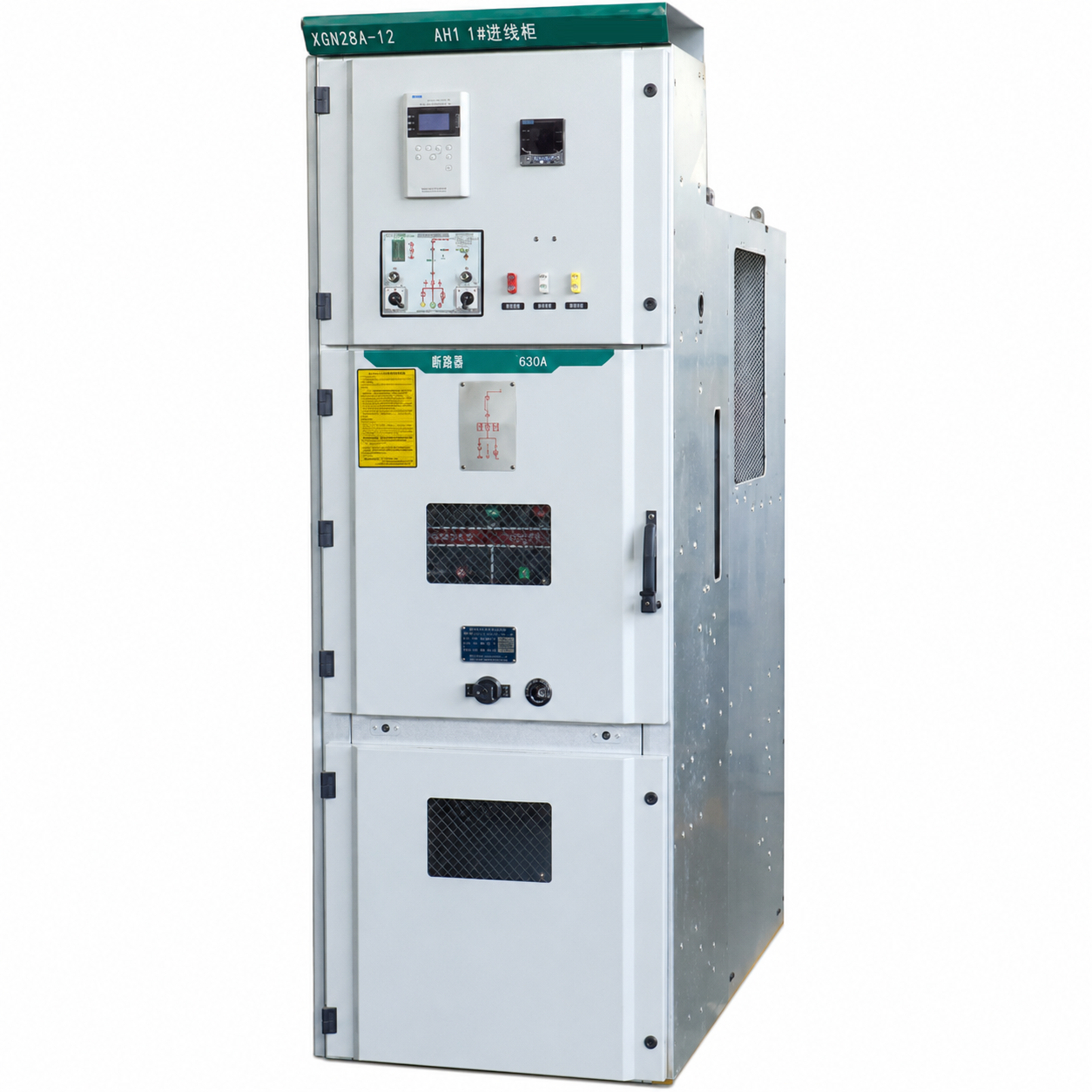
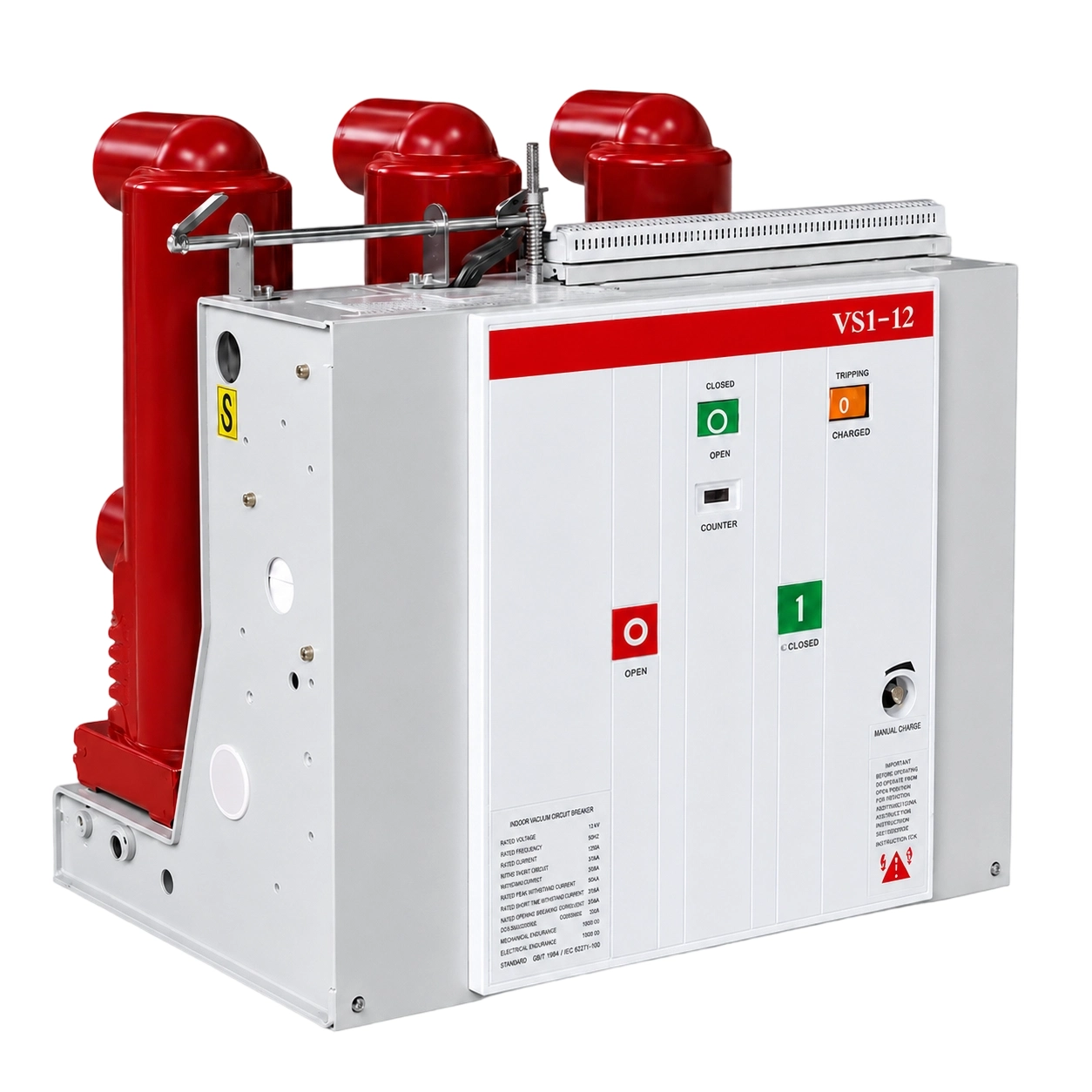
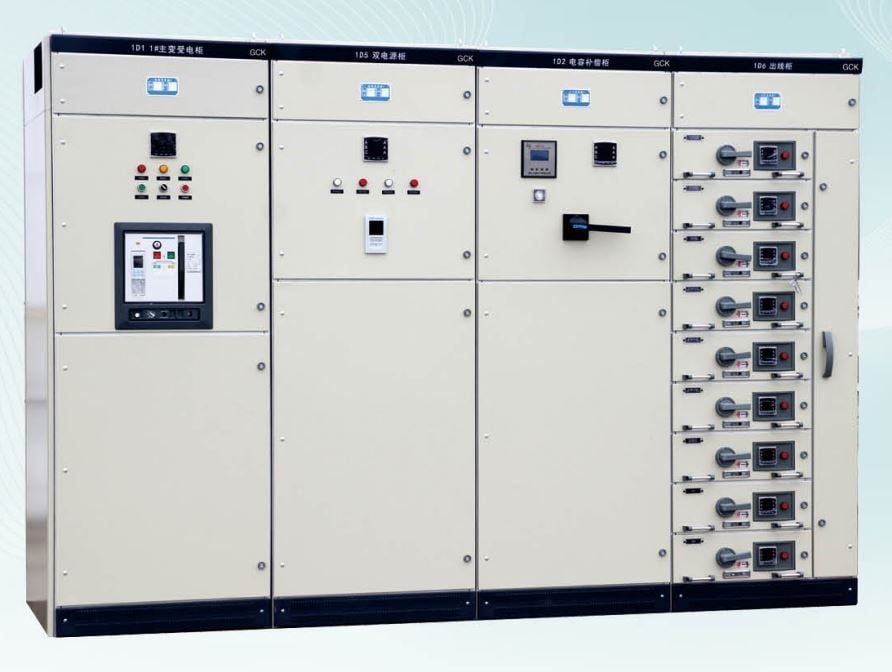
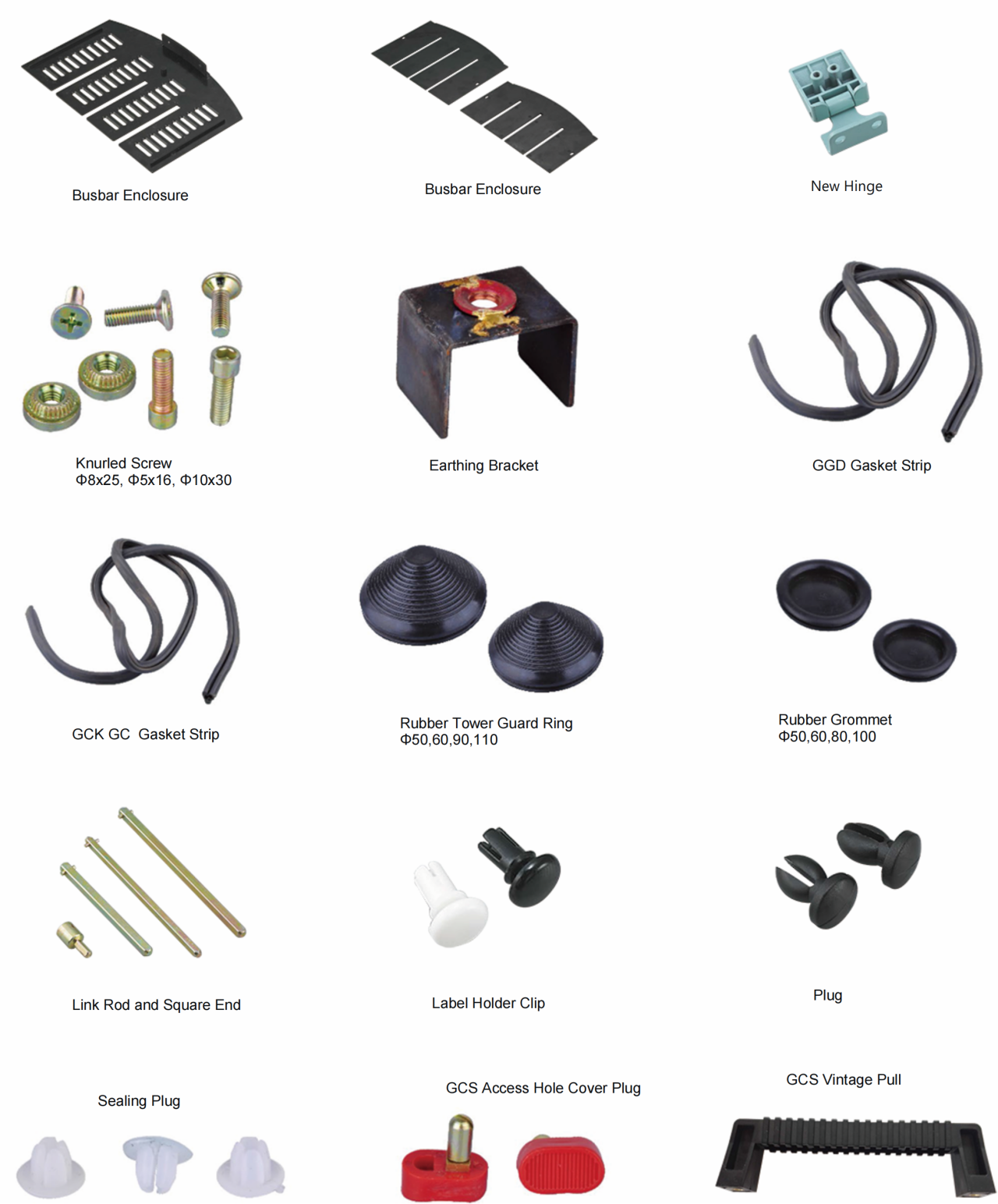
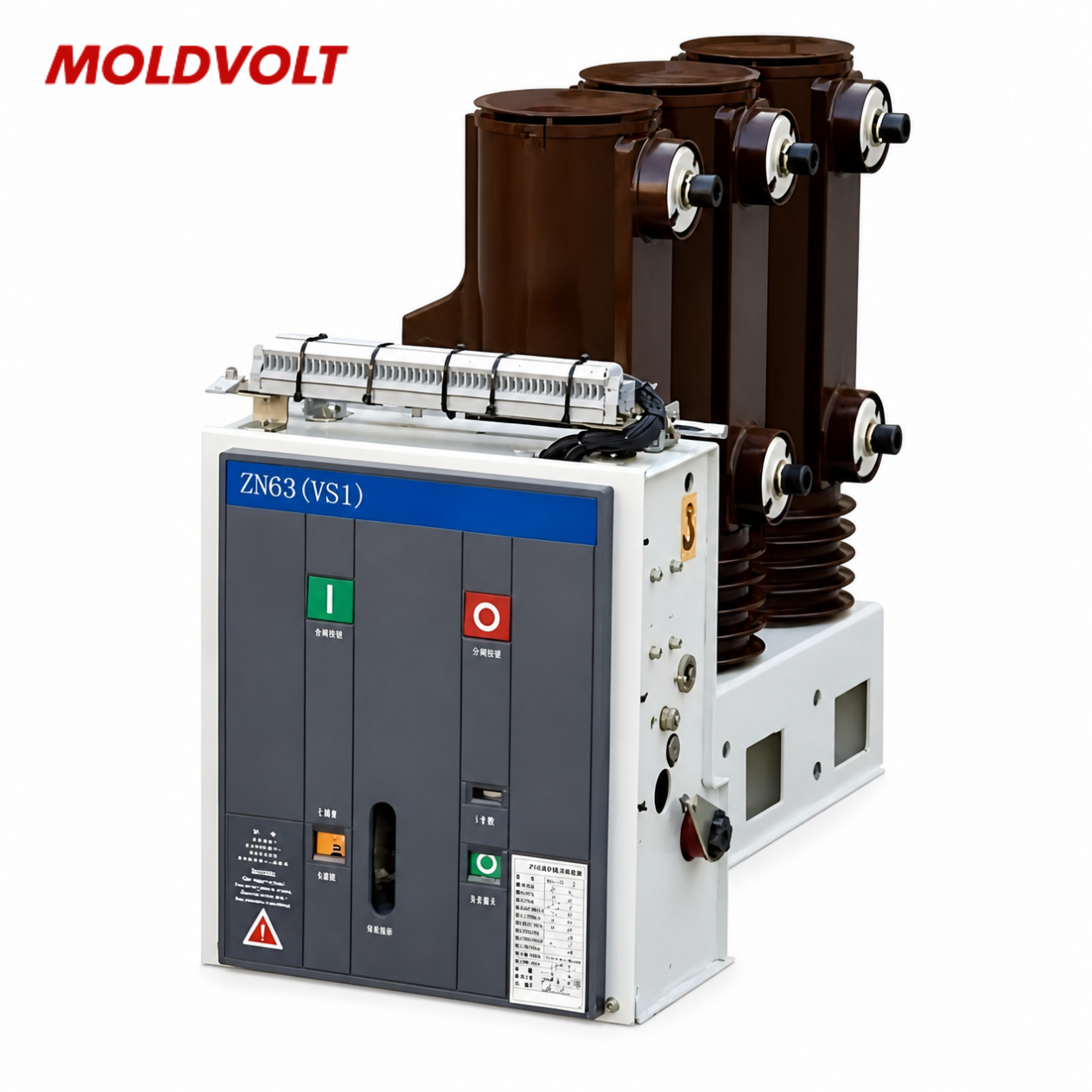
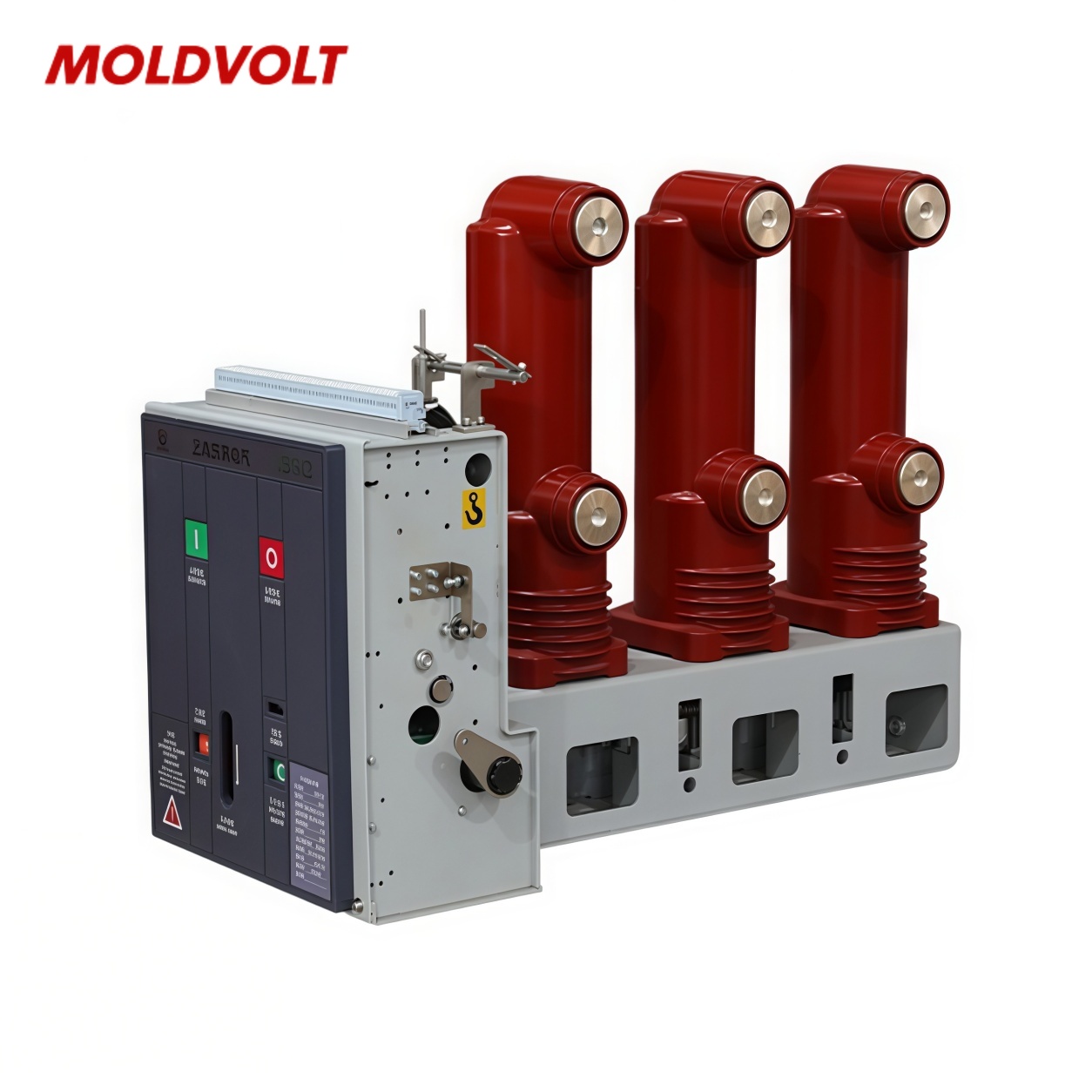
An electrical distribution panel is a central component of a power distribution system, receiving electricity from an incoming supply and routing it to individual circuits through protective and switching devices. Typical assemblies may include main breakers, branch circuit breakers, busbars, terminal blocks, and metering or control accessories, depending on the application. Commercial installations often distribute power to lighting, HVAC, and general equipment, while industrial panels may supply production machinery, automation systems, and auxiliary loads. Panel selection requires careful assessment of rated voltage, current capacity, fault withstand or interrupting requirements, enclosure protection, installation environment, and applicable standards. For example, a factory expanding its production capacity may need additional feeders and revised protection coordination before commissioning new machinery. Voltcabinet supports project-based discussions involving distribution equipment specifications and panel integration. Providing single-line diagrams, load schedules, installation dimensions, and certification requirements helps clarify the appropriate configuration. Professional engineering, compliant assembly, and proper commissioning are essential for safe and dependable operation.

Frequently Asked Questions

What is an electrical distribution panel used for?

An electrical distribution panel receives power from an incoming supply and distributes it to multiple circuits. It commonly houses protective devices that help isolate faults and protect wiring. Applications include commercial buildings, factories, warehouses, and infrastructure installations, depending on the panel's ratings and design.
Evaluate the supply voltage, calculated load, rated current, available fault current, number of outgoing circuits, enclosure requirements, and installation environment. Confirm applicable standards and future expansion needs. A qualified electrical engineer should verify the design and protective device coordination before the panel is ordered or installed.
Depending on its design, a distribution panel may contain a main breaker, branch circuit breakers, busbars, neutral and grounding terminals, and metering or control accessories. Component selection depends on the system configuration, rated electrical parameters, intended use, and applicable safety requirements.
Yes, suitable panel assemblies can be configured for project-specific electrical ratings, circuit counts, enclosure dimensions, and component arrangements. Customization must remain within applicable design and certification requirements. Buyers should provide electrical drawings, load information, installation conditions, and relevant standards to establish suitable specifications.
Verify panel ratings, mounting conditions, cable entry arrangements, protective device compatibility, grounding, clearances, and available fault current. Confirm that the installation meets local electrical codes and manufacturer instructions. Qualified professionals should complete installation, testing, and commissioning before the panel is energized.

Related article

Cabinet corrosion resistance determines service life in coastal engineering sites.

23

Sep

Cabinet corrosion resistance determines service life in coastal engineering sites.

Why Coastal Environments Accelerate Cabinet CorrosionThe chloride-humidity synergy: How salt aerosols and sustained high RH drive electrochemical degradationCoastal atmospheres subject cabinet enclosures to a uniquely aggressive combination of airbor...
View More
Insulator dimensional tolerance controls assembly efficiency in switchgear.

25

Sep

Insulator dimensional tolerance controls assembly efficiency in switchgear.

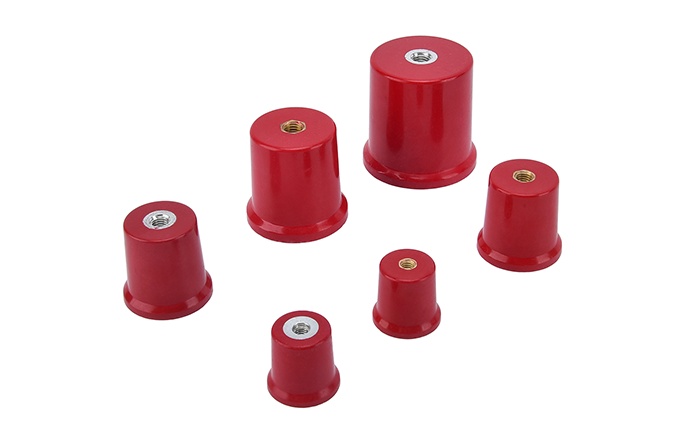
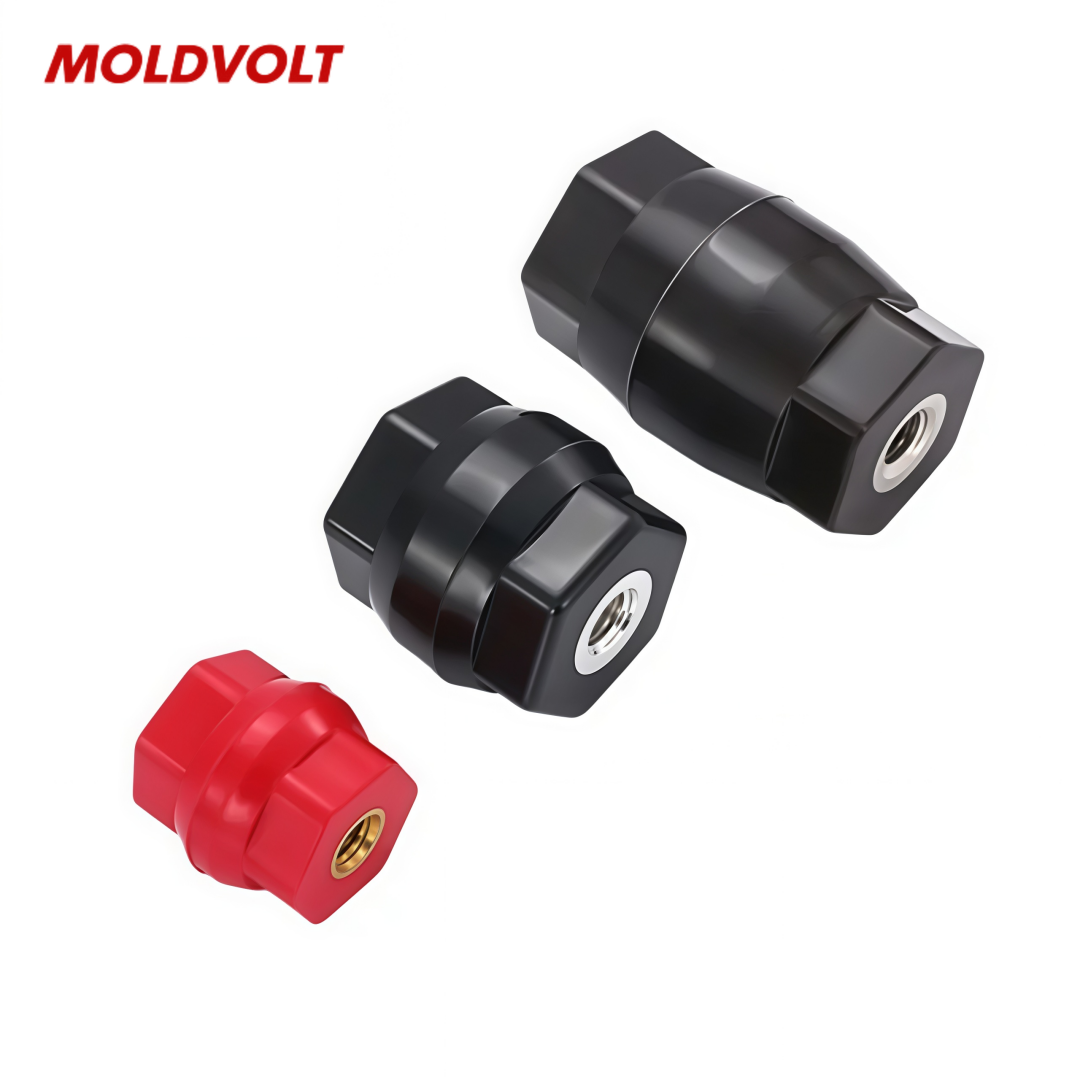
Why Insulator Dimensional Tolerance Is the Silent Driver of Switchgear Assembly EfficiencyIn high-voltage switchgear, insulators do much more than prevent flashover—they serve as load-bearing anchors that dictate how quickly and precisely busbars, ci...
View More
What switchgear maintenance items prevent unexpected power outage risks?

10

Oct

What switchgear maintenance items prevent unexpected power outage risks?

Top 3 Root Causes of Switchgear-Related Power Outages Insulation degradation and partial discharge: leading precursors to cascade failure Insulation systems in switchgear degrade gradually under electrical, thermal, and environmental stress. Cracks...
View More
Insulator mechanical strength supports busbar fixing inside switchgear cabinets.

13

Oct

Insulator mechanical strength supports busbar fixing inside switchgear cabinets.

Critical Mechanical Load Demands on Insulators for Busbar Support Static, Dynamic, and Short-Circuit Electrodynamics: Quantifying Peak Forces (Up to 250 kA) Busbar support insulators must simultaneously manage three distinct mechanical load regimes...
View More

Customer Testimonials

James Carter

We evaluated electrical distribution panels for a commercial building project. Clear equipment specifications and organized breaker layouts helped our team coordinate circuit protection requirements and simplify installation planning.

Michael Turner

Our facility required a distribution panel suited to expanding equipment loads. Reviewing panel dimensions, breaker compatibility, and electrical ratings helped us prepare accurate procurement specifications and streamline integration.

Get a Free Quote

Our representative will contact you soon.
Email
Mobile/WhatsApp
Name
Company Name
Message
0/1000
Application-Specific Panel Configuration

Application-Specific Panel Configuration

Electrical distribution panels must be configured around the needs of the facility they serve. Commercial buildings may prioritize organized lighting, receptacle, and HVAC circuits, while industrial facilities may require additional feeders for motors, automation equipment, and production machinery. Engineers should assess incoming supply characteristics, total demand, breaker ratings, busbar capacity, enclosure protection, and prospective fault current before finalizing a design. For example, a factory adding a new production line may need to increase circuit capacity while maintaining appropriate protection coordination. Voltcabinet supports specification discussions that help buyers clarify configuration requirements and prepare technical documentation for procurement, assembly, and installation.
Scalable Distribution and Maintenance Planning

Scalable Distribution and Maintenance Planning

A well-planned electrical distribution panel can simplify circuit identification, maintenance access, and future system expansion. Clear labeling, organized component layouts, suitable protective devices, and sufficient approved space for planned circuits help technicians manage electrical systems more efficiently. For example, a commercial warehouse anticipating additional equipment can evaluate spare circuit requirements during its initial panel design rather than relying on unverified future modifications. Panel capacity and expansion options must always comply with electrical ratings and manufacturer requirements. Voltcabinet supports project-based discussions around panel integration and equipment sourcing, helping buyers align electrical specifications with installation conditions, operating needs, and applicable safety standards.

Get a Free Quote

Our representative will contact you soon.
Email
Mobile/WhatsApp
Name
Company Name
Message
0/1000