Silicone Rubber Insulator: Hydrophobic, UV-Resistant & Custom

All Categories
Reliable Silicone Rubber Insulators for Electrical Protection

Reliable Silicone Rubber Insulators for Electrical Protection

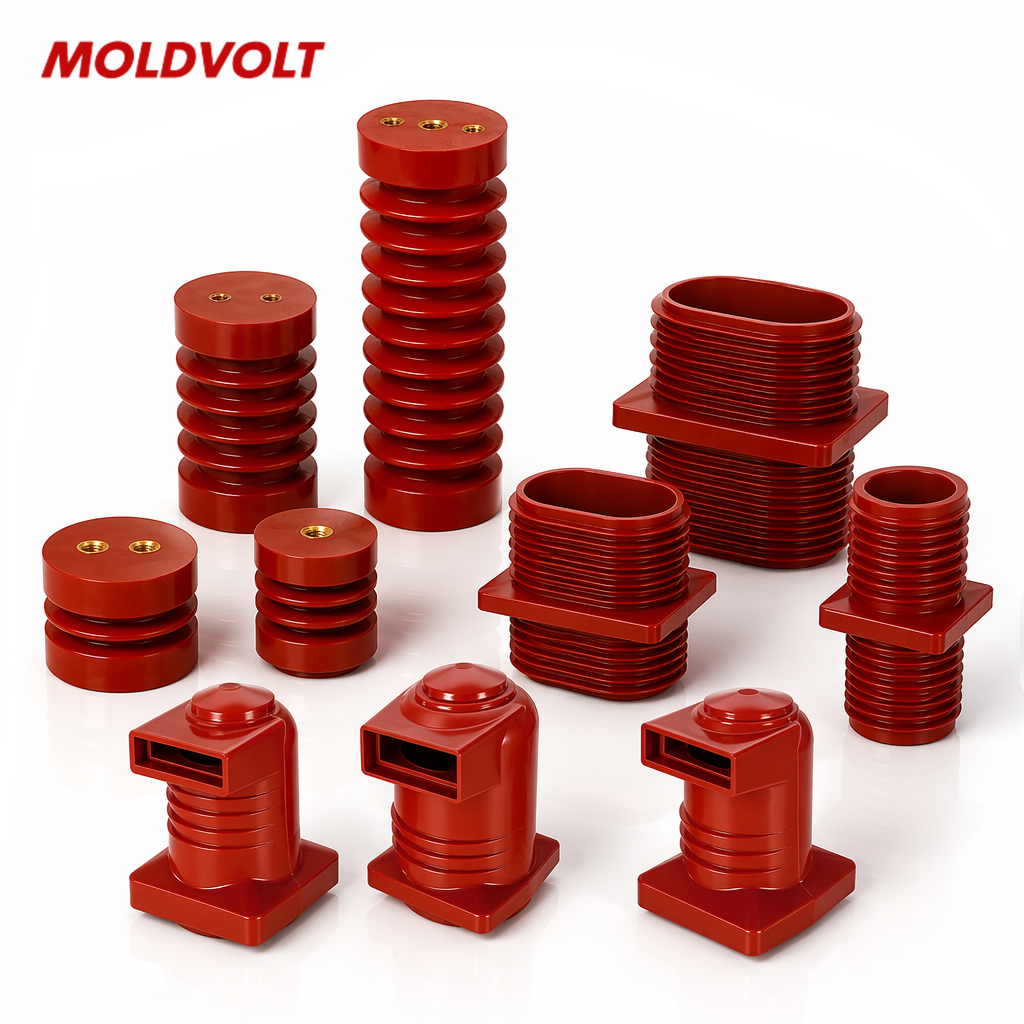
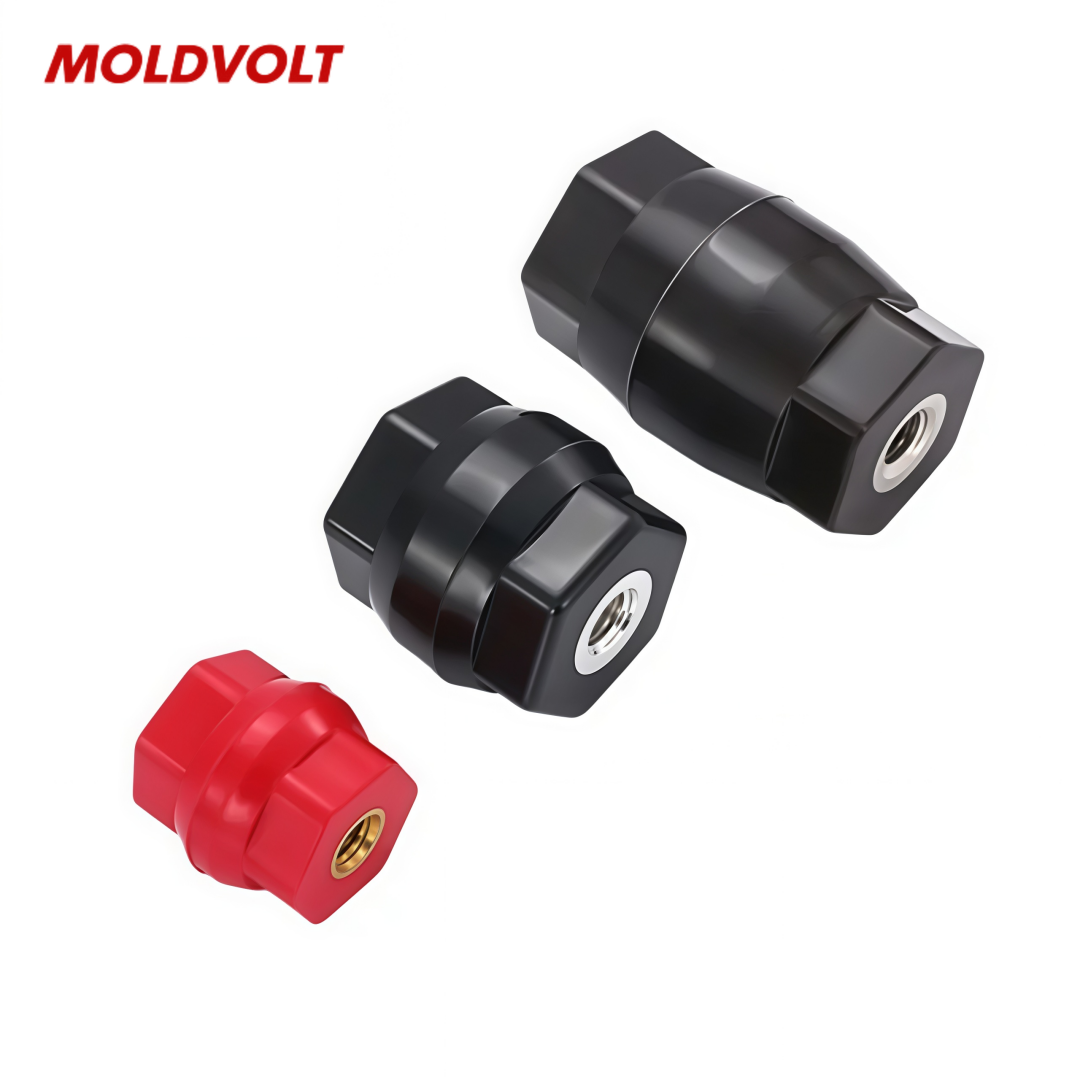
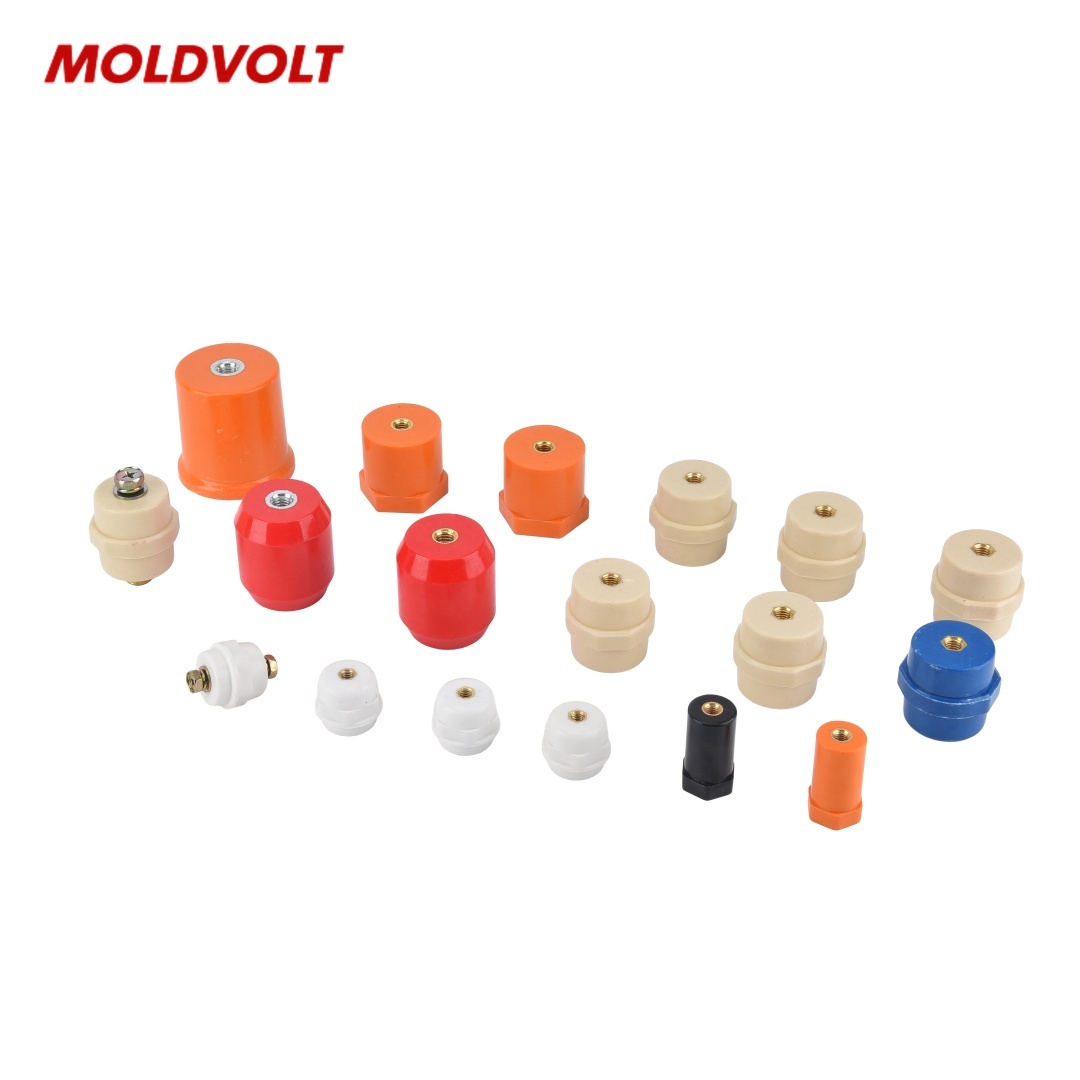
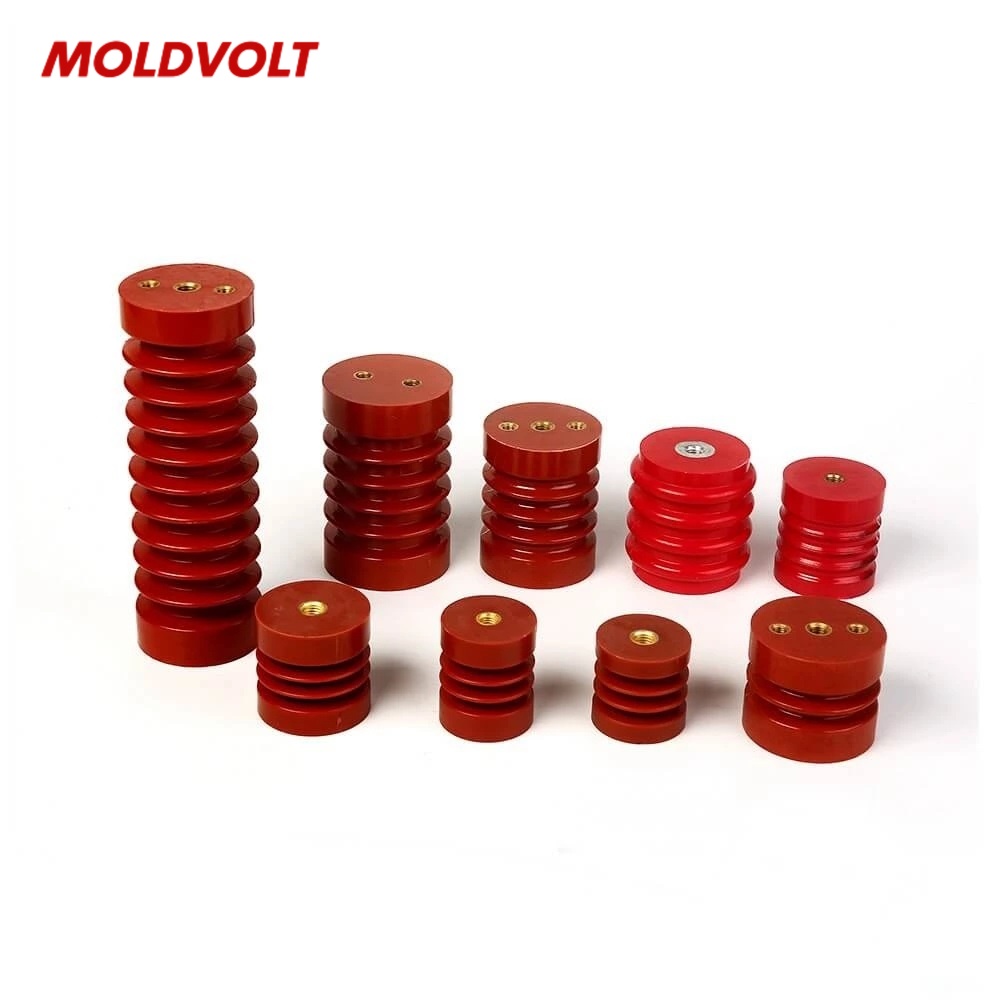
Voltcabinet supplies silicone rubber insulators designed for electrical insulation and reliable performance in demanding operating environments. Their flexible construction, hydrophobic surface properties, and resistance to moisture make them suitable for outdoor electrical equipment, distribution systems, and industrial assemblies. Silicone rubber also offers good resistance to ultraviolet exposure, ozone, and temperature variations when formulated for the intended application. These characteristics help maintain insulation performance under changing environmental conditions. For example, outdoor distribution equipment installed in humid or coastal environments can benefit from appropriately specified silicone rubber components. Different dimensions and configurations can be considered according to installation requirements, electrical ratings, and equipment designs.
Get A Quote

Case Study

Outdoor Power Distribution Equipment Insulation

An electrical equipment manufacturer required silicone rubber insulation components for outdoor distribution assemblies exposed to changing weather conditions. The application involved moisture, ultraviolet exposure, and seasonal temperature variations. Silicone rubber was selected for its hydrophobic surface characteristics, flexibility, and environmental resistance. The components were evaluated according to the equipment design and specified electrical requirements. Across 60 outdoor electrical assemblies, standardized dimensions helped simplify installation and improve production consistency. This project highlights the importance of selecting suitable silicone rubber materials for outdoor applications. Proper material formulation and component design contribute to dependable insulation performance under specified environmental and operating conditions.

Industrial Electrical Cabinet Insulation

An industrial automation manufacturer needed flexible insulating components for electrical assemblies installed in a production facility. The equipment required reliable insulation around conductive connections while accommodating specific mounting configurations. Silicone rubber components provided flexibility and suitable electrical insulation properties for the intended application. Their adaptable structure helped technicians complete installations within compact electrical enclosures. Across 75 control cabinet assemblies, consistent component specifications supported standardized installation procedures. This application demonstrates how silicone rubber insulation can address practical requirements in industrial electrical equipment. Selecting the correct material hardness, dimensions, and electrical specifications remains essential for ensuring component compatibility and reliable equipment operation.

Insulation Components for Renewable Energy Systems

A renewable energy equipment manufacturer required weather-resistant insulation components for electrical assemblies used in solar power installations. The project involved equipment exposed to sunlight, humidity, and outdoor temperature changes. Silicone rubber insulators were considered for their hydrophobic properties, ultraviolet resistance, and flexibility. Their material characteristics supported the project's environmental requirements while maintaining suitable electrical insulation. Across 50 electrical assemblies, consistent specifications helped simplify component selection and installation. This application illustrates the potential of silicone rubber insulation in renewable energy equipment. Engineers should evaluate operating voltage, environmental exposure, mechanical requirements, and applicable standards before selecting components for solar power systems.

Related products

Silicone rubber insulators are electrical insulation components valued for their flexibility, hydrophobic properties, and resistance to environmental exposure. They are used in various electrical applications, including outdoor distribution equipment, power systems, industrial assemblies, and specialized electrical connections. Compared with many conventional insulating materials, appropriately formulated silicone rubber can maintain useful flexibility across a broad temperature range while providing resistance to ultraviolet radiation and ozone. Manufacturing quality plays an important role in the performance of silicone rubber components. Production processes may involve material compounding, mold preparation, compression or injection molding, curing, and dimensional inspection. Material formulation and curing conditions influence mechanical properties, surface characteristics, and long-term performance. Depending on the application, different hardness levels, shapes, and mounting configurations may be required. Voltcabinet focuses on electrical components designed around practical equipment requirements. Product selection can consider rated voltage, installation dimensions, mechanical loading, and environmental conditions. For example, manufacturers developing outdoor distribution equipment may require silicone rubber components with suitable hydrophobic characteristics and weather resistance. Choosing the correct specification helps improve equipment compatibility and supports dependable electrical insulation throughout the intended service life.
Frequently Asked Questions

What Is A Silicone Rubber Insulator Used For?

Silicone rubber insulators provide electrical insulation and support in electrical equipment. They are commonly used in outdoor distribution systems, industrial electrical assemblies, power equipment, and specialized connections where flexibility and environmental resistance are important.
Key advantages include flexibility, hydrophobic surface properties, ultraviolet resistance, ozone resistance, and good temperature performance. These characteristics make appropriately formulated silicone rubber suitable for electrical applications exposed to changing environmental conditions.
Yes. Silicone rubber is commonly used in outdoor electrical applications because of its hydrophobic properties and resistance to ultraviolet radiation and ozone. However, the specific formulation, electrical rating, and environmental requirements must be evaluated before installation.
Silicone rubber generally offers good thermal stability compared with many conventional elastomers. Its actual operating temperature range depends on the material formulation, curing process, mechanical loading, and manufacturer specifications. Always verify the product's rated temperature limits.
Yes. Depending on production capabilities, customization can include dimensions, shapes, material hardness, mounting configurations, and other structural details. Technical drawings, samples, or equipment specifications can help determine the appropriate design.

Related article

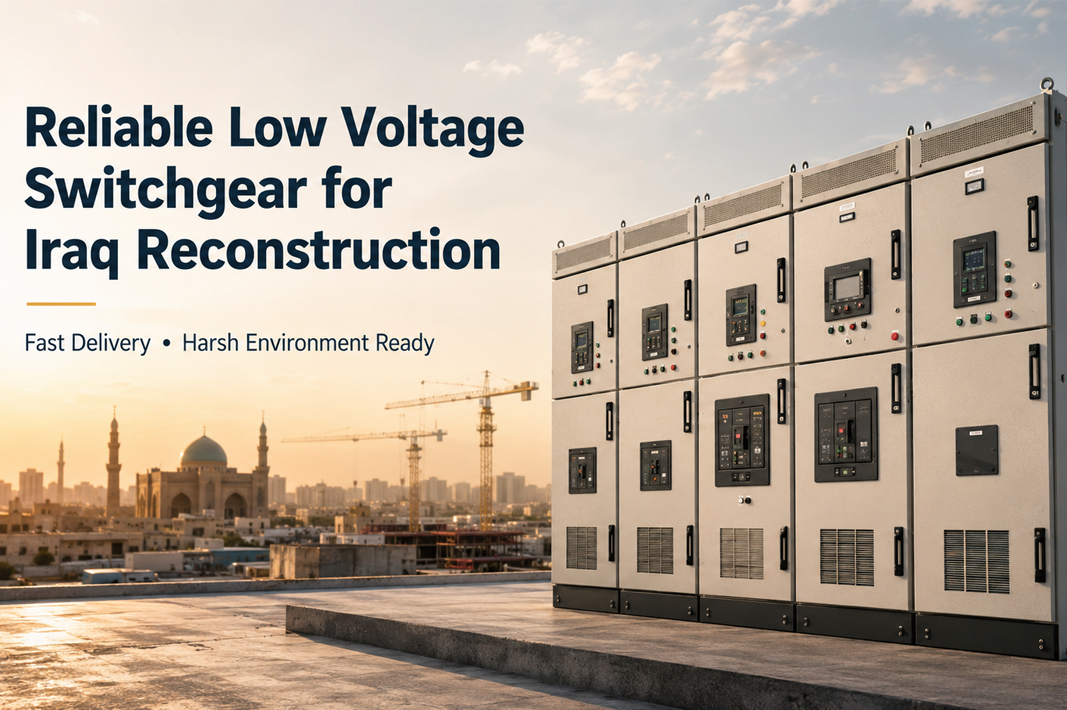
Cost-Effective Low Voltage Switchgear for Iraq: Compatible with Blokset, Okken & 8PT | Local Assembly Options

16

Sep

Cost-Effective Low Voltage Switchgear for Iraq: Compatible with Blokset, Okken & 8PT | Local Assembly Options

View More
Why cabinet condensation leads to insulation failure in electrical equipment?

21

Sep

Why cabinet condensation leads to insulation failure in electrical equipment?

The Science of Cabinet Condensation: How Temperature, Humidity, and Design InteractDew Point Formation Inside Enclosures Due to Thermal GradientsCondensation inside an electrical cabinet is not simply a matter of seal failure—it is governed by the de...
View More
Cabinet corrosion resistance determines service life in coastal engineering sites.

23

Sep

Cabinet corrosion resistance determines service life in coastal engineering sites.

Why Coastal Environments Accelerate Cabinet CorrosionThe chloride-humidity synergy: How salt aerosols and sustained high RH drive electrochemical degradationCoastal atmospheres subject cabinet enclosures to a uniquely aggressive combination of airbor...
View More
Insulator dimension design follows international high voltage standards strictly.

16

Oct

Insulator dimension design follows international high voltage standards strictly.

Core IEC Standards Governing Insulator Dimension Design IEC 60383: Mechanical and Electrical Requirements for Ceramic and Glass Insulators The IEC 60383 series defines the mechanical and electrical test regimes that ceramic and glass insulators mus...
View More

Customer Testimonials

Michael Thompson

We selected these silicone rubber insulators for outdoor electrical equipment. Their weather-resistant properties and flexible construction met our project requirements, supporting consistent installation across 80 electrical assemblies.

David Miller

The silicone rubber insulation components provided reliable performance in our electrical equipment project. Their flexibility and environmental resistance helped simplify installation and maintain consistent quality across multiple production batches.

Get a Free Quote

Our representative will contact you soon.
Email
Mobile/WhatsApp
Name
Company Name
Message
0/1000
Excellent Hydrophobic Properties for Outdoor Insulation

Excellent Hydrophobic Properties for Outdoor Insulation

Moisture exposure is an important consideration when selecting insulation components for outdoor electrical equipment. Silicone rubber offers hydrophobic surface properties that help limit water accumulation and support insulation performance under suitable operating conditions. This characteristic makes it useful for outdoor distribution systems, electrical assemblies, and equipment exposed to humidity or rainfall. For example, manufacturers supplying electrical equipment for coastal installations may prioritize silicone rubber components with appropriate environmental resistance. Material formulation, surface condition, and product geometry all influence actual performance. Combined with suitable electrical ratings and installation clearances, hydrophobic silicone rubber components can contribute to dependable insulation solutions in demanding outdoor environments.
Flexible Construction with Weather Resistance

Flexible Construction with Weather Resistance

Silicone rubber combines flexibility with resistance to several environmental factors, making it suitable for specialized electrical insulation applications. Its resistance to ultraviolet exposure, ozone, and temperature variations can support equipment operating in outdoor and industrial environments. Flexible material characteristics also help accommodate certain installation configurations where rigid insulating components may be less suitable. For example, an equipment manufacturer developing 40 customized electrical assemblies may require different silicone rubber dimensions to match individual mounting arrangements. Proper material hardness and structural design help balance flexibility with mechanical requirements. Evaluating environmental exposure, operating temperature, and electrical specifications ensures that selected components meet the intended application needs.
Customized Silicone Rubber Solutions for Electrical Equipment

Customized Silicone Rubber Solutions for Electrical Equipment

Electrical equipment manufacturers often require insulation components tailored to specific installation dimensions and operating conditions. Voltcabinet supports component selection based on technical drawings, equipment structures, and application requirements. Silicone rubber insulators can be considered in different shapes, dimensions, hardness levels, and mounting configurations, depending on manufacturing capabilities. For example, a manufacturer producing outdoor distribution cabinets and industrial control assemblies may require separate component specifications for each equipment series. Accurate dimensional information helps improve compatibility and simplify assembly procedures. Combining appropriate material formulation with application-specific design supports practical insulation solutions for diverse electrical projects, including renewable energy systems, industrial equipment, and outdoor power distribution installations.

Get a Free Quote

Our representative will contact you soon.
Email
Mobile/WhatsApp
Name
Company Name
Message
0/1000