24kV Wall Bushing for Medium-Voltage Switchgear | VoltCabinet

All Categories
Customer Confidence in Medium-Voltage Insulation Solutions

Customer Confidence in Medium-Voltage Insulation Solutions

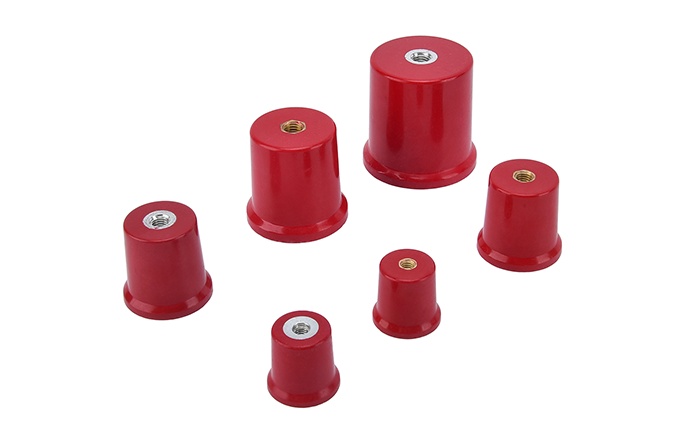
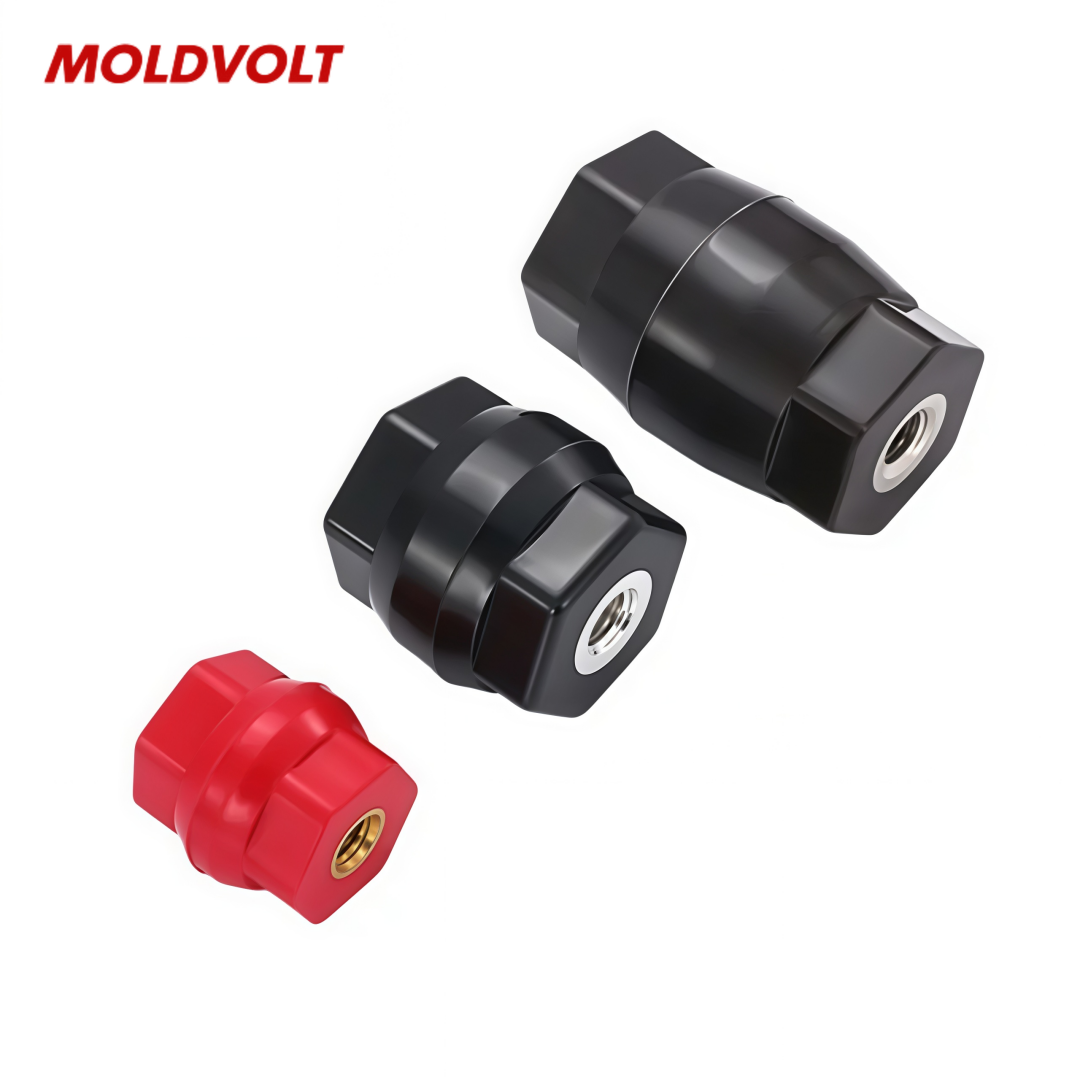
A 24kV wall bushing provides an insulated passage for conductors through grounded partitions in medium-voltage switchgear, substations, and distribution equipment. Properly selected insulation materials, creepage distance, and mechanical dimensions help maintain electrical separation under specified operating conditions. VoltCabinet can support project-based specification reviews covering installation environments, conductor arrangements, and enclosure interfaces. For applications involving indoor switchgear or compartmentalized electrical assemblies, matching the bushing design to system requirements helps simplify equipment integration. Buyers should confirm rated voltage, insulation level, current capacity, and applicable testing standards before ordering. This engineering-led approach supports dependable procurement and helps reduce avoidable compatibility issues during installation and commissioning.
Get A Quote

Case Study

Indoor Medium-Voltage Switchgear Integration

Indoor switchgear manufacturers require wall bushings that provide electrical insulation between adjacent compartments while accommodating the intended conductor arrangement. For a 24kV-rated system, engineers must verify the bushing's insulation coordination, mounting dimensions, creepage distance, and connection requirements against the equipment design. A structured specification review can identify dimensional conflicts before production and help reduce installation adjustments. VoltCabinet can assist buyers in defining these requirements for project-specific configurations. Final selection should follow the switchgear manufacturer's design criteria and relevant electrical standards, with routine and type-test documentation reviewed where applicable. This process supports consistent assembly quality and dependable operation within the specified service environment.

Compact Substation Partition Design

Compact substations often place transformers, switching devices, and cable connections within space-constrained enclosures. A properly specified 24kV wall bushing enables a conductor to pass through an insulating barrier without compromising the intended compartment arrangement. During design review, engineers should assess available installation space, conductor alignment, electrical clearances, and environmental exposure. For projects serving commercial buildings or industrial facilities, confirming these factors early helps coordinate enclosure fabrication and equipment assembly. VoltCabinet can support technical discussions around bushing dimensions and application requirements. Actual performance depends on the selected design, installation quality, and operating conditions, so project drawings and approved technical specifications should govern final acceptance.

Industrial Power Distribution Equipment

Industrial distribution systems require insulation components compatible with their electrical ratings and operating environments. A 24kV wall bushing may be used in switchgear panels and partitioned power equipment where conductors cross grounded barriers. For manufacturing plants, utilities, and infrastructure projects, procurement teams should verify rated voltage, rated current, power-frequency withstand voltage, lightning impulse withstand level, and mechanical fit. These parameters help determine whether a proposed component matches the equipment's insulation coordination and service requirements. VoltCabinet can help organize specification checks before an order is finalized. Test reports, dimensional drawings, and installation instructions should be evaluated against the project's approved standards and acceptance criteria.

Related products

A 24kV wall bushing is an essential insulation component for medium-voltage electrical assemblies that require conductors to pass through grounded partitions. Its design must balance dielectric performance, mechanical strength, dimensional accuracy, and compatibility with the surrounding enclosure. Depending on the application, insulation systems may use epoxy resin or other engineered materials selected for the required electrical and environmental conditions. When specifying a wall bushing, buyers should evaluate rated voltage, continuous current, creepage distance, conductor interface, mounting arrangement, and applicable insulation tests. For systems operating at a nominal 24kV rating, insulation coordination must follow the equipment design and relevant standards rather than relying on voltage labels alone. VoltCabinet supports switchgear and electrical equipment sourcing through application-focused product selection and technical specification coordination. Project requirements may vary according to indoor or outdoor installation, pollution exposure, altitude, and enclosure geometry. Providing drawings, operating parameters, and required certifications helps establish an appropriate specification before manufacturing. Buyers should request confirmed product dimensions, material details, test documentation, and delivery requirements for each order. This approach improves purchasing clarity and supports more efficient integration into distribution equipment.

Frequently Asked Questions

What does a 24kV wall bushing do?

A 24kV wall bushing allows an electrical conductor to pass through an insulating partition in medium-voltage equipment. It maintains electrical separation between conductive components and grounded enclosure sections. The correct design depends on voltage rating, current requirements, insulation coordination, installation geometry, and the equipment manufacturer's approved specifications.
Confirm the rated voltage, rated current, insulation withstand levels, creepage distance, mounting dimensions, and conductor interface. Consider pollution conditions, altitude, indoor or outdoor installation, and applicable standards. Request technical drawings and relevant test documentation from the supplier, then verify compatibility with the switchgear design before placing an order.
Depending on the product design, wall bushings may use epoxy resin or other insulating materials engineered for medium-voltage applications. Material selection affects dielectric properties, mechanical strength, environmental resistance, and manufacturing requirements. Confirm the actual material composition and suitability with the supplier rather than assuming all 24kV bushings share the same construction.
Project-specific configurations may be possible when dimensions, conductor connections, mounting arrangements, and insulation requirements are clearly defined. Buyers should provide equipment drawings, electrical ratings, environmental conditions, and relevant standards. Customization feasibility, tooling requirements, testing, and lead time must be confirmed with the manufacturer before approving production.
Request a dimensional drawing, material specification, rated electrical parameters, installation instructions, and applicable test reports. Depending on the project, conformity documentation and traceability records may also be required. Check that all documents match the supplied model and the project's acceptance criteria before installation or commissioning.

Related article

Cabinet corrosion resistance determines service life in coastal engineering sites.

23

Sep

Cabinet corrosion resistance determines service life in coastal engineering sites.

Why Coastal Environments Accelerate Cabinet CorrosionThe chloride-humidity synergy: How salt aerosols and sustained high RH drive electrochemical degradationCoastal atmospheres subject cabinet enclosures to a uniquely aggressive combination of airbor...
View More
Insulator dimensional tolerance controls assembly efficiency in switchgear.

25

Sep

Insulator dimensional tolerance controls assembly efficiency in switchgear.

Why Insulator Dimensional Tolerance Is the Silent Driver of Switchgear Assembly EfficiencyIn high-voltage switchgear, insulators do much more than prevent flashover—they serve as load-bearing anchors that dictate how quickly and precisely busbars, ci...
View More
Insulator mechanical strength supports busbar fixing inside switchgear cabinets.

13

Oct

Insulator mechanical strength supports busbar fixing inside switchgear cabinets.

Critical Mechanical Load Demands on Insulators for Busbar Support Static, Dynamic, and Short-Circuit Electrodynamics: Quantifying Peak Forces (Up to 250 kA) Busbar support insulators must simultaneously manage three distinct mechanical load regimes...
View More
What electrical switchgear testing items are required before site commissioning?

21

Oct

What electrical switchgear testing items are required before site commissioning?

Insulation Integrity and Dielectric Strength Verification Megger testing of busbars, cables, and instrument transformer circuits Megger testing is a foundational pre-commissioning check for electrical switchgear, measuring insulation resistance (IR...
View More

Customer Testimonials

Michael Turner

Our engineering team prioritized insulation reliability and installation compatibility for a 24kV switchgear project. The customized bushing specifications helped streamline equipment integration and maintenance planning.

David Wilson

Clear technical communication helped our procurement team evaluate voltage ratings, dimensions, and installation requirements for medium-voltage equipment. The specification review improved purchasing coordination.

Get a Free Quote

Our representative will contact you soon.
Email
Mobile/WhatsApp
Name
Company Name
Message
0/1000
Electrical Insulation Designed Around Application Requirements

Electrical Insulation Designed Around Application Requirements

Reliable medium-voltage insulation starts with a clear understanding of the electrical and mechanical demands placed on each component. For a 24kV wall bushing, engineers should evaluate insulation withstand levels, creepage distance, conductor clearances, and mounting strength as part of the complete switchgear design. These factors are particularly important in compact substations and industrial distribution panels, where limited space can complicate electrical separation. VoltCabinet can help buyers coordinate product specifications with enclosure drawings and equipment requirements. Reviewing the relevant parameters before procurement helps identify potential compatibility issues and supports a smoother installation process. Final suitability must be established through approved engineering documentation and applicable testing.
Specification Coordination for Efficient Procurement

Specification Coordination for Efficient Procurement

Procurement efficiency depends on accurate technical information, clear communication, and alignment between the selected component and the finished electrical assembly. When sourcing a 24kV wall bushing, purchasing teams should confirm model dimensions, connection details, electrical ratings, material requirements, and documentation expectations before approving an order. For switchgear manufacturers managing multiple projects, standardized specification sheets can reduce repeated clarification and improve coordination between engineering, purchasing, and production teams. VoltCabinet supports requirement-based product discussions to help buyers assess suitable configurations. Actual lead times, customization options, and test documentation should be confirmed for each order. This disciplined process helps manage sourcing risks without compromising technical compliance.

Get a Free Quote

Our representative will contact you soon.
Email
Mobile/WhatsApp
Name
Company Name
Message
0/1000