Electric Wire Clip Guide: Secure Cable Management for B2B

All Categories
Customer Reviews for Electric Wire Clips

Customer Reviews for Electric Wire Clips

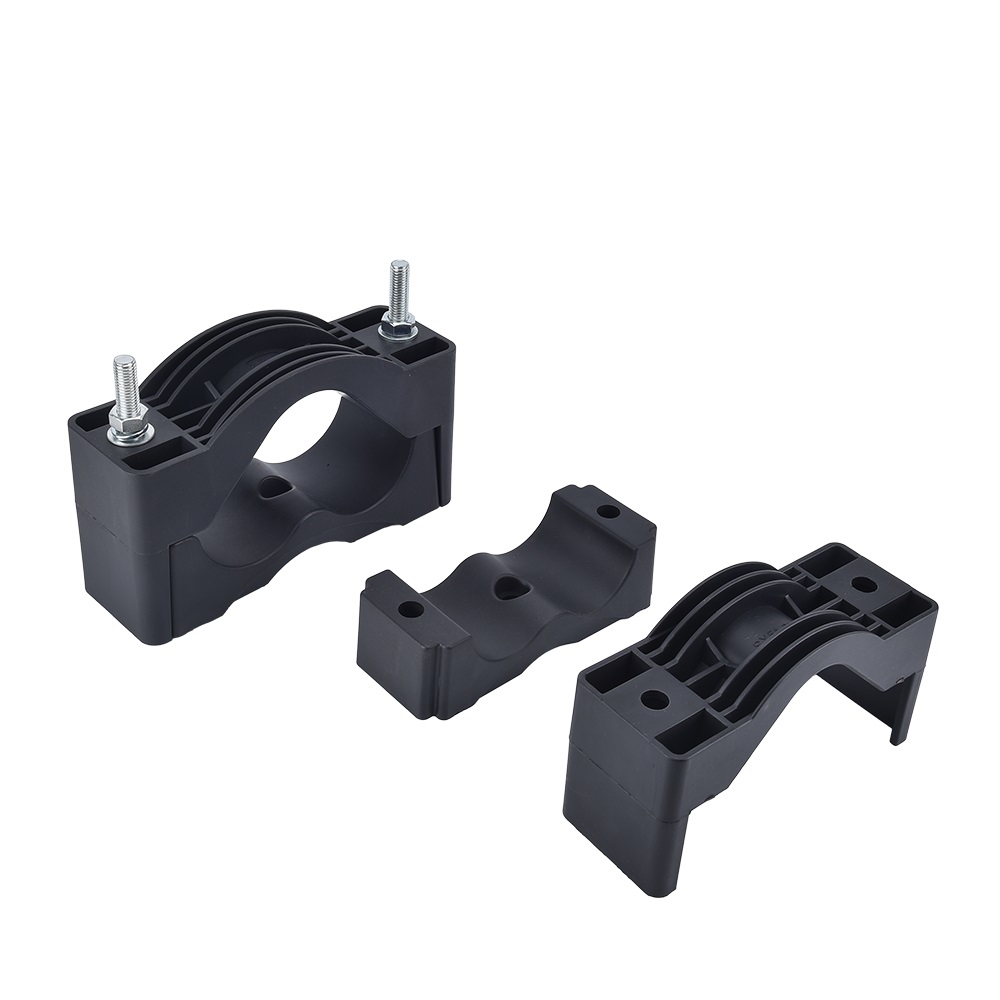
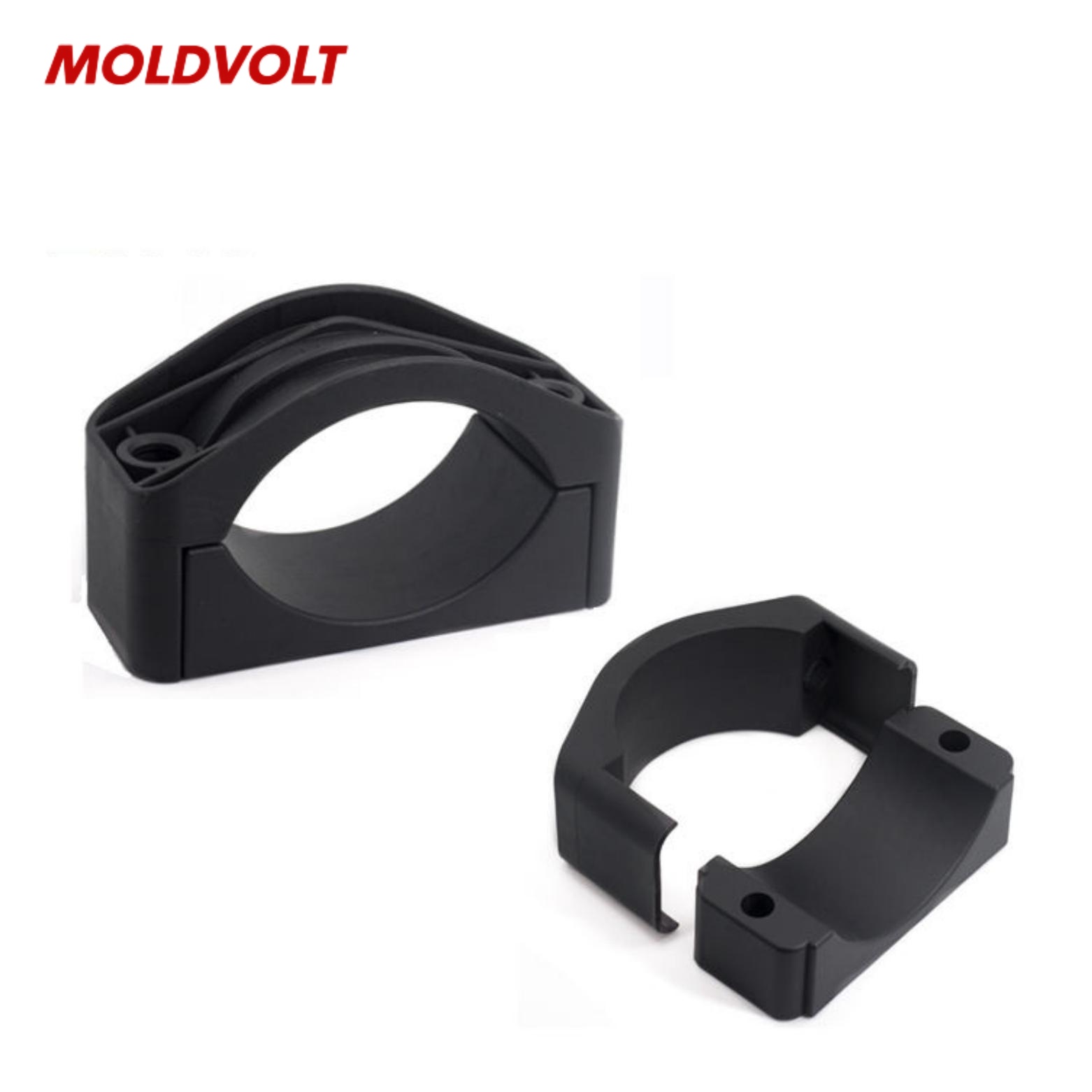
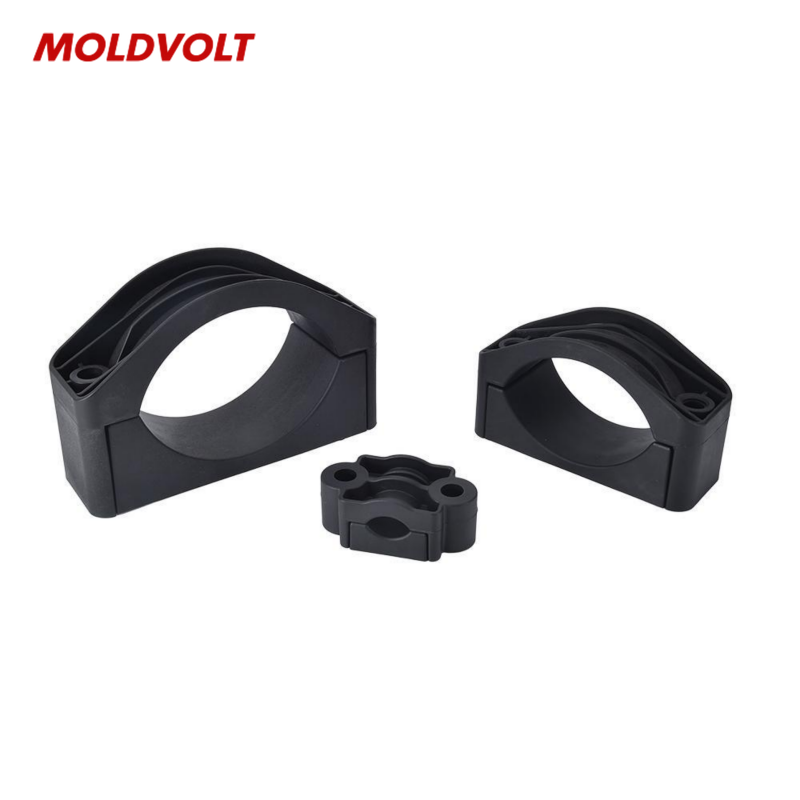
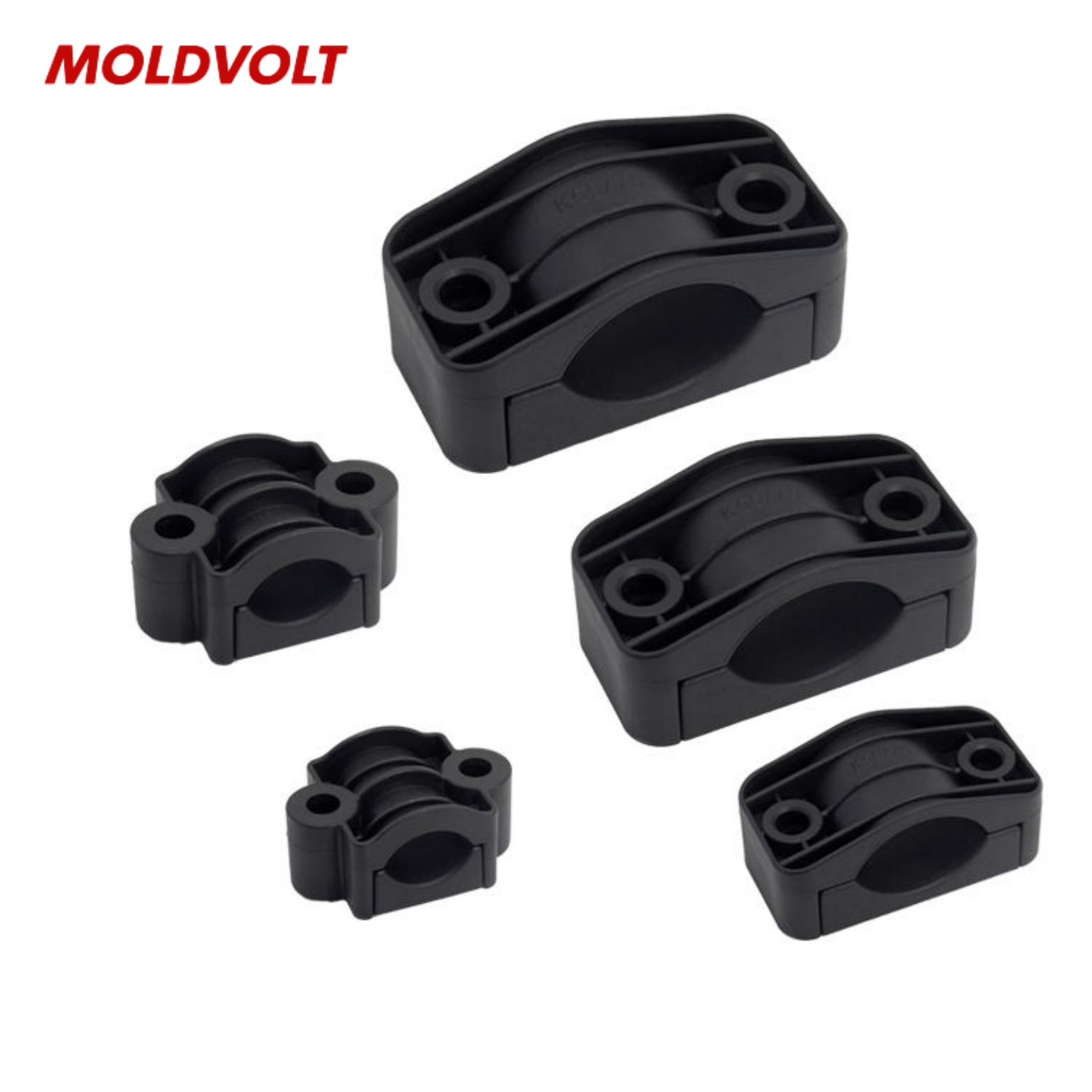
Electric wire clips provide a practical way to secure cables and maintain organized wiring across residential, commercial, and industrial environments. Available in different sizes, materials, and fixing styles, they can accommodate various cable diameters and mounting surfaces. Suitable designs help reduce loose wires, improve installation neatness, and simplify maintenance access. For example, a commercial facility with 20 workstations can use appropriately sized clips to route computer power leads and peripheral wiring along designated paths. Selecting the correct clip depends on cable dimensions, insulation protection, environmental conditions, and fixing requirements. Proper installation supports dependable wire retention while helping maintain an orderly electrical system.
Get A Quote

Case Study

Electrical Wire Organization in Commercial Offices

A commercial office needed a reliable method for organizing power leads and communication cables across 20 workstations. Electric wire clips helped secure suitable cables along desk edges and designated routing points, reducing loose wires and improving accessibility. Installers measured the cable diameters before selecting clip sizes and checked the mounting surfaces to ensure compatibility with the chosen fixing method. The organized layout made routine cleaning easier and simplified equipment changes. For offices with frequently rearranged workstations, consistent clip placement can improve cable identification and reduce unnecessary movement. Actual performance depends on clip design, cable weight, surface conditions, and installation quality.

Wire Fixing for Electrical Equipment Cabinets

An equipment manufacturer required organized wiring inside electrical cabinets to improve assembly consistency and maintenance access. Electric wire clips helped technicians guide selected control wires along planned routes while keeping connections identifiable during inspection. The team selected holders according to cable dimensions, insulation requirements, and cabinet conditions. Careful positioning also helped prevent excessive bending and interference with neighboring components. For production environments assembling multiple units, standardized wire routing can support repeatable installation practices. Buyers should verify material suitability, temperature resistance, vibration tolerance, and applicable electrical requirements before choosing clips. Approved mechanical retention methods should be used wherever the application or regulations require them.

Wire Management for Retail Lighting Systems

A retail business needed to organize wiring around illuminated shelving and electronic promotional displays without compromising presentation. Electric wire clips helped guide compatible lightweight wires along designated fixture surfaces, reducing dangling cables and improving access for maintenance. Installation staff planned the routes before selecting suitable clip sizes and fixing methods. The resulting arrangement made display updates easier and helped maintain a cleaner customer-facing environment. For lighting installations, clip material and placement should be compatible with expected temperatures and cable specifications. Regular inspections can identify loose holders early. Where wiring requires specialized support or regulated electrical protection, suitable approved fastening systems should replace general-purpose clips.

Related products

Electric wire clips are useful components for securing and routing electrical cables in residential, commercial, and industrial applications. Depending on their construction, they may be suitable for cable runs along walls, equipment panels, cabinet interiors, furniture, and other compatible mounting surfaces. Different clip designs provide options for varied cable diameters, installation methods, and environmental requirements. Volt Cabinet supports buyers seeking electrical cabinet accessories and cable management components for equipment manufacturing and installation projects. Selecting the right electric wire clip requires attention to cable diameter, insulation protection, material compatibility, operating temperature, and fixing strength. For example, an equipment assembly project involving multiple cabinet units may require different clip sizes to organize control wiring and auxiliary cables. A consistent routing plan can improve accessibility and simplify maintenance. Installation teams should follow product instructions and applicable electrical standards, avoiding excessive cable compression or sharp bends. Buyers can contact Volt Cabinet to confirm current specifications, material options, customization availability, and bulk purchasing requirements before ordering.
Frequently Asked Questions

How do I select the correct electric wire clip size?

Measure the cable's outside diameter and compare it with the clip's usable opening. Consider cable weight, insulation thickness, mounting conditions, and the intended routing path. The clip should retain the wire securely without damaging its insulation. Check the manufacturer's dimensions and application specifications before purchasing.
Electric wire clips may be manufactured from plastics, nylon, or metals, depending on their intended application. Material selection should consider insulation protection, corrosion resistance, temperature exposure, and mechanical strength. Confirm the product specification and suitability for the installation environment before choosing a material.
Suitable electric wire clips can organize cabinet wiring when their materials, fixing methods, and temperature ratings meet the application requirements. Consider vibration, cable weight, component clearances, and maintenance access. Follow applicable electrical standards and use approved supports wherever required for safe and reliable wire retention.
Adhesive clips are generally best suited to applications within their specified holding capacity, often involving lightweight cables. Heavy wiring, vibration, or challenging environmental conditions may require mechanical fasteners or dedicated cable supports. Check product load specifications and select a fixing method appropriate to the installation.
Contact Volt Cabinet with your required clip dimensions, material preferences, application details, and estimated quantity. The team can help confirm current availability, customization options, packaging, and quotation requirements. Verify minimum order quantities, production schedules, and shipping arrangements before finalizing a bulk purchase.

Related article

Cost-Effective Low Voltage Switchgear for Iraq: Compatible with Blokset, Okken & 8PT | Local Assembly Options

16

Sep

Cost-Effective Low Voltage Switchgear for Iraq: Compatible with Blokset, Okken & 8PT | Local Assembly Options

View More
What cable clamp material suits high temperature switchgear cabinets?

19

Sep

What cable clamp material suits high temperature switchgear cabinets?

Understanding High-Temperature Challenges in Switchgear CabinetsTypical Operating Temperatures and Thermal Stress Sources (Busbars, Load Cycling, Enclosure Design)Switchgear cabinets experience elevated temperatures primarily due to resistive losses ...
View More
Insulator mechanical strength supports busbar fixing inside switchgear cabinets.

13

Oct

Insulator mechanical strength supports busbar fixing inside switchgear cabinets.

Critical Mechanical Load Demands on Insulators for Busbar Support Static, Dynamic, and Short-Circuit Electrodynamics: Quantifying Peak Forces (Up to 250 kA) Busbar support insulators must simultaneously manage three distinct mechanical load regimes...
View More
Insulator dimension design follows international high voltage standards strictly.

16

Oct

Insulator dimension design follows international high voltage standards strictly.

Core IEC Standards Governing Insulator Dimension Design IEC 60383: Mechanical and Electrical Requirements for Ceramic and Glass Insulators The IEC 60383 series defines the mechanical and electrical test regimes that ceramic and glass insulators mus...
View More

Customer Testimonials

Michael Turner

We used electric wire clips to organize wiring across 20 workstations. The structured layout reduced loose cables, improved accessibility, and made routine maintenance more convenient.

David Wilson

Our technicians used electric wire clips to secure lightweight wiring during equipment assembly. Consistent positioning improved cable routing and simplified visual inspections across multiple units.

Get a Free Quote

Our representative will contact you soon.
Email
Mobile/WhatsApp
Name
Company Name
Message
0/1000
Multiple Clip Designs for Different Wire Fixing Requirements

Multiple Clip Designs for Different Wire Fixing Requirements

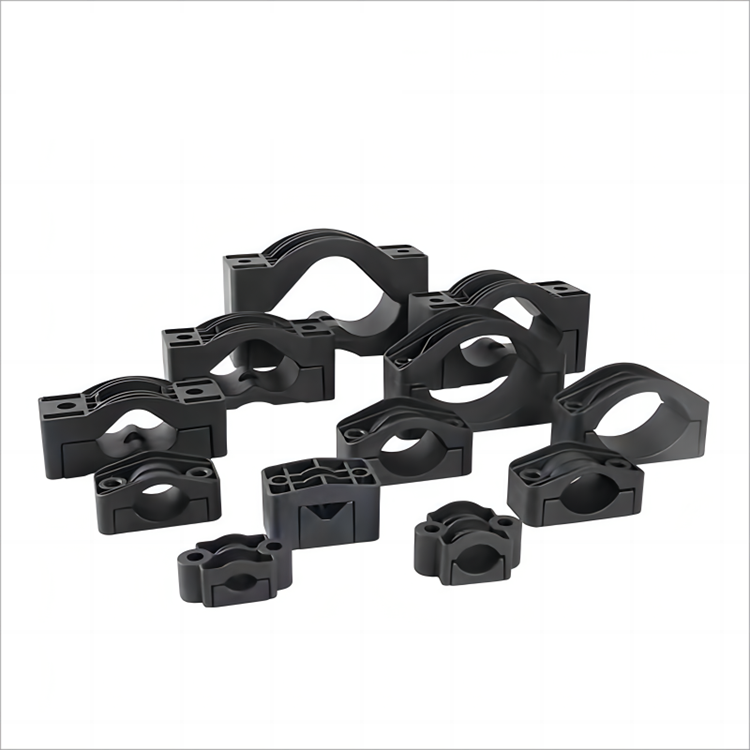
Electric wire clips are available in different configurations to suit cable dimensions, mounting surfaces, and installation conditions. Depending on the design, options may include nail-fixed clips, screw-mounted holders, adhesive-backed clips, and other suitable wire retainers. For example, an equipment manufacturer assembling several cabinet units can select different clip sizes to organize control wires and auxiliary cables along consistent routes. Correct selection helps prevent excessive pressure on cable insulation and supports orderly wiring arrangements. Before installation, evaluate the cable diameter, operating temperature, surface material, and required holding strength. Matching the clip to its intended application improves organization and helps technicians perform routine inspections more efficiently.
Improved Wiring Accessibility for Maintenance Teams

Improved Wiring Accessibility for Maintenance Teams

A structured wire layout helps maintenance teams trace electrical connections, identify individual cables, and access equipment more efficiently. Electric wire clips support this organization by keeping suitable cables in defined positions and reducing unnecessary movement. In a commercial facility with multiple equipment stations, consistent clip placement can help technicians recognize routing paths during inspections and equipment changes. Effective installation requires appropriate clip dimensions, secure fixing, and sufficient clearance around connectors and moving components. Buyers should also consider material durability, temperature exposure, vibration, and the weight of supported cables. For demanding electrical applications, use correctly rated cable supports and follow relevant installation standards to maintain dependable long-term performance.

Get a Free Quote

Our representative will contact you soon.
Email
Mobile/WhatsApp
Name
Company Name
Message
0/1000