Epoxy Resin Insulator: High-Dielectric, Customizable Support for Switchgear

All Categories
Reliable Epoxy Resin Insulators for Electrical Equipment

Reliable Epoxy Resin Insulators for Electrical Equipment

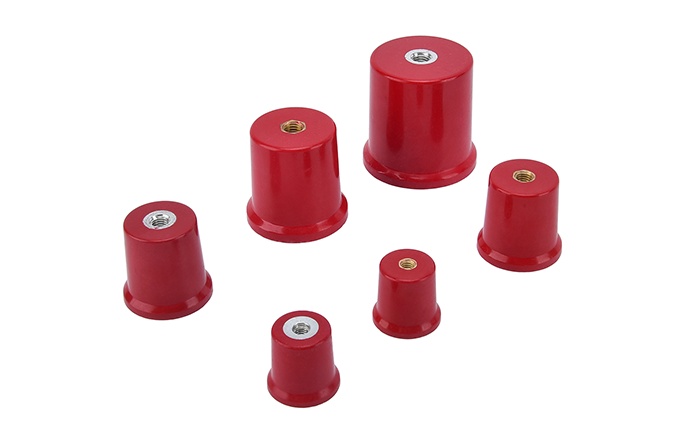
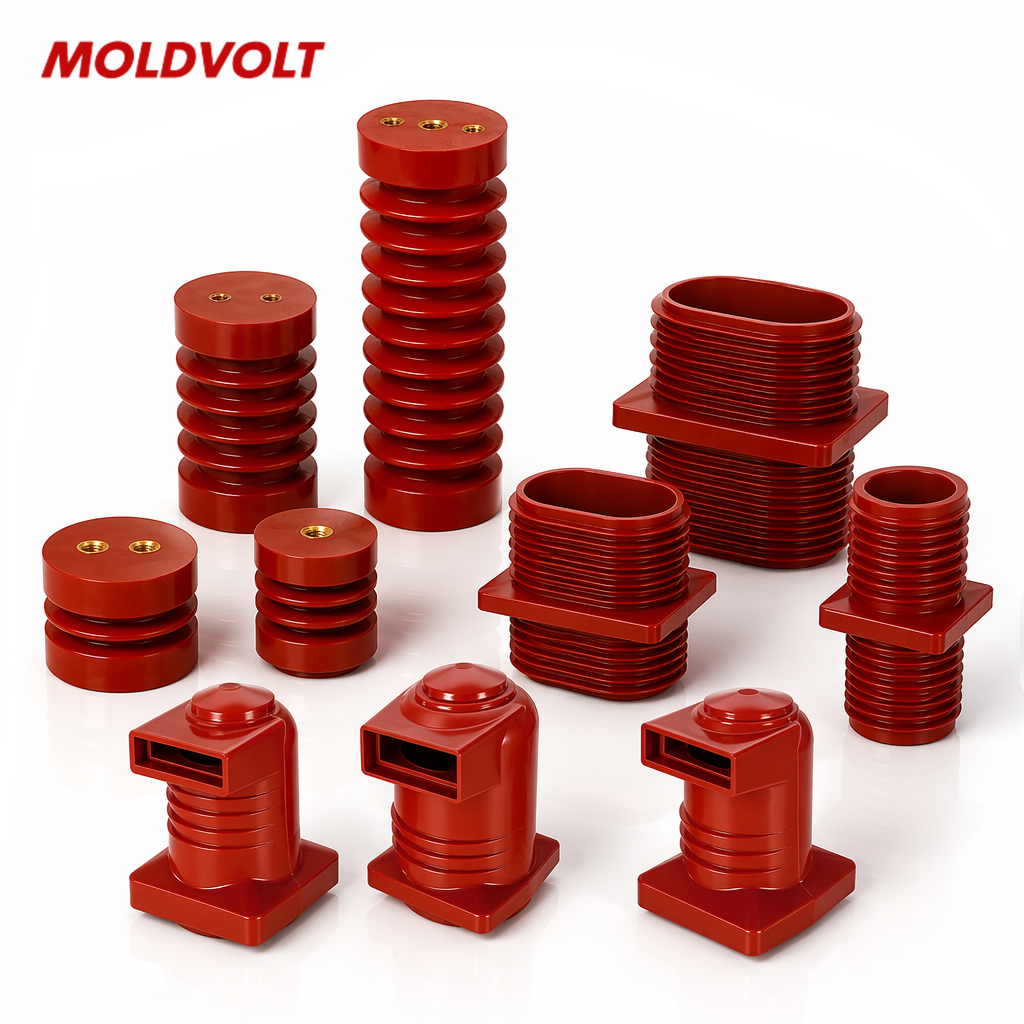
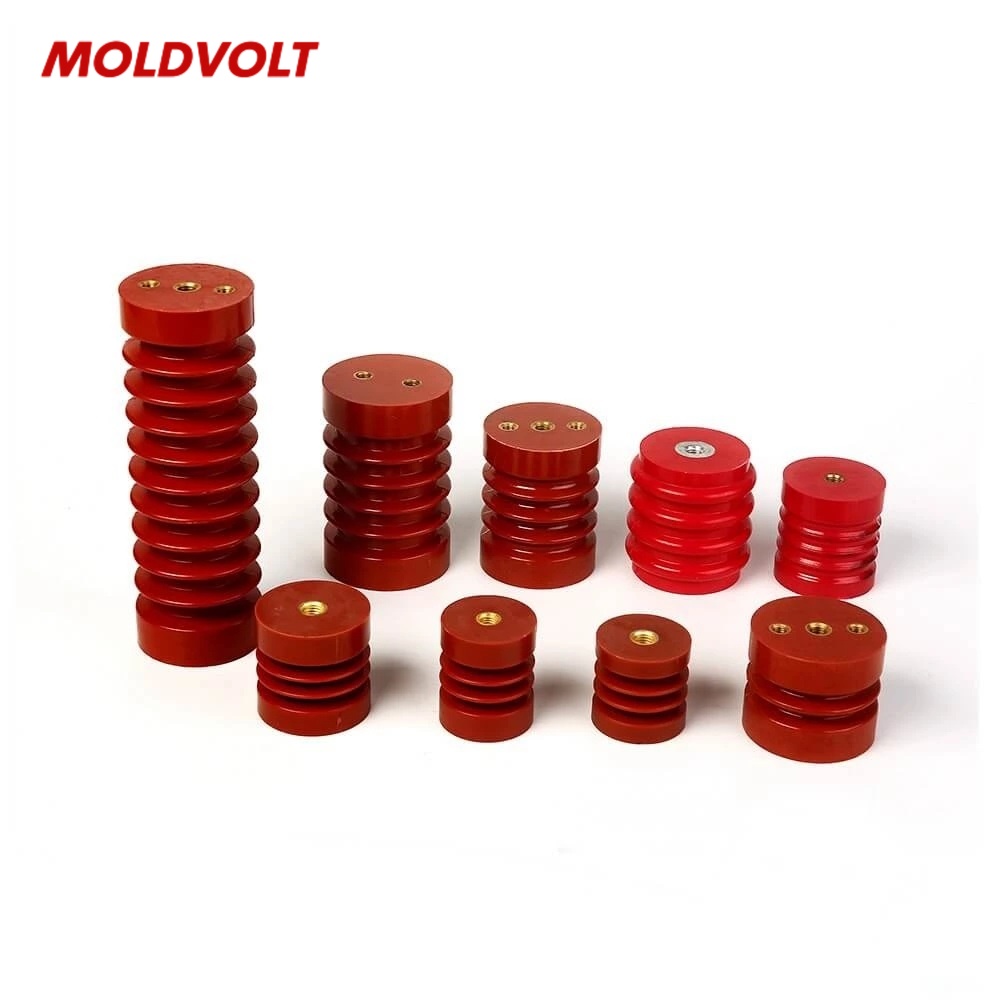
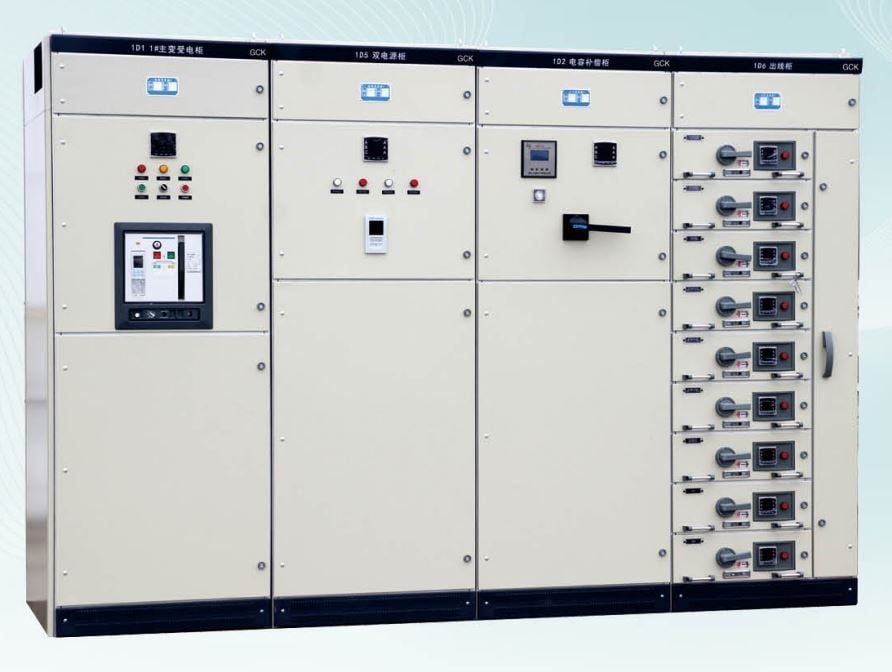
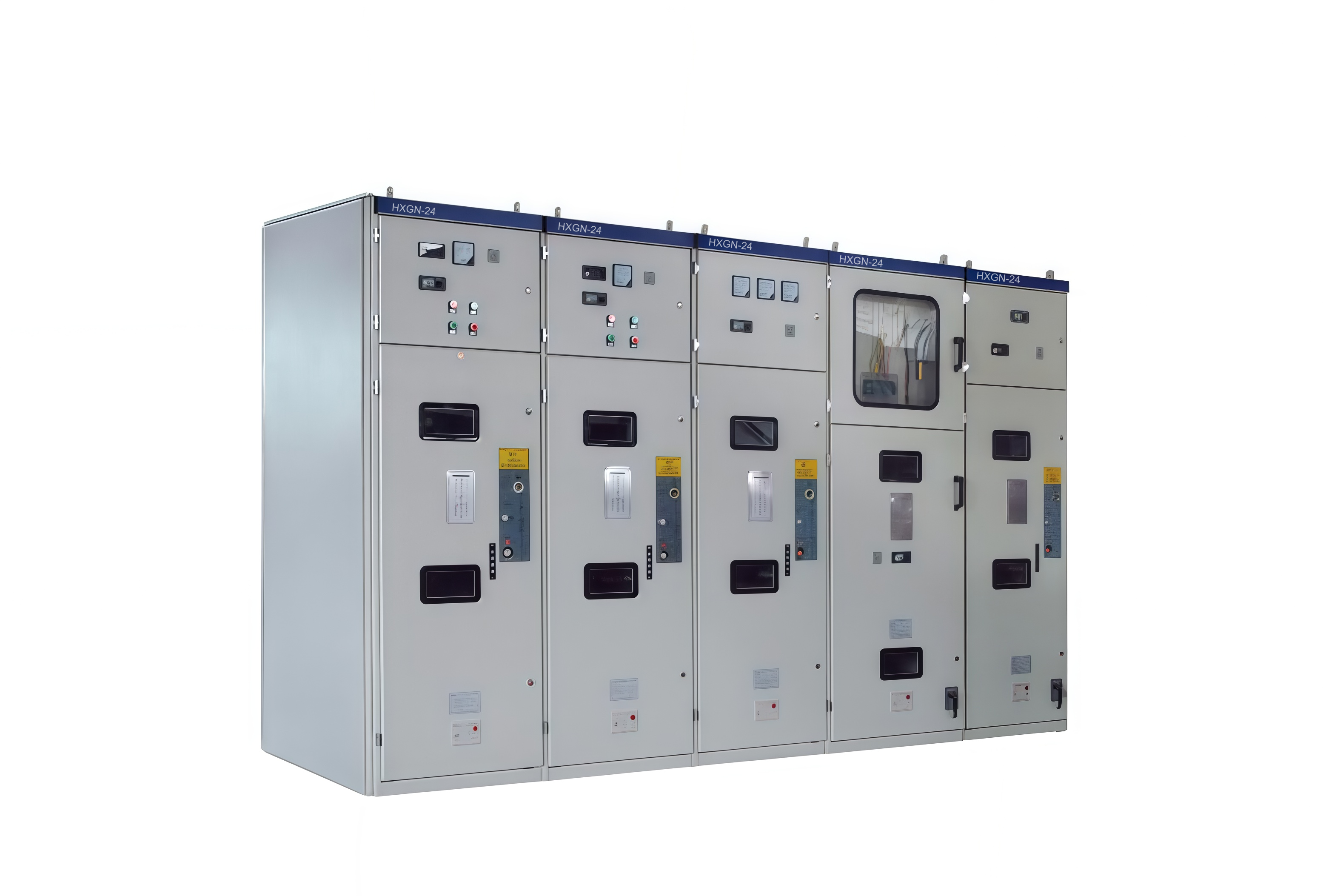
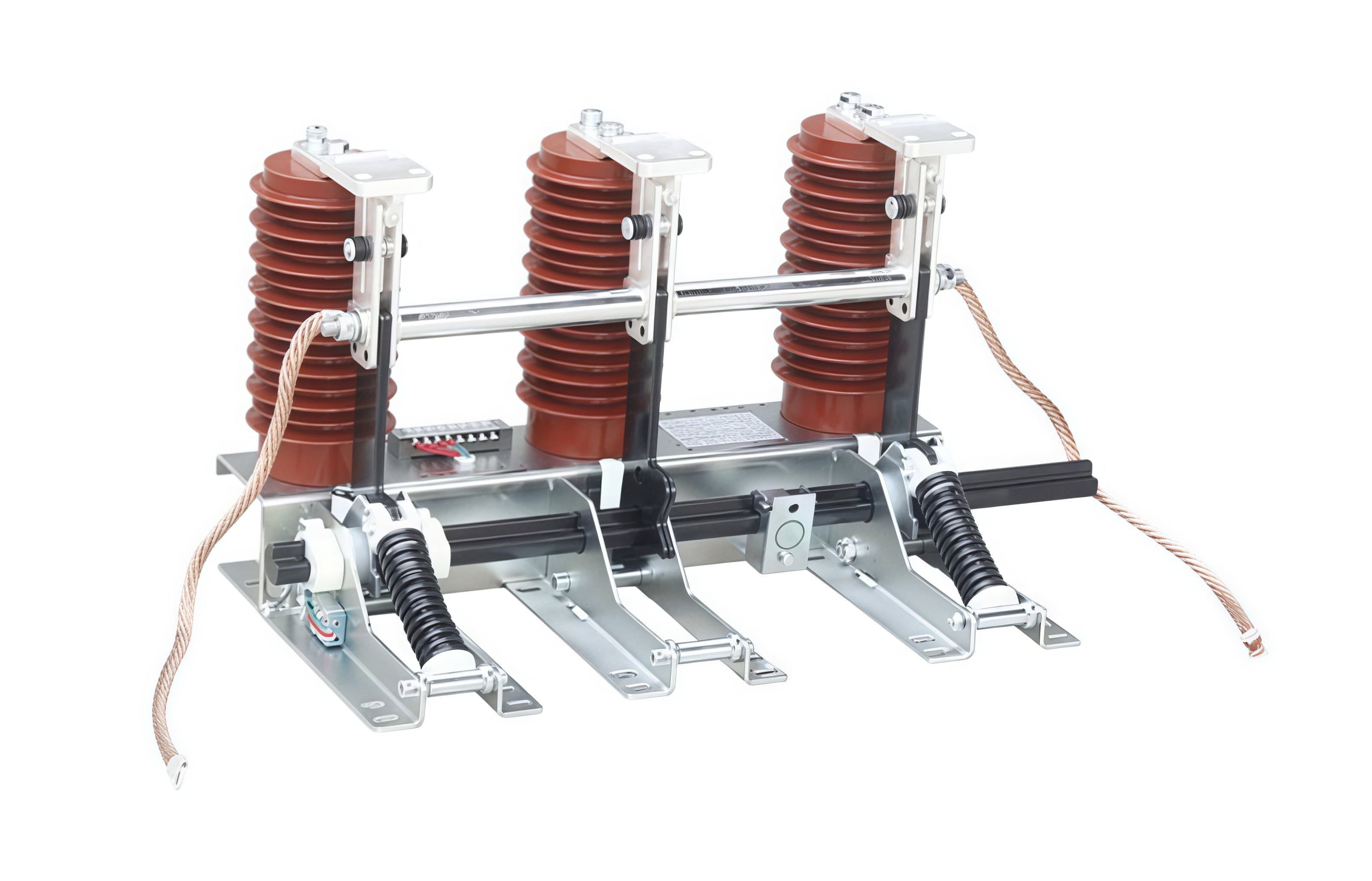
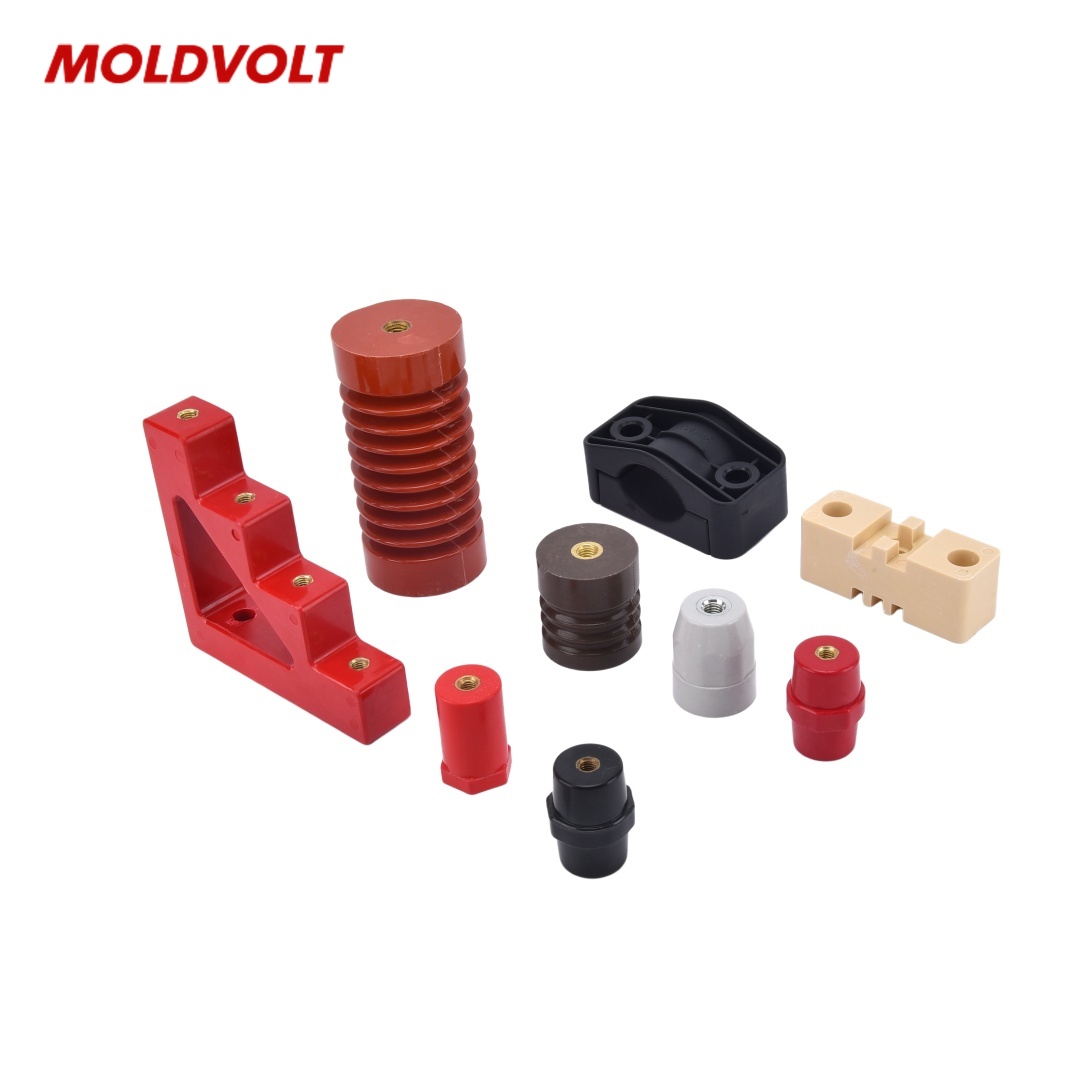
Voltcabinet supplies epoxy resin insulators designed for electrical insulation, mechanical support, and reliable component positioning in industrial power equipment. Manufactured for applications such as switchgear, distribution cabinets, busbar systems, and electrical control panels, these components offer excellent dielectric properties and structural stability. Epoxy resin provides good mechanical strength, dimensional stability, and resistance to moisture under suitable operating conditions. Their solid construction helps maintain the required separation between conductive components and supporting structures. For manufacturers producing multiple equipment configurations, consistent dimensions simplify installation and assembly. Different shapes and specifications can be considered according to rated voltage, mounting requirements, and project drawings.
Get A Quote

Case Study

Medium Voltage Switchgear Insulation Assembly

A switchgear manufacturer required dependable epoxy resin insulation components for its electrical cabinet production line. The project involved supporting conductive components while maintaining appropriate electrical clearances within compact equipment structures. Epoxy resin insulators were selected for their dielectric characteristics, mechanical strength, and dimensional stability. Their solid construction helped maintain consistent component positioning during equipment assembly. Across 80 switchgear units, standardized specifications supported more efficient installation and quality inspection. This application demonstrates the importance of selecting insulating components according to rated voltage, mechanical loading, and enclosure design. Proper material selection helps manufacturers develop reliable switchgear assemblies for industrial power distribution environments.

Industrial Busbar Support and Electrical Isolation

An industrial electrical equipment manufacturer needed reliable insulation supports for copper busbar assemblies in its distribution cabinets. The application required components capable of maintaining stable conductor positioning while providing electrical separation from surrounding structures. Epoxy resin insulators offered a suitable combination of dielectric performance and mechanical rigidity for the specified installation conditions. Their consistent dimensions helped technicians position busbars accurately across different cabinet configurations. In a production batch of 60 distribution panels, standardized component specifications simplified assembly planning and inspection. This project highlights the value of selecting suitable epoxy resin components for busbar support, electrical isolation, and dependable cabinet construction.

Customized Insulators for Power Distribution Equipment

A power distribution equipment manufacturer needed customized insulation components for a series of compact electrical enclosures. Existing standard components did not fully match the required mounting dimensions and structural arrangement. Epoxy resin insulators were evaluated according to the equipment drawings, installation requirements, and electrical specifications. The selected configurations provided stable mechanical support while maintaining the intended separation between conductive parts. Across 45 customized cabinet assemblies, application-specific dimensions helped reduce fitting adjustments during installation. This case demonstrates how customized epoxy resin insulation components can support specialized equipment designs while maintaining consistent manufacturing requirements and reliable electrical performance.

Related products

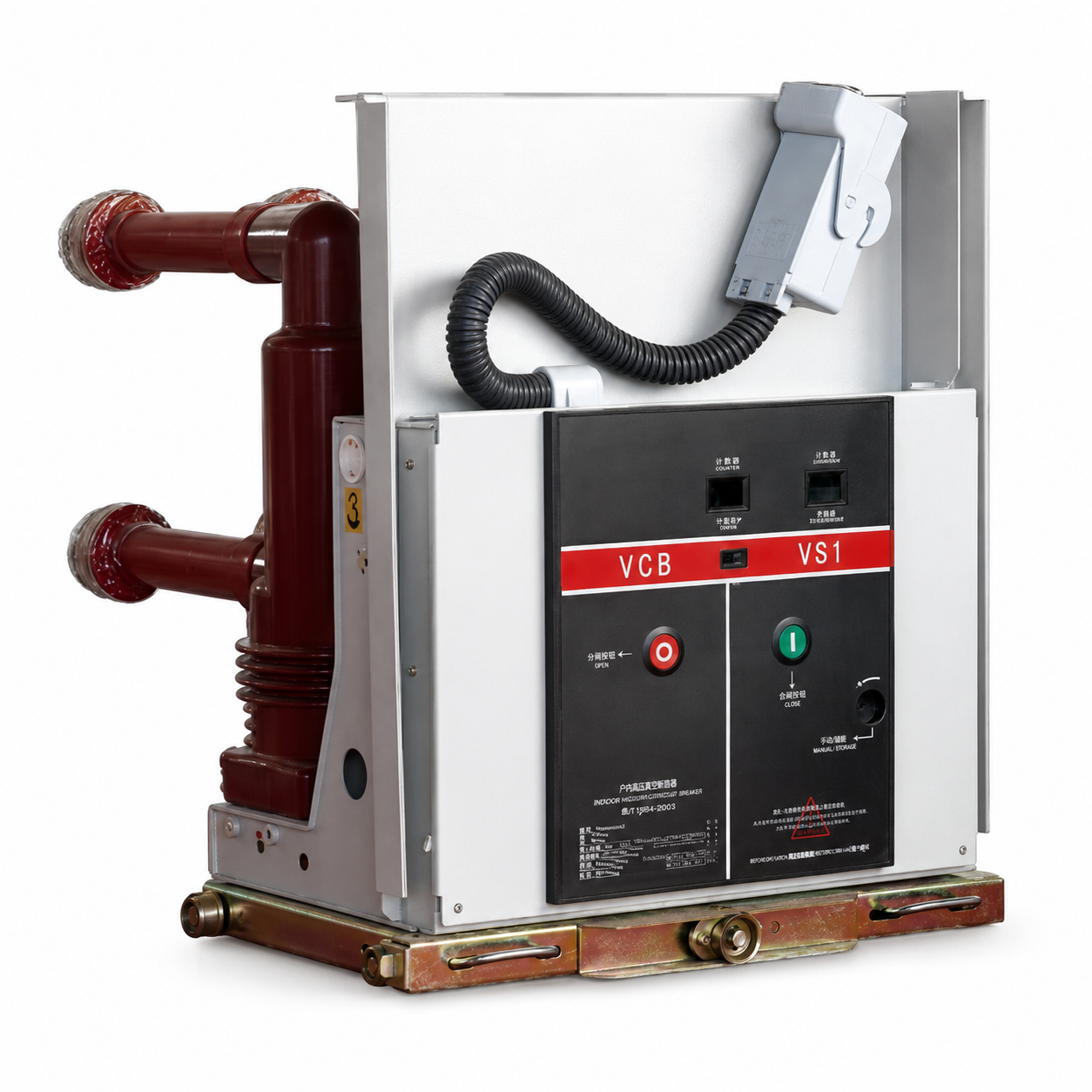
Epoxy resin insulators are important electrical components used to provide insulation and mechanical support in power distribution and industrial electrical equipment. Their applications include switchgear assemblies, busbar support systems, distribution cabinets, circuit breaker structures, and electrical control panels. Epoxy resin is widely used because of its favorable dielectric properties, mechanical strength, dimensional stability, and resistance to moisture when properly formulated. The manufacturing process generally involves material preparation, mold design, resin casting, curing, and quality inspection. Proper control of these stages helps reduce internal defects and maintain consistent product dimensions. Depending on the formulation and manufacturing process, epoxy resin components can also offer suitable thermal and mechanical performance for demanding electrical applications. Voltcabinet focuses on supplying electrical components for international equipment manufacturers and distributors. Product selection can consider rated voltage, installation dimensions, mounting arrangements, and operating environments. For example, a switchgear manufacturer developing several cabinet models may require different insulator configurations to accommodate specific busbar layouts. Standard and customized specifications help address these requirements. Choosing the correct epoxy resin insulator supports equipment compatibility, electrical isolation, and long-term operational reliability.
Frequently Asked Questions

What Is An Epoxy Resin Insulator Used For?

An epoxy resin insulator provides electrical isolation and mechanical support for conductive components. It is commonly used in switchgear, distribution cabinets, busbar assemblies, and circuit breaker equipment to maintain appropriate electrical clearances and stable component positioning.
Epoxy resin insulators offer favorable dielectric properties, mechanical strength, dimensional stability, and moisture resistance. Their solid construction makes them suitable for various electrical applications, provided the material formulation and product specifications match the intended operating environment.
These components are widely used in medium and low voltage switchgear, power distribution cabinets, busbar support systems, and industrial electrical panels. Their specific application depends on equipment design, rated voltage, installation requirements, and mechanical loading.
Yes. Depending on manufacturing capabilities, customization can cover dimensions, shapes, mounting holes, and structural configurations. Customers can provide technical drawings, samples, or equipment specifications to help determine suitable component designs for their electrical applications.
Consider rated voltage, dielectric requirements, mechanical loading, operating temperature, dimensions, and installation conditions. You should also verify material properties and applicable standards to ensure the selected insulator is compatible with the intended electrical equipment.

Related article

Cost-Effective Low Voltage Switchgear for Iraq: Compatible with Blokset, Okken & 8PT | Local Assembly Options

16

Sep

Cost-Effective Low Voltage Switchgear for Iraq: Compatible with Blokset, Okken & 8PT | Local Assembly Options

View More
What cable clamp material suits high temperature switchgear cabinets?

19

Sep

What cable clamp material suits high temperature switchgear cabinets?

Understanding High-Temperature Challenges in Switchgear CabinetsTypical Operating Temperatures and Thermal Stress Sources (Busbars, Load Cycling, Enclosure Design)Switchgear cabinets experience elevated temperatures primarily due to resistive losses ...
View More
Insulator dimensional tolerance controls assembly efficiency in switchgear.

25

Sep

Insulator dimensional tolerance controls assembly efficiency in switchgear.

Why Insulator Dimensional Tolerance Is the Silent Driver of Switchgear Assembly EfficiencyIn high-voltage switchgear, insulators do much more than prevent flashover—they serve as load-bearing anchors that dictate how quickly and precisely busbars, ci...
View More
What electrical switchgear testing items are required before site commissioning?

21

Oct

What electrical switchgear testing items are required before site commissioning?

Insulation Integrity and Dielectric Strength Verification Megger testing of busbars, cables, and instrument transformer circuits Megger testing is a foundational pre-commissioning check for electrical switchgear, measuring insulation resistance (IR...
View More

Customer Testimonials

Michael Anderson

We used these epoxy resin insulators in our distribution switchgear assemblies. Their consistent dimensions and solid construction simplified installation across 100 cabinet units while supporting reliable electrical insulation.

David Wilson

The epoxy resin insulators performed well in our industrial busbar applications. Their mechanical stability and accurate dimensions helped reduce assembly adjustments and improve production consistency across multiple equipment models.

Get a Free Quote

Our representative will contact you soon.
Email
Mobile/WhatsApp
Name
Company Name
Message
0/1000
Excellent Dielectric Properties for Electrical Isolation

Excellent Dielectric Properties for Electrical Isolation

Electrical insulation performance is a critical consideration when selecting components for switchgear and power distribution equipment. Epoxy resin offers favorable dielectric properties that help prevent unintended electrical contact between energized components and supporting structures. Its insulating characteristics make it suitable for busbar assemblies, circuit breaker structures, and electrical distribution cabinets. For example, a manufacturer producing 100 switchgear panels needs consistent insulation components to maintain standardized assembly requirements across its production batches. Appropriate epoxy formulations, controlled curing processes, and dimensional inspections contribute to dependable product quality. Selecting insulators according to rated voltage and required electrical clearances helps support safe equipment design and reliable operation under specified conditions.
Mechanical Strength and Dimensional Stability

Mechanical Strength and Dimensional Stability

Epoxy resin insulators provide mechanical support for conductive components while helping maintain their intended positions inside electrical equipment. Their rigid structure is particularly useful in busbar assemblies, switchgear cabinets, and industrial distribution panels where component stability is essential. Proper material formulation and manufacturing control help maintain dimensional consistency and structural integrity under specified operating conditions. For example, an industrial equipment manufacturer assembling 80 distribution cabinets can benefit from standardized insulator dimensions that simplify installation and reduce unnecessary fitting adjustments. When selecting components, engineers should consider mechanical loading, installation methods, temperature conditions, and equipment specifications. These factors help ensure that the selected insulators provide suitable support throughout their intended service life.

Get a Free Quote

Our representative will contact you soon.
Email
Mobile/WhatsApp
Name
Company Name
Message
0/1000