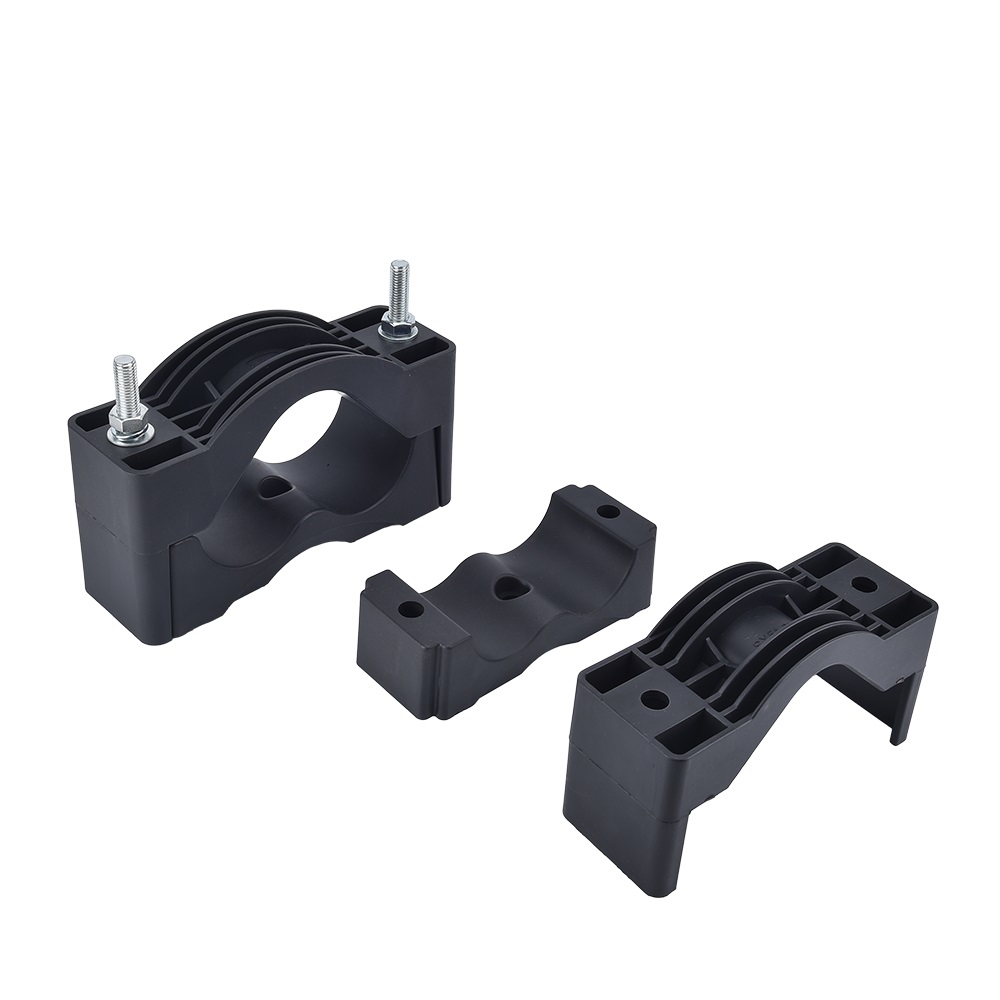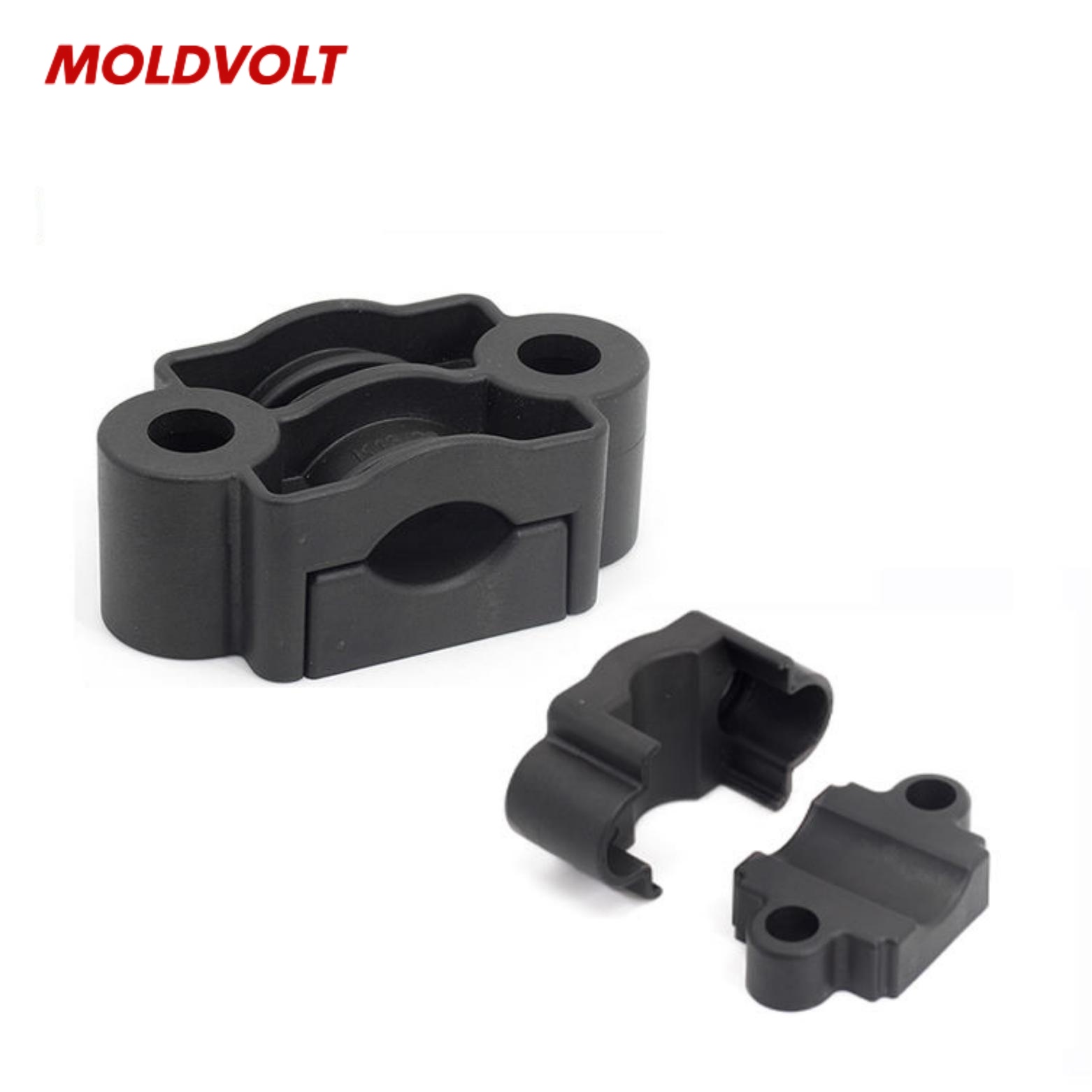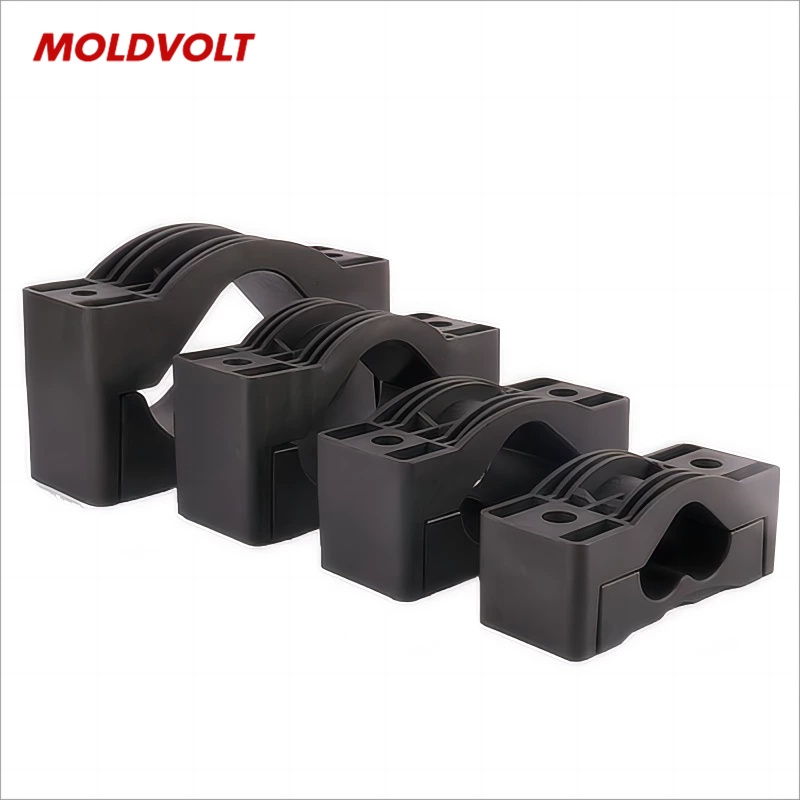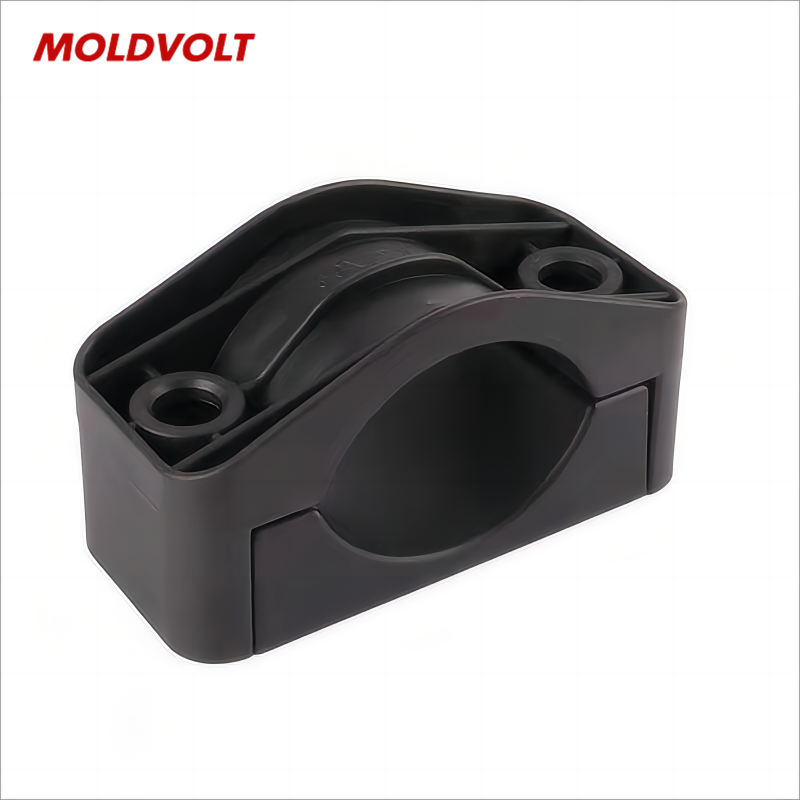
Cable Tray Cable Clamps: Secure, Code-Compliant Restraint

All Categories
Customer Reviews of Cable Tray Cable Clamps

Customer Reviews of Cable Tray Cable Clamps

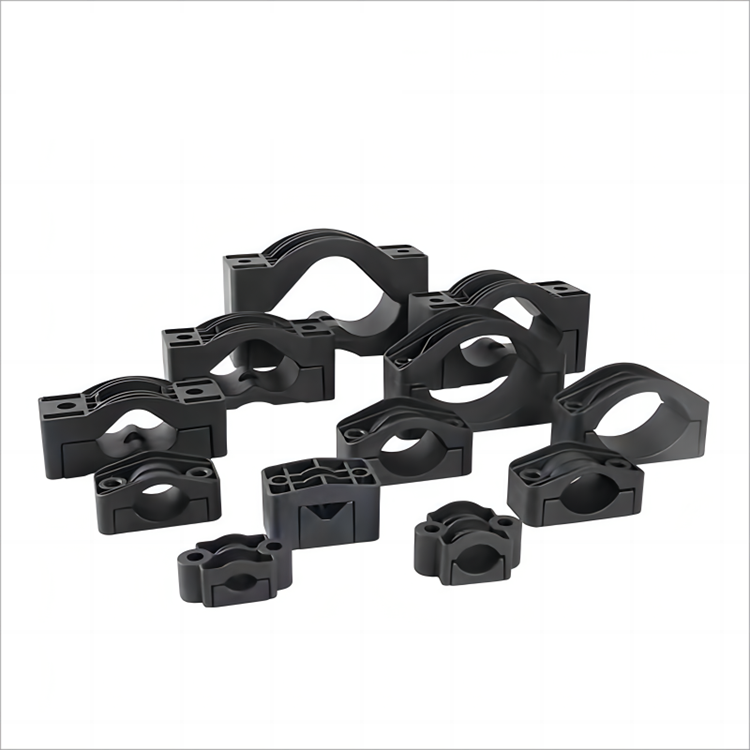
Cable tray cable clamps help secure cables, maintain orderly routing, and support reliable electrical installations across factories, commercial buildings, data centers, and infrastructure projects. Properly selected clamps can reduce cable movement, simplify inspection, and improve accessibility during routine maintenance. Material selection is equally important: galvanized steel may suit many general installations, while stainless steel can offer enhanced corrosion resistance in demanding environments. Clamp dimensions, fastening methods, and load requirements should match the cable tray system and installation conditions. For contractors managing multiple electrical zones, standardized clamp specifications can streamline procurement, simplify inventory control, and support consistent installation quality across different project locations.
Get A Quote

Case Study

Organized Cable Routing in Manufacturing Facilities

A manufacturing facility required an organized cable management system connecting electrical cabinets, production machinery, and control equipment. Cable tray cable clamps helped secure compatible cable runs and maintain orderly routing through designated service areas. The installation team evaluated cable diameters, tray configurations, fastening requirements, and environmental exposure before selecting suitable components. Consistent clamp specifications helped simplify assembly and reduced unnecessary adjustments during installation. The resulting arrangement improved access for maintenance personnel and supported future equipment upgrades. For manufacturing environments where production continuity matters, properly specified cable restraints can help keep cables organized and accessible while supporting a maintainable electrical infrastructure.

Cable Management Solutions for Commercial Buildings

A commercial construction project required dependable cable restraint across electrical rooms, ceiling spaces, and service corridors. Cable tray cable clamps helped organize compatible cable bundles and maintain clear routing paths around building services. Contractors checked clamp dimensions, material compatibility, and mounting arrangements before installation. Using consistent specifications across multiple service areas simplified purchasing and helped maintenance teams identify appropriate replacement components. The completed installation provided a more orderly cable layout and improved accessibility for routine inspections. For projects involving several floors or contractors, clearly documented clamp specifications can also support coordination, reduce component selection errors, and improve consistency throughout the electrical installation process.

Cable Restraint for Data and Communication Infrastructure

A communications infrastructure project needed organized cable pathways between network cabinets, equipment rooms, and distribution points. Cable tray cable clamps helped maintain orderly cable bundles while preserving access for inspection and servicing. The project team considered cable diameter, bend radius, tray compatibility, and potential interference with neighboring services when choosing suitable restraints. Appropriate clamp placement helped reduce loose cable sections and supported a cleaner installation layout. For data centers and telecommunications facilities, these considerations are particularly important because equipment changes and additional connections can make cable management increasingly complex. Well-planned restraint systems help technicians trace, inspect, and maintain cable routes more efficiently.

Related products

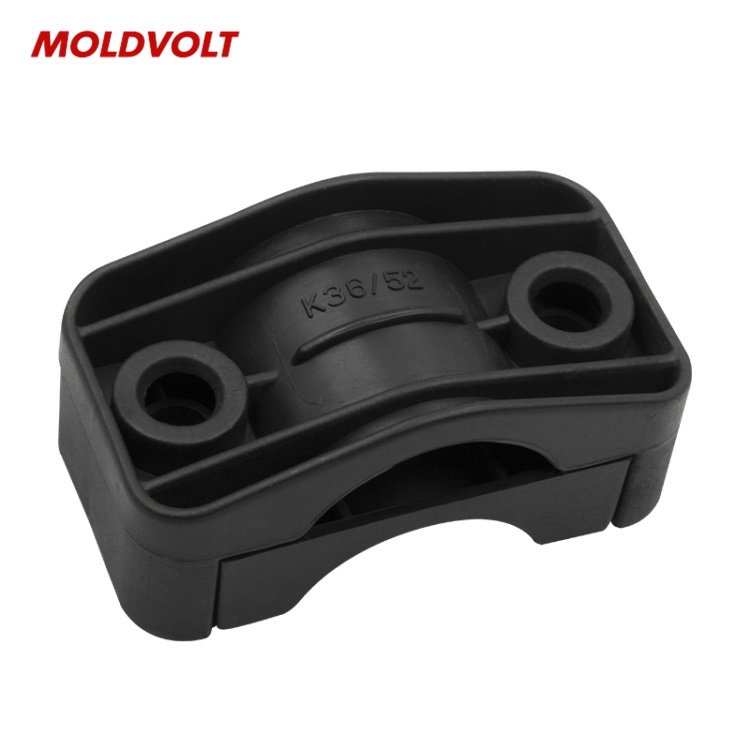
Cable tray cable clamps are practical accessories for organizing and securing electrical, control, and communication cables in industrial and commercial installations. Correctly selected clamps help maintain cable positioning, reduce unnecessary movement, and improve access for maintenance. Their effectiveness depends on cable diameter, tray configuration, fastening requirements, environmental conditions, and the mechanical properties of the selected materials. Volt Cabinet serves customers seeking practical electrical cabinet and cable management solutions. For cable tray clamp procurement, buyers should confirm the required product specifications, available configurations, and compatibility with their existing installation systems before placing an order. Depending on the application, material options may include galvanized steel, stainless steel, or suitable nonmetallic materials. Manufacturing quality considerations include dimensional consistency, material integrity, surface finish, and fastening compatibility. For example, an industrial control panel installation may prioritize orderly cable routing and convenient inspection, while a humid facility may require additional corrosion-resistance considerations. Before final selection, engineers should verify cable loading, minimum bend radius, support spacing, applicable electrical codes, and manufacturer instructions. Choosing suitable cable tray cable clamps helps contractors improve installation organization and maintenance accessibility. Contact Volt Cabinet with your drawings, cable dimensions, required quantities, and project conditions to discuss suitable product options and procurement requirements.

Frequently Asked Questions

What are cable tray cable clamps used for?

Cable tray cable clamps secure cables or compatible cable bundles within designated routing systems. They help maintain orderly installations, limit unwanted movement, and improve accessibility for inspection and maintenance. The correct clamp type depends on cable dimensions, tray configuration, installation orientation, and the mechanical requirements of the application.
Check the cable diameter, tray design, mounting method, environmental exposure, and expected mechanical loads. Confirm that the clamp provides suitable retention without damaging cable insulation or restricting the required bend radius. Manufacturer specifications and applicable electrical standards should guide final selection and installation.
Material selection depends on operating conditions and project specifications. Galvanized steel may suit many general installations, while stainless steel can be appropriate for environments with increased corrosion exposure. Suitable nonmetallic clamps may also be considered where electrical isolation or insulation protection is important. Verify compatibility before purchasing.
Suitable clamps or cable cleats can be used in vertical cable tray installations when specifically selected for the cable type, orientation, and mechanical requirements. Vertical runs may require additional restraint to prevent cable movement under gravity. Follow manufacturer instructions, applicable codes, and engineering guidance when determining support arrangements.
Provide cable diameters, tray dimensions, preferred clamp materials, mounting details, estimated quantities, delivery destination, and applicable compliance requirements. Technical drawings and photographs of the installation can help clarify compatibility. Confirm available configurations, production lead times, packaging, and inspection requirements with the supplier before placing an order.

Related article

Cost-Effective Low Voltage Switchgear for Iraq: Compatible with Blokset, Okken & 8PT | Local Assembly Options

16

Sep

Cost-Effective Low Voltage Switchgear for Iraq: Compatible with Blokset, Okken & 8PT | Local Assembly Options

View More
What cable clamp material suits high temperature switchgear cabinets?

19

Sep

What cable clamp material suits high temperature switchgear cabinets?

Understanding High-Temperature Challenges in Switchgear CabinetsTypical Operating Temperatures and Thermal Stress Sources (Busbars, Load Cycling, Enclosure Design)Switchgear cabinets experience elevated temperatures primarily due to resistive losses ...
View More
Insulator dimensional tolerance controls assembly efficiency in switchgear.

25

Sep

Insulator dimensional tolerance controls assembly efficiency in switchgear.

Why Insulator Dimensional Tolerance Is the Silent Driver of Switchgear Assembly EfficiencyIn high-voltage switchgear, insulators do much more than prevent flashover—they serve as load-bearing anchors that dictate how quickly and precisely busbars, ci...
View More
Cable clamp vs cable tie: which one delivers long term stability in panels?

27

Oct

Cable clamp vs cable tie: which one delivers long term stability in panels?

Mechanical Performance Under Thermal Stress Polymer creep and thermal expansion mismatch in nylon cable ties at 60–85°C Nylon 6/6 cable ties undergo measurable mechanical degradation when exposed continuously to 60–85 °C. At the...
View More

Customer Testimonials

Michael Turner

Our installation team used cable tray cable clamps to organize power and control cables across multiple equipment areas. The secure fastening design improved cable arrangement, simplified inspections, and helped maintain consistent routing throughout the project.

David Wilson

We needed dependable cable clamps for a commercial electrical installation. The compatible fittings helped secure cable runs, reduce unnecessary repositioning, and keep maintenance access clear across several service zones.

Get a Free Quote

Our representative will contact you soon.
Email
Mobile/WhatsApp
Name
Company Name
Message
0/1000
Precision Fit and Reliable Cable Retention

Precision Fit and Reliable Cable Retention

Correct clamp sizing is essential for dependable cable management. A properly matched cable tray cable clamp can help maintain cable positioning while minimizing excessive compression, insulation damage, and unwanted movement. Buyers should evaluate the cable diameter, bundle configuration, mounting interface, and expected mechanical forces before selecting a product. Manufacturing checks covering dimensions, material consistency, and fastening interfaces can improve fit across repeated installations. For example, an electrical contractor working across several production lines may benefit from standardized clamp specifications that simplify purchasing and replacement planning. Clear drawings, documented tolerances, and compatibility checks help reduce installation uncertainty and support consistent cable routing in demanding industrial and commercial environments.
Material Options for Different Operating Conditions

Material Options for Different Operating Conditions

Cable tray cable clamps must suit the conditions in which they operate. Indoor electrical rooms may require different materials from outdoor installations exposed to rain, humidity, salt, or industrial contaminants. Galvanized steel can provide a practical option for many general applications, while appropriately graded stainless steel may offer improved corrosion resistance in more demanding environments. Nonmetallic alternatives can be useful when insulation characteristics or protection against metal-to-cable contact is important. For example, a coastal industrial facility should assess corrosion exposure before choosing clamp materials and finishes. Evaluating environmental conditions, cable compatibility, maintenance needs, and applicable standards helps buyers select components that support reliable long-term cable management.

Get a Free Quote

Our representative will contact you soon.
Email
Mobile/WhatsApp
Name
Company Name
Message
0/1000