Load Disconnect Switch Solutions for Industrial Switchgear

All Categories
Customer Reviews of Our Load Disconnect Switch Solutions

Customer Reviews of Our Load Disconnect Switch Solutions

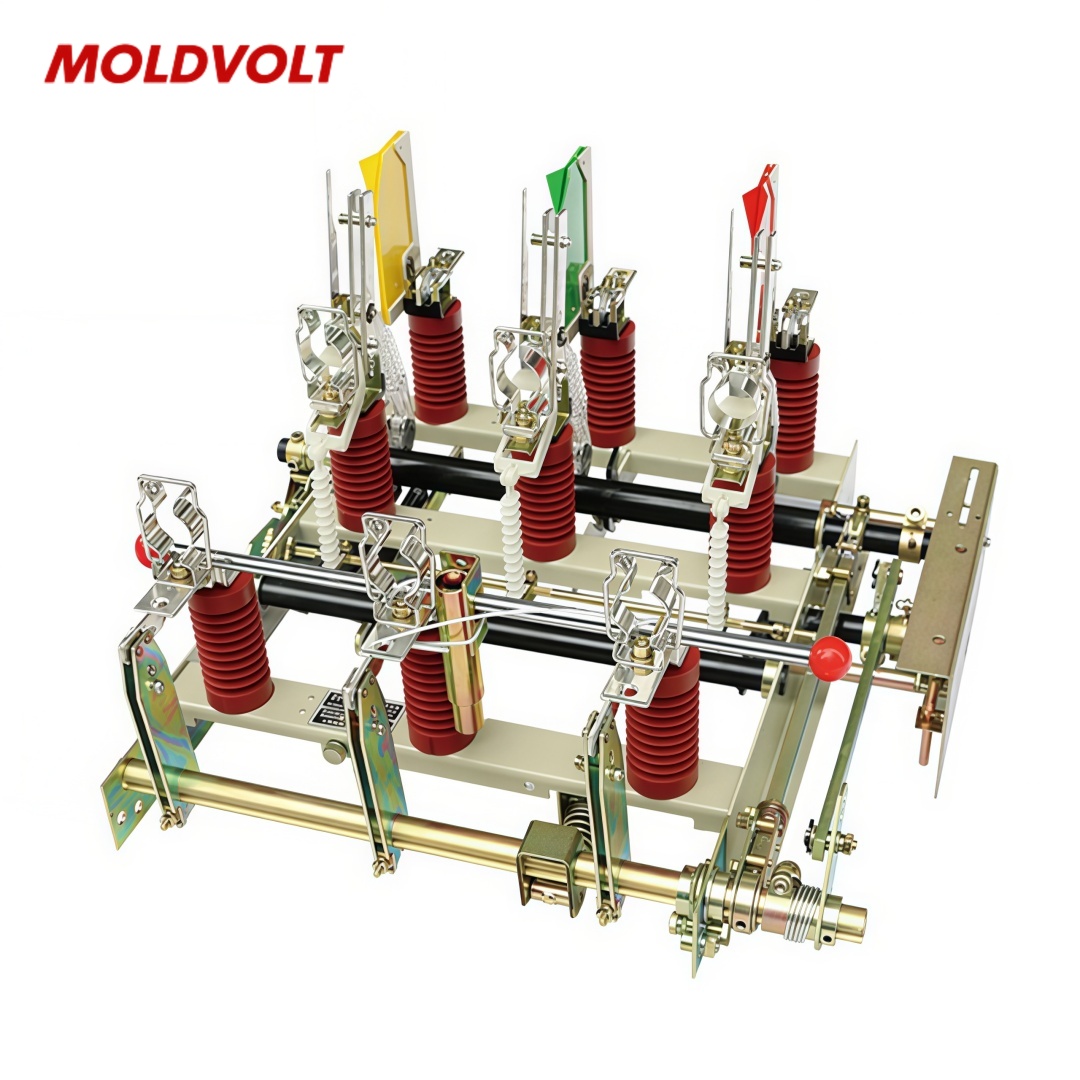
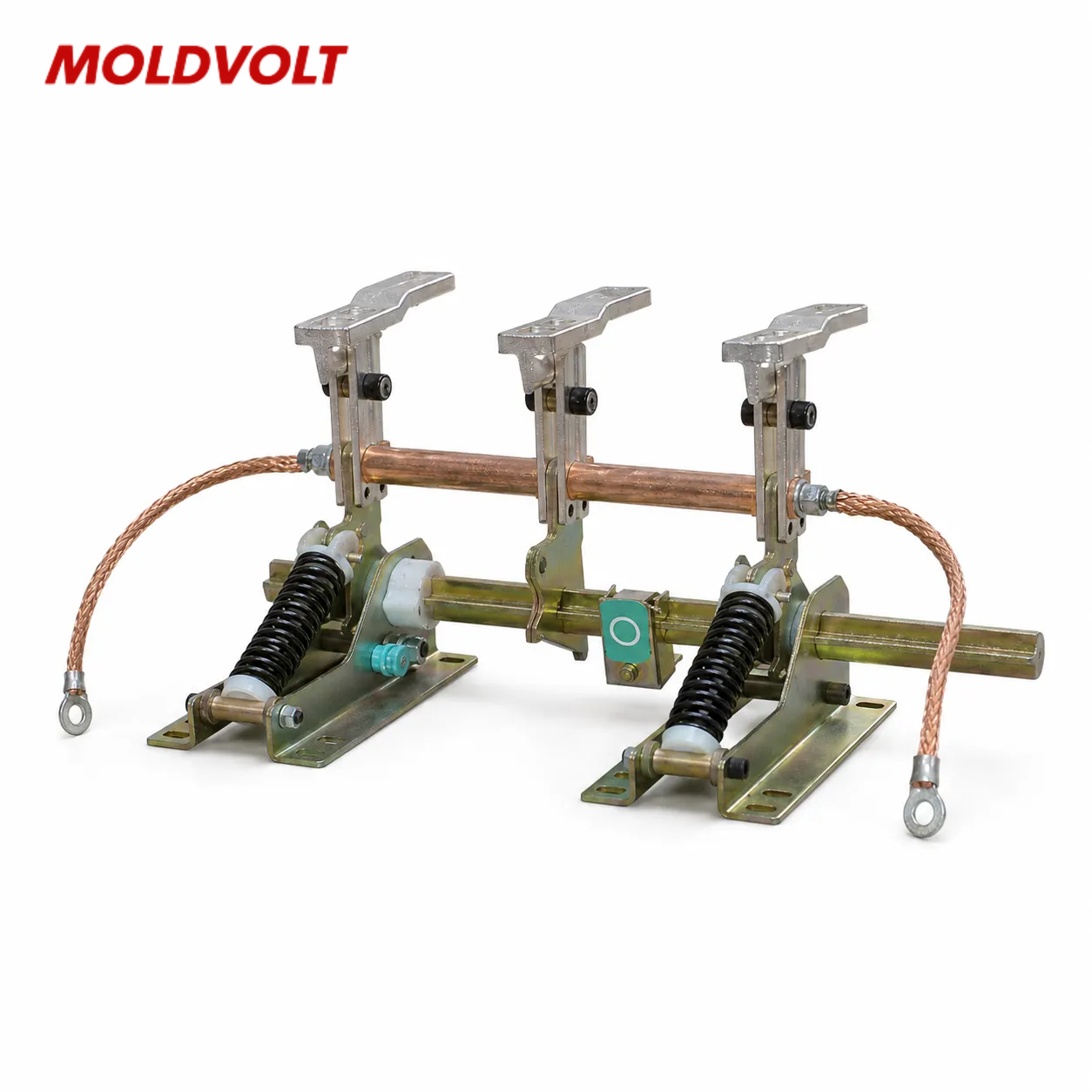
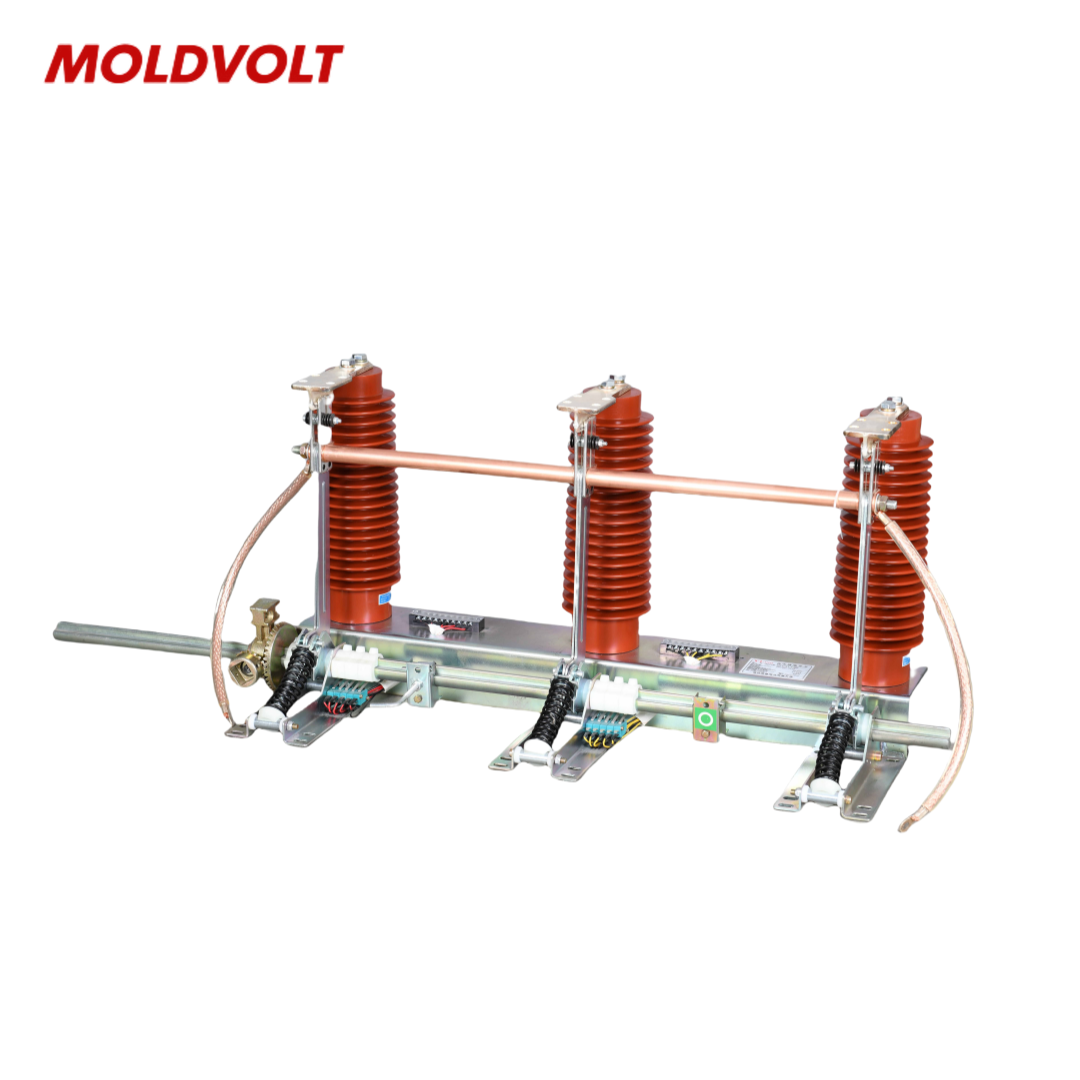
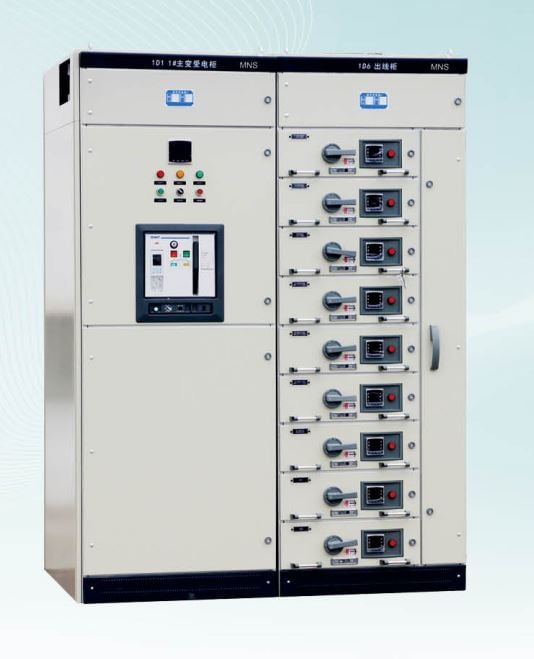
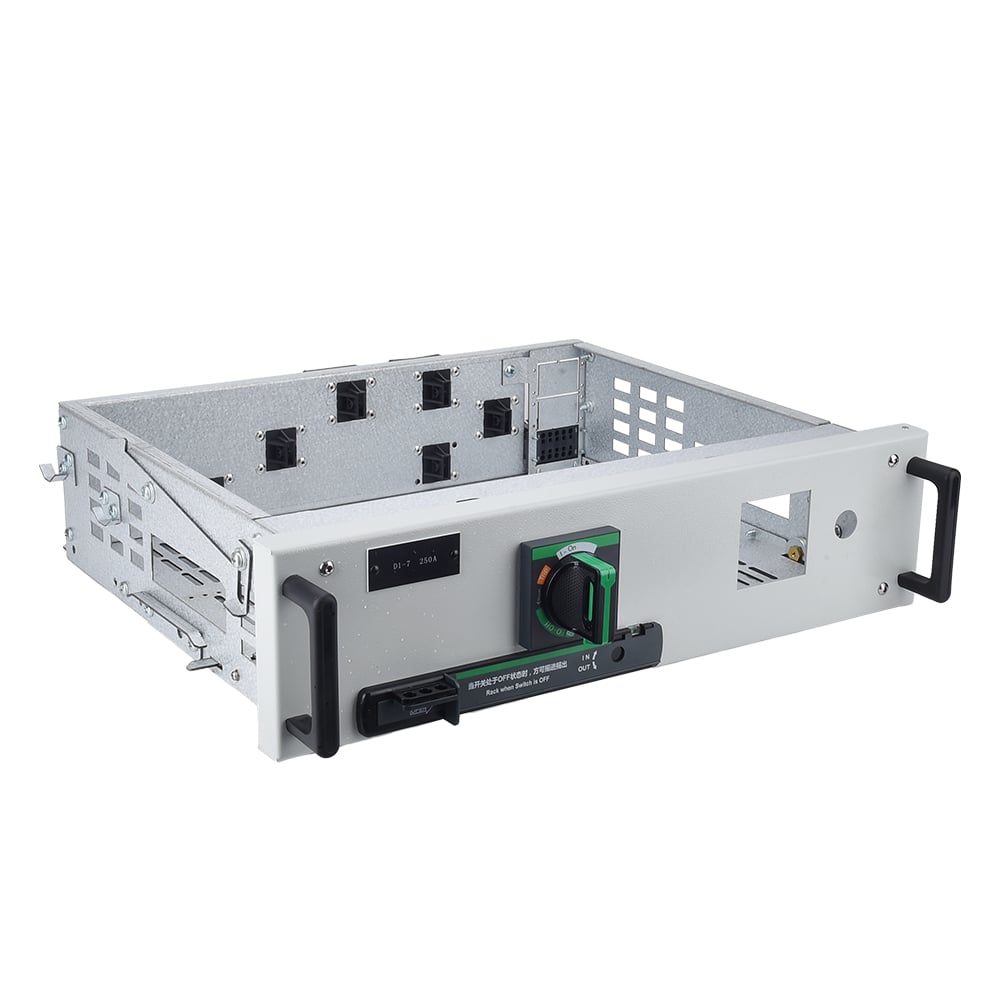
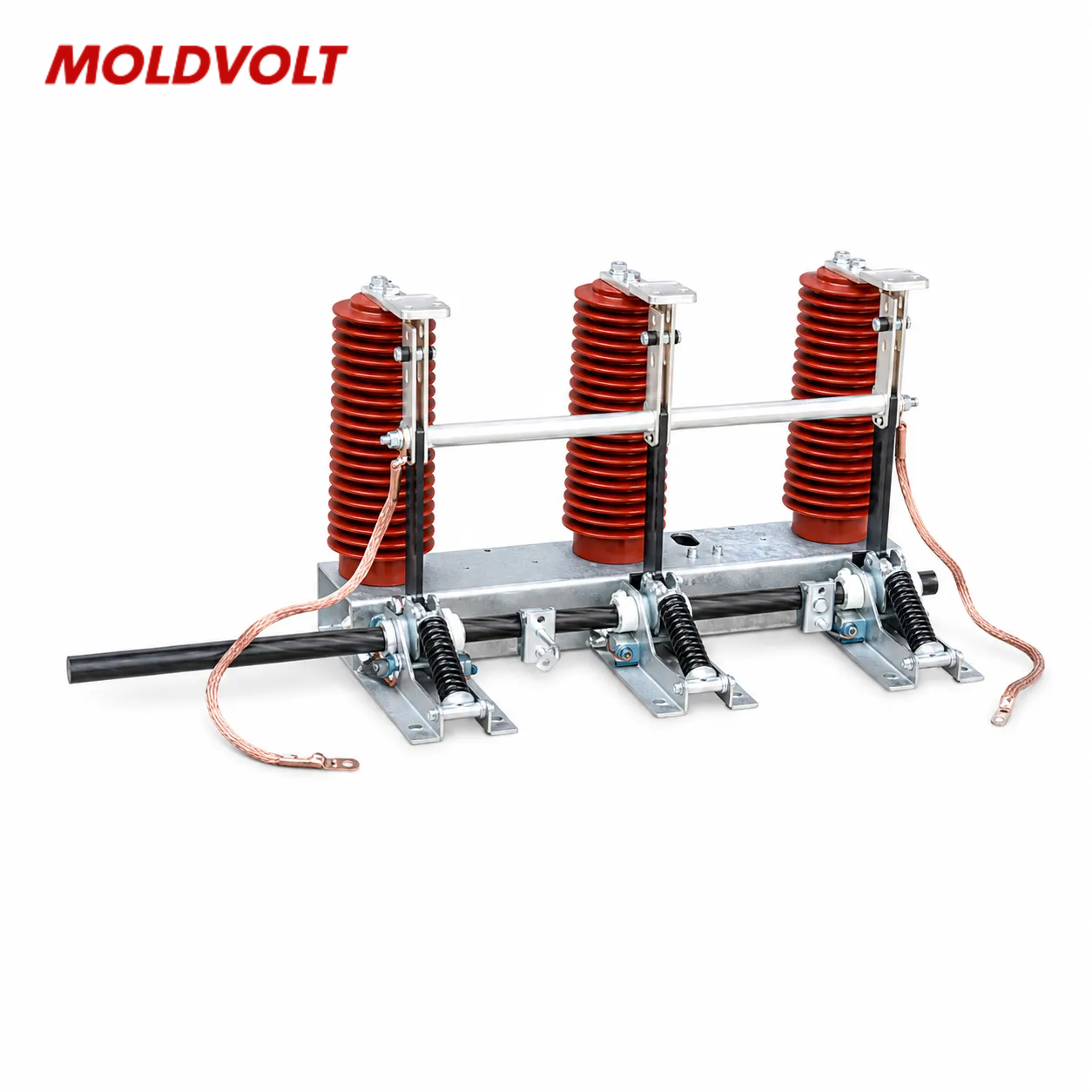
Our load disconnect switches provide practical switching and isolation solutions for industrial power distribution, commercial electrical infrastructure, and medium-voltage switchgear applications. Designed around different electrical operating requirements, they support controlled circuit switching and designated isolation functions. Available configurations can accommodate various rated voltage levels, continuous current requirements, mounting arrangements, and connection structures, depending on the selected model. Their robust construction supports dependable mechanical operation under specified service conditions, while practical installation designs help simplify equipment integration. For switchgear manufacturers and electrical contractors, selecting appropriately rated disconnect switches helps improve system compatibility and maintenance planning. These solutions offer a reliable foundation for organized electrical distribution projects.
Get A Quote

Case Study

Industrial Manufacturing Distribution Upgrade

An industrial manufacturing facility needed to upgrade its electrical distribution cabinets with dependable switching equipment. The engineering team selected load disconnect switches according to the system voltage, rated current, installation dimensions, and operating requirements. The equipment was integrated into the existing switchgear arrangement to provide practical circuit switching and isolation functions. Its configuration helped maintain an organized cabinet layout while allowing convenient access for inspection and servicing. Following installation and commissioning, the facility established a more structured approach to electrical equipment management. This application demonstrates the value of properly specified disconnect switches in industrial environments requiring reliable power distribution.

Commercial Building Electrical Installation

A commercial building project required switching equipment compatible with its medium-voltage electrical distribution infrastructure. Load disconnect switches were incorporated into the switchgear configuration to support circuit control and maintenance isolation. The contractor evaluated rated electrical parameters, insulation requirements, terminal arrangements, and compatibility with associated protection devices before installation. The selected configuration helped optimize cabinet space and simplify equipment integration. During commissioning, technicians verified mechanical operation and electrical connections against the project specifications. The completed installation provided a practical switching arrangement for the building's distribution system, demonstrating how suitable disconnect equipment supports organized electrical infrastructure and long-term maintenance planning.

Power Distribution Network Modernization

A distribution network modernization project required dependable disconnect equipment for multiple electrical switching locations. The engineering contractor assessed load disconnect switches according to rated voltage, continuous current, insulation performance, and installation requirements. Selected models were coordinated with existing switchgear assemblies and circuit protection arrangements. Before commissioning, technicians checked connection quality, operating mechanisms, and relevant electrical specifications to confirm installation compatibility. The upgraded equipment provided designated switching and isolation functions for the distribution infrastructure. This application highlights the importance of selecting suitable disconnect switches for utility and industrial projects where electrical reliability, equipment compatibility, and convenient maintenance access are essential considerations.

Related products

A load disconnect switch is an important component in electrical distribution systems, combining circuit switching capabilities with an isolation function according to its design and rated operating conditions. It is commonly installed in industrial distribution cabinets, medium-voltage switchgear, commercial electrical facilities, and power distribution networks. Selecting the right product requires evaluating rated voltage, continuous current, load switching capacity, insulation level, and short-time withstand current. Different applications may also require specific operating mechanisms, terminal arrangements, mounting dimensions, and insulation structures. Our load disconnect switch solutions are developed for integration into different electrical equipment configurations, supporting the requirements of switchgear manufacturers, electrical contractors, and industrial project operators. Project specifications can be reviewed to identify suitable configurations for new installations or equipment upgrades. Proper coordination with protective devices and compliance with applicable electrical standards remain essential for dependable operation and safe maintenance.
Frequently Asked Questions

What is the main function of a load disconnect switch?

A load disconnect switch provides circuit switching and isolation functions within an electrical distribution system. Depending on its rated design, it can switch specified load currents and establish isolation points for maintenance. Its operating capabilities must always match the manufacturer's technical specifications.
Load disconnect switches are commonly used in industrial power distribution cabinets, medium-voltage switchgear, commercial electrical infrastructure, and utility distribution networks. Their selection depends on system voltage, current requirements, switching duties, installation conditions, and compatibility with associated electrical protection equipment.
A load disconnect switch provides specified switching and isolation functions, while a circuit breaker is designed to interrupt fault currents within its rated breaking capacity. These devices serve different protection and operational purposes and must be properly coordinated within an electrical system.
Configuration options may include rated voltage, current capacity, mounting dimensions, terminal arrangements, insulation structures, and operating mechanisms. Availability depends on the manufacturer's product range. Providing detailed electrical and installation specifications helps determine a suitable configuration for each project.
Evaluate rated voltage, continuous current, switching capacity, insulation level, short-time withstand current, and environmental conditions. Also check installation dimensions and compatibility with existing switchgear. Reviewing technical documentation with the manufacturer helps ensure the selected model meets project requirements.

Related article

From High-Voltage Insulators to Low-Voltage Switchgear: A Vietnamese Manufacturer’s Transformation, Together with Us‌

08

Sep

From High-Voltage Insulators to Low-Voltage Switchgear: A Vietnamese Manufacturer’s Transformation, Together with Us‌

View More
What cable clamp material suits high temperature switchgear cabinets?

19

Sep

What cable clamp material suits high temperature switchgear cabinets?

Understanding High-Temperature Challenges in Switchgear CabinetsTypical Operating Temperatures and Thermal Stress Sources (Busbars, Load Cycling, Enclosure Design)Switchgear cabinets experience elevated temperatures primarily due to resistive losses ...
View More
Insulator dimensional tolerance controls assembly efficiency in switchgear.

25

Sep

Insulator dimensional tolerance controls assembly efficiency in switchgear.

Why Insulator Dimensional Tolerance Is the Silent Driver of Switchgear Assembly EfficiencyIn high-voltage switchgear, insulators do much more than prevent flashover—they serve as load-bearing anchors that dictate how quickly and precisely busbars, ci...
View More
How to customize cabinet dimensions to fit existing switchgear layouts?

26

Sep

How to customize cabinet dimensions to fit existing switchgear layouts?

Step 1: Accurate Site Assessment and Dimensional BenchmarkingMeasuring mechanical layout, clearances, and structural constraints in legacy electrical roomsA successful retrofit begins with a meticulous site survey. Older electrical rooms rarely match...
View More

Customer Testimonials

Michael Anderson

We selected these load disconnect switches for our industrial distribution cabinets. Their practical installation design and dependable switching performance helped simplify equipment integration and routine maintenance across our facility.

David Wilson

The supplier provided suitable switching configurations for our project requirements. The equipment integrated smoothly into our distribution system and offered reliable operation during routine electrical switching procedures.

Get a Free Quote

Our representative will contact you soon.
Email
Mobile/WhatsApp
Name
Company Name
Message
0/1000
Dependable Switching for Electrical Distribution

Dependable Switching for Electrical Distribution

Consistent switching performance is essential for electrical distribution systems operating in industrial plants, commercial buildings, and utility facilities. Our load disconnect switch solutions are designed to meet different electrical and installation requirements through model-specific configurations. Customers can evaluate rated voltage, continuous current, insulation characteristics, and operating mechanisms when selecting suitable equipment. For example, medium-voltage switchgear manufacturers can integrate appropriately rated disconnect switches into distribution cabinets to establish practical circuit switching and isolation arrangements. Their robust construction supports mechanical reliability under specified operating conditions, while carefully selected electrical parameters help maintain system compatibility. Proper coordination with protective devices further contributes to dependable distribution system performance.
Flexible Configurations for Switchgear Integration

Flexible Configurations for Switchgear Integration

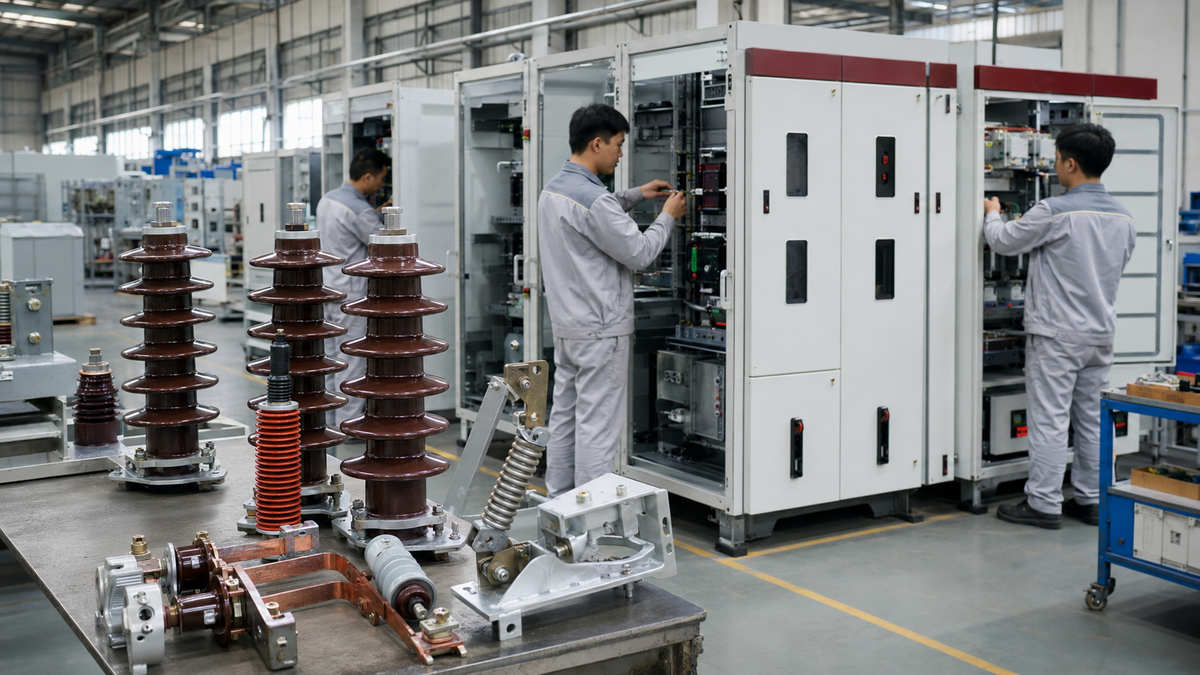
Electrical equipment manufacturers frequently require disconnect switches that match specific cabinet structures and project specifications. Our load disconnect switch solutions support different installation arrangements and electrical configurations, subject to product availability. Important considerations include mounting dimensions, connection positions, rated current, insulation requirements, and operating mechanisms. For example, an industrial switchgear manufacturer can evaluate these parameters during the equipment design stage to improve component compatibility and simplify assembly planning. Project-based technical communication helps identify suitable configurations for new distribution systems and existing equipment upgrades. This flexible selection approach supports practical integration across industrial facilities, commercial infrastructure, and power distribution projects.
Practical Maintenance and Isolation Support

Practical Maintenance and Isolation Support

Effective electrical maintenance requires suitable switching equipment and clearly defined isolation procedures. A properly selected load disconnect switch provides an isolation function that supports maintenance activities when operated according to its design and manufacturer instructions. Its integration should account for rated electrical parameters, insulation coordination, operating mechanisms, and compatibility with associated circuit protection devices. In manufacturing facilities and commercial distribution networks, these considerations help create organized electrical equipment arrangements and improve accessibility for routine inspection. Engineering teams should verify interlocking arrangements, switching sequences, and applicable safety standards before commissioning. Appropriate product selection and installation contribute to reliable operation and systematic long-term maintenance planning.

Get a Free Quote

Our representative will contact you soon.
Email
Mobile/WhatsApp
Name
Company Name
Message
0/1000